20 Totally Overrated Plants to Reconsider
Not every plant with a stunning reputation deserves a prime spot in your garden. Some plants come with significant drawbacks, such as high maintenance, invasiveness, or susceptibility to pests and diseases. While these plants might be popular, their downsides often outweigh their benefits.
Below, we’ve compiled a list of 20 overrated plants and offered better alternatives to ensure your garden thrives.
1. Daffodils
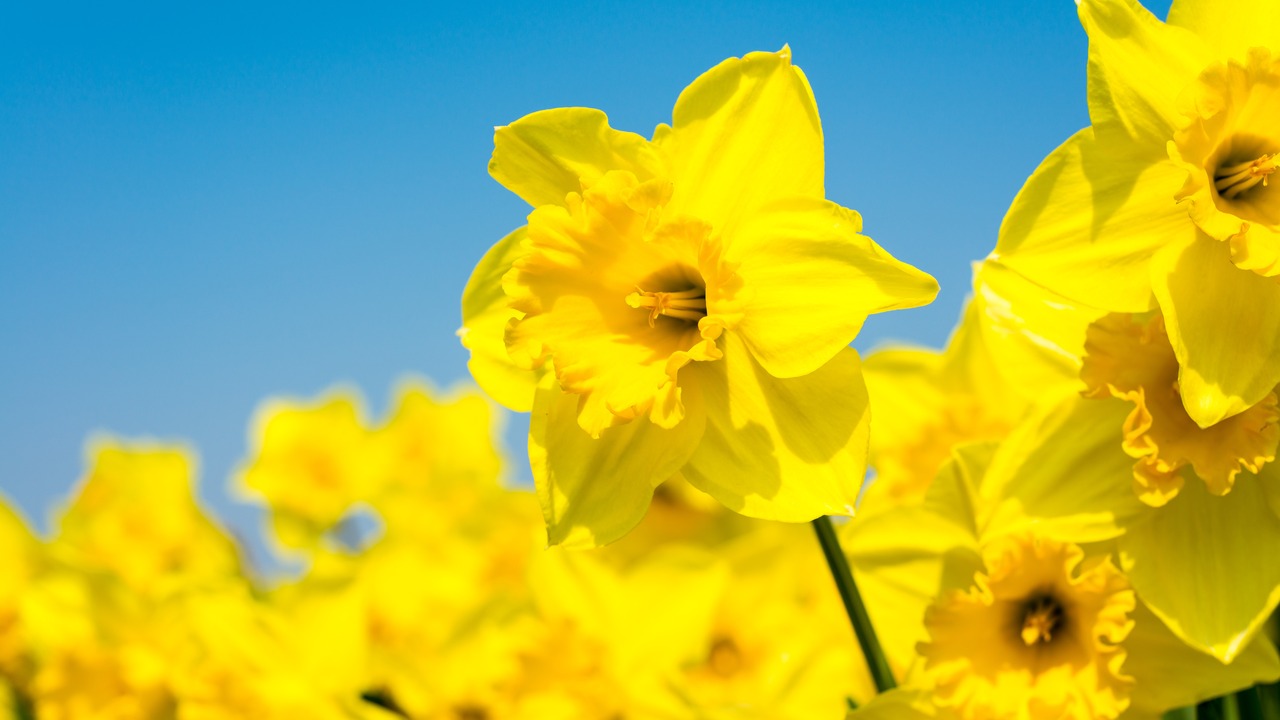
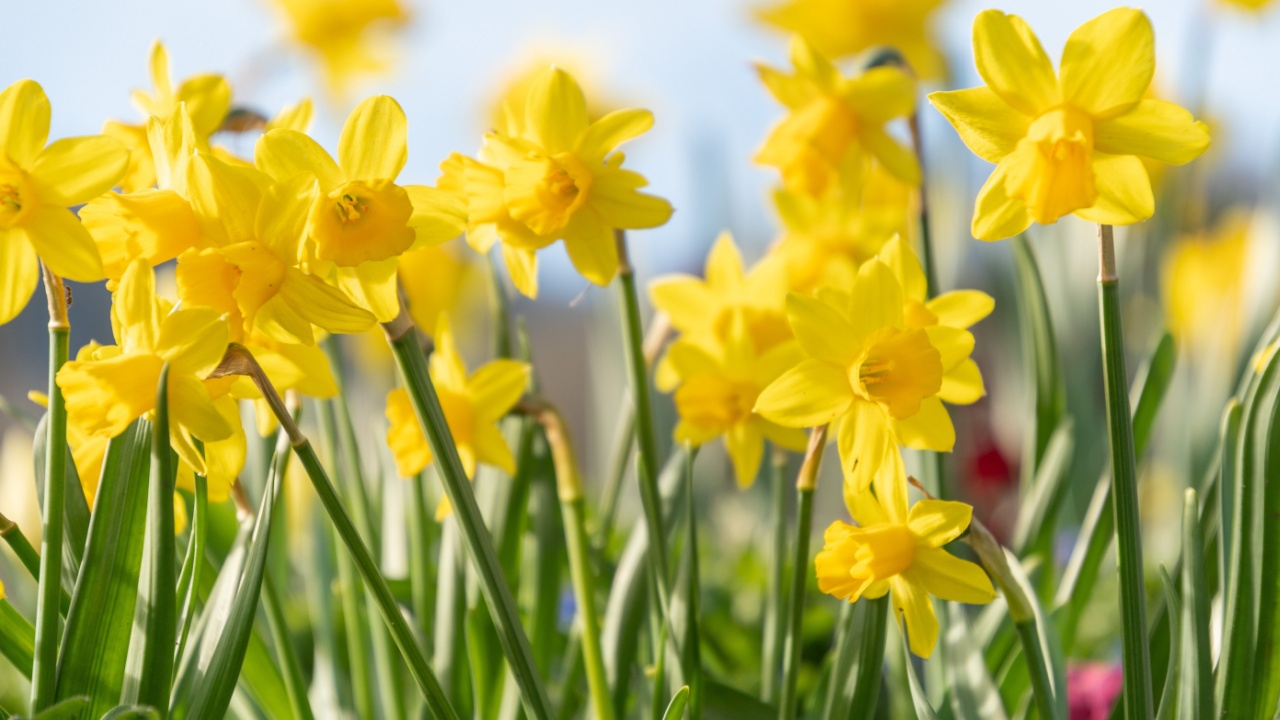
Why They’re Popular: Daffodils are synonymous with spring, offering vibrant yellow blooms that brighten any garden. They’re often used in borders or naturalized in grassy areas and thrive in USDA zones 3-9. Their bulbs are easy to plant, making them beginner-friendly.
Why They’re Overrated: After blooming, daffodils quickly decline, leaving behind unsightly, browning foliage that must remain for weeks to replenish energy for the next year. They’re also overused in many gardens, limiting creativity. Instead, consider planting Leucojum aestivum (Summer Snowflakes). These elegant flowers produce white bell-shaped blooms with a longer-lasting display and tolerate similar growing conditions.
2. Fountain Grass (Pennisetum alopecuroides)

Why It’s Popular: Fountain grass brings a graceful texture with its feathery plumes and arching foliage. It’s widely used in landscape designs for its easy care and aesthetic appeal in zones 5-9.
Why It’s Overrated: This grass reseeds aggressively, crowding out other plants and creating a weedy appearance over time. Native alternatives like Sporobolus heterolepis (Prairie Dropseed) offer similar texture without the invasive tendencies. Prairie Dropseed produces fragrant flowers and supports local wildlife.
3. Peonies
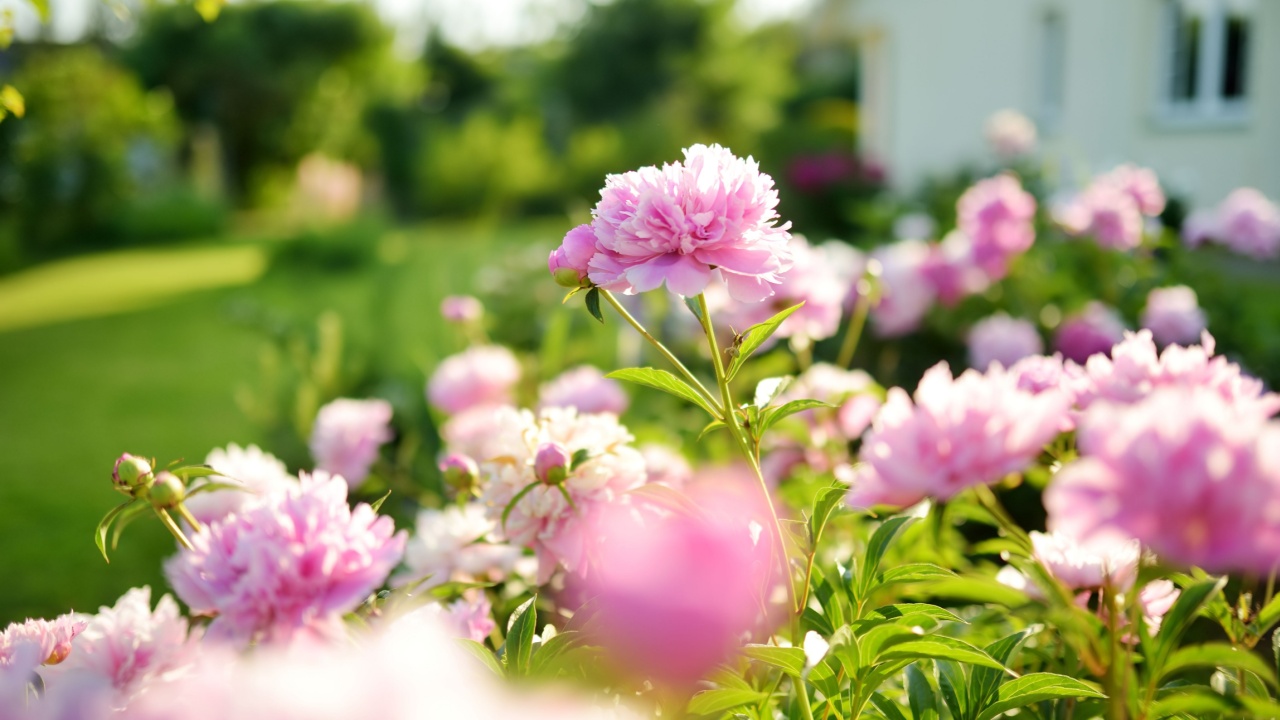
Why They’re Popular: With their lush, fragrant blooms, peonies are showstoppers that add romance to any garden in USDA zones 3-8. They’re long-lived, often passed down for generations.
Why They’re Overrated: While gorgeous, peonies have an extremely short blooming period—just 7-10 days. They also require staking to support their heavy blooms and are prone to fungal diseases. For a longer-lasting display, try Dahlias, which bloom continuously from midsummer through fall with proper care.
4. Privet (Ligustrum spp.)
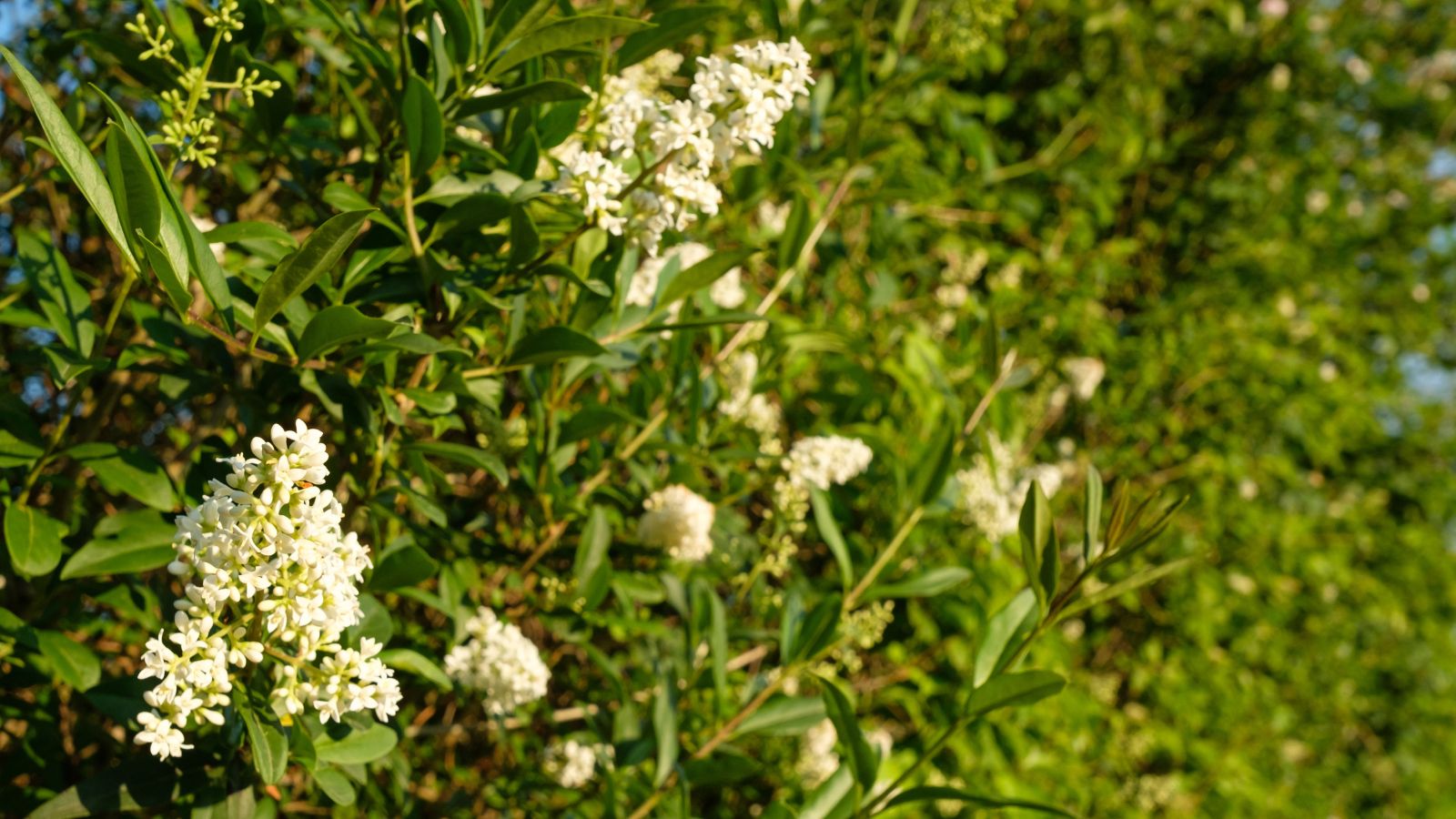
Why It’s Popular: Privet is a fast-growing hedge plant that provides privacy and structure in gardens. Known for its adaptability, it thrives in USDA zones 5-9.
Why It’s Overrated: Privet is a rampant invader in many regions, outcompeting native plants. It requires constant pruning to maintain its shape and avoid seed dispersal. Replace it with Thuja ‘Green Giant’ or Ilex glabra (Inkberry Holly) for evergreen hedging that doesn’t strangle local ecosystems.
5. Hostas
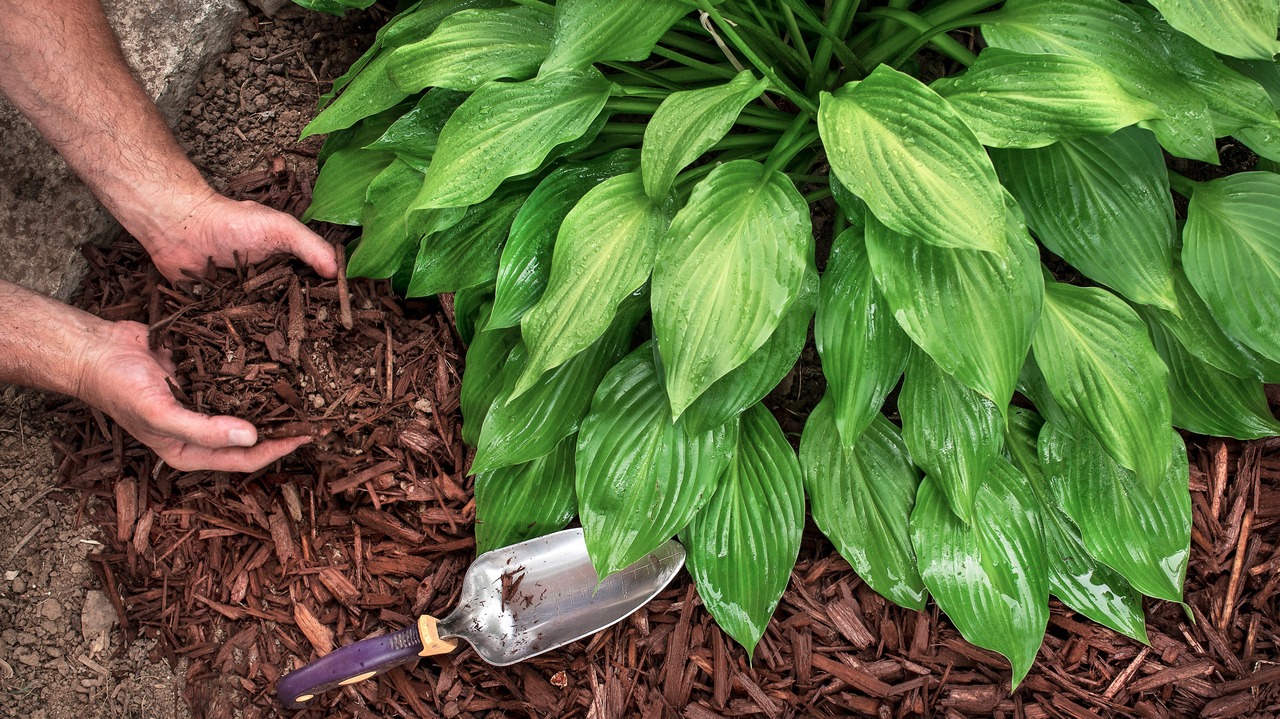
Why They’re Popular: Hostas are adored for their diverse leaf shapes, patterns, and shades of green. They’re staples in shade gardens and thrive in USDA zones 3-8.
Why They’re Overrated: Hostas attract deer and slugs, often leaving your beautiful leaves riddled with holes. Their moisture requirements and susceptibility to sunburn make placement tricky. A better option is Helleborus (Lenten Rose- caution: can be invasive in some areas), which offers evergreen foliage and nodding blooms in late winter, thriving in similar shady conditions.
6. Burning Bush (Euonymus alatus)
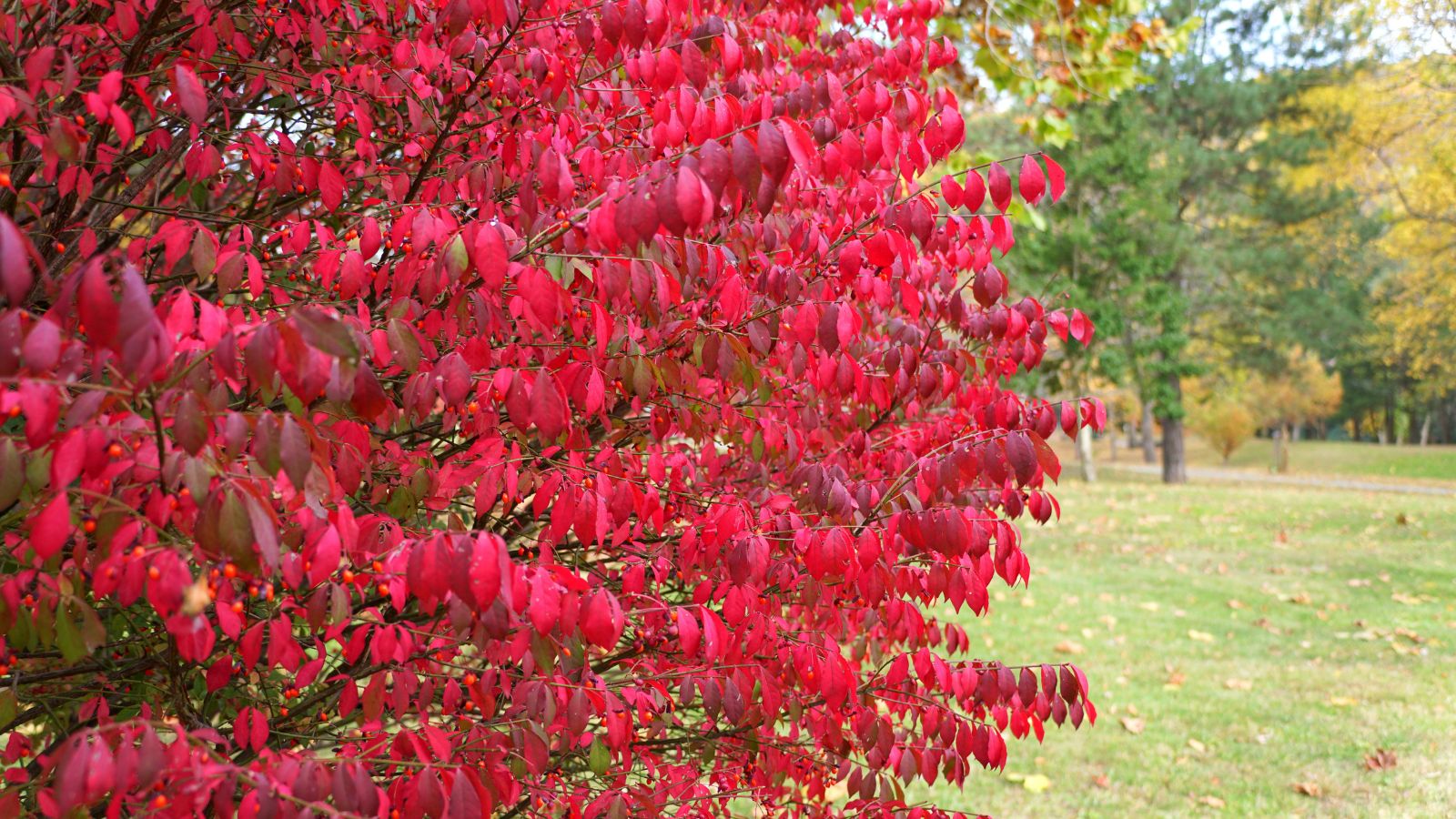
Why It’s Popular: The striking red foliage of burning bush makes it a fall favorite in USDA zones 4-8. Its low maintenance and ability to grow in poor soils were once seen as major advantages.
Why It’s Overrated: Burning bush is invasive in many regions, escaping gardens to dominate woodlands. Consider Aronia arbutifolia (Red Chokeberry) instead. This native shrub offers vibrant red foliage, edible berries for wildlife, and far less invasive behavior.
7. Lupines
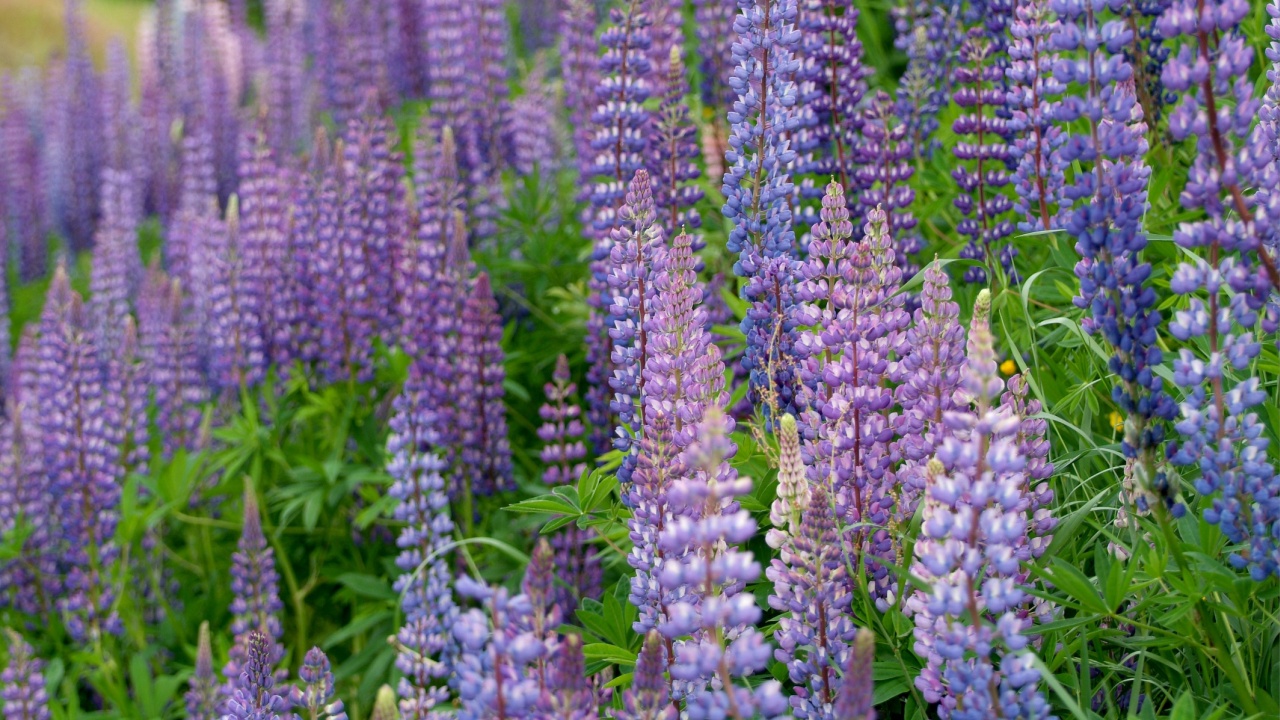
Why They’re Popular: Lupines are beloved for their tall, spiked flowers and cottage-garden charm. They thrive in zones 4-8 and attract pollinators like bees and butterflies.
Why They’re Overrated: These plants often fall victim to aphids and powdery mildew, requiring significant maintenance. For a lower-maintenance alternative, try Salvia nemorosa (Meadow Sage). It delivers similar vertical interest and blooms over a longer period.
8. Sea Oats (Chasmanthium latifolium)

Why They’re Popular: This native grass is prized for its nodding flower heads, which provide year-round interest in zones 3-9. Its drought tolerance makes it an appealing choice for low-maintenance gardens.
Why They’re Overrated: Sea oats reseed aggressively and can quickly dominate a garden. Instead, plant Schizachyrium scoparium (Little Bluestem). This grass offers striking blue-green foliage that turns orange in fall and rarely reseeds unchecked.
9. Bamboo
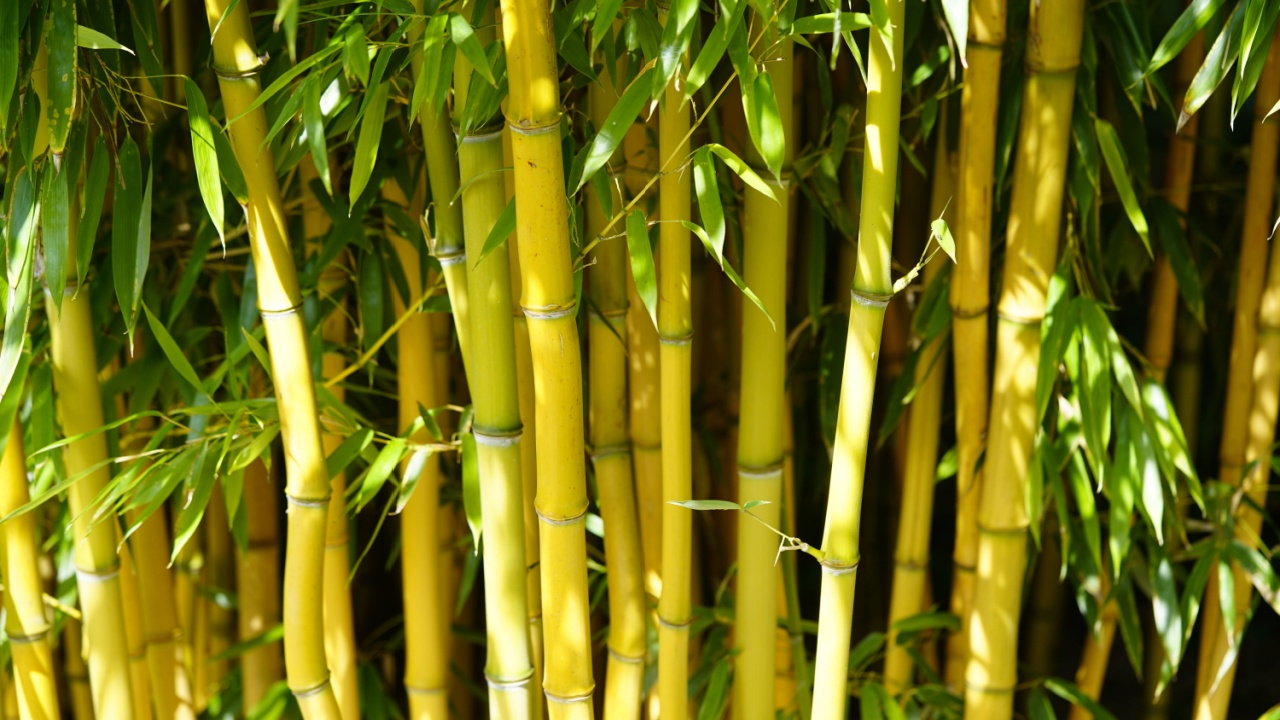
Why It’s Popular: Bamboo is a go-to for creating privacy screens, providing fast growth and year-round greenery. Clumping varieties are particularly valued for their contained growth.
Why It’s Overrated: Running bamboo quickly takes over gardens, invading neighboring properties and becoming nearly impossible to remove. Replace it with the native Rhus aromatica (Fragrant Sumac), which provides comparable privacy with a more manageable growth habit.
10. Barberry (Berberis thunbergii)
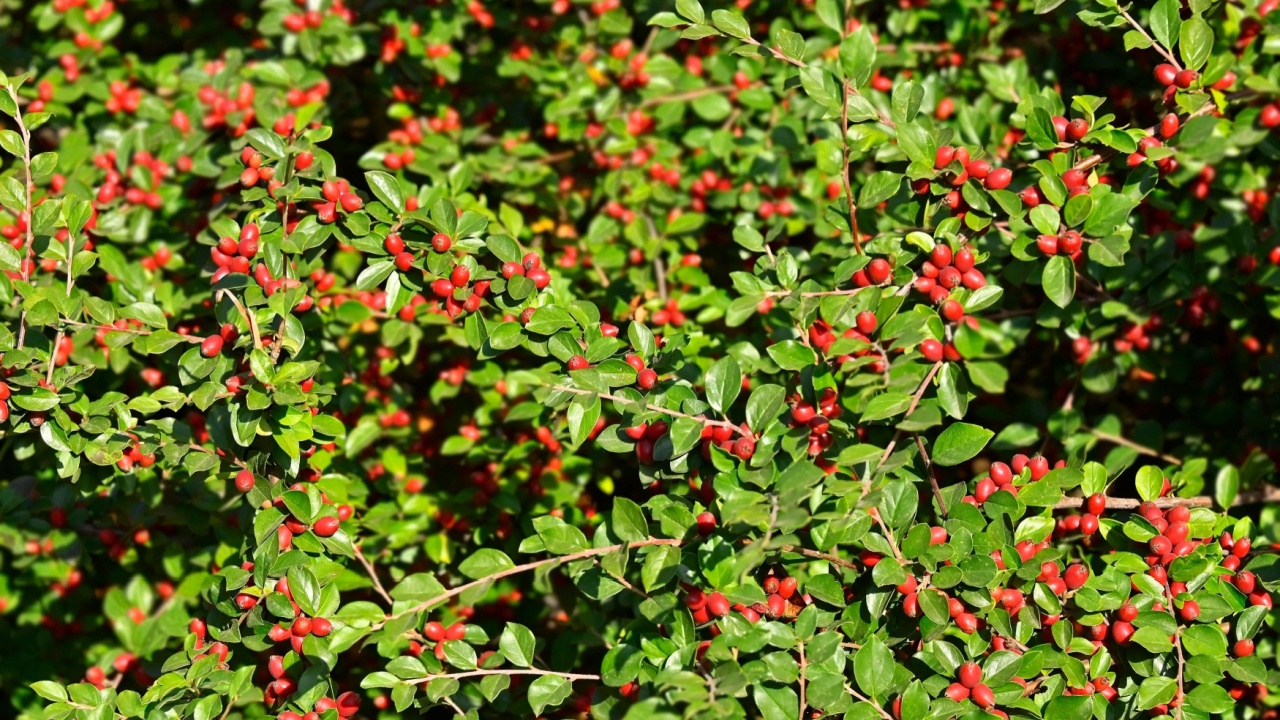
Why It’s Popular: Barberry’s ornamental foliage, flowers, and berries make it a garden favorite. It’s also used as a deterrent plant thanks to its thorny branches.
Why It’s Overrated: Barberry is invasive in many regions and serves as a breeding ground for ticks. Instead, consider Physocarpus opulifolius (Ninebark). This adaptable shrub offers colorful foliage without the ecological risks.
11. Boxwood (Buxus spp.)

Why They’re Popular: Boxwoods are the defining element of formal gardens, treasured for their tidy, evergreen foliage and ability to be shaped into hedges or topiaries.
Why They’re Overrated: Boxwoods are highly susceptible to blight and pests like boxwood leaf miners. Try Ilex crenata (Japanese Holly) as a disease-resistant alternative with similar structural appeal.
12. Wisteria (Wisteria sinensis)
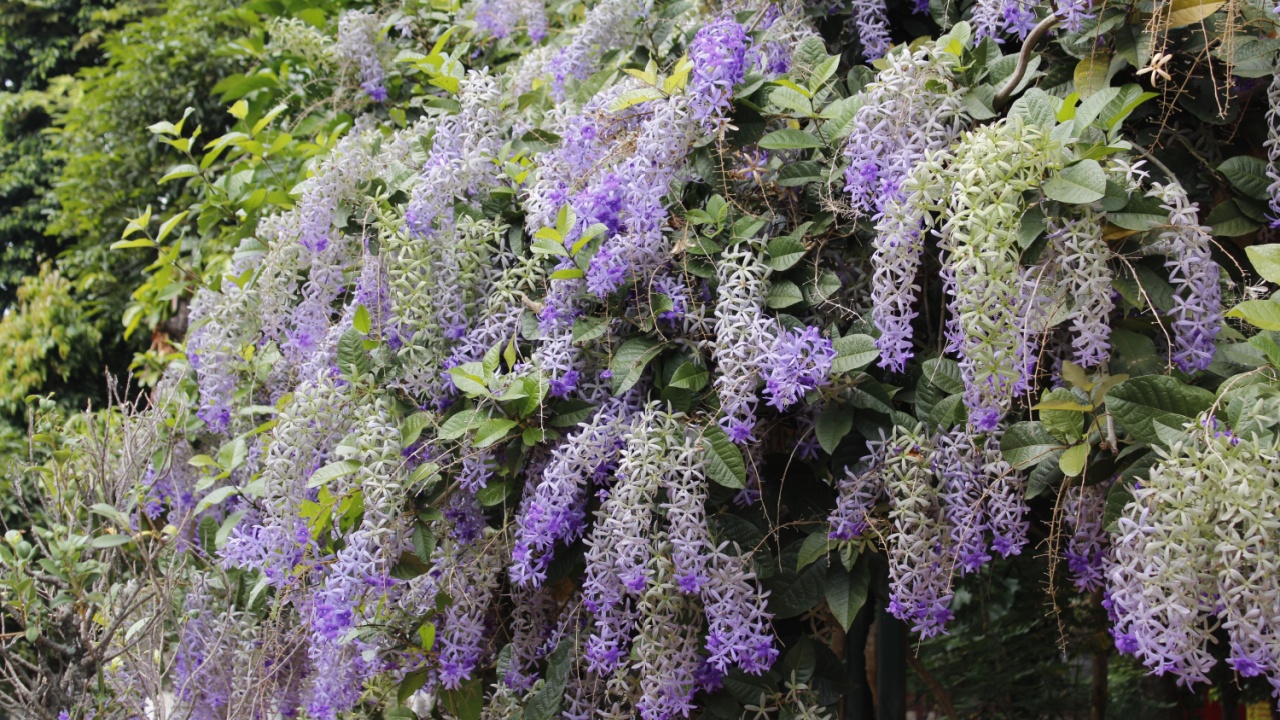
Why It’s Popular: Known for its cascading blooms, wisteria transforms pergolas and walls into magical displays. It thrives in USDA zones 5-9.
Why It’s Overrated: Non-native wisteria is invasive, climbing trees and smothering nearby plants. Opt for native Wisteria frutescens, which offers the same stunning blooms but in a less aggressive form.
13. Liriope Spicata (Creeping Lilyturf)
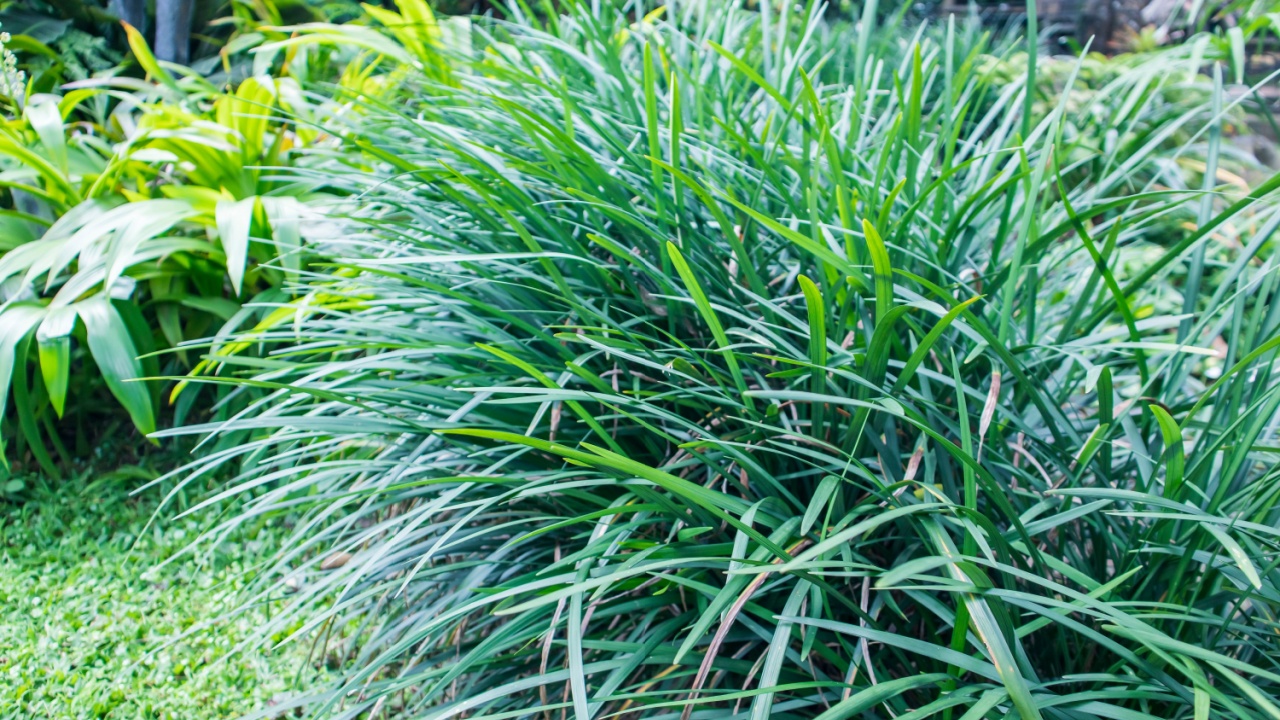
Why It’s Popular: This ground cover is often used for controlling erosion on slopes and suppressing weeds. Its grass-like foliage adds texture to gardens.
Why It’s Overrated: Creeping lilyturf spreads aggressively, choking out other perennials. Instead, plant Carex pensylvanica (Pennsylvania Sedge), a low-maintenance ground cover that’s less invasive.
15. English Ivy (Hedera helix)

Why It’s Popular: English Ivy is often chosen for its lush, evergreen appearance and ability to quickly cover walls, fences, or bare patches of ground. Its low maintenance and classic aesthetic make it a common sight in many landscapes.
Why It’s Overrated: Experts, like those at Oregon State Horticulture Extension, warn that English Ivy is highly invasive, smothering other plants and damaging structures and trees. Instead, opt for Parthenocissus tricuspidata (Boston Ivy), which provides similar coverage but is less likely to overtake the garden.
16. Norway Maple (Acer platanoides)

Why It’s Popular: Admired for its large, dense shade and tolerance to urban pollution, the Norway Maple is often planted along streets and in yards for instant shelter and curb appeal.
Why It’s Overrated: The Illinois Extension reports this tree crowds out native species, and its shallow roots outcompete grass and other plants. Choose Acer rubrum (Red Maple) instead—it’s a native, attracts wildlife, and provides beautiful fall color without invasive tendencies.
17. Callery Pear (Pyrus calleryana, aka Bradford Pear)
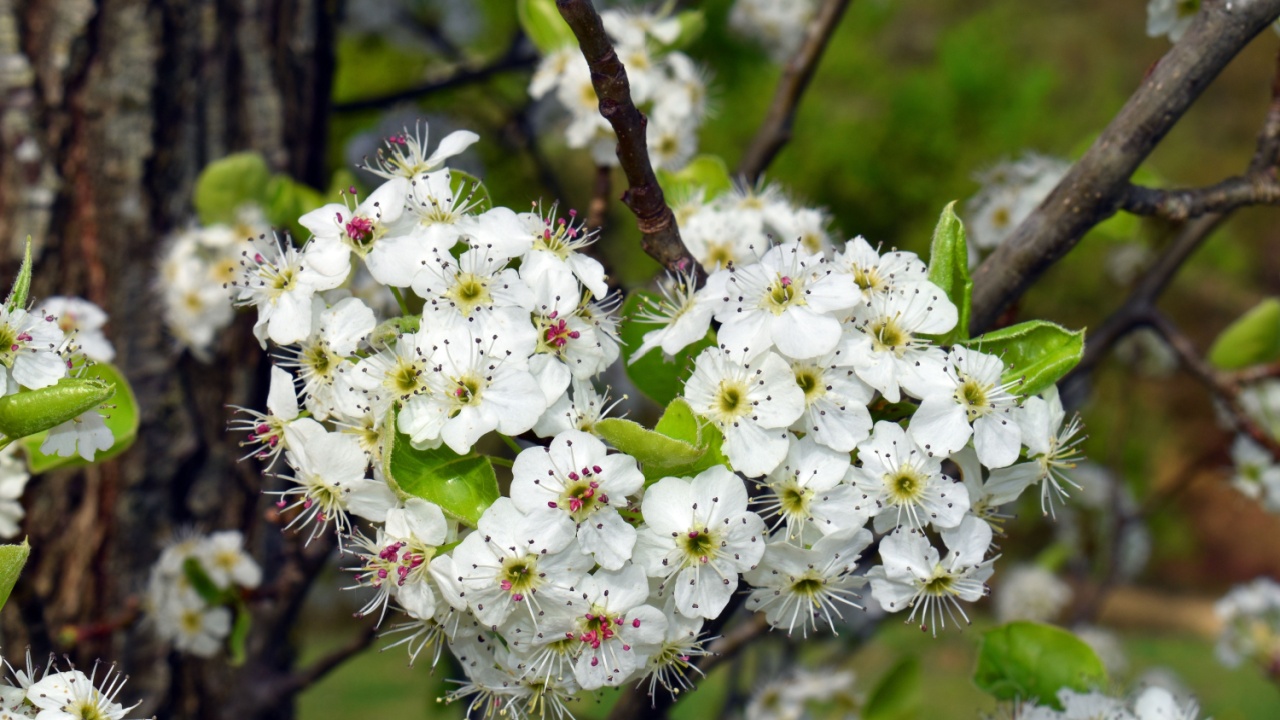
Why It’s Popular: Fast-growing and covered with a cloud of spring flowers, the Callery Pear became a go-to choice for new developments and city plantings across the U.S.
Why It’s Overrated: The U.S. Forest Service and many arborists consider it invasive, structurally weak, and prone to storm damage. Instead, plant Amelanchier canadensis (Serviceberry), which offers spring blooms, edible fruit, and strong branching.
18. Azaleas (Rhododendron spp.)
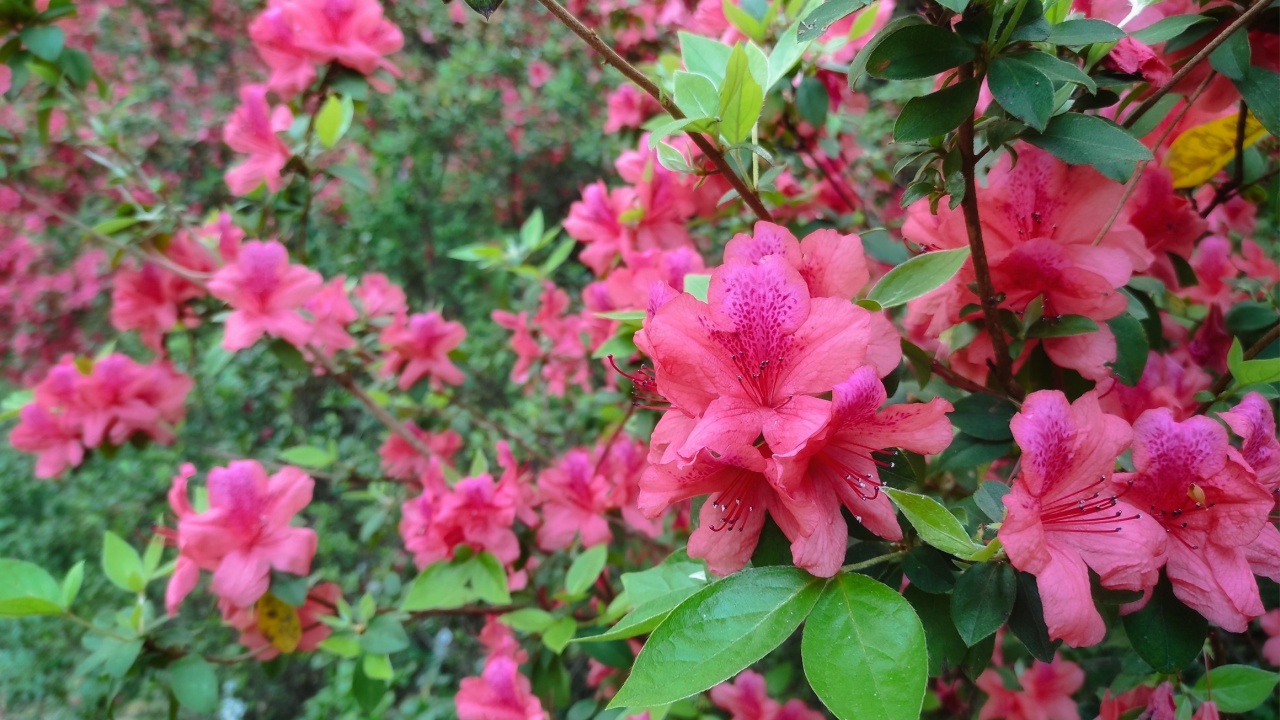
Why They’re Popular: Prized for their exuberant spring color and adaptability to shade, azaleas often become the focal point in foundation plantings and woodland gardens.
Why They’re Overrated: Azaleas can struggle with pests, diseases, and iron chlorosis in alkaline soils. Try Clethra alnifolia (Summersweet) for similar shade tolerance, fragrant blooms, and less finicky soil requirements.
19. Butterfly Bush (Buddleja davidii)

Why It’s Popular: Butterfly bushes are renowned for attracting pollinators with their long spikes of fragrant, colorful blooms. They’re easy to grow and flower repeatedly through summer.
Why It’s Overrated: The University of Maryland Extension advises that while the butterfly bush attracts adult butterflies, it doesn’t serve as a host plant for caterpillars and often spreads invasively. Choose Asclepias tuberosa (Butterfly Weed), a native milkweed that supports the full butterfly life cycle and adds bold color to sunny borders.
20. Leyland Cypress (× Cuprocyparis leylandii)
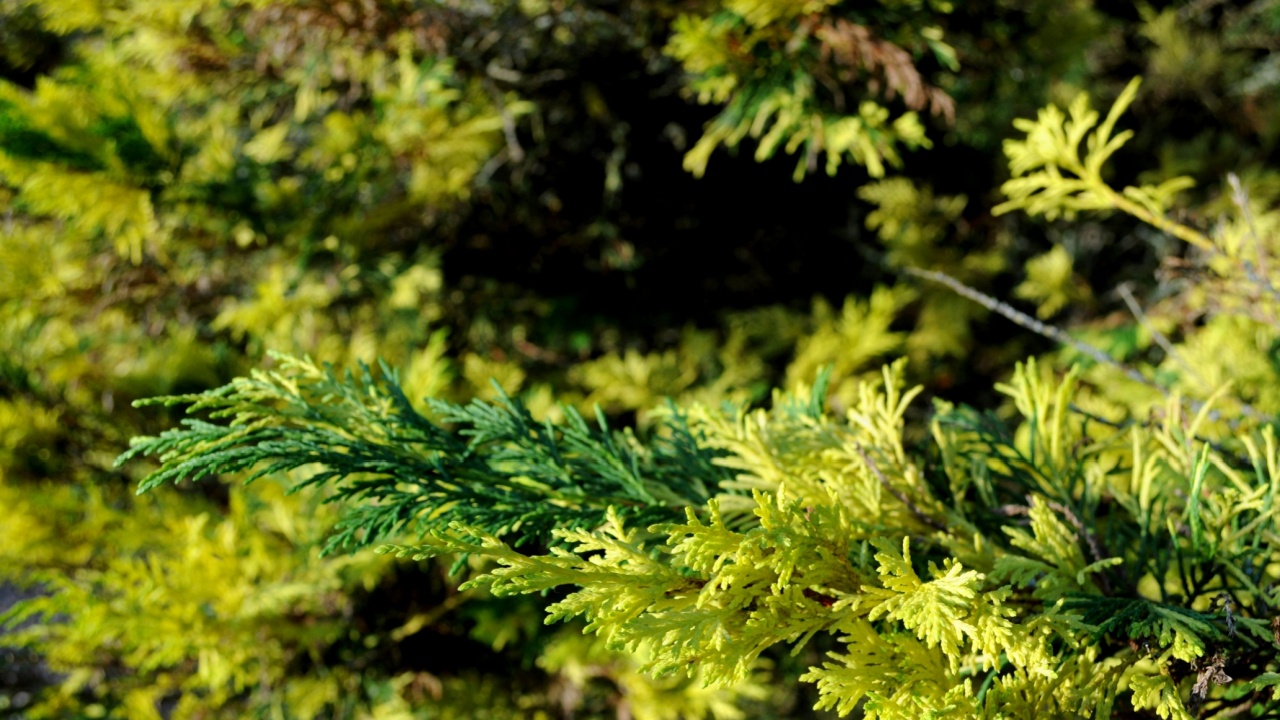
Why It’s Popular: Leyland Cypress is lauded for its rapid growth and usefulness as a privacy screen or windbreak. The tall, dense, evergreen barrier seems like a quick fix for backyard privacy.
Why It’s Overrated: Tree experts from NC Cooperative Extensionwarn that this species is susceptible to disease, pest outbreaks, and storm damage. It often outgrows its space at an uncontrollable rate. For a superior screen, plant Thuja occidentalis (American Arborvitae), a native evergreen that’s long-lived, disease-resistant, and easier to manage.
By choosing plants wisely, you’ll save yourself time, effort, and potential frustration. Your garden will not only be beautiful but also sustainable and rewarding!