
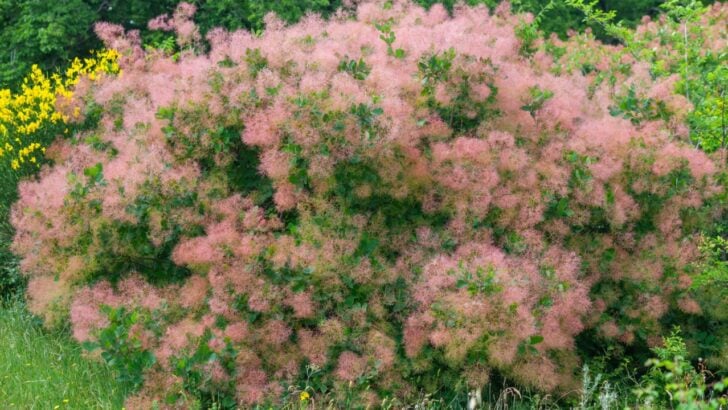
Landscaping your yard becomes much easier when you incorporate hardy shrubs that stand up to various conditions while adding beauty and structure. These resilient plants are perfect for gardeners of all experience levels, capable of thriving with minimal care.
Below are 20 hardy shrubs to enhance your outdoor space, along with care and landscaping tips for each one.
1. Ninebark
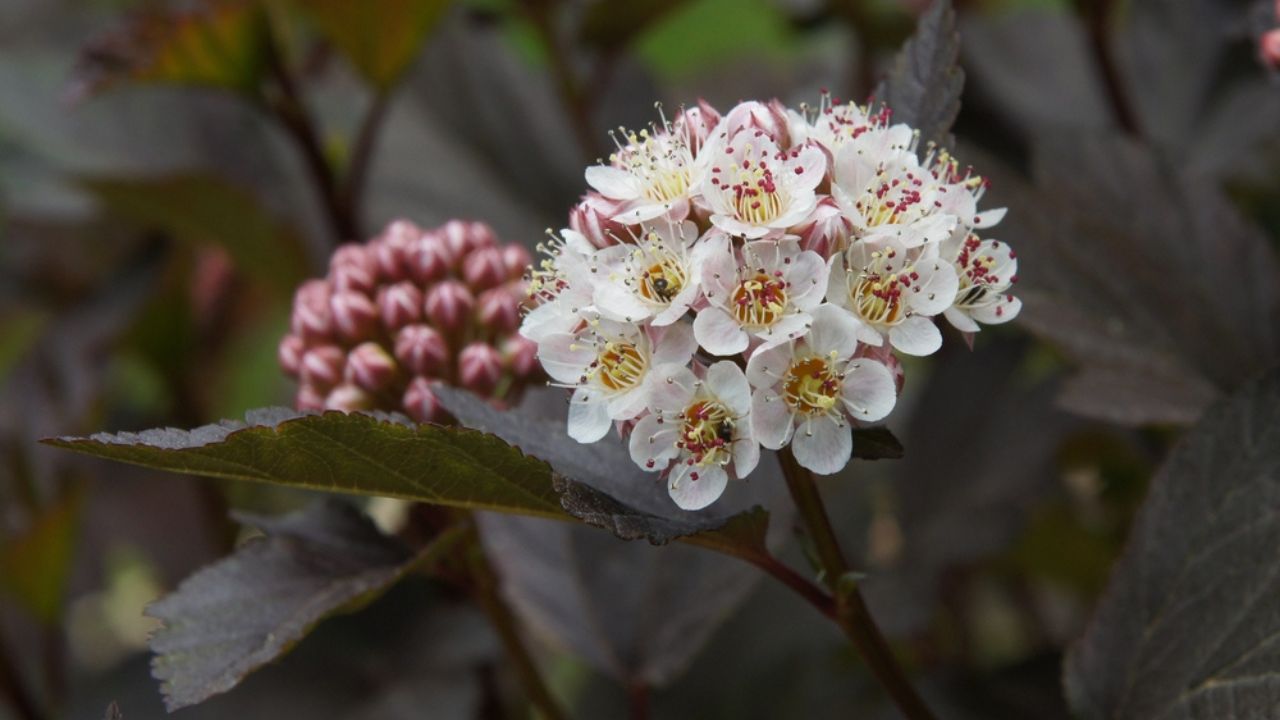
Image Credit: Shutterstock
Why It’s Hardy: This native shrub is incredibly versatile, thriving in full sun to part shade and tolerating a range of soils, including rocky and clay. Its resilience to drought and extreme weather makes it a reliable choice for any yard.
Care Tips: Plant in well-draining soil and water regularly until established. Prune occasionally to maintain its shape.
Landscaping Tips: Use Ninebark as a hedge or backdrop, or choose compact cultivars like ‘Amber Jubilee’ for smaller garden spaces. Its colorful leaves add visual interest throughout the season.
2. Japanese Spirea

Image Credit: Shutterstock.
Why It’s Hardy: Known as a “set it and forget it” plant, Japanese Spirea thrives in difficult conditions, including poor soil. It’s drought-resistant and blooms reliably each summer.
Care Tips: Plant in well-draining soil and give it access to full sun for the best blooms. Prune lightly in spring to encourage even flowering.
Landscaping Tips: Use it as a border plant or in clusters to create bright pops of pink. Varieties like ‘Goldflame’ also offer stunning foliage transformations throughout the seasons.
3. Shrub Roses
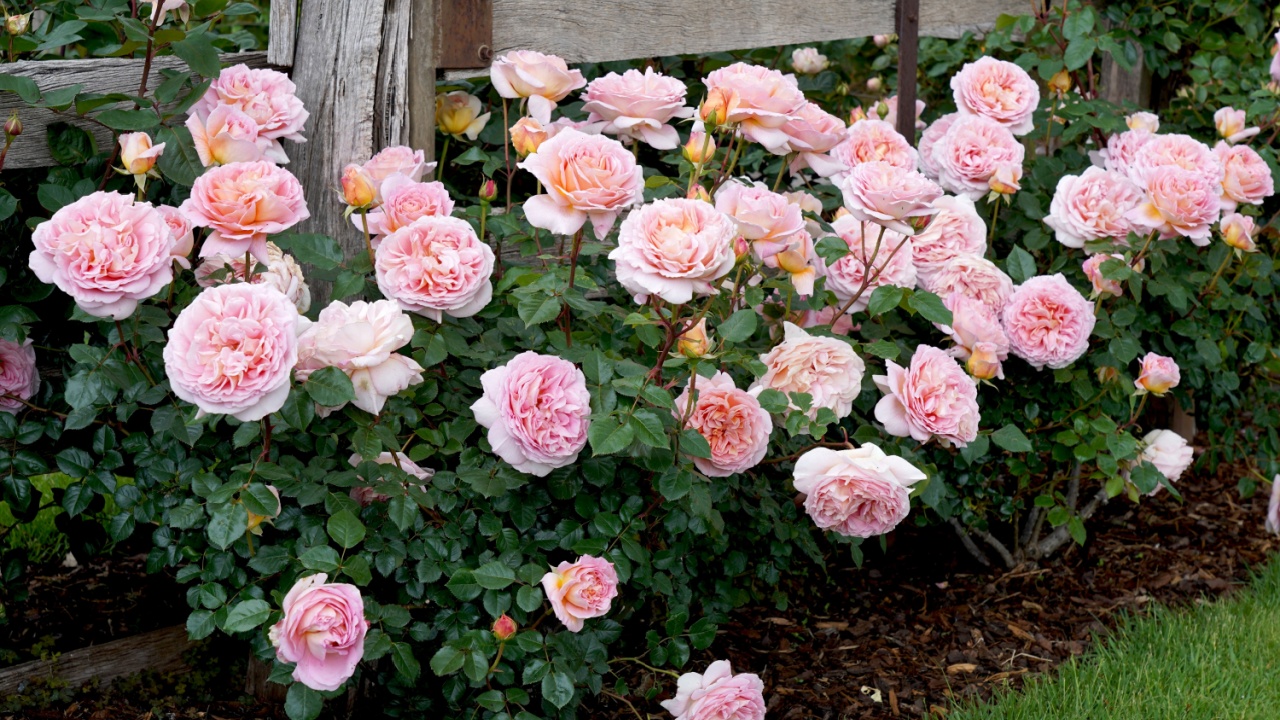
Image Credit: Shutterstock.
Why It’s Hardy: Varieties like Knock Out Roses are disease-resistant and continue flowering throughout the growing season. They thrive in sunny conditions with low maintenance (compared to other roses).
Care Tips: Place in full sun with well-draining soil and add fertilizer as needed. Deadhead spent blooms for continual flowering.
Landscaping Tips: Add shrub roses to perennial beds as filler plants or line a walkway with their vibrant colors. Their long-lasting blooms ensure year-round charm.
4. Smoke Bush
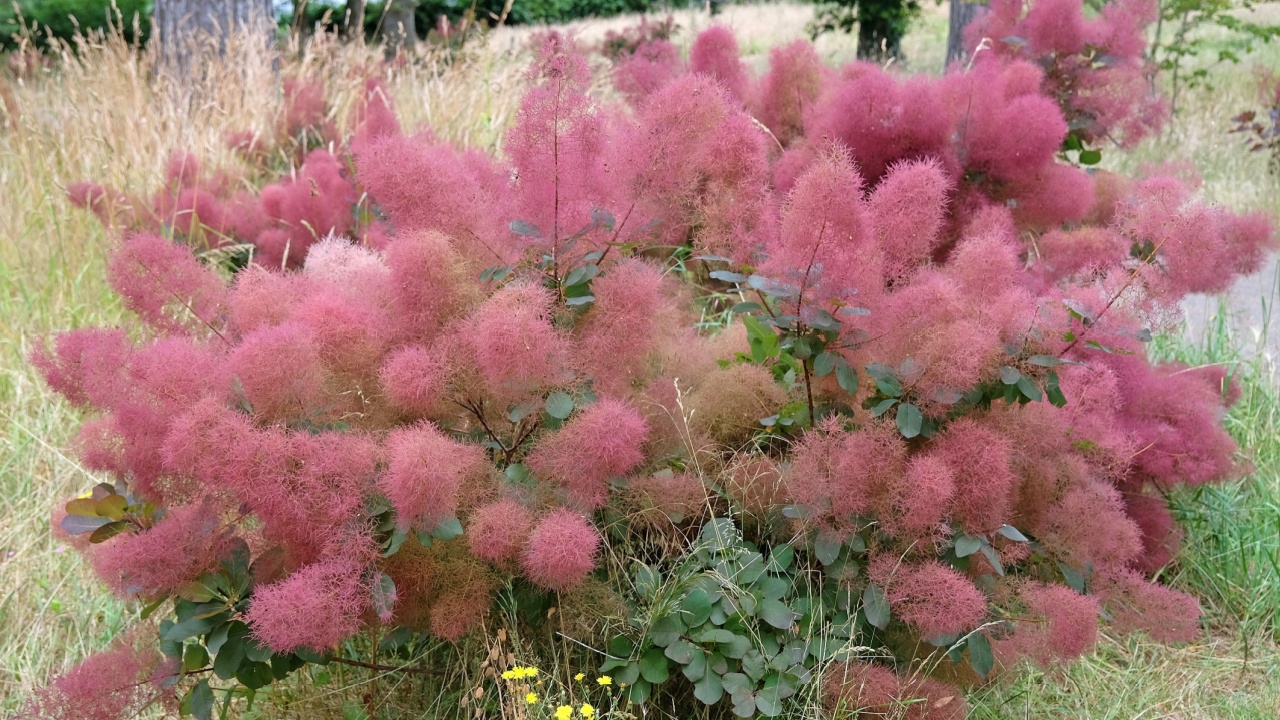
Image Credit: Shutterstock.
Why It’s Hardy: This fast-growing shrub is drought-tolerant and needs minimal care, although it prefers richer soil than most options on this list. Its showy “plumes” and colorful foliage stand out.
Care Tips: Plant in full sun with well-draining soil. Prune in late winter to maintain size and shape.
Landscaping Tips: Use Smoke Bush as a standout specimen plant or mix it with other shrubs for contrast. Burgundy or chartreuse foliage provides a stunning focal point.
5. Juniper
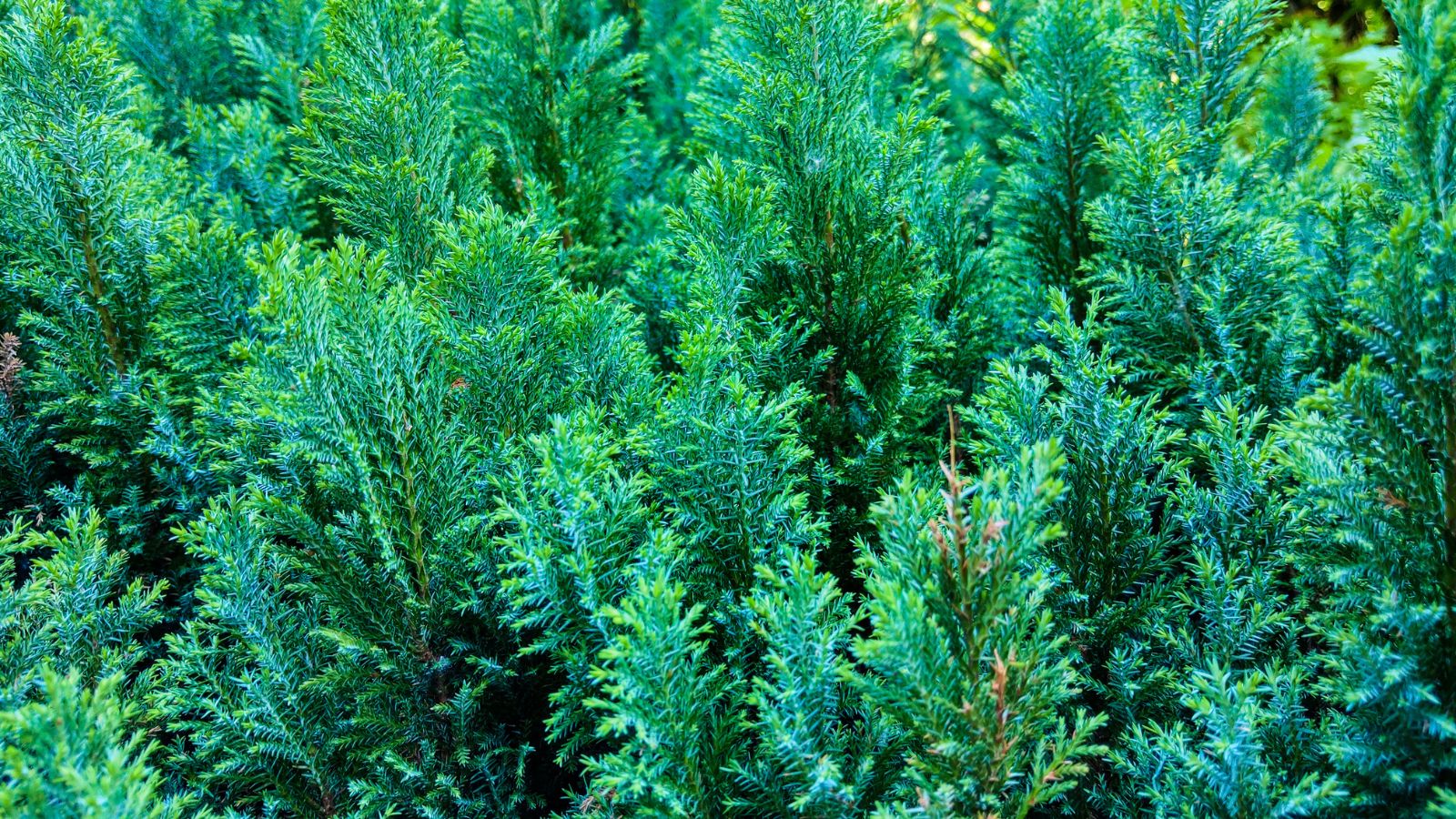
Image credit: YAY Images.
Why It’s Hardy: Juniper thrives in rocky, dry conditions and tolerates full sun. It’s resistant to deer and other pests, making it a trouble-free plant.
Care Tips: Plant in sandy, well-draining soil. Once established, it requires very little water.
Landscaping Tips: Use upright junipers as privacy screens or ground-cover varieties for slopes and erosion control. Their evergreen foliage provides year-round structure.
6. Annabelle Hydrangea
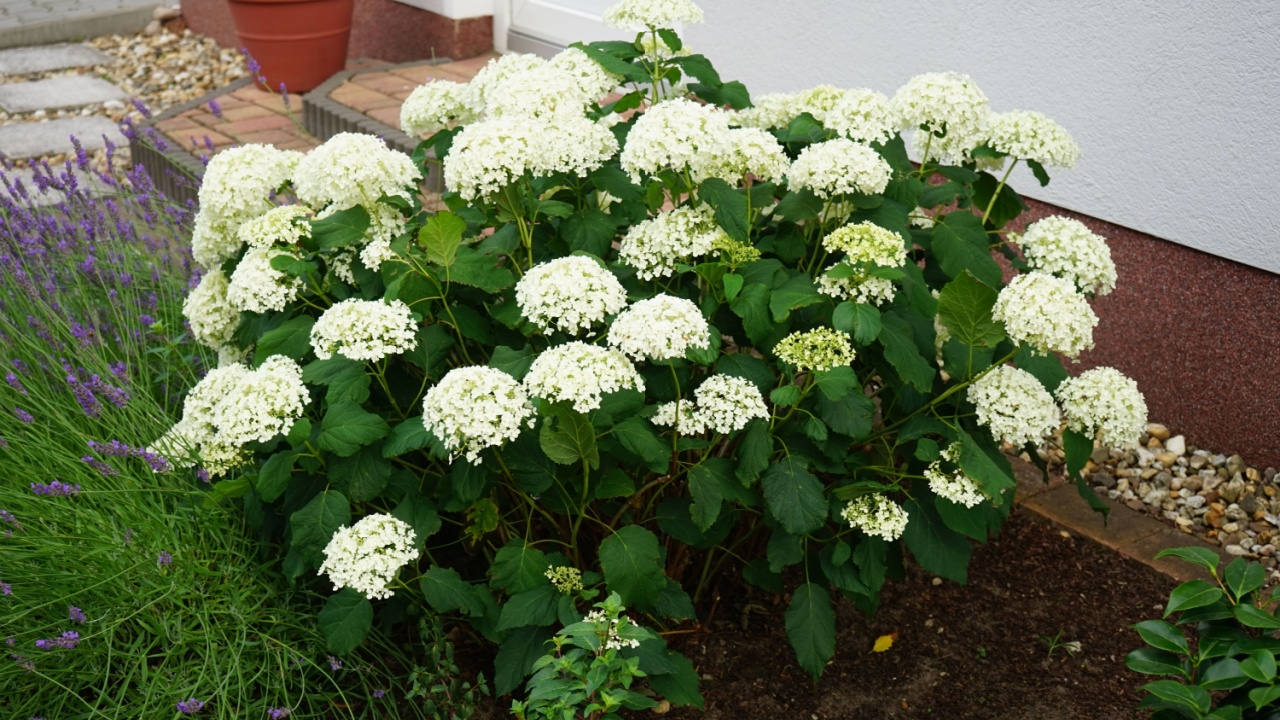
Image Credit: Shutterstock.
Why It’s Hardy: Annabelle Hydrangeas are shade-tolerant and fast-growing, with relatively low maintenance requirements (they do still need decent soil and regular watering, so they’re not the lasty fussy on this list). Their lofty white blossoms are a showstopper.
Care Tips: Grow in rich soil that retains moisture, and plant in partial shade. Annabelle Hydrangeas benefit from annual pruning to promote new blooms.
Landscaping Tips: Use them in shady corners, mixed borders, or as a hedge. Their large, fluffy flowers soften any landscape.
7. Arrowwood Viburnum

Image Credit: Shutterstock.
Why It’s Hardy: Arrowwood Viburnum tolerates drought, shade, and wet soils. Its pest resistance adds to its hardy reputation.
Care Tips: Plant in full to partial sun and well-draining soil. Mulch annually to retain moisture and suppress weeds.
Landscaping Tips: Use it as a hedge or to attract wildlife to your yard. Its berries feed birds, while its bold fall colors add seasonal interest.
8. Witch Hazel
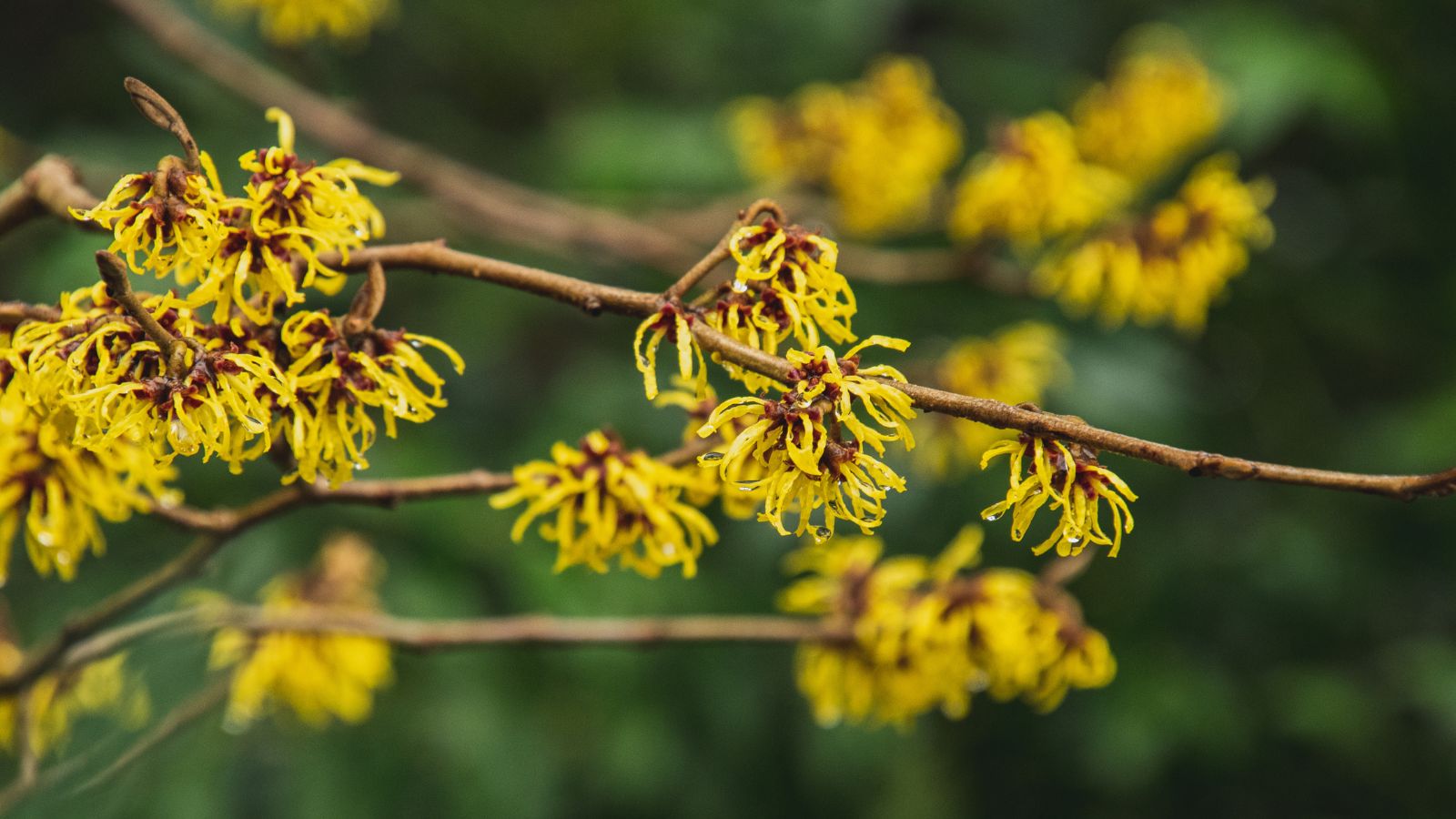
Image Credit: Depositphotos.com
Why It’s Hardy: Witch Hazel is tough and undemanding, thriving in various soil types and tolerating some shade. It blooms in winter when most other plants are dormant.
Care Tips: Keep it in well-draining soil and provide consistent watering before it’s established.
Landscaping Tips: Plant Witch Hazel as a focal point in winter gardens. Its golden blooms contrast sharply against barren landscapes.
9. Boxwood
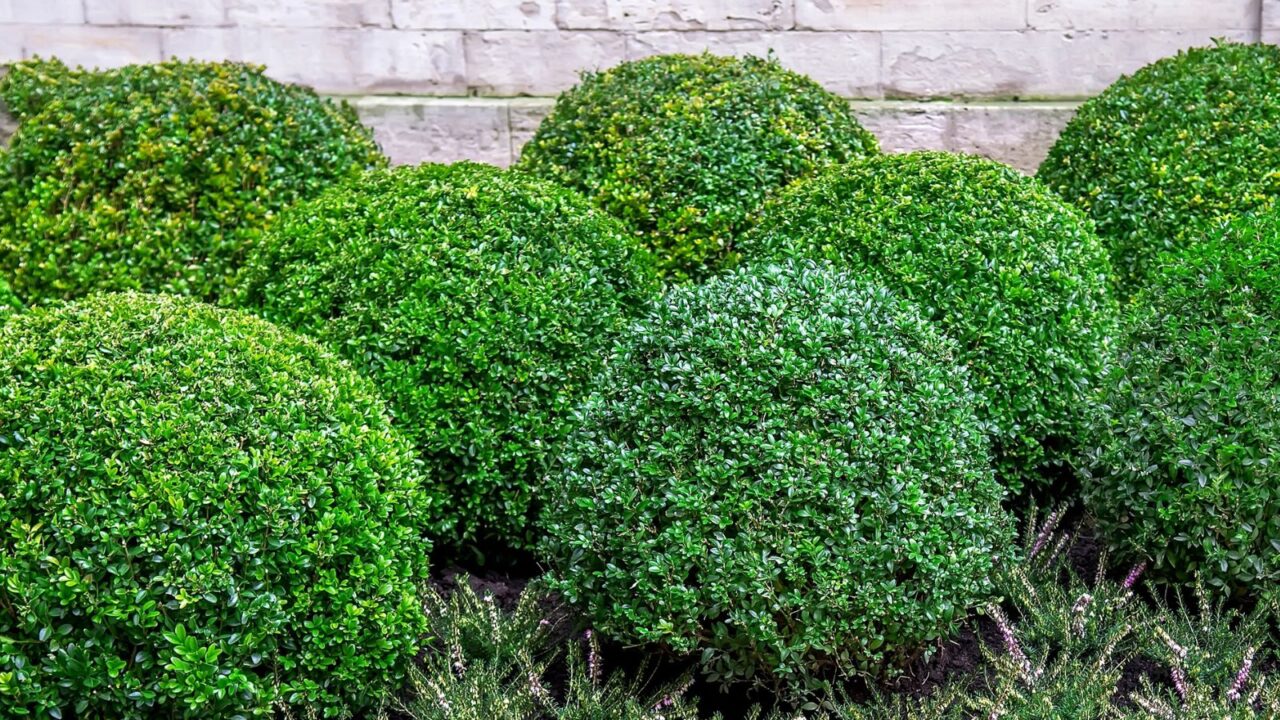
Image Credit: Depositphotos.com.
Why It’s Hardy: Boxwood is drought-tolerant once established and handles trimming exceptionally well. It thrives in both sun and partial shade.
Care Tips: Plant in well-draining soil. Avoid waterlogging, as it can cause root rot. Periodically trim to maintain a neat appearance.
Landscaping Tips: Create hedges, borders, or topiaries. Boxwood’s evergreen foliage is ideal for structured and formal garden designs.
10. Redtwig Dogwood

Image Credit: Shutterstock.
Why It’s Hardy: This adaptable shrub thrives in moist but well-draining soil and tolerates full sun to part shade. Its red stems provide winter interest.
Care Tips: Water during dry spells and prune old stems to encourage new, vibrant growth.
Landscaping Tips: Use it for hedging, alongside water features, or to create visual interest during the winter months. Its bright red bark livens up any landscape.
11. Chokeberry
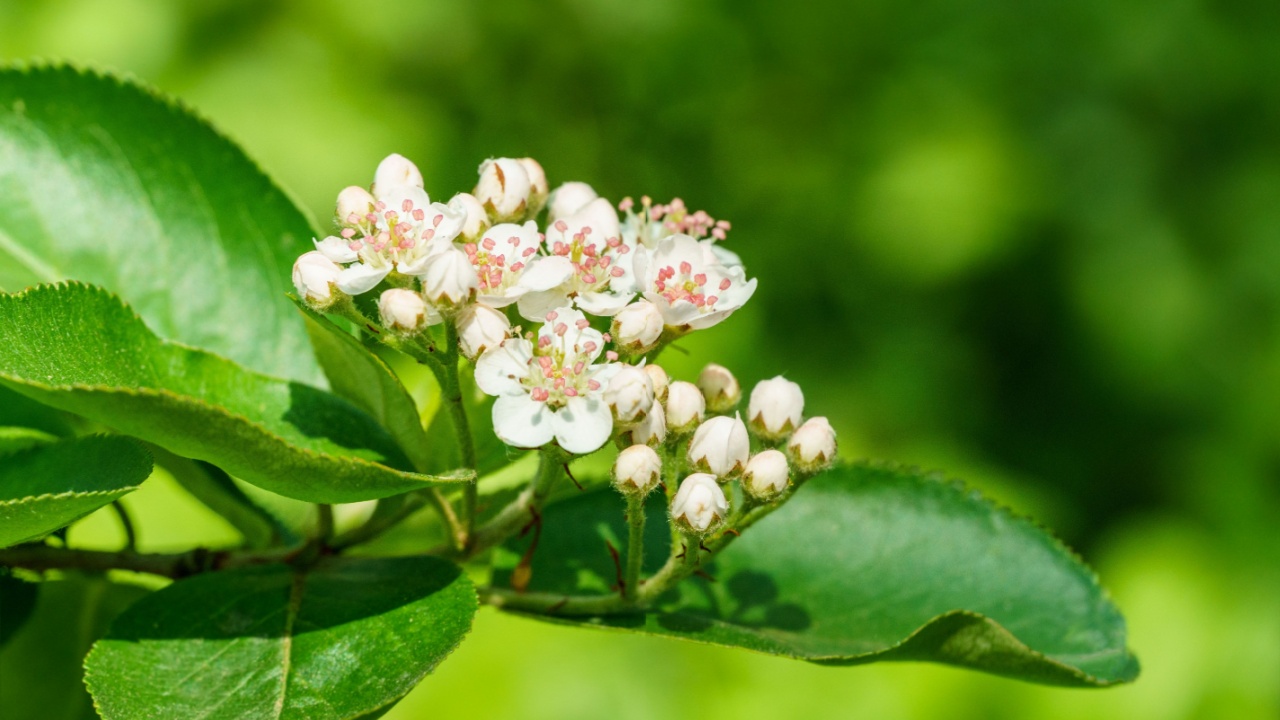
Image Credit: Shutterstock.
Why It’s Hardy: Chokeberry adapts to almost any condition, from wet soil to sandy patches. It offers year-round interest, with berries and spring flowers.
Care Tips: Water during prolonged dry periods and fertilize lightly in spring.
Landscaping Tips: Use it for erosion control on slopes or in rain gardens. Its bright berries attract birds and complement naturalistic garden styles.
12. Elderberry
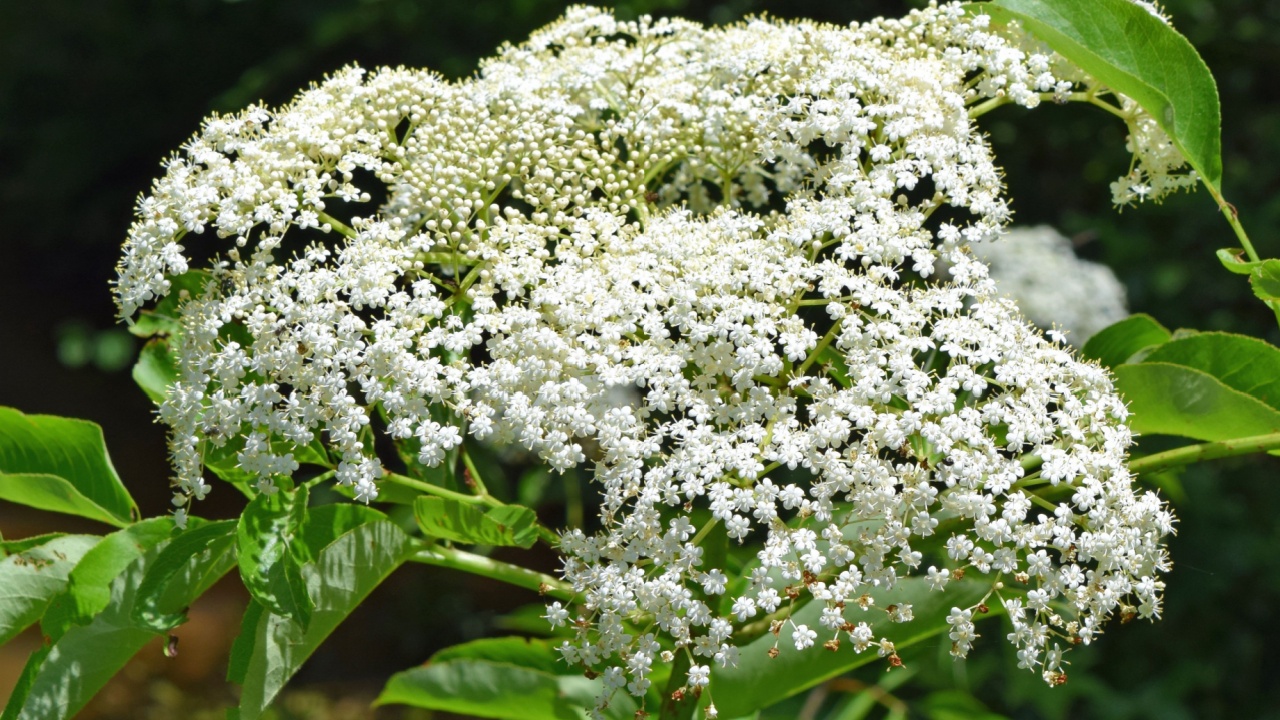
Image Credit: Shutterstock.
Why It’s Hardy: Elderberry tolerates soggy conditions and even poor soil. It supports wildlife and offers edible fruits.
Care Tips: Give it full sun to partial shade and water deeply during dry spells.
Landscaping Tips: Use Elderberry in wildlife gardens or alongside garden paths. Its flowers and berries add texture and color across seasons.
13. Winterberry

Image Credit: Shutterstock.
Why It’s Hardy: Winterberry thrives in wet soils and tolerates some drought once established. Its bright red berries offer stunning winter interest.
Care Tips: Plant in acidic soil and add mulch annually for moisture control. The shrub needs both male and female plants for berry production.
Landscaping Tips: Combine Winterberry with evergreen shrubs for a festive winter display. Group them for a bold effect.
14. Dappled Willow
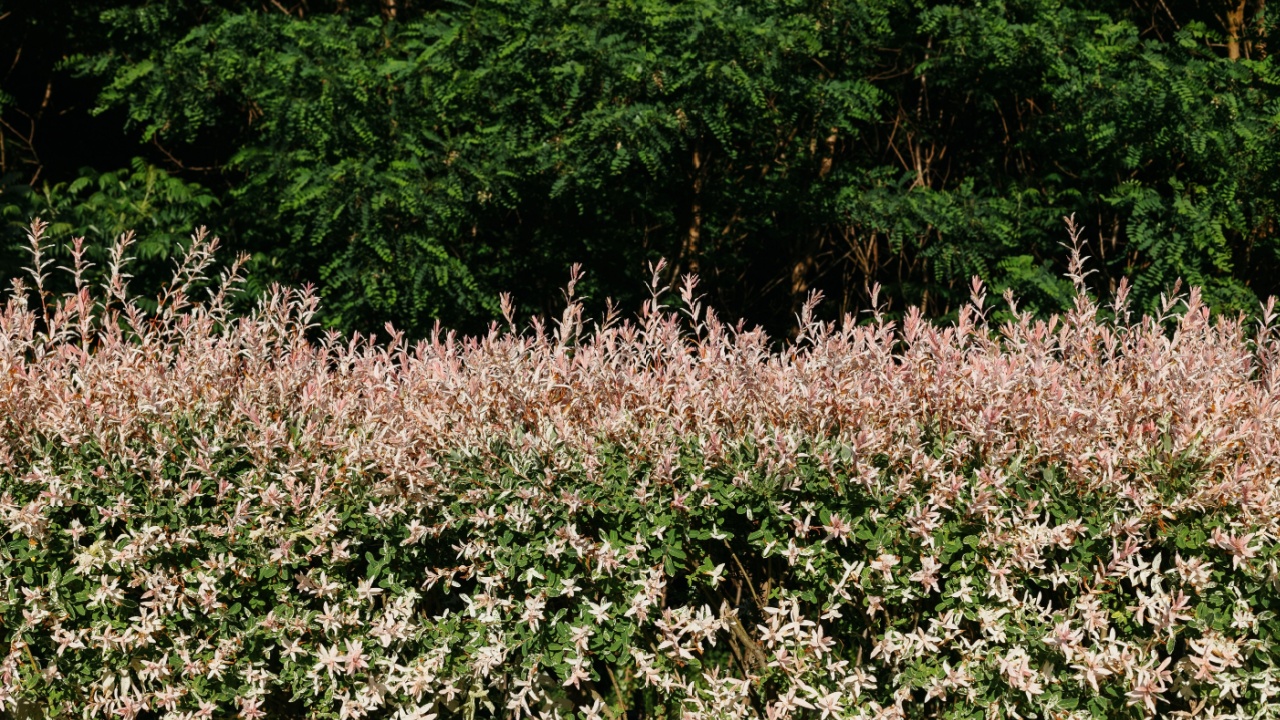
Image Credit: Shutterstock.
Why It’s Hardy: This plant adapts to wet or dry soils and tolerates various light levels. Its foliage transforms dramatically throughout the season.
Care Tips: Prune regularly to maintain its bushy growth and vibrant leaf coloration.
Landscaping Tips: Use Dappled Willow in foundation plantings or hedge lines. Its colorful foliage complements neutral-toned landscapes.
15. Forsythia
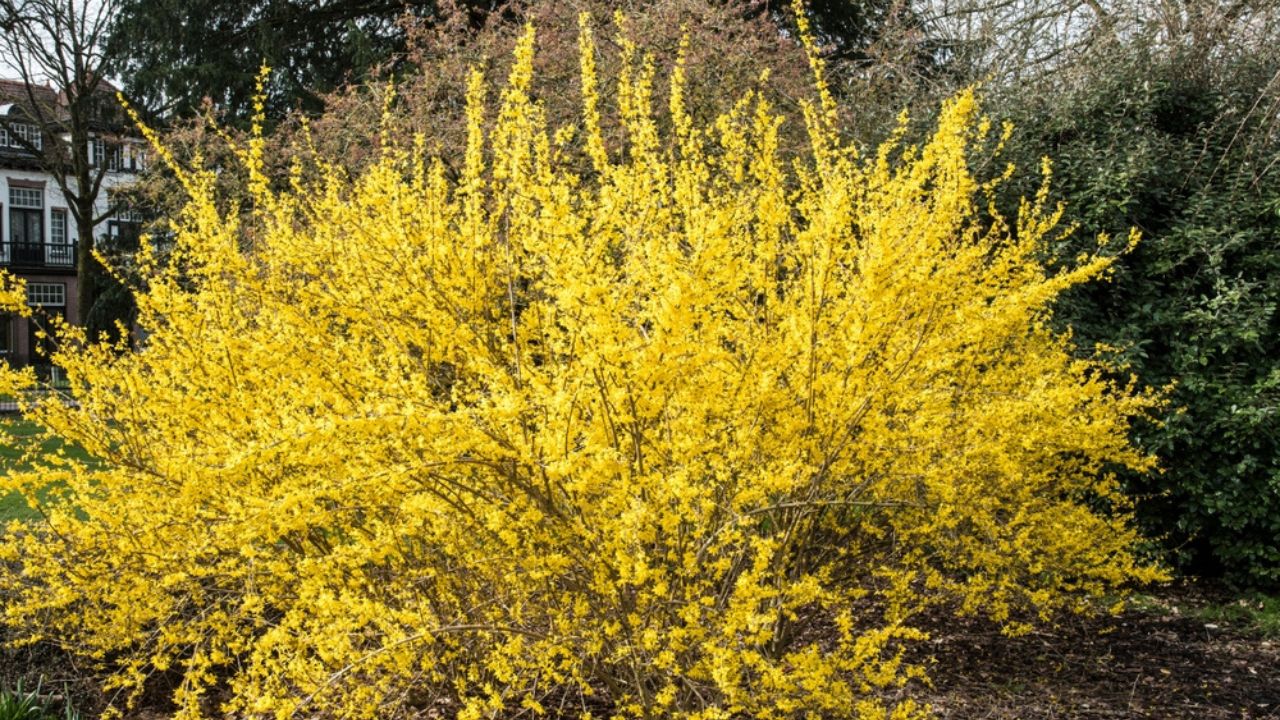
Image Credit: Shutterstock.
Why It’s Hardy: Forsythia is incredibly resilient, thriving in various soils and withstanding harsh winters. Its early yellow flowers signal spring.
Care Tips: Plant in a sunny spot and prune after flowering to maintain shape.
Landscaping Tips: Use Forsythia to create striking hedges, or plant as a stand-alone statement shrub. Its bright blooms energize the landscape as winter fades.
16. Beautyberry
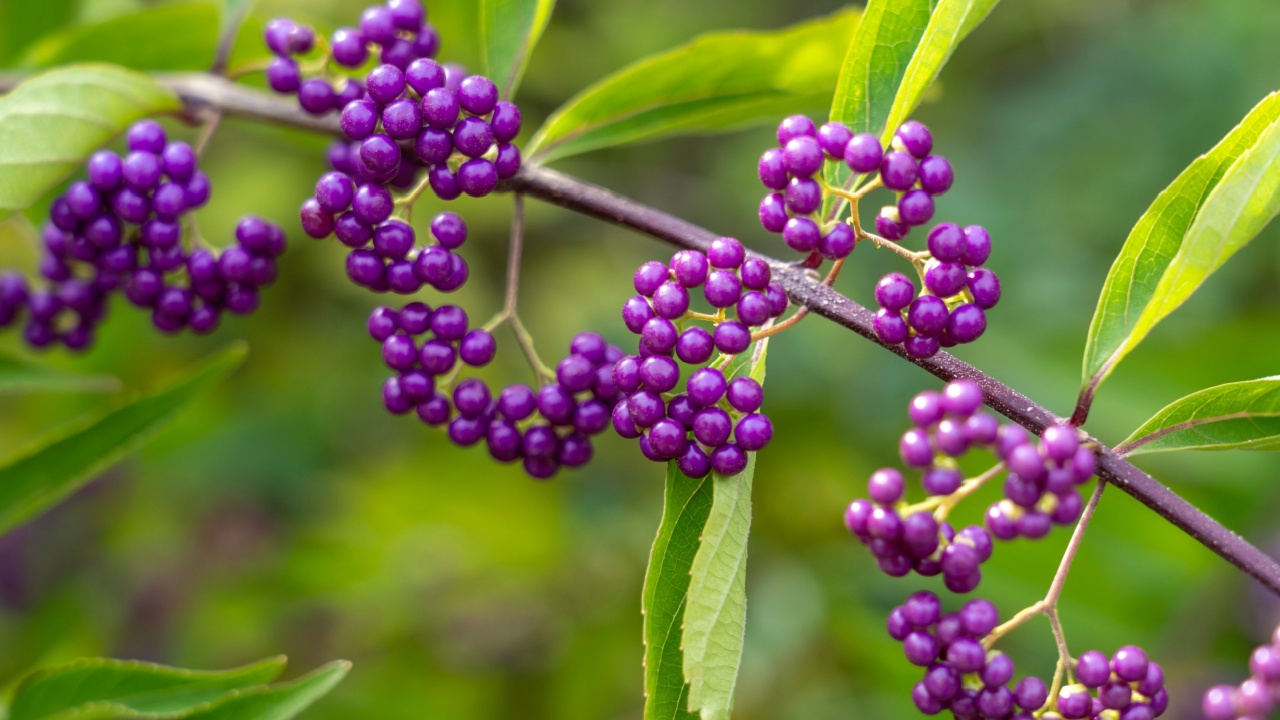
Image Credit: Shutterstock.
Why It’s Hardy: Beautyberry thrives in full sun but tolerates partial shade and poor soils. Its vibrant purple berries are a unique feature.
Care Tips: Water during extended droughts and prune in late winter to encourage robust growth.
Landscaping Tips: This shrub makes an excellent addition to wildlife gardens or as a colorful accent along pathways.
17. Yew
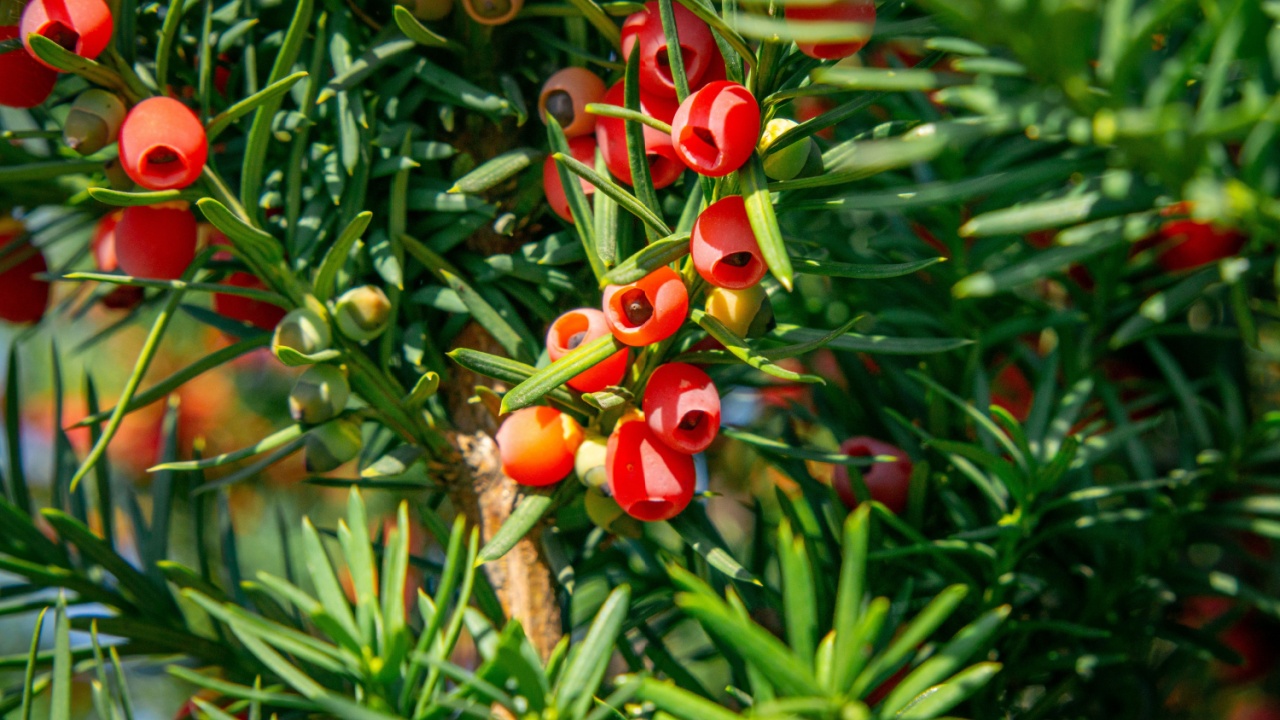
Image Credit: Shutterstock.
Why It’s Hardy: Yews are incredibly tolerant, thriving in both shade and sun, and adapting to various soil types. They require very little attention once established.
Care Tips: Avoid waterlogged soil and prune as needed to shape.
Landscaping Tips: Use Yews for sculpted hedges or in shaded areas where other plants may struggle to thrive.
18. Pieris Japonica

Image Credit: Shutterstock.
Why It’s Hardy: This shrub is evergreen, shade-tolerant, and thrives in well-draining, acidic soils. Its bell-shaped flowers are quite striking.
Care Tips: Water consistently in hotter months, particularly during the first year after planting.
Landscaping Tips: Pair Pieris Japonica with azaleas and rhododendrons for complementary color schemes. It’s an excellent addition to woodland gardens.
19. Oakleaf Hydrangea
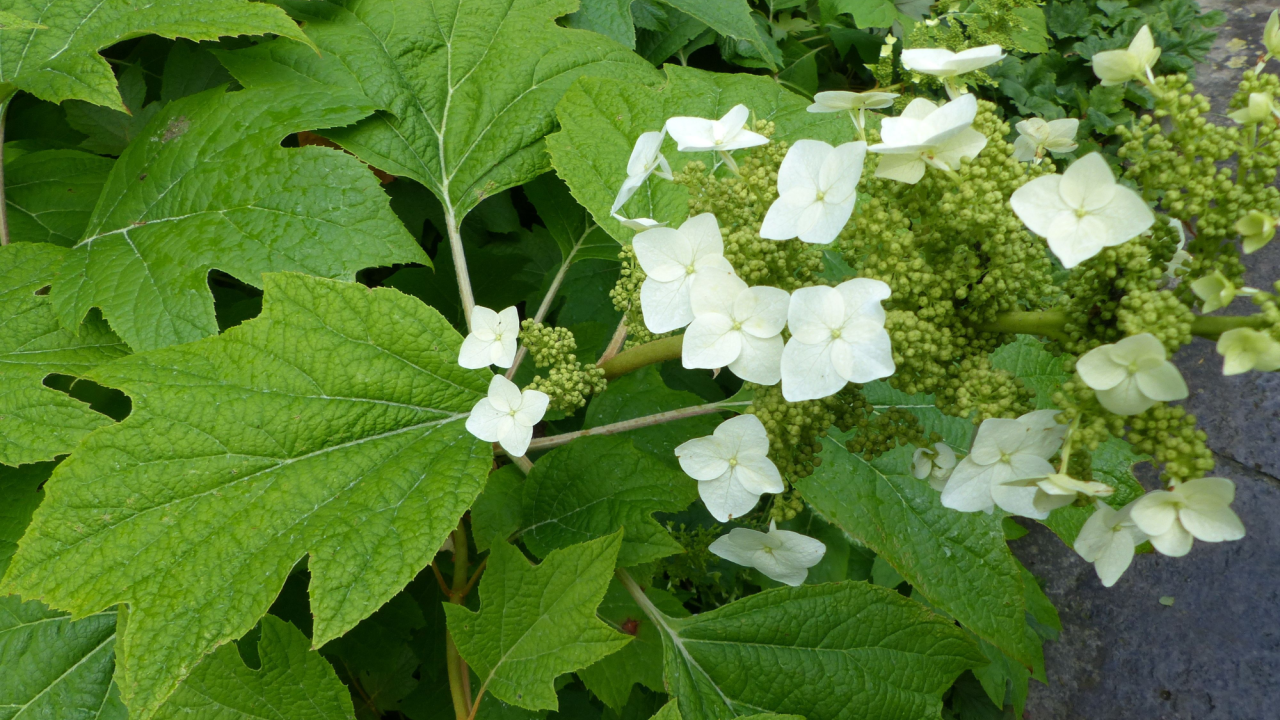
Image Credit: Shutterstock.
Why It’s Hardy: Adaptable to sun or shade, Oakleaf Hydrangea tolerates drought well once established. Its season-long interest includes flowers, exfoliating bark, and colorful fall foliage.
Care Tips: Water weekly during dry conditions and prune lightly in spring after blooming.
Landscaping Tips: Plant Oakleaf Hydrangea in shaded spaces or as a border for woodland gardens. Its large blooms command attention.
20. Russian Sage
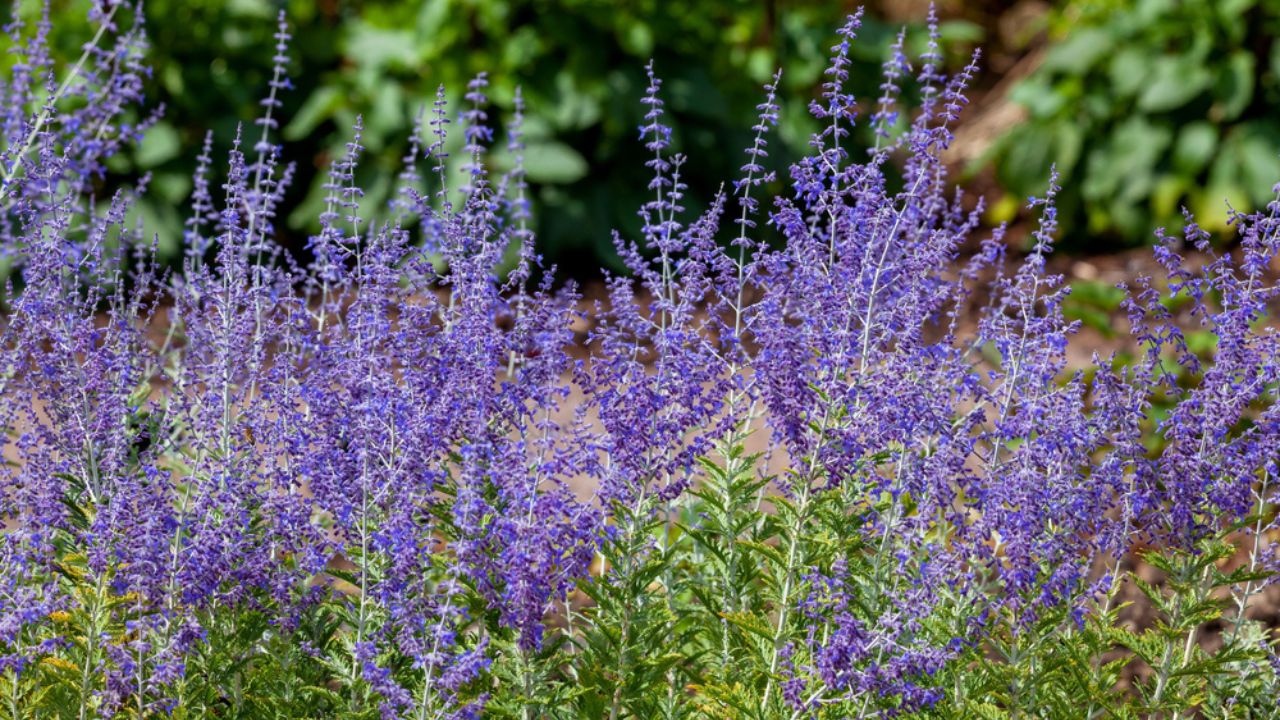
Image Credit: Shutterstock
Why It’s Hardy: This drought-tolerant shrub thrives in poor soil and sunny locations. It’s resistant to pests and requires minimal care.
Care Tips: Plant in sunny, well-draining locations and water sparingly once established.
Landscaping Tips: Use Russian Sage for borders or xeriscaping projects. Its soft, silvery foliage pairs beautifully with bright perennials.
By incorporating these hardy shrubs into your landscaping, you’ll enjoy a low-maintenance garden that remains vibrant throughout the seasons. These plants not only withstand tough conditions but also provide endless opportunities to create a beautiful and functional outdoor space.
Other Hardy Shrub Options to Consider
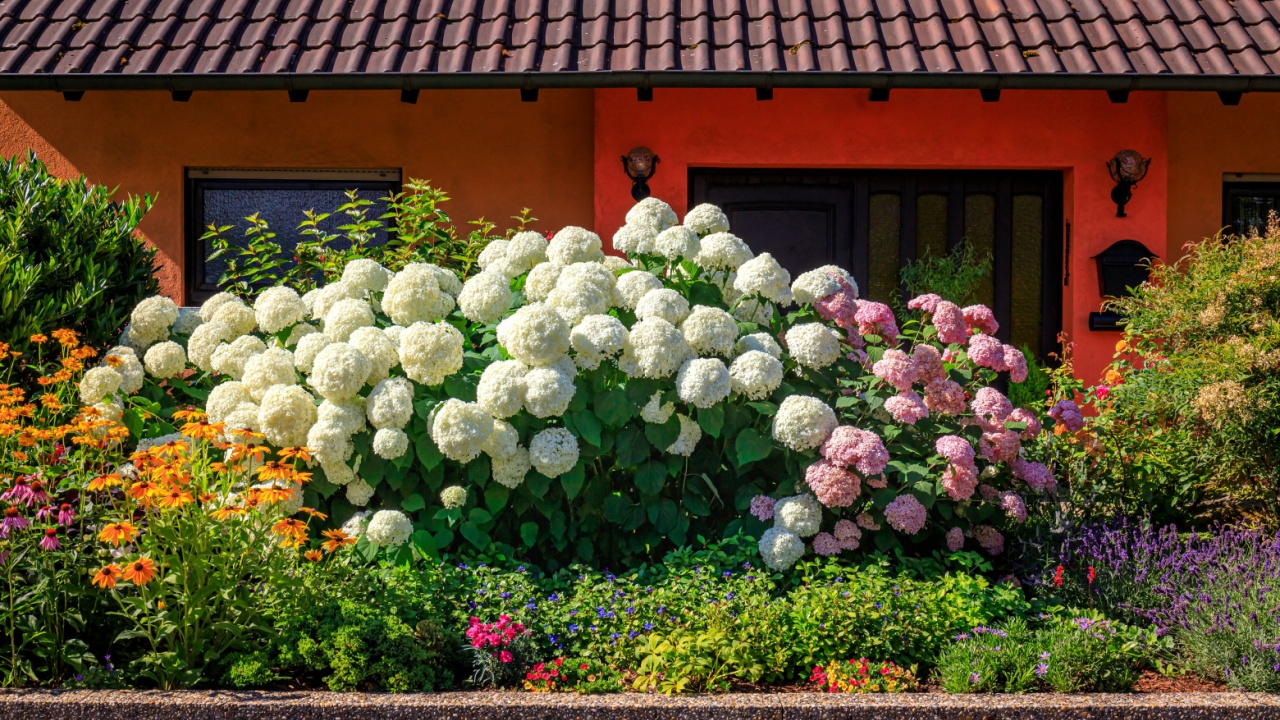
Image Credit: Shutterstock.
Want more options? Try these:
- Serviceberry (Amelanchier spp.): Four-season interest with early blooms, berries, and fall color.
- Lilac (Syringa vulgaris): Classic cold-hardy shrub known for its fragrant spring blooms.
- Sweetspire (Itea virginica): Adaptable to sun or shade with excellent fall color and pollinator appeal.
- Inkberry Holly (Ilex glabra): Evergreen native alternative to boxwood, great for year-round structure.
- Dwarf Fothergilla (Fothergilla gardenii): Spring-blooming native with spicy-sweet fragrance and showy autumn foliage.
- Diervilla (Bush Honeysuckle): Hardy and low-maintenance, great for erosion control and pollinator gardens.
- Blue Mist Spirea (Caryopteris): Compact, heat-tolerant, and late-blooming with blue flowers.
- Summersweet (Clethra alnifolia): Fragrant midsummer blooms, shade-tolerant, and happy in moist soils.
Choosing the Right Shrubs for Your Yard
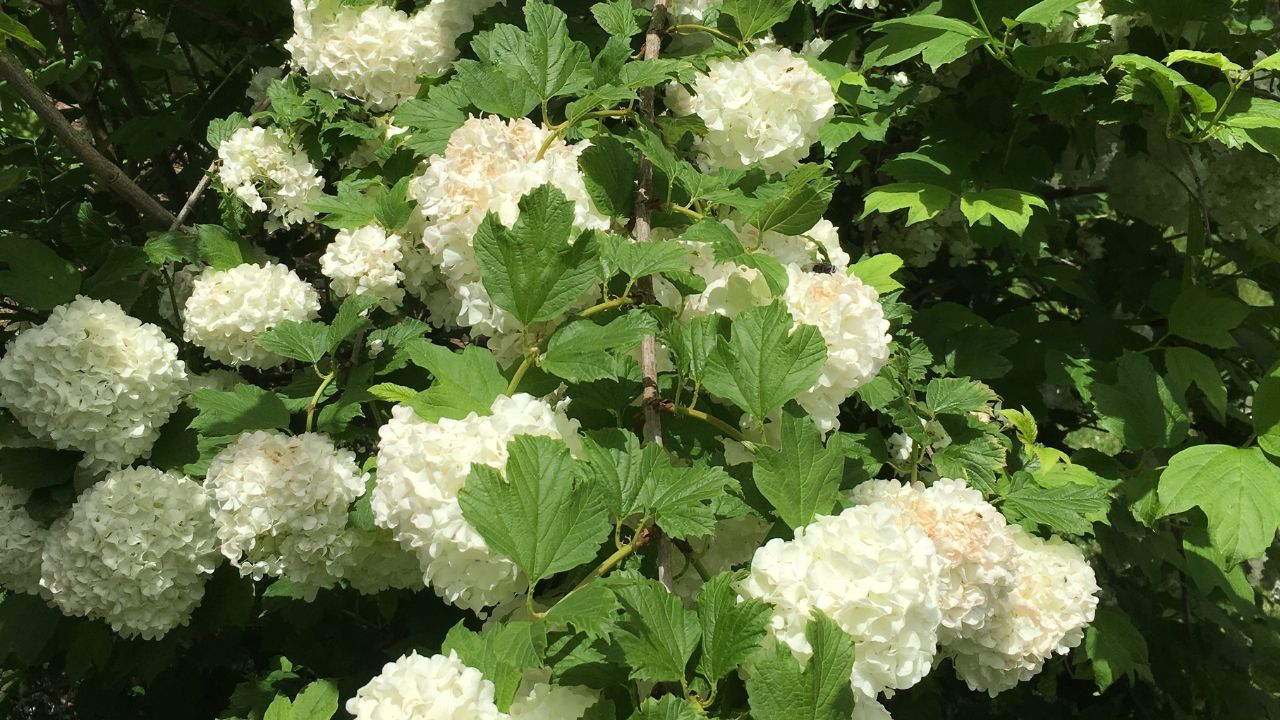
Image Credit: Naturenutty – Own work – CC BY-SA 4.0/Wiki Commons.
Shrubs are a versatile and essential element of any landscape. They provide structure, texture, and color to the garden all year round. Whether you want to create privacy, add focal points, or simply fill in empty spaces, there is a shrub for every purpose.
When choosing shrubs for your yard, it’s important to consider several factors such as the plant’s mature size, growth habit, seasonal interest, and maintenance needs.
Read more:
4 Shrubs Worth Adding to Your Yard for Edible Landscaping
The Best 7 Flowering Shrubs and Vines For Your Yard