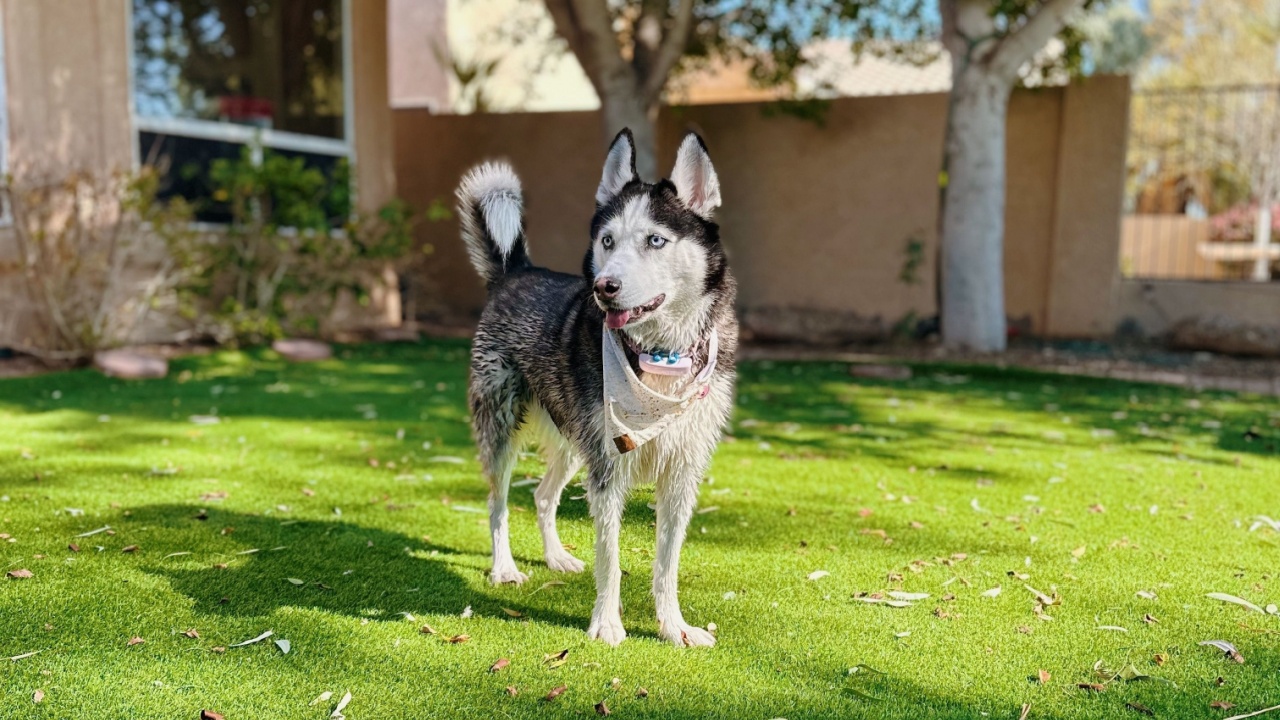
17 Hacks to Keep the Backyard Safe for Pets
Want to turn your backyard into a pet paradise? Whether your sidekick is a playful pup, a curious cat, a hopping bunny, or something more exotic, creating a space where they can safely explore and relax is easier than you think. With just a few smart upgrades, you can design an outdoor haven that’s both fun and secure for your furry (or feathered or scaly) family members.
Here are 17 easy, practical ways to make your yard more pet-friendly, without sacrificing style or safety.
1. Install a Secure Fence

Pets, especially curious ones, have a knack for escaping when something catches their attention. A secure, sturdy fence can prevent adventurous pets from wandering off or encountering hazards outside your yard. Ensure the fence is tall enough for larger animals such as dogs and solid enough to keep smaller pets, like rabbits, corralled safely. Regularly inspect for gaps or weak spots that might allow pets to escape.
2. Provide Accessible Fresh Water
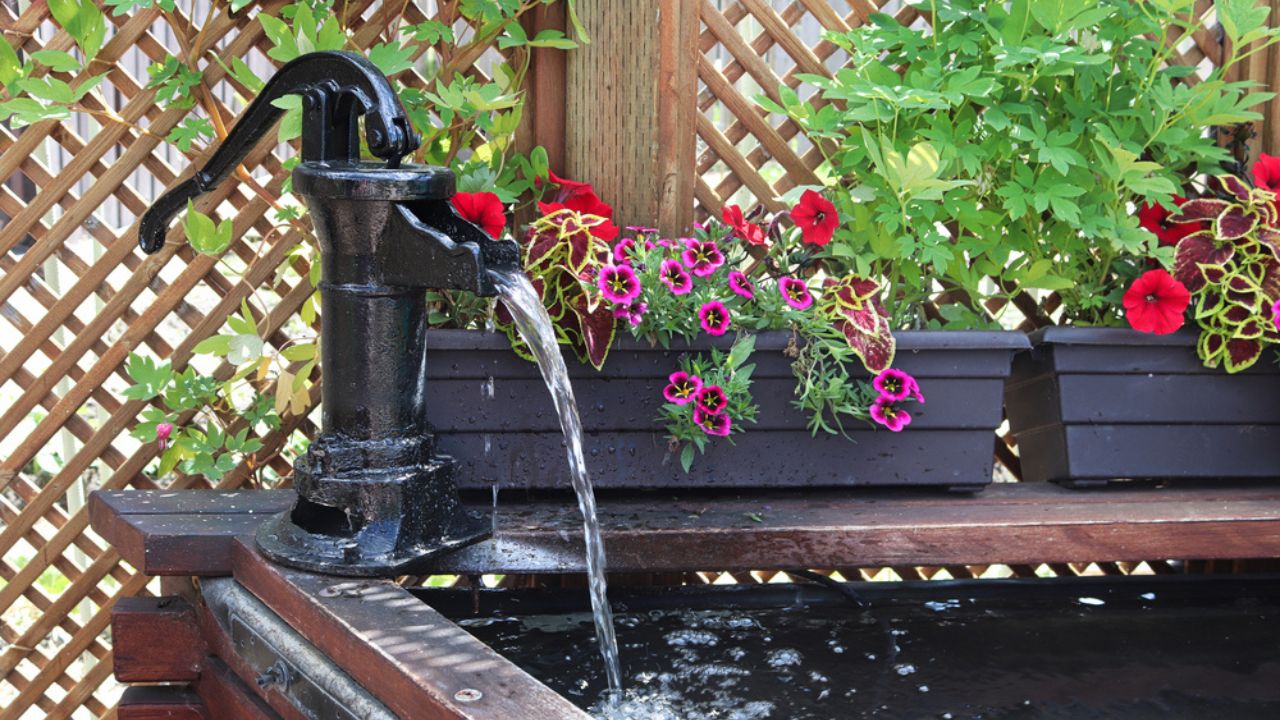
Hydration is essential for all animals, especially during warmer months. Leaving water in your yard can prevent dehydration, but stagnant water can attract bacteria or pests. Consider installing a pet-friendly water fountain with a constant flow to keep the water clean and appealing.
3. Avoid Toxic Plants
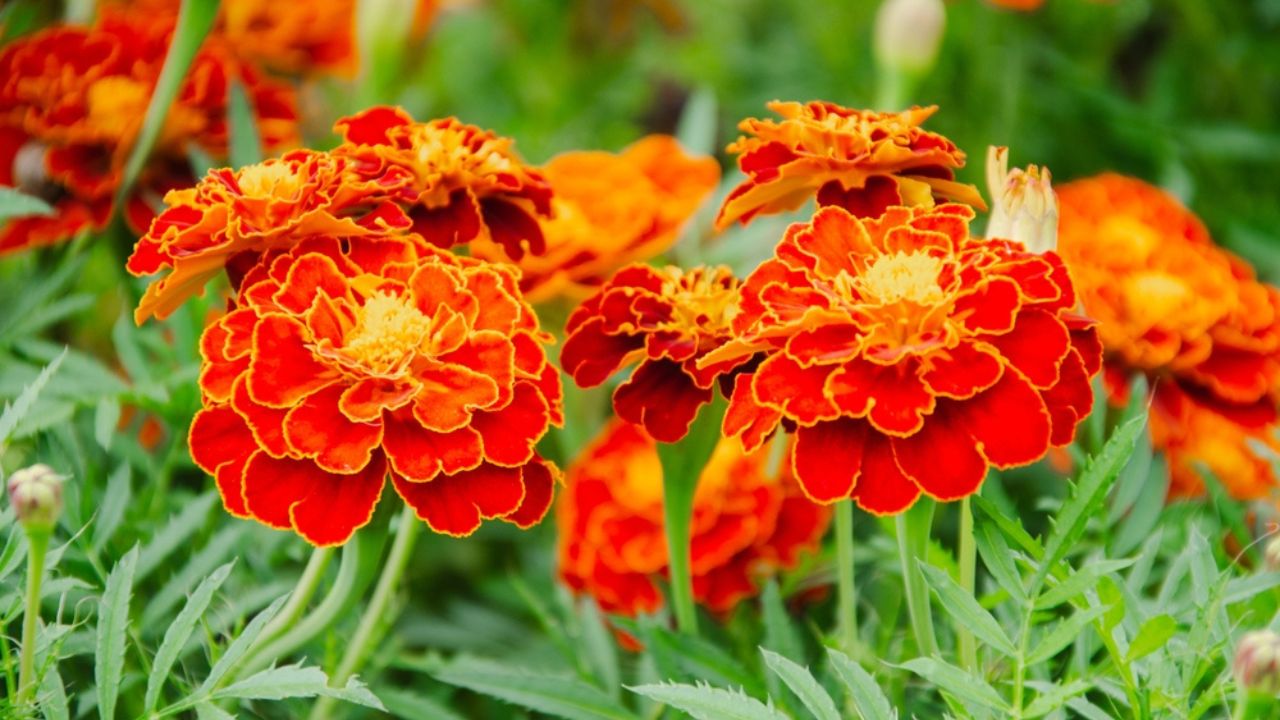
Some common garden plants, such as lilies, azaleas, or daffodils, can be toxic to pets if ingested. Do some research and choose non-toxic greenery like marigolds, pansies, or pet-safe herbs. If you have free-roaming animals like cats, ensure they can’t nibble on vegetation that may harm them.
4. Create a Digging Zone
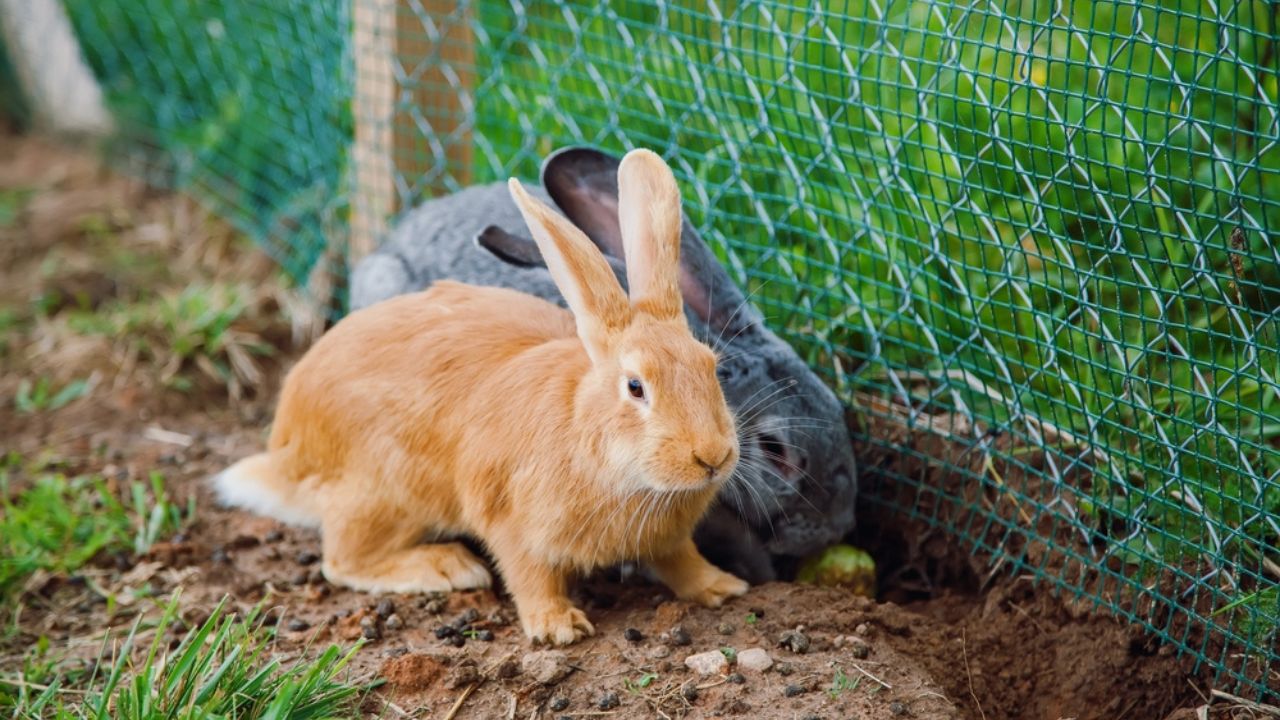
Pets like dogs or rabbits have natural digging instincts, which can wreak havoc in your garden. Instead of stressing over it, designate a specific area where they’re allowed to dig. Use loose soil or sand and train your pets to use the spot. This will protect your flowerbeds and keep digging behavior controlled.
5. Add Shady Resting Areas

All pets need protection from extreme weather, especially on hot, sunny days. Add shaded areas using trees, pergolas, or pet-friendly outdoor shelters. This simple feature will reduce overheating risks, particularly for furry animals like rabbits or long-haired dogs.
6. Use Durable Outdoor Materials
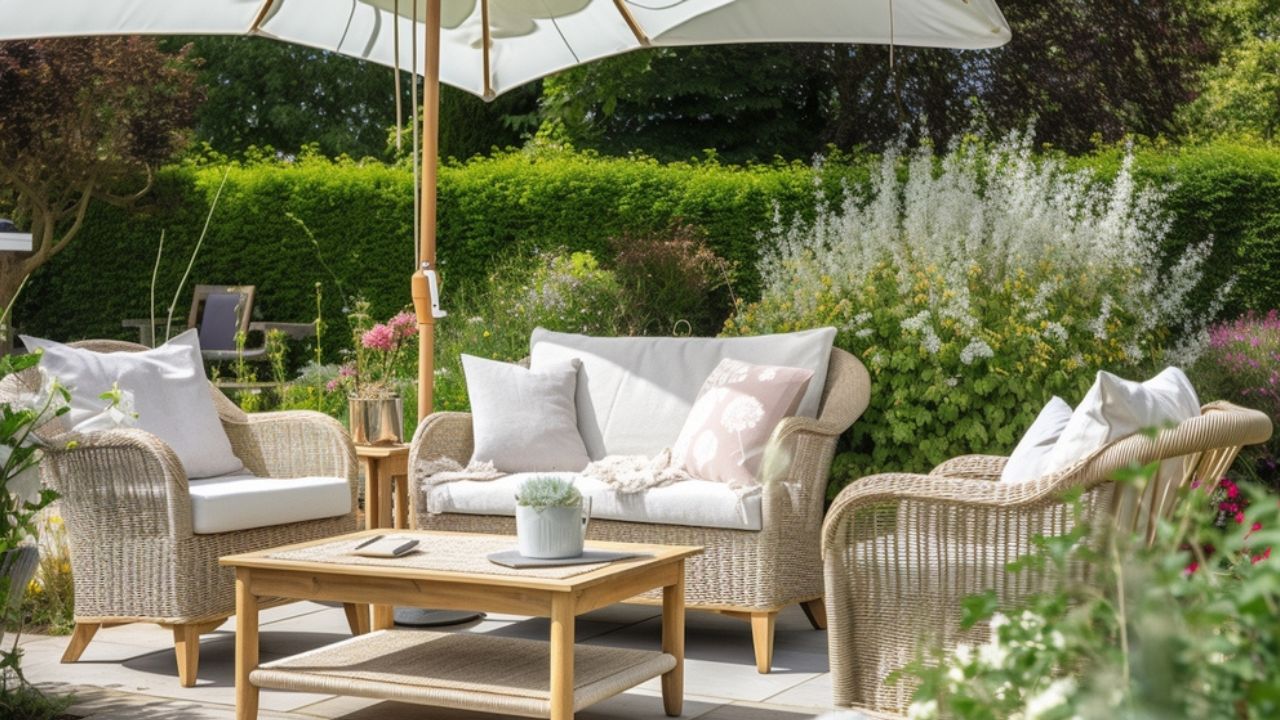
Pets can be tough on your yard materials. Dogs may leave claw marks, while bunnies might chew softer materials. Opt for pet-safe, durable options like composite decking and sturdy outdoor furniture. They’re harder for curious animals to damage while being easier to clean and maintain.
7. Choose Pet-Safe Fertilizers and Pesticides

Chemicals in fertilizers, pesticides, or herbicides can be dangerous to all pets. To avoid accidental poisoning, switch to organic or pet-safe alternatives. Always allow proper drying time before letting pets explore treated areas.
8. Secure Electrical Wires
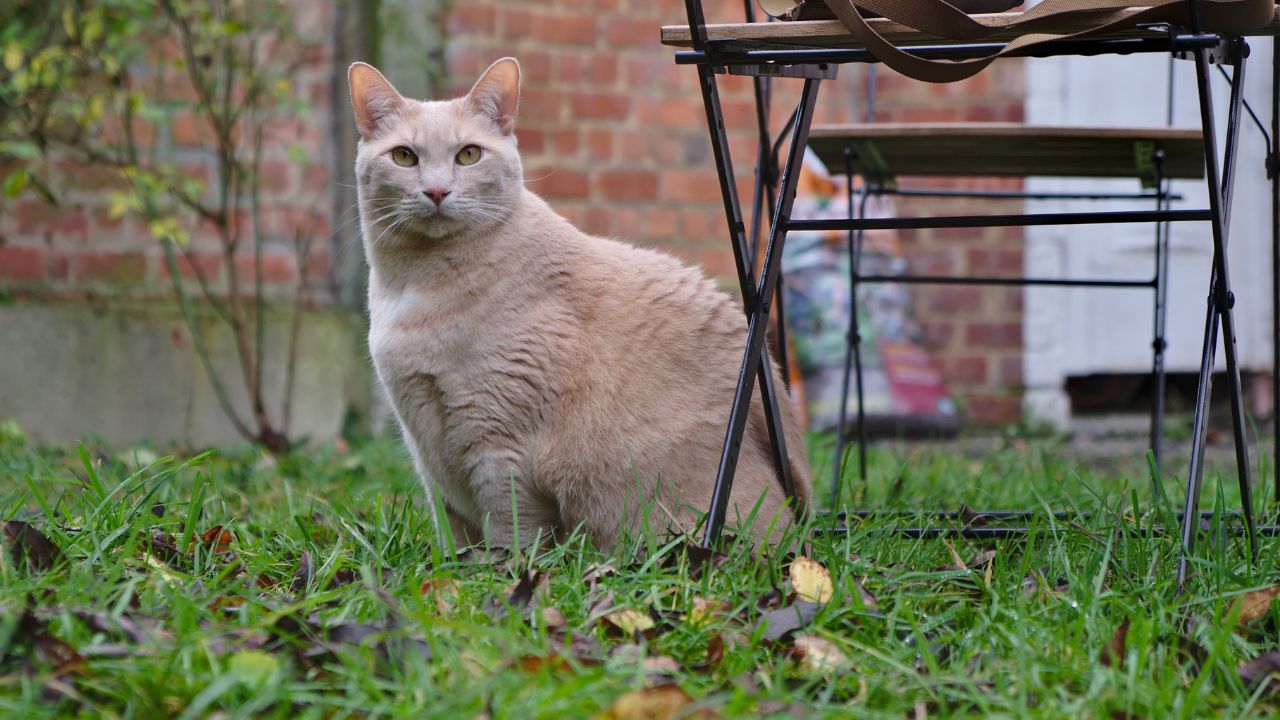
Pets, particularly younger ones like kittens or puppies, are often drawn to chew or play with cords. Leaving exposed electrical wires in the yard poses a significant electrocution hazard. Keep all wires hidden, secured, or enclosed in chew-proof conduits.
9. Be Mindful of Puddles
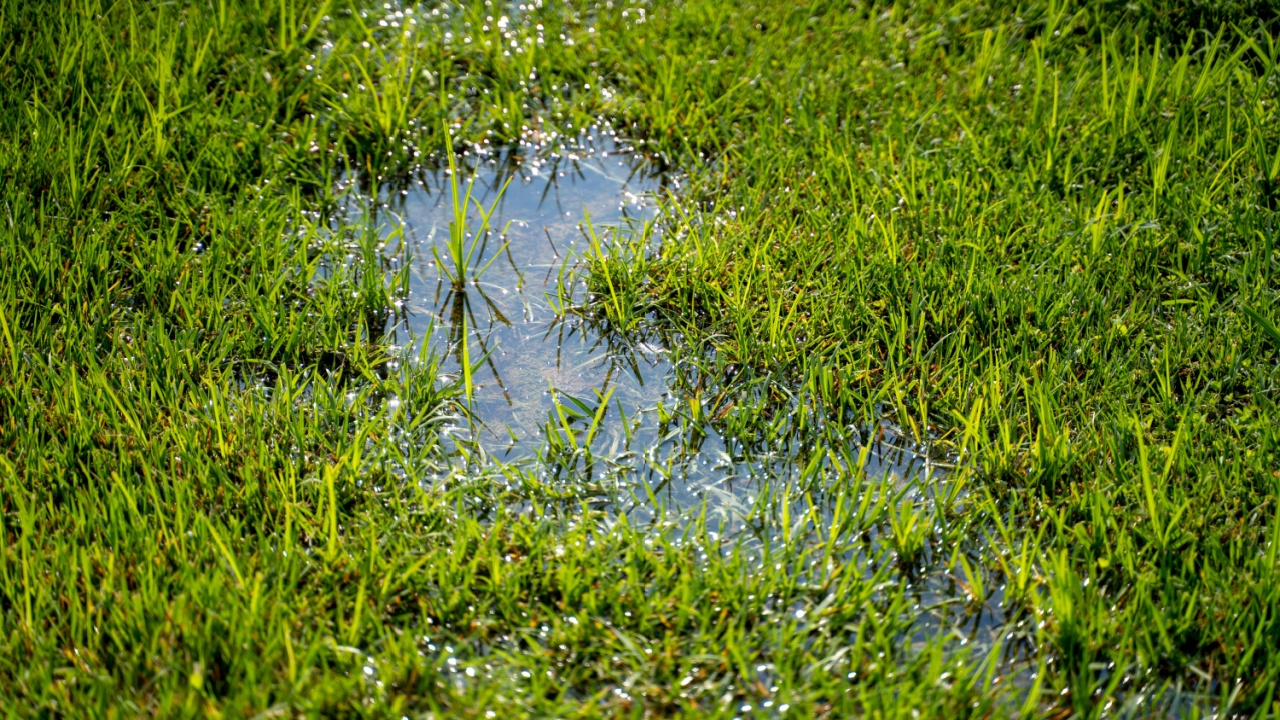
Puddles might seem harmless, but they can contain harmful bacteria like leptospirosis, which is particularly dangerous to dogs and other creatures that drink or walk through them. Ensure your yard has good drainage to prevent puddles. For added safety, clean problem areas after heavy rain.
10. Build a Pet-Safe Run or Enclosure
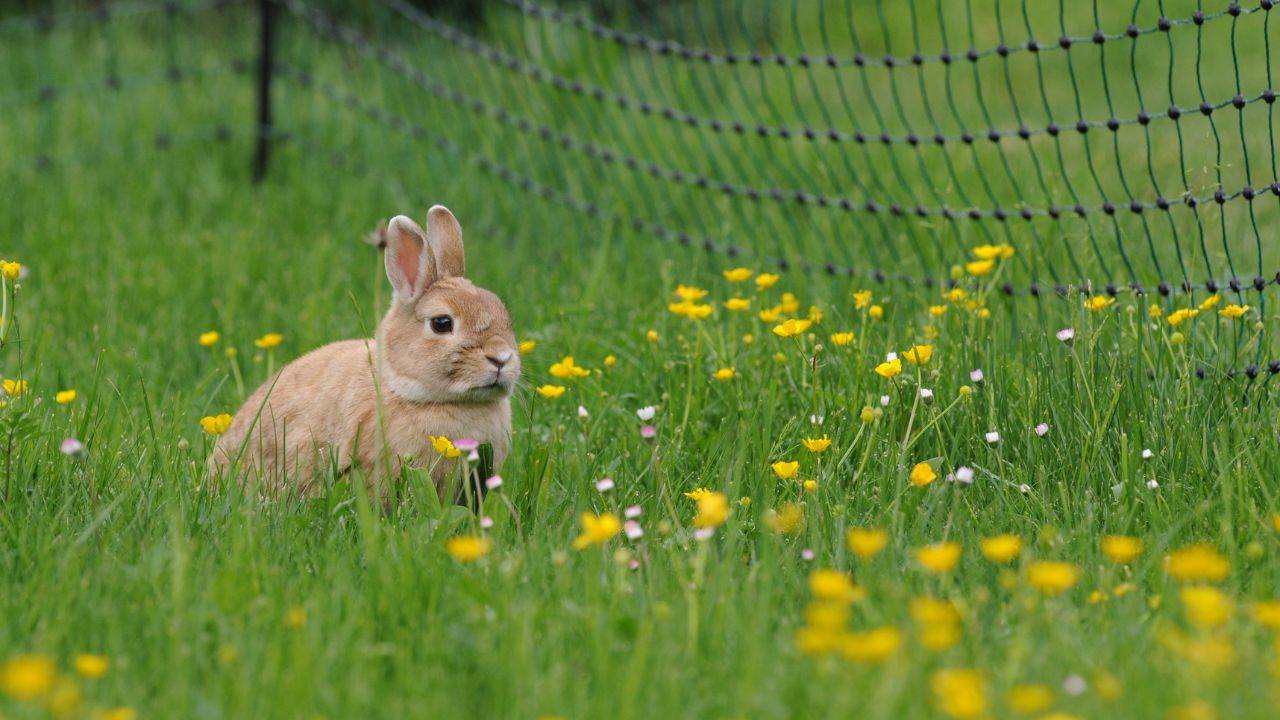
A secure run can be a great addition for pets who enjoy exploring. Cats can benefit from “catios,” while rabbits or ferrets will enjoy secure wire fencing that allows them more freedom without exposing them to potential hazards. Make sure the enclosure is predator-proof and provides shade.
11. Opt for Artificial Grass (Maybe)
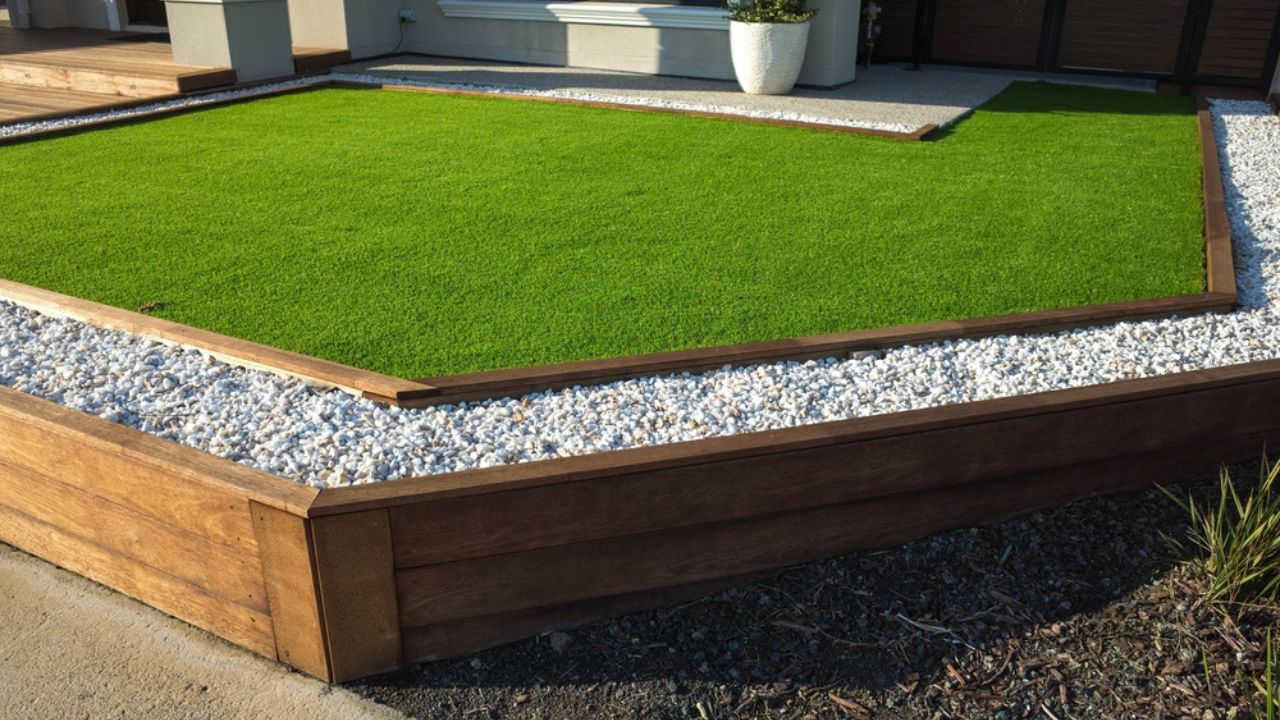
This is a debatable topic, but one worth considering.
Pros: Durable, low-maintenance, hypoallergenic, and resistant to digging, weeds, pests, and toxic plant growth.
Cons: Can overheat in the sun, accumulate odors if not cleaned, and carry microplastic or chemical concerns if made with certain infills—but safer pet-specific turf products minimize risks.
Better yet, find lower-maintenance (and safe) ground cover options (see #17).
12. Use Pet-Safe Mulch Options
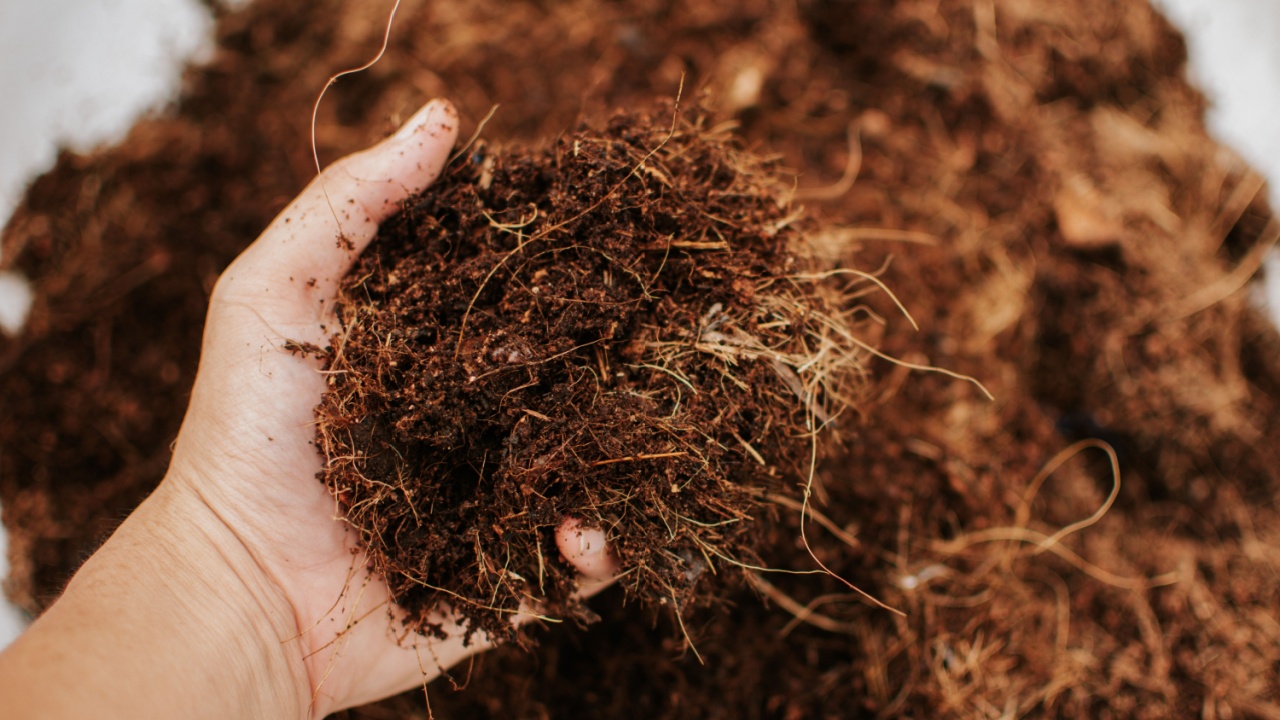
Not all mulch is created equal. Cocoa shell mulch, for instance, contains theobromine, which can be toxic to animals if eaten. Opt for safer options, such as untreated wood chips or coconut coir, which are less harmful if ingested.
13. Regularly Eliminate Hazards
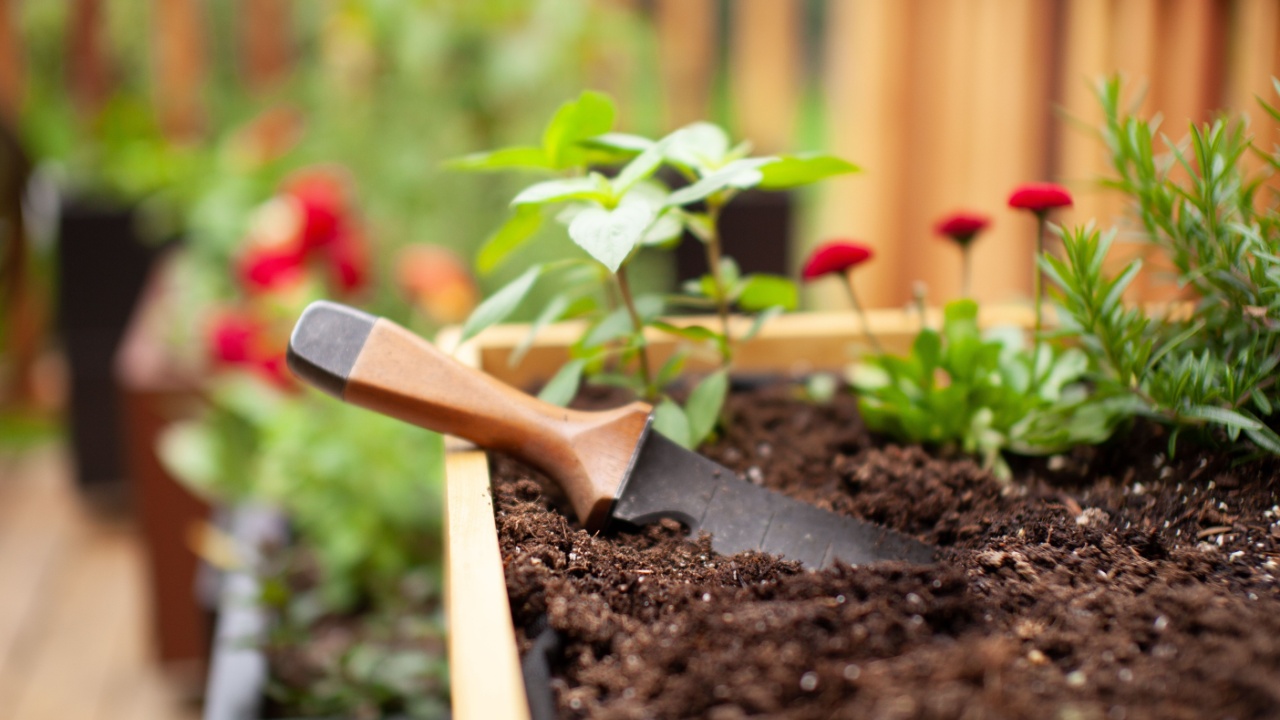
Rogue items like sharp tools, twigs, or lawn mower parts can harm unsuspecting pets. Routinely sweep your yard for any debris or hazards. Store tools securely in sheds, and never leave machinery like mowers plugged in when not in use.
14. Install a Mini Agility Course

For active pets, an agility course offers a fun way to burn off energy while staying in a safe environment. Create tunnels, ramps, or jumping hoops suitable for your pet’s size and energy level. Small pets like rabbits can enjoy obstacles to explore, too!
15. Create a Sensory Exploration Area

Pets rely heavily on their senses, especially curious cats and dogs. A sensory garden with pet-safe herbs like catnip, lavender, or chamomile provides enrichment and reduces stress. Include textures like sand or smooth stones for added interest.
16. Ensure Pool Safety

If your backyard includes a pool or pond, take extra precautions to prevent accidents. Use a fence or cover when the pool isn’t supervised. Slip-resistant edges and a shallow incline can help pets climb out safely if they fall in.
17. Select Tough Grass or Ground Cover

If natural grass is your preference, Resilient grass mixes like Bermuda, Kentucky bluegrass–rye–fine fescue blends, and clover hold up to urine spots, trampling, and wear; clover also offers pet-safe benefits and soil health improvements.
Alternatively, clover makes a pet-friendly ground cover—it’s hardy, non-toxic, and resistant to urine stains.
Creating a pet-friendly backyard not only keeps your animals safe but also ensures they can enjoy outdoor time comfortably. By implementing these tips, you’ll gain peace of mind knowing your yard is a haven for all your furry, feathered, or scaly friends.