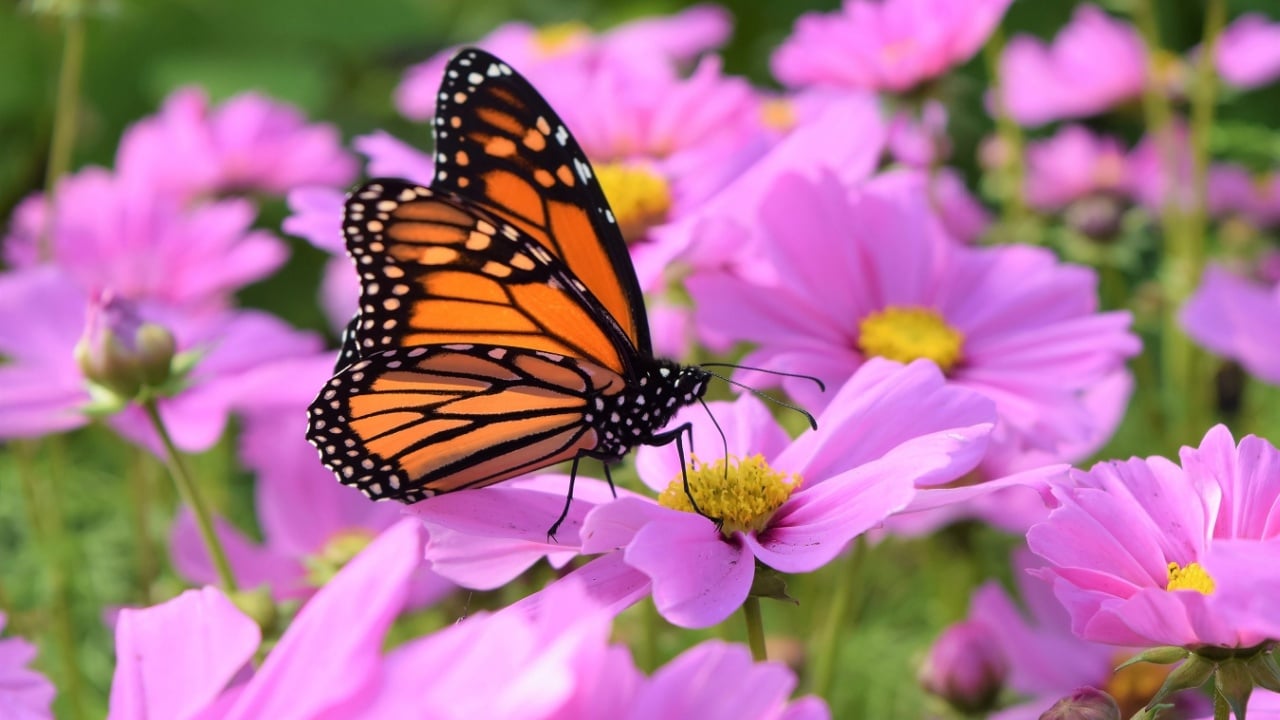
18 Flowers to Grow This Season to Attract Monarch Butterflies
Creating a haven for monarch butterflies in your backyard is more than just a joy for the eyes, it’s a crucial way to support these incredible pollinators. Monarch butterflies depend on diverse plants for nectar as adults and specific host plants while they’re caterpillars.
To help you craft the perfect garden, here’s a list of 18 blooms that will fill your space with both beauty and winged visitors.
1. Mexican Sunflower: Vibrant Firepower of Tithonia
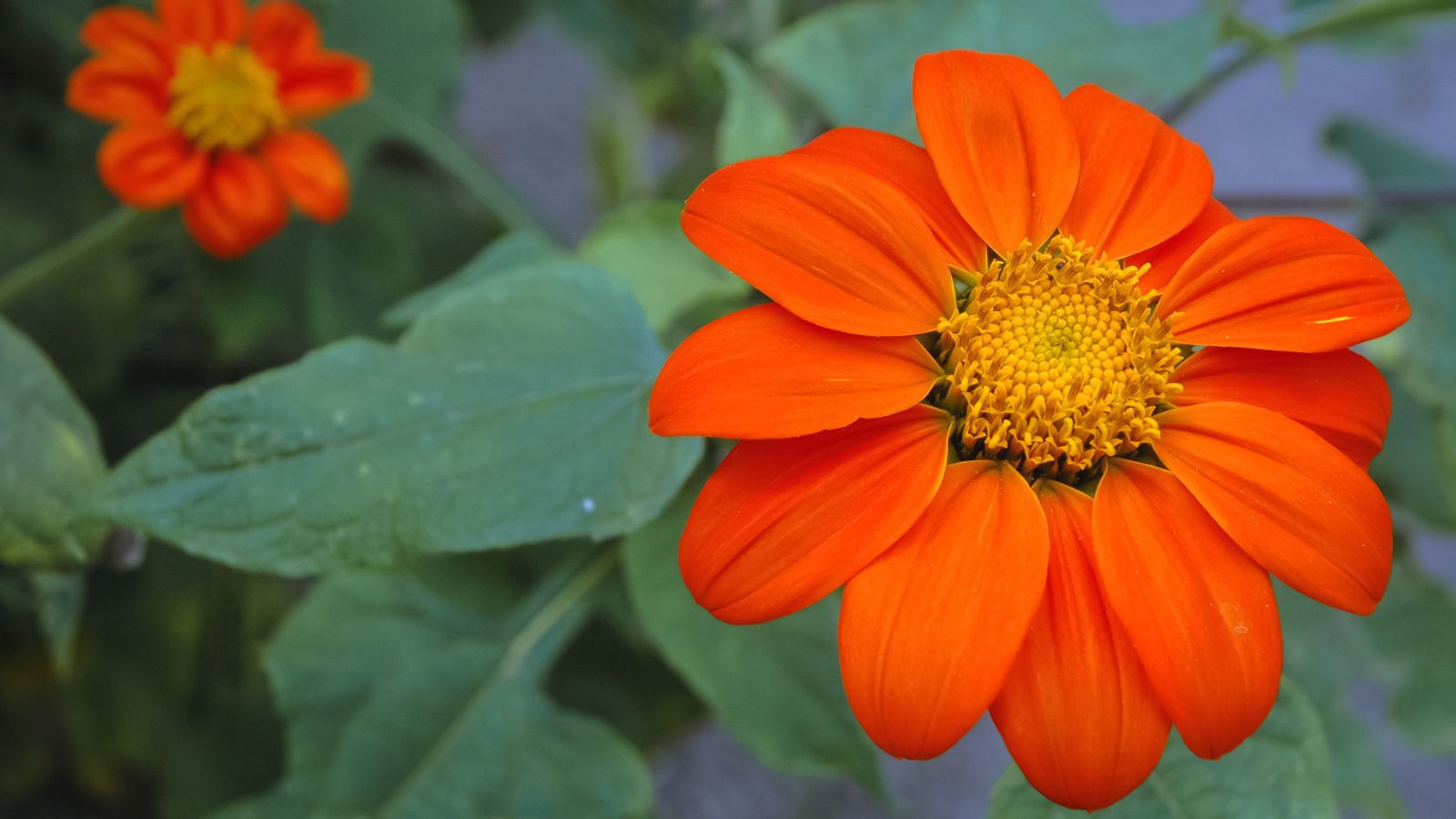
Mexican sunflowers, with their bright orange-red petals, bring a fiery warmth to your garden. These annuals bloom from mid-summer to autumn, offering a long-lasting nectar buffet for monarch butterflies. Standing tall with abundant branching, they also provide a resting spot for tired travelers. Plus, their daisy-like blooms add a tropical feel to your landscape.
2. Common Milkweed: The Lifeline Plant
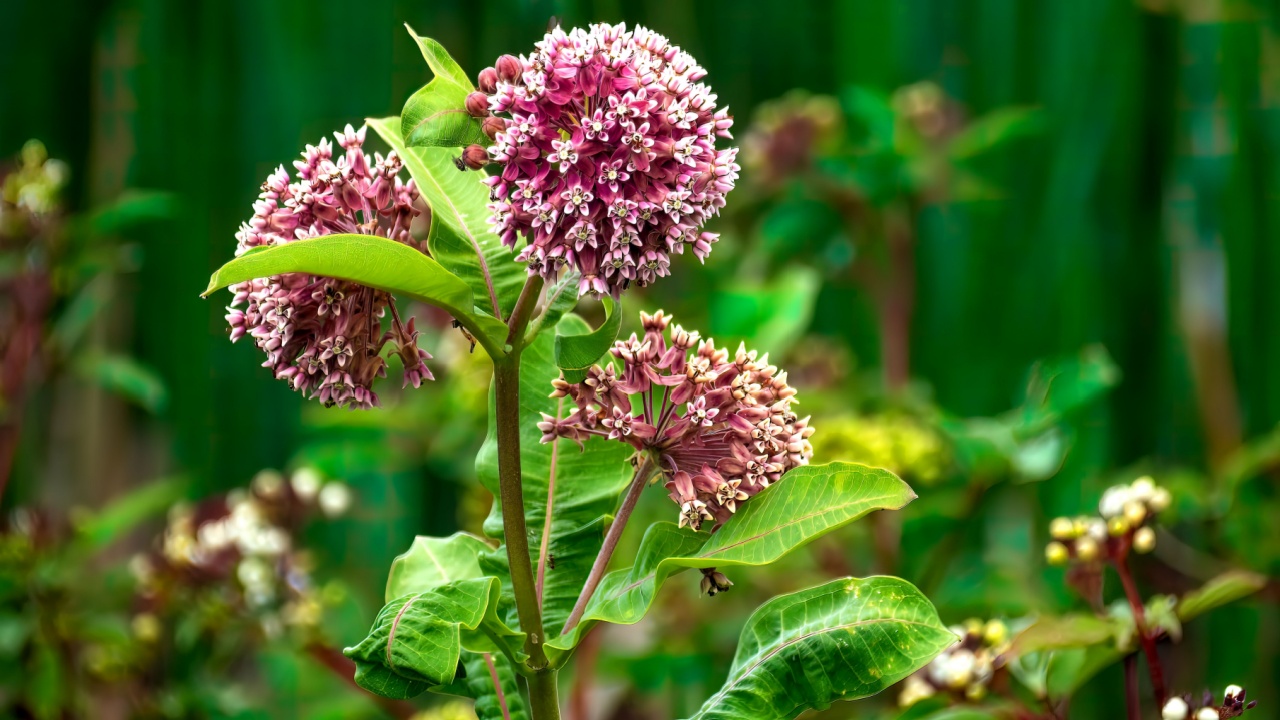
Known as a critical host plant for monarch caterpillars, common milkweed (Asclepias syriaca) is vital for monarch survival. With its tall stems and globular clusters of pinkish flowers, it stands out during summer. Not only do monarchs lay their eggs on its leaves, but adult butterflies also thrive on its nectar-rich blooms.
3. Bee Balm: A Double Delight
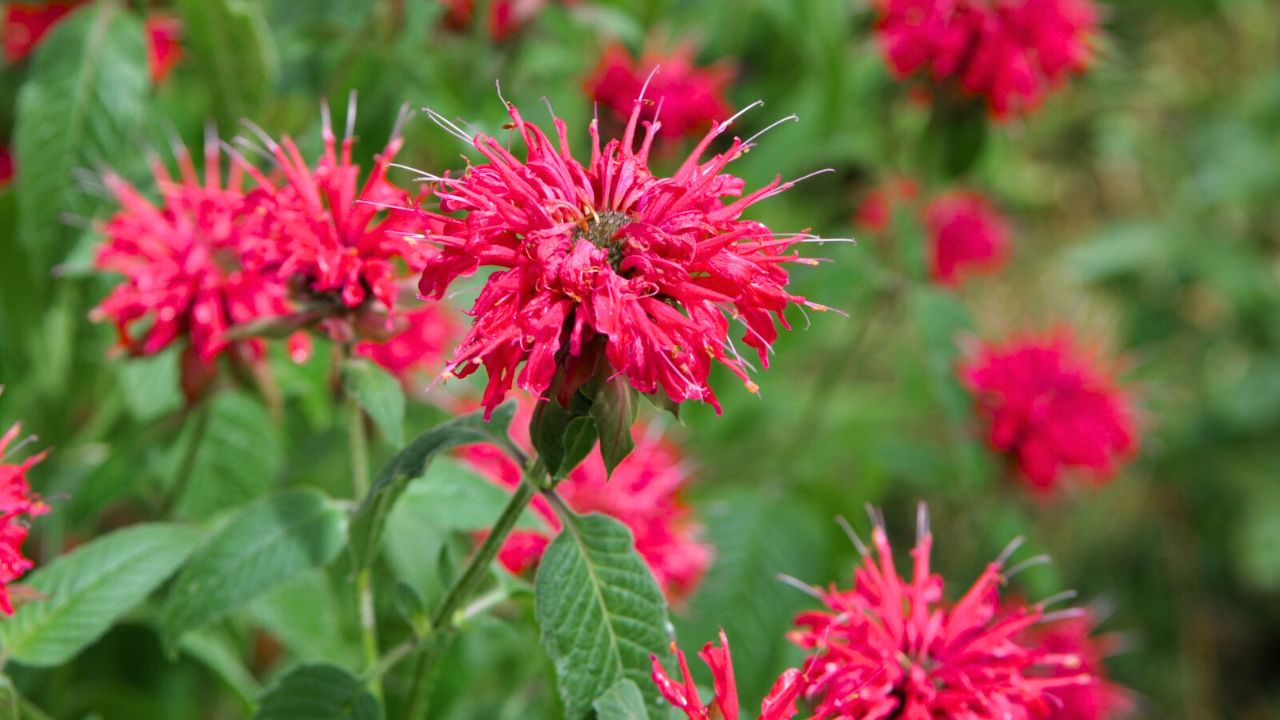
Bee balm brings bold shades of red or lilac to your yard. Apart from attracting monarch butterflies with its sweet tubular flowers in summer, this perennial with aromatic leaves is versatile—it can even be brewed into herbal teas. Its upright flower structure also makes it irresistible to hummingbirds, offering you a double pollinator attraction.
4. Asters: A Late-Season Feast
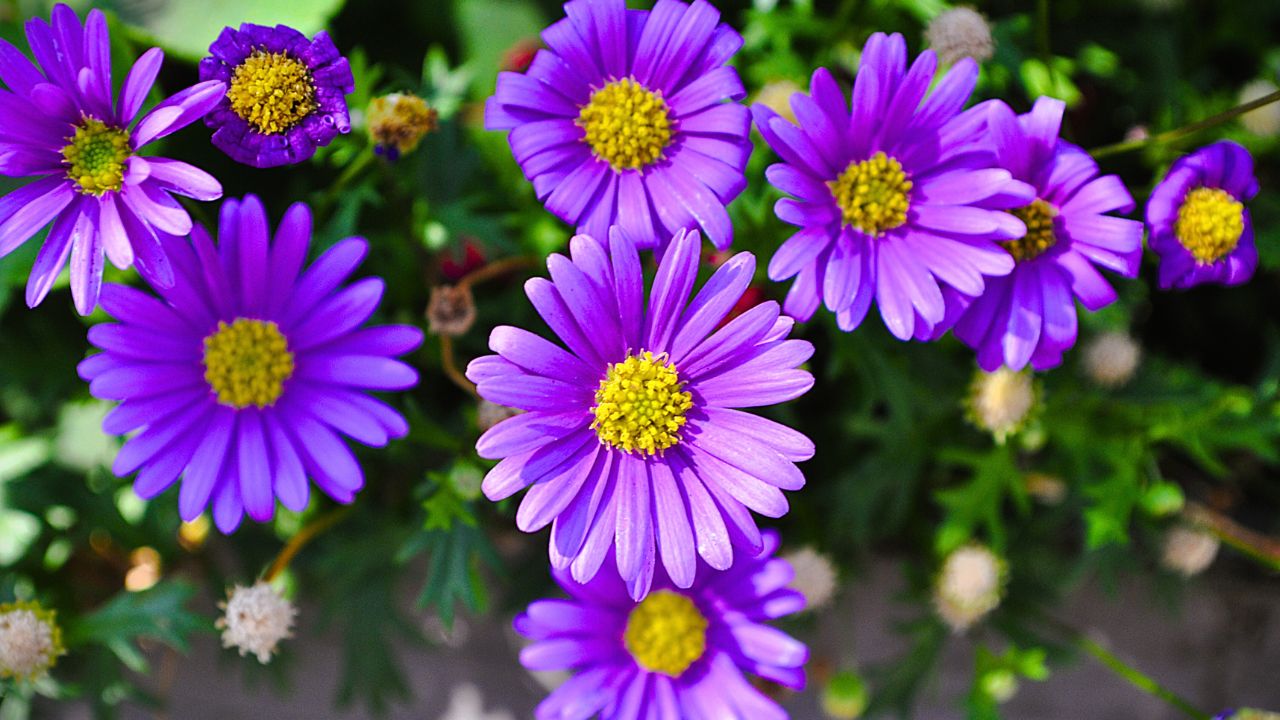
Asters are indispensable for fall-migrating monarchs. With purple, white, or pink daisy-like flowers and yellow centers, they keep the nectar flowing during the cooler months. Their perennial nature means they’ll return every year, keeping your yard colorful and monarch-friendly for seasons to come.
5. Goldenrod: A Beacon of Autumn Gold
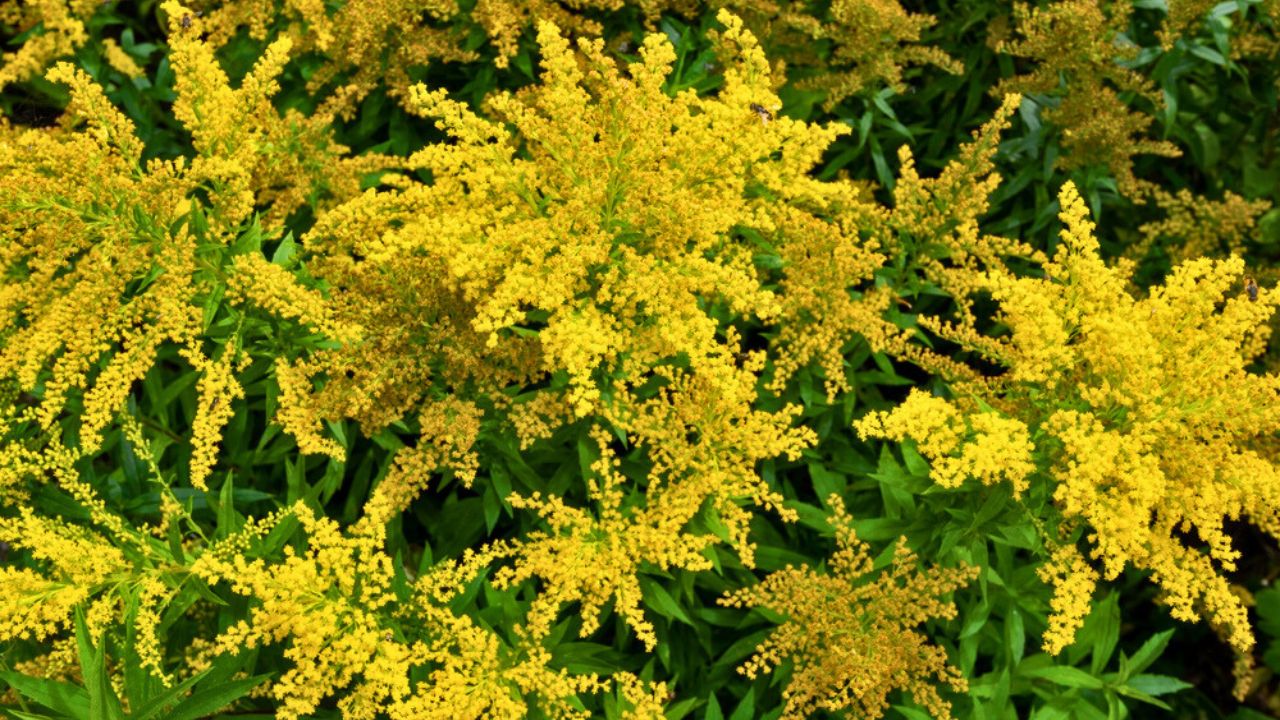
Goldenrod’s bright yellow plumes are a magnet for pollinators, especially monarchs preparing for their monumental migration. These resilient perennials thrive in various conditions, from roadsides to dedicated flower beds. They grow easily and spread robustly, creating a continuous food source.
6. Showy Milkweed: Western Monarch Magnet
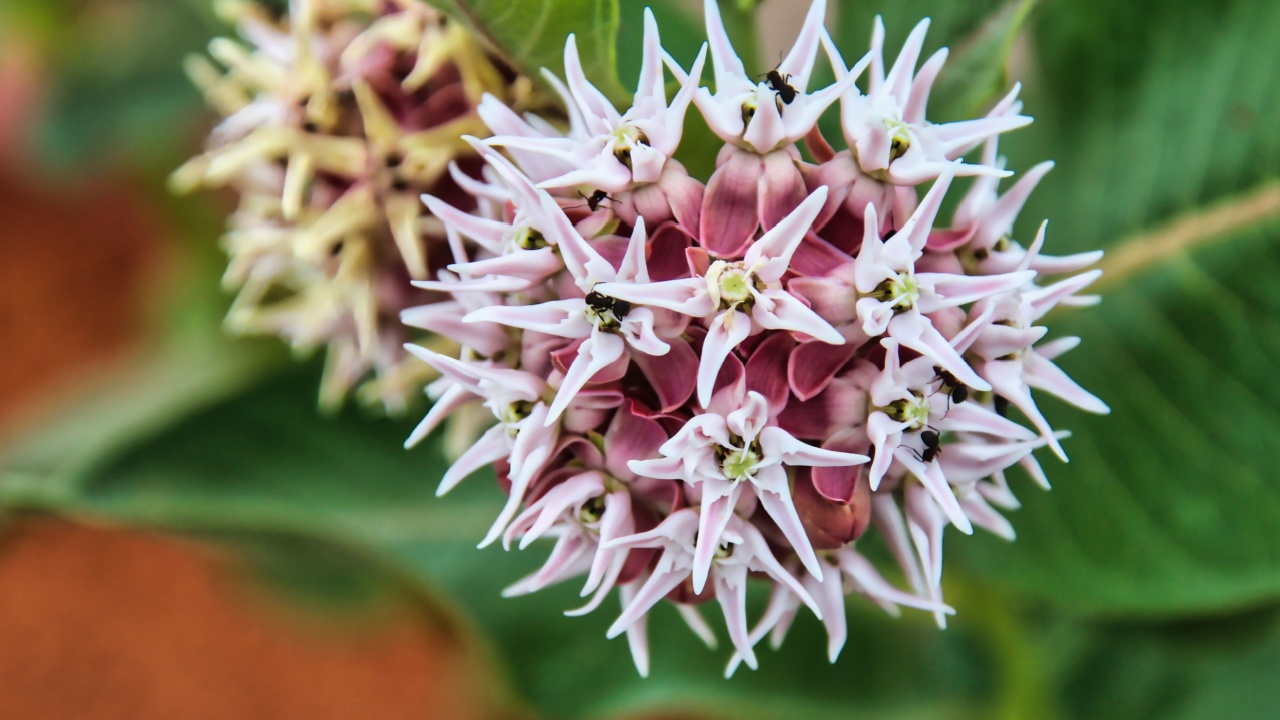
For gardeners in the western United States, showy milkweed is a top choice. Its star-shaped pinkish flowers come together in dramatic clusters, encouraging monarchs to linger. Much like its cousin, common milkweed, it feeds both adult butterflies and caterpillars while enhancing your garden’s visual appeal.
7. Purple Coneflower: The Garden Star
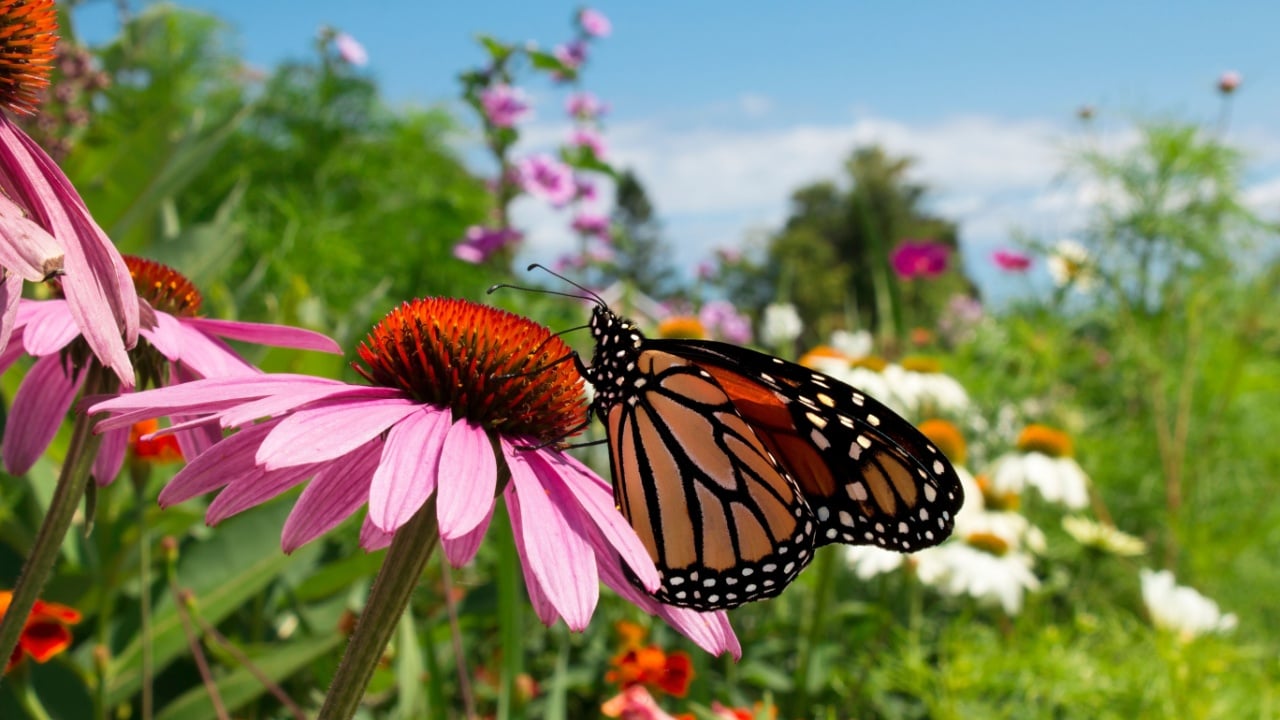
Purple coneflowers (Echinacea purpurea), with their striking orange centers and purple rays, are a perennial favorite not just for monarchs but also for gardeners. Their summer blooms add vertical elegance, and their sturdy nature ensures they thrive with minimal effort.
8. Blanket flower: Endless Summer Cheer
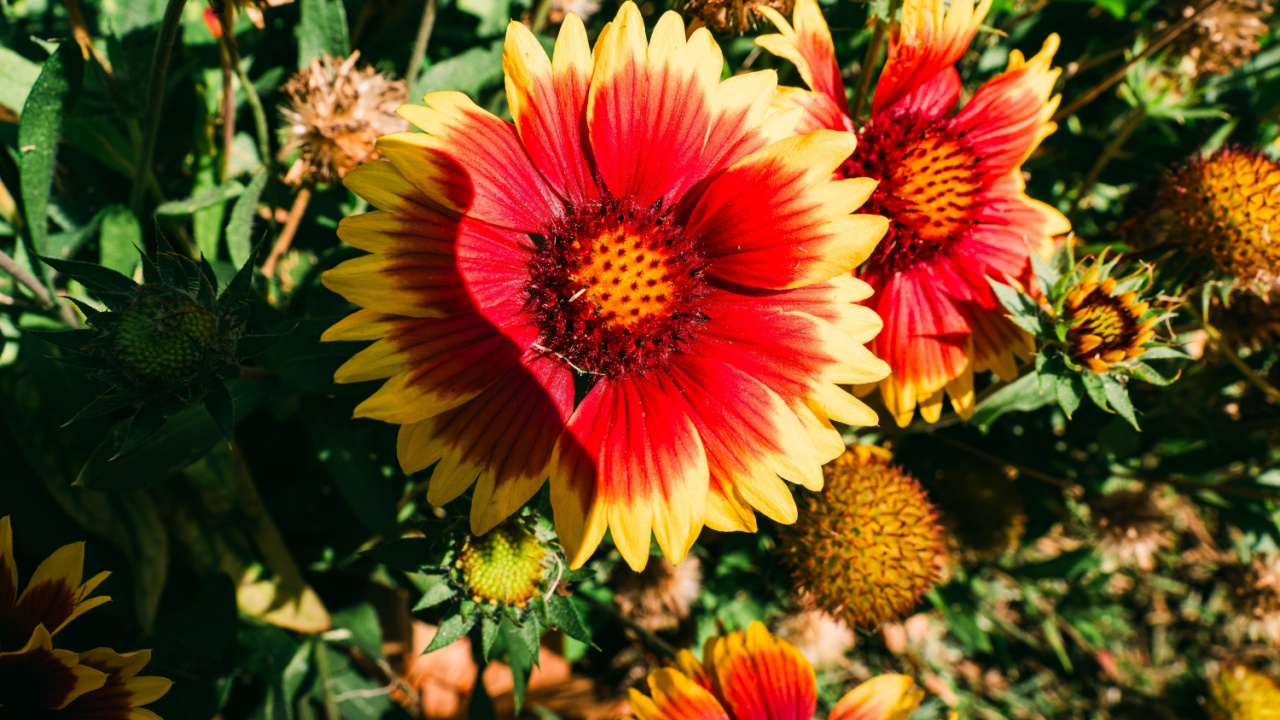
Blanket flowers (Gaillardia spp.) bring the fiery hues of red and yellow to your garden. They bloom profusely throughout spring and summer, offering a continuous nectar source. Their wheel-like appearance makes them a decorative statement while ensuring they’re an irresistible target for butterflies.
9. Butterfly Weed: Monarchs’ Favorite Feast
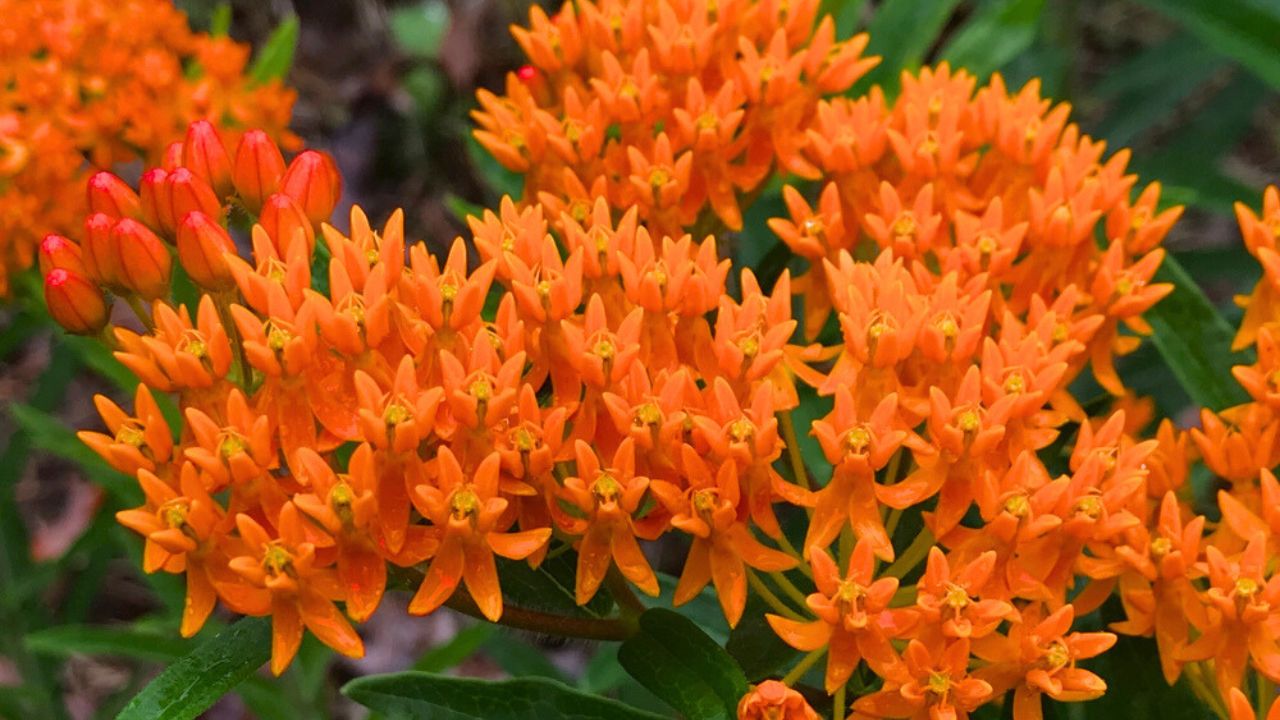
Butterfly weed boasts clusters of vibrant orange flowers that dominate your early summer garden. Being a species of milkweed, it doubles as a food source for monarch caterpillars while supplying essential nectar to adults. This hardy plant is low-maintenance and drought-resistant, perfect for beginners.
10. Black-eyed Susan: A Pollinator Powerhouse
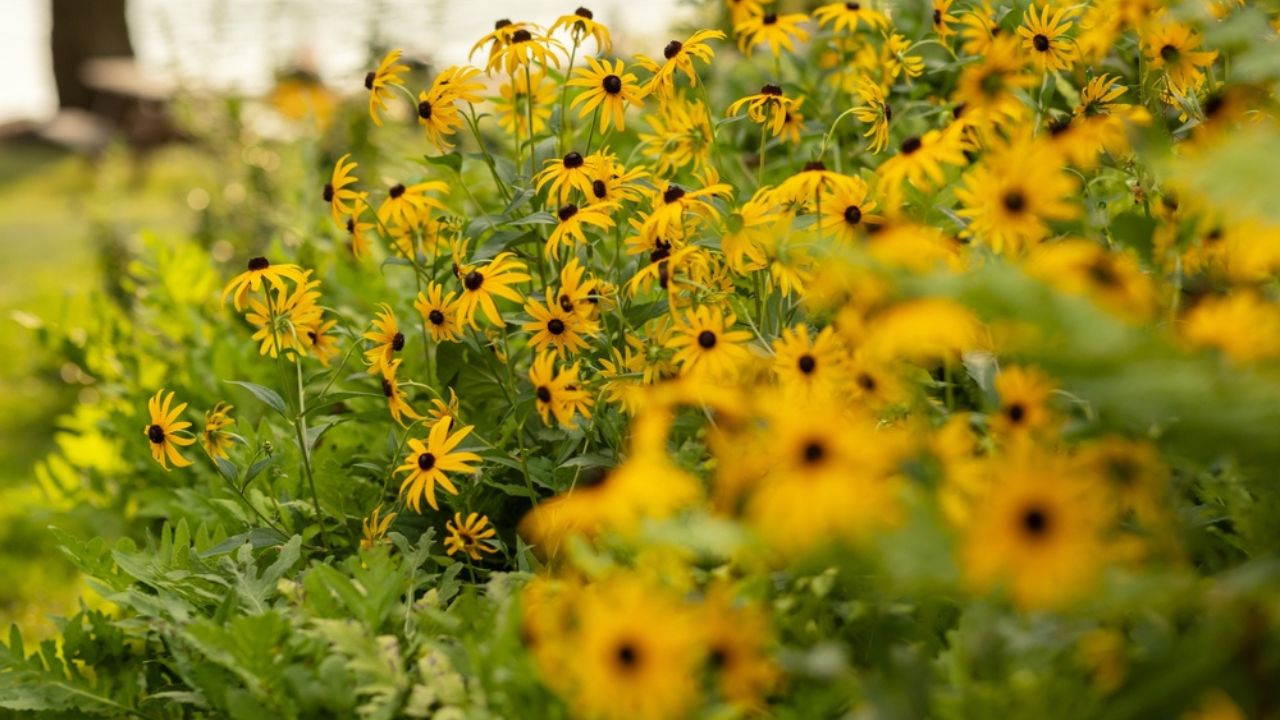
These iconic yellow flowers with dark brown centers are an instant mood booster in the garden. Black-eyed Susans bloom in spring and summer, attracting monarchs, bees, and even small songbirds. Their seeds provide post-season sustenance for wildlife, making them a must-have for eco-conscious gardeners.
11. Chrysanthemums: A Fall Essential
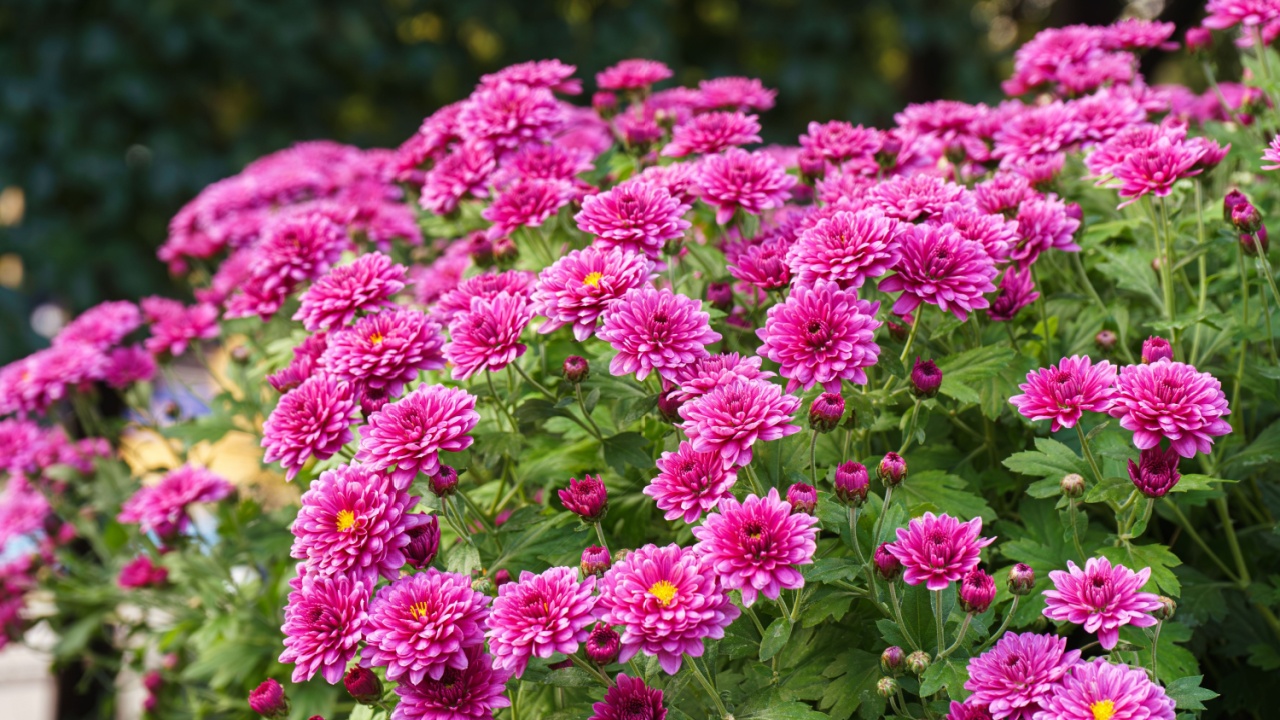
Chrysanthemums, or mums, bloom late in the year, ensuring monarchs have energy reserves during autumn migrations. These vibrant flowers come in numerous hues, but open-pollinated varieties—featuring exposed yellow centers—are the best for ensuring pollinator access.
A note: Most commercial mums are not great for pollinators (double-bloomed, little nectar). Use single-bloom, open-center varieties like Chrysanthemum indicum.
12. Blazing Star: A Vertical Nectar Bar
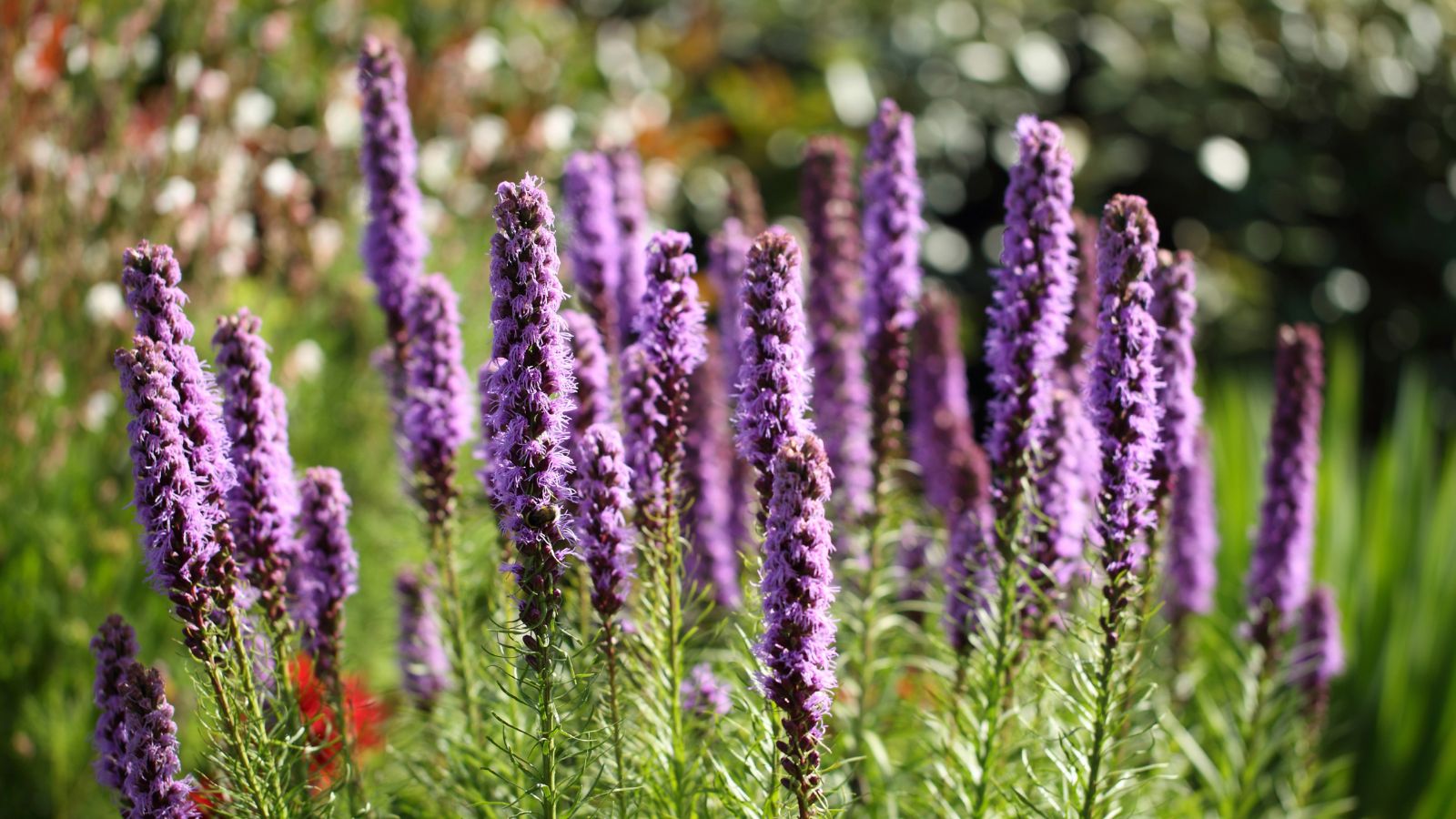
Blazing star (Liatris spp.) adds bold vertical spikes of purple blooms to your yard. Monarchs are drawn to these tall flowers, often gathering in large numbers as they sip nectar. These summer-flowering perennials ensure your garden thrives with color and life.
13. Common Yarrow: An Umbrella for Butterflies
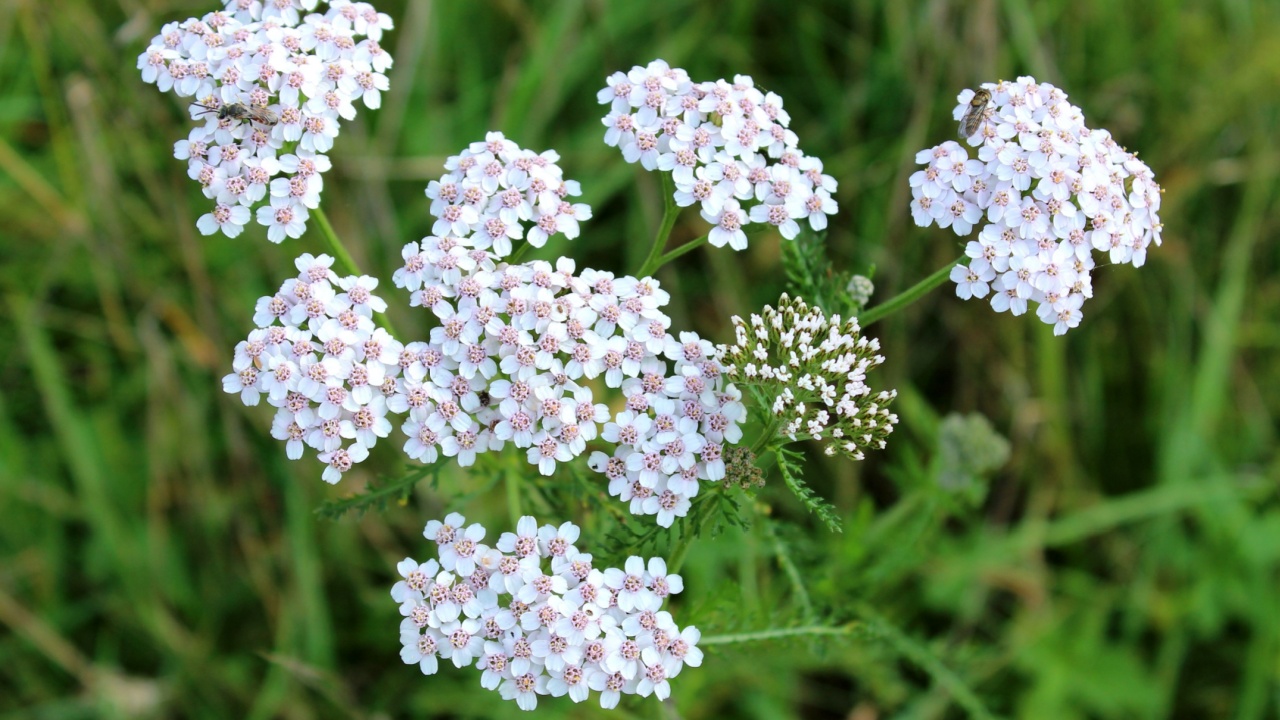
Common yarrow is easy to identify with its umbrella-like clusters of blooms. Whether white, yellow, or pink, their flowers are a favorite landing pad for monarchs during summer. This perennial is both hardy and fragrant, adding interest and character to meadows and garden beds alike.
14. Beggarticks: A Hidden Monarch Gem

Beggarticks might be underappreciated, but their cheerful yellow or white blooms have an undeniable charm. Blooming in late summer, they offer a much-needed food source for monarchs heading south. Best of all, they require little care and thrive in sunny, open areas.
15. Sunflowers: A Towering Treat

Towering sunflowers are a highlight in any backyard. Their massive heads offer nectar to monarchs in late summer and also provide seeds for birds later. Whether you grow annuals or perennials, these bright yellow blooms are sure to be a focal point.
16. Joe-Pye Weed: A Tall Drink of Nectar
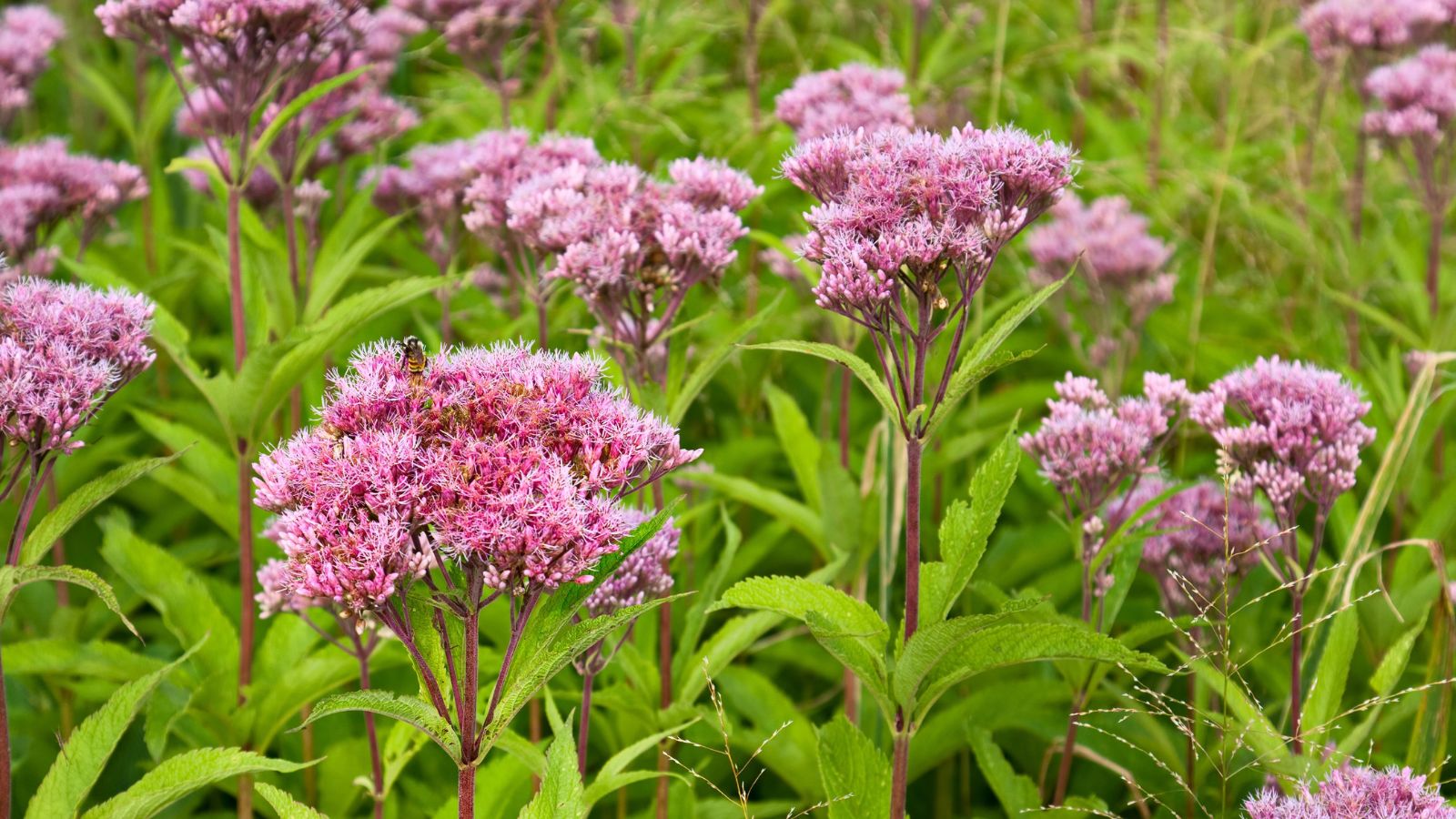
Joe-Pye weed is a towering native perennial that monarch butterflies can’t resist—especially during late summer migration. With its fluffy, mauve-pink flower clusters perched atop sturdy stems, this plant adds vertical drama and texture to any pollinator garden. Thriving in moist soil and full to partial sun, Joe-Pye weed not only feeds monarchs but also invites bees and other beneficial insects to join the party.
17. Cosmos: Simple but Stunning
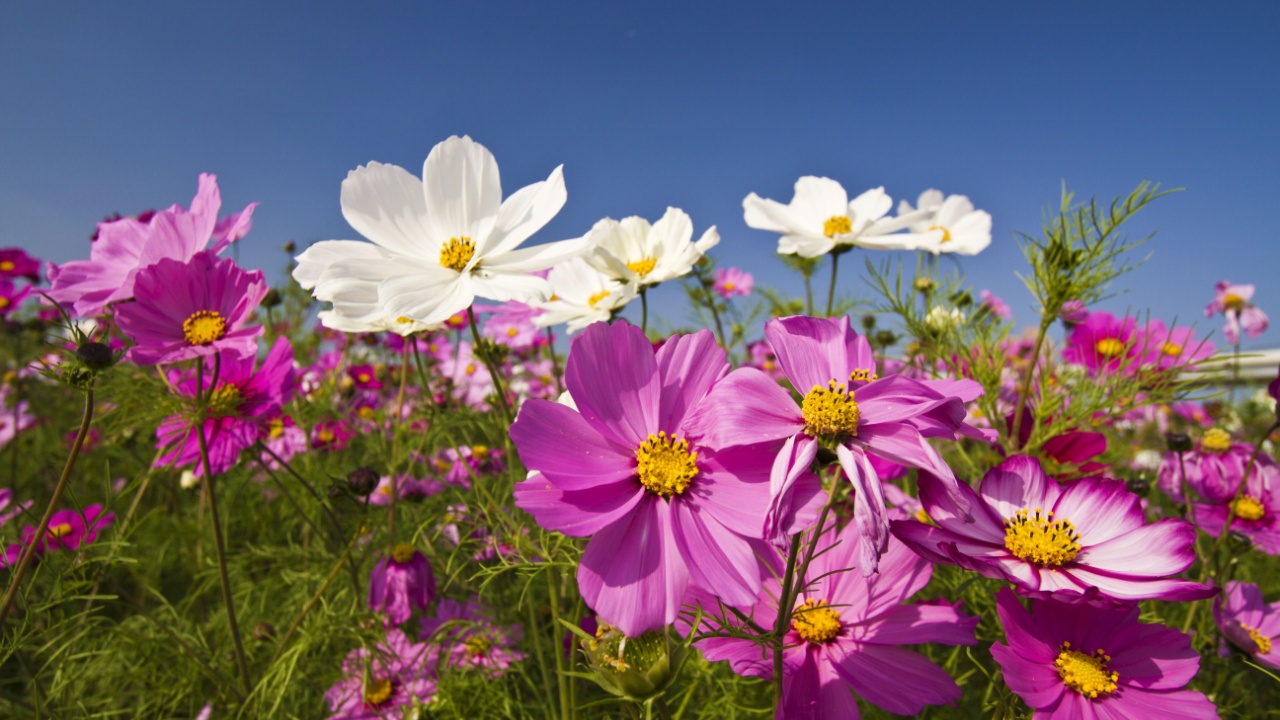
Cosmos flowers, with their delicate, daisy-like appearance, are easy to grow and thrive in poor soils. Their nectar-rich blooms come in shades of pink, white, and orange and are highly attractive to monarchs. Flowering from summer until frost, cosmos ensures your butterfly garden stays appealing late into the year.
18. Blue Mistflower: A True Monarch Magnet
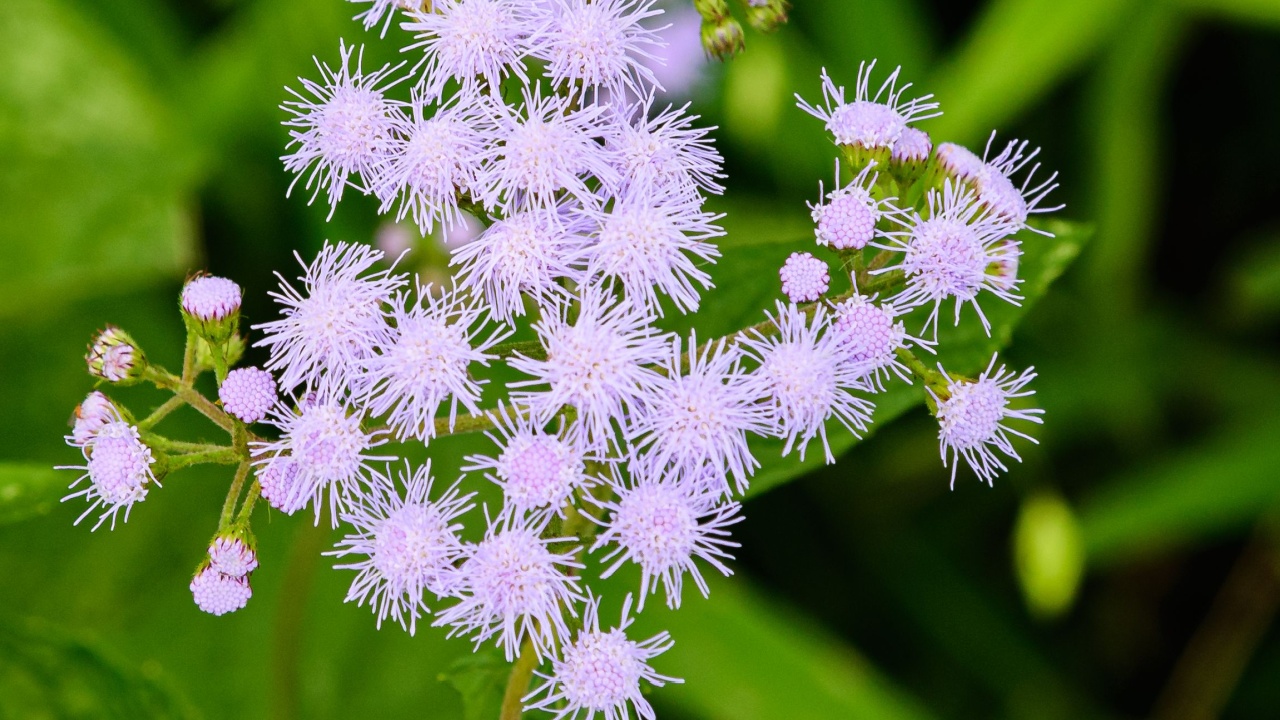
This delicate perennial with fluffy, sky-blue flowers is a secret weapon for attracting monarchs during migration. Blooming best in late summer and autumn, blue mistflower’s nectar-rich clusters create a soft, dreamy touch to your butterfly paradise.
Bring Your Butterfly Garden to Life

By cultivating these 19 butterfly-friendly flowers, you’ll create a stunning visual display while supporting monarch butterfly populations. From milkweeds essential for caterpillars to nectar-rich blooms that sustain adult butterflies, these plants turn your backyard into a vital oasis for pollinator conservation. All it takes is a careful selection of flowers to ensure year-round food and beauty. Start planning your butterfly habitat today and make a lasting environmental impact!
Read more
19 Beautiful Types of Butterflies (And How to Attract Them)
14 Plants That Attract Butterflies to the Yard Like Magic