
15 Daily Habits That Help You Slow Done and Enjoy the Little Things
Does it sometimes feel like you are in a constant Olympic-level marathon to catch up with life? You have to wake up early to avoid traffic, hurry to the (grand)kids’ soccer practice, remember to plan for your partner’s birthday, and still find time to catch up with your sister at the local bar on Friday evening.
You know you want to take a moment to slow down and appreciate life, yet finding the time to do so often feels nearly impossible. Pumping the brakes on the rat race can make a world of difference in our overall well-being. You may need to embrace a few mindful habits to enhance your daily life.
Here are some simple changes you can make today that will help you slow down and enjoy life’s little moments. Of course, if you have a garden or thriving backyard, you might already have a few ideas on how to slow down. See what others on this list feeling inspiring and give them a try, too!
1. Eat Slower

You’ve likely spotted a few folks dodging traffic while inhaling a cold sandwich on their way to another meeting. Meals have become the latest casualty in the war against busy schedules.
Enjoy your food by eating more slowly. Chew each bite thoroughly, savoring the flavors and textures. This isn’t just about enjoying your meal. Eating more slowly aids digestion and can even help with weight management, so try setting your fork down between bites or taking smaller bites to pace your eating naturally.
2. Offer a Helping Hand

At any moment, there is someone in need of assistance. Have you tried helping a neighbor bring their groceries inside or volunteering for a local cause? Lending a hand is like sprinkling a bit of kindness into the universe (that will eventually make its way back to you).
Helping others not only does wonders for them, but it also jazzes up your own life. It’s a fantastic excuse to take a break from your own worries and play superhero for a second. These small acts of kindness bring a sense of fulfillment and purpose to your day.
3. Journal Daily

Journaling is like hitting the pause button on life to sort through the chaos in your head. Spend a few minutes each day scribbling down your thoughts, feelings, and the occasional existential crisis.
This practice not only helps you untangle your emotions and clarify your goals but also gives you perspective on your life. You don’t need to write pages and pages—sometimes, a few sentences or bullet points are enough. The act of putting pen to paper (or even fingers to keyboard) can be incredibly therapeutic and grounding.
4. Take Note of the Small Things

When was the last time you noticed the colors of a flower, the sound of birds chirping, or the feeling of the sun on your skin? Noticing the small things can bring joy and peace to your everyday life.
Start by setting aside a few moments each day to observe your surroundings. Use all your senses—sight, sound, smell, touch, and taste—to fully experience the present moment.
5. Don’t Worry About Things Beyond Your Control

Remember the rocking chair analogy? It still holds true: it provides something to do but doesn’t actually take you anywhere. Worrying about things beyond your control can be exhausting and unproductive.
Practice letting go of these anxieties by focusing on what you can control and accepting what you cannot. This shift in mindset can reduce stress and help you feel more at ease. It’s okay not to have all the answers.
6. Avoid Comparisons

It may often seem that everyone is thriving, leaving you to feel like you’re the only one not “living your best life.” Everyone’s journey is different. Focus on your own growth and accomplishments, and avoid the negative spiral of comparisons.
When you find yourself comparing, take a step back and reflect on your own achievements. Celebrate your progress, no matter how small.
7. Breathe

It sounds simple, but taking a few deep breaths can work wonders for your mental and emotional well-being. Deep breathing activates your body’s relaxation response, helping to reduce stress and bring a sense of calm.
The next time you feel overwhelmed, take a moment to pause and focus on your breath. Inhale deeply through your nose, hold for a few seconds, and then exhale slowly through your mouth. Repeat this process a few times until you feel more centered.
8. Practice Gratitude

Gratitude will transform your “I wish I had this and that” into “Wow, look at all this awesome stuff!” Take a moment each day to count your blessings—be it a friend who puts up with your quirks, a sunset that deserves an award, or a meal so good it deserves your compliments to the chef.
Share your gratitude with others. Expressing appreciation to those around you can strengthen your relationships and create a ripple effect of positivity.
9. Get Off Your Cellphone

How many times have you looked at your phone in the last ten minutes? Our smartphones are incredible tools, but they can also be major distractions and reduce productivity. Make an intentional effort to put your phone away and disconnect from screens for a while each day. Use this time to engage in activities that bring you joy and relaxation.
You can also set boundaries for phone use, such as no screens during meals or an hour before bed. Create tech-free zones in your home where you can unwind without digital interruptions.
10. Reduce Your Activities

How full is your calendar? Filling every moment with to-do lists and endless commitments is the modern-day idea of success. However, continuously overloading your schedule can lead to burnout and stress.
Evaluate your activities and consider reducing your commitments. Focus on what truly matters to you and brings you fulfillment.
11. Take Nature Walks

Taking nature walks is a wonderful way to reconnect with the outdoors and clear your mind. As you step outside, allow yourself to immerse yourself in the environment around you. Being in nature has been shown to reduce stress and improve mood.
Make it a regular part of your routine. A stroll through a local park, a hike along a trail, or a peaceful walk through your neighborhood can make a huge difference.
12. Take a Break from Social Media or Step Away Completely

Social media can be a double-edged sword. While it connects us to friends and family, it can also promote anxiety and distraction. Taking a break from social media allows you to step back and evaluate how it affects your mental health.
Consider designating specific times for checking your accounts or even deleting apps from your phone to reduce impulse scrolling. Use this newfound time to engage in activities that enrich your life—like reading, crafting, or pursuing a hobby.
13. Establish a Meaningful Routine

Research shows that having a meaningful routine can provide structure and purpose to your days. A well-planned routine helps manage time effectively and ensures that you allocate space for activities that nurture your body, mind, and spirit.
Start by identifying the key elements you want to include in your daily life, such as exercise, mindfulness practices, personal development, and relaxation. Incorporate rituals that bring you joy and a sense of accomplishment, even if it doesn’t make sense to others.
14. Pick Up a New Hobby
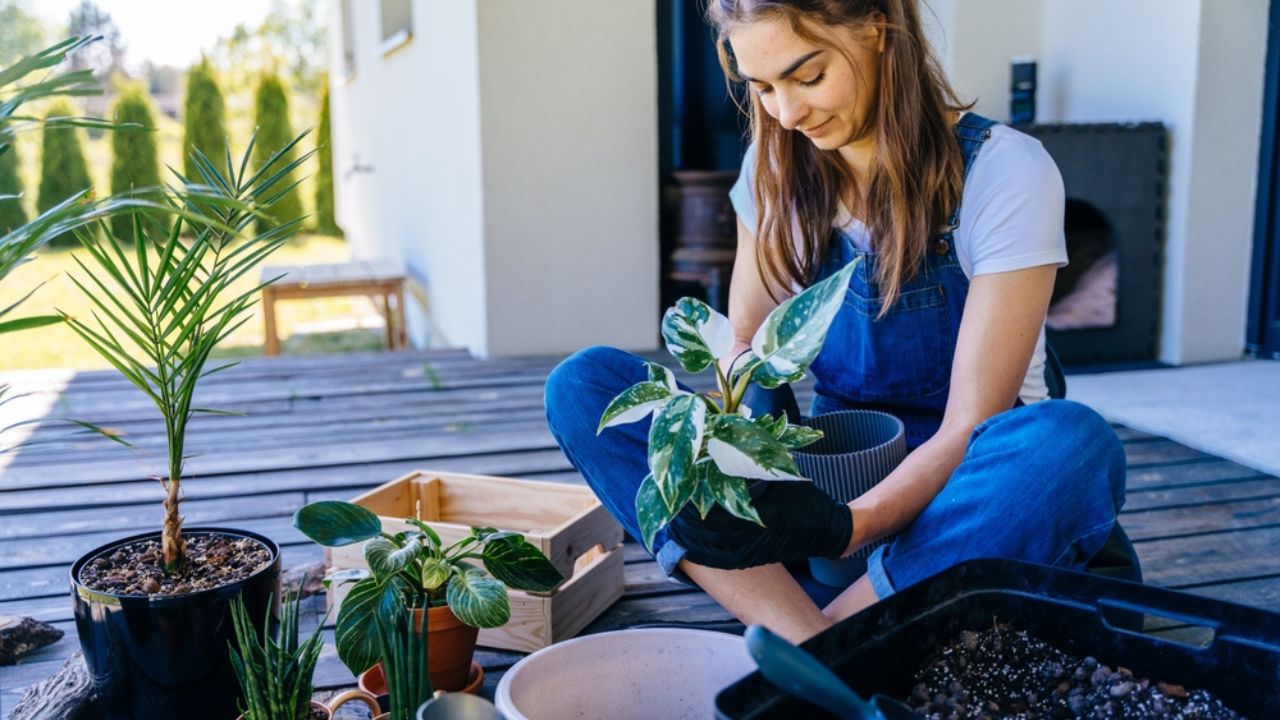
While adding another activity to your day might feel like the opposite of “slowing down,” it truly depends on what type of hobby it is. We’re talking about the ones that require disconnecting, getting creative, and getting your brain into almost a meditative state.
Options might include gardening, reading, painting, bike riding, swimming, and so on. Choose one that speaks to you and helps bring you peace.
15. Be Okay with Saying No

Mastering the art of saying no is the superpower that lets you take charge of your time and energy. It keeps you from drowning in responsibilities that don’t do your well-being any favors.
Remember, saying no isn’t selfish, it’s self-care. When you politely decline an invitation or request, you’re actually opening the door to opportunities that vibe better with your priorities and values.