15 Handy Gardening Hacks for Busy People
Gardening is often a labor of love, but that doesn’t mean it has to feel like hard work all the time.
Whether you’re battling stubborn soil, invasive plants, or hefty pots, there’s always a clever way to make your tasks easier. This collection of genius gardening hacks will help you tackle common challenges, all while saving time and energy. From pest control to pruning, these tips are designed to streamline your gardening routine and keep your plants thriving.
Here are 15 practical gardening hacks that every gardener should know!
1. No-Stick Shovel Solution
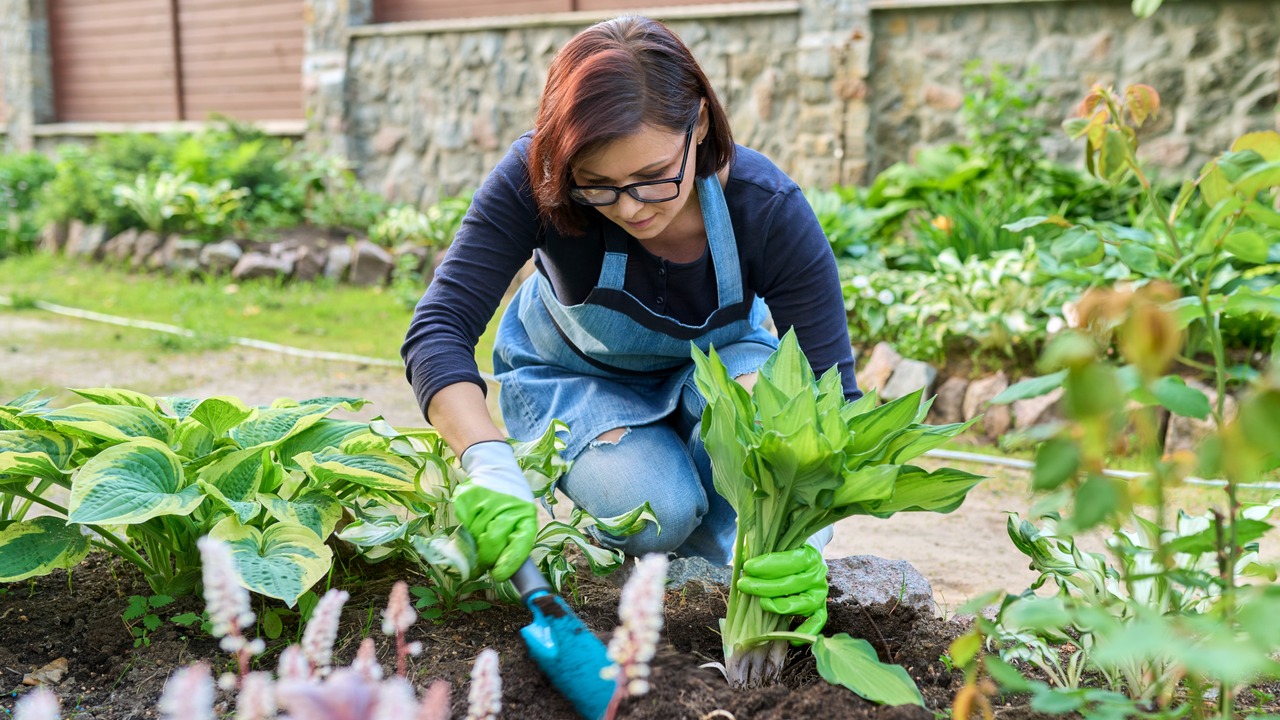
The Hack: Spray your shovel or garden spade with a silicone or Teflon-based lubricant before using it.
Why It’s Useful: Wet soil or heavy clay can stick to your tools and make digging frustratingly inefficient. This hack ensures the soil slips right off your shovel, making the job smoother and less labor-intensive. By reducing stickiness, you’ll avoid extra cleaning later, keeping your tools in better shape for longer.
2. Shield Bulbs from Pests

The Hack: Drape poultry netting over your freshly planted flower bulb beds to keep critters out. Remove it in early spring or leave it in place for plants to grow through the holes.
Why It’s Useful: Squirrels, rabbits, and other garden pests love to dig up and munch on bulbs. This simple hack acts as a physical barrier, protecting your plants until they’re established. Plus, it’s cost-effective and easy to implement.
3. Control Root-Bound Plants
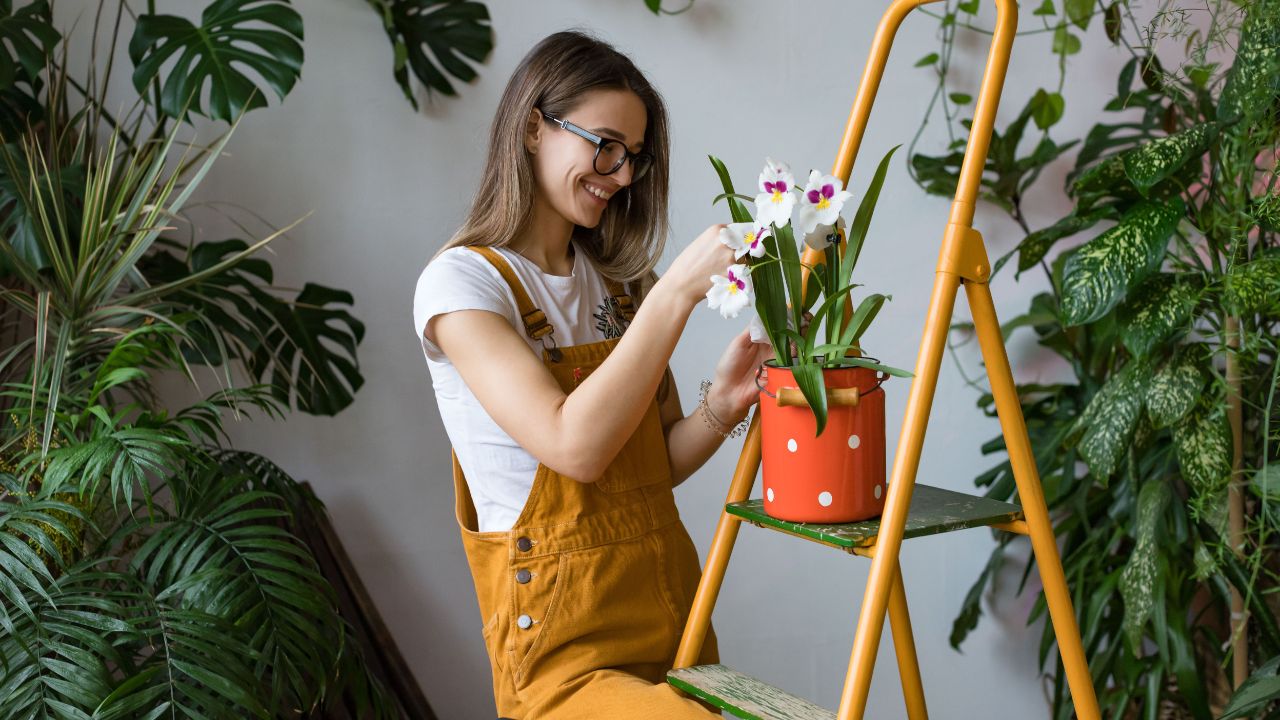
The Hack: For potted plants with circling roots, slice the root ball vertically in three to four places or gently tease out the roots before planting.
Why It’s Useful: Plants with tangled roots struggle to absorb water and nutrients, leading to stunted growth. By loosening or cutting the root ball, you help the plant establish itself better in its new environment, ensuring healthier growth and a quicker start in the ground or container.
4. Lighten Heavy Pots

The Hack: Cut pool noodles into chunks and place them in the bottom of large pots before adding soil. Cover the foam with a layer of landscape fabric to keep everything in place.
Why It’s Useful: Hefty pots filled entirely with soil are difficult to move and require more resources to fill. Pool noodles reduce the pot’s weight while providing space for drainage, making heavy containers easier to reposition and manage.
5. Make a Portable Potting Bench

The Hack: Attach a piece of plywood fitted with side cleats to the back of your wheelbarrow to create a makeshift potting shelf.
Why It’s Useful: This DIY solution gives you a convenient potting surface that can travel with you. No more running back and forth to your workstation—you’ll have all your soil and tools right where you need them, saving time and effort.
6. Rain Gauge Upgrade
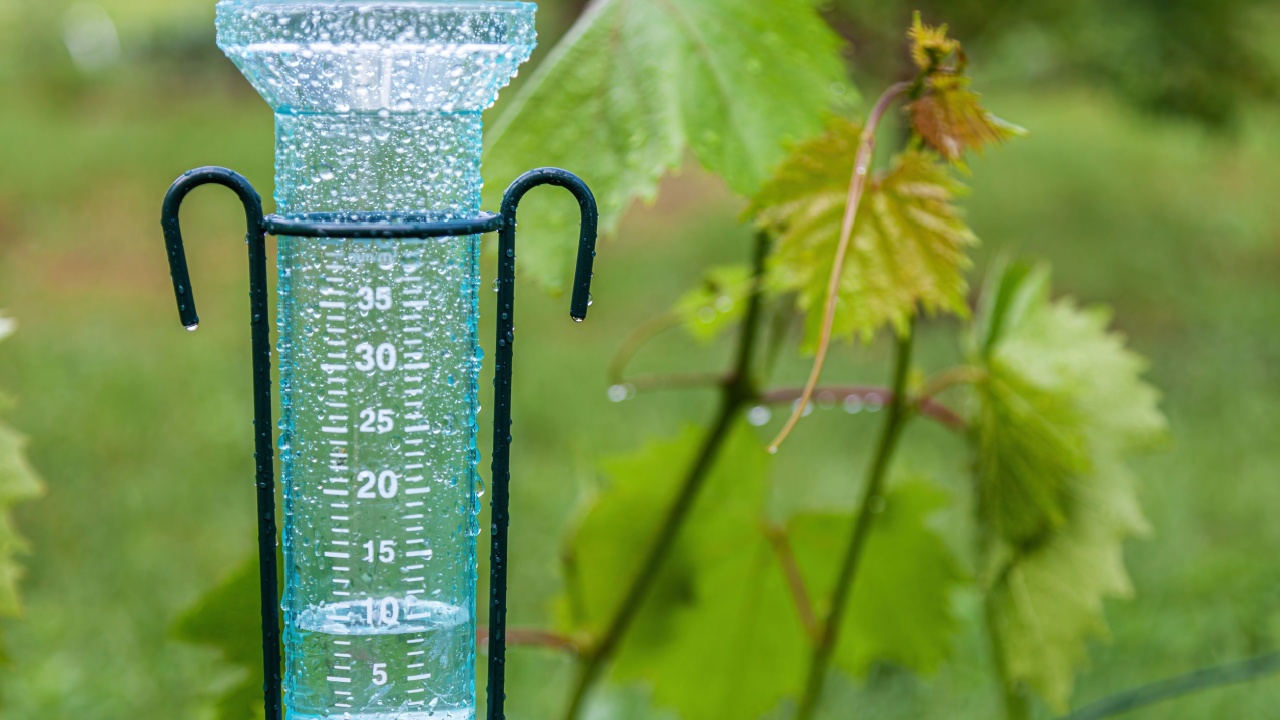
The Hack: Add a few drops of food coloring to the bottom of your rain gauge. When rainwater collects, the coloring will tint the water, making it easier to read.
Why It’s Useful: Whether you rely on rain to water your garden or track how much fell during a storm, this hack ensures you can quickly check water levels at a glance. It’s especially helpful in dim lighting or for gardeners with less-than-perfect eyesight.
7. Prune Roses for More Sunshine
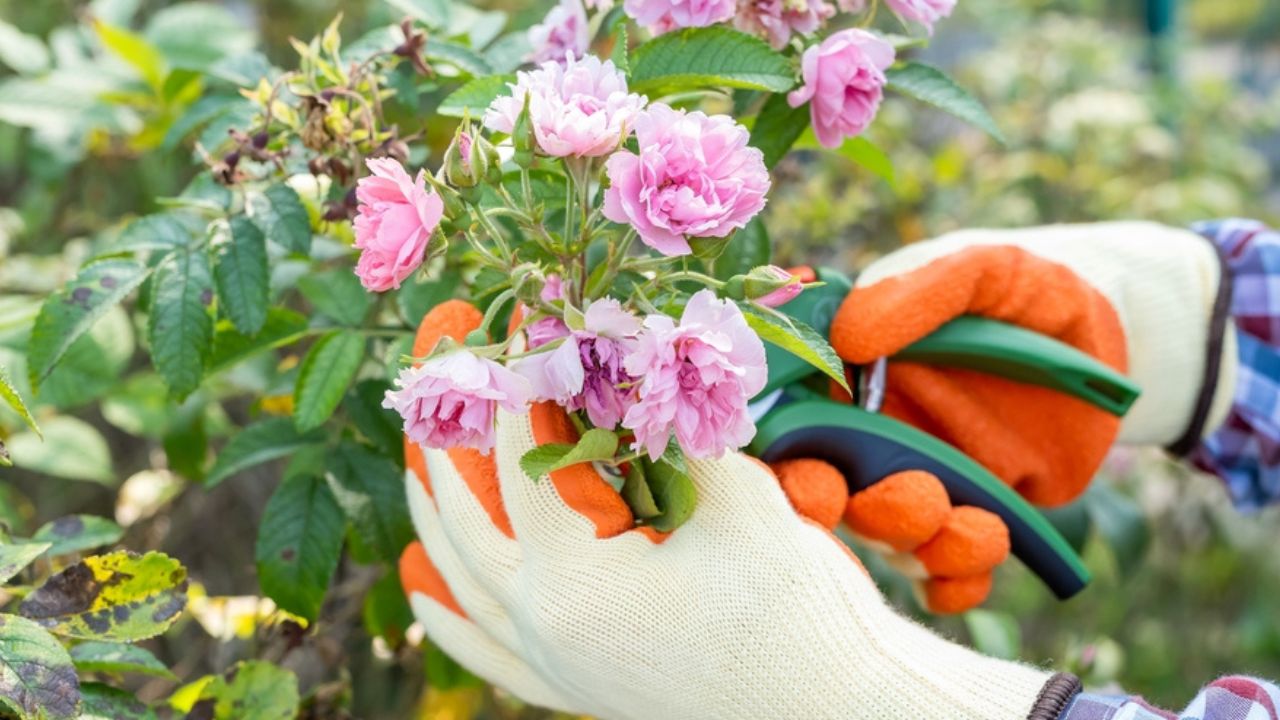
The Hack: Regularly prune the center of your rose bushes to improve air circulation and allow more sunlight to penetrate the plant.
Why It’s Useful: Roses thrive when their centers remain open and free from shade, as this prevents problems like black spot disease. Pruning keeps your plants healthy and encourages abundant blooms, giving your garden an even more captivating display.
8. DIY Plant Transporter
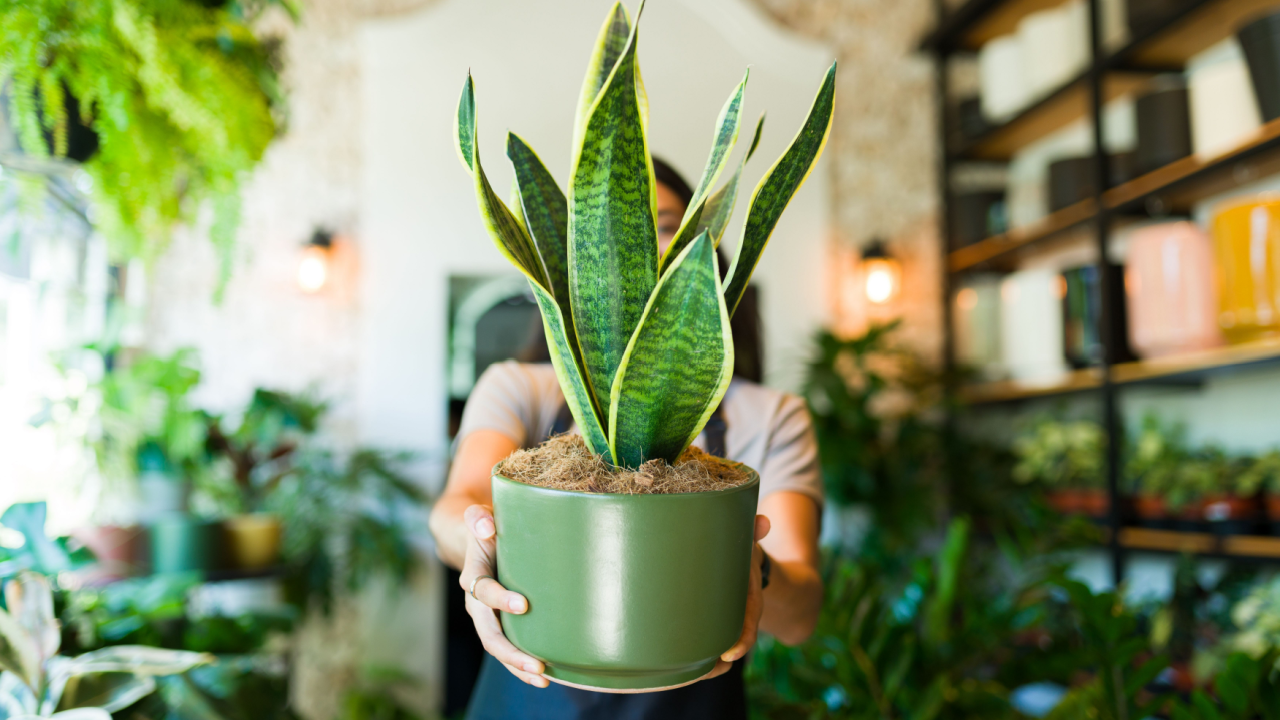
The Hack: Use the rungs of a small stepladder to safely transport delicate potted plants in your car.
Why It’s Useful: This hack keeps potted plants upright and secure during transport, preventing messy spills and soil displacement. It’s an easy way to ensure your nursery finds arrive home intact and ready to flourish.
9. Plastic Bottle Irrigation
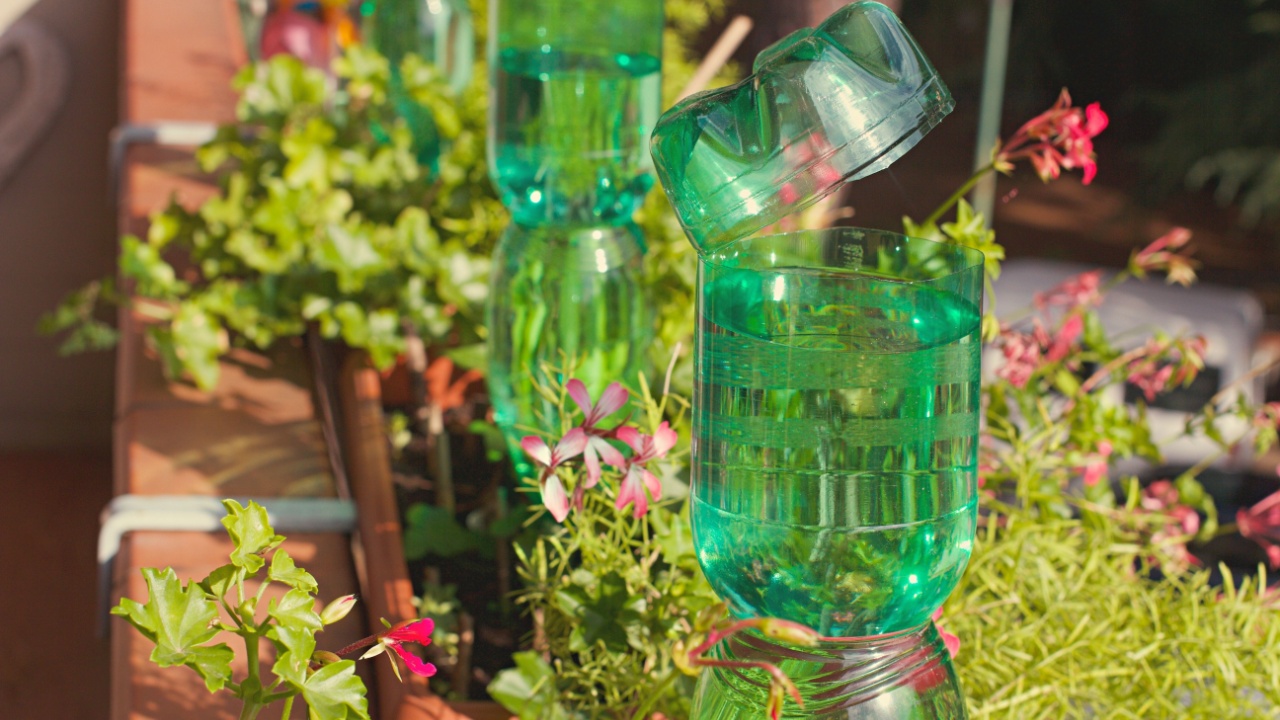
The Hack: Create a slow-release irrigation system by puncturing a few small holes in a plastic bottle, burying it next to your plants, and filling it with water.
Why It’s Useful: This budget-friendly solution ensures deep, consistent watering for your plants, especially during hot summer days. It’s a great option for vacationing gardeners or for those with water-intensive crops like tomatoes.
10. Avoid Rootbound Growth in Trees
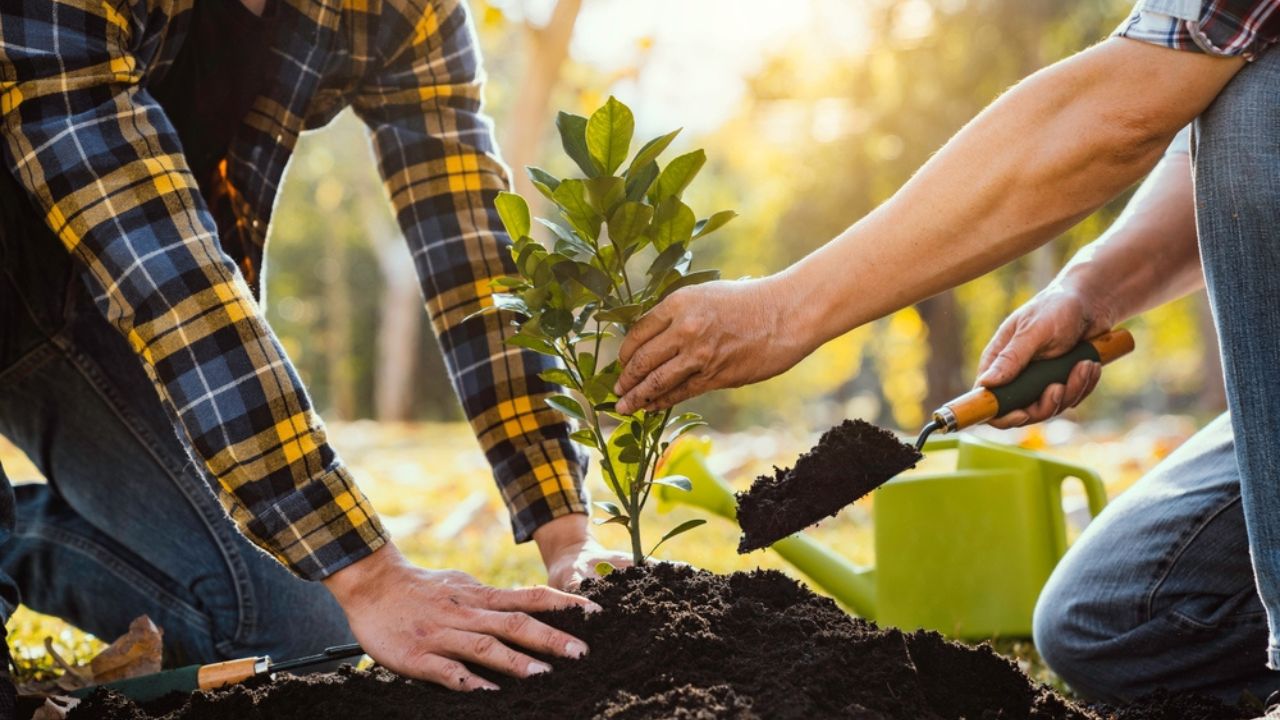
The Hack: When planting trees, dig a square planting hole rather than a round one to prevent the roots from circling.
Why It’s Useful: Circular planting holes encourage trees to develop spiraling root systems that can choke themselves as they grow. Square holes guide roots outward, improving stability and access to nutrients, helping your young trees thrive.
11. Tame Invasive Plants
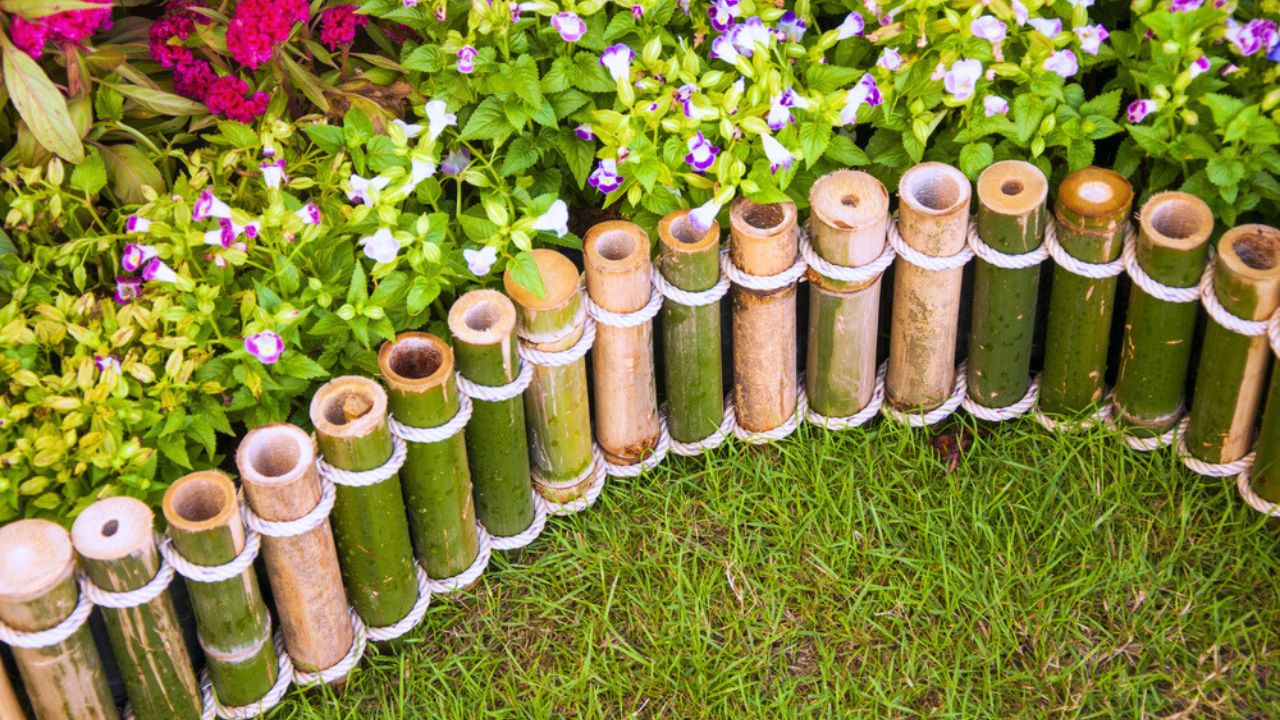
The Hack: Contain invasive root systems by driving a plastic or metal barrier into the ground around plants like mint or bamboo.
Why It’s Useful: This prevents invasive species from spreading uncontrollably and crowding out other plants. By restricting their root growth, you maintain better control over your garden layout and biodiversity.
12. Catalog Plant Tags for Reference

The Hack: Store plant tags in a small photo album or zip-top bag alongside notes about care instructions, bloom times, and planting locations.
Why It’s Useful: Over time, it’s easy to lose track of plant care requirements. This simple organizational trick helps you troubleshoot problems, replace favorites, or replicate successful garden designs with ease.
13. Grow Cucumbers Up an Old Ladder

The Hack: Repurpose a wooden or aluminum ladder as a vertical trellis. Place it in a raised bed and train cucumbers or pole beans up the rungs. It’s an easy way to add height and maximize growing space in a small garden. Plus, harvesting is a breeze when the plant is elevated and off the ground.
Why It’s Useful: Growing cucumbers or other vining plants on a ladder not only saves space but also allows for better air circulation and fewer pest problems. This method also makes it easier to spot ripe fruits, as they will be hanging down from the rungs.
14. Use Mulch as Nature’s Weed Barrier
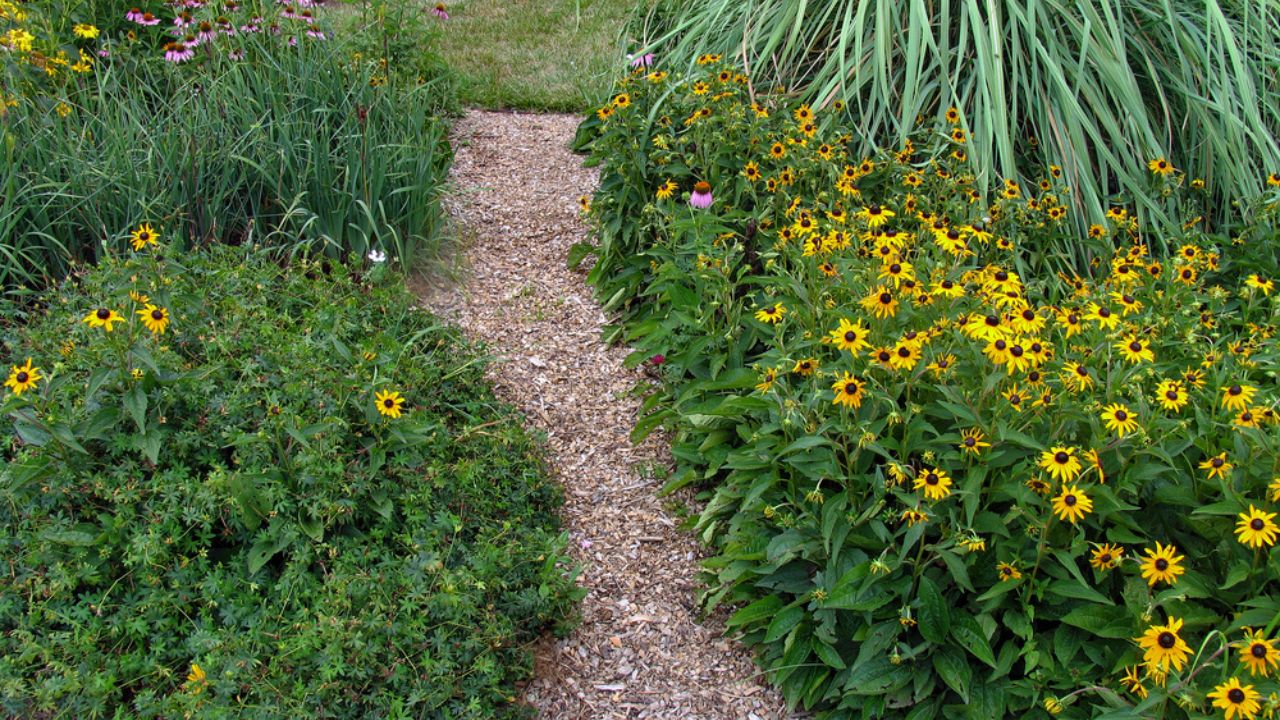
The Hack: A thick layer (3–4 inches) of mulch—like shredded leaves, straw, or wood chips—keeps soil moist, reduces weeds, and regulates soil temperature.
Why It’s Useful: Mulch is a natural and effective way to suppress weeds in your garden. Not only does it save you time and effort from pulling weeds, but it also helps retain moisture in the soil and keeps the temperature regulated for plant growth. Plus, mulching with organic materials like leaves or straw can add nutrients to your soil as they break down over time.
15. Chopstick Depth Marker for Seed Planting
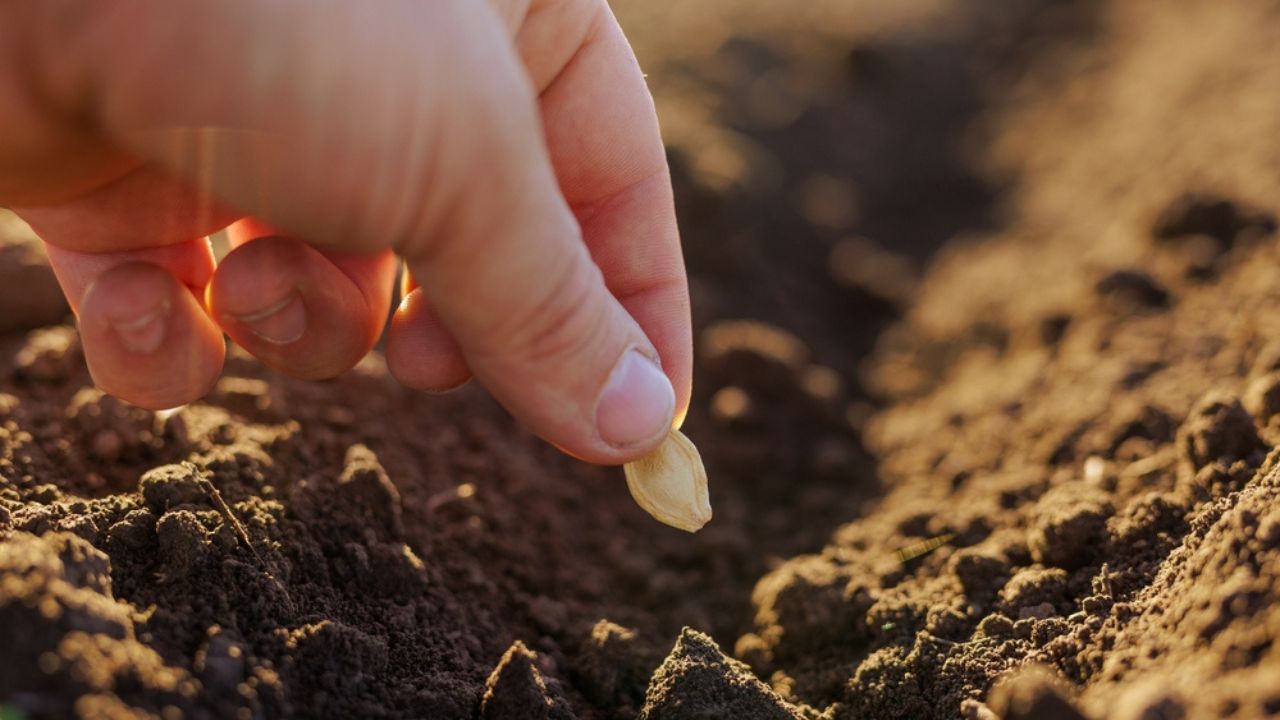
The Hack: Take a wooden chopstick or dowel and mark common seed-planting depths (¼”, ½”, 1″) with a permanent marker. Use it to poke consistent planting holes—especially helpful when sowing lots of seeds quickly in tight spaces.
Why It Works: Planting depth is crucial for seed germination and growth. Too shallow, and the seed may dry out; too deep, and it may struggle to reach the surface. By using a chopstick depth marker, you can ensure uniform planting depths for optimal results.
Create a Problem-Free Garden with These Hacks
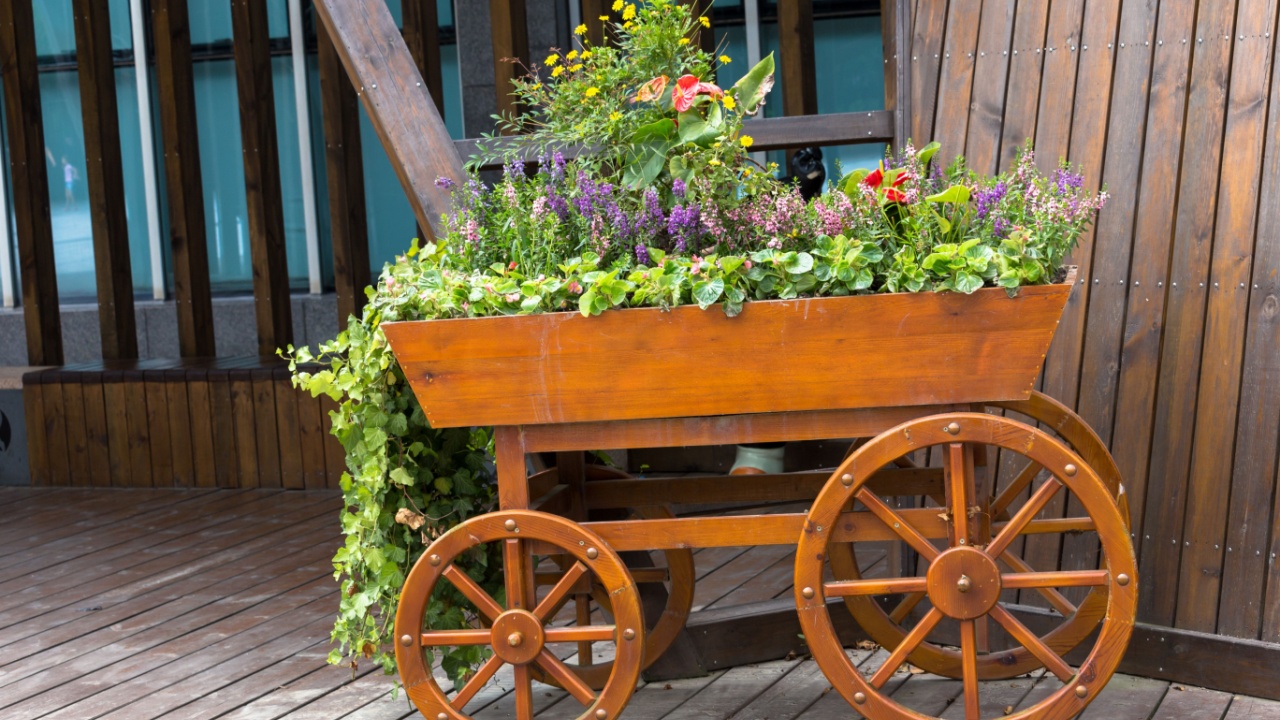
Gardening presents its fair share of challenges, but with these genius hacks, you’re well-equipped to tackle every hurdle. From keeping your tools in top shape to outsmarting pests and creating time-saving systems, these ideas will make your gardening more efficient and enjoyable.
For best results, experiment with these hacks to find the ones that suit your space and style. A little trial and error can yield big rewards, transforming your garden into a thriving, stress-free haven. Happy gardening!