14 Trees to Consider Planting for Summer Shade
A sprawling shade tree can transform your yard into a tranquil oasis, offering relief from the heat while boosting the aesthetic appeal of your space. Beyond their beauty, shade trees also provide functional benefits, such as reducing energy costs, improving air quality, and creating habitats for local wildlife. With careful selection, the right tree can flourish in your climate and enhance your landscape for decades to come.
Here’s your guide to 14 of the best shade trees, including options for hotter climates where shade is essential. Read on to find the perfect tree to create your backyard sanctuary!
Do Any of These Trees Work for Hot Desert Climates?

Yes, some of these shade trees are well-suited for hot desert climates. Trees like the Desert Willow and Palo Verde prefer hot and dry conditions, making them ideal choices for arid regions. These trees have adapted to conserve water and thrive in high temperatures, making them low-maintenance options for those living in hot desert areas.
Other trees that can also thrive in hot desert climates include the Chinese Pistache, Arizona Ash, and Southern Live Oak. These trees have a strong heat tolerance and can provide ample shade even in scorching temperatures.
However, it is important to note that all trees require proper care and maintenance, especially when planted in extreme environments. Regular watering and pruning are crucial to
1. River Birch (Betula nigra)

Native to eastern North American floodplains, the river birch thrives in wet, poorly drained soils. This fast-growing tree features beautiful peeling cinnamon-brown bark and fluttering green leaves that bring movement and texture to your yard.
Benefits: River birch provides exceptional shade with its dense canopy, making it ideal for reducing heat in moist, low-lying areas. Its adaptability makes it a go-to option for poorly drained soils near ponds or rain gardens (just keep it away from alkaline soil, as it prefers acidity).
Growing Zones: 4–9 (It will need ample moisture and heat mitigation in zone 9 though.)
2. Southern Magnolia (Magnolia grandiflora)
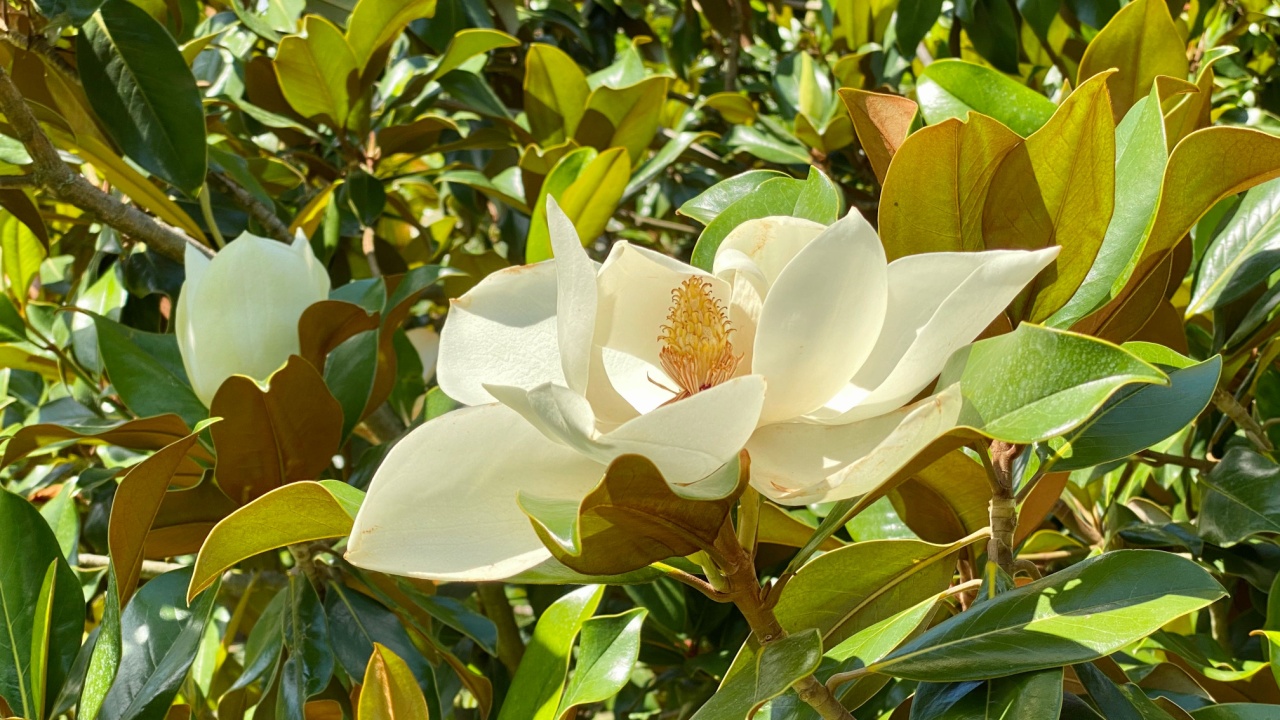
Prized for its glossy evergreen leaves and giant, fragrant white flowers, the Southern magnolia is a quintessential symbol of the South. This tree grows to impressive heights and remains visually stunning year-round.
Benefits: The evergreen canopy provides consistent shade in hot climates, while the large flowers attract pollinators like hummingbirds and moths. Its seed pods also provide food for squirrels and other small wildlife.
Growing Zones: 6–10
This is a fast growing tree. See other fast growing tree options that your yard will love.
3. Eastern Redbud (Cercis canadensis)
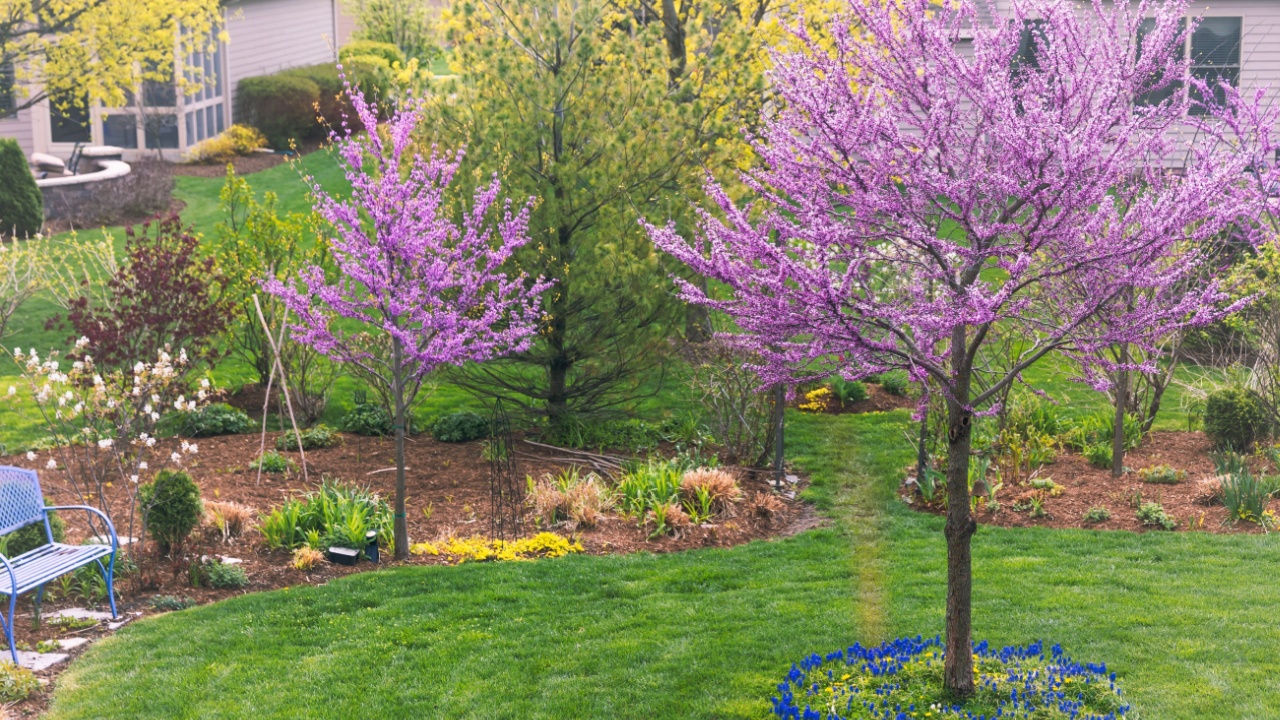
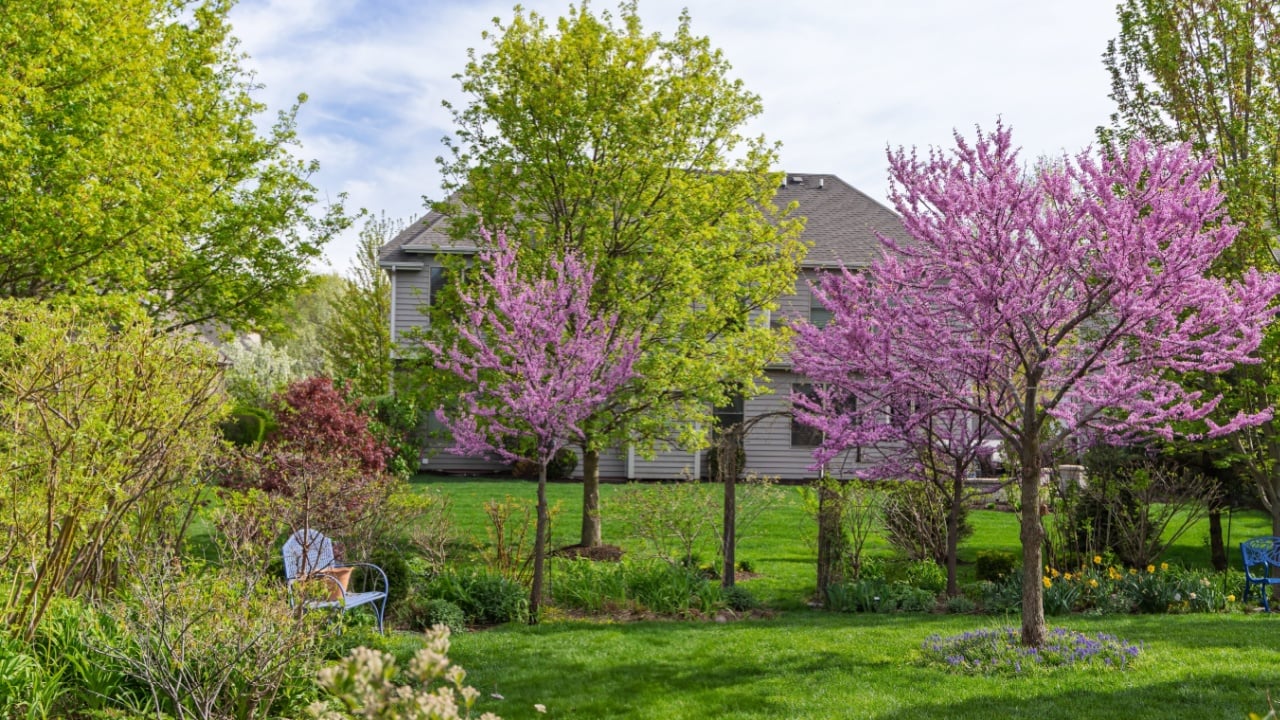
The Eastern redbud brings vibrant pink, pea-like blooms in early spring before its heart-shaped leaves appear. It’s perfect for smaller yards due to its compact size and works well as an understory tree.
Benefits: Beyond its stunning floral display, this tree supports pollinators and provides filtered shade that allows understory plants to flourish.
Growing Zones: 4–9
4. Ginkgo (Ginkgo biloba)
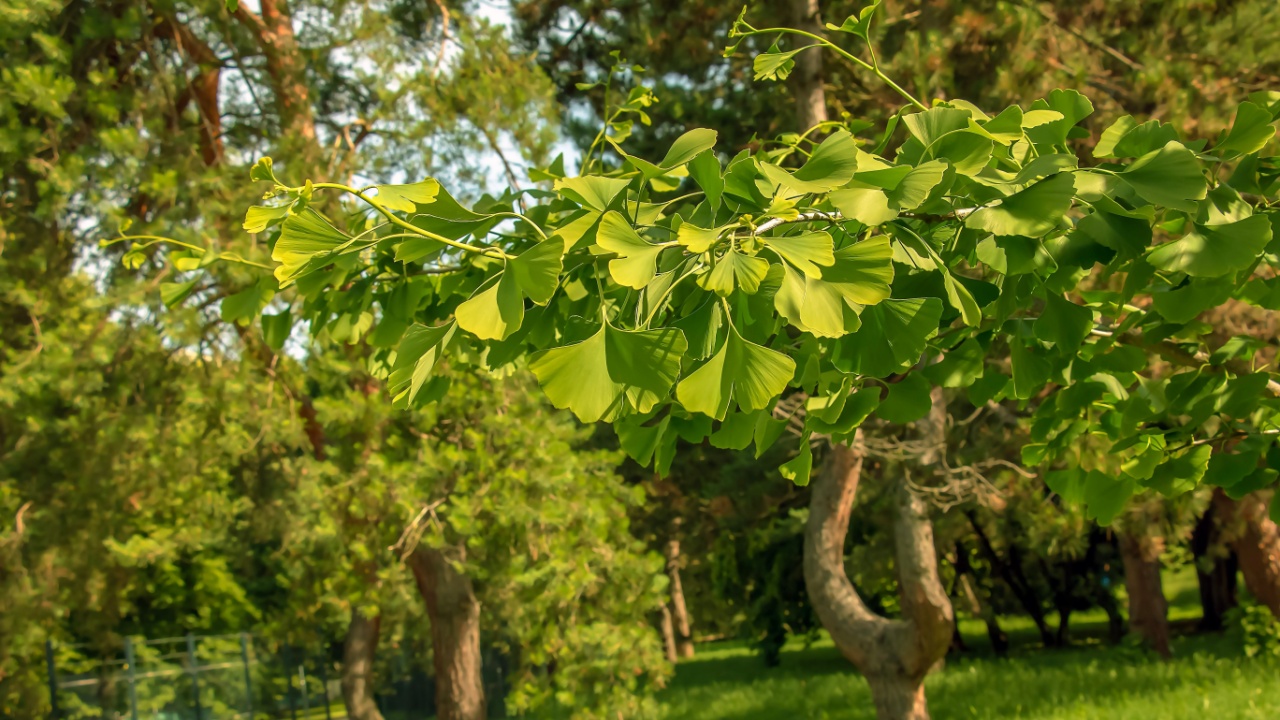
Known as a “living fossil,” the ginkgo is a disease-resistant, pollution-tolerant tree with fan-shaped leaves that turn brilliant yellow in the fall.
Benefits: Ginkgos thrive in urban settings and require minimal maintenance. Their dense canopy offers ample shade, making them perfect for yards that endure long, sunny days.
Growing Zones: 4–9
5. Honey Locust (Gleditsia triacanthos inermis)

The thornless honey locust features delicate, fern-like foliage that casts dappled shade, fostering a breezy, light-filled environment.
Benefits: Its open canopy reduces midday heat without blocking too much light, allowing for understory planting. This drought-tolerant tree is perfect for areas experiencing hotter and drier summers.
Growing Zones: 3–9
6. Desert Willow (Chilopsis linearis)

Native to the arid southwestern U.S., the desert willow produces long, slender leaves and abundant pink or purple trumpet-shaped flowers throughout the summer.
Benefits: Exceptionally drought-tolerant, this tree thrives in hot, dry climates and provides much-needed relief from the heat with its sprawling canopy. Its flowers attract hummingbirds, adding to its charm.
Growing Zones: 7–10
7. Northern Red Oak (Quercus rubra)
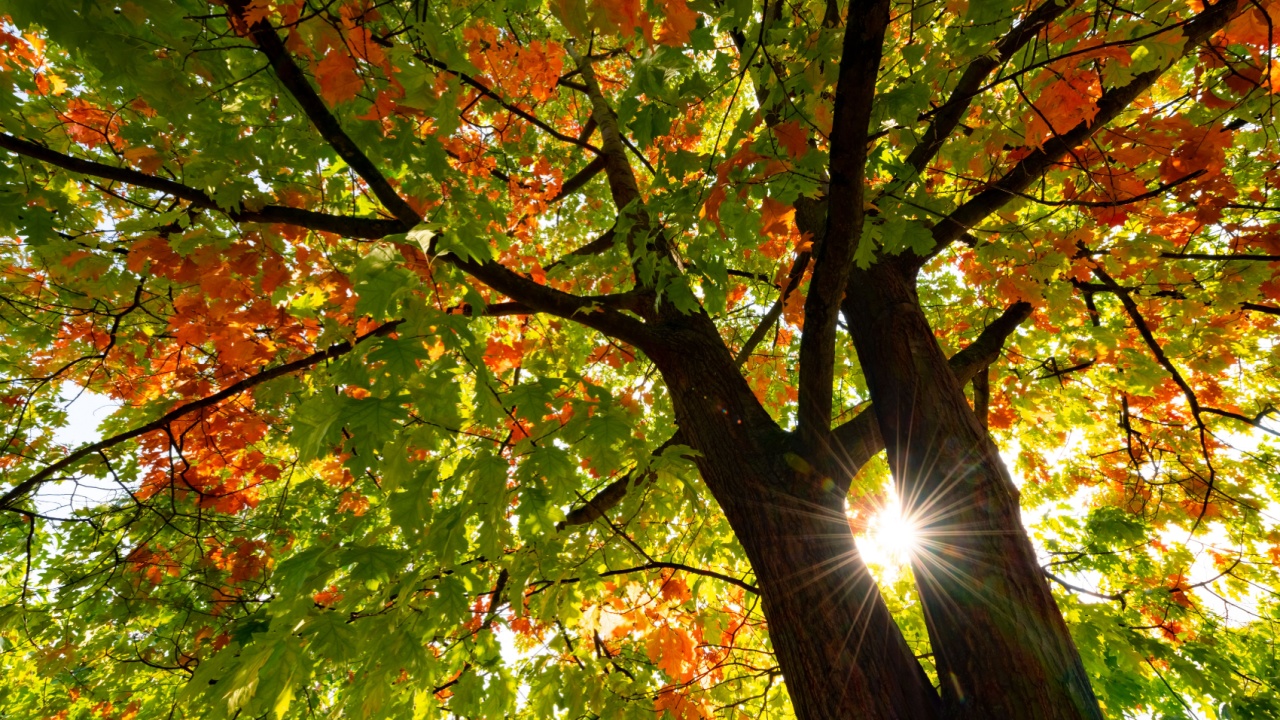
The Northern red oak is both regal and practical, featuring lobed leaves that offer deep shade and vivid red hues in fall.
Benefits: Ideal for larger yards, this tree grows rapidly and offers excellent heat reduction thanks to its expansive canopy. It also supports wildlife like squirrels and woodpeckers.
Growing Zones: 3–8
8. Littleleaf Linden (Tilia cordata)

This European native produces fragrant yellow blooms in summer that attract honeybees. Its heart-shaped leaves form a dense, pyramidal canopy that provides excellent shade.
Benefits: The combination of deep shade and pollinator-friendly flowers makes the littleleaf linden a versatile option for diverse climates and landscapes.
Growing Zones: 3–7
9. Live Oak (Quercus virginiana)
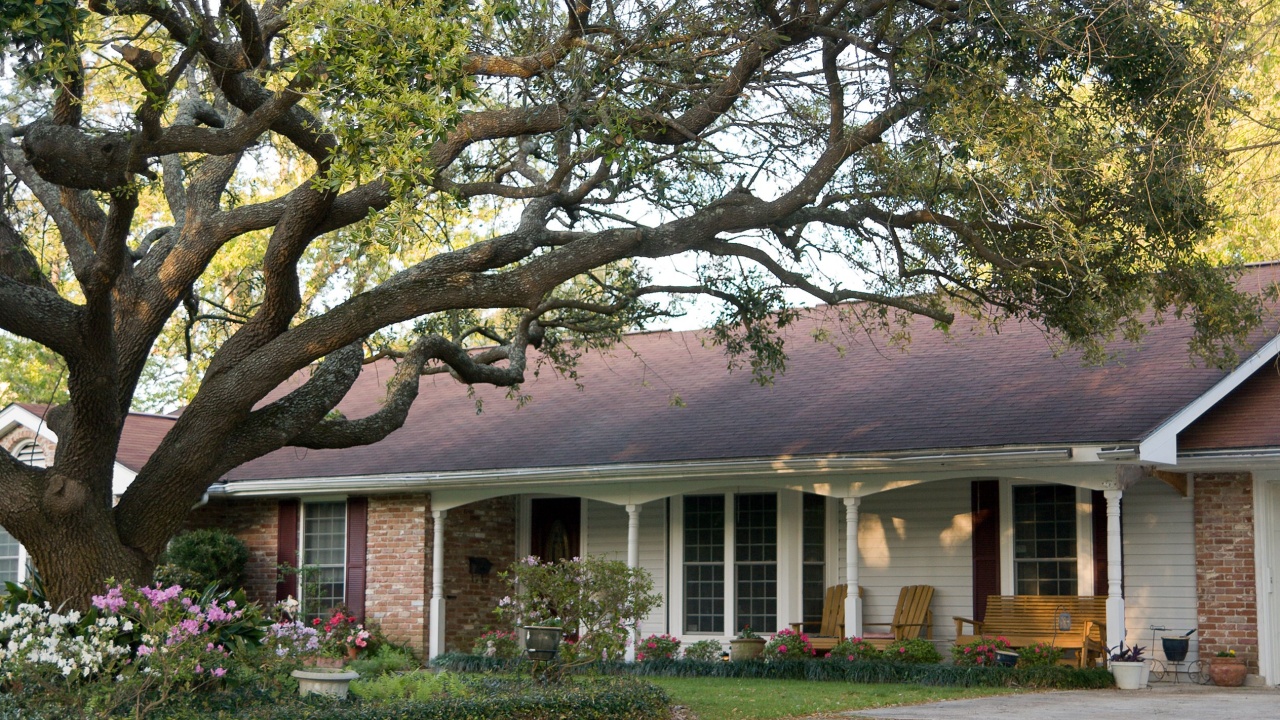
A hardy, sprawling evergreen, the live oak is synonymous with the Southern U.S. Its large horizontal branches create a wide, majestic crown of shade.
Benefits: With its impressive durability and drought resistance, live oak thrives in hot climates while providing year-round cooling and a haven for birds and squirrels.
Growing Zones: 7–10
10. Japanese Zelkova (Zelkova serrata)
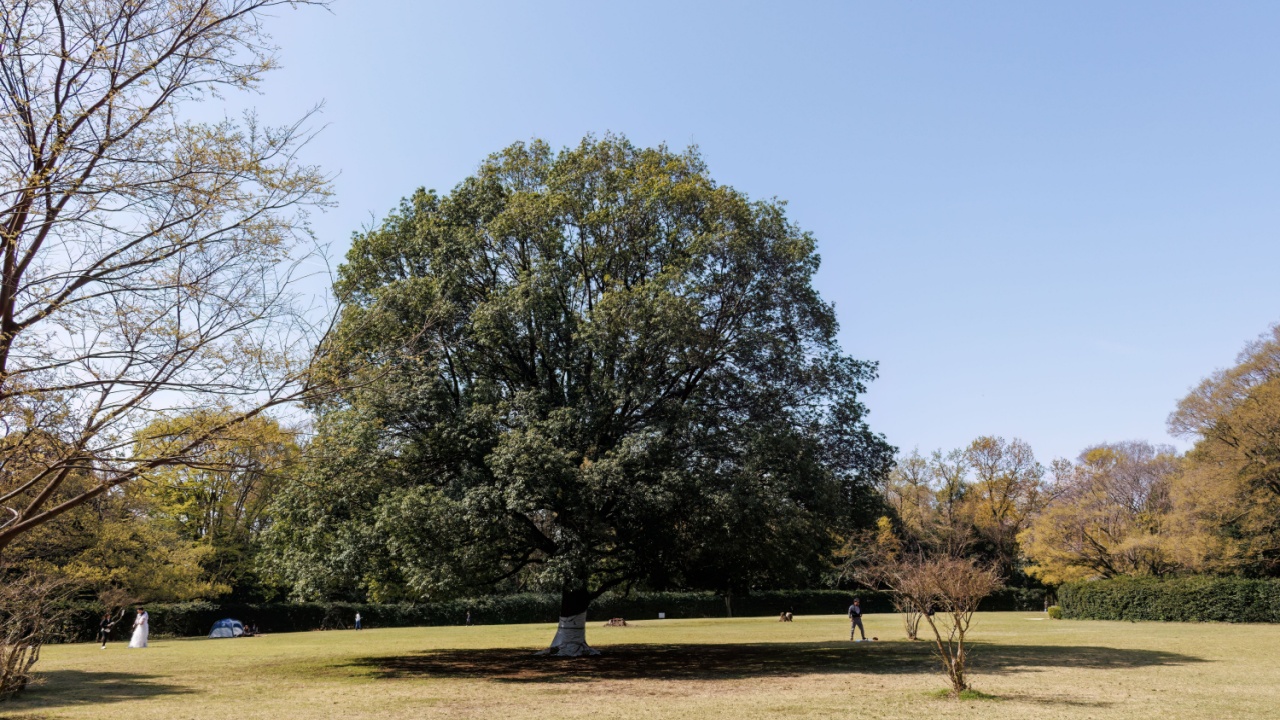
The Japanese zelkova stands out with its graceful vase shape, serrated leaves, and attractive bark that peels to reveal tones of orange and gray.
Benefits: This elegant tree is highly adaptable, tolerating urban conditions and resisting pests and drought, making it a low-maintenance option for shading patios and pathways.
Growing Zones: 5–9
11. Bald Cypress (Taxodium distichum)

This adaptable tree thrives in both swampy and moderately dry soils. Its tall, straight trunk and feathery foliage turn rich shades of orange in fall.
Benefits: Perfect for water-side properties, bald cypress trees offer excellent shade while improving soil stability.
Growing Zones: 4–10
12. Sweet Acacia (Vachellia farnesiana)

Sweet acacia is an arid-region native with yellow, puffball blooms and thorny branches that form a dense, rounded canopy.
Benefits: Its drought tolerance (once established) and shade-providing canopy make it ideal for xeriscaping projects in areas with scorching summer temperatures.
Growing Zones: 9–11; thrives in full sun.
13. Black Tupelo (Nyssa sylvatica)

Known for its glossy green summer leaves and brilliant autumn colors, black tupelo thrives in a variety of soils, from swampy to dry.
Benefits: Its compact silhouette and minimal maintenance needs make it a great choice for smaller yards seeking shade and fall beauty.
Growing Zones: 4–9
14. Palo Verde (Parkinsonia spp.)
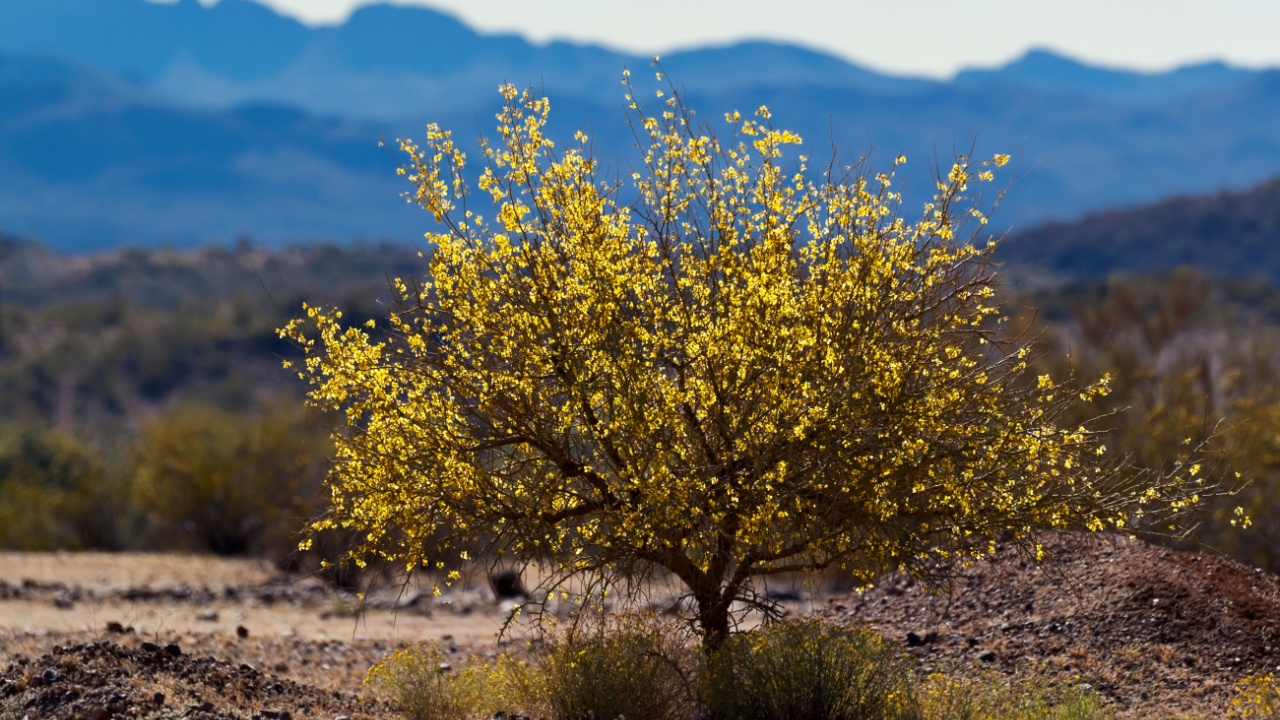
Palo Verde trees feature green trunks and branches that photosynthesize when leaves drop during extreme drought. Beautiful yellow blooms appear in the spring.
Benefits: This highly drought-resistant tree thrives in desert climates, offering vital shade and supporting pollinators like bees.
Growing Zones: 9–11
Next Steps for Planting Your Shade Tree
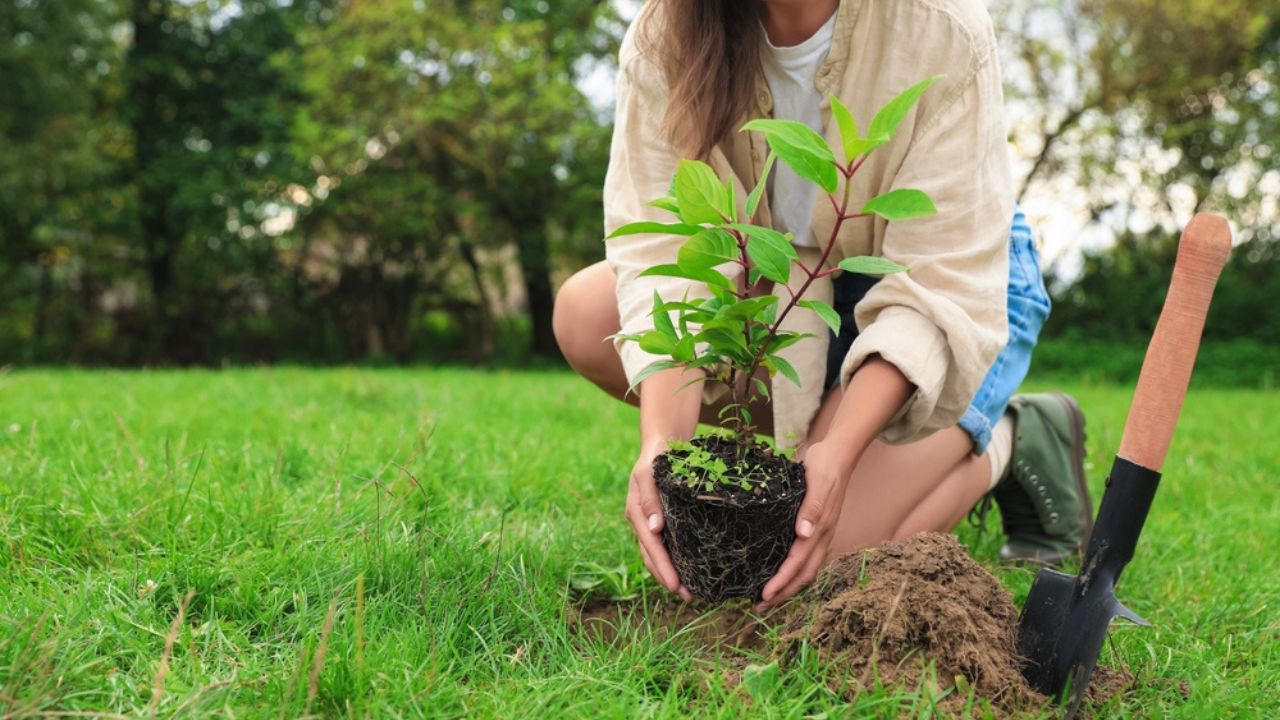
Adding a shade tree to your yard is a long-term investment that can enhance your home’s comfort and appeal for generations. Here are some actionable steps to get started:
- Assess Your Yard: Consider your soil type, sun exposure, and space when choosing a tree.
- Check Growing Zones: Ensure the tree you select is suitable for your USDA hardiness zone.
- Plan for Maintenance: Research pruning, watering, and pest prevention to support healthy growth.
- Plant Strategically: Place your tree to maximize shade while avoiding potential interference with power lines or foundations.
With the right planning and care, your new shade tree will flourish, creating a welcoming outdoor retreat for years to come.
Read more
10 Fast Growing Flowering Trees Perfect for Their Beauty, Shade, and Privacy
7 Of The Worst Trees to Avoid Planting in Your Yard