20 Perennials That Bloom More Than Once for a Vibrant Garden
A garden that bursts with color season after season isn’t just a dream—it’s completely achievable with the right selection of perennials! These hardworking plants provide a reliable display of blooms, year after year, often gracing your garden with more than one show-stopping flowering period. Below, we’ve rounded up 21 stunning perennials that bloom more than once, adding vibrant beauty to your outdoor space.
Whether you’re a seasoned gardener or just beginning, this guide will help you choose perennials that thrive in various climates while offering advice on care and maintenance for optimal blooms.
1. Rozanne Geranium
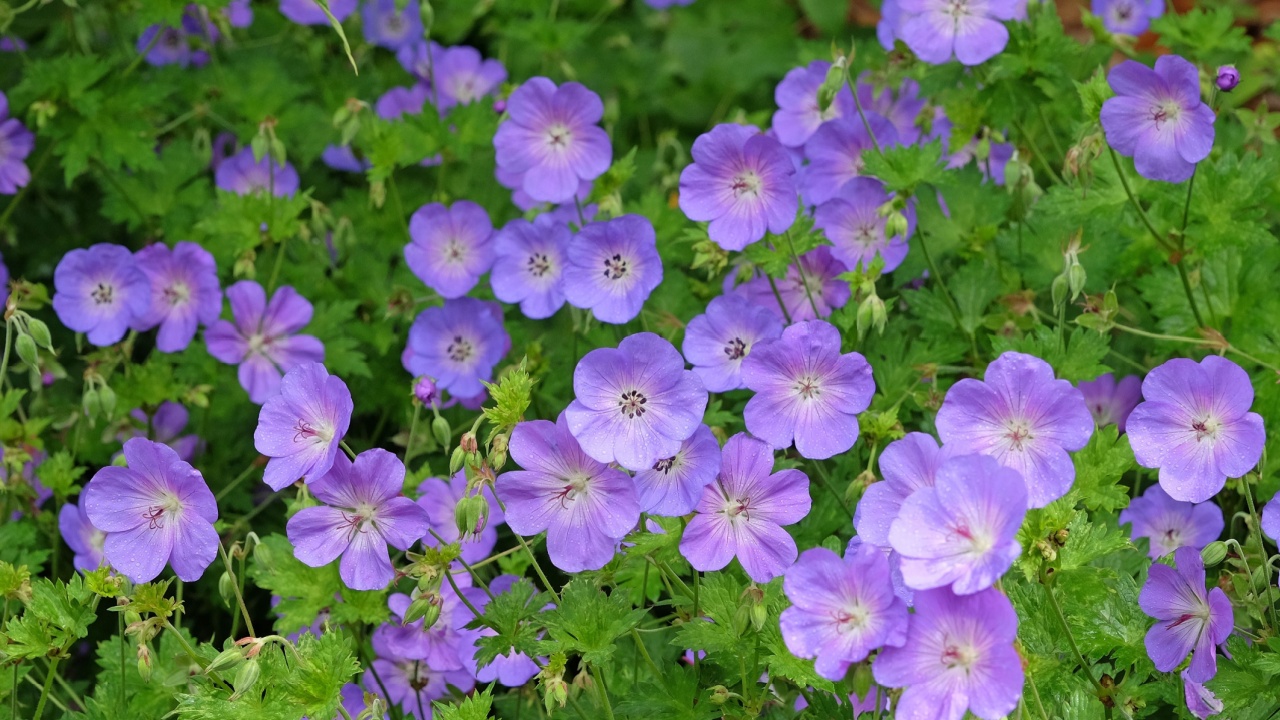
This violet beauty, known for its marbled foliage and white-eyed violet blooms, thrives from late spring to frost. Cut it back during extreme heat to encourage a fall rebloom. Hardy in zones 5 to 8, Rozanne Geranium flourishes in sunny or lightly shaded areas, producing a carpet of color that’s irresistible to butterflies.
Care Tip:
Water regularly, and provide afternoon shade in hotter regions to keep the blooms coming.
2. Caradonna Salvia
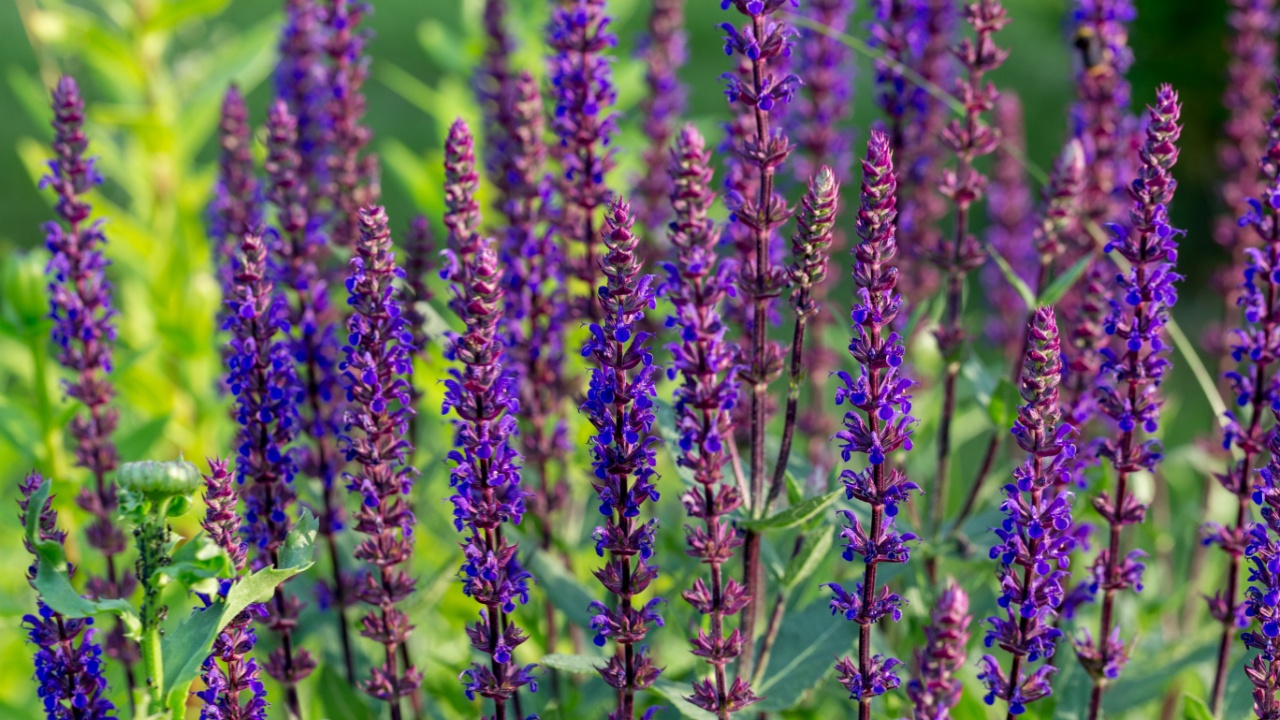
With its stunning purple stems and upright growth, Caradonna Salvia adds vertical flair to any garden. Blooming from late spring to early fall, this perennial is deer-resistant and loved by pollinators. Hardy in zones 3 to 8, it thrives in well-draining, sunny locations.
Care Tip:
Shear off spent flower spikes mid-season to encourage fall blooms.
3. Black-Eyed Susan
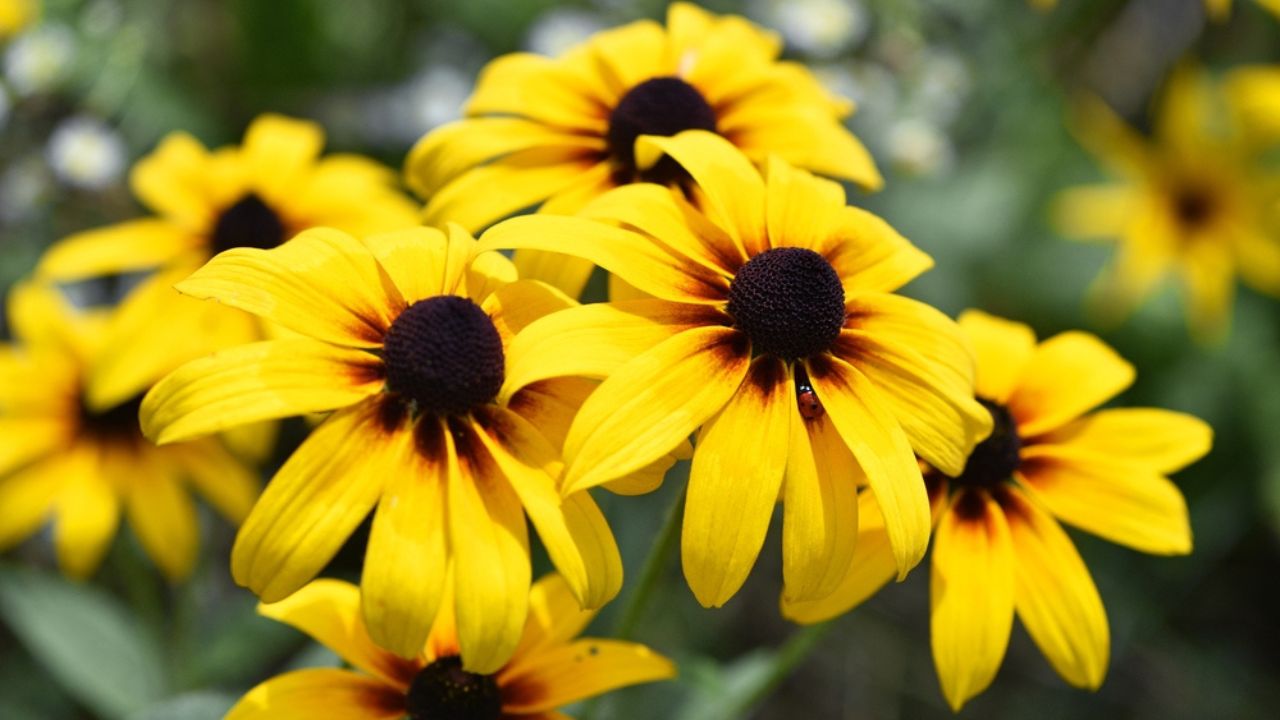
Classic black-eyed Susans bloom from midsummer until frost, their sunny yellow petals a favorite among butterflies and bees. Hardy in zones 3 to 8, they prefer full sunlight and moderately moist soil.
Care Tip:
Deadhead regularly to extend the blooming season.
4. Reblooming Bearded Iris
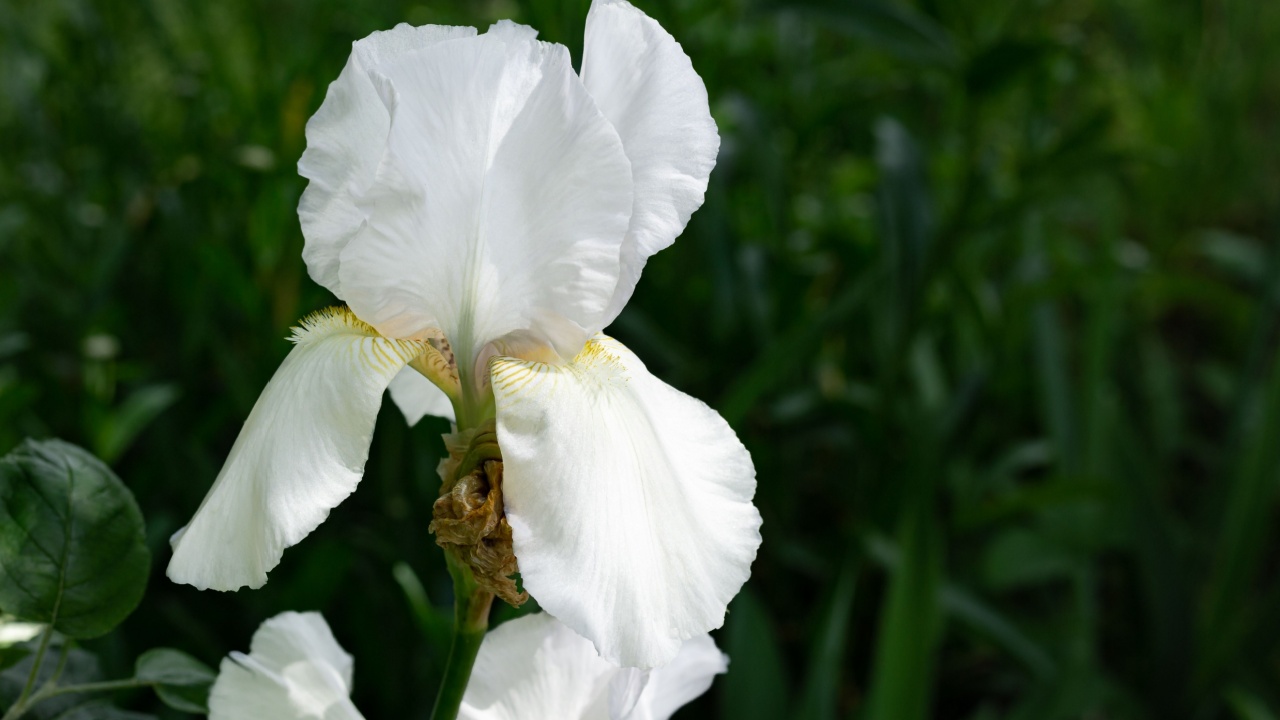
Deemed one of the most breathtaking perennials, reblooming bearded iris delights gardeners with two or more flowering periods—first in spring, and again in late summer to fall. Hardy in zones 3 to 10, these striking beauties thrive in full sunlight.
Care Tip:
Provide good drainage and fertilize after the first bloom for a stronger rebloom cycle.
5. Blanket Flower
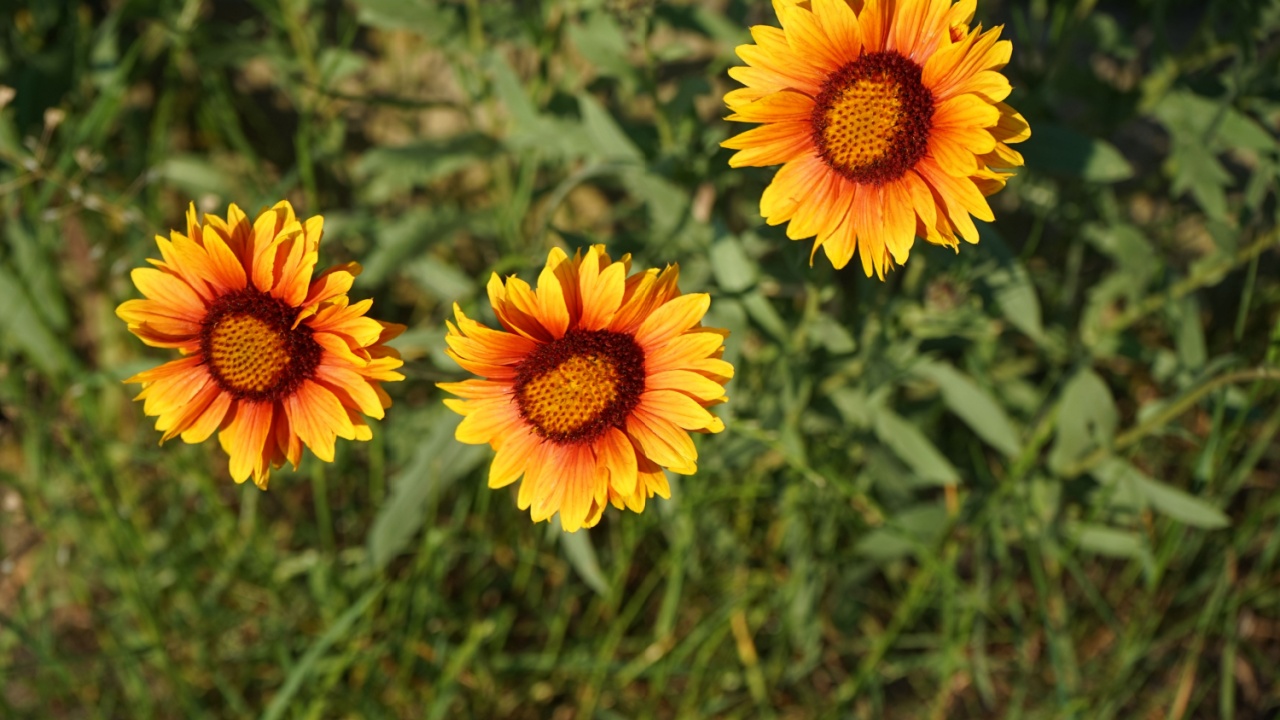
Offering variegated hues of yellow, orange, and red, Blanket Flower blooms from spring through late fall, even in challenging conditions like heat or salty soils. Hardy in zones 3 to 9, this drought-tolerant plant is perfect for low-maintenance gardens.
Care Tip:
Deadhead regularly to maintain vibrant blooms.
6. Hybrid Phlox
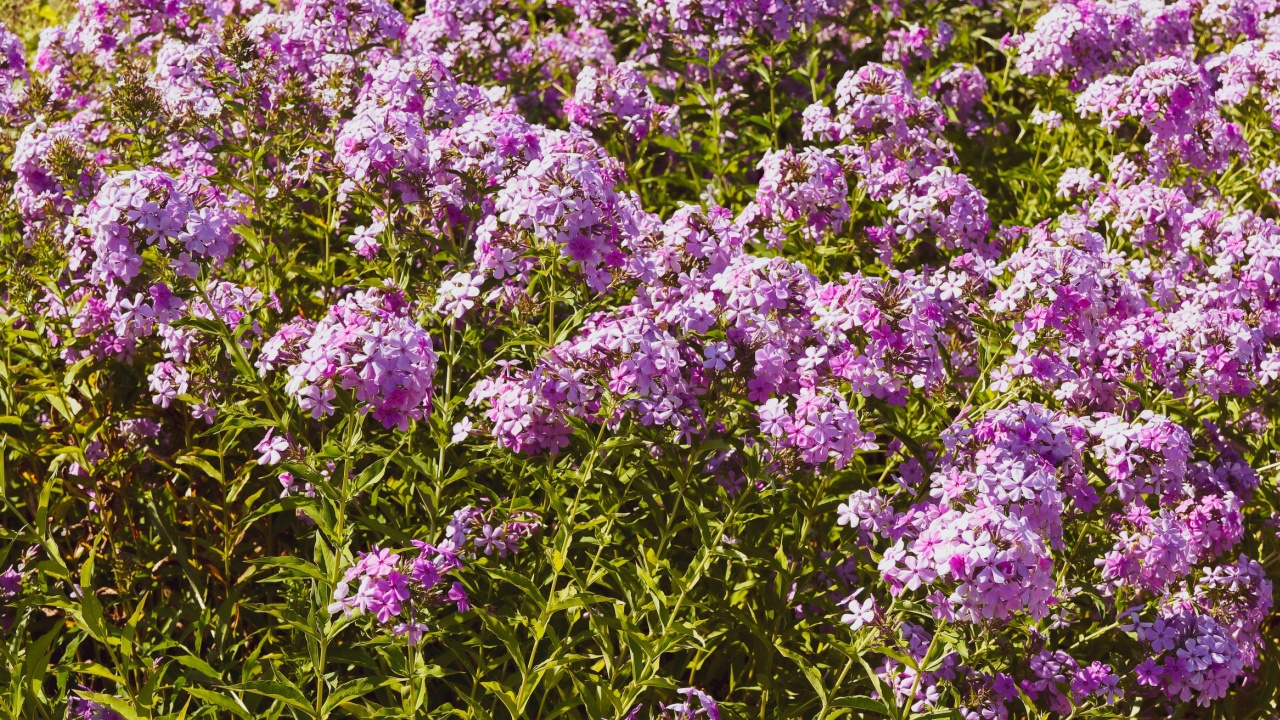
Hybrid phlox varieties, like “Opening Act,” bloom from early summer to fall with their stunning clusters of white and purple flowers. Resistant to mildew, these perennials adore sunny or lightly shaded areas in zones 5 to 8.
Care Tip:
Shear spent blooms to stimulate seasonal reblooming.
7. Walker’s Low Catmint
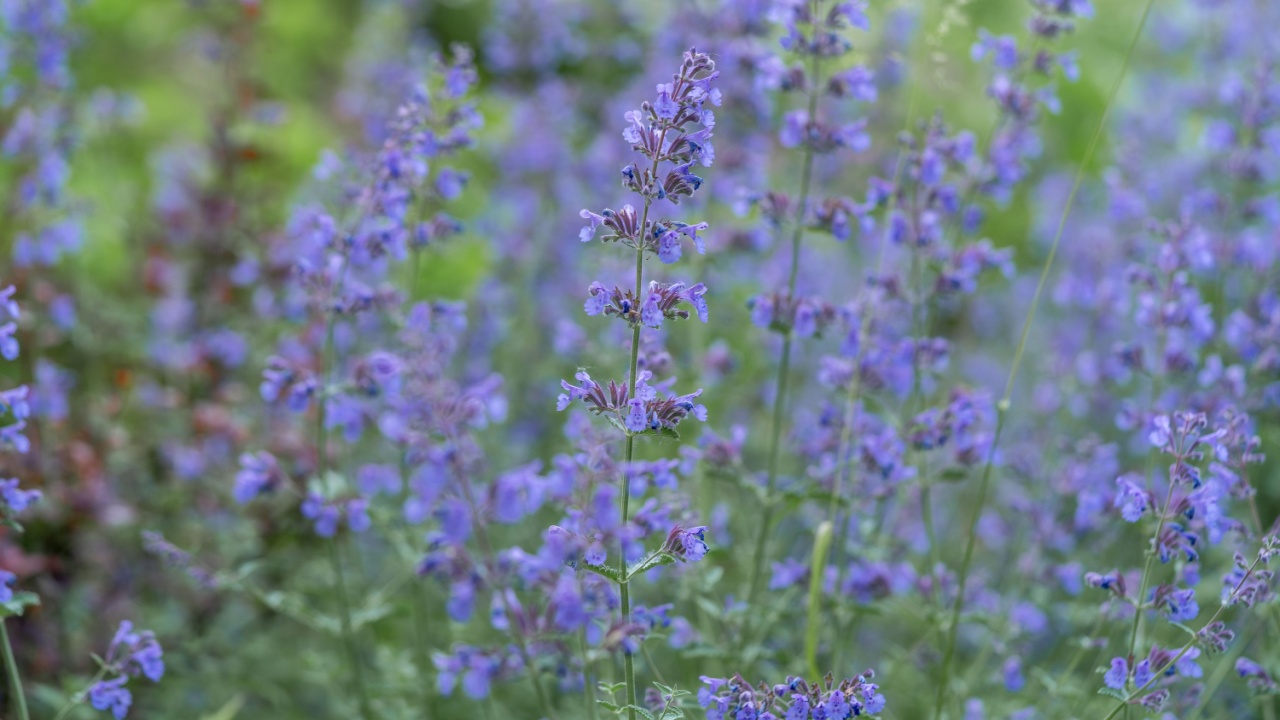
This low-maintenance favorite is known for its lavender-blue flowers that rebloom from late spring into fall. Hardy in zones 4 to 8, it thrives in sunny, rocky soils and is beloved by pollinators.
Care Tip:
Deadhead periodically and provide some afternoon shade in hotter climates.
8. Reblooming Daylilies

Varieties like “Stella de Oro” and “Happy Returns” produce waves of eye-catching blooms from late spring to early fall. Hardy in zones 3 to 9, these perennials are easy to grow and available in a variety of striking colors.
Care Tip:
Divide clumps every three years to ensure vibrant reblooms.
9. Hardy Ice Plant
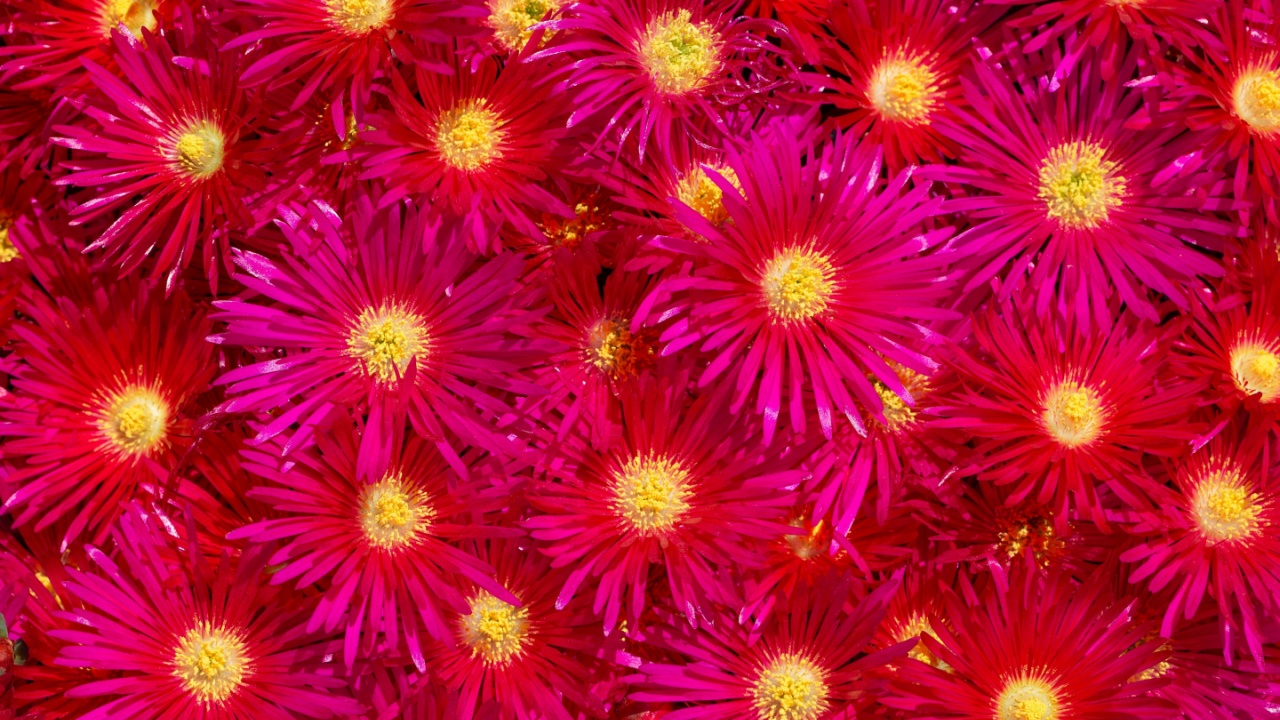
With its neon pink blooms and succulent-like foliage, Hardy Ice Plant steals the show from June through September. Thriving in zones 6 to 10, this perennial is a drought-tolerant ground cover that attracts pollinators.
Care Tip:
Plant in sandy or gravelly soil with plenty of sunshine, and avoid overwatering.
10. Clematis
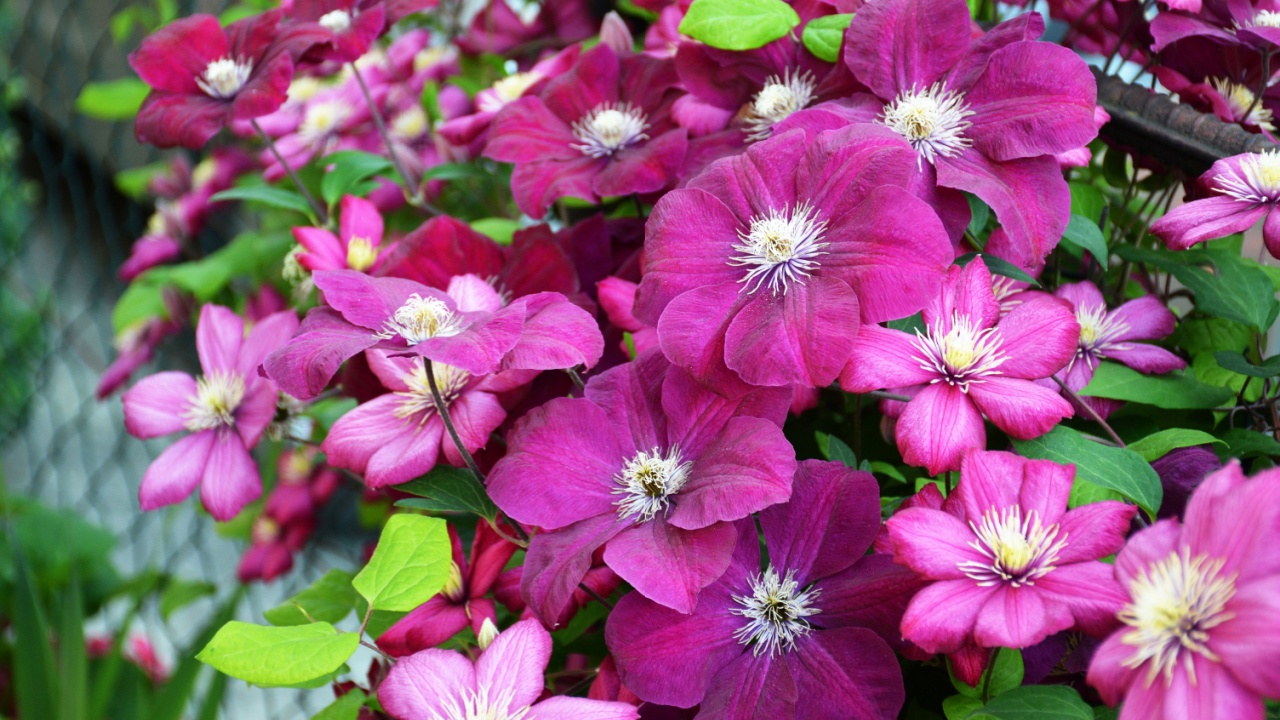
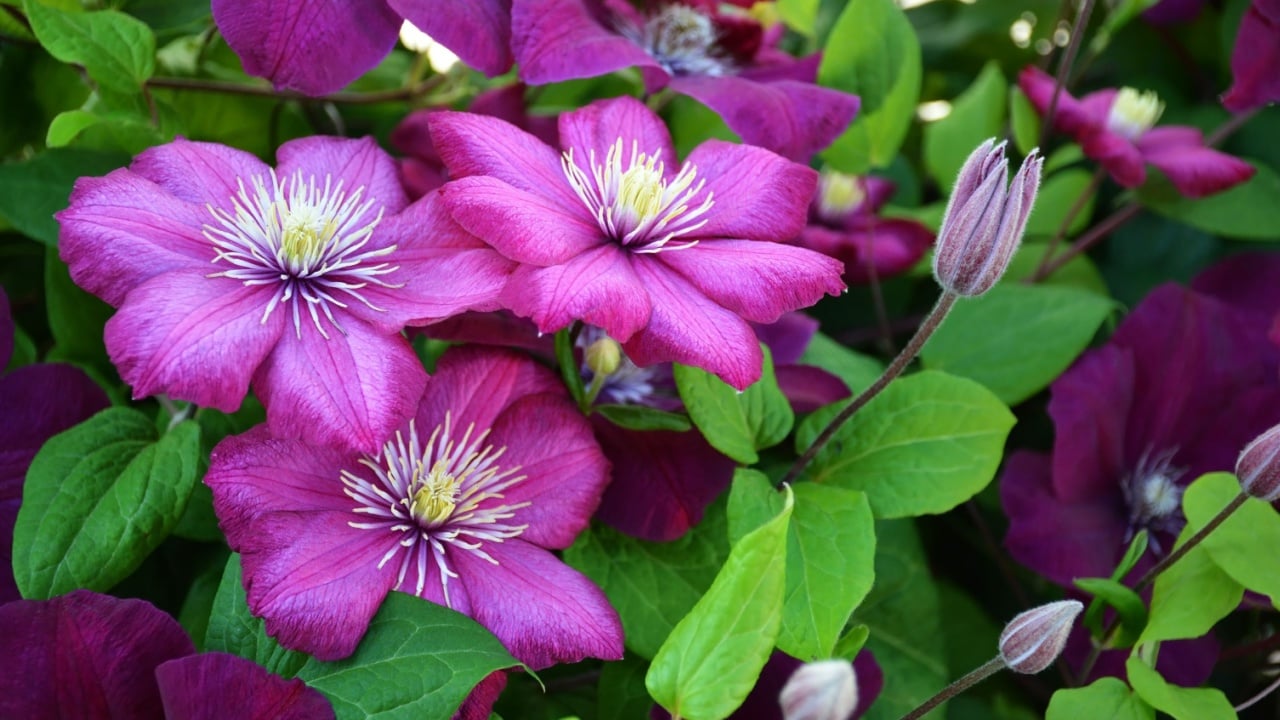
The Group 2 clematis varieties provide blooms twice per season—once in late spring and again in late summer. Hardy in zones 3 to 9, these climbing plants adorn fences and trellises with their vibrant, multi-colored flowers.
Care Tip:
Prune lightly after the first bloom cycle to encourage repeat flowering.
11. Coneflower
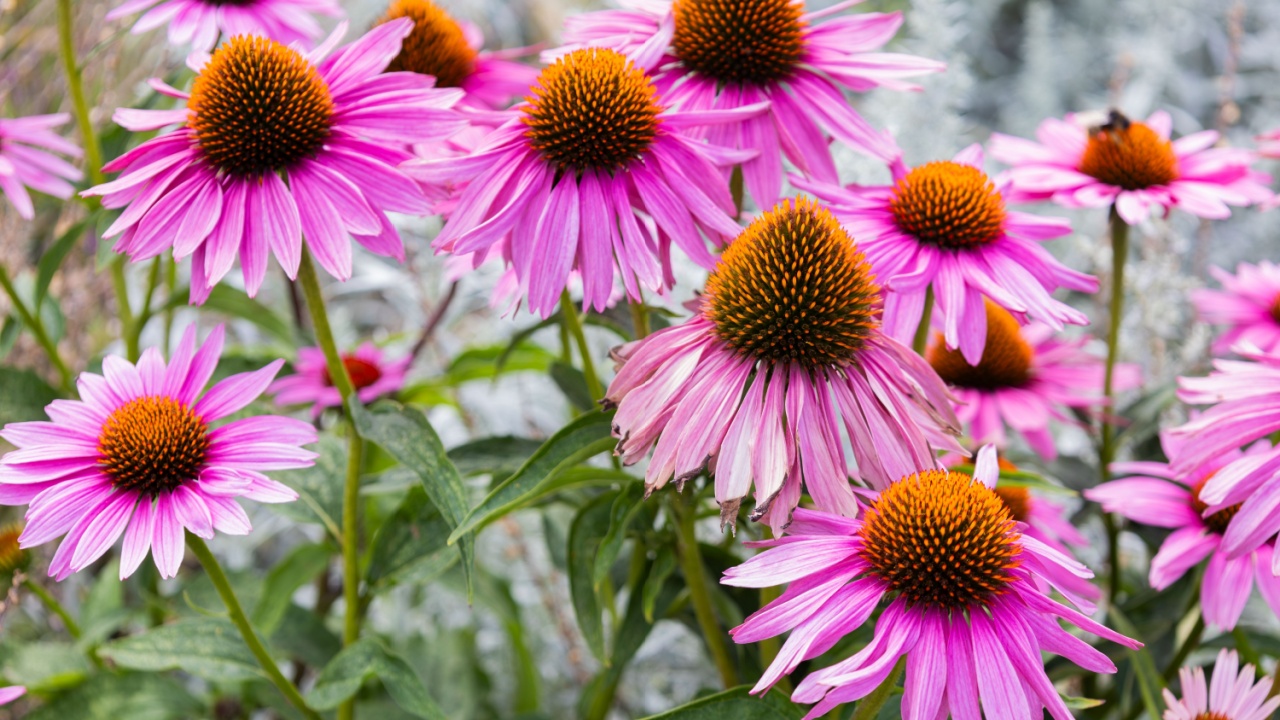
A quintessential choice for vibrant gardens, coneflowers bloom from midsummer to fall, providing food and habitat for pollinators. Hardy in zones 3 to 9, they handle drought and heat with ease.
Care Tip:
Cut back spent blooms, but leave a few for birds to feast on the seeds.
12. Russian Sage
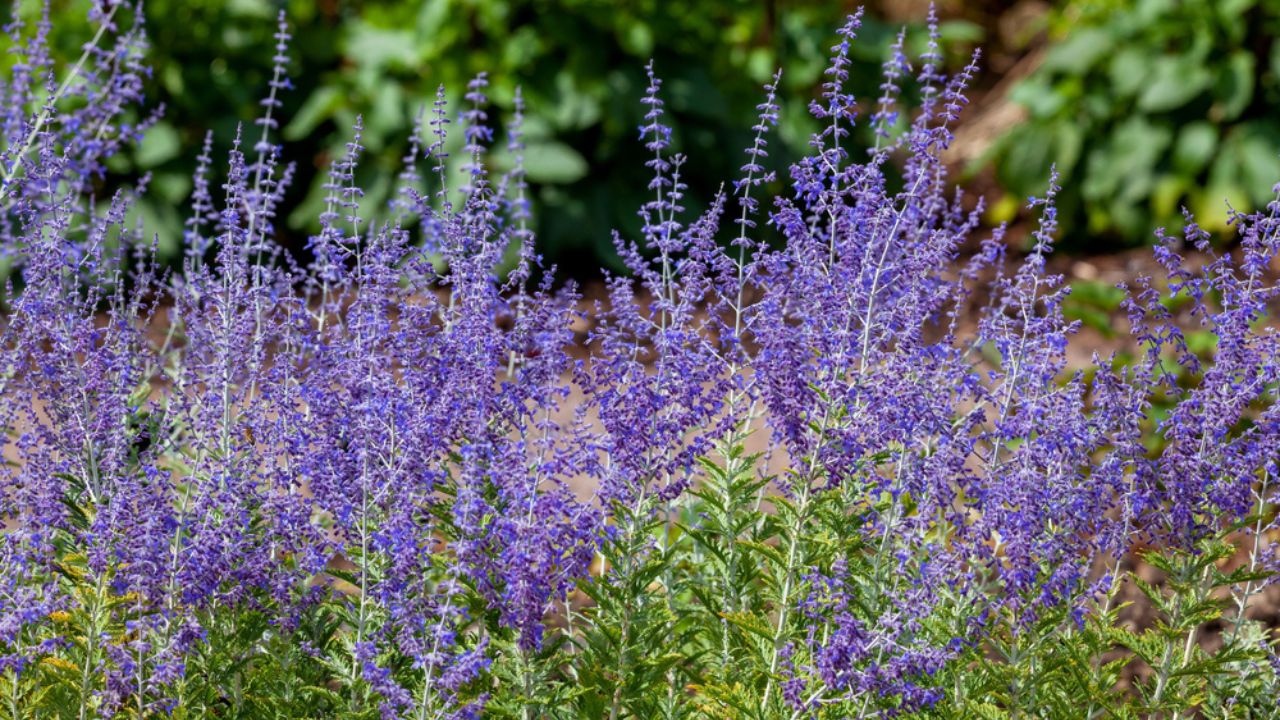
Resembling lavender, Russian sage graces gardens with wispy, purple-blue flowers from spring through frost. Hardy in zones 4 to 9, it tolerates drought and thrives in full sunlight.
Care Tip:
Prune back old growth each spring for fuller blooms.
13. Tickseed
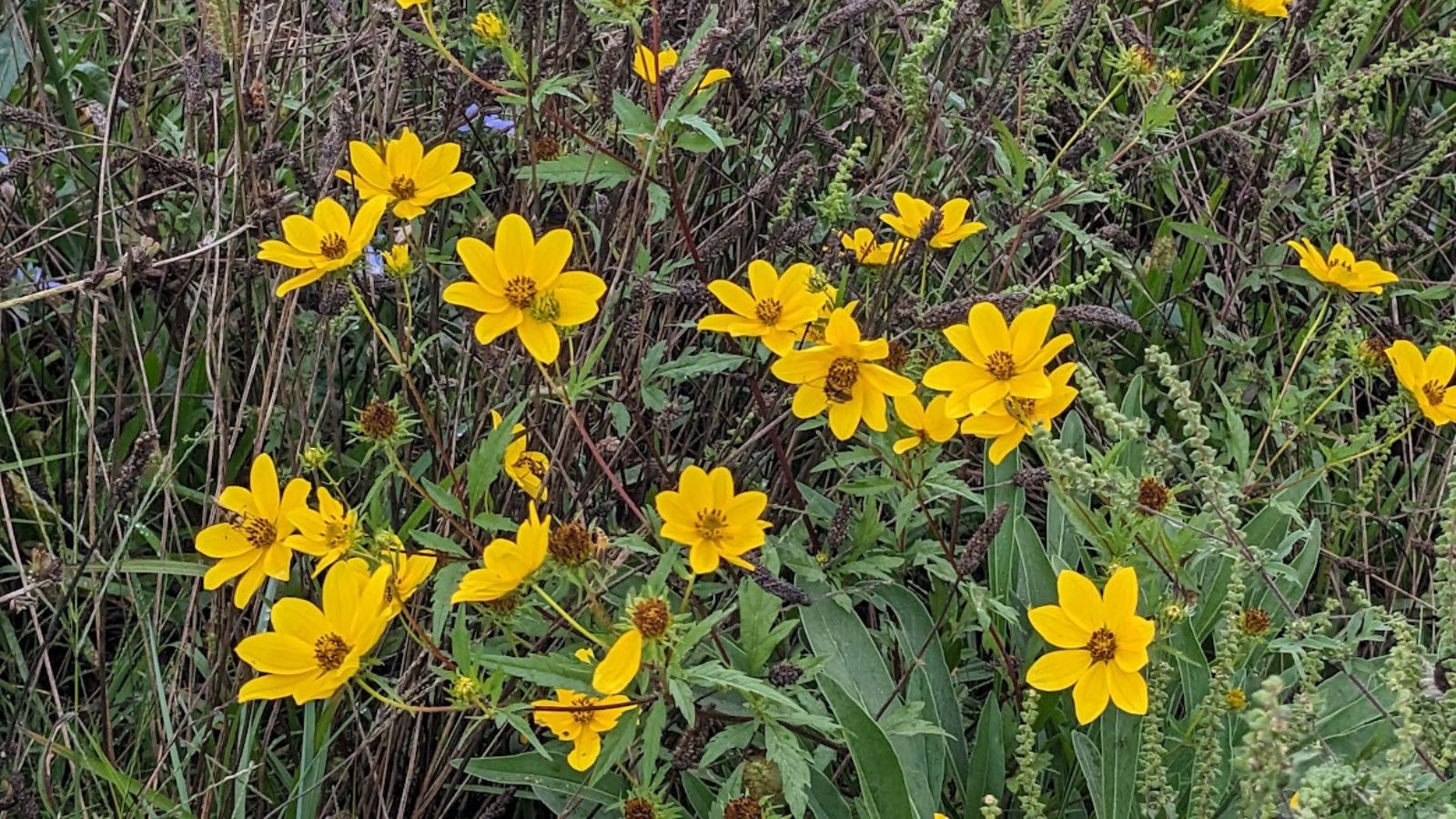
Tickseed, also known as coreopsis, is a cheerful perennial that brightens gardens with yellow, red, or bicolor blooms from early summer to fall. It’s loved for its extended flowering season and adaptability to tough soils.
Care Tip:
Deadhead spent flowers regularly to stimulate continuous blooming. Cut the plants back by one-third in midsummer if stems get floppy for a fresh flush of blooms.
14. Phlox
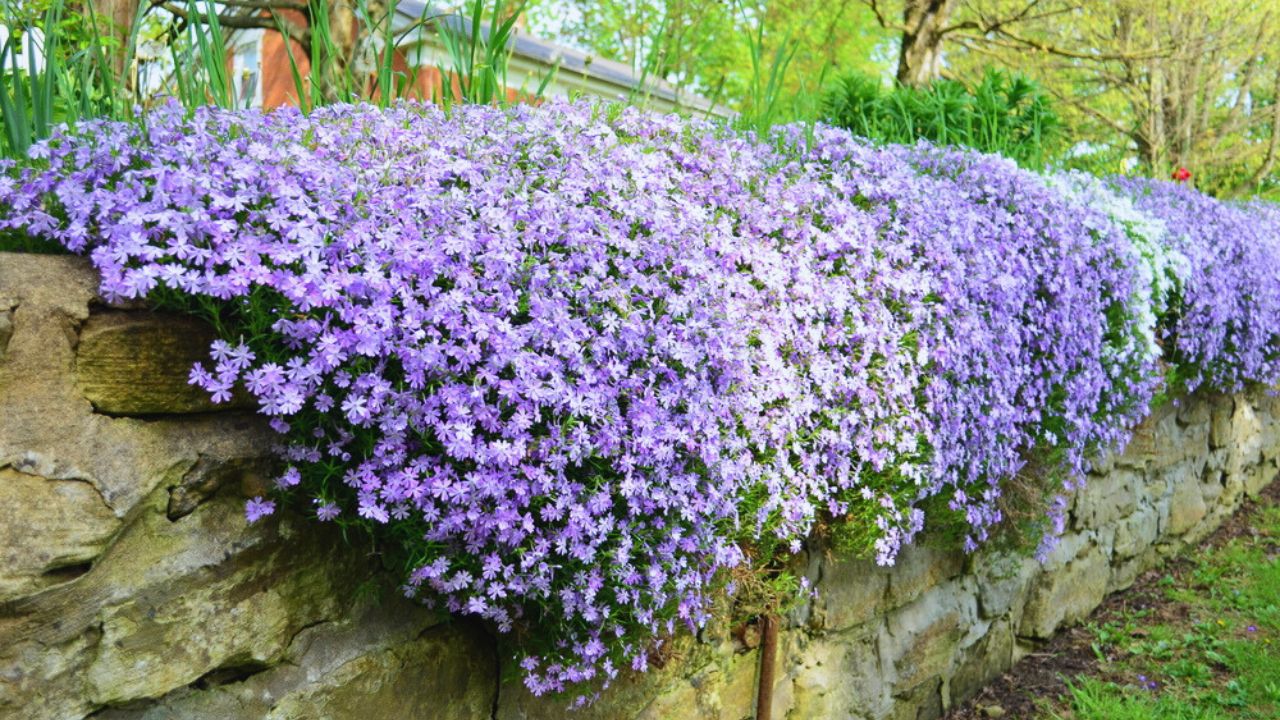
With vibrant clusters in pinks, purples, and whites, phlox attracts butterflies and yields long-lasting color from midsummer onward. Both garden (tall) and creeping phlox reward regular grooming.
Care Tip:
Deadhead as blooms fade to prompt new flowers. Cut back stems by one-third after the first flush for a second wave.
15. Penstemon
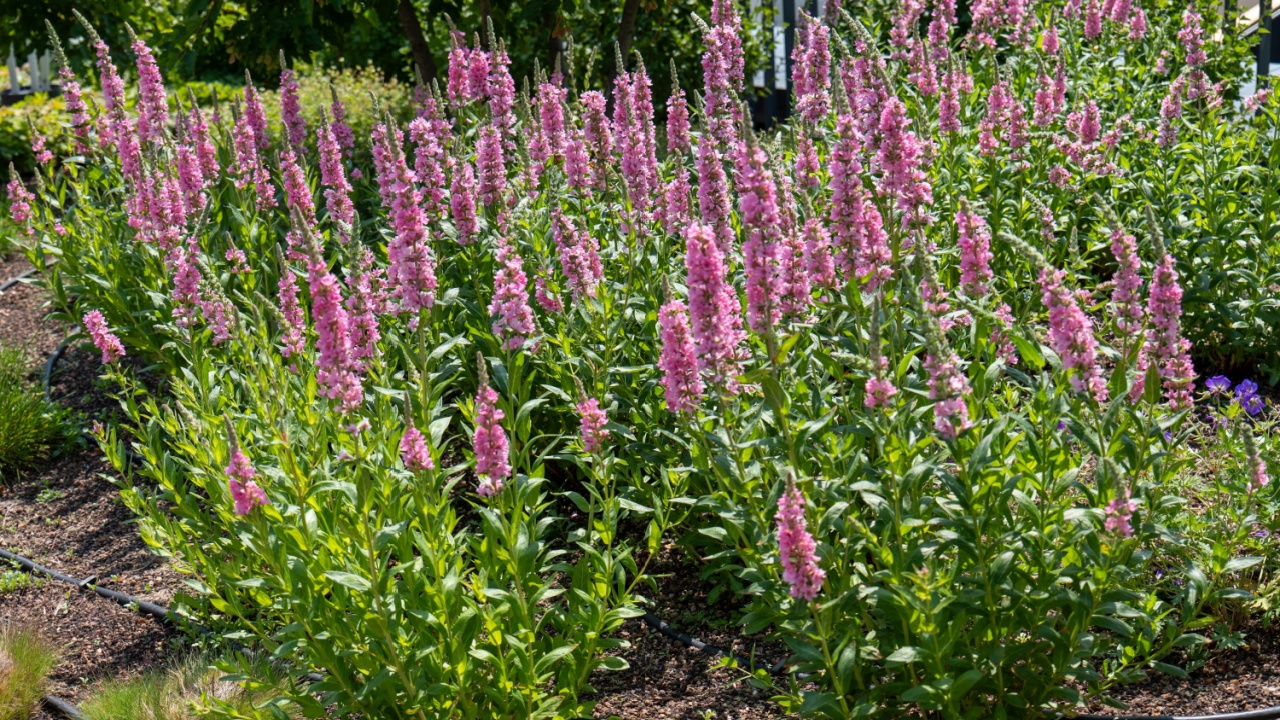
Penstemon, or beardtongue, features tubular flowers in pink, red, purple, or white, blooming steadily from late spring into midsummer and beyond. Hummingbirds adore these nectar-rich spikes.
Care Tip:
Remove faded flower spikes promptly to coax out sporadic rebloom through late summer. Trim back vigorously after main display if plants look leggy.
16. Yarrow
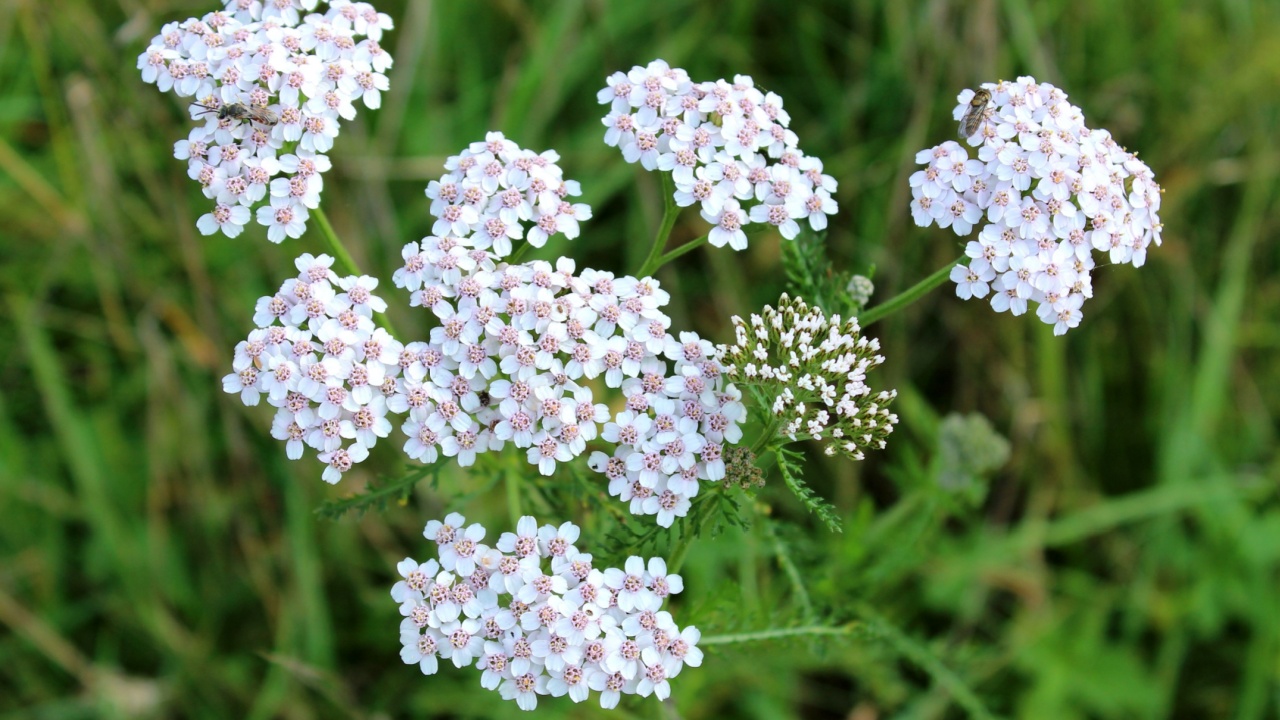
Yarrow’s flat-topped blooms and ferny foliage are a mainstay in drought-tolerant gardens. Blooming from early to late summer, it’s available in sunny hues from white to red.
Care Tip:
Deadhead flower heads as they turn brown to promote more blooms. After the initial flush, cut back stems by a third for a fresh burst.
17. Campanula
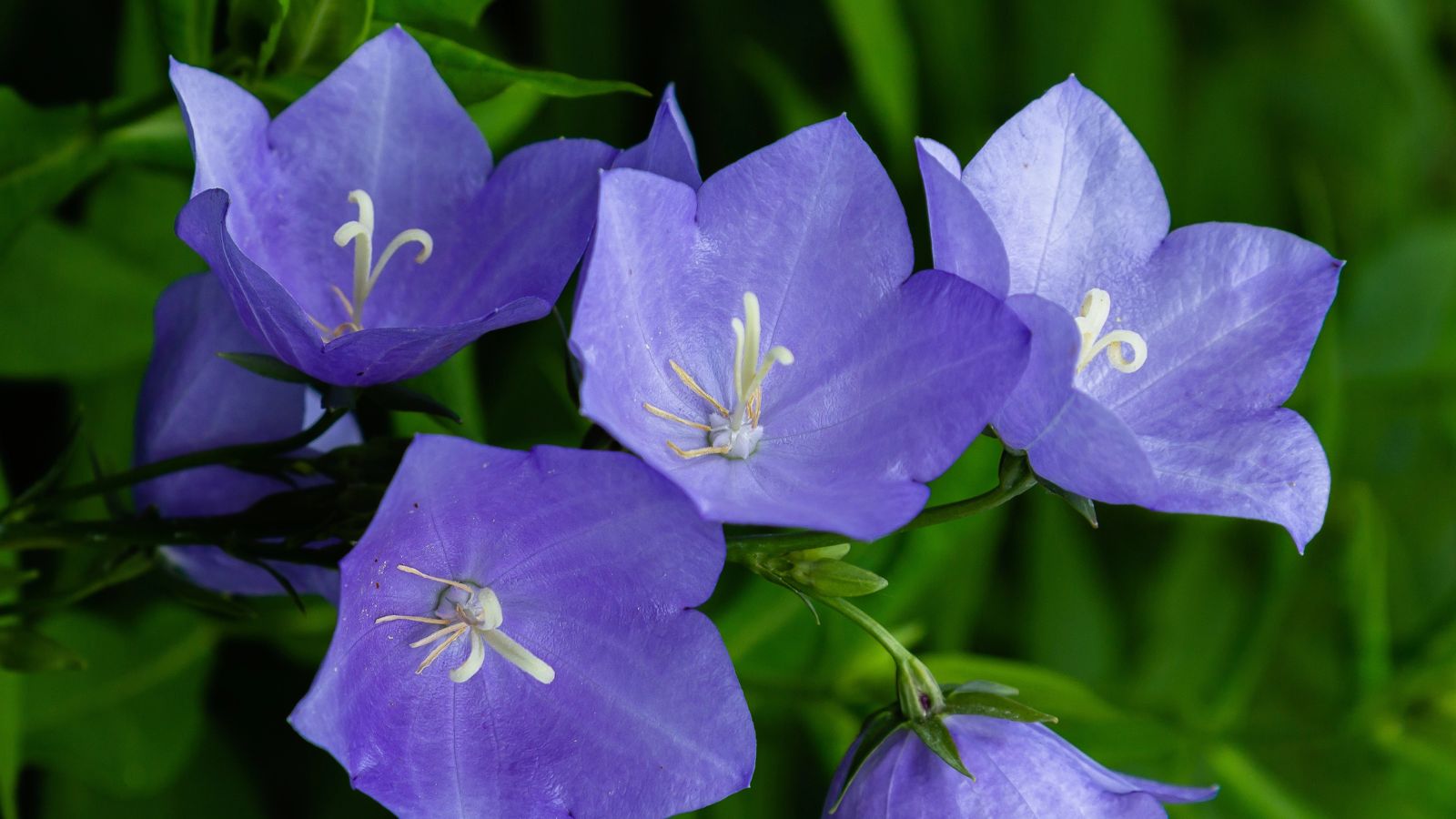
Also called bellflower, campanulas deliver star- or cup-shaped blossoms in shades of blue, purple, and white through much of summer. These perennials thrive in borders and cottage gardens.
Care Tip:
Pinch off wilted flowers frequently to keep new blooms coming. Cut back stems after first bloom for potential rebloom.
18. Catmint
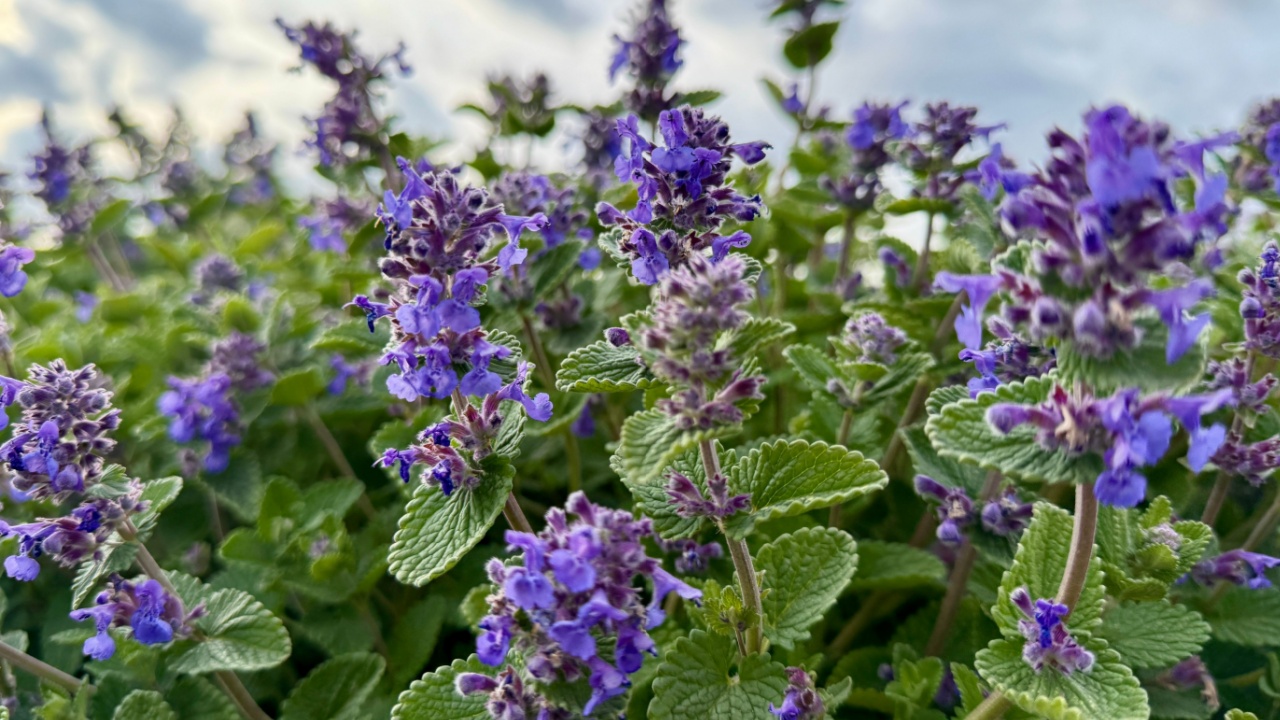
Catmint (Nepeta) fills the garden with aromatic foliage and tall, waving spikes of lavender-blue flowers throughout summer. It’s unfussy, reliable, and deer resistant.
Care Tip:
After its early summer show, shear plants back by half to foster bushier growth and a second round of flowers.
19. Bee Balm
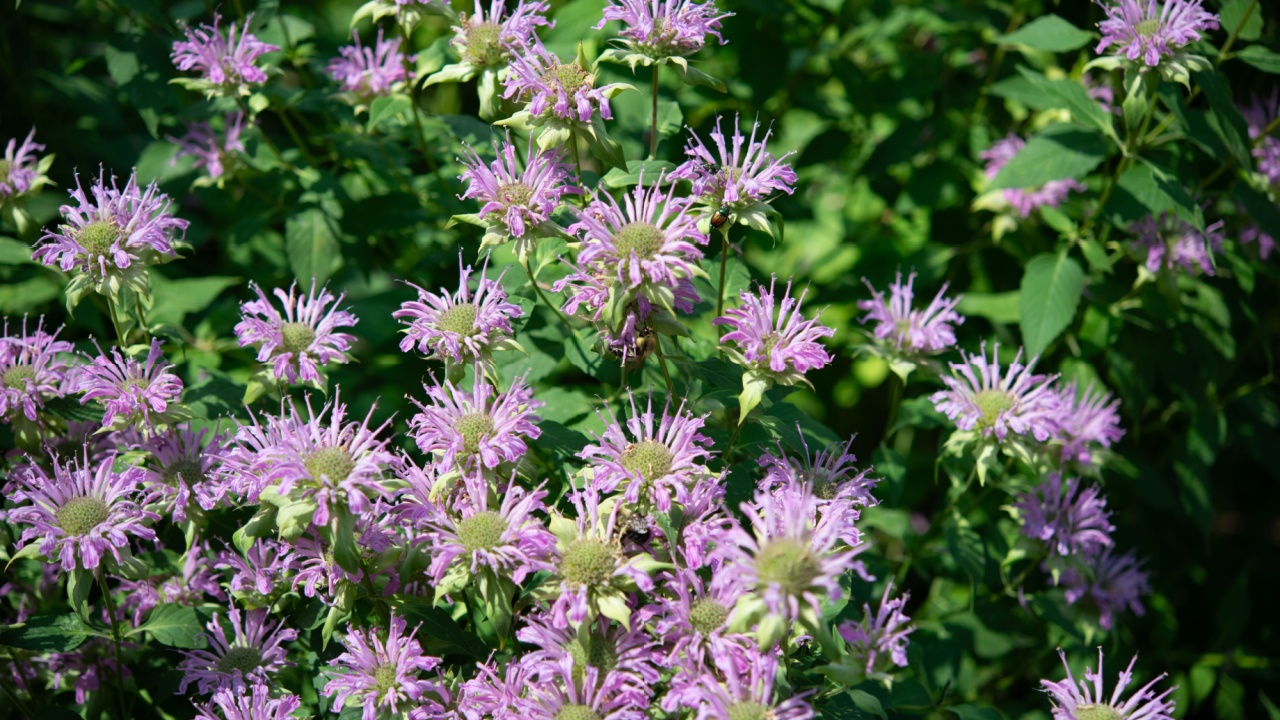
Bee balm (Monarda) is a magnet for pollinators, producing vibrant tufts of red, pink, purple, or white through summer. This perennial stands out in rain gardens and sun-drenched beds.
Care Tip:
Remove faded flower heads regularly to spur another flush. At midsummer’s end, thin out crowded stems to prevent mildew.
20. Salvia
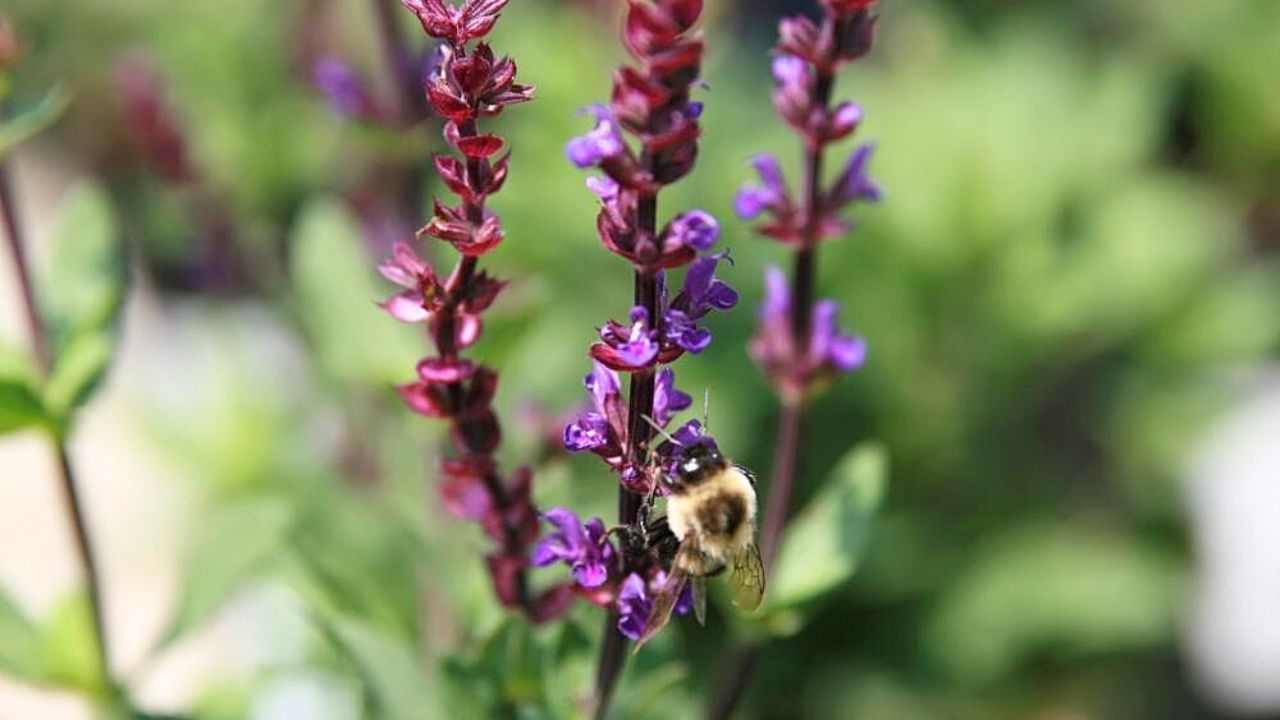
Salvia’s upright spikes bloom in purple, blue, or red—and keep going if you help them along. These sun-loving perennials are drought-tolerant and widely adapted.
Care Tip:
Spend a few minutes each week snipping off old flower stems just above the foliage. This encourages continued flower production into fall. Cut back entire plants after peak bloom for a more abundant rebloom.