Perennial Prep: 22 That Need Summer Pruning to Encourage Radiant Blooms Next Season
Perennials are the workhorses of the garden—reliably returning year after year with bursts of color, texture, and pollinator appeal. But if you want them to thrive (and not just survive), regular pruning is key. That doesn’t mean hacking them down at random.
Pruning the right way, at the right time, can mean the difference between a lush, flower-filled landscape and a leggy, underwhelming patch of green.
In this guide, you’ll discover 22 popular perennials that actually need pruning to look their best. We’ll explain why each plant benefits from a seasonal trim, how to do it properly, and what you can expect when you give your garden a little strategic snip.
1. Lavender (Lavandula spp.)
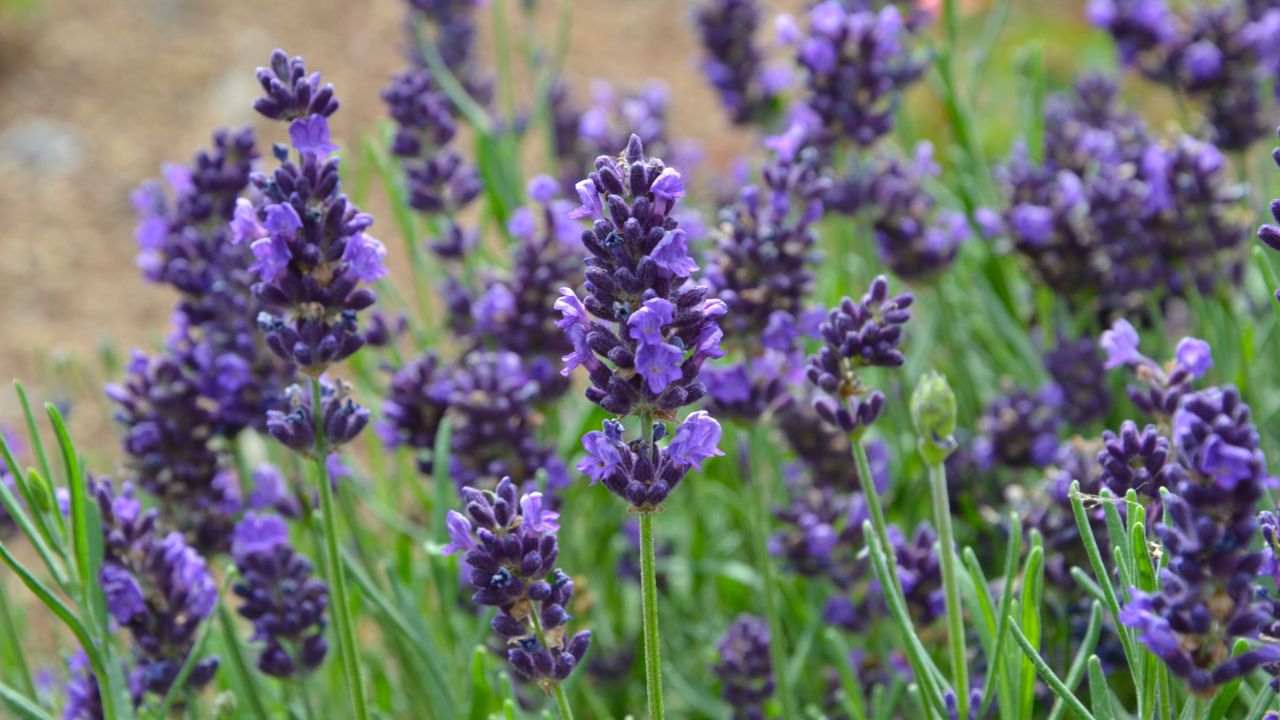
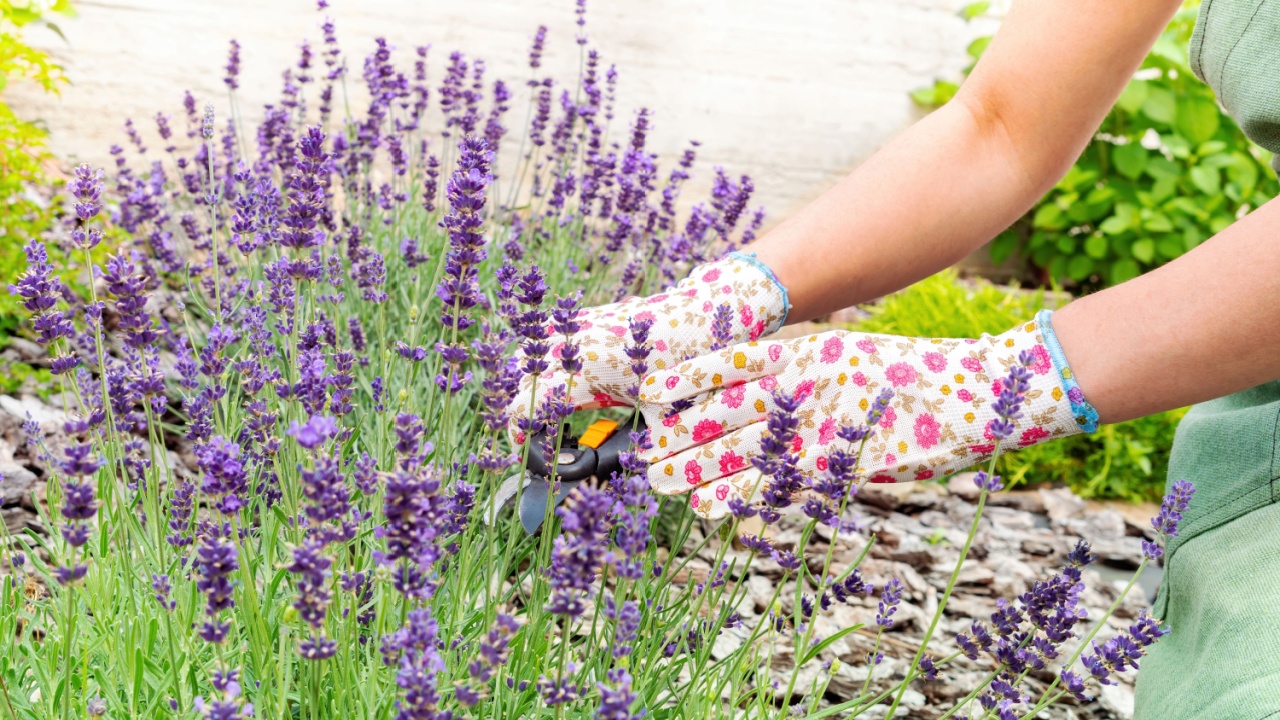
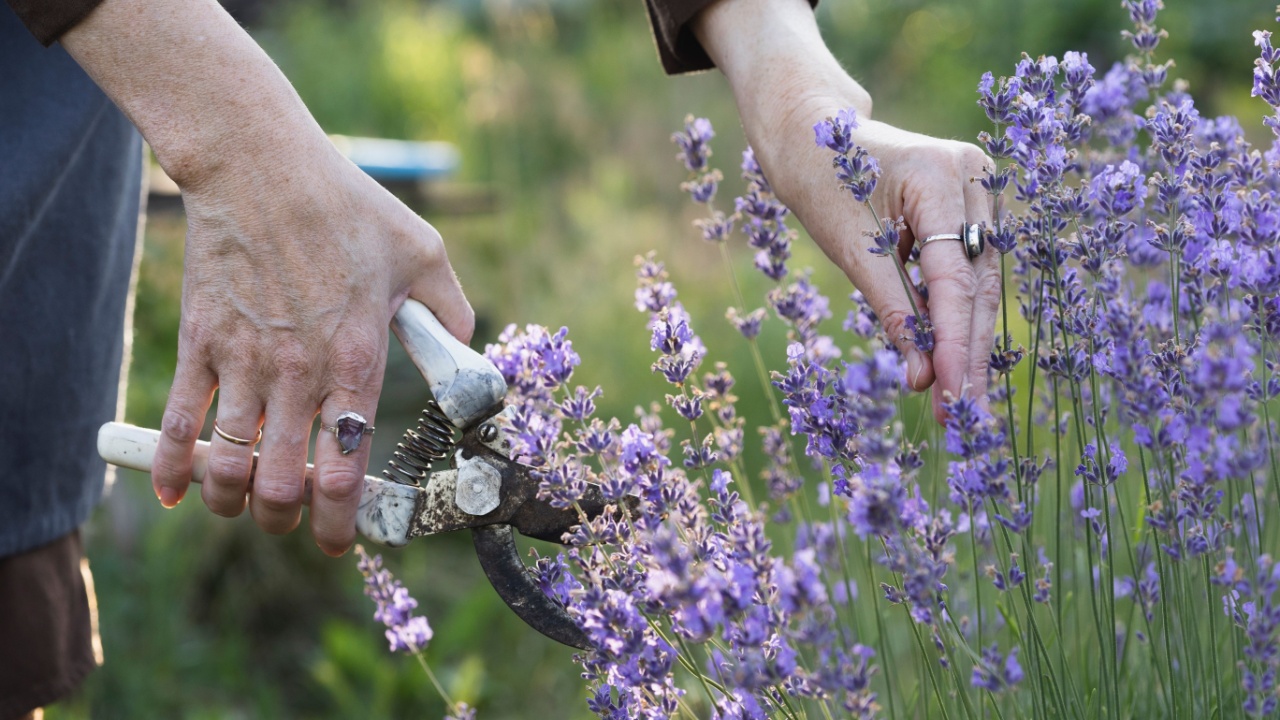
Lavender is a fragrant perennial herb known for its soothing scent and silvery-green foliage. While it’s beloved in borders and pollinator gardens, pruning is crucial to maintain its compact form and encourage fresh growth. Without it, lavender can become woody and sparse.
Pruning Tip: In late summer after flowering, trim back spent blooms and shape the plant by removing about one-third of the green growth (never cut into the woody stems). This keeps the plant from getting leggy and helps it survive winter better.
2. Salvia (Salvia nemorosa and other hardy varieties)
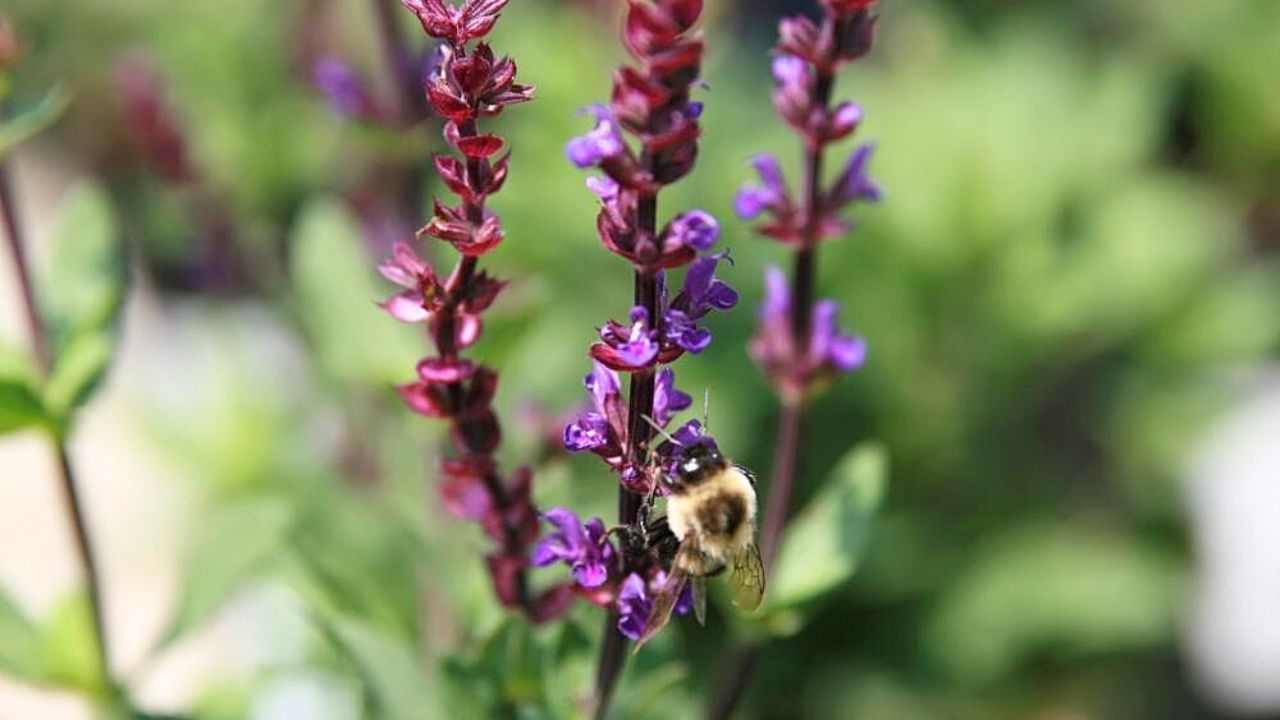
Salvias are colorful, long-blooming perennials that attract bees and hummingbirds. These plants benefit greatly from summer pruning to stimulate another flush of blooms.
Pruning Tip: Once the first wave of flowers fades, shear back the plant by about one-third. This not only tidies its appearance but encourages a second round of flowering before fall.
3. Catmint (Nepeta spp.)
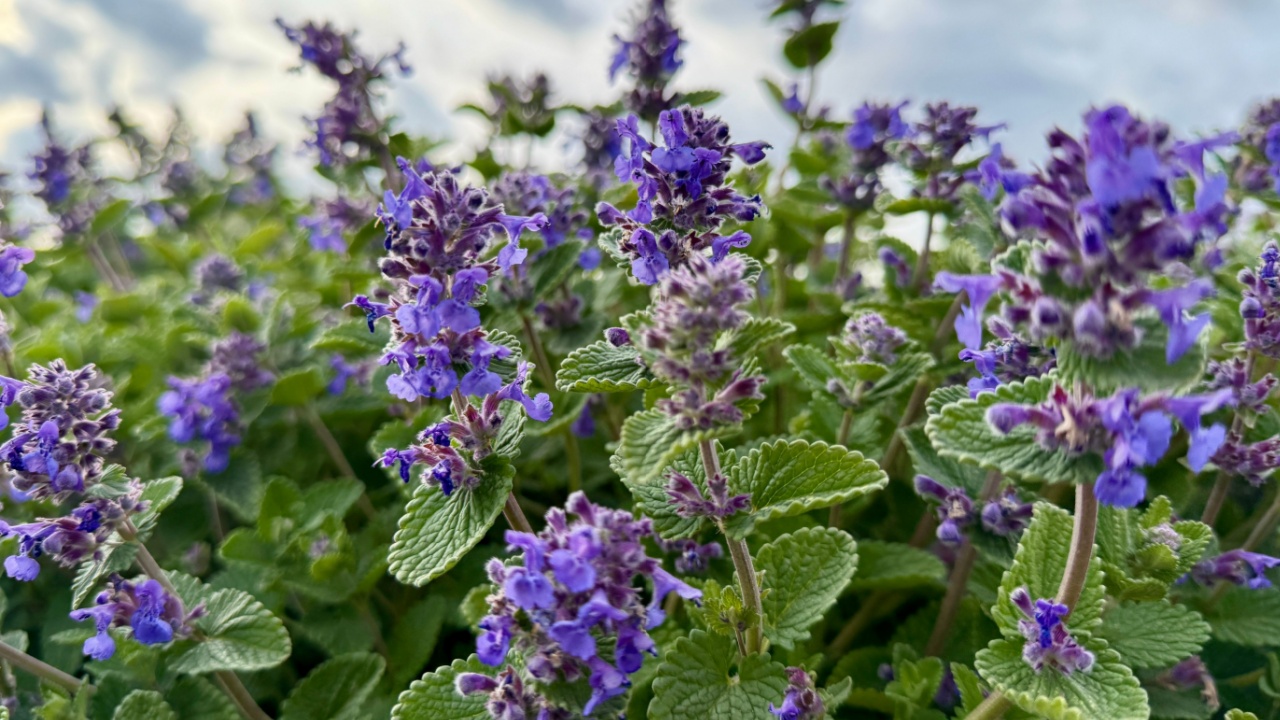
Catmint is a durable, drought-tolerant perennial that blooms profusely in early summer. Without pruning, it can sprawl and flop open, especially after rain.
Pruning Tip: After the first bloom, cut it back by one-half to two-thirds to encourage compact regrowth and possibly a second bloom. Catmint responds well to rejuvenation pruning.
4. Coreopsis (Coreopsis verticillata and others)
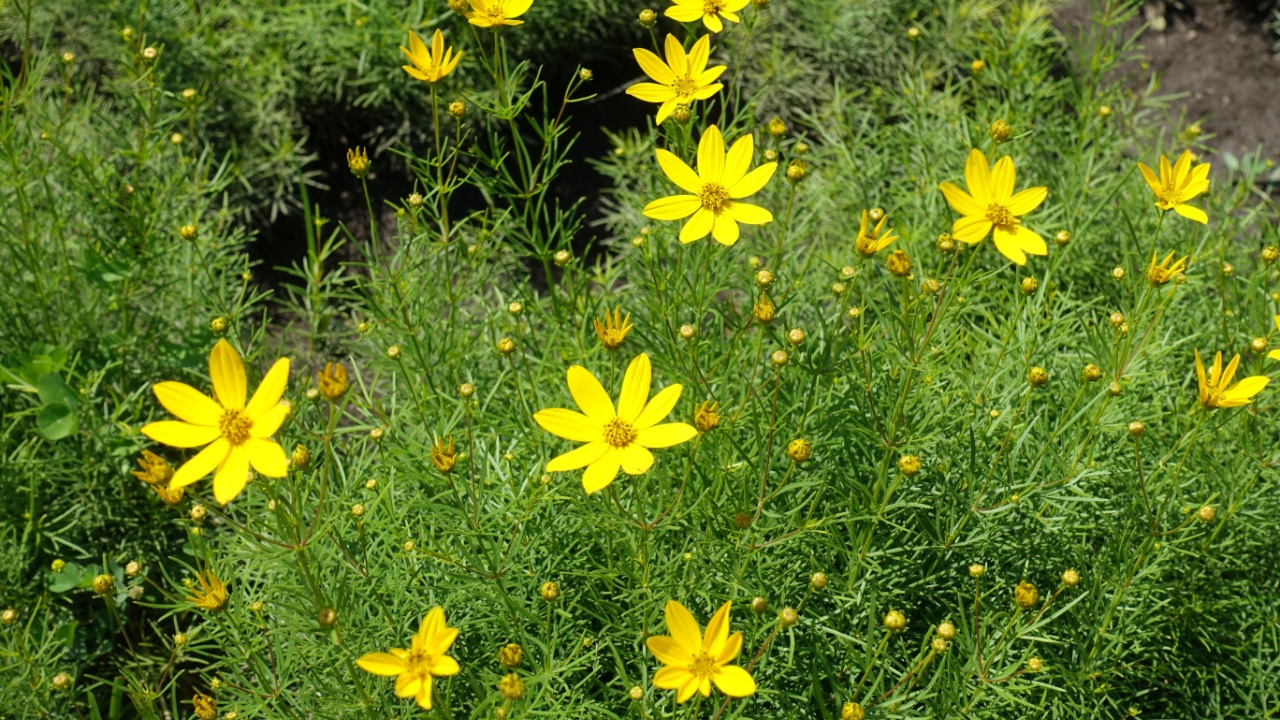
Coreopsis, or tickseed, is a cheerful daisy-like perennial that offers waves of yellow or pink blooms. Left unpruned, it can get leggy and stop blooming midseason.
Pruning Tip: Deadhead spent blooms regularly. For a more dramatic refresh, shear the plant back by a third in midsummer to rejuvenate foliage and stimulate new flowers.
5. Yarrow (Achillea millefolium)
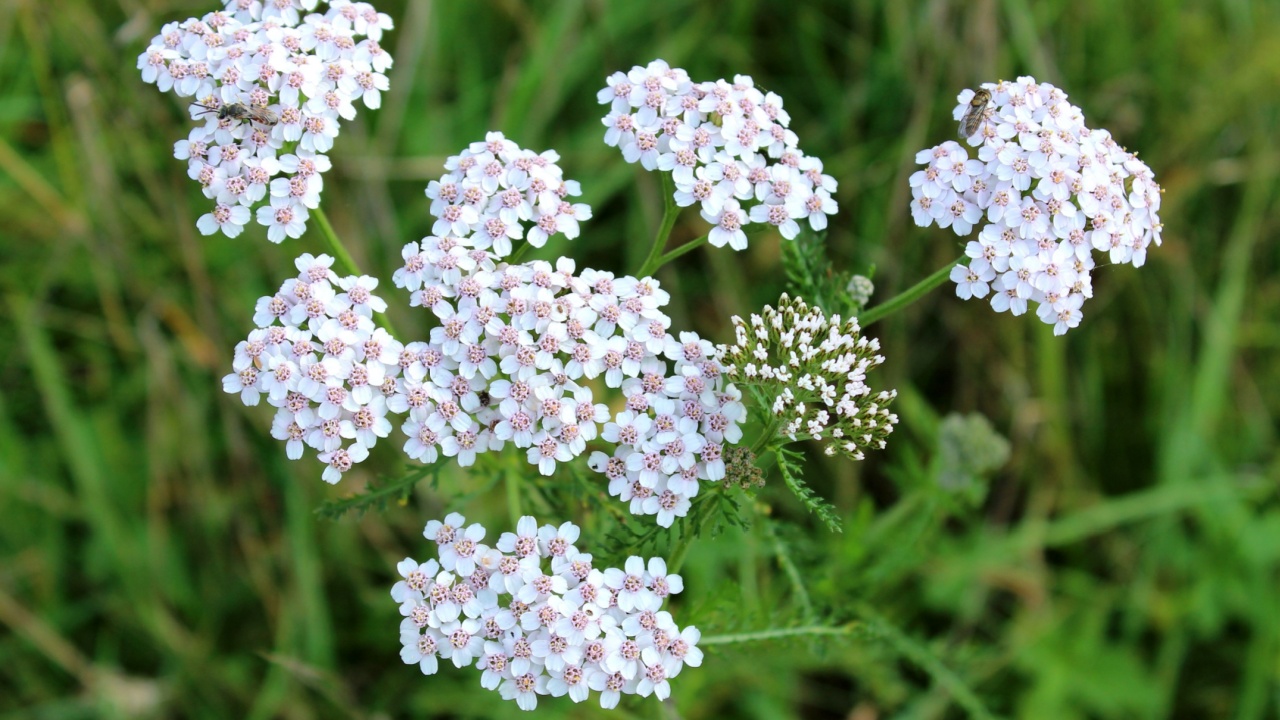
Yarrow is a hardy, sun-loving perennial with flat clusters of tiny flowers and feathery foliage. Deadheading and pruning prevent it from self-seeding aggressively and looking untidy.
Pruning Tip: Remove faded flower stalks down to the foliage level. For leggy plants, cut back to the basal leaves to promote fresh growth and a possible second bloom.
6. Blanket Flower (Gaillardia spp.)
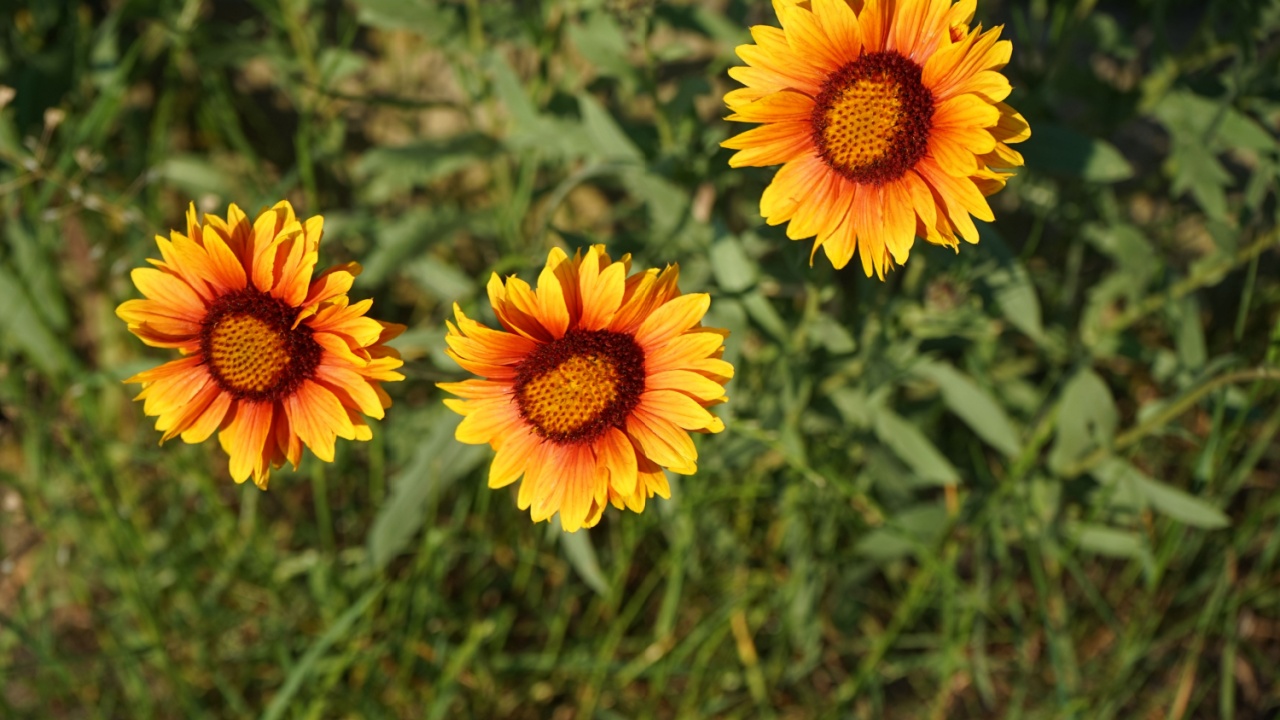
Blanket flower produces vibrant red, orange, and yellow blooms all summer. It can become scraggly and stop blooming if not maintained.
Pruning Tip: Regularly deadhead to extend the bloom period. In midsummer, cut back by one-third to stimulate fresh blooms and keep plants compact.
7. Shasta Daisy (Leucanthemum × superbum)
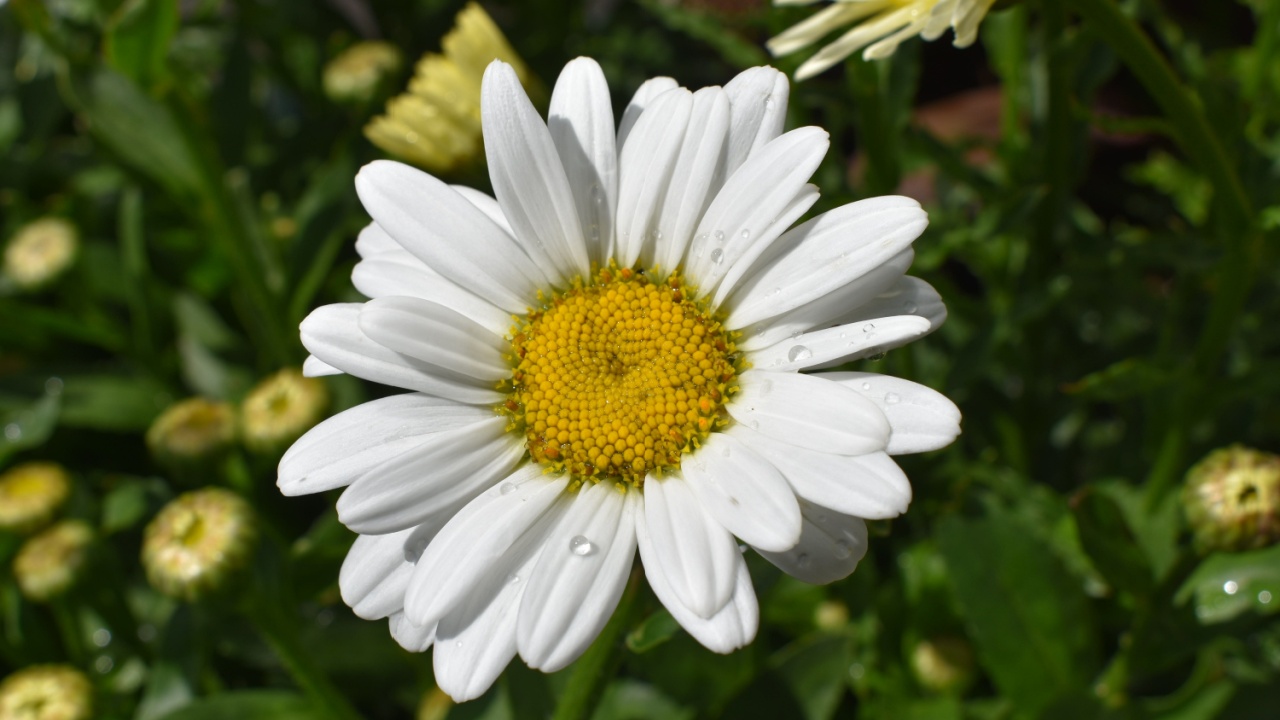
Shasta daisies are classic white-petaled perennials that bloom in summer. As flowers fade, the plant can look ragged and decline in bloom quality.
Pruning Tip: Deadhead individual flowers as they fade. After the first big flush of blooms, cut stems back to the basal foliage to encourage a second bloom and prevent reseeding.
8. Garden Phlox (Phlox paniculata)
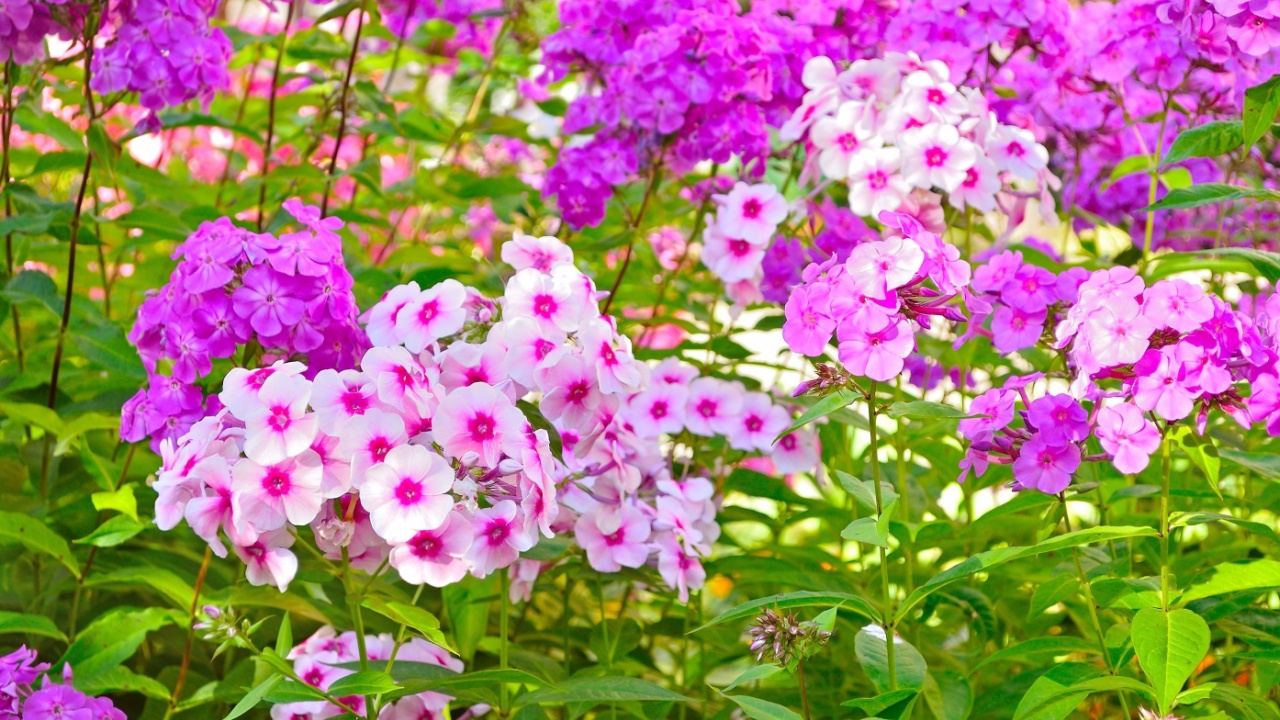
Tall garden phlox is known for its fragrant, clustered blooms that attract butterflies. Summer pruning helps reduce mildew and encourages a longer flowering season.
Pruning Tip: Remove spent blooms promptly and thin out some stems to improve air circulation. Cutting back by one-third after blooming can also tidy the plant and trigger a later flush.
9. Bee Balm (Monarda spp.)
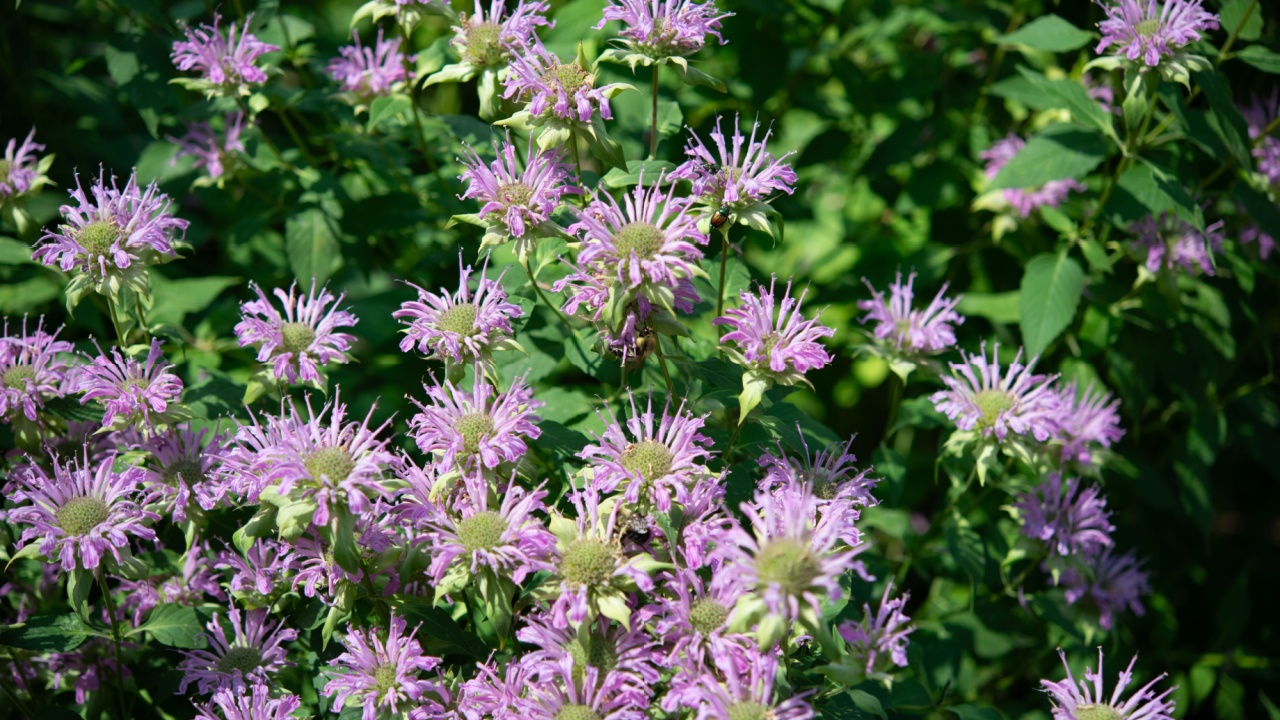
Bee balm is a magnet for pollinators with its shaggy, bright flowers. It tends to mildew in humid conditions and looks unkempt if not pruned. (Warning: Bee balm is invasive in certain conditions, although native to North America).
Pruning Tip: Deadhead promptly to extend blooming. After the initial bloom, cut stems back by one-third to reduce mildew and promote clean regrowth.
10. Delphinium (Delphinium spp.)

Known for their towering spikes of blue and purple flowers, delphiniums are dramatic but short-lived bloomers. Pruning can encourage reblooming and strengthen regrowth.
Pruning Tip: Cut the flower stalks down to the ground after they finish blooming. Water and fertilize to encourage a second bloom cycle.
11. Veronica (Speedwell)

Veronica is a spiky perennial with long-lasting purple, pink, or white blooms. It can look worn out after the first flush.
Pruning Tip: Cut spent flower spikes back by half to stimulate a second bloom. Trim any leggy or fading stems to tidy the overall plant.
12. Helenium (Helenium autumnale)

Helenium, or sneezeweed, provides late-season color with its vibrant daisy-like flowers. It can get tall and floppy without pruning.
Pruning Tip: Deadhead spent blooms and cut back the plant by one-third in midsummer to keep it bushy and prolong flowering.
13. Penstemon (Penstemon spp.)
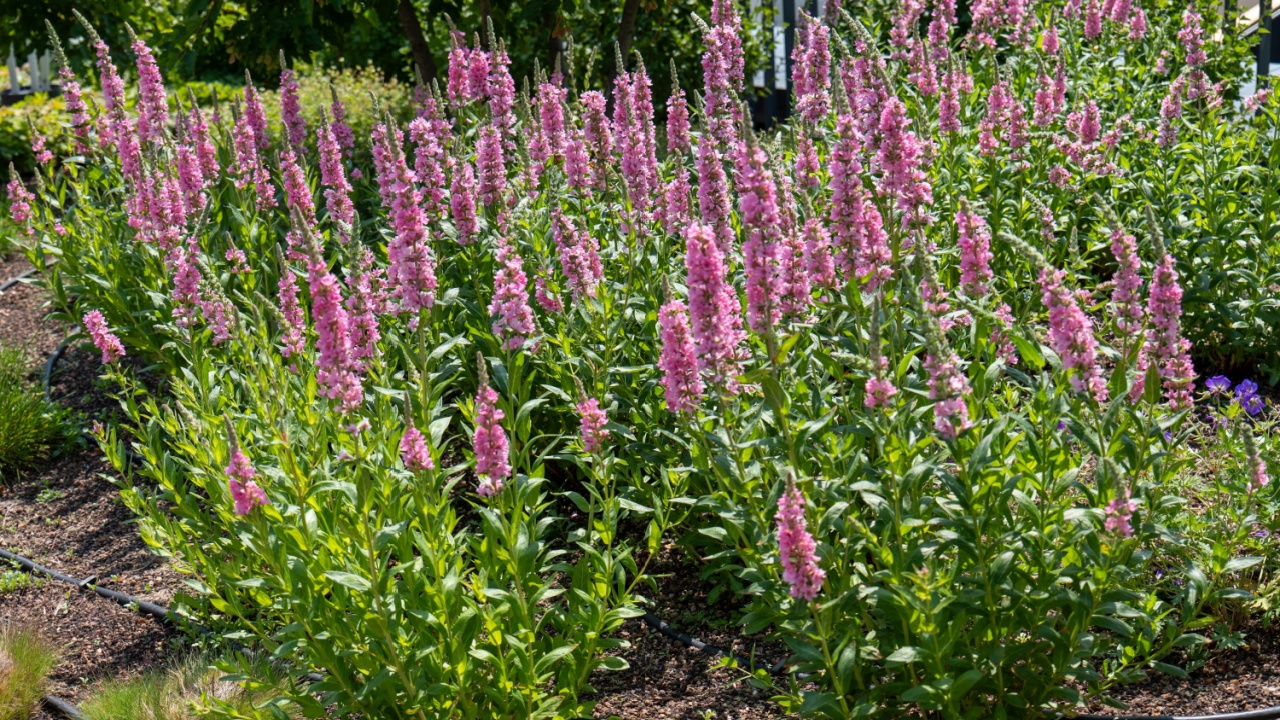
Penstemon boasts tubular blooms and thrives in sunny, well-drained spots. Summer pruning encourages a second bloom and keeps plants tidy.
Pruning Tip: After flowering, cut the stems back by about one-third. This tidies the plant and may encourage repeat blooming.
14. Daylilies (Hemerocallis spp.)
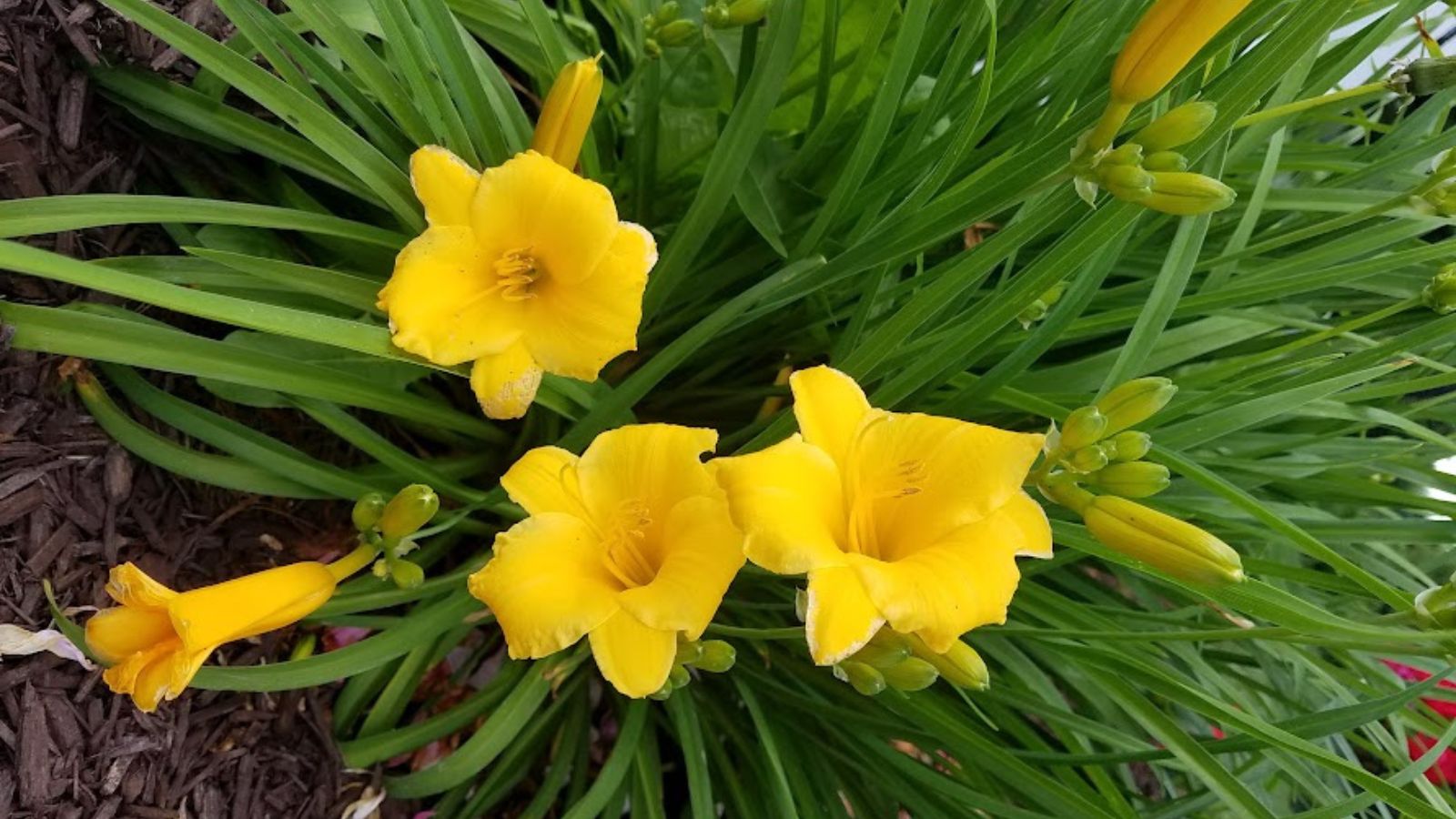
Daylilies are tough and colorful, but once the blooms fade, the foliage can look unsightly. Pruning helps keep beds neat and healthy.
Pruning Tip: Remove spent flower stalks and yellowing leaves. You can also cut back the entire plant by half in midsummer to rejuvenate it.
15. Lady’s Mantle (Alchemilla mollis)
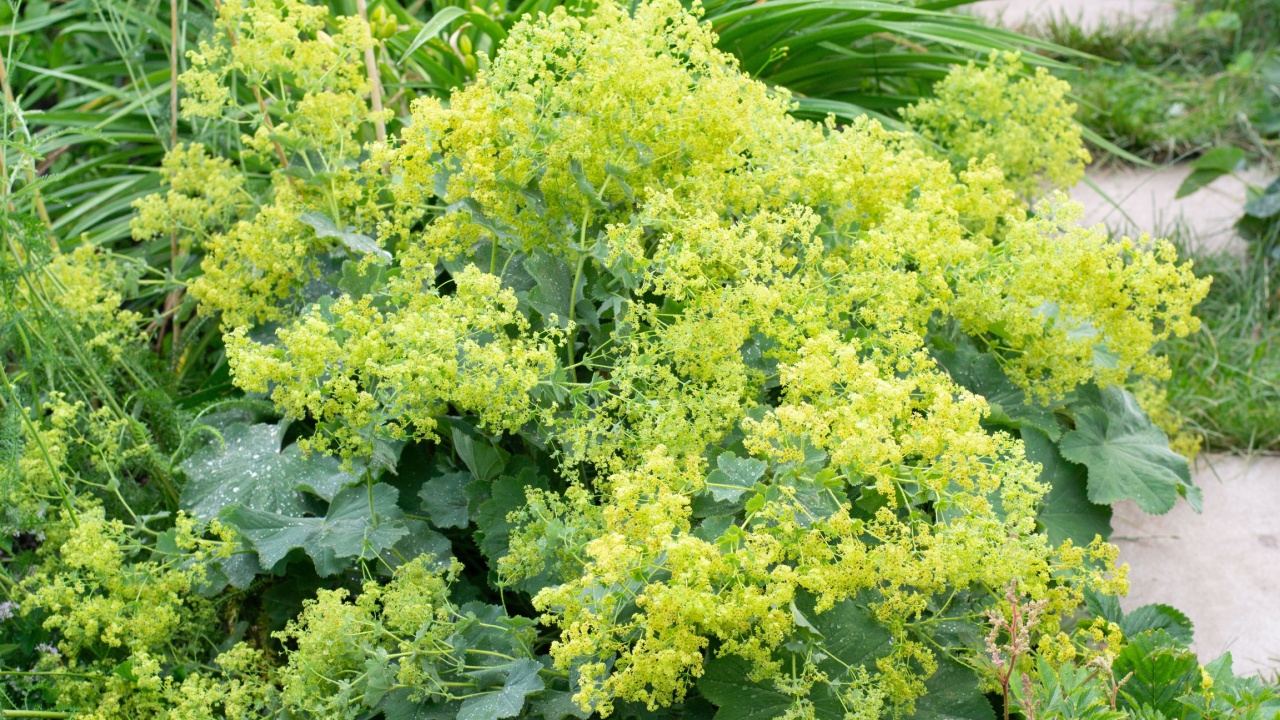
This charming perennial with soft, scalloped leaves and airy greenish-yellow flowers can become floppy post-bloom.
Pruning Tip: After flowering, cut back the entire plant to the basal foliage. This revitalizes the leaves and prevents unwanted reseeding.
16. Coral Bells (Heuchera spp.)
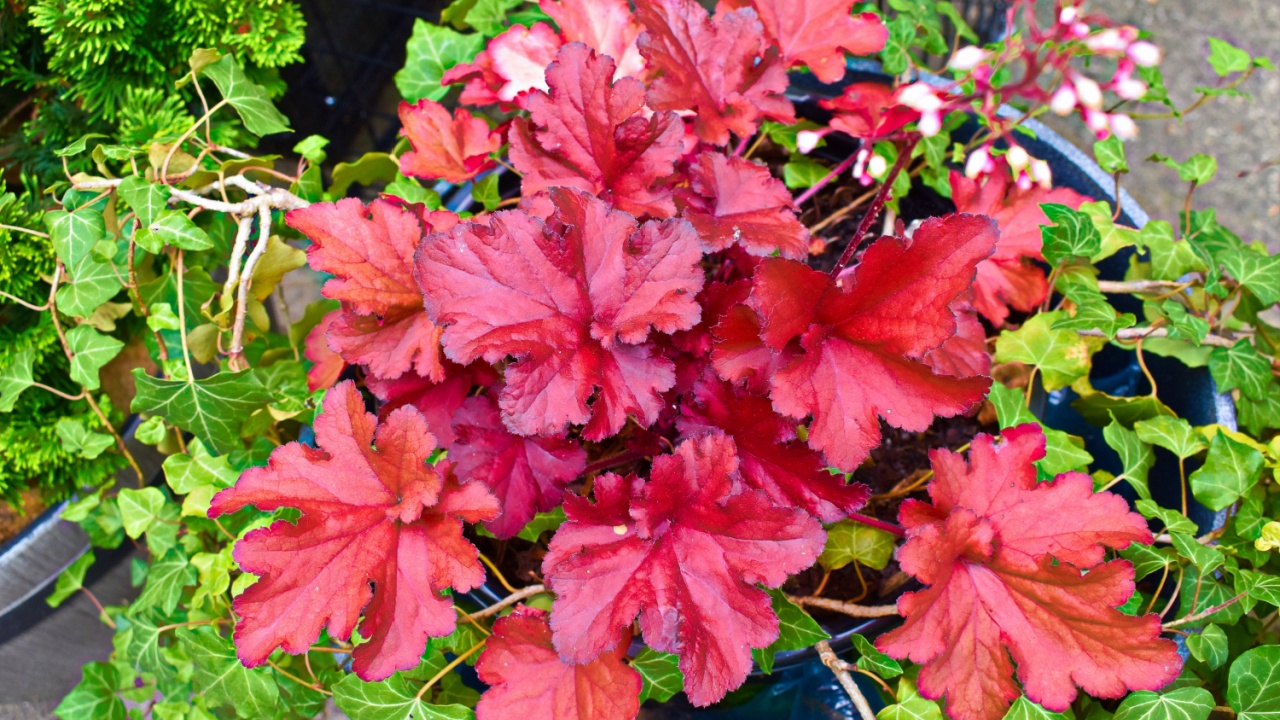
Coral bells offer colorful foliage and delicate summer flowers. Their flower stalks can become messy and detract from the attractive leaves.
Pruning Tip: Snip off spent flower stalks at the base to redirect energy into foliage. Remove damaged or faded leaves for a cleaner look.
17. Spiderwort (Tradescantia virginiana)
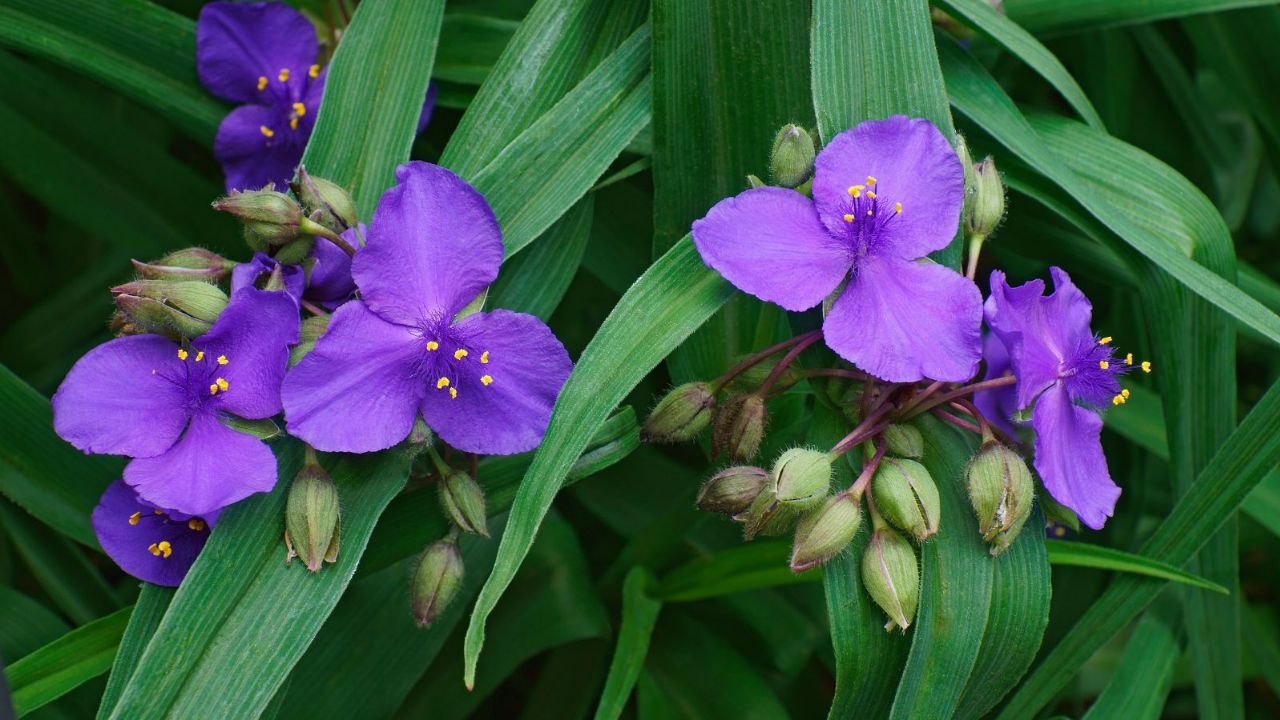
Spiderwort produces purple blooms in early summer but often looks ragged by midsummer.
Pruning Tip: Cut the plant back by half after the first bloom cycle. It may rebloom and will regrow with fresh, compact foliage.
18. Campanula (Bellflower)
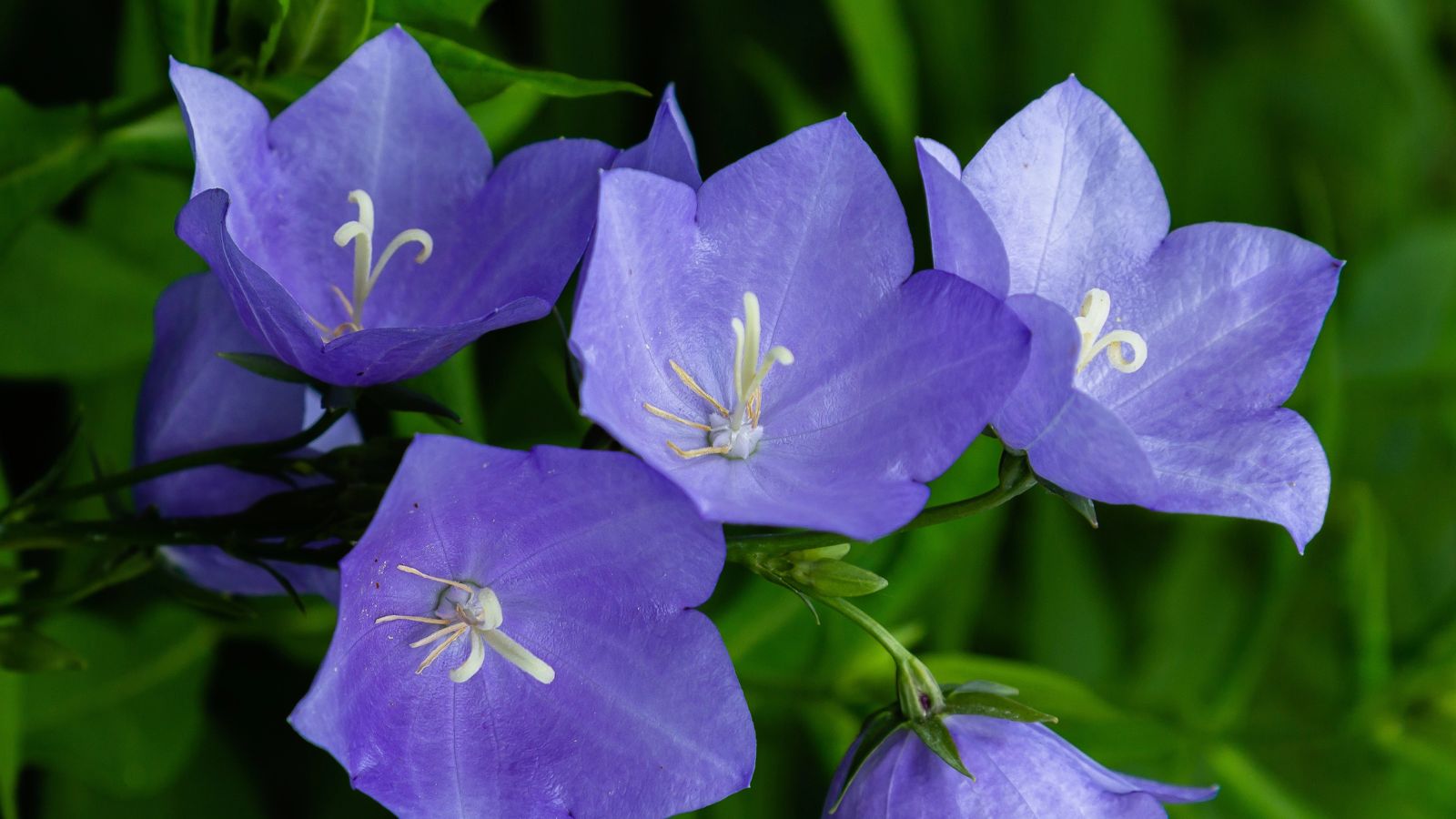
Campanula offers bell-shaped blooms in blues and purples. Some species can spread aggressively if not managed.
Pruning Tip: Deadhead regularly and shear back after the first bloom to prevent reseeding and encourage another flush.
19. Scabiosa (Pincushion Flower)
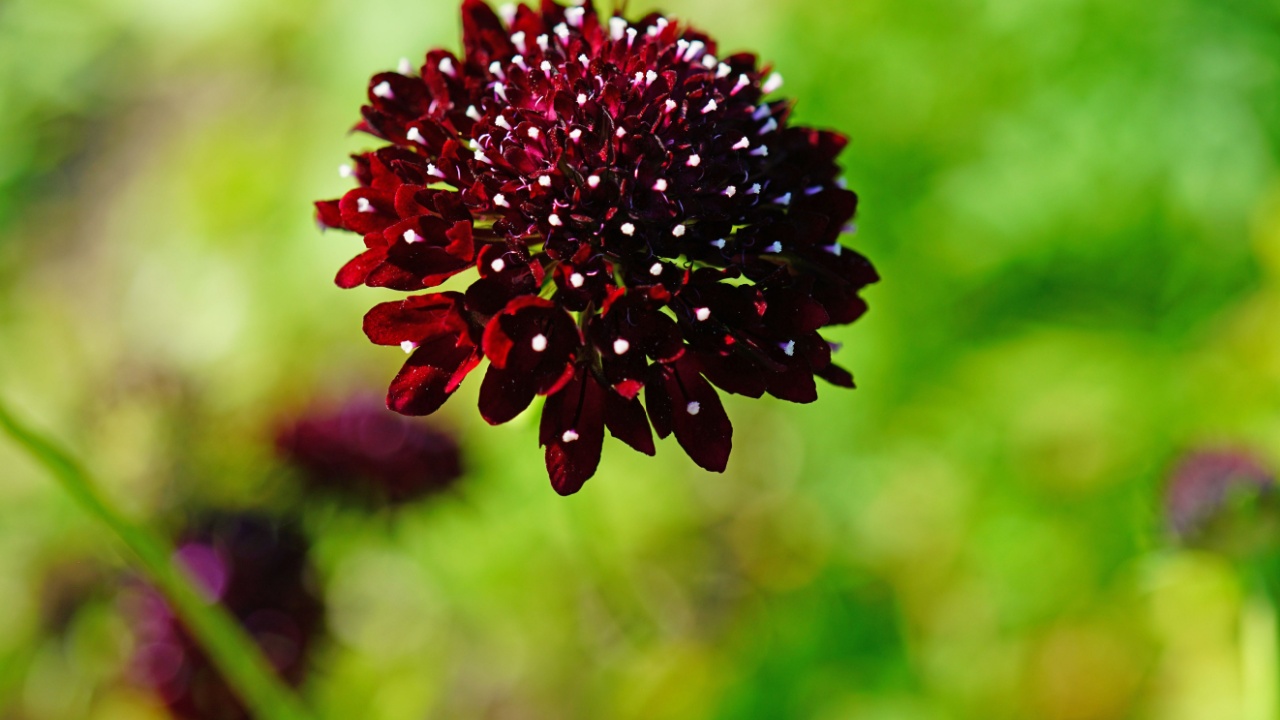
Scabiosa offers delicate, floating blooms that attract pollinators. Without pruning, plants become leggy and stop blooming.
Pruning Tip: Remove spent blooms regularly. If the plant becomes scraggly, cut it back by one-third to encourage new growth and blooms.
20. Geum (Avens)

Geum produces cheerful, nodding blooms in early summer but may fade quickly without care.
Pruning Tip: Deadhead to encourage more flowers. After flowering slows, cut back the foliage by one-third to freshen the plant.
21. Balloon Flower (Platycodon grandiflorus)
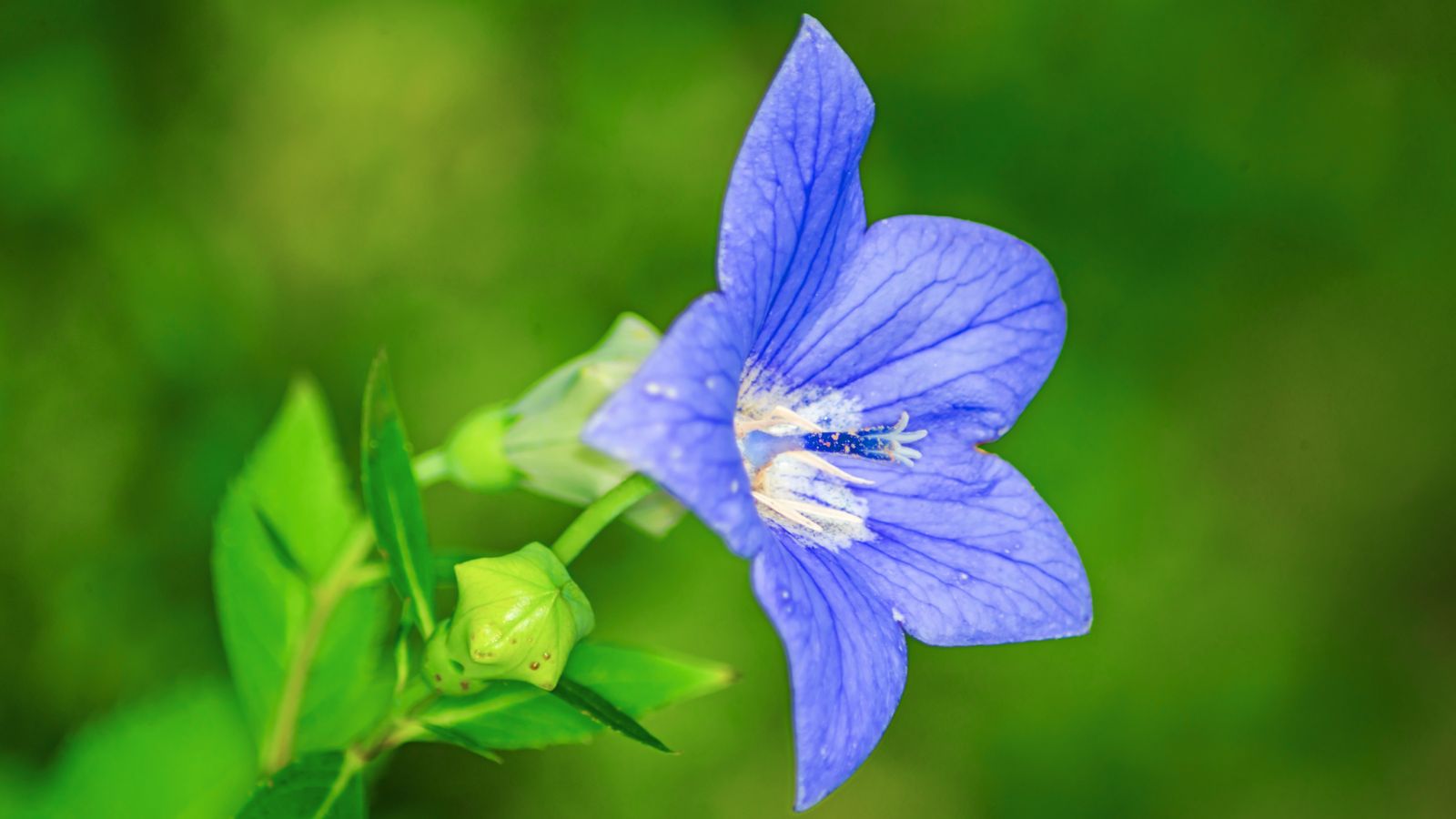
Balloon flowers produce inflated buds that burst into starry blooms. They can become floppy or overgrown in midsummer.
Pruning Tip: Deadhead spent flowers and cut back leggy stems. For a bushier plant, pinch back early growth in spring.
22. Astilbe (Astilbe spp.)
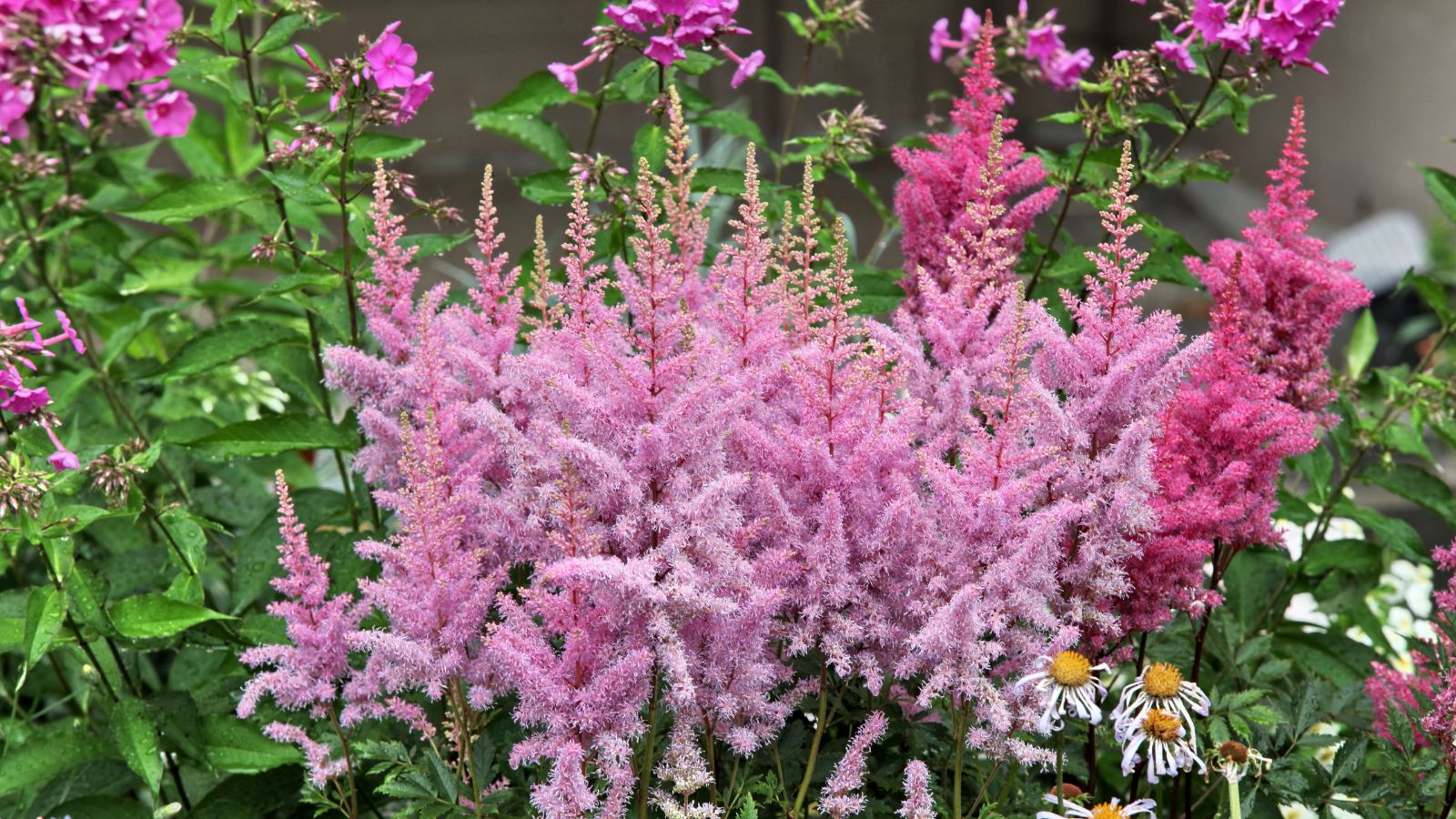
Astilbe offers fluffy plumes in shady spots, but its blooms fade and turn brown quickly.
Pruning Tip: Once flowers fade, cut them back to the foliage. Trim any yellowing leaves to keep the plant fresh-looking through summer.
Pruning Where It Matters Most
With these detailed insights and timely summer pruning, you’ll encourage healthier regrowth, extend bloom time, and maintain a tidy, vibrant garden throughout the warm months. Remember, not all perennials benefit from summer pruning, but for those on this list, a little midseason grooming makes all the difference.