20 Things Homeowners Aren’t Allowed to Do on Their Own Property
For homeowners living in neighborhoods governed by a Homeowners Association (HOA), backyard restrictions can come as a surprise. While these rules are meant to maintain the community’s aesthetic and property values, they can sometimes feel limiting.
It’s worth noting that many of these restrictions apply primarily to homes within HOA-regulated neighborhoods and may not concern rural areas or properties without such governance. Understanding these policies can help you stay compliant and avoid costly fines or conflicts with your neighbors.
Here are 20 things you might not be allowed to do in your backyard anymore, especially if you’re subject to HOA regulations.
1. Erecting Tall Fences
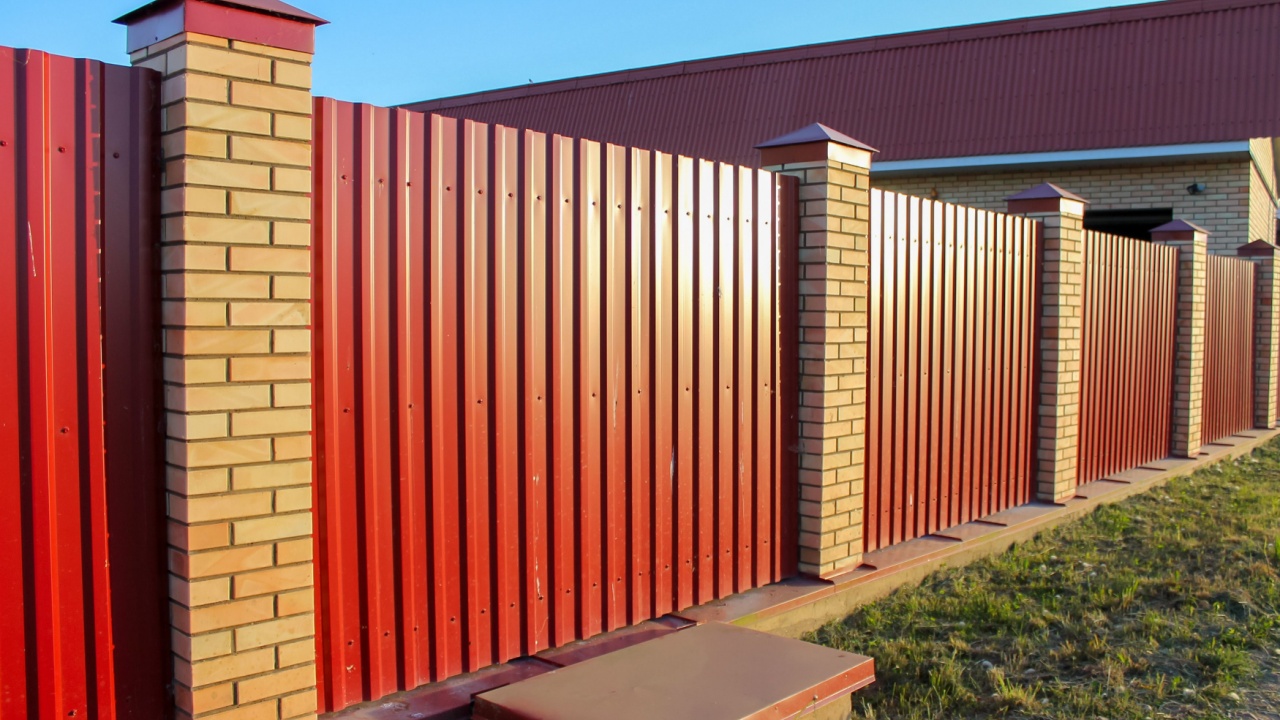
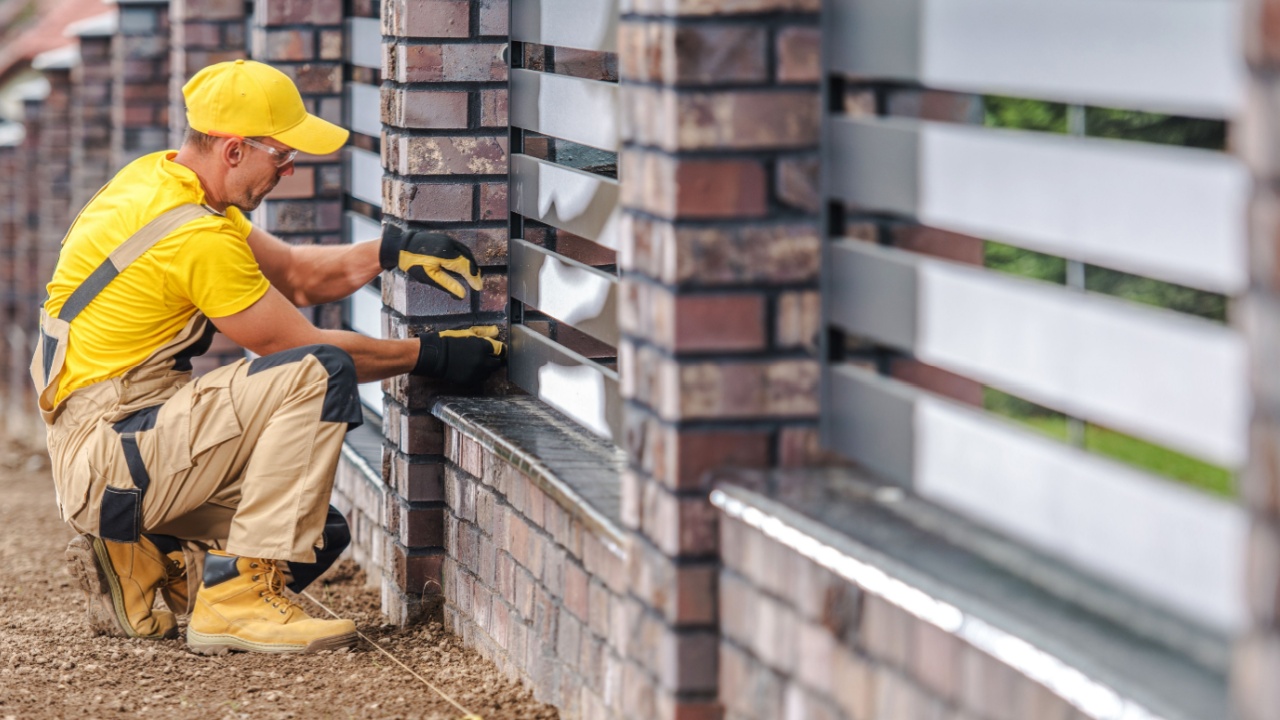
HOA guidelines often strictly regulate fence heights, materials, and styles. While you may want a tall privacy fence, your HOA might limit you to shorter fences made of approved materials, like wood or vinyl, to maintain neighborhood uniformity.
Why It’s a Rule
Tall fences can obstruct sightlines, impact curb appeal, and create disputes among neighbors.
What You Can Do
Review your HOA’s regulations and choose an approved fence type and height before installation.
2. Using Unapproved Exterior Paint Colors
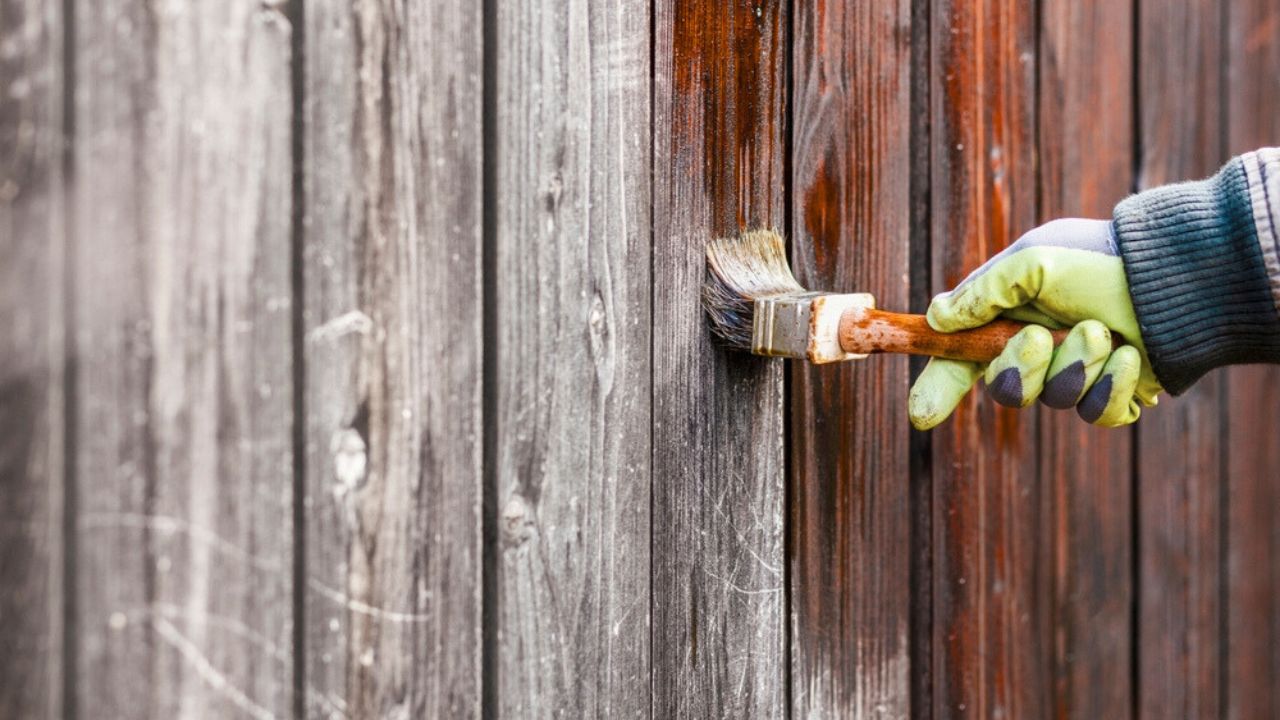
Transforming your backyard space with bold or unconventional paint colors? Not so fast. Most HOAs maintain color palettes for exterior walls, sheds, and other backyard structures. Deviating from these can lead to penalties.
Why It’s a Rule
This ensures uniformity and avoids clashing aesthetics within the community.
What You Can Do
Before making changes, check your HOA’s list of approved colors to avoid fines.
3. Unauthorized Landscaping Changes
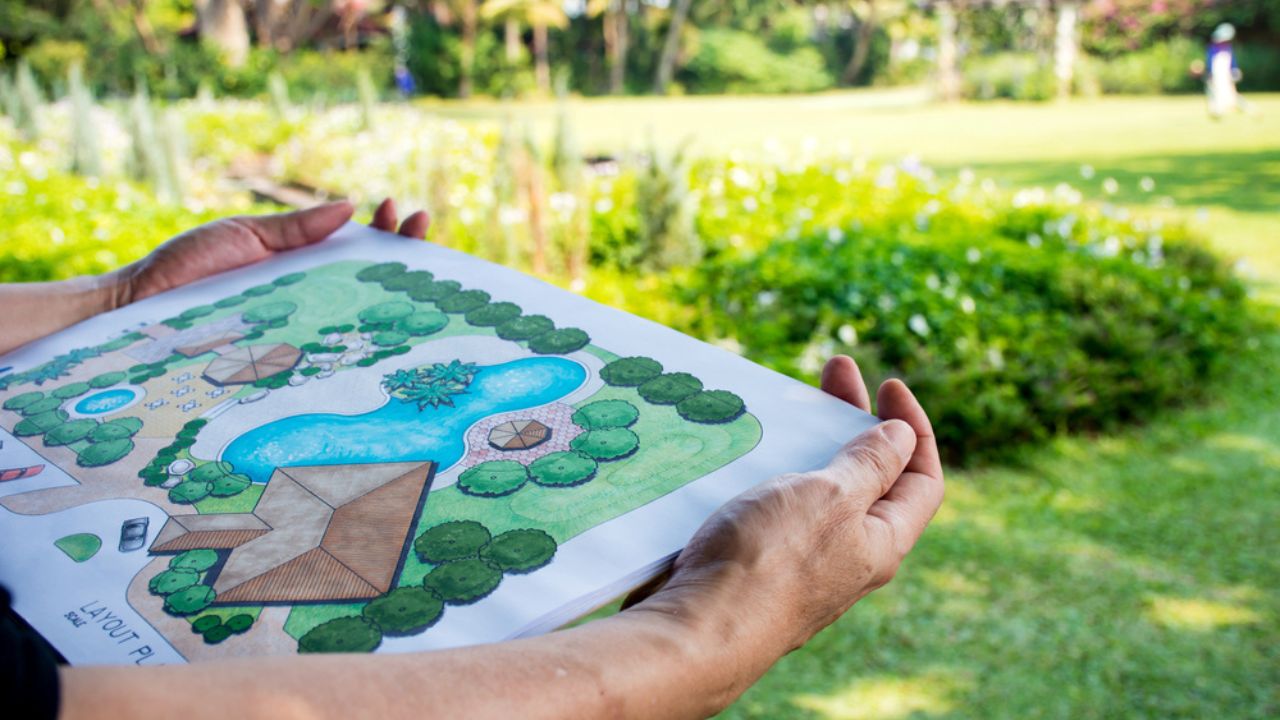
HOAs often have rules about the type, quantity, and arrangement of plants in your yard. Replacing your lawn with gravel, opting for exotic plants, or installing a wildflower garden might require committee approval.
Why It’s a Rule
Standardized landscaping helps maintain property values and a cohesive look throughout the neighborhood.
What You Can Do
Submit landscaping plans to your HOA for approval before making changes.
4. Building Unapproved Structures

Whether it’s a gazebo, pergola, or treehouse for the kids, any outdoor structure usually requires HOA approval. Structures not in compliance may need to be dismantled.
Why It’s a Rule
Unapproved structures can disrupt the aesthetic consistency and might even violate safety standards.
What You Can Do
Obtain HOA permissions or permits before starting construction on any outdoor structure.
5. Installing Permanent Play Equipment
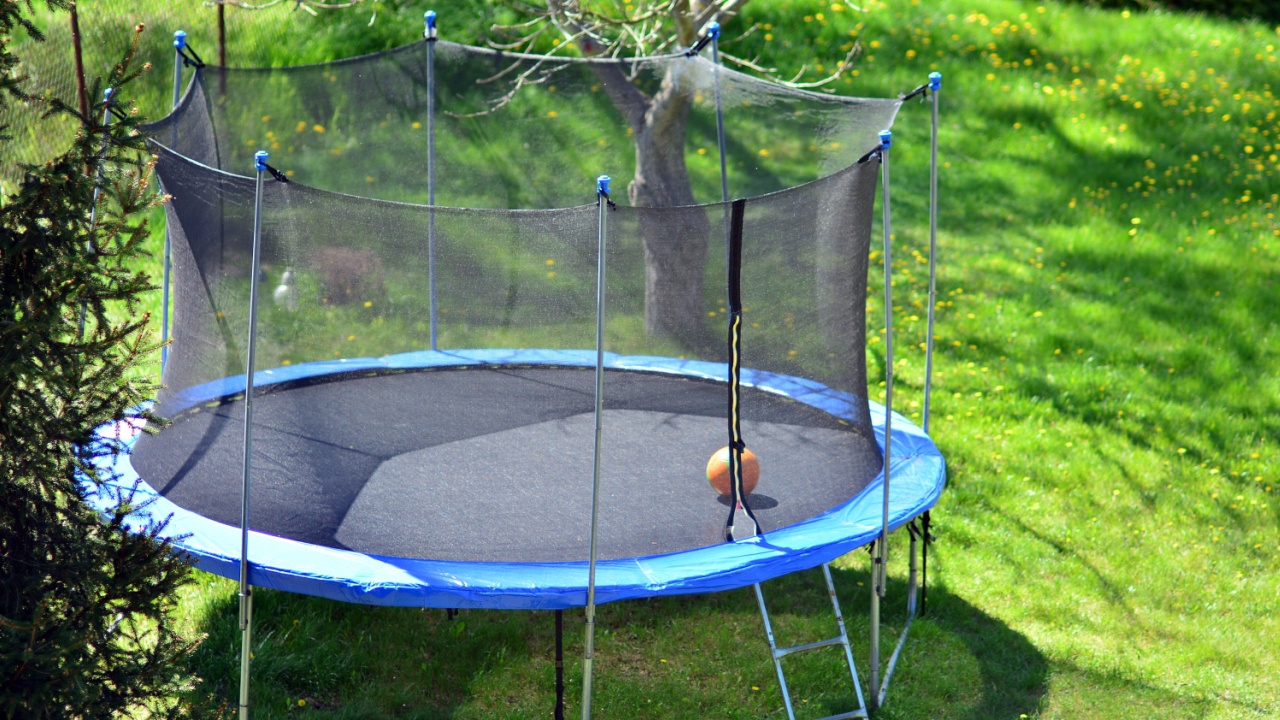
Playsets, trampolines, or basketball hoops could clash with HOA policies. Some restrict these items altogether, while others dictate specific locations or installation guidelines.
Why It’s a Rule
HOAs aim to minimize potential liability and maintain a clean community appearance.
What You Can Do
Verify the rules before purchasing or installing any recreational equipment.
6. Flying Certain Flags
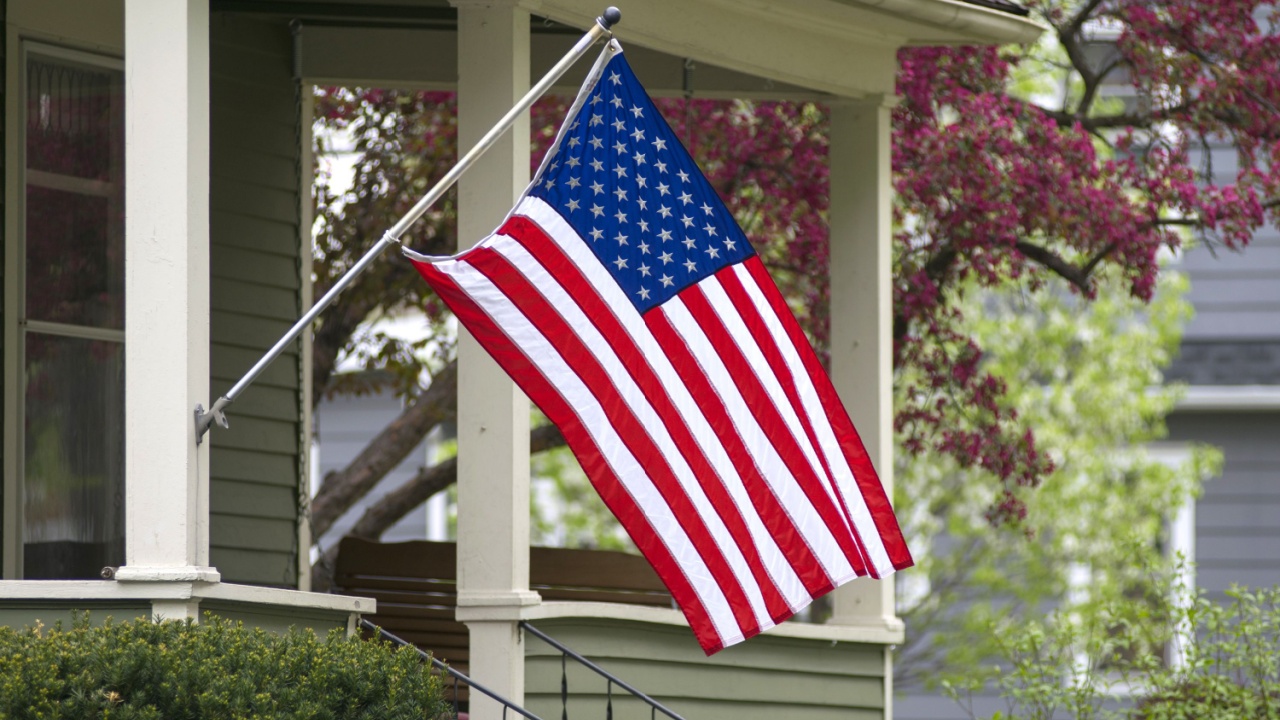
HOAs frequently control what kinds of flags can be displayed in your backyard, limiting them to national or state flags while prohibiting others, such as sports team banners or political flags.
Why It’s a Rule
Flag restrictions prevent divisive decor and maintain visual harmony.
What You Can Do
Stick to flags that are within the HOA guidelines to avoid conflict.
7. Leaving Tools or Yard Equipment Visible

Leaving gardening gear like shovels, hoses, or wheelbarrows out in your backyard overnight could lead to violation notices.
Why It’s a Rule
Visible equipment may be considered unsightly and clash with the community’s overall appearance.
What You Can Do
Store tools and equipment in a shed or garage when not in use.
8. Keeping Certain Types of Animals
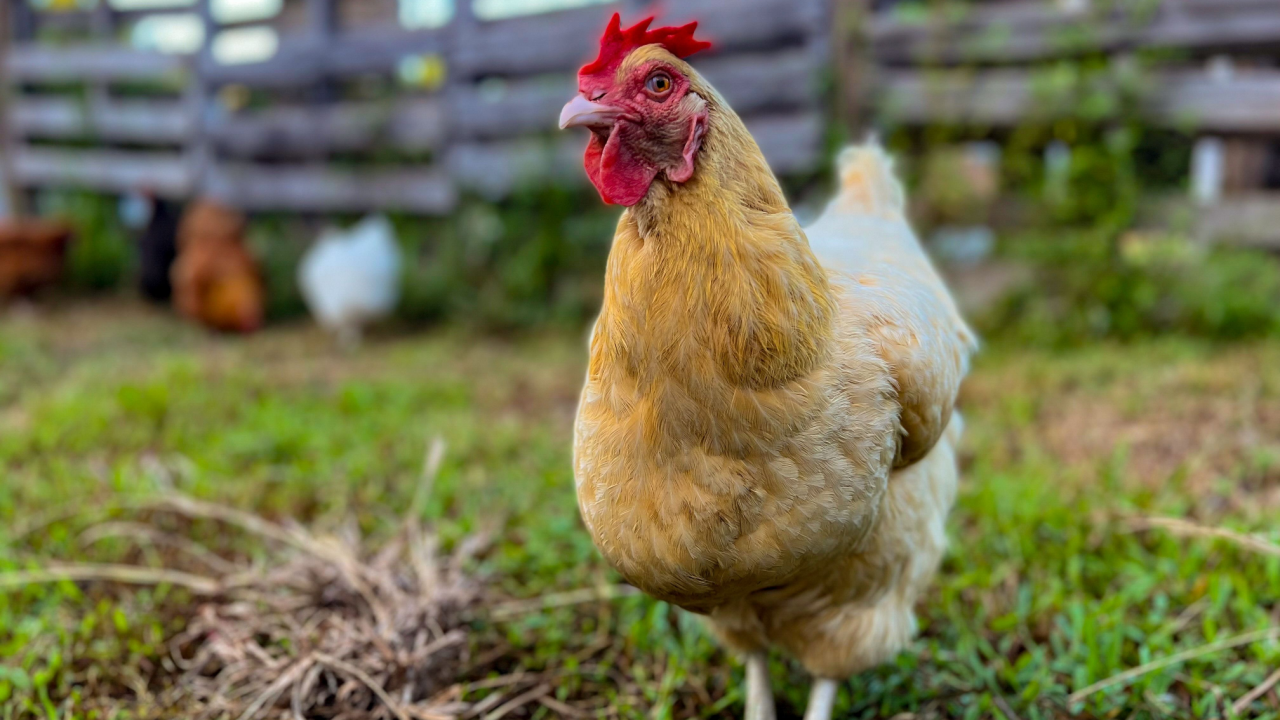
Even if you dream of backyard chickens or colorful koi ponds, HOAs may restrict the types and quantity of animals allowed on your property.
Why It’s a Rule
This limits noise and potential nuisances while safeguarding neighboring properties.
What You Can Do
Check the HOA policies regarding pets or backyard animals before making any decisions.
9. Hosting Loud Events

From backyard concerts to lively barbecues, noise levels are a common point of contention. Many HOAs implement quiet hours and monitor noise pollution.
Why It’s a Rule
Excessive noise disrupts the peace of the community.
What You Can Do
Plan events during permissible hours and monitor noise levels to remain compliant.
10. Parking Vehicles in Your Backyard
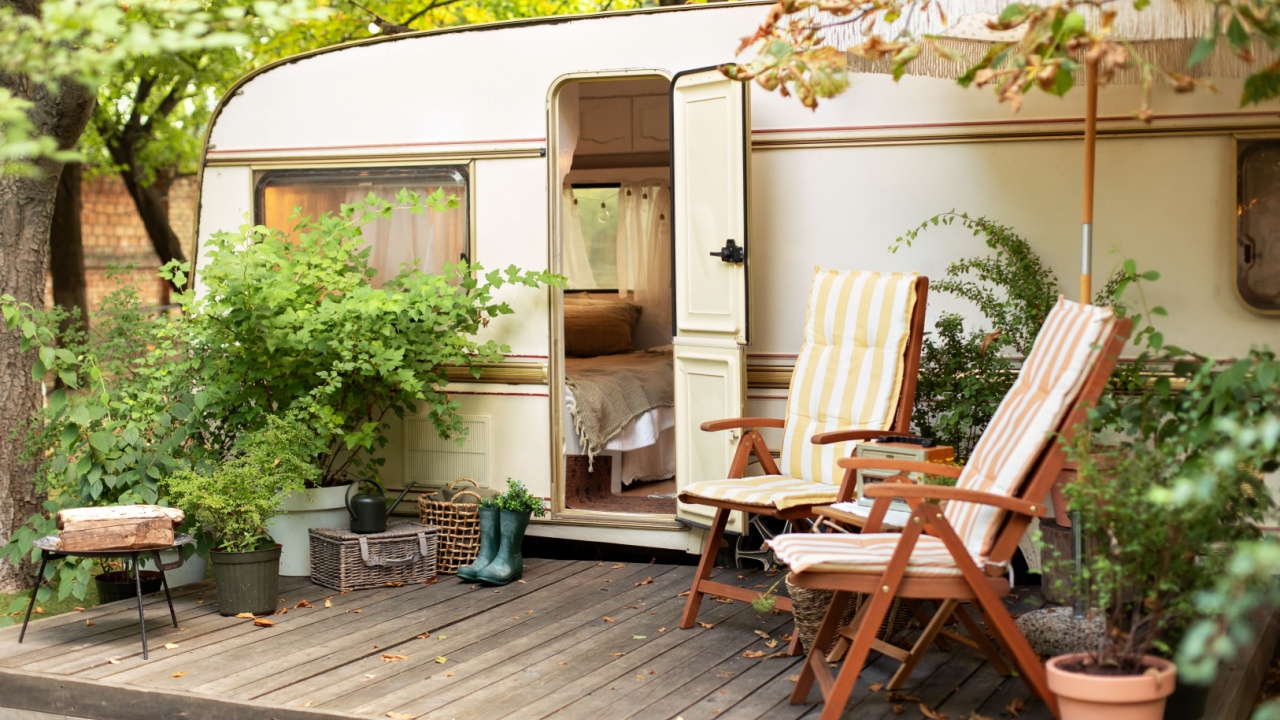
While it may seem practical to use your backyard for extra parking, most HOAs have bans against parking vehicles (especially boats or RVs) in residential yards.
Why It’s a Rule
Visible vehicles detract from the overall neighborhood aesthetic.
What You Can Do
Use designated parking areas or facilities approved by your HOA.
11. Adding Outdoor Lights Without Approval
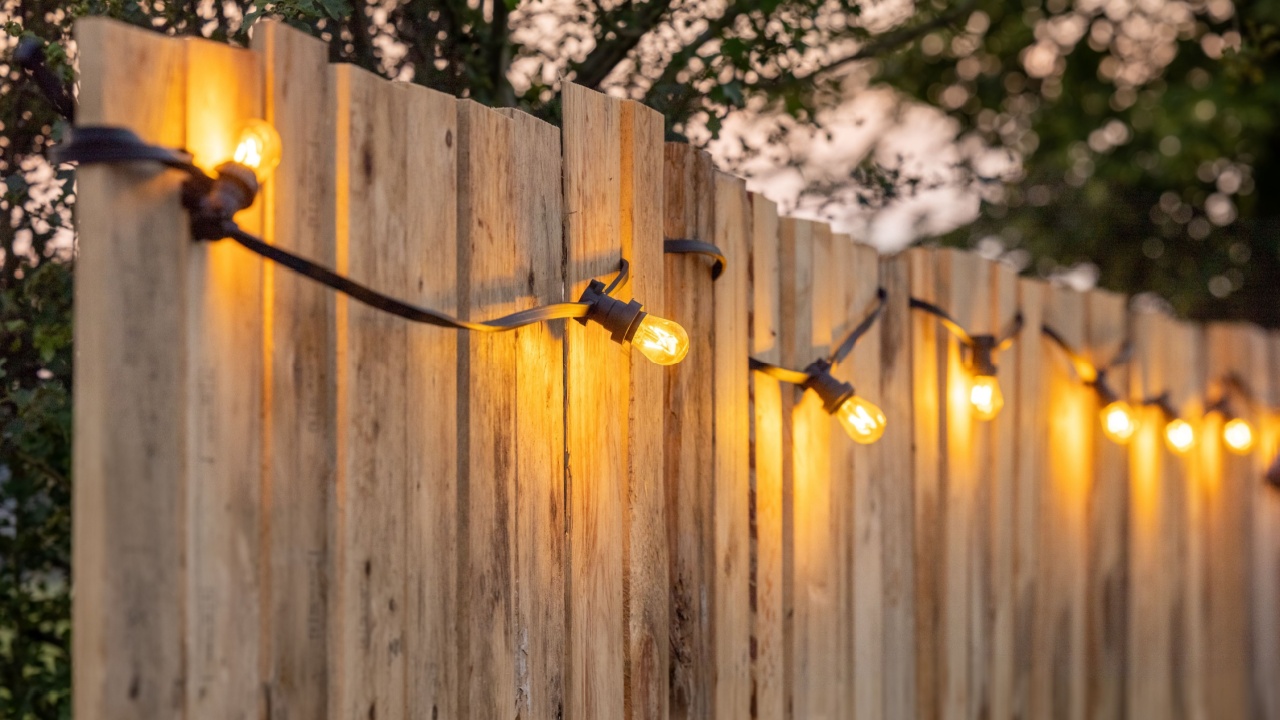
Want to string fairy lights or brighten your yard with spotlights? Your HOA might have restrictions on outdoor lighting to avoid disrupting neighbors.
Why It’s a Rule
Bright lights can cause light pollution and diminish the neighborhood’s ambiance.
What You Can Do
Opt for HOA-compliant lighting options and seek approval for larger installations.
12. Installing Solar Panels Without Permission

Despite their eco-friendliness, solar panels might violate HOA guidelines if they are deemed unsightly or improperly placed.
Why It’s a Rule
Some HOAs believe solar panels disrupt the uniform look of homes in the community.
What You Can Do
Work with your HOA to identify approved panel placement and specifications.
13. Drying Clothes on a Line
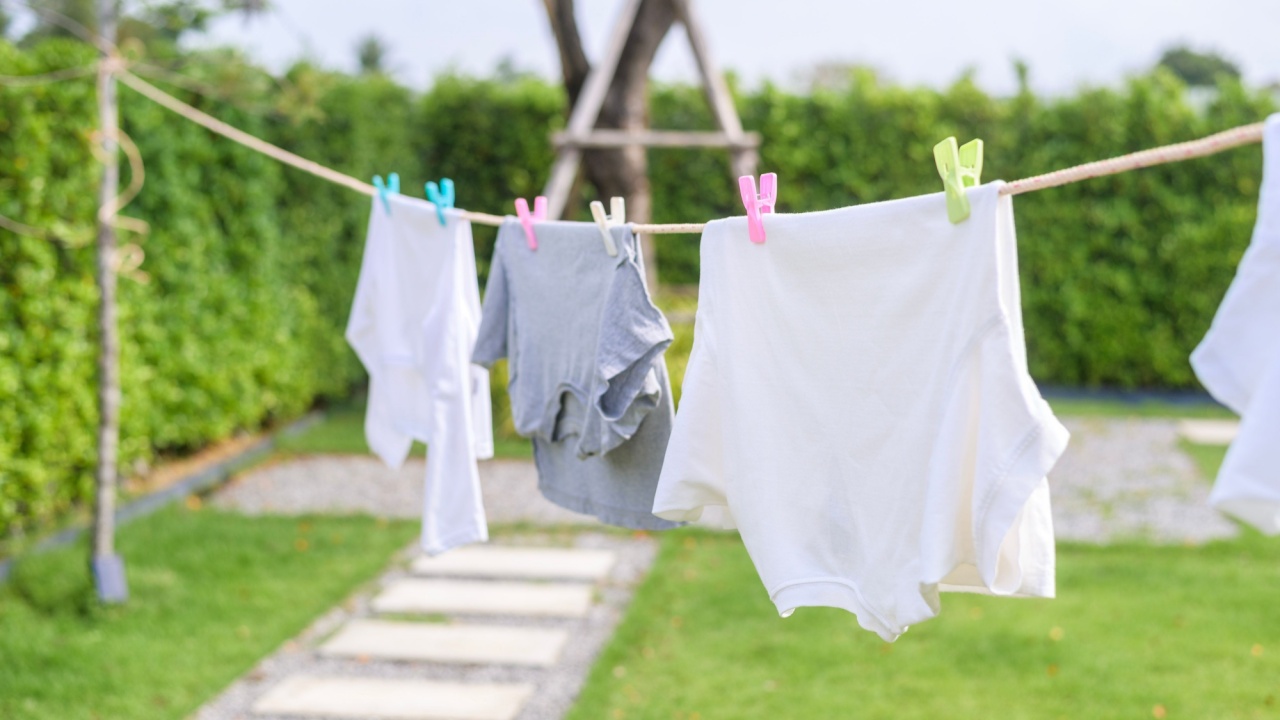
Simple as it may seem, drying clothes on a line could breach HOA restrictions due to aesthetic concerns.
Why It’s a Rule
Clothing lines might be seen as unsightly and reduce the neighborhood’s visual appeal. They can also be dangerous as low hanging wires.
What You Can Do
Invest in a foldable or discreet drying rack for private use.
14. Cutting or Adding Trees Without Permission

Whether you want to remove a tree or plant a new one, HOAs typically require approval to ensure consistency and proper tree placement.
Why It’s a Rule
Trees impact landscaping, property lines, and shared spaces.
What You Can Do
Get approval from the HOA before making any changes to your tree situation.
15. Adding Unapproved Decorations
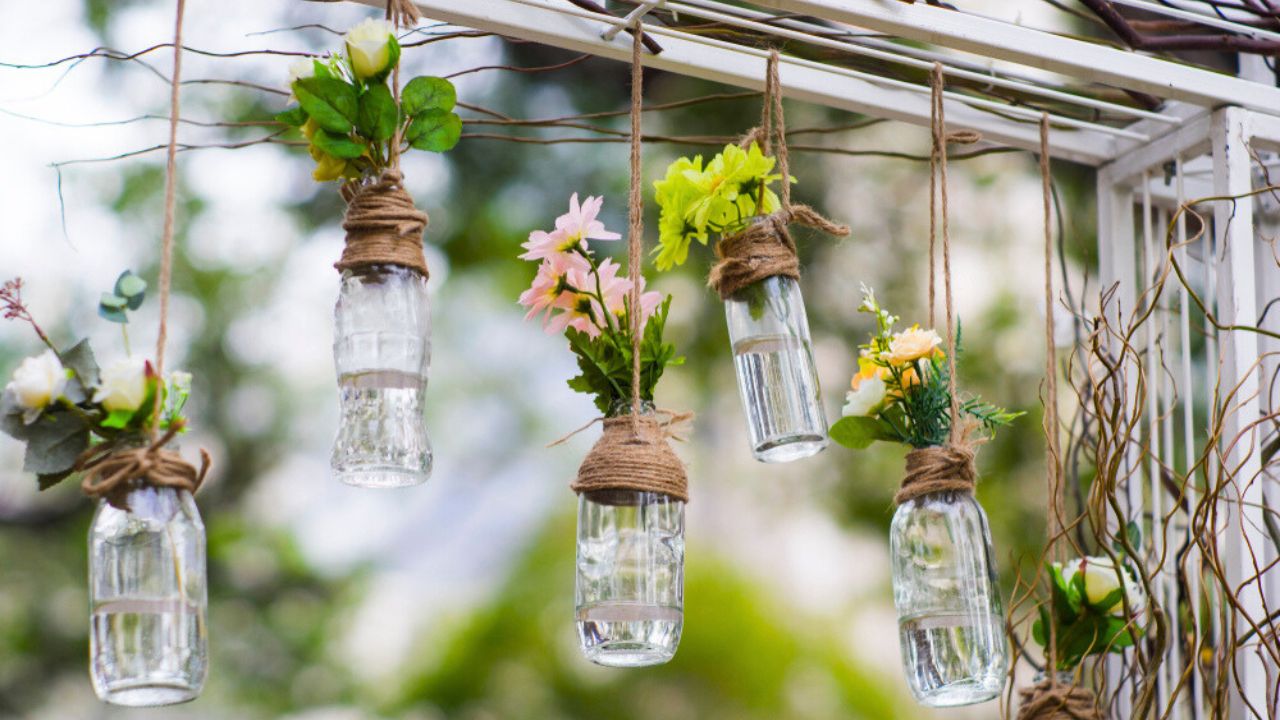
From holiday lights to unique sculptures, decorations visible from the street or a neighbor’s yard often need to meet HOA standards.
Why It’s a Rule
HOAs seek to maintain tasteful and cohesive decor in all visible areas.
What You Can Do
Consult your HOA for permitted decorations and guidelines.
16. Operating a Backyard Business
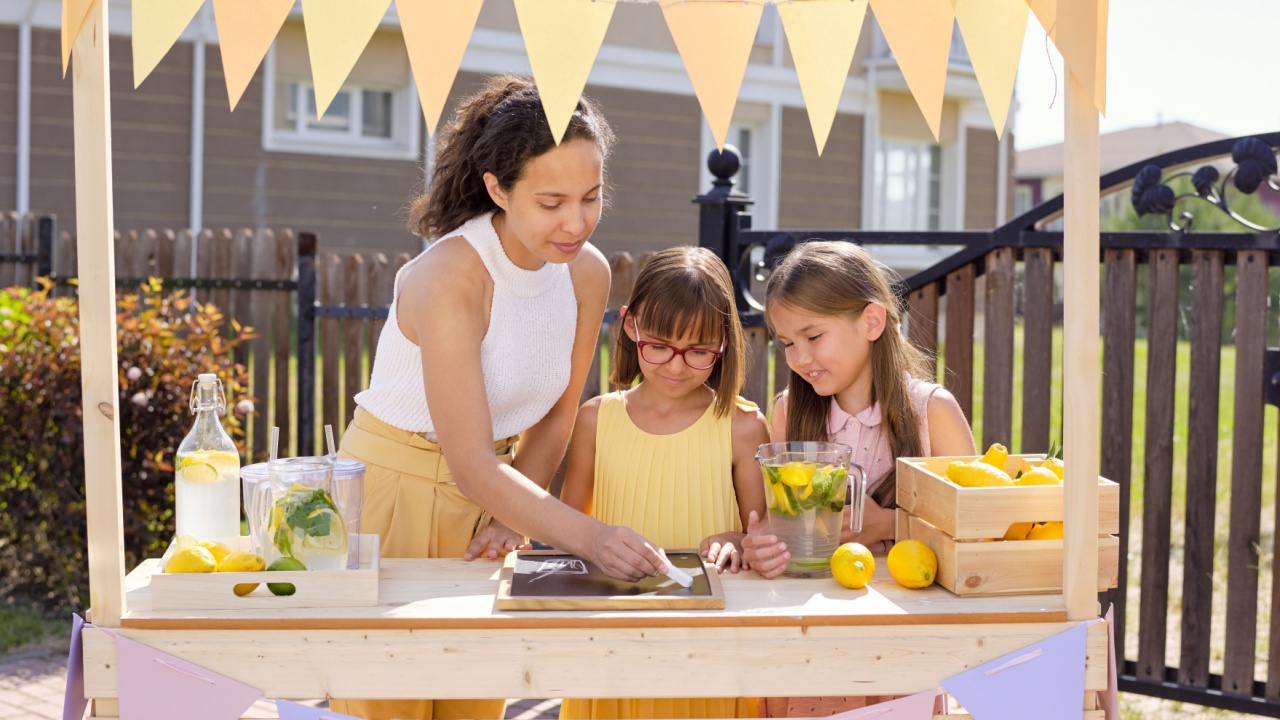
Whether it’s baking pies or hosting yoga classes, operating a business from your backyard might clash with HOA policies or zoning laws.
Why It’s a Rule
Backyard businesses can disrupt the community or cause unwanted traffic or noise.
What You Can Do
Acquire necessary permissions before running any business operations.
17. Leaving Trash or Clutter in View

Lawn furniture, unkempt toys, or leftover yard waste might fall under HOA scrutiny if deemed clutter.
Why It’s a Rule
Visible clutter can reduce property values and neighborhood appeal.
What You Can Do
Maintain a tidy backyard and use approved storage for unsightly items.
18. Using Fire Pits or Open Flames Without Approval
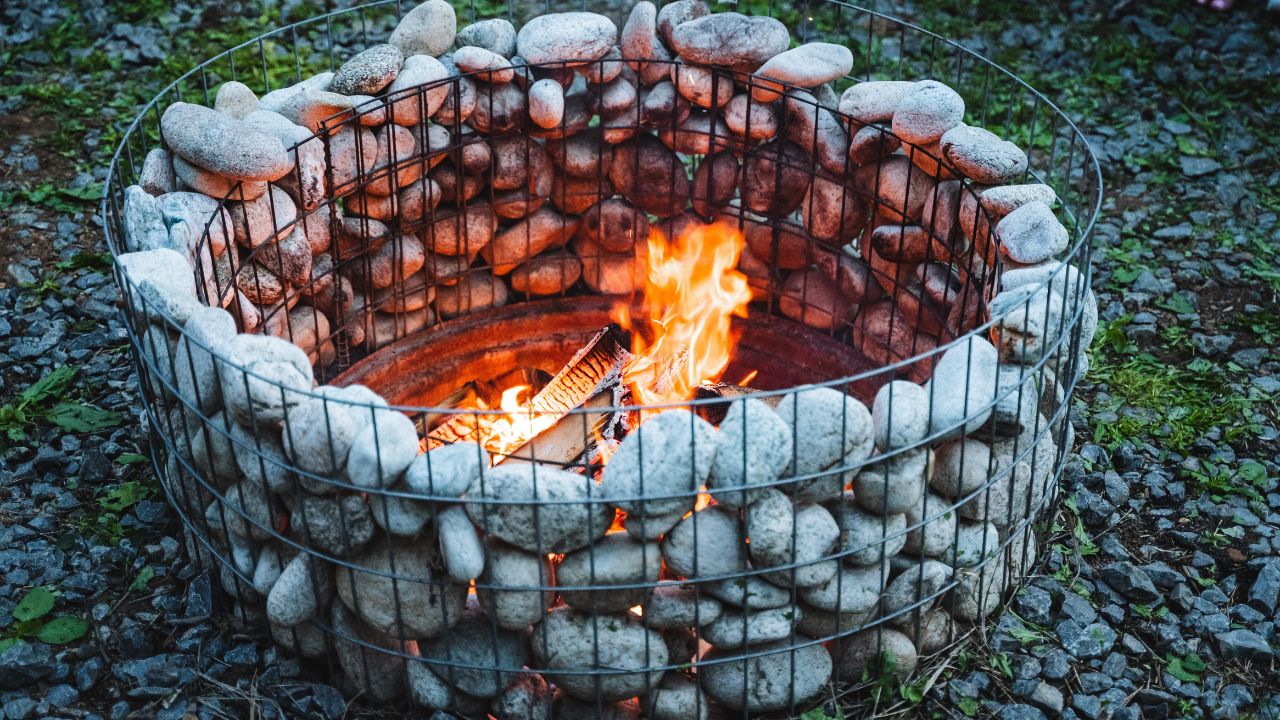
Many HOAs restrict fire pits, chimineas, or outdoor fireplaces due to safety concerns or local ordinances.
Why It’s a Rule
Open flames can pose fire hazards and create liability issues for the community.
What You Can Do
Before adding a fire feature, review HOA guidelines and secure any necessary permits.
19. Setting Up Swimming Pools or Hot Tubs Without Permission
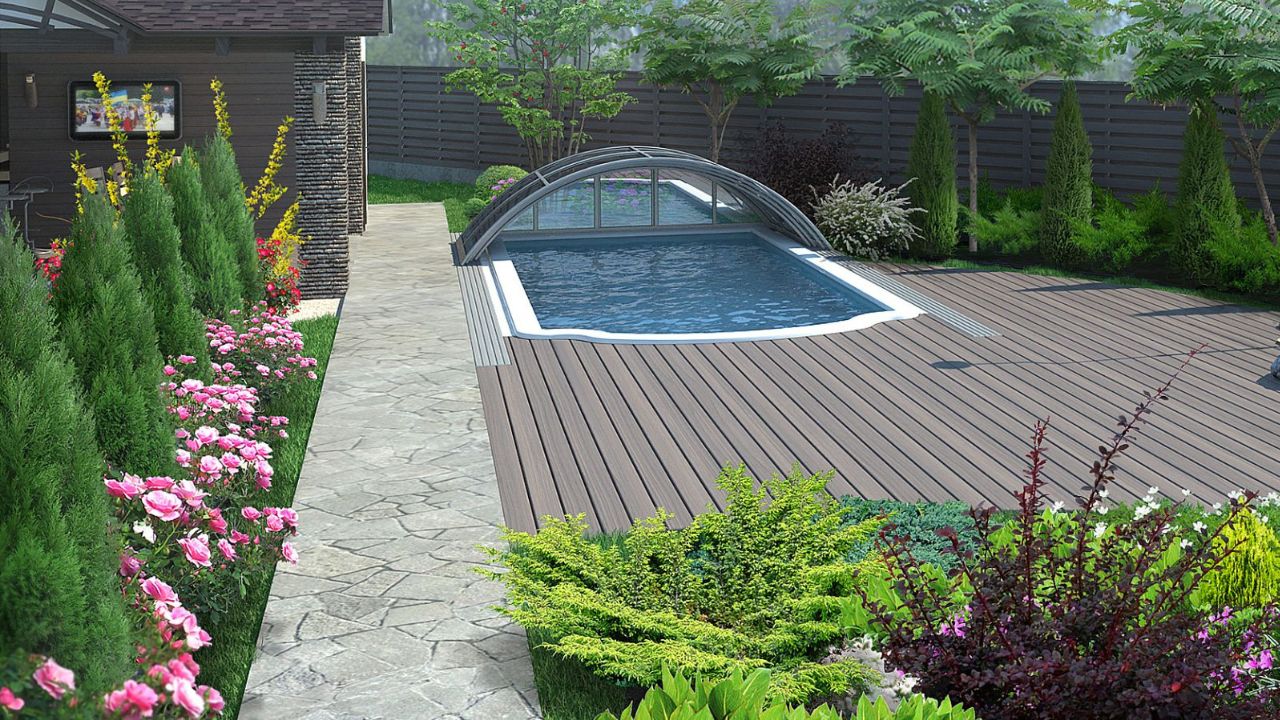
HOAs often regulate the installation of above-ground or in-ground pools and hot tubs to preserve the look and safety of the neighborhood.
Why It’s a Rule
Pools and hot tubs can affect drainage, safety, and the uniform appearance of backyards.
What You Can Do
Obtain HOA approval and follow all guidelines regarding the type, size, and placement of pools or hot tubs.
20. Growing Vegetable Gardens in Unapproved Areas

While growing your own food is rewarding, HOAs might have rules about where you can plant vegetable gardens or may require them to be out of view from the street.
Why It’s a Rule
Visible vegetable gardens may not align with the community’s desired appearance.
What You Can Do
Check HOA policies and plant gardens in approved locations, ensuring they are neatly maintained.
For Your Safety or a Pain?

Many of these restrictions exist to foster a harmonious neighborhood, but navigating them can be tricky. If you live in an HOA community, understand the governing documents and ask for clarification when needed. For rural or non-HOA homes, many of these rules won’t apply, giving you more flexibility to create the backyard of your dreams.