
These 12 Overpriced Restaurant Foods Are Better Made at Home
Have you seen a restaurant charge an extortionate price for something, and you could feel your wallet gasping in shock? We may sometimes notice when something is overcharged, but oftentimes, diners don’t know that some (or most) of the items they’re paying a premium for are worth much less.
Dining out can be a pleasant experience, but it often comes with unforeseen charges that can leave you questioning your choice to eat out in the first place. Budget-conscious diners and foodies often find themselves at the mercy of cunning marketing tactics that disguise everyday items as premium finds.
Chefs in an online chat uncovered some of the biggest restaurant swindles. The conversation revealed eye-opening insights into how restaurants have perfected the art of sneaking upcharges onto the bill for commonly requested items. After you read this, you’ll know which of the biggest restaurant ripoffs you should watch out for.
1. “Special” Sauces

Someone noted that the “special sauce” on the menu that you pay for is just a mixture of Sriracha and mayo, while opting for Sriracha and mayo separately is free. You could easily buy a whole bottle of Sriracha for the same price as a single serving of this special sauce.
Always ask your server what’s in the special sauce if you’re curious. You may find that you’re paying a premium for something you already have in your pantry at home.
2. House Wine

How well do you know your wine? House wine is often presented as an affordable option for diners looking to enjoy a glass with their meal. While it may seem like a good deal, house wine is frequently just cheap, bulk wine that is significantly marked up. Restaurants rely on the fact that patrons won’t recognize the brand or know its true market value.
Opting for a glass of house wine can be an easy way to overspend on a low-quality product. If you’re a wine enthusiast, it might be worth investing in a higher-quality bottle, even if it means paying a bit more upfront.
3.”Fresh Barbeque” Isn’t Fresh

Despite the smoke billowing from the grill in your view, the “fresh barbeque” you just ordered is anything but. In reality, many restaurants prepare their barbecue in bulk and reheat it throughout the week. This method allows them to serve barbeque quickly, but at the expense of the freshness that’s implied on the menu.
If you’re a barbeque aficionado, it might be worth asking how the meat is prepared and when it was cooked. Knowing these details can help you avoid paying a premium for what essentially amounts to leftovers.
4. Bowls vs. Cup-Sized Portions
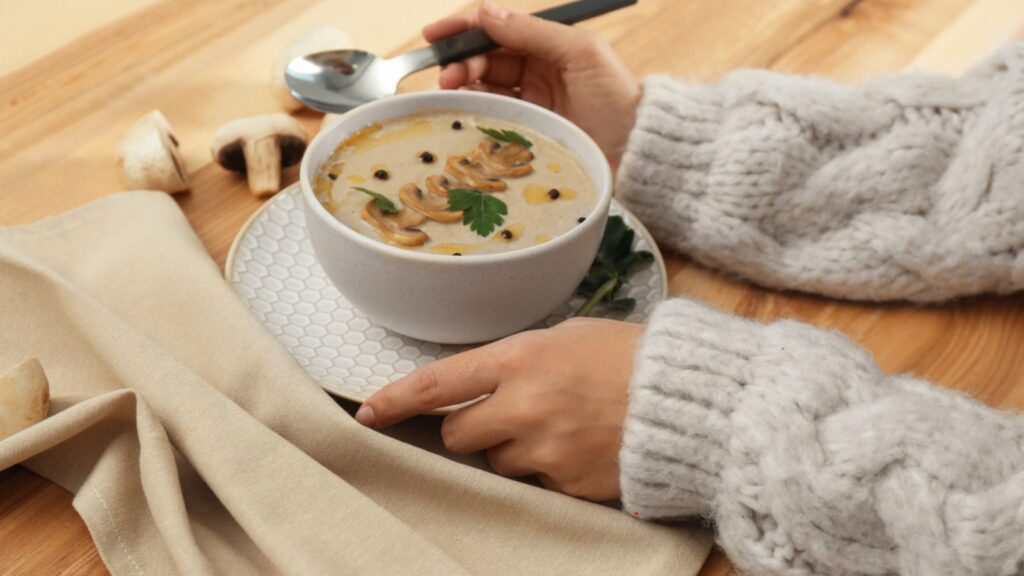
Ordering a bowl of soup might seem like a smart choice, but beware of the portion size traps. Often, the difference between a bowl and a cup-sized portion is minimal, yet the price difference can be significant. Restaurants count on you choosing the larger size without realizing you’re not getting much more for your money.
To avoid this ripoff, ask your server about the portion sizes of bowls versus cups. You might find that the smaller size is more than enough to satisfy your appetite, saving you a few dollars in the process.
5. Soda Prices

Soda is one of the most overpriced items you can order at a restaurant. A fountain soda that costs pennies to pour is often sold for several dollars, making it a major profit center for dining establishments. Even worse, some places charge for refills, further inflating the cost of this simple beverage.
Consider skipping the soda altogether or opting for water, which is usually free and just as refreshing. If you must have a soft drink, check if the restaurant offers free refills to get the most bang for your buck.
6. Overhyped Cheesecakes

Cheesecake is a dessert favorite, but it’s also one of the most overpriced items on many dessert menus. As it turns out, most cheesecakes sold at the restaurant are store-bought, yet restaurants often charge a lot for a single slice. Some restaurants will drip some chocolate or other sauce on it to make it look more appealing.
Before you order that tempting slice of cheesecake, consider whether it’s worth the cost. You might find it wiser to satisfy your dessert cravings at a bakery, where you can enjoy an entire cheesecake for nearly the same cost as a single slice at a restaurant.
7. Cake Pops

The cake pops you paid an arm and a leg for are often made from leftover cake scraps and frosting. While they may be cute and convenient, the cost per ounce is usually much higher than that of a regular slice of cake.
If you’re a dessert lover, weigh the price against the portion size. Sometimes, a full-sized slice of cake offers better value for your money.
8. Gourmet Coffee

The allure of a freshly brewed, gourmet coffee can be hard to resist, but it’s often shockingly overpriced. Many restaurants use the same or similar beans to what you could buy at a grocery store, yet they charge several times the retail price for a single cup.
Before indulging in that expensive cup of joe, consider whether the experience justifies the cost. You might discover that brewing your own coffee at home provides the same satisfaction at a fraction of the price.
9. “Hand-Cut” Fries
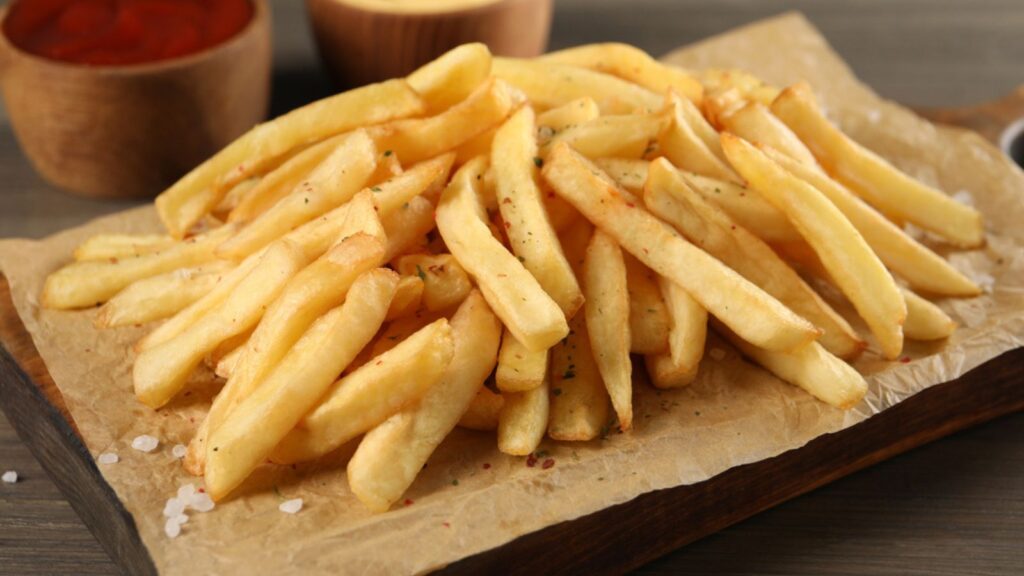
“Hand-cut” fries are often advertised as a premium side dish, but in reality, they’re not much different from regular fries. The term “hand-cut” is a marketing gimmick designed to make you think you’re getting a superior product. In truth, many of these fries are pre-cut and frozen, just like the cheaper alternatives.
When you see “hand-cut” on the menu, don’t assume it justifies a higher price. If you’re looking for truly fresh fries, ask the server about their preparation process.
10. “Homemade” Ingredients

Restaurants will often use this term to elevate the desirability of a dish, implying that it’s crafted with care in-house. However, many of these so-called homemade items are actually pre-made or are just basic ingredients anyone could prepare at home.
Question the authenticity of “homemade” claims, and you might save yourself from overpaying for nothing more than clever marketing.
11. Bottle Service

Bottle service in upscale restaurants or bars may seem like a luxury experience, but it’s usually a significant ripoff. The markup on these bottles can be astronomical compared to what you would pay for them at a liquor store. The added costs rarely reflect any special or unique offering beyond the presentation and a few mixers.
If you’re celebrating a special occasion, consider purchasing your own bottle and enjoying it in a more relaxed, personal setting. The savings could be substantial, allowing you to allocate your budget towards a more meaningful experience.
12. Automatic Gratuity

Tipping is a good culture meant to appreciate the service people for a job well done. However, some restaurants automatically include a gratuity or service charge on the bill for large groups, regardless of the quality of service received. While this may be convenient for the establishment, it eliminates your ability to leave a tip based on your personal experience.
If you feel that automatic gratuity is not justified, don’t be afraid to speak up and ask for it to be removed. You should always have the option to reward good service with a gratuity as you see fit.
Choose What Tastes Good or Cook at Home
If you don’t eat out and have a certain food you like to eat, then enjoy! And disregard this list altogether. But if you’re looking for ways to get the best deal and enjoy the best the restaurant has to offer without having to take out a small loan, then these tips can help.
Alternatively, you can save a lot of the hassle and cook at home. These days, my family finds that nothing compares to a warm homemade meal at home!