14 Plants That Always Die Too Fast (Indoor and Outdoors)
Some plants bring beauty to your garden or indoor home space, but they can be incredibly challenging to maintain due to their short lifespan or high maintenance needs.
Whether you’re a seasoned gardener or just starting, knowing which plants have short lifespans and how to care for them can save you frustration. Here’s a curated list of 14 plants that die quickly, along with tips to prolong their beauty.
You might ask, are short-lived plants even worth growing if they die so easily? That depends entirely on you!
1. Fiddle Leaf Fig (Ficus lyrata)

The Fiddle Leaf Fig is a popular choice for its tall, dramatic foliage that adds sophistication to any indoor space. However, this plant is notoriously finicky and prone to sudden death. Slight changes in humidity, temperature, or watering can stress the plant, causing it to drop its leaves.
Why It Dies Fast
Fiddle Leaf Figs are sensitive to environmental changes, such as being moved around or receiving inconsistent watering. Overwatering is a frequent cause of root rot, while underwatering leads to dehydration. Low humidity can also cause the leaves to brown and curl.
How to Prolong Its Life
- Place the plant in bright, indirect sunlight.
- Maintain consistent humidity levels by misting or using a humidifier.
- Follow a regular watering schedule, allowing the top inch of soil to dry out between waterings.
- Avoid frequently moving the plant from one spot to another.
2. Maidenhair Fern (Adiantum spp.)
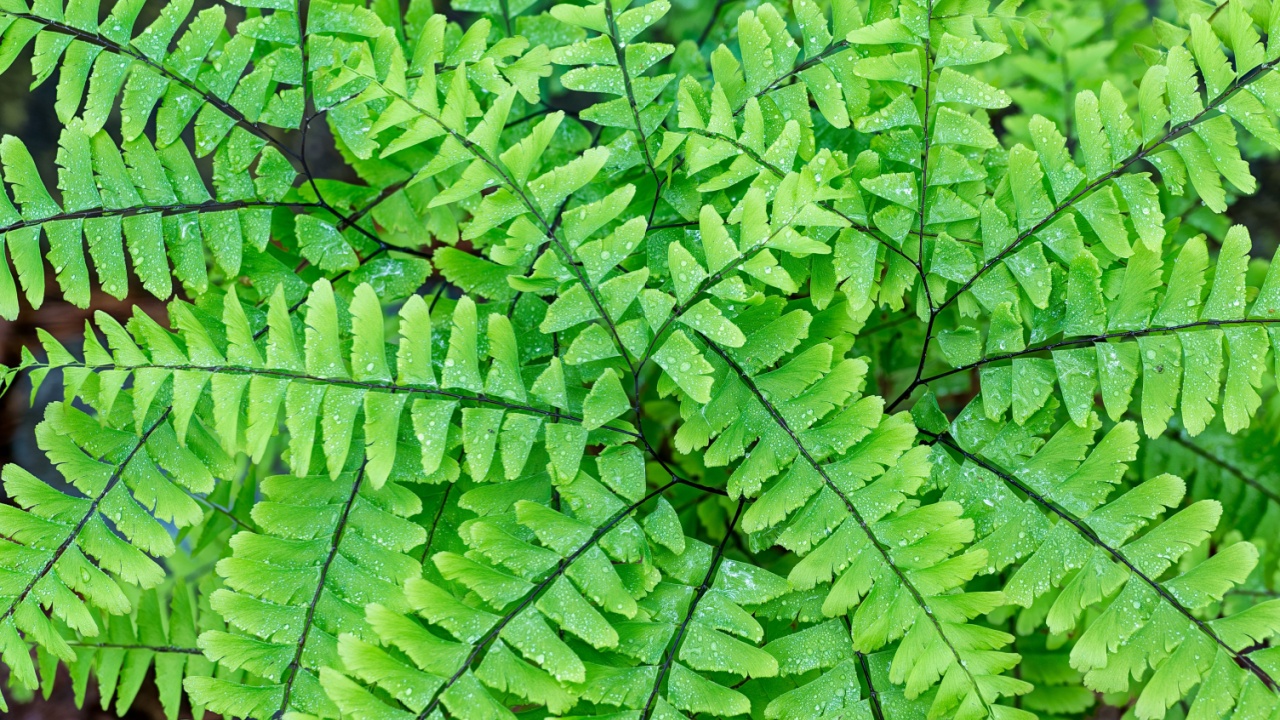
With its delicate, feathery fronds, the Maidenhair Fern is a captivating addition to any garden or home. Unfortunately, it is incredibly sensitive to its surroundings and can dry out quickly.
Why It Dies Fast
This fern thrives in high-humidity environments, mimicking its natural rainforest habitat. Dry air or inconsistent watering causes the fronds to crisp and die, often within days if conditions aren’t ideal.
How to Prolong Its Life
- Place the plant in a high-humidity area, such as a bathroom.
- Keep the soil consistently damp—but not soggy.
- Avoid direct sunlight, opting for shaded or dappled light.
- Use a pebble tray with water to increase the humidity around the plant.
3. Gardenia (Gardenia jasminoides)
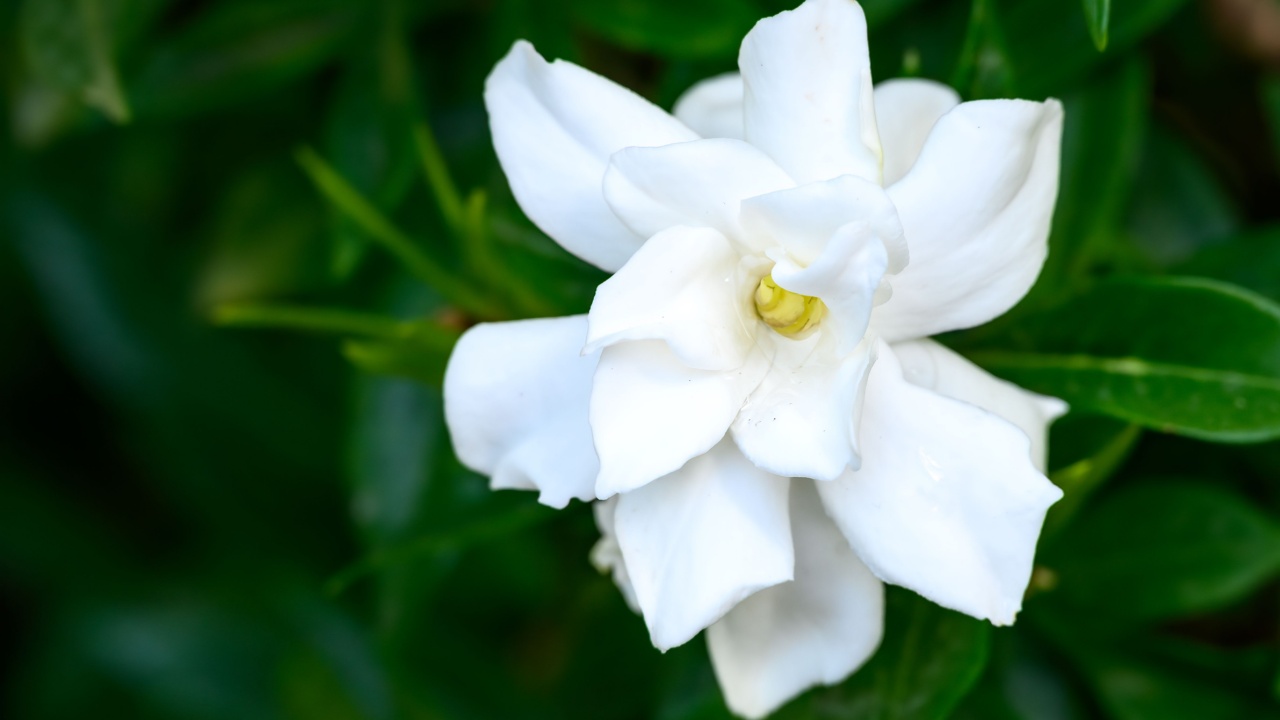
Known for its intoxicatingly fragrant blooms, the Gardenia adds elegance to any outdoor garden. However, it is notorious for being high-maintenance and short-lived in unfavorable conditions.
Why It Dies Fast
Gardenias require the perfect balance of sunlight, pH levels, and humidity. If these conditions aren’t met, the plant stops blooming and quickly deteriorates. It is especially sensitive to root rot and nutrient deficiencies.
How to Prolong Its Life
- Ensure the soil is acidic (pH of 5.0-6.0) and well-drained.
- Water deeply but infrequently to avoid soggy roots.
- Provide ample morning sunlight and afternoon shade.
- Fertilize regularly with a formula designed for acid-loving plants.
4. String of Pearls (Senecio rowleyanus)
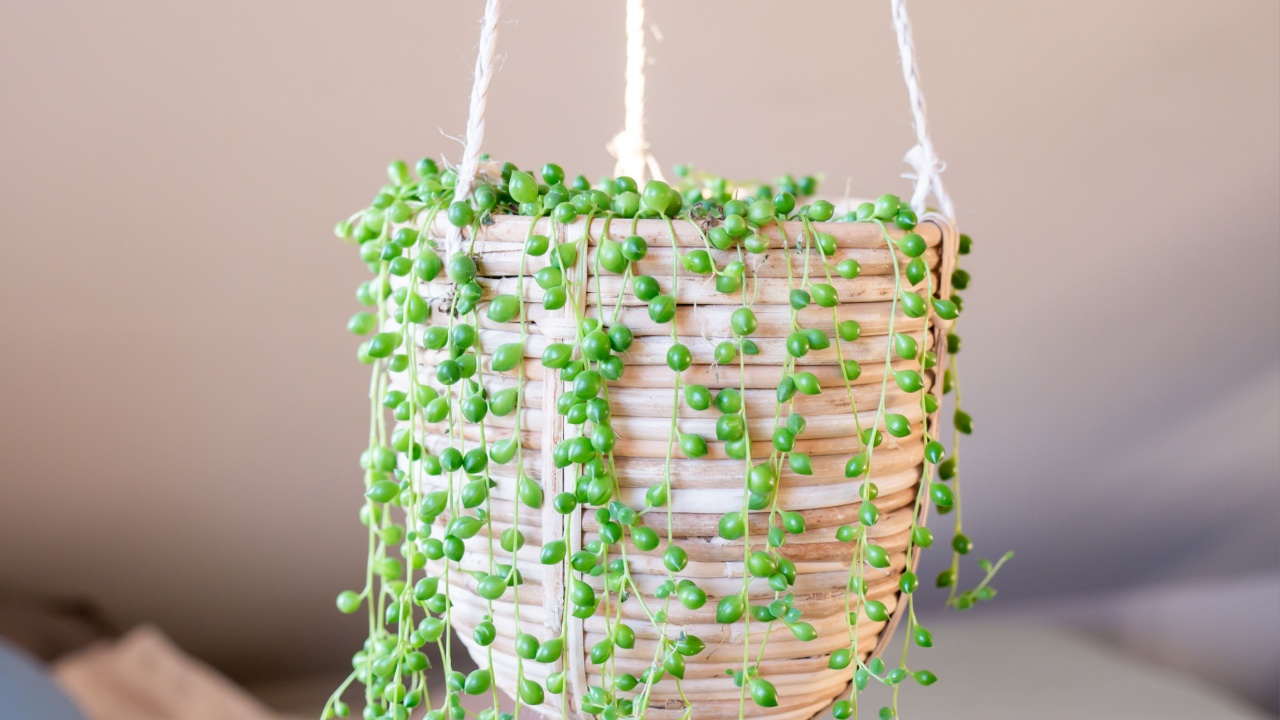
This dainty succulent is loved for its cascading pearl-like aesthetic. Despite its charm, the String of Pearls is highly delicate and requires careful care to survive.
Why It Dies Fast
The String of Pearls is intolerant of overwatering and can quickly succumb to root rot. Its small beads dry up rapidly if it doesn’t receive enough water.
How to Prolong Its Life
- Ensure it gets bright, indirect light.
- Water sparingly, allowing the soil to dry completely between waterings.
- Use well-draining cactus or succulent soil.
- Place it in a spot with good airflow to prevent fungal issues.
- Try other succulents that are lower maintenance
5. Orchids (Phalaenopsis spp.)
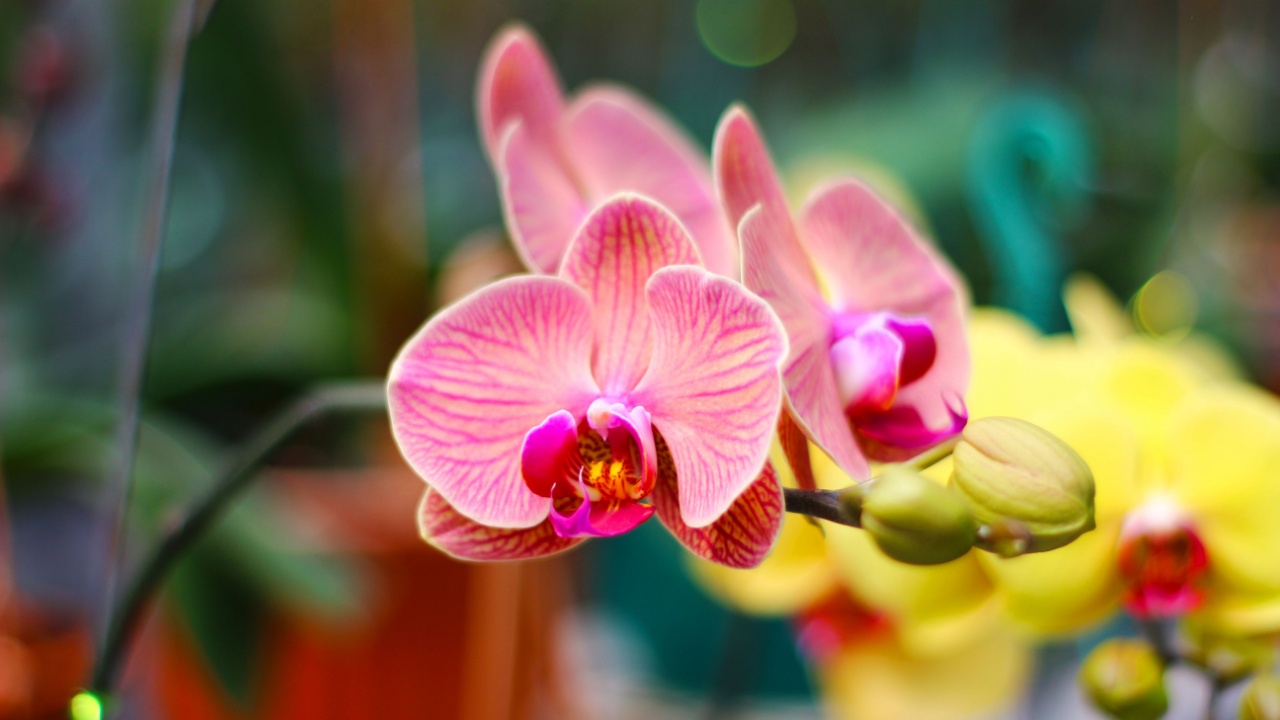
Orchids are prized for their exotic blooms, but they are equally notorious for being temperamental and difficult to keep alive once flowering ends.
Why It Dies Fast
Orchids are sensitive to both overwatering and underwatering. They also require specific temperature ranges and humidity levels that can be hard to maintain indoors.
How to Prolong Its Life
- Use a specialized orchid potting mix for good drainage.
- Water only when the roots appear silvery and dry.
- Avoid direct sunlight but ensure it has bright, indirect light.
- Mist regularly to maintain humidity levels of around 50-70%.
6. Calathea (Calathea spp.)
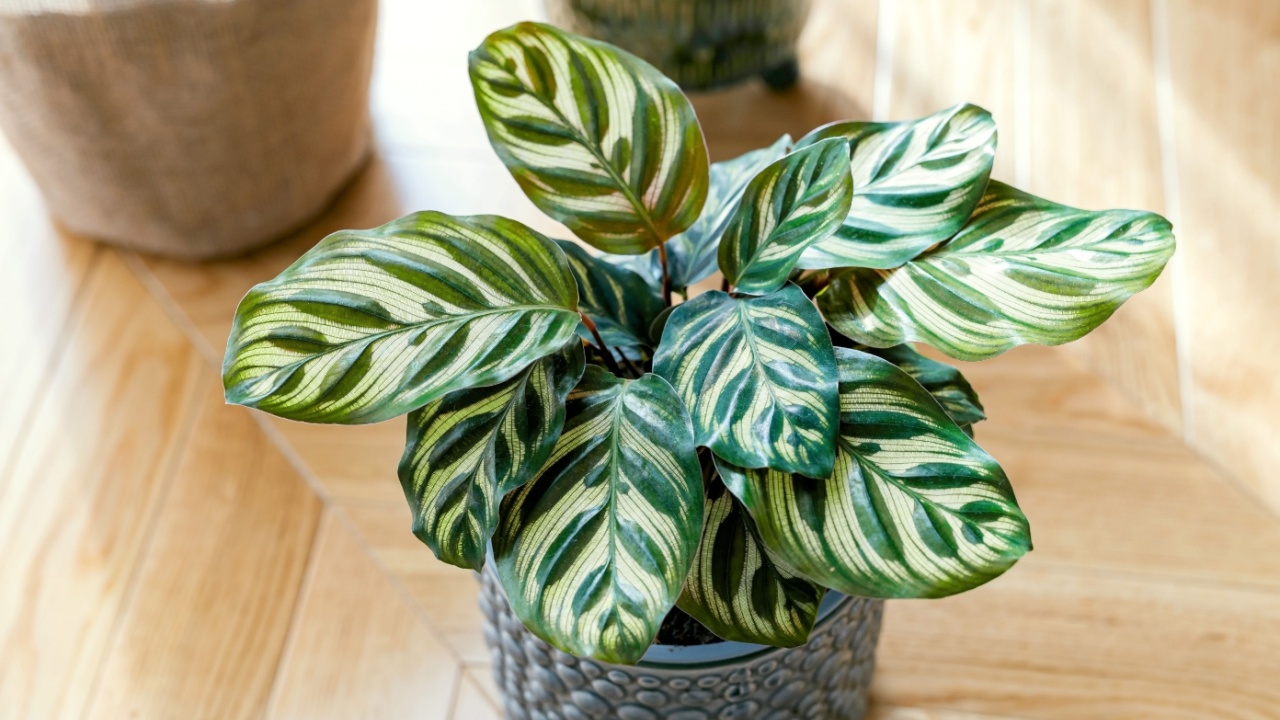
Also called the “Prayer Plant,” Calatheas are celebrated for their intricate patterns and striking leaf movements. However, they are prone to sudden wilting due to their high moisture needs.
Why It Dies Fast
Calatheas are sensitive to low humidity and temperature fluctuations. Dry air causes their leaves to curl and brown around the edges.
How to Prolong Its Life
- Keep the plant in a humid area or near a humidifier.
- Water with distilled water to prevent mineral build-up.
- Avoid placing it near air vents or drafts.
- Ensure the soil remains evenly moist but not waterlogged.
7. Basil (Ocimum basilicum)
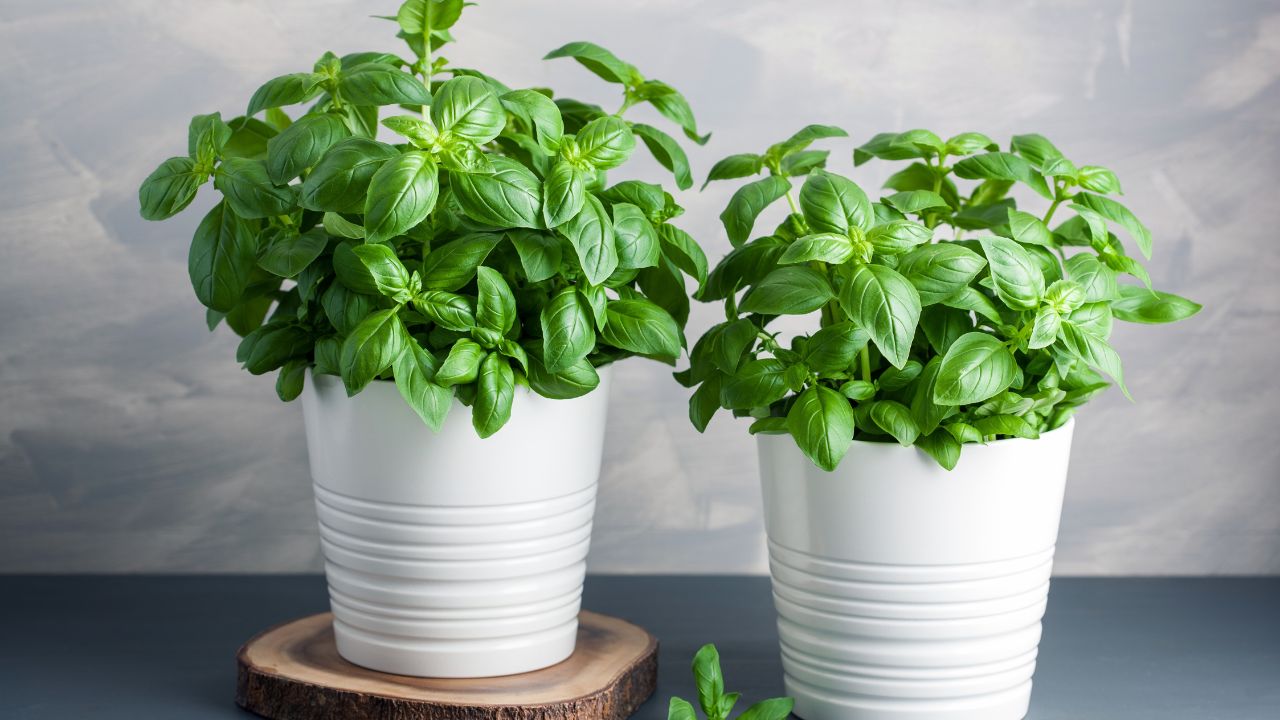
Basil is a favorite herb among home gardeners, but it often wilts and dies before you can fully enjoy its flavors.
Why It Dies Fast
Basil is highly susceptible to fungal diseases, aphids, and nutrient deficiencies. It also bolts quickly in high heat, diminishing its flavor and vigor.
How to Prolong Its Life
- Pinch back leaves frequently to delay bolting.
- Water at the base to avoid leaf fungal diseases.
- Provide consistent sunlight (6+ hours daily).
- Fertilize every 2-3 weeks for continuous growth.
8. Pansies (Viola × wittrockiana)

Pansies are cheerful, colorful flowers perfect for filling garden beds. However, their delicate nature means they’re often short-lived.
Why It Dies Fast
Pansies can’t tolerate the heat and tend to wither as soon as summer temperatures rise above 75°F.
How to Prolong Its Life
- Plant in early spring or fall for cooler weather.
- Provide consistent moisture, especially in well-draining soil.
- Deadhead regularly to encourage new blooms.
9. Lupines (Lupinus spp.)
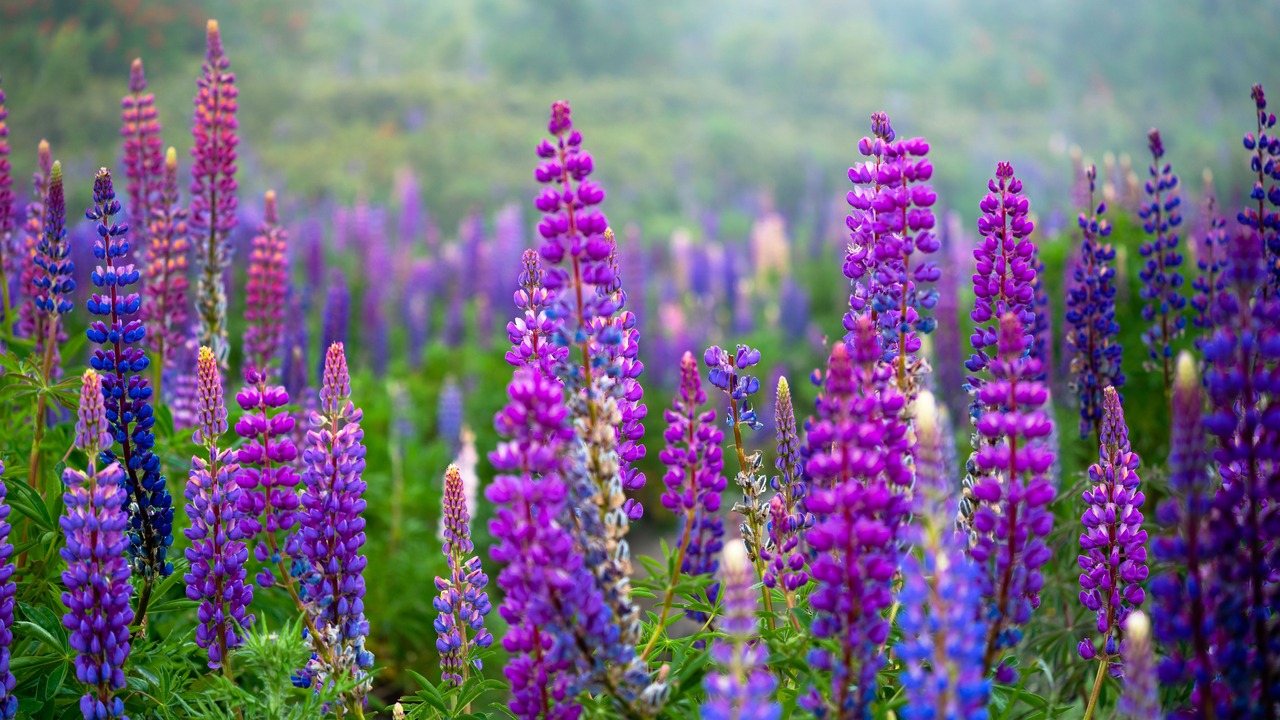
Known for their towering spikes of vibrant flowers, Lupines are a striking addition to any garden. Unfortunately, they have a short lifespan.
Why It Dies Fast
Lupines are very sensitive to poor soil conditions and excessive moisture, leading them to deteriorate quickly under stress.
How to Prolong Its Life
- Grow in well-draining soil with good airflow to prevent root rot.
- Provide full sun to partial shade.
- Cut back after flowering to promote new growth.
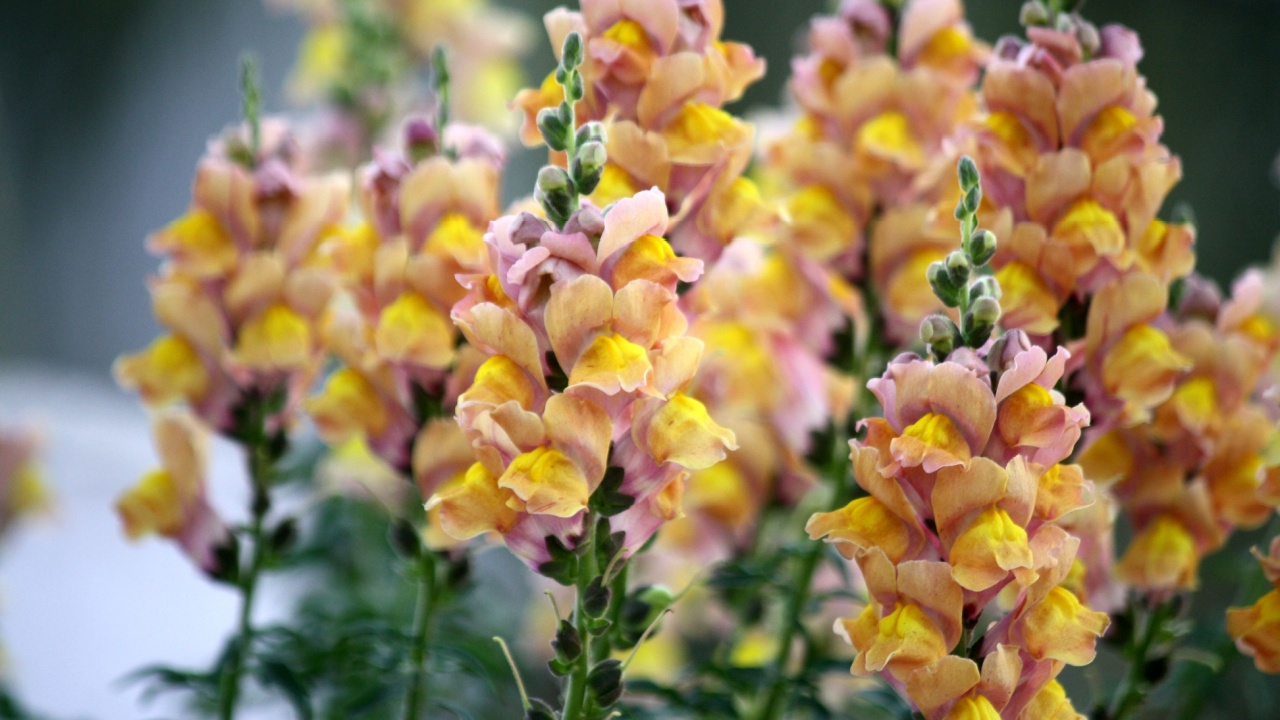
10. Snapdragons (Antirrhinum spp.)
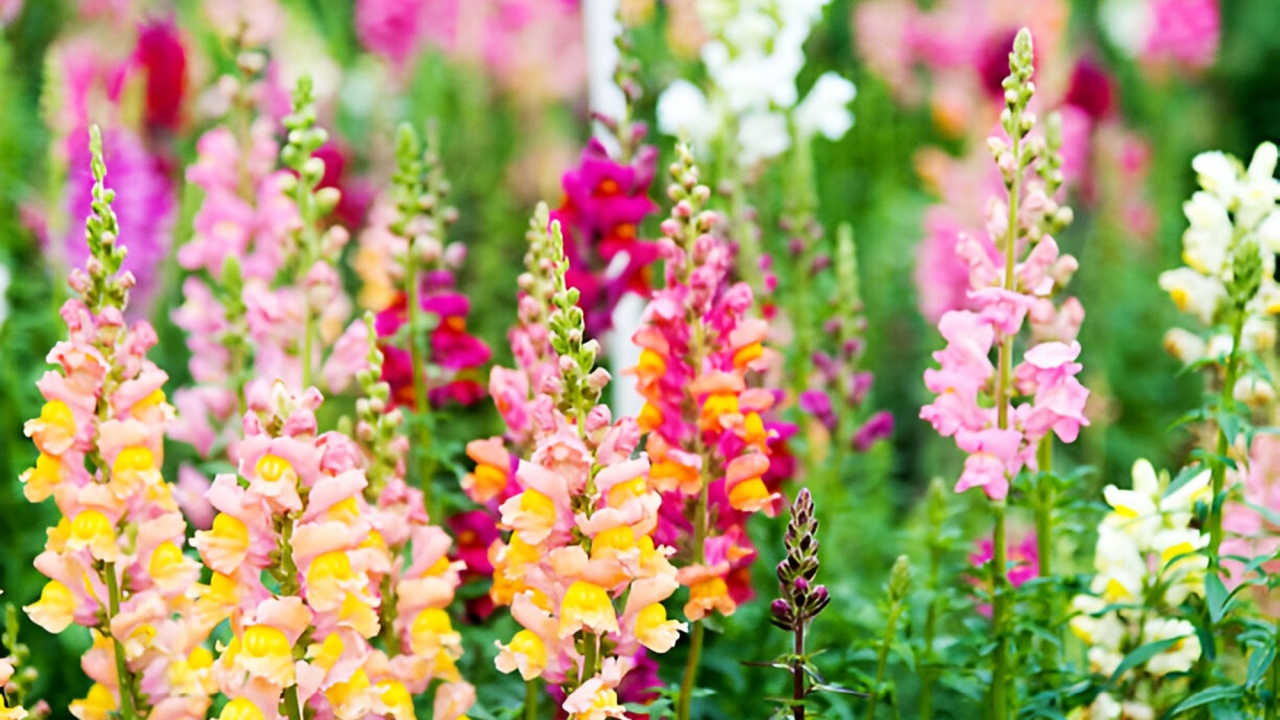
Snapdragons bring lively color to garden beds, but they are quick to fade when exposed to adverse weather.
Why It Dies Fast
These flowers thrive in cool weather and wilt quickly when temperatures rise or water conditions fluctuate.
How to Prolong Its Life
- Grow snapdragons in the cooler months of spring or fall.
- Provide rich, well-drained soil.
- Water at the base to prevent fungal problems.
11. French Marigolds (Tagetes patula)
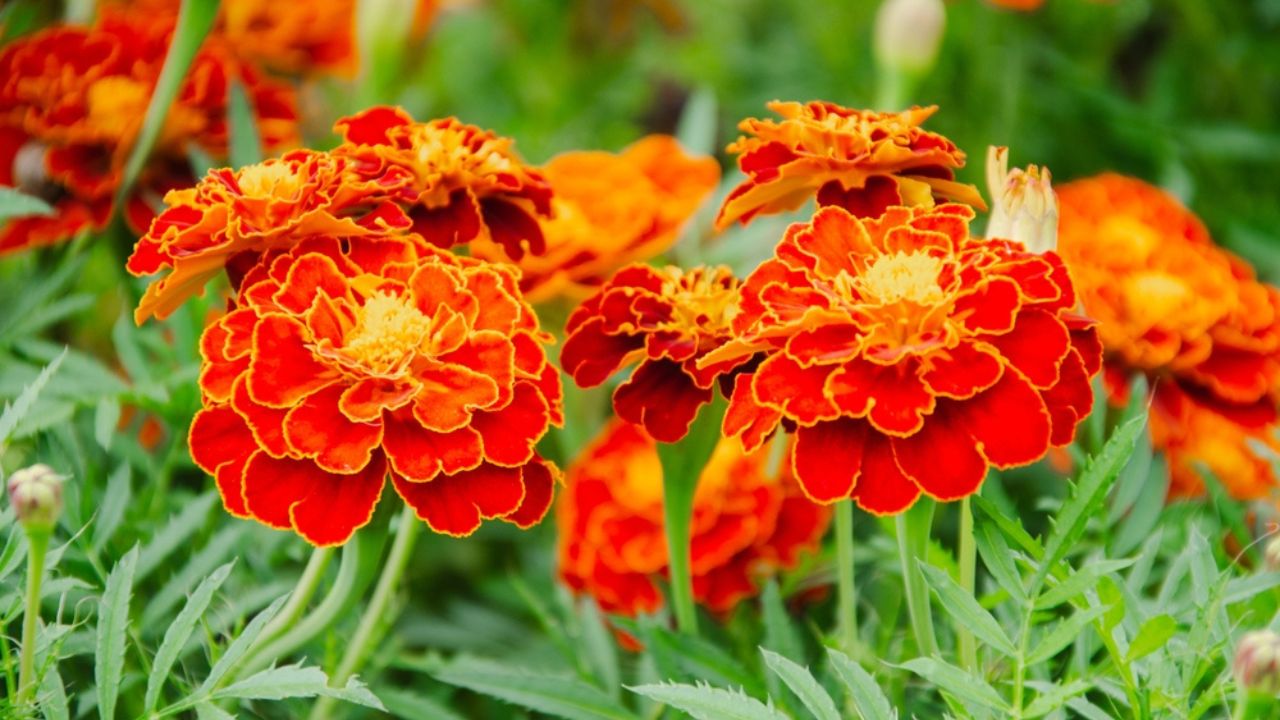
French Marigolds add a dash of gold to gardens but tend to wither when grown in poor soil or exposed to excessive rain.
Why It Dies Fast
These plants are highly sensitive to overwatering and water-retentive soil.
How to Prolong Its Life
- Plant marigolds in light, well-draining soil.
- Water only when the top 2 inches of soil feel dry.
- Deadhead regularly to prolong blooming.
12. Coral Bells (Heuchera spp.)
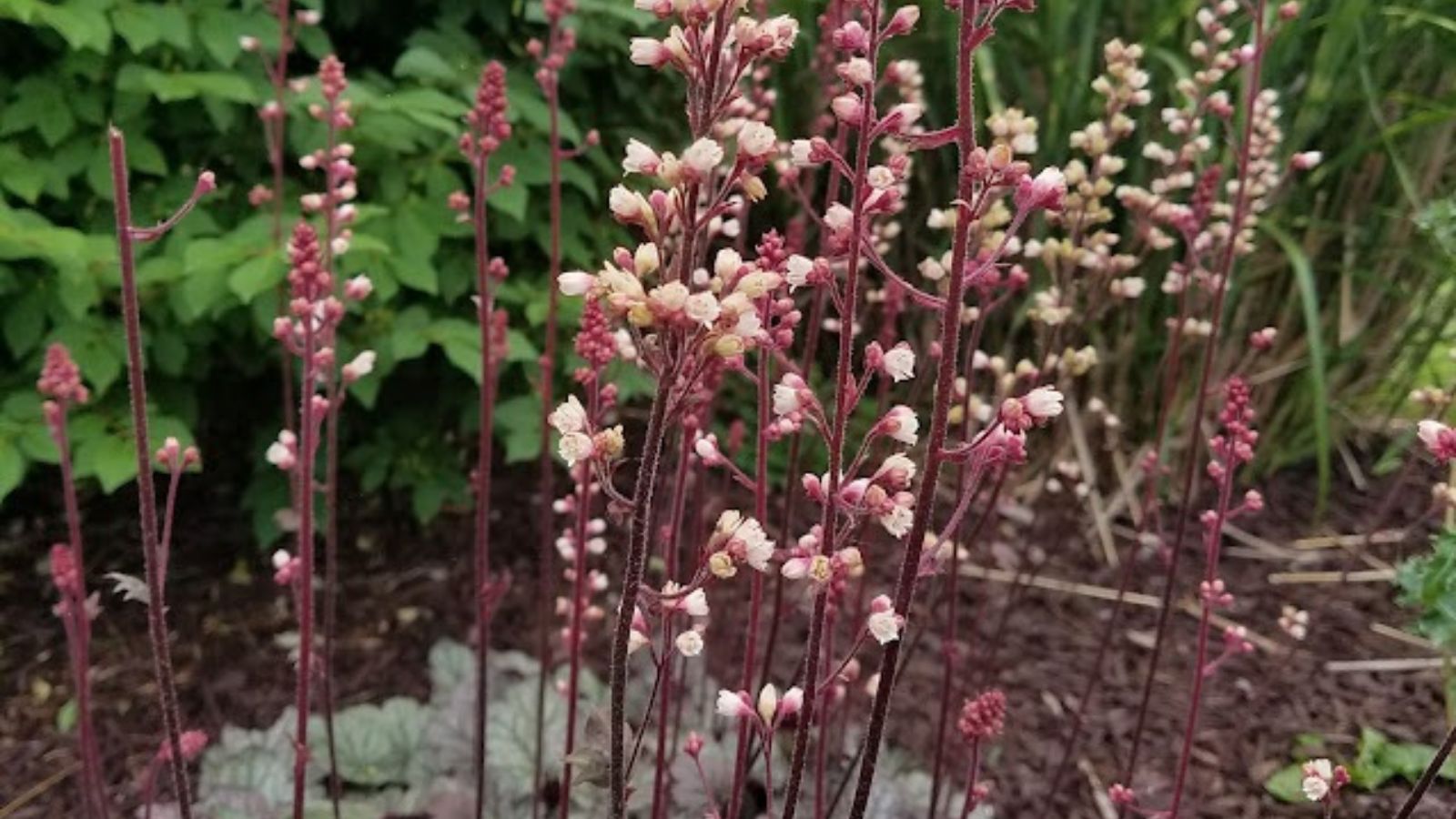
A common choice for shade gardens, Coral Bells stand out with their vibrant, leafy foliage. However, they are among the shorter-lived perennials.
Why It Dies Fast
Coral Bells have shallow root systems that can dry out quickly or succumb to temperature stress.
How to Prolong Its Life
- Ensure consistently moist soil without waterlogging.
- Use mulch to retain moisture and regulate temperature.
- Divide every 3-4 years to maintain plant vigor.
13. Petunias (Petunia spp.)
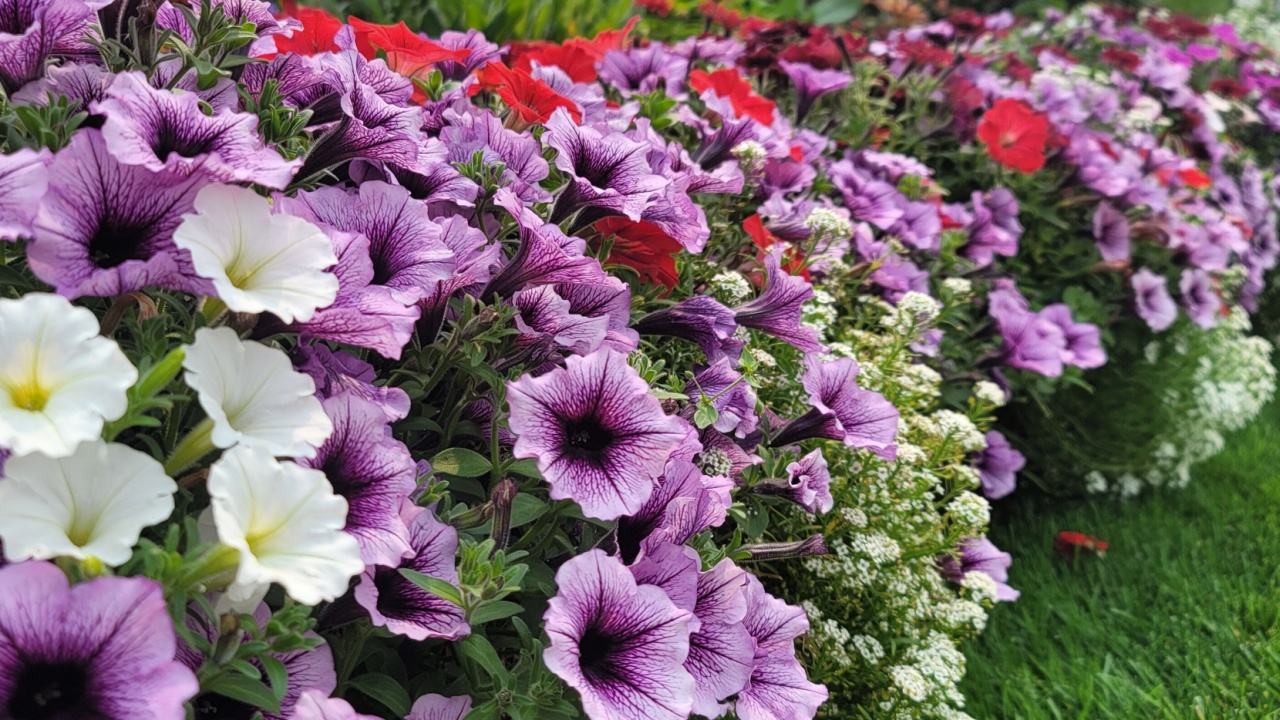
Petunias are charming annual flowers that bloom profusely but fade almost as quickly in harsh summer climates.
Why It Dies Fast
Their blooms are sensitive to heat and need regular pruning to stay vibrant.
How to Prolong Its Life
- Provide consistent moisture without overwatering.
- Grow petunias in partial shade in warm climates.
- Regularly remove spent blooms to encourage more flowers.
14. Sunflowers (Helianthus annuus)
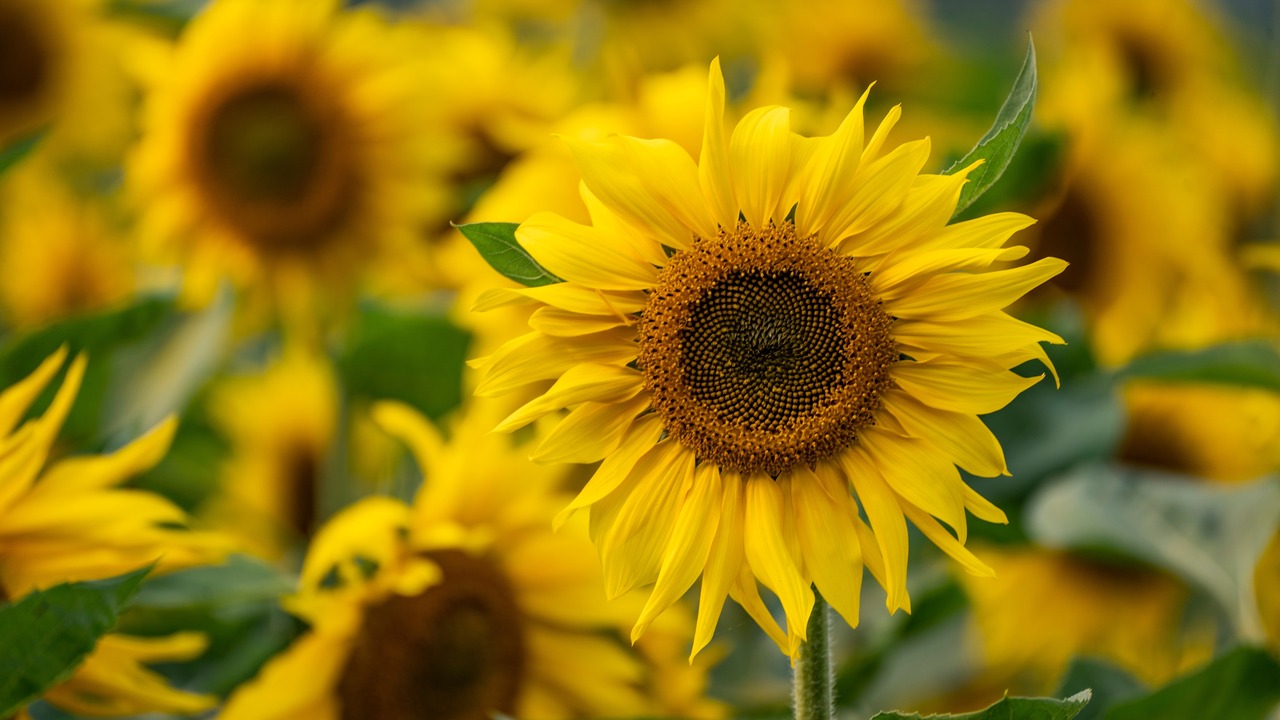
Known for their cheerful, towering heads, annual sunflowers are quick to grow—but also quick to fade after a single blooming cycle.
Why It Dies Fast
Once they bloom and set seeds, the plants naturally die, completing their lifecycle. Although, these plants arguably look great dried as well!
How to Prolong Its Life

There are a few tricks to avoiding dead spots in your home or garden. Try these:
- Plant seeds successively every two weeks for continual blooms.
- Support the tall stems to prevent breaking in windy conditions.
- Harvest seeds before they fully dry out to preserve their quality.
By understanding the needs of these fragile yet popular plants, you can take steps to prolong their beauty and maximize their contribution to your garden’s vibrancy.