12 Plants to Never Place Near Your Roses
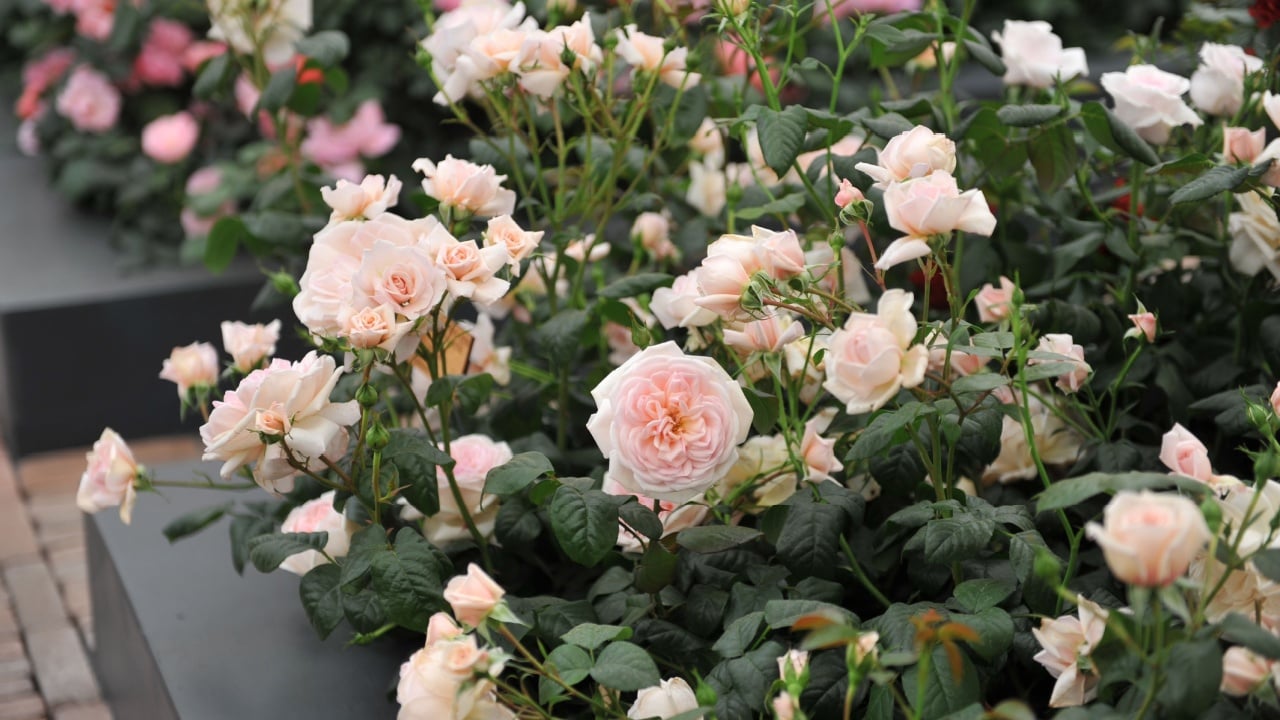
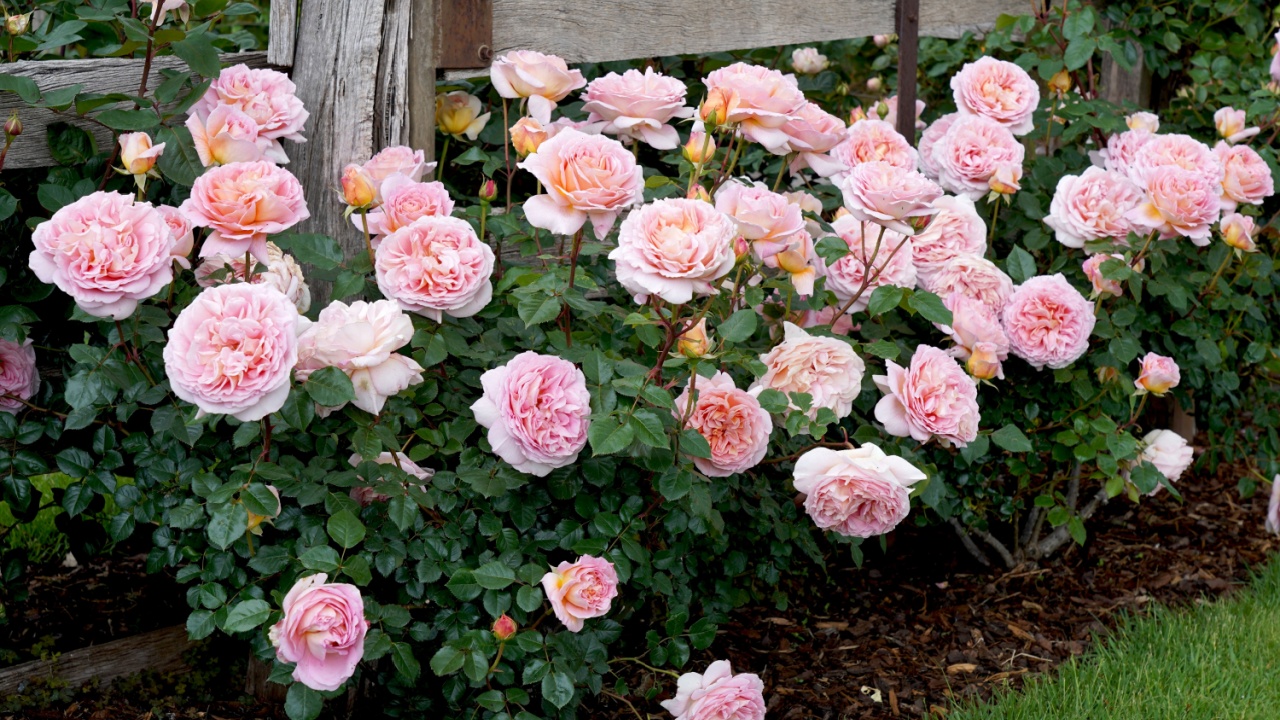
Roses are the undisputed stars of the garden, offering stunning blooms, intoxicating fragrances, and undeniable elegance. But these beauties are a bit particular about companionship. The wrong neighbors can lead to stunted growth, competition for nutrients, and increased susceptibility to diseases.
This guide takes a deep dive into plants you should avoid planting near roses, explains why these pairings can be disastrous, and offers expert tips for maintaining a thriving rose garden. We’ll also explore how to choose the best companion plants, common mistakes gardeners make, and ways to create a rose bed that’s healthy and vibrant.
By the end, you’ll be equipped with all the insights you need to create a harmonious and beautiful garden where your roses can truly shine.
Why Certain Plants Don’t Work Well with Roses
f
Plants thrive when their neighbors create complementary environments. However, roses are nutrient-intensive plants and prone to certain pests and diseases. This makes strategic pairing a must. Here are the most common reasons certain plants are unsuitable near roses:
- Nutrient Competition: Roses require nutrient-rich soil. Plants with similarly high demands deplete the same resources, leading to weaker growth.
- Moisture Imbalance: Overly thirsty neighbors or plants that retain too much moisture can create waterlogging or deprivation issues.
- Pest and Disease Magnets: Plants prone to fungal infections, mold, or pests can spread problems directly to roses.
- Root and Space Conflicts: Aggressive plants with spreading root systems choke roses, depriving them of essential space and airflow.
Understanding these dynamics helps gardeners make better planting decisions for healthy blooms and thriving gardens. Aside from this list of what to avoid, you can also learn what plants will help your roses thrive.
12 Plants to Avoid Planting Near Roses- 1. Hollyhocks
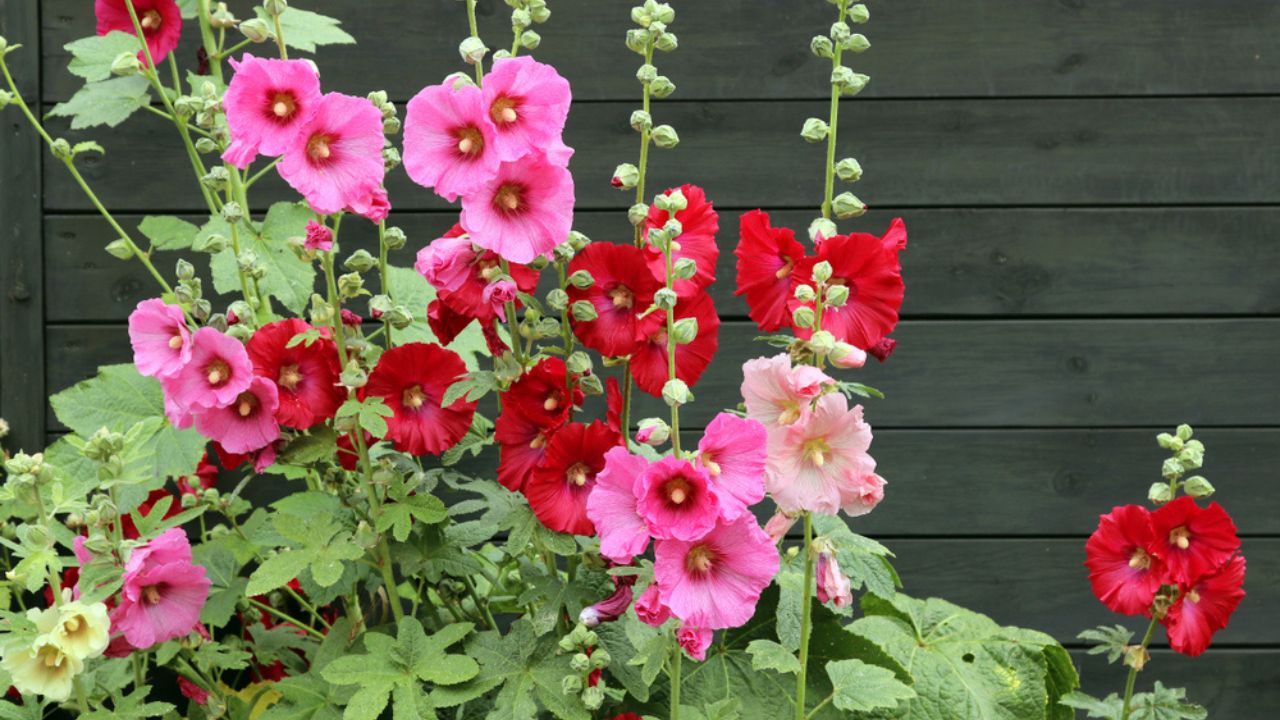
While hollyhocks add charm to a garden space, they also attract rust, a fungal disease your roses might easily catch. Both plants are susceptible, doubling the chances of infection. To avoid this, plant hollyhocks further away in a separate bed where they can flourish without impacting your roses.
2. Morning Glory

Morning glory vines are vigorous climbers that can outcompete roses for sunlight, water, and nutrients. Their rapid growth can smother rose bushes, leading to reduced flowering and weaker plants. If you love their vibrant blooms, keep them confined to trellises far from your rose garden.
3. Lilacs

Lilacs have large, woody root systems that can consume vast amounts of soil nutrients and water, depriving roses of vital resources. Additionally, lilac shrubs are prone to powdery mildew, a disease that easily spreads to roses if grown nearby. Give both plants room to thrive by planting them in distinct areas of your yard.
4. Creeping Jenny

Creeping Jenny may seem like a convenient ground cover, but its dense mats trap moisture around the soil. This creates an ideal breeding ground for rose diseases like black spot and powdery mildew. Use mulch or well-spaced, low-maintenance ground covers like lavender or thyme instead.
5. Mint
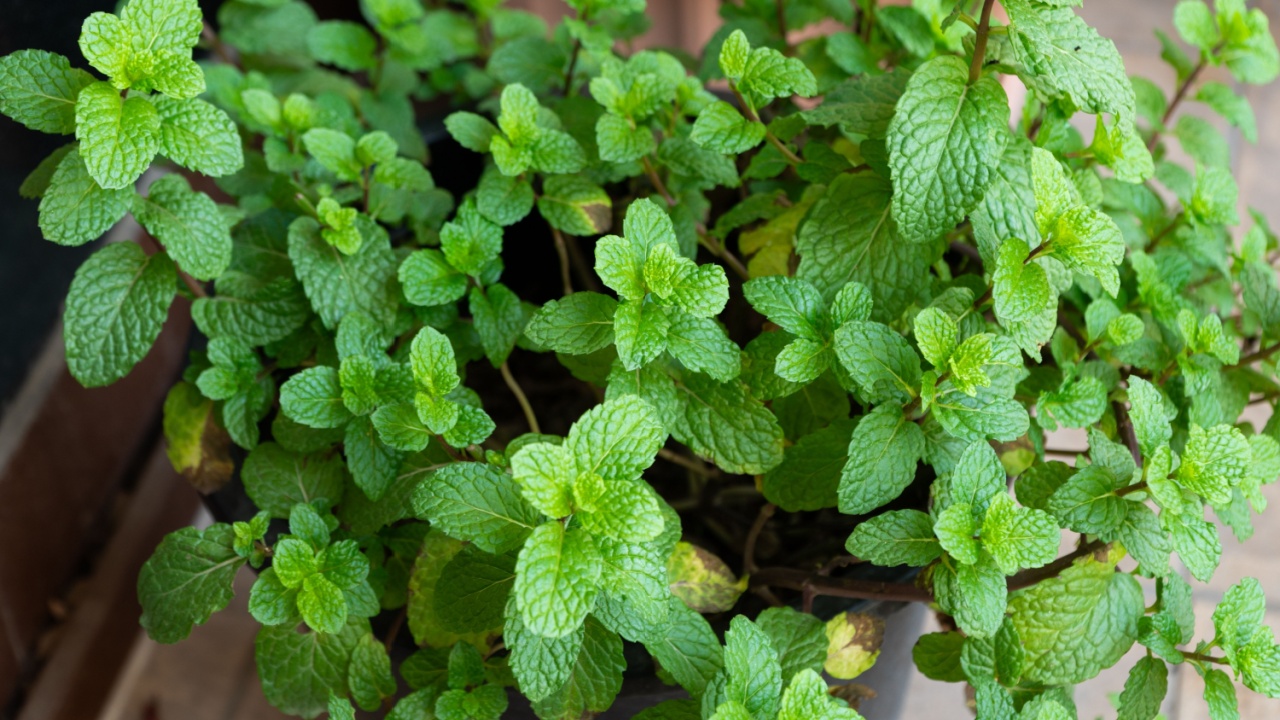
Mint is an aggressive spreader that can quickly overrun your rose beds. It competes for water and space while blocking airflow, which increases disease risk. If you want mint in your garden, plant it in containers to keep its wandering tendencies under control.
6. Hydrangeas
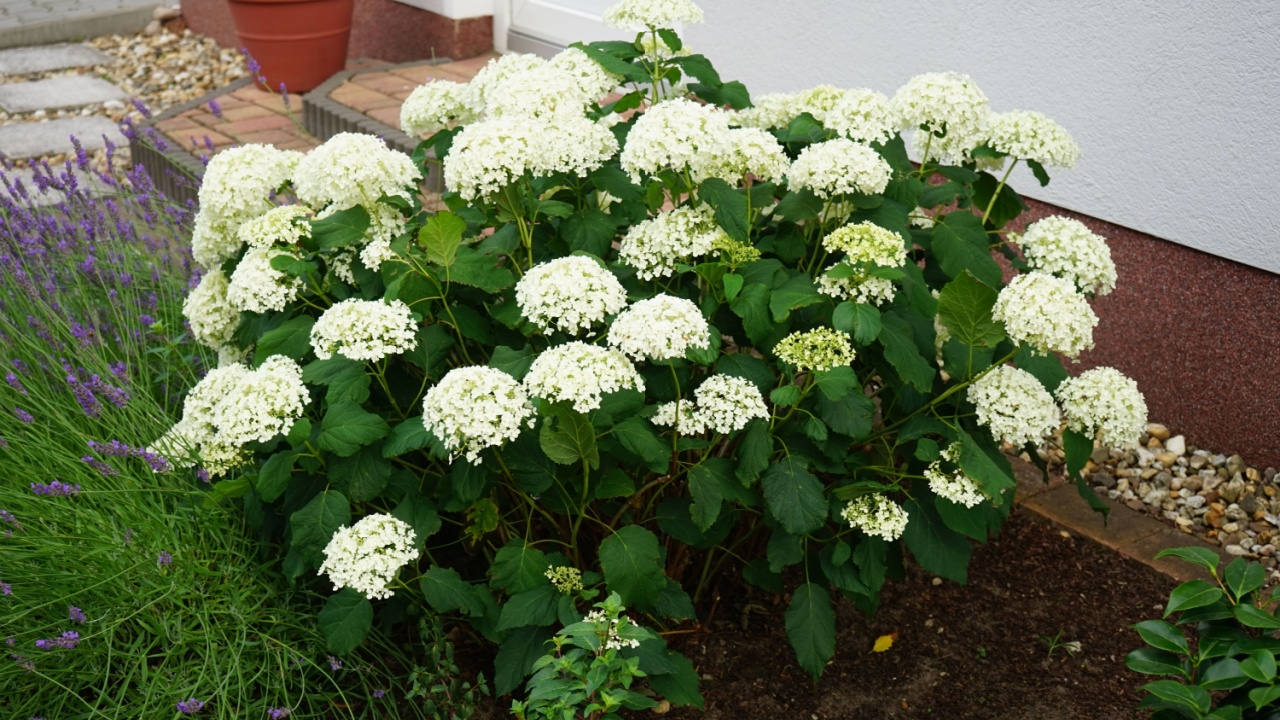
Hydrangeas thrive in moist soil, which is a problem for roses that prefer drier feet. Their water-retaining nature can encourage fungal issues in roses, leading to stunted blooms. Consider placing hydrangeas in a separate area where they can maintain their ideal moisture level without harming nearby roses.
7. Snapdragons
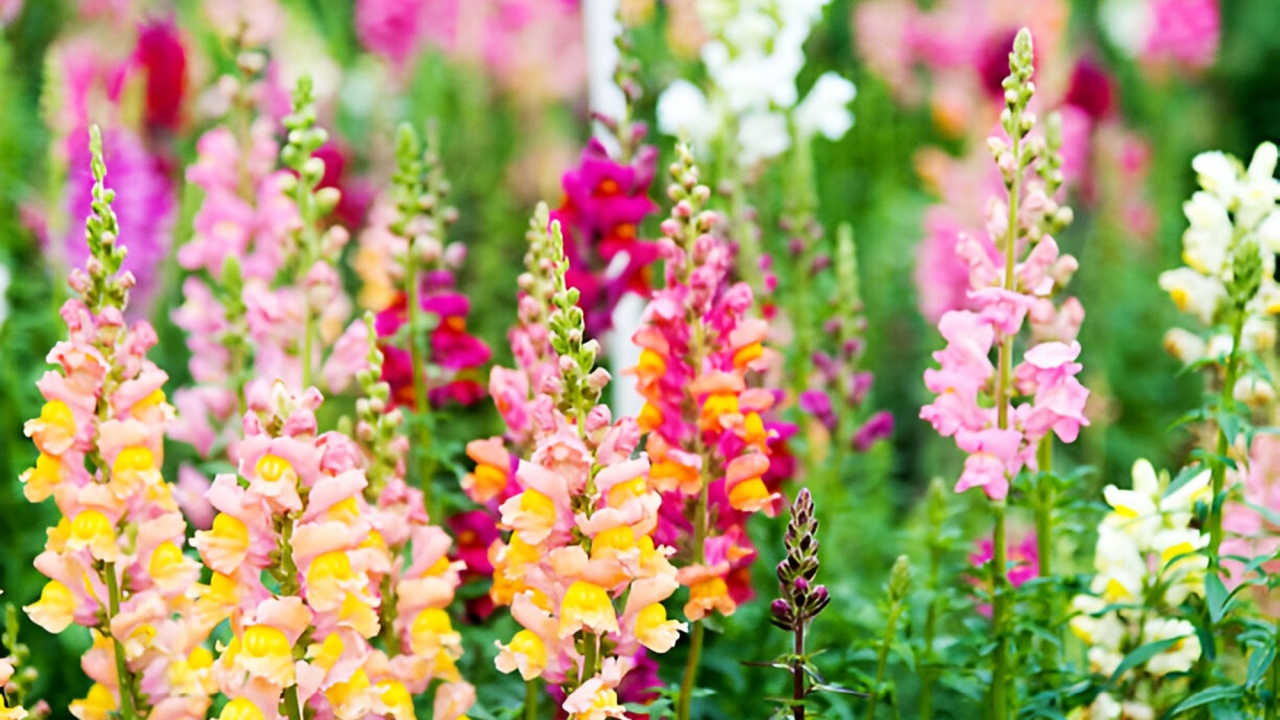
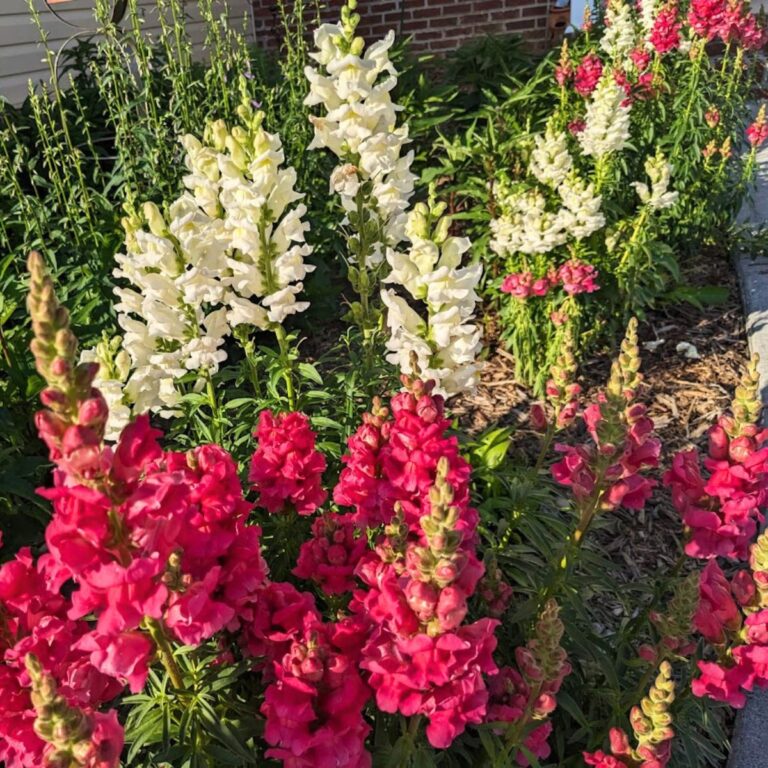
Snapdragons are susceptible to both rust and powdery mildew, making them risky neighbors for roses. The proximity of these flowers increases the likelihood of fungal infections spreading. For better results, grow annuals like marigolds or petunias as companions instead.
8. Black Walnut Trees
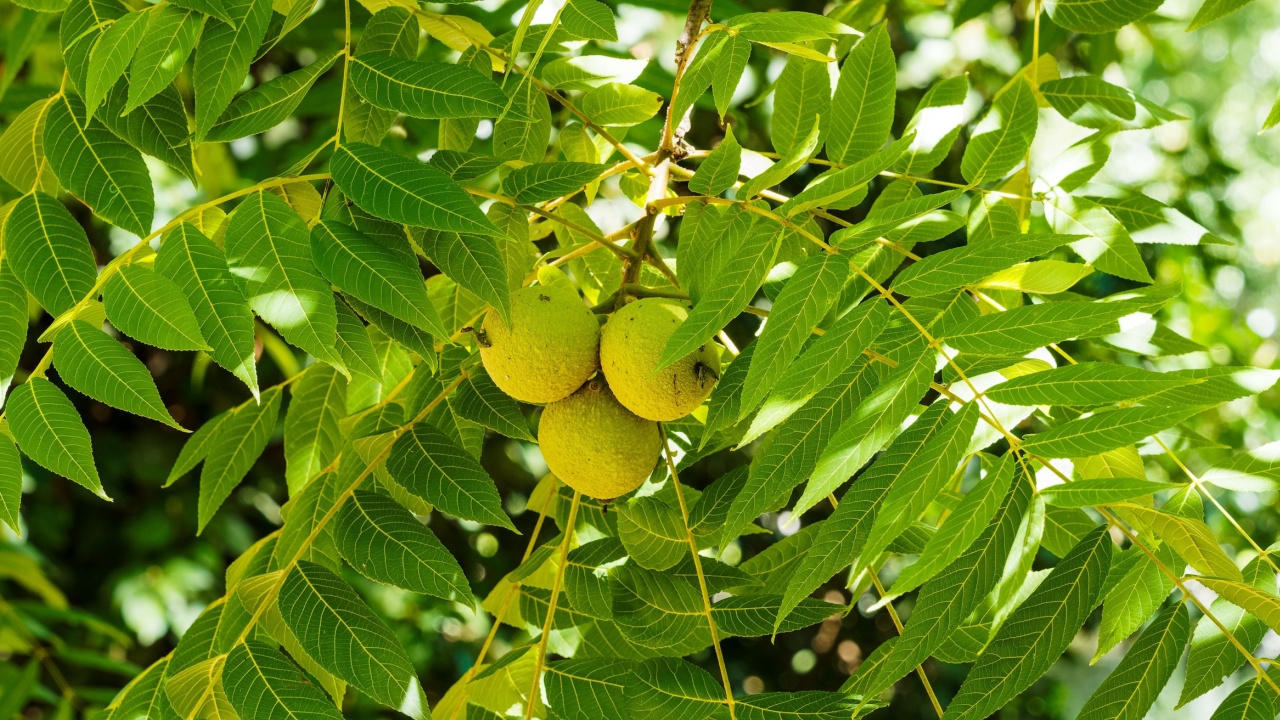
Black walnut trees produce juglone, a chemical toxic to many plants, including roses. This substance can poison the soil within several feet of the tree, stunting growth or killing nearby roses altogether. Avoid planting roses under or near walnut trees at all costs.
9. Fennel
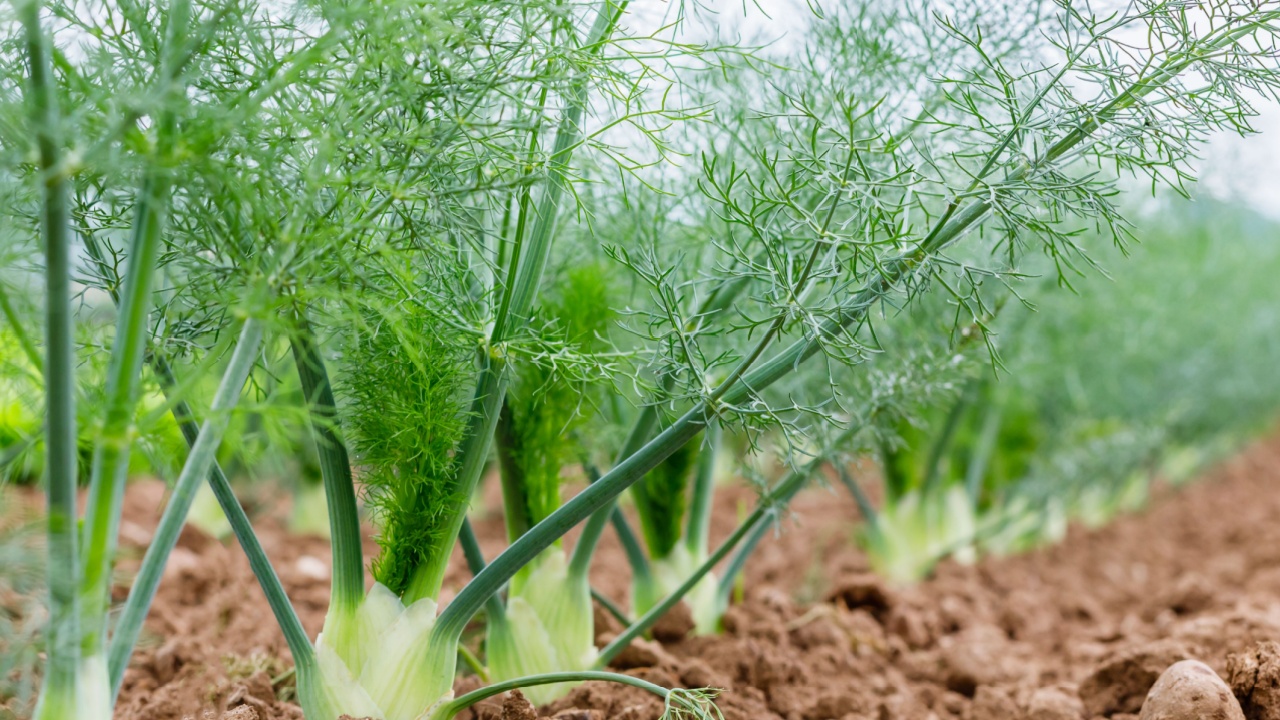
Fennel secretes allelopathic chemicals that inhibit the growth of nearby plants, roses included. These chemicals can interfere with rose roots, preventing healthy development. Keep fennel isolated in its own dedicated space in your garden.
10. Bamboo
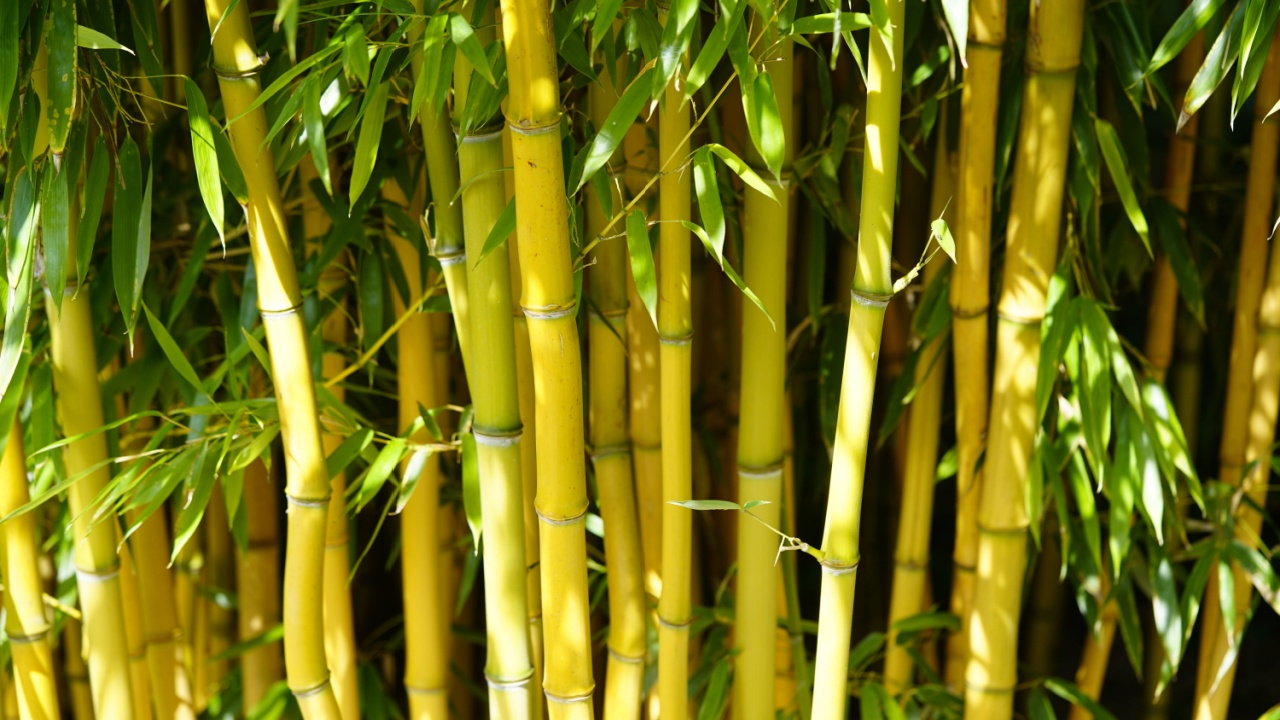
Bamboo may provide a bold architectural statement, but its invasive roots can overtake your rose garden, stealing nutrients and water. Its tall, dense growth also limits sunlight. For decorative hedges near roses, consider more manageable plants like boxwood.
11. Leopard’s Bane
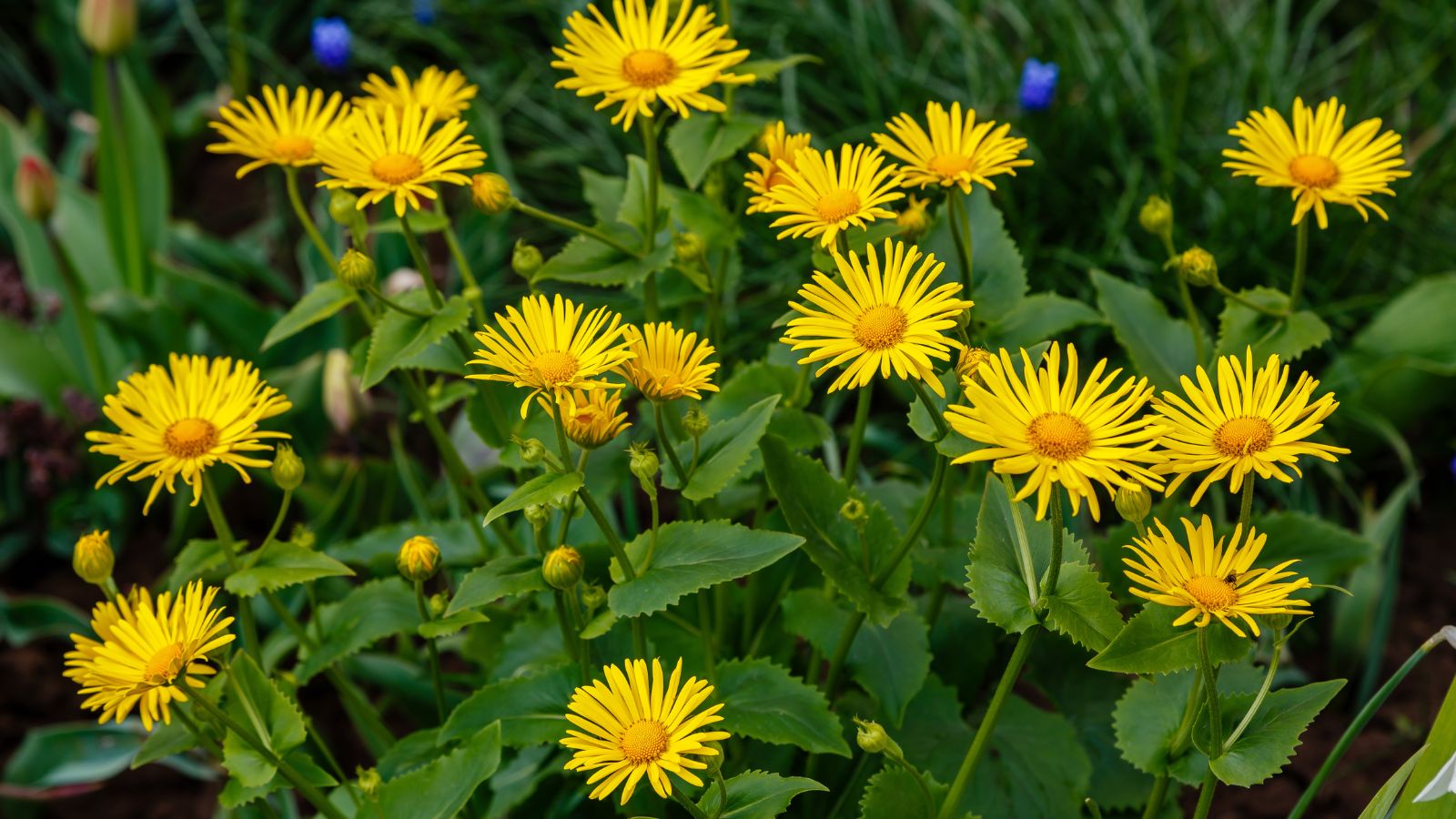
Leopard’s bane is a cheerful plant with bright yellow flowers, but its tendency to trap moisture encourages fungal infections in roses. Its spreading foliage creates conditions ripe for mold and mildew. Opt for better-behaved companions like yarrow or coreopsis instead.
12. Rue

While rue’s pest-repelling properties can make it alluring, its oils and chemicals can harm rose growth. Additionally, rue’s strong odor may deter helpful pollinators. It’s best to grow this herb in its own section of your garden.
How to Choose the Best Companion Plants for Roses
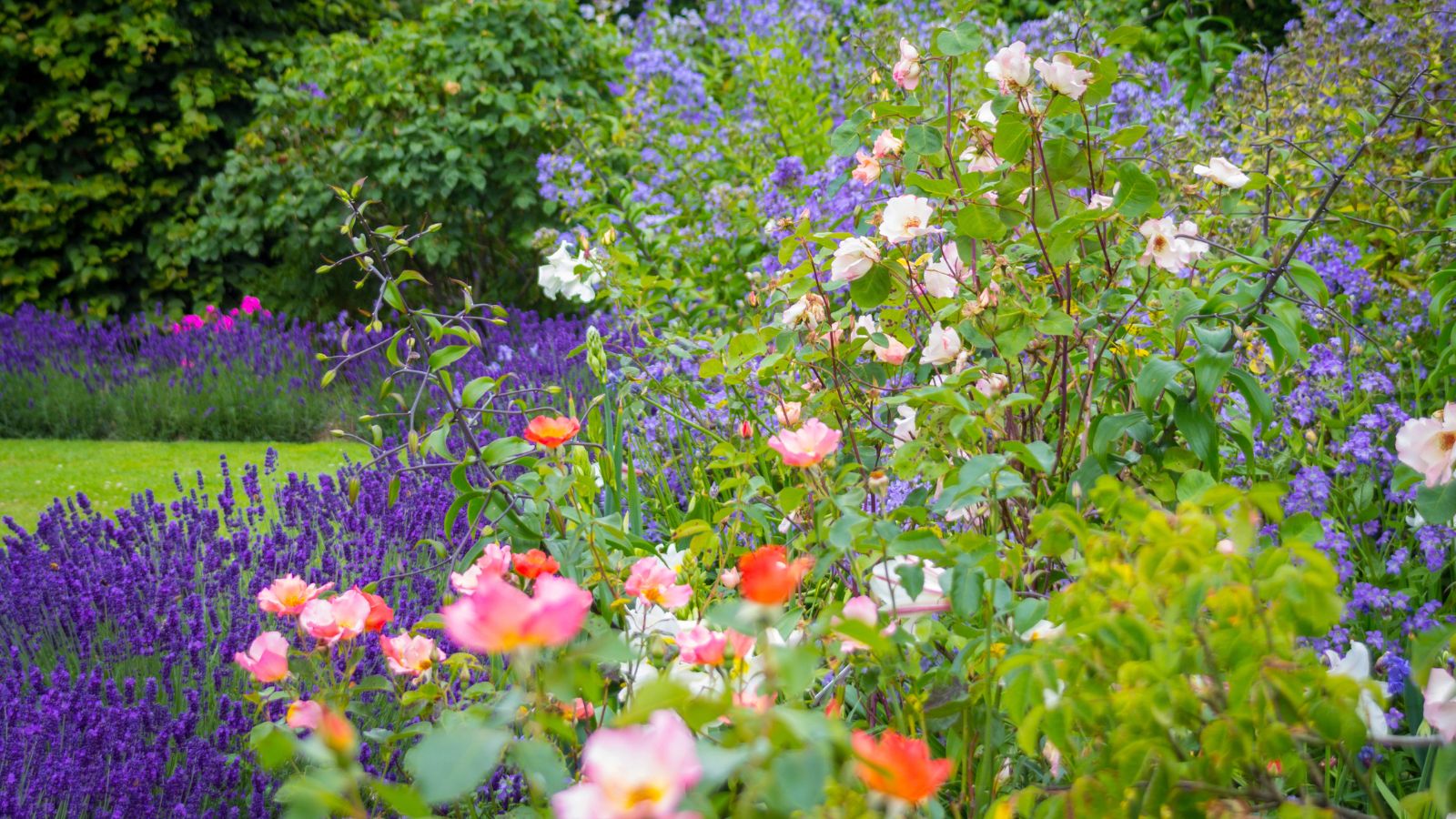
Companion plants can benefit roses in many ways, from repelling pests to enhancing soil health. Use these tips when selecting rose-friendly companions:
- Attract Pollinators: Plants like lavender, catmint, and salvia lure bees and butterflies that increase pollination.
- Repel Pests: Herbs like garlic and chives deter aphids and Japanese beetles, common enemies of roses.
- Improve Soil: Legumes like clover or sweet peas fix nitrogen in the soil, enriching it for roses.
- Enhance Aesthetics: Choose complementary colors and textures to create a visually stunning garden layout.
Recommended Companions for Roses:
- Lavender for pest control and its calming fragrance.
- Marigolds for naturally deterring aphids.
- Catmint for attracting pollinators and adding soft-textured foliage.
- Alliums for their insect-repelling prowess and unique visual appeal.
Common Mistakes When Planting Near Roses

Even experienced gardeners can fall into these traps when designing rose beds. Here’s what to avoid:
1. Overcrowding
Failing to provide enough space between roses and neighboring plants can restrict airflow and magnify the risk of fungal issues.
2. Ignoring Soil Compatibility
Pairing roses with plants that require vastly different soil pH or moisture levels creates a struggle for resources.
3. Not Considering Sunlight Needs
Shade-producing plants like large shrubs or trees can prevent roses from receiving the 6-8 hours of sunlight they need.
4. Choosing High-Maintenance Neighbors
Pairing roses with plants prone to pests or disease increases garden upkeep and jeopardizes both plants’ health. Having a sound landscaping plan makes all the difference.
Tips for Maintaining a Healthy Rose Garden
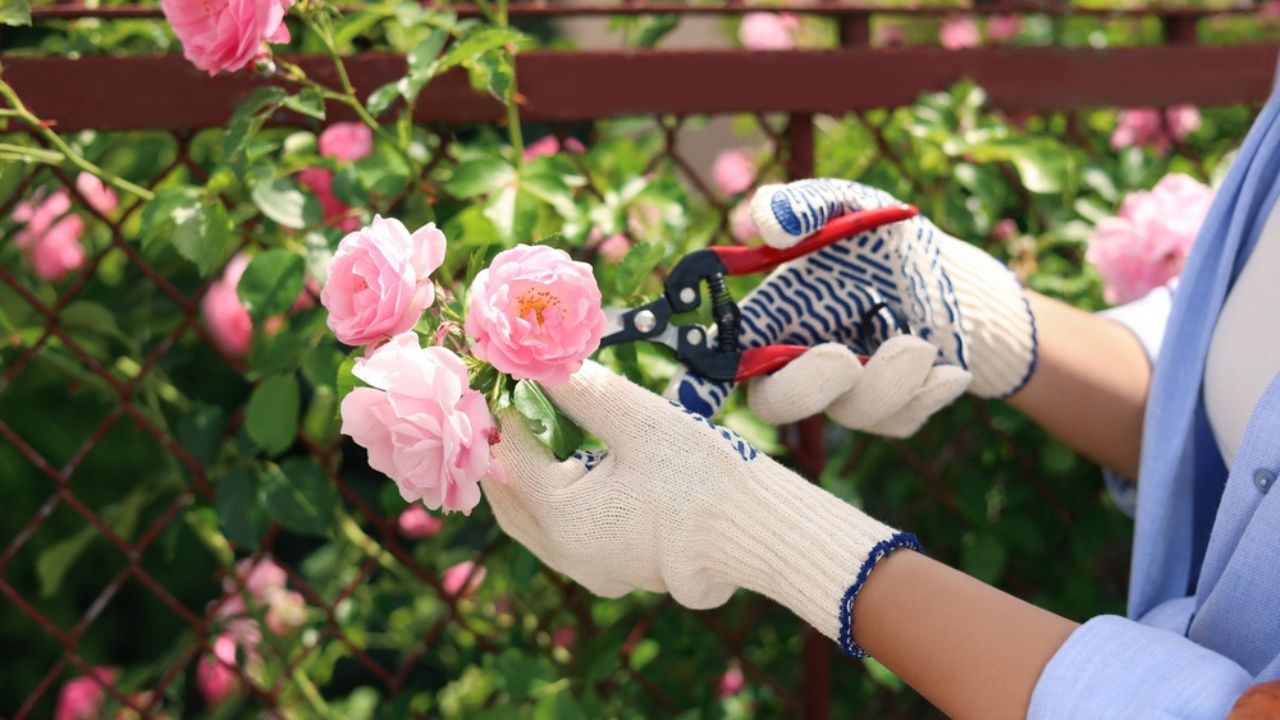
A thriving rose garden requires care and attention. Here’s how to keep your roses robust and blooming:
- Prune Regularly: Remove deadwood, suckers, and overlapping branches to improve airflow and direct energy to blooms
- Mulch Wisely: Apply organic mulch like bark chips or straw to retain soil moisture and suppress weeds while preventing fungus
- Water deeply and consistently: Water roses at the base to avoid wetting leaves, which encourages diseases. Aim for deep irrigation 1-2 times a week
- Feed Your Roses: Fertilize every 4-6 weeks during the growing season with a balanced rose fertilizer high in phosphorus.
- Monitor for Pests: Check leaves for aphids or spider mites and remove them immediately. Use neem oil or insecticidal soap for severe infestations.
Final Thoughts
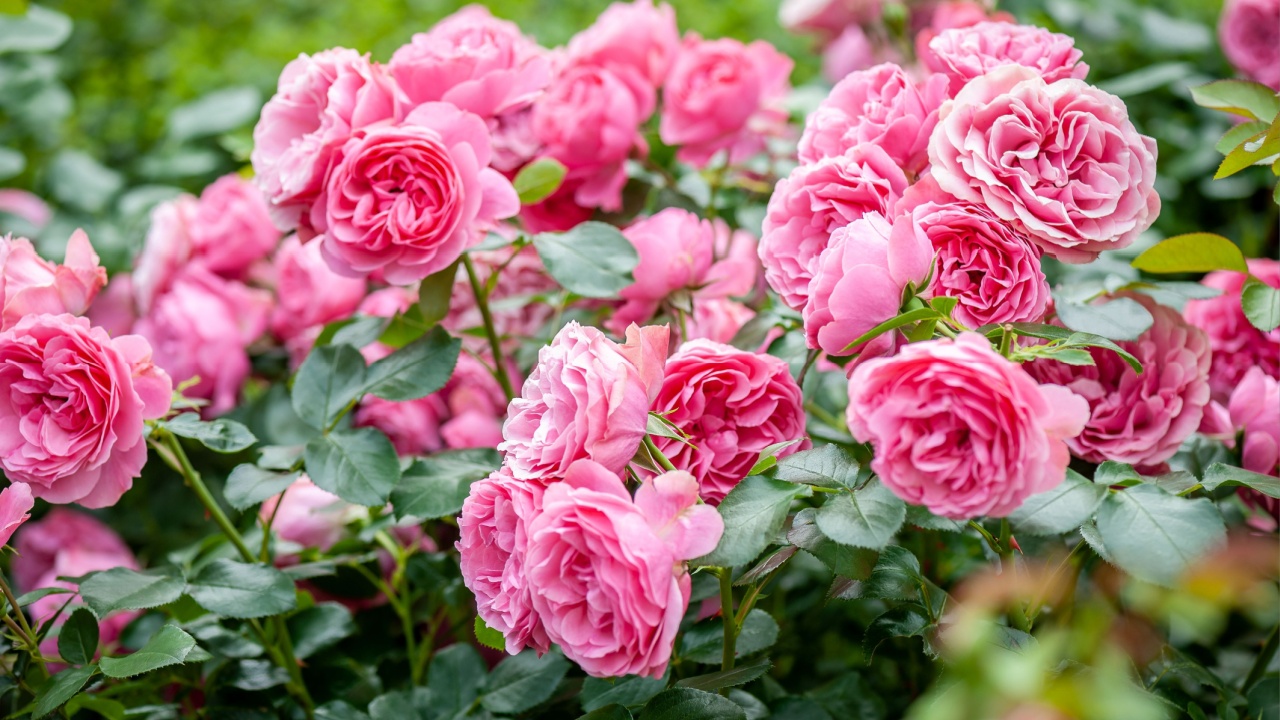
Roses, while demanding, can reward your efforts with stunning, abundant blooms. By avoiding incompatible neighbors, choosing the right companion plants, and caring for them diligently, you can create a breathtaking rose garden that flourishes year after year.
Use this guide to set your roses up for success, and enjoy the beauty and elegance they bring to your outdoor space.