30 Vegetables to Reconsider Planting in Raised Garden Beds (It Might Not Be Worth It)
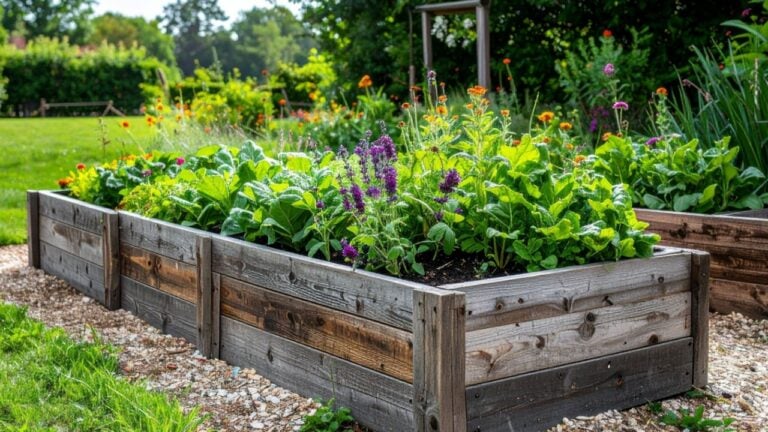
Raised garden beds are a wonderful way to grow vegetables, but not every plant is a perfect fit for this confined space. Some vegetables need more room to stretch, send out sprawling vines, or develop deep roots, making them challenging choices for your typical raised bed setup.
To help your garden thrive, here are several vegetables that often struggle in raised beds and tips for what to do if you still want to try them.
The Gardening Rules for Raised Beds
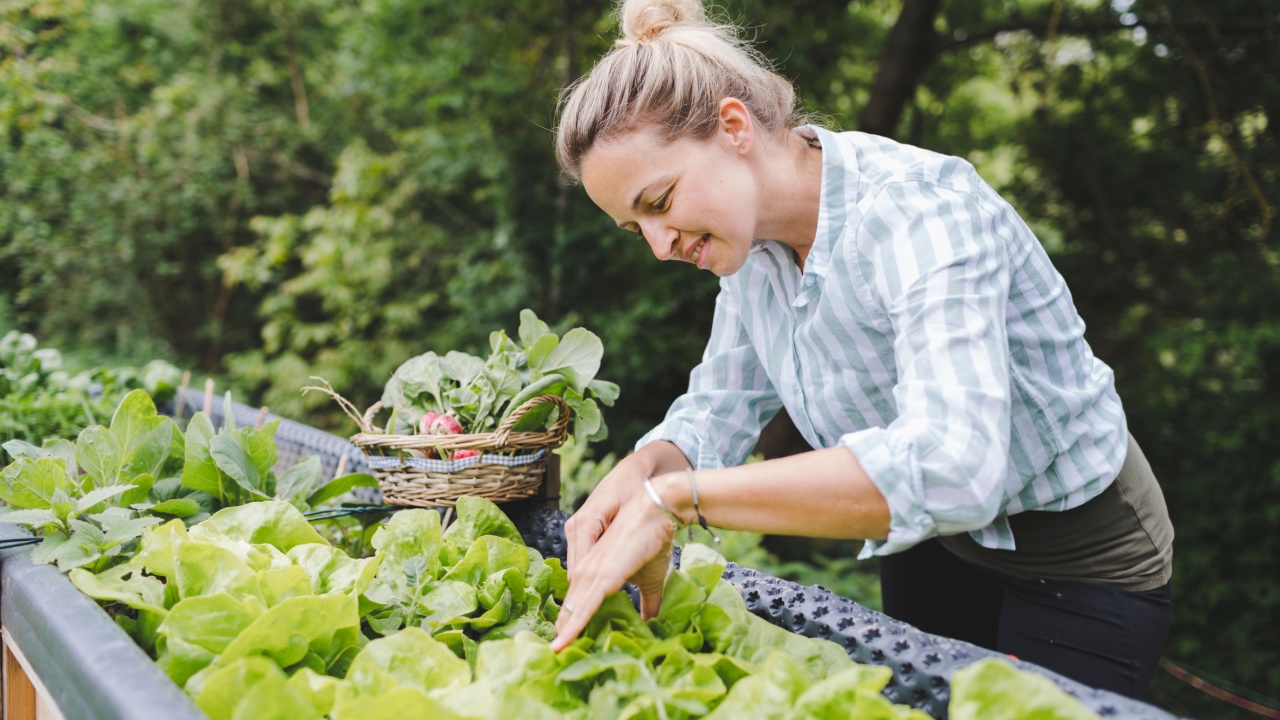
The first rule in gardening? Not every rule is concrete. The beauty of gardening is experimenting and finding what works with your soil, space, and preferences.
Want to plan one of these vegetables on the list in a raised bed or container? Go for it! You won’t know if it works unless you try. In reality, if your raised beds are wider and deeper, or you plan to use trellises, then you don’t need to worry. It’s when you try to crowd plants into a few boxes that a problem can quickly occur.
1. Pumpkins
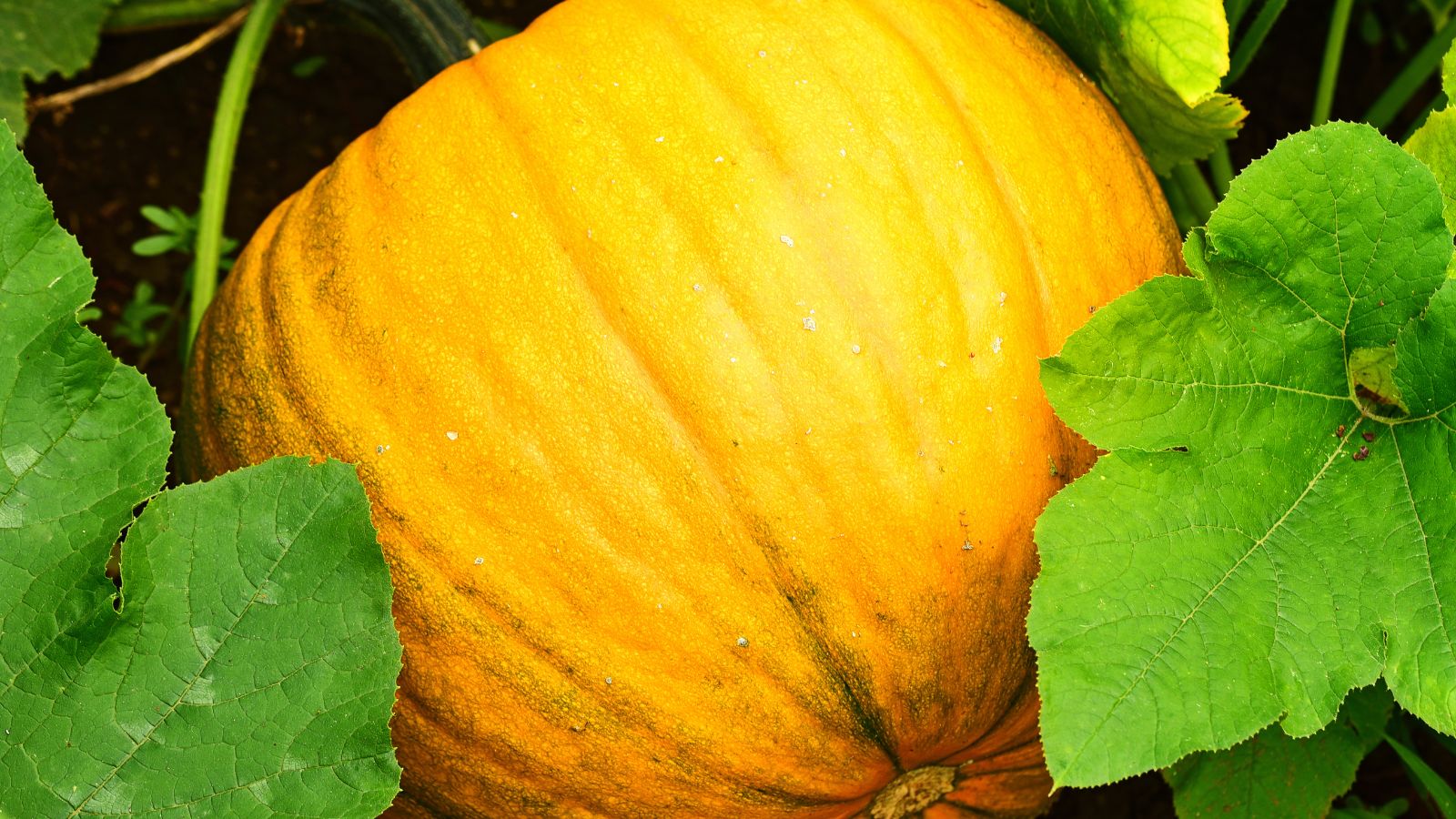
Pumpkins need lots of space to spread their vines and support heavy fruit, making them a poor match for most raised beds.
Tip: Grow compact pumpkin varieties in large containers, use a strong trellis for support, or plant pumpkins directly in the ground for best results.
2. Potatoes
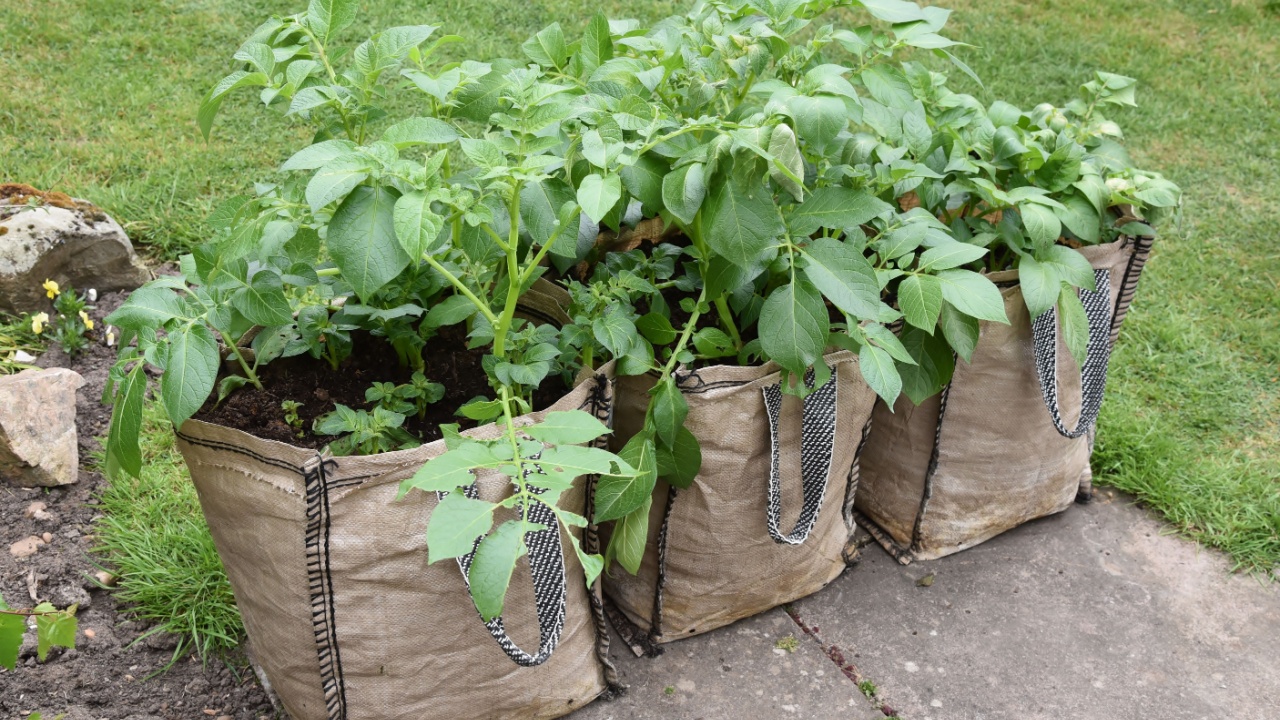
Standard potato varieties grow deep and wide, needing more soil depth than most raised beds provide.
Tip: Use potato grow bags or extra-deep containers and layer soil as plants grow to maximize space.
3. Corn
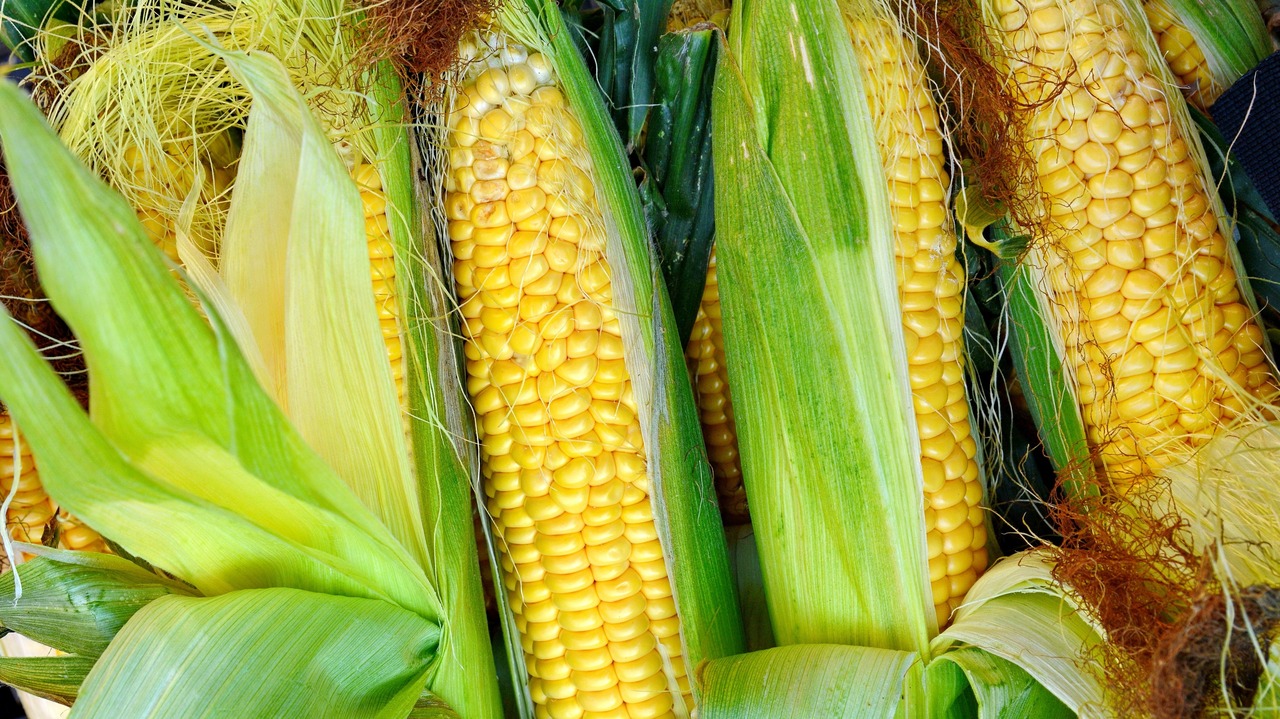
Corn needs plenty of space for pollination, and tall stalks often outgrow small raised beds.
Tip: Plant in large clusters in deep beds or grow corn directly in the ground for better yields.
4. Watermelon
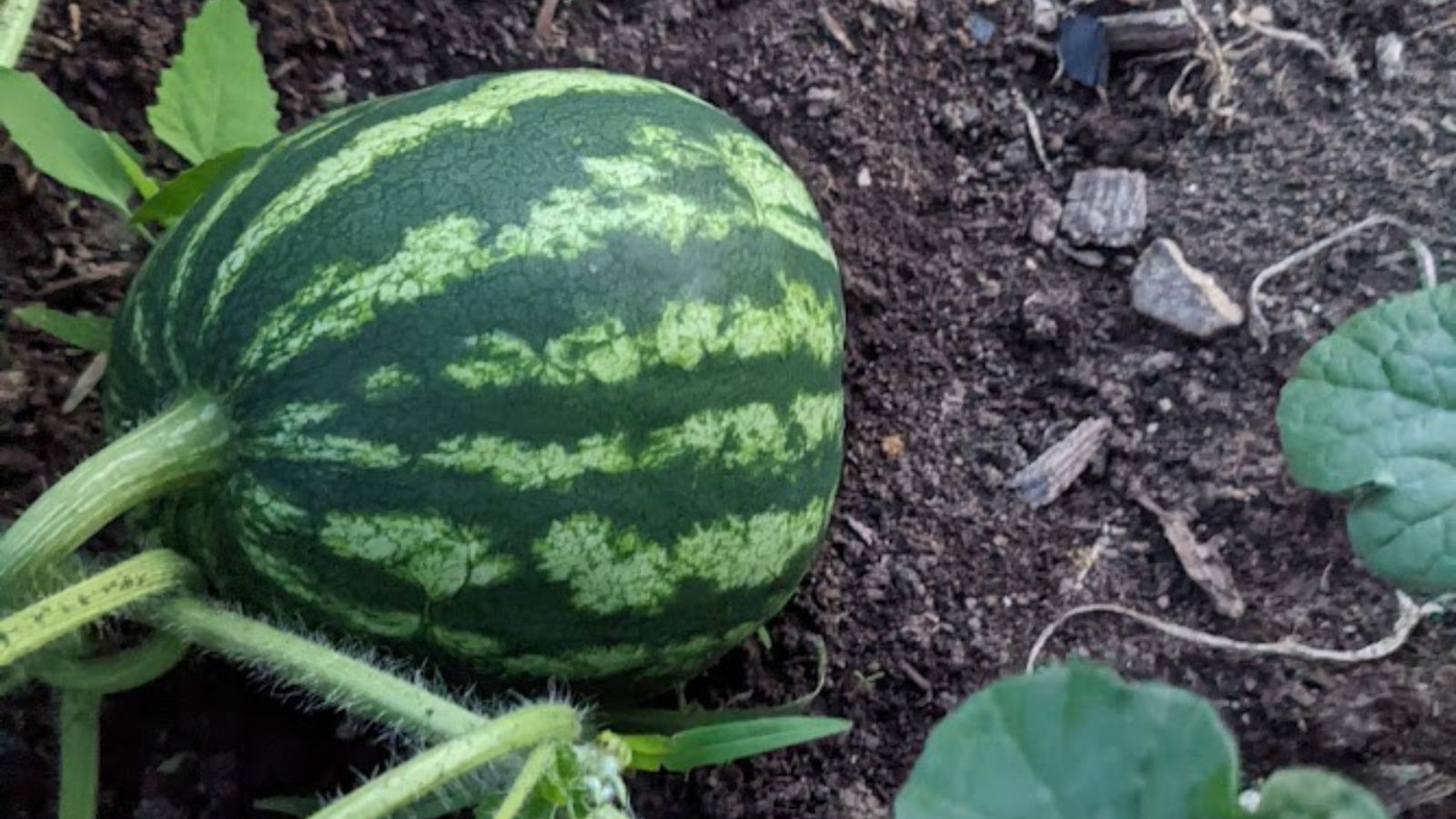
Watermelons have long vines and large fruits that quickly overtake raised beds.
Tip: Choose dwarf varieties in large containers, or dedicate ground space with room for vines to sprawl.
5. Jerusalem Artichoke (Sunchoke)
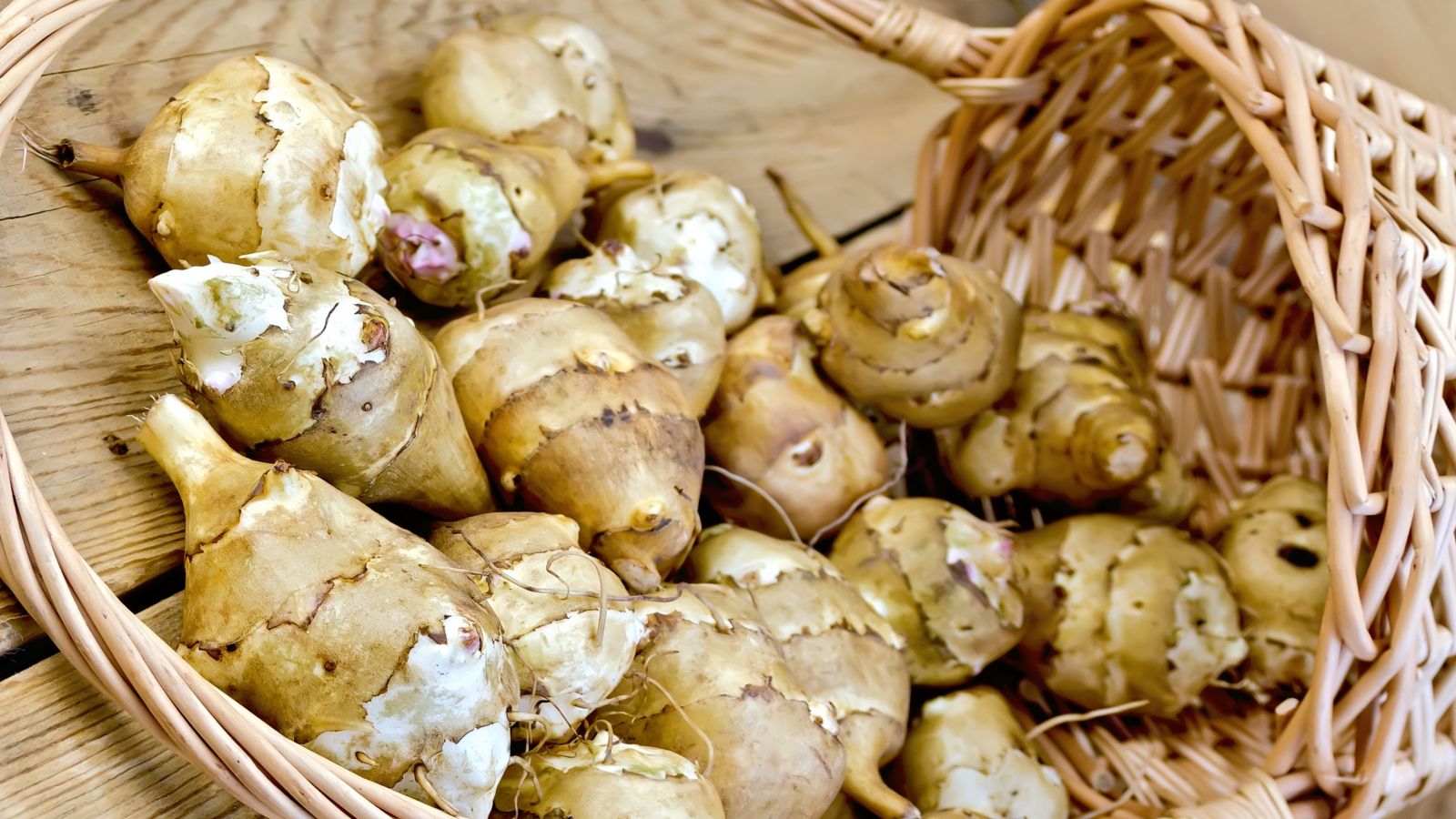
These multiply fast and send deep roots that escape most raised beds.
Tip: Use deep, sturdy containers or grow in a spot where spreading isn’t a problem.
6. Sweet Potatoes
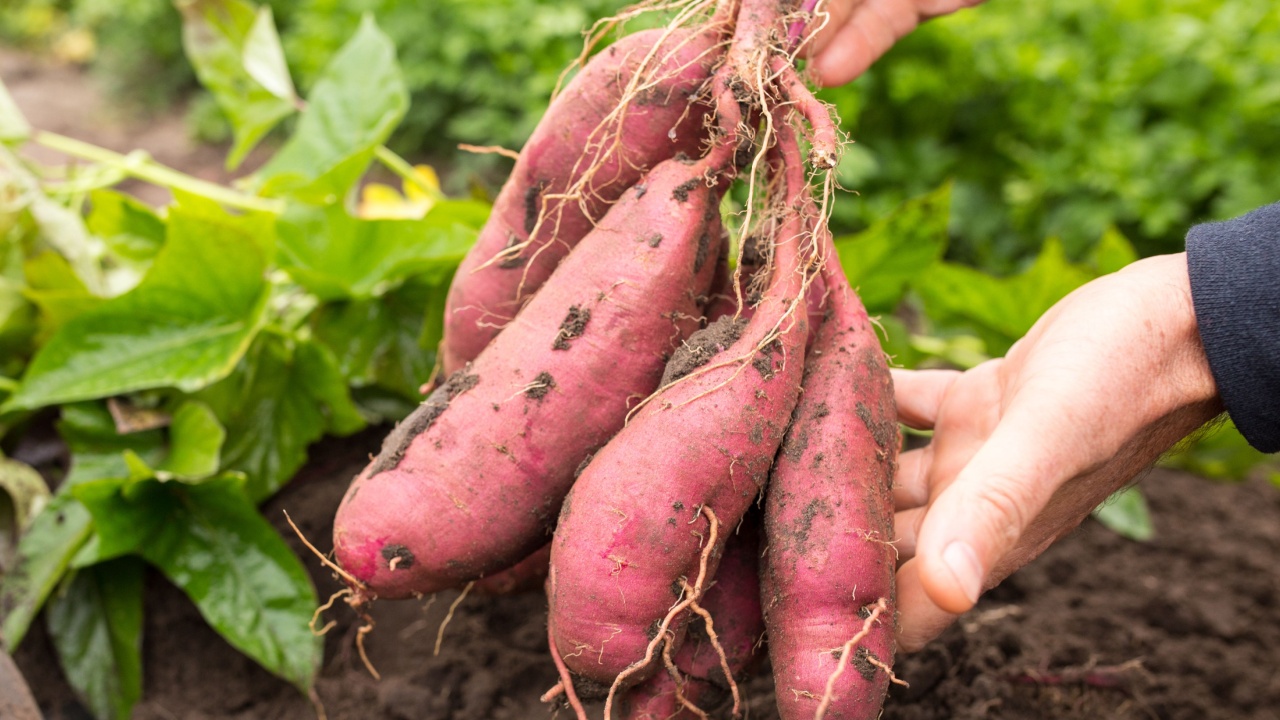
Sprawling vines and long roots demand more space and depth than a typical raised bed offers.
Tip: Grow bush varieties in deep boxes or containers and use mulch to retain moisture.
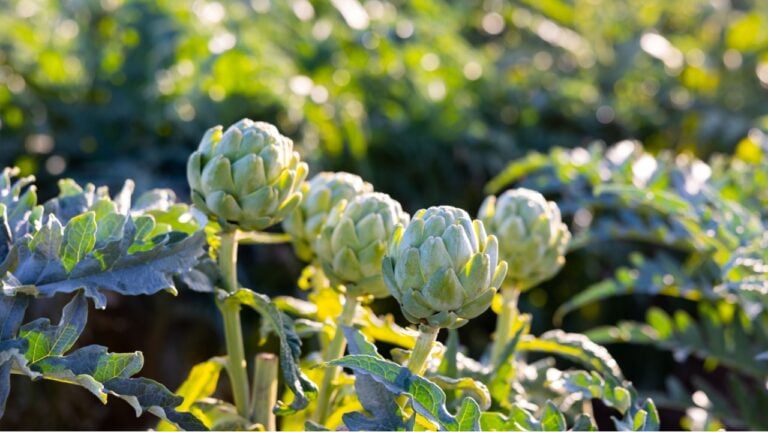
7. Artichokes
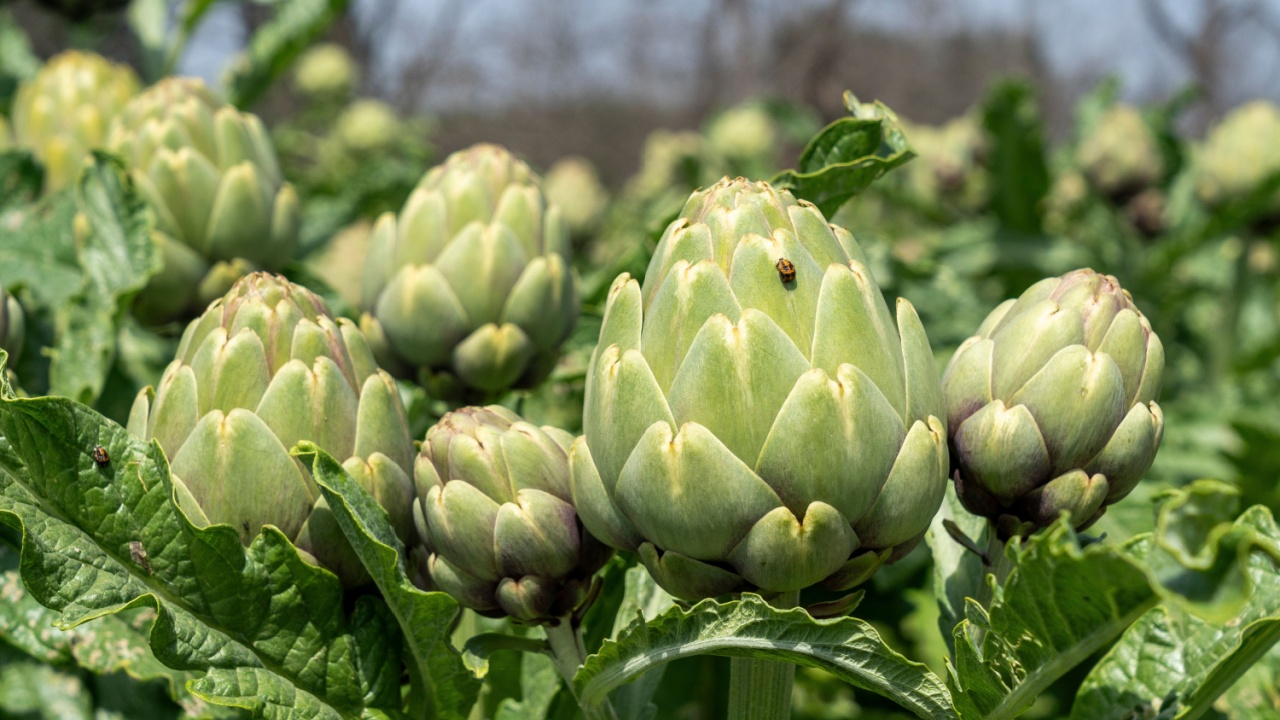
Artichokes develop into large, perennial clumps with deep roots, quickly outgrowing raised beds.
Tip: Plant in 5-gallon pots or give them a permanent spot outside the bed.
8. Eggplant
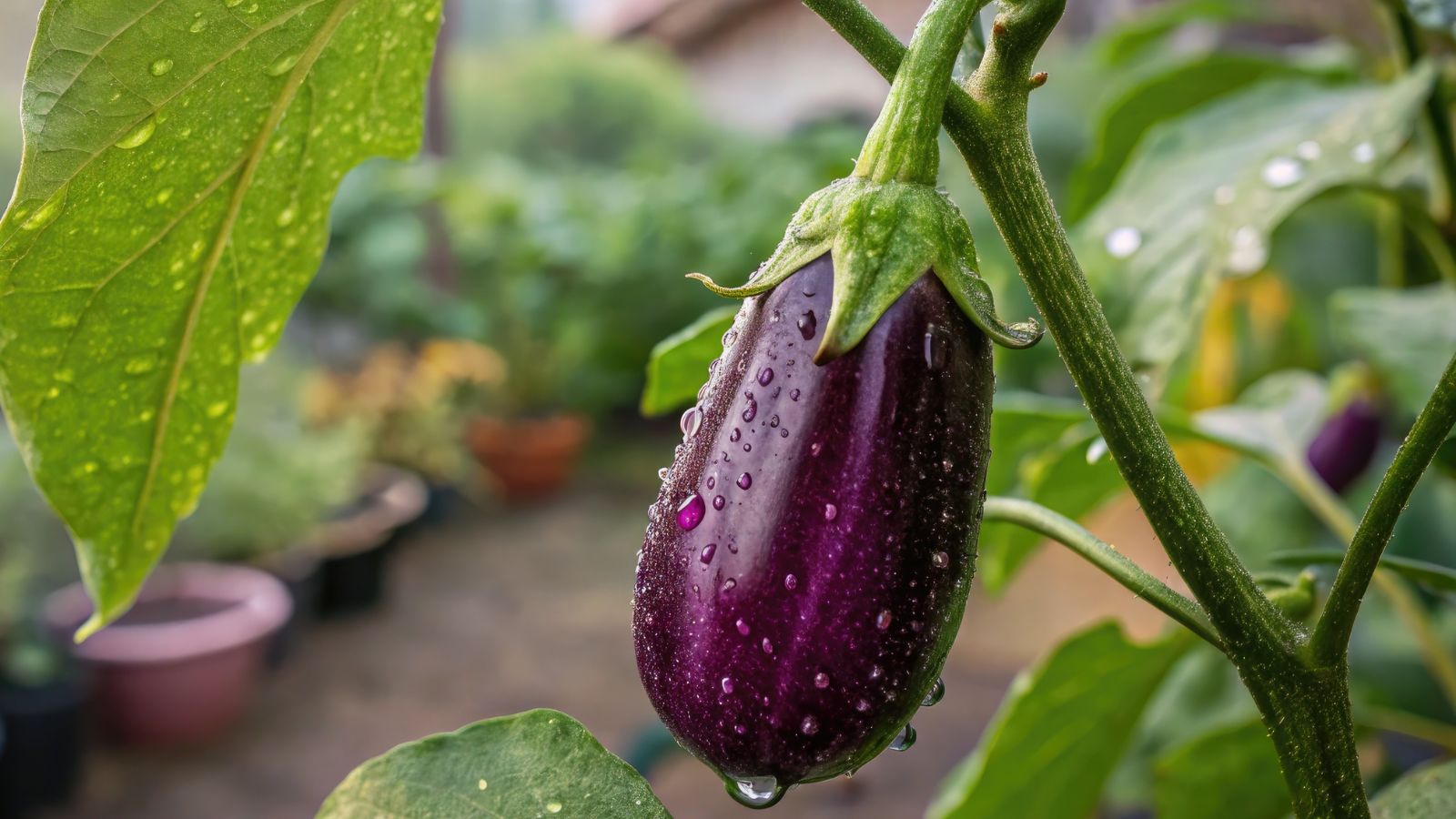
Eggplants can get big and bushy, shading out neighbors in tight spaces.
Tip: Use 5–7 gallon pots for individual plants, stake as needed, and keep soil rich.
9. Large Squash (Winter Types)

Winter squash vines and big fruits take over small beds, crowding out everything else.
Tip: Choose bush or compact types in big containers, prune vines, or grow outside beds.
10. Indeterminate Tomatoes

These tomatoes grow tall and wide, needing deep soil for strong roots and support.
Tip: Plant determinate or patio tomatoes in raised beds, and stake or cage well. Grow indeterminate tomatoes in large containers if you don’t have a dedicated space for them.
11. Asparagus

Asparagus needs deep soil and takes years to mature, making it less suited for raised beds.
Tip: Plant asparagus in a permanent ground bed or a very deep container for long-term growth.
12. Rhubarb
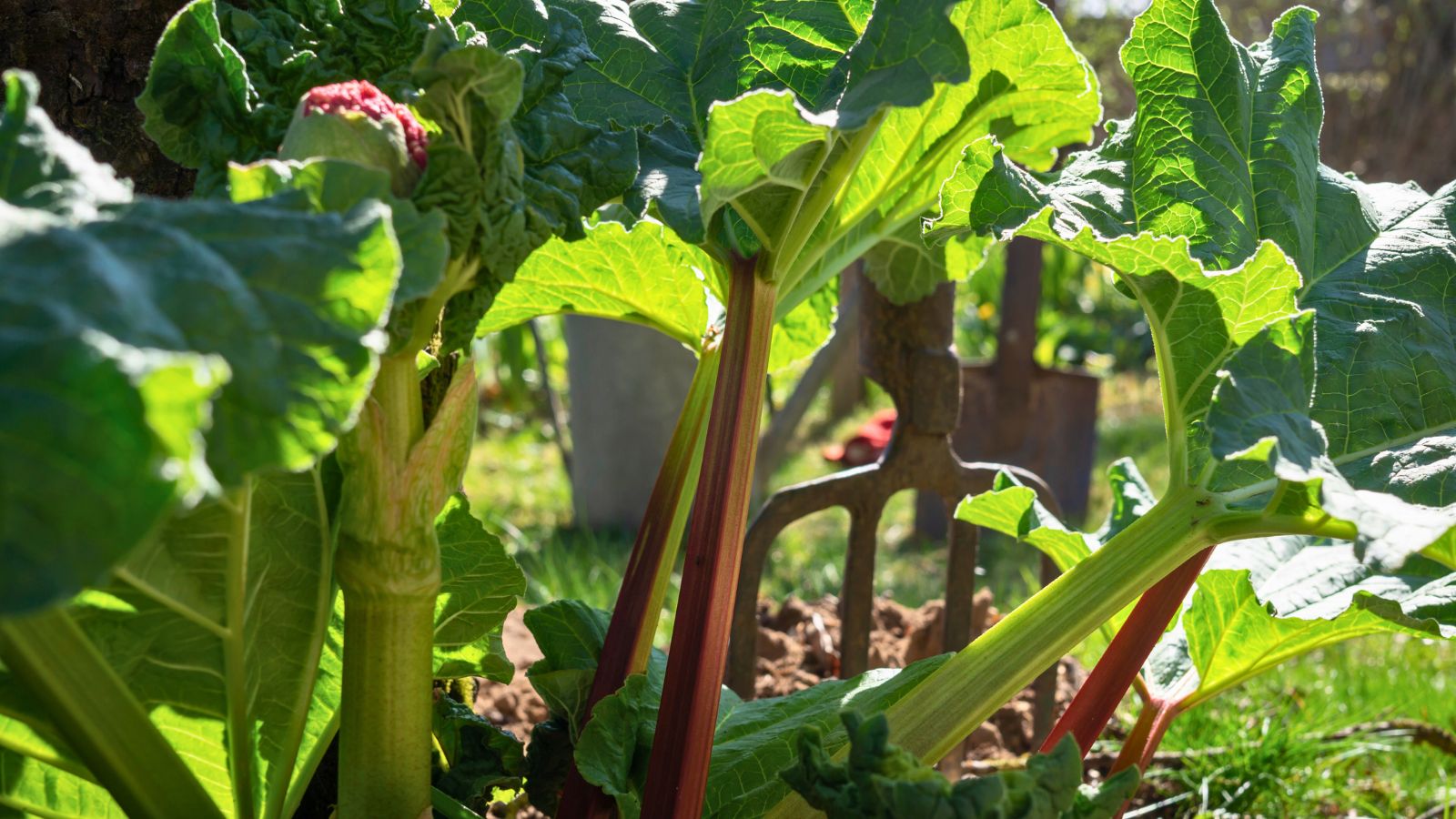
Rhubarb spreads widely and its deep roots make it hard to contain in a raised bed.
Tip: Use large containers or plant somewhere it can stay for several years.
13. Bamboo Shoots

Bamboo has invasive roots that burst out of raised beds and spread quickly.
Tip: Only grow in sealed containers with root barriers to stop spreading.
14. Fennel
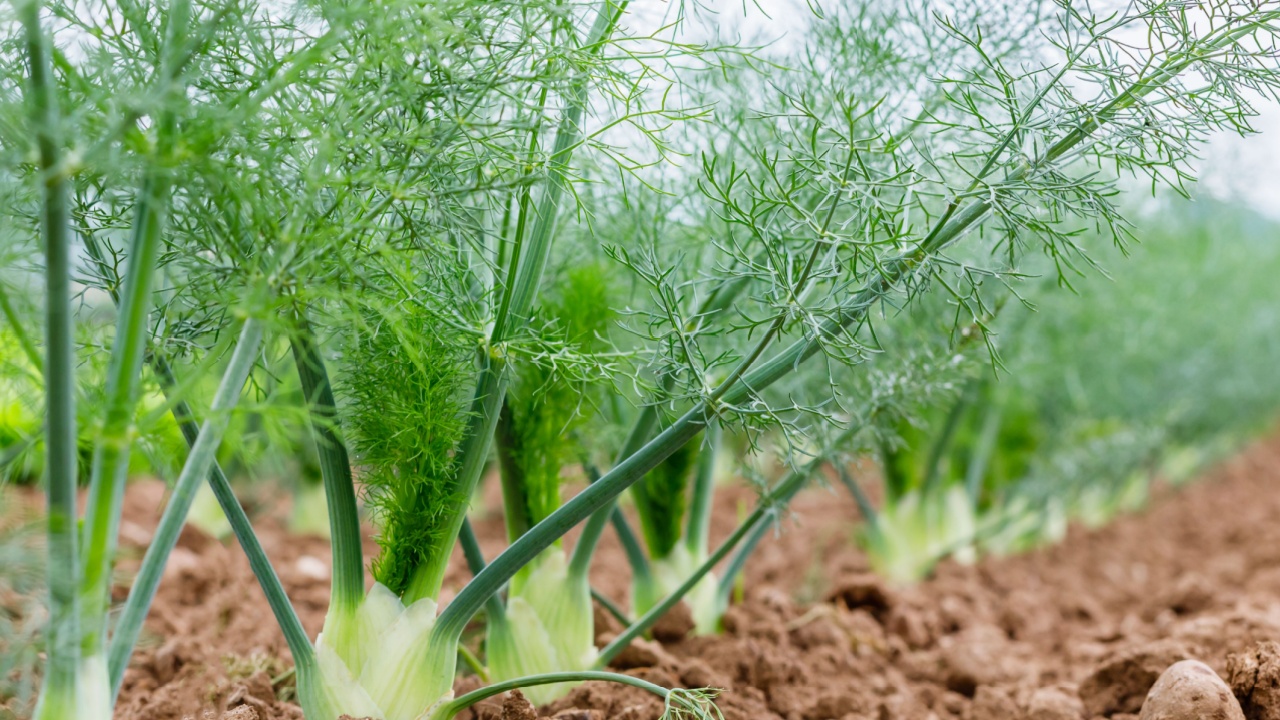
Fennel’s long taproots struggle in shallow or compacted soil.
Tip: Plant dwarf fennel in deep pots; harvest early to avoid overcrowding.
15. Kohlrabi

Kohlrabi bulbs need room to swell, which is tricky in crowded beds.
Tip: Space plants well or use dedicated pots for even growth.
16. Celery

Celery needs constant moisture and plenty of space for crisp stalks.
Tip: Use large, water-retaining pots; keep soil rich and water regularly.
17. Brassicas (Broccoli, Cabbage, Kale)

These cool-season crops have large leaves and need rich, well-drained soil and airflow.
Tip: Use larger containers, space plants well, and rotate crops to prevent disease.
18. Beets
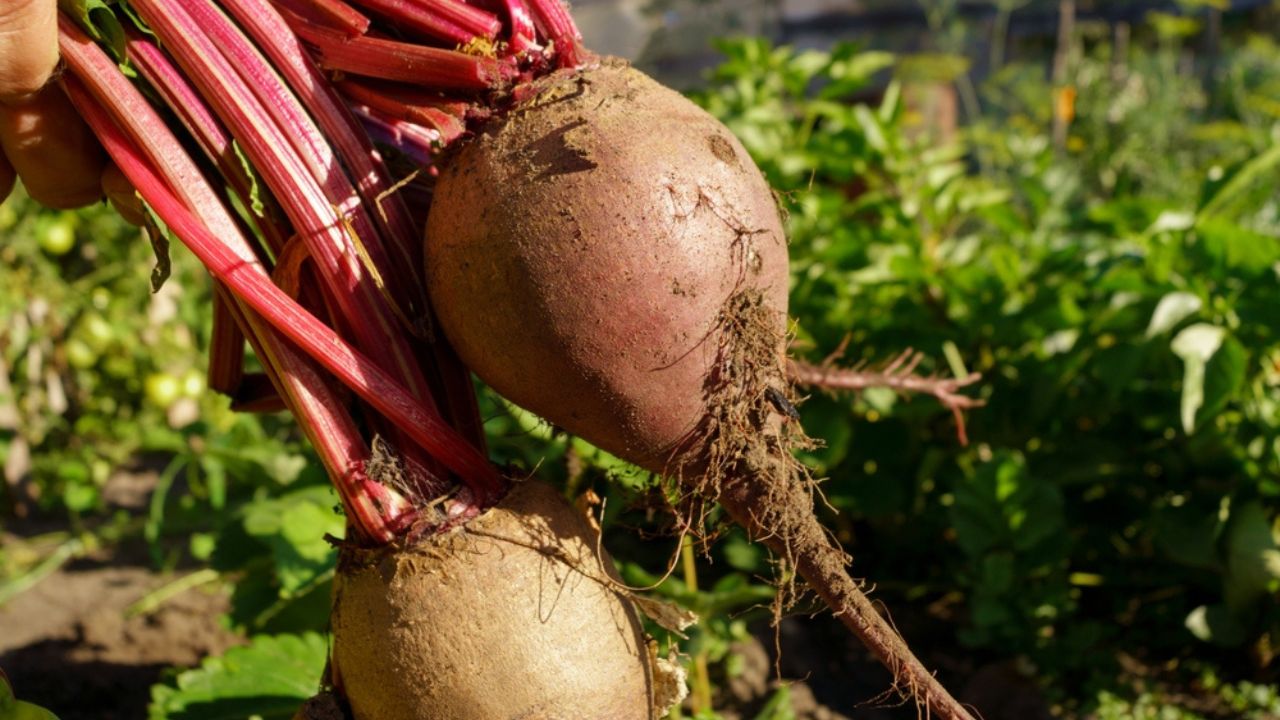
Beets’ tops grow bushy, and roots need depth, making beds crowded quickly.
Tip: Thin seedlings, use deep containers, and consider succession planting.
19. Turnips

Turnips’ roots and greens both take up room and can bolt in shallow beds.
Tip: Use deeper soil, harvest while small, and pick greens early to save space.
20. Carrots
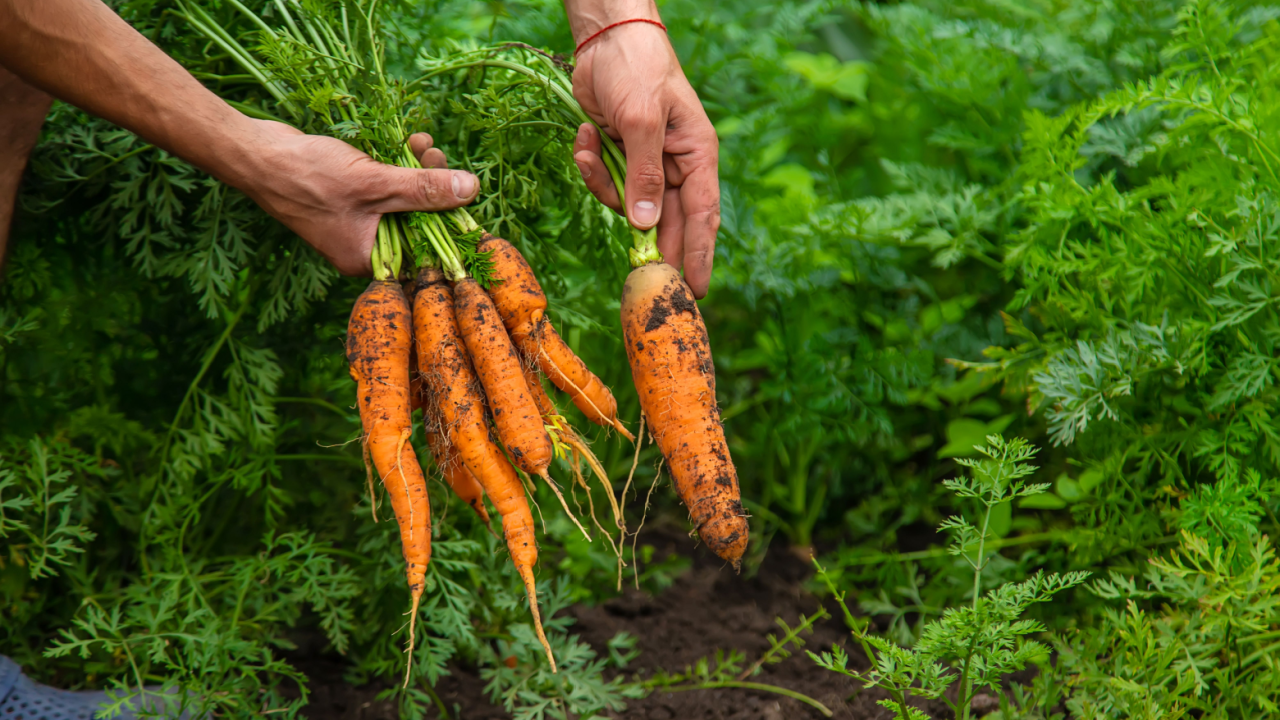
Carrots need loose, deep soil for proper root growth; shallow beds cause forking.
Tip: Plant in tall beds (12″ or more) with loose soil—no rocks or clumps.
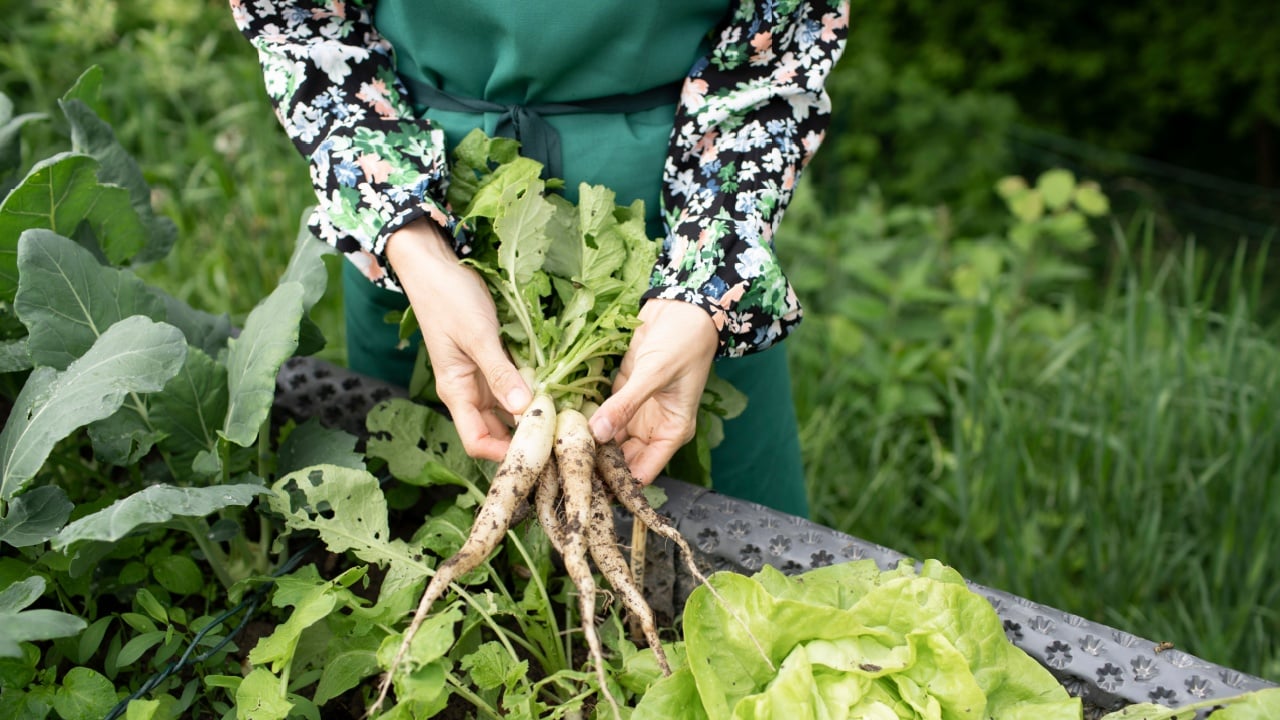
21. Radishes
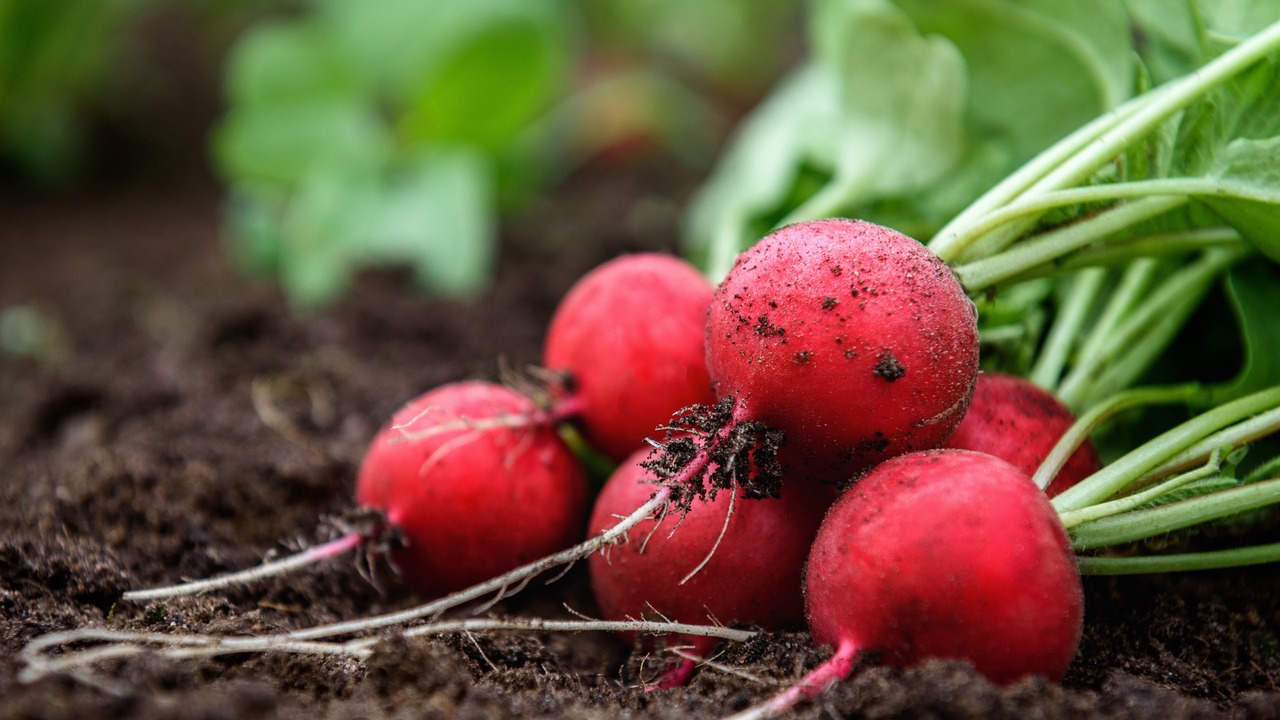
Radishes grow fast but can crowd beds and bolt in warm weather.
Tip: Sow in small batches, harvest promptly, and don’t overcrowd.
22. Peas

Peas love to climb, but without support, sprawl and shade neighbors.
Tip: Use vertical trellises or cages and prune to keep growth upright.
23. Spinach
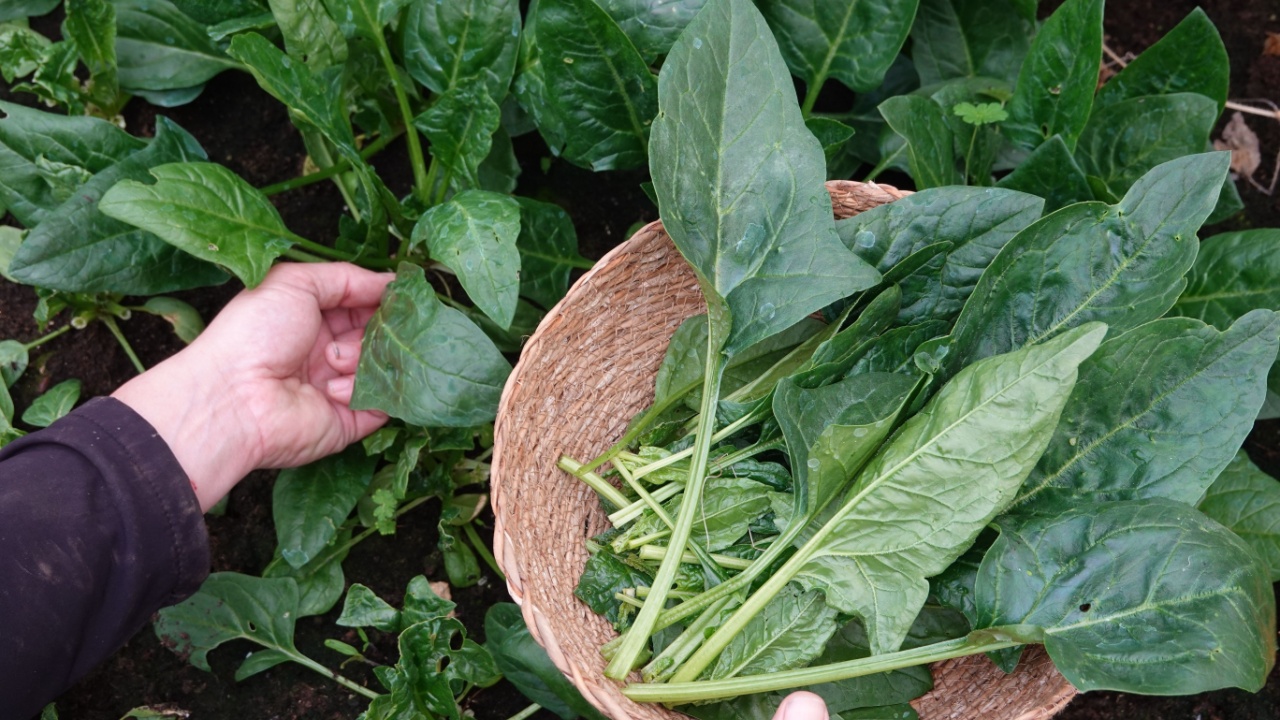
Spinach bolts quickly, and large leaves can crowd nearby plants.
Tip: Plant in cooler seasons and harvest leaves regularly for airflow.
24. Kale
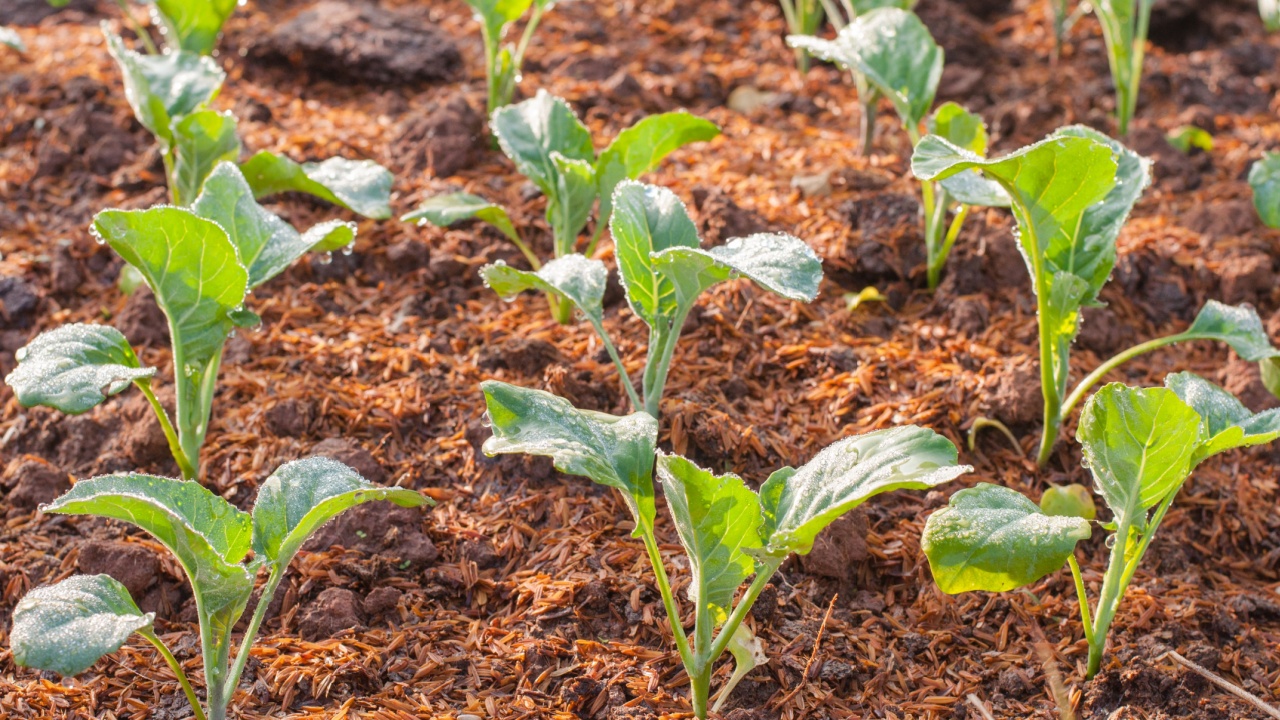
Kale’s wide leaves shade nearby crops, making it hard to plant other veggies close by.
Tip: Plant at the edge of beds and harvest outer leaves often.
25. Horseradish
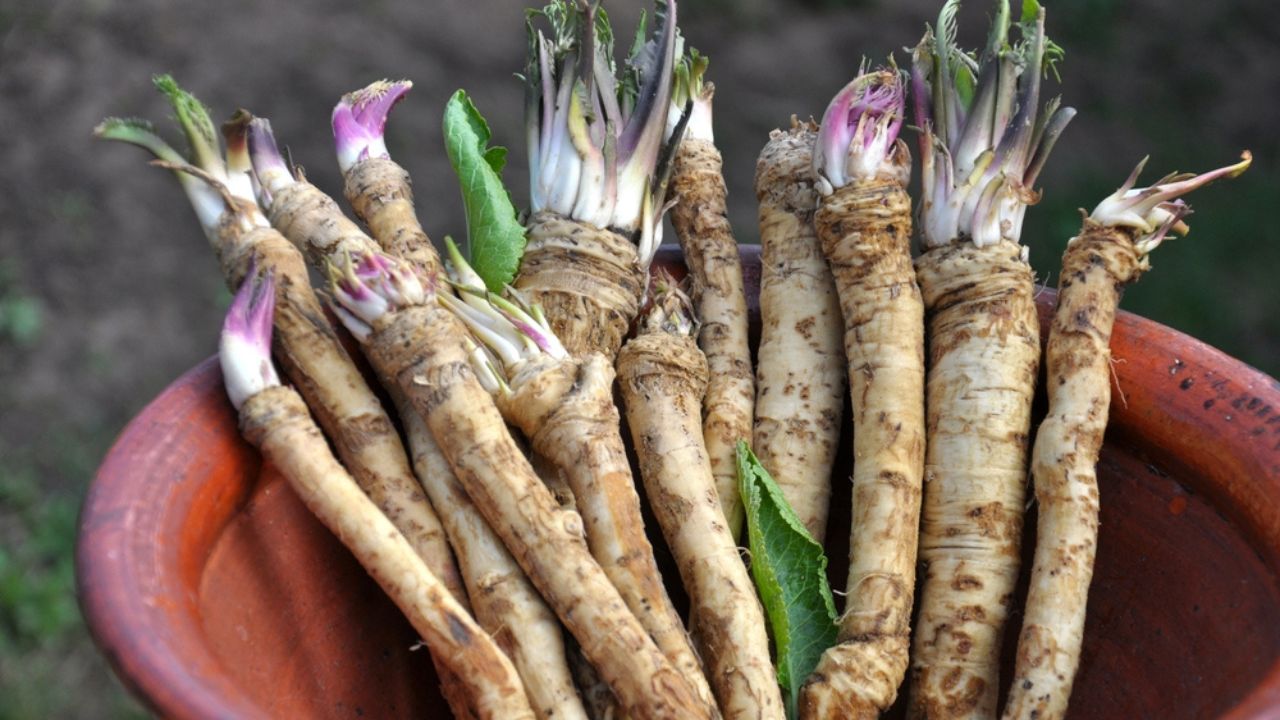
Horseradish has invasive roots that escape and take over beds.
Tip: Grow in tall containers or collars to keep roots contained.
26. Leeks
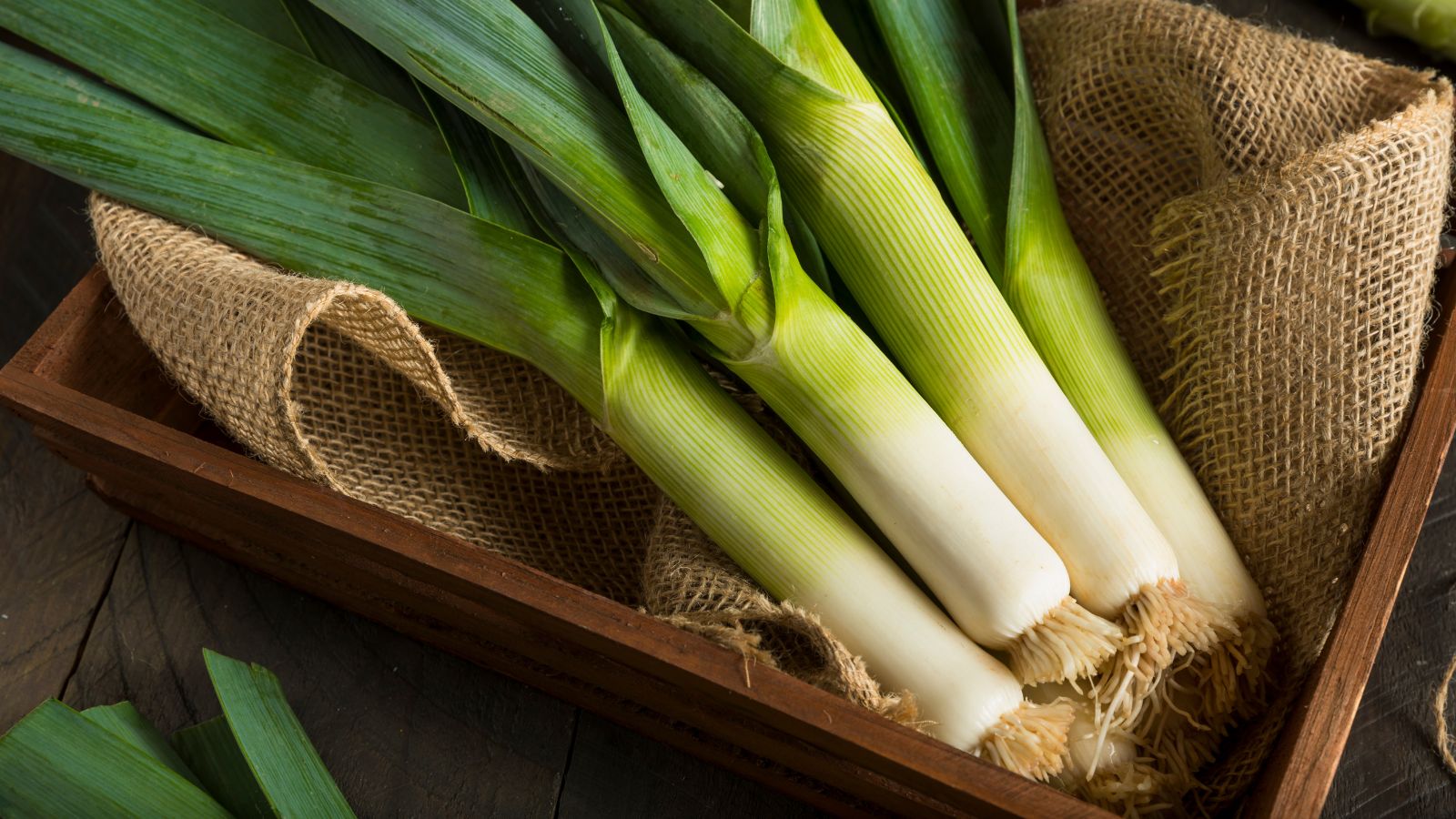
Leeks have a long season and need plenty of soil and space.
Tip: Plant in deep, compost-rich containers and rotate crops.
27. Mustard Greens
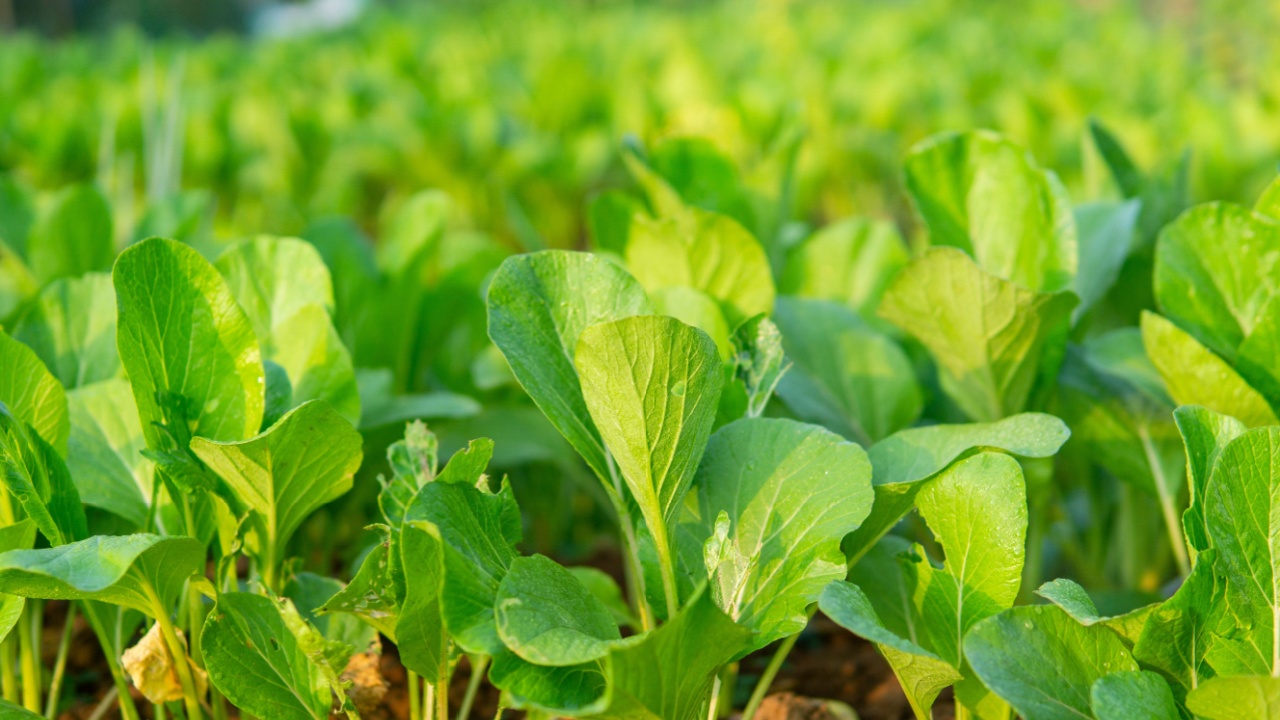
These leafy greens bolt fast and spread, dominating raised beds.
Tip: Grow early in cool weather, harvest young, and pinch off flower stalks.
28. Swiss Chard
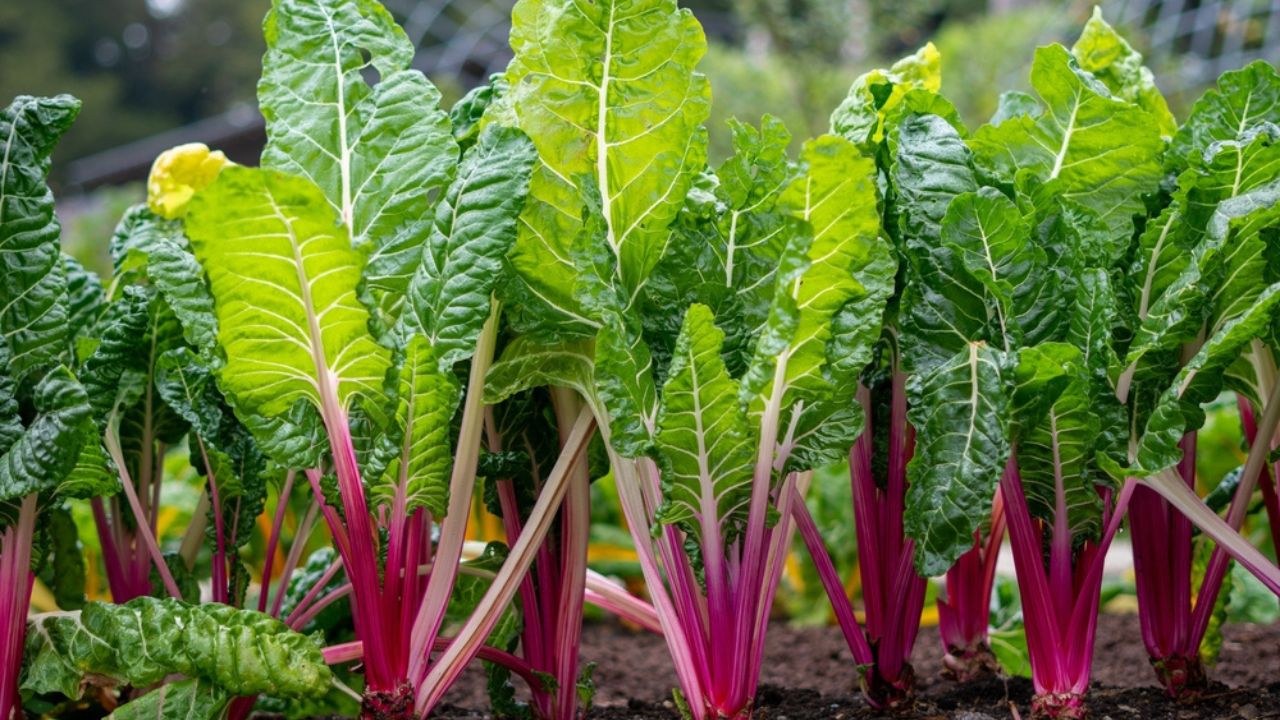
Big chard leaves shade neighbors and leave little space in beds.
Tip: Plant on bed edges and pick leaves often to prevent overcrowding.
29. Collard Greens
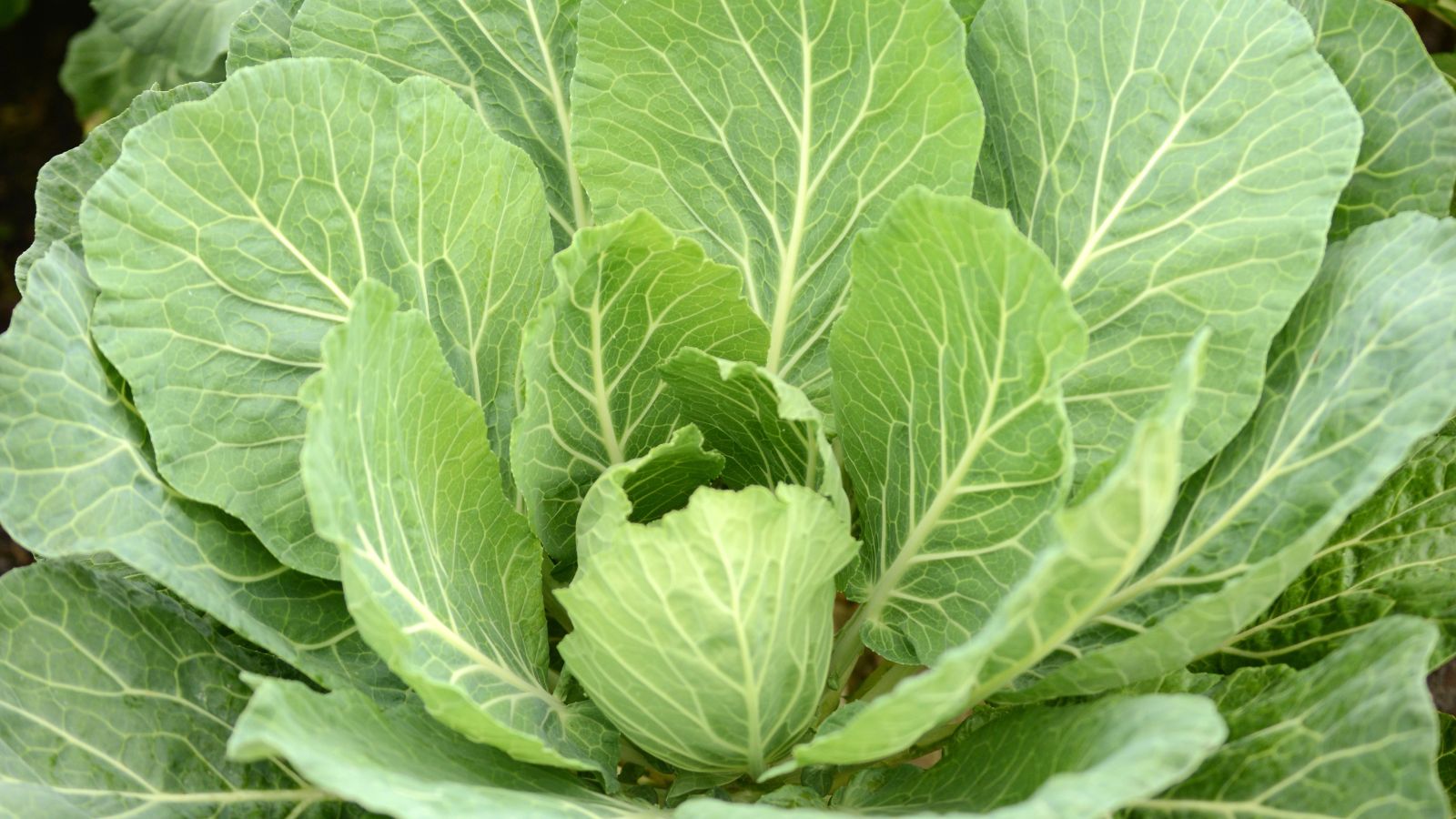
Large leaves and long growing cycles make collards take over small beds.
Tip: Grow in containers or along the edge, harvesting outer leaves early.
30. Parsnips
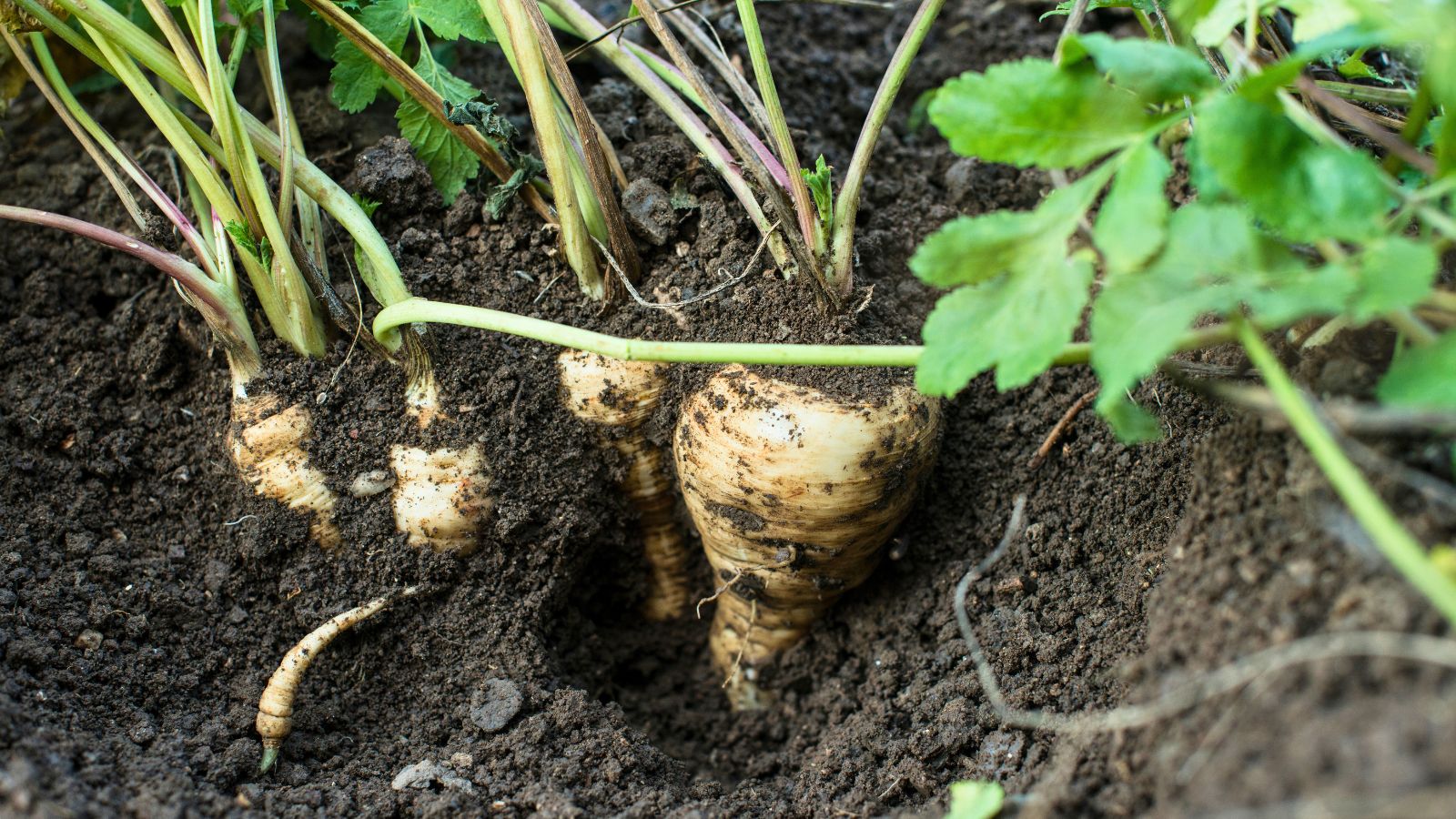
Parsnips need deep, loose soil for long roots, hard to provide in shallow beds.
Tip: Use at least 18″ deep beds or loose, sandy soil; plant early for best results.
A Quick Look at the Best Vegetables for Raised Garden Beds
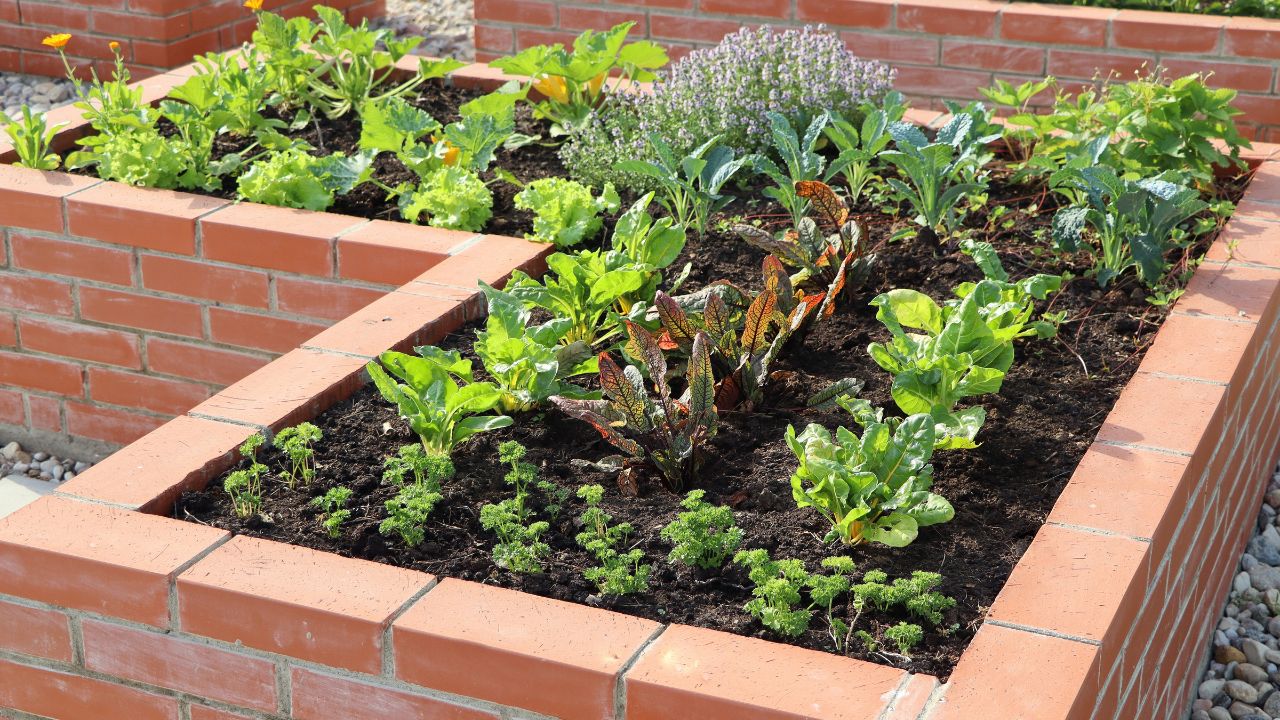
To be clear, none of these vegetables are off limits. With enough space, the right soil depth, and shade considerations, you can grow any of these in a garden box. Just have a plan in mind so that you aren’t crowding the divas, planting something that’ll take over the box, or shading plants that need more sun.
It’s an art that you’ll figure out after experimenting.