Experts Share 18 Plants You Should Never Deadhead
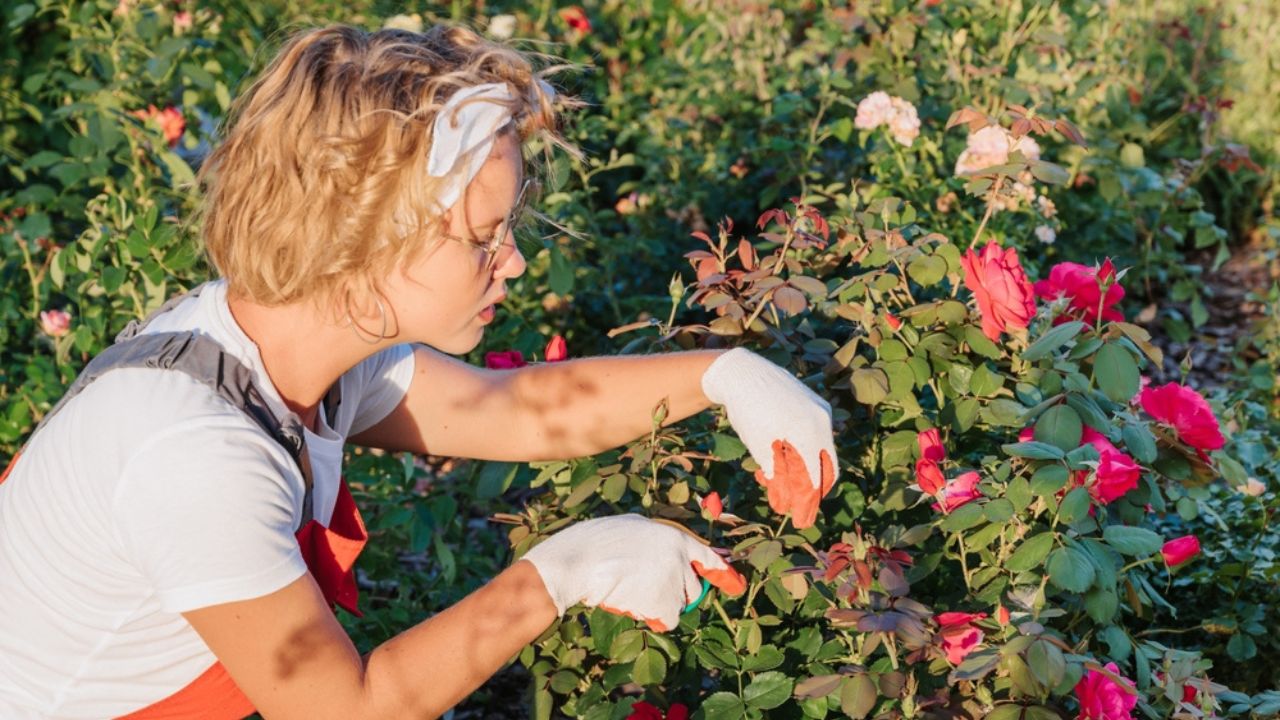
Deadheading—removing faded blooms—is often touted as a must-do gardening chore to encourage more flowers. And for many annuals and perennials, it really works! But not every plant benefits from this snipping ritual.
In fact, some flowers are self-cleaning, meaning they drop spent blooms on their own. Others have an indeterminate bloom pattern, and cutting their flower stalk can actually halt further blooming. Then there are those whose dried seedheads feed birds, support reseeding, or add sculptural beauty to your garden through fall and winter.
Knowing which plants to leave alone can save you time, support local wildlife, and keep your garden thriving. Below, we’ve rounded up 18 flowers you should never deadhead—and exactly why resisting the urge to snip can be a smart move for your garden.
Why Skip Deadheading?
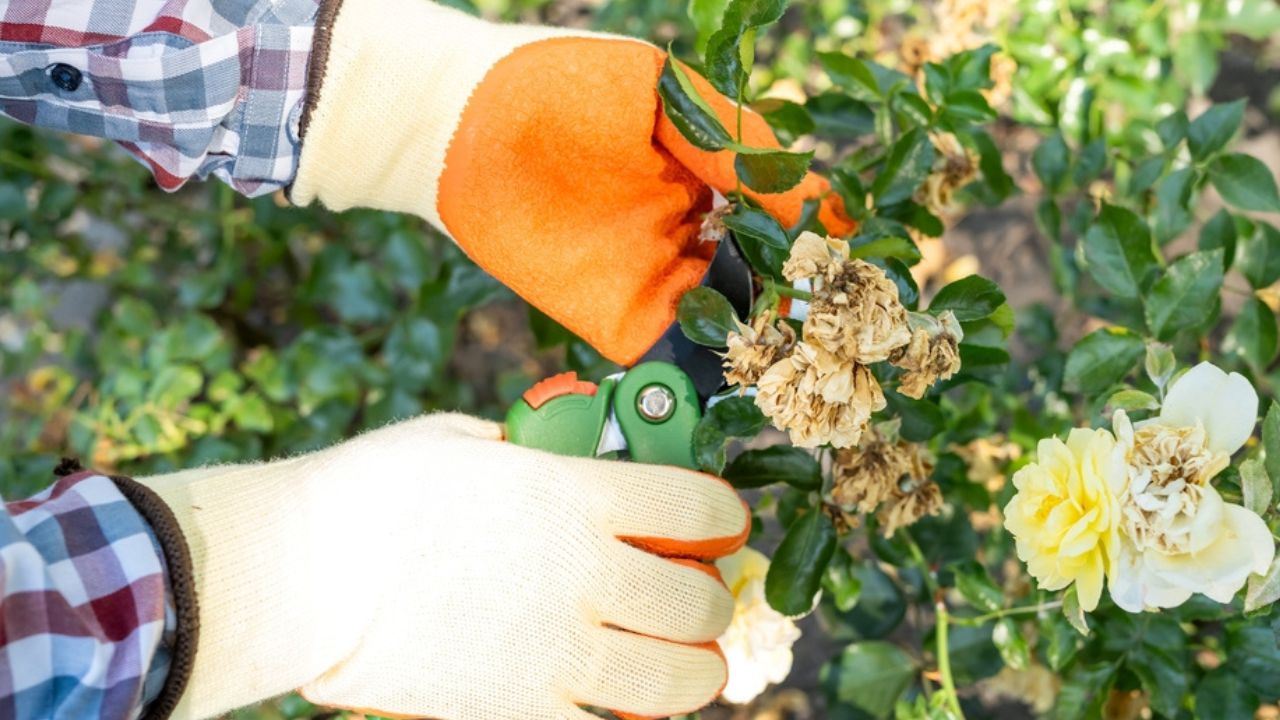
Before you remove that dead bud, stop and consider these!
- Wildlife value: Many of these plants provide seeds or nectar to pollinators and birds. Deadheading removes essential food resources.
- Self-cleaning & reseeding: Some species naturally discard spent blooms or reseed for free, saving you effort and ensuring rebloom.
- Continuous bloom: Removing flowering tips on indeterminate bloomers can abruptly end their flower show.
1. Coneflower (Echinacea)
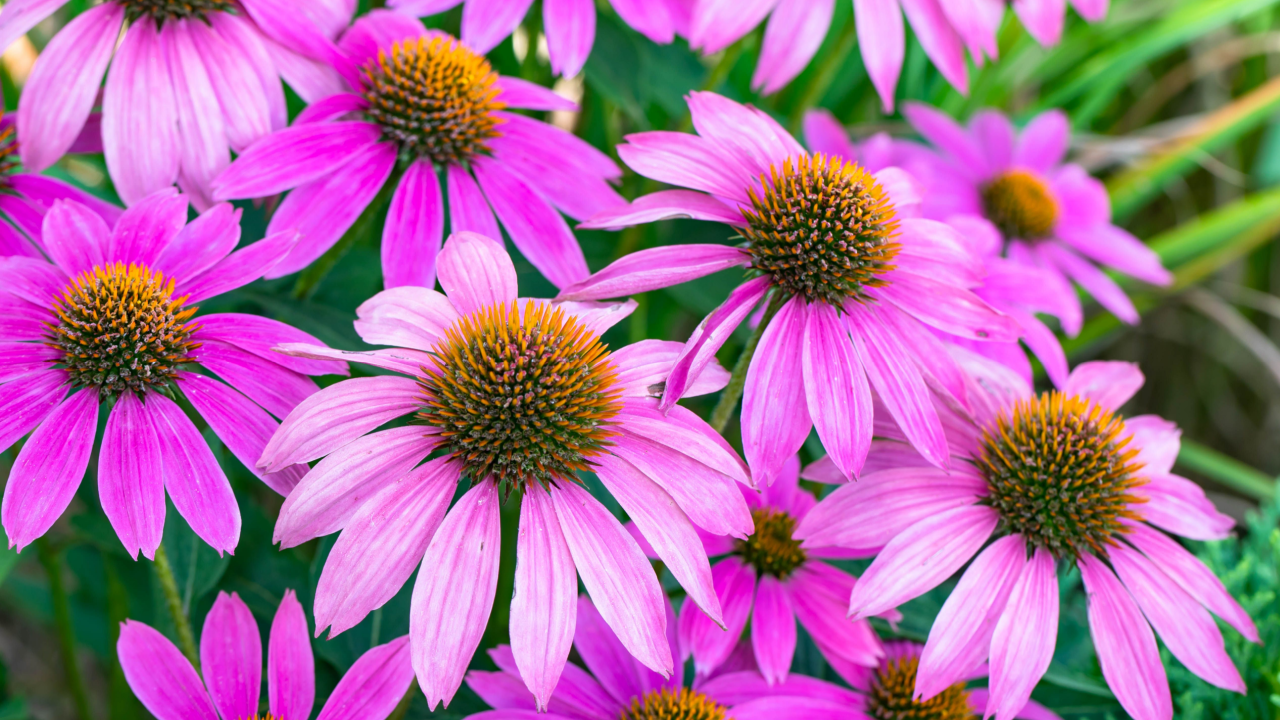
Coneflowers are extraordinary for both beauty and wildlife value. As they fade, their spent blooms form seedheads rich in nutrients—perfect nutrition for finches in fall and winter. Cutting these off prematurely robs birds of a critical food source.
Care & Notes:
- Zone: 3–9
- Size: 24–48″ tall, 18–30″ wide
- Light/Soil: Full sun, well-drained
- Extra: Allow seedheads to remain through winter, then cut back in late winter. You’ll still get plenty of blooms the next summer without disrupting the wildlife buffet.
2. Borage (Borago officinalis)
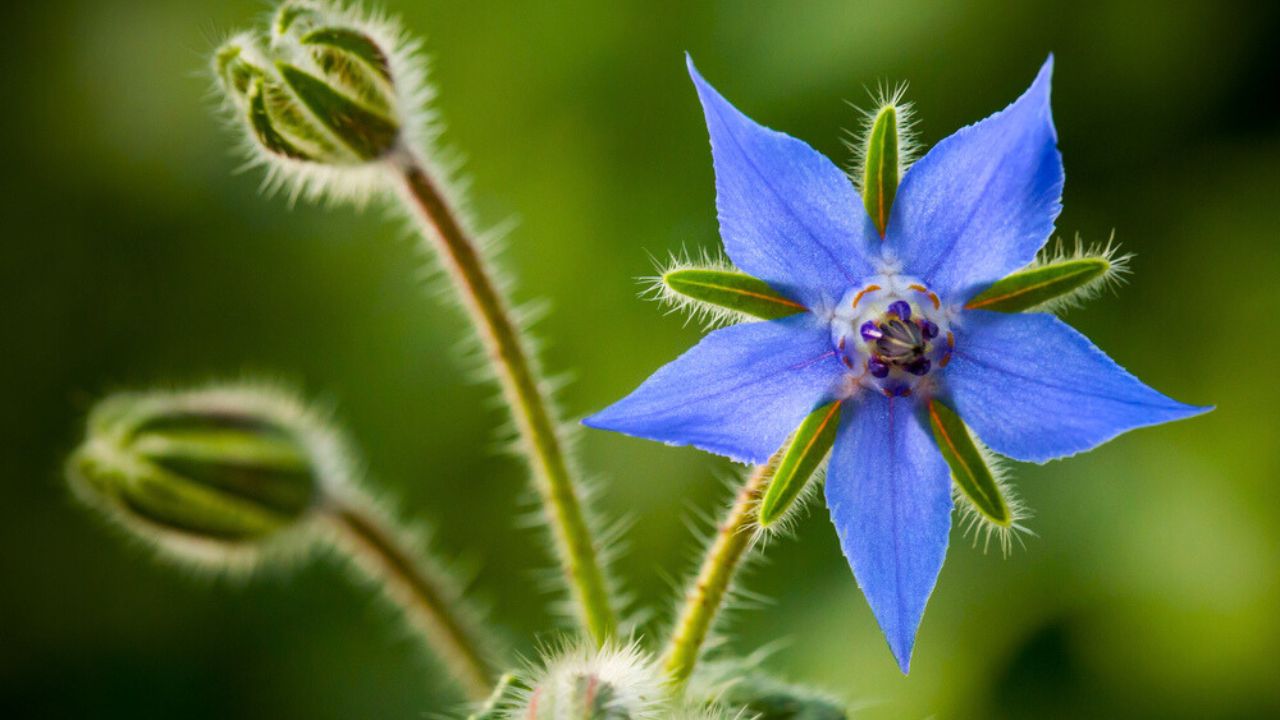
Borage offers a non-stop array of star-shaped blue blossoms thanks to its indeterminate bloom stalk. Friendly bees will buzz here all season long—just don’t cut the stalk or the cycle stops.
Care & Notes:
- Zone: 3–10 (usually grown as an annual)
- Size: 18–36″ tall, 12–18″ wide
- Light/Soil: Full sun, well-drained
- Extra: Let some flowers go to seed to regenerate naturally. It also doubles as a culinary and companion planting star, particularly beneficial near tomatoes.
3. Black‑Eyed Susan (Rudbeckia)
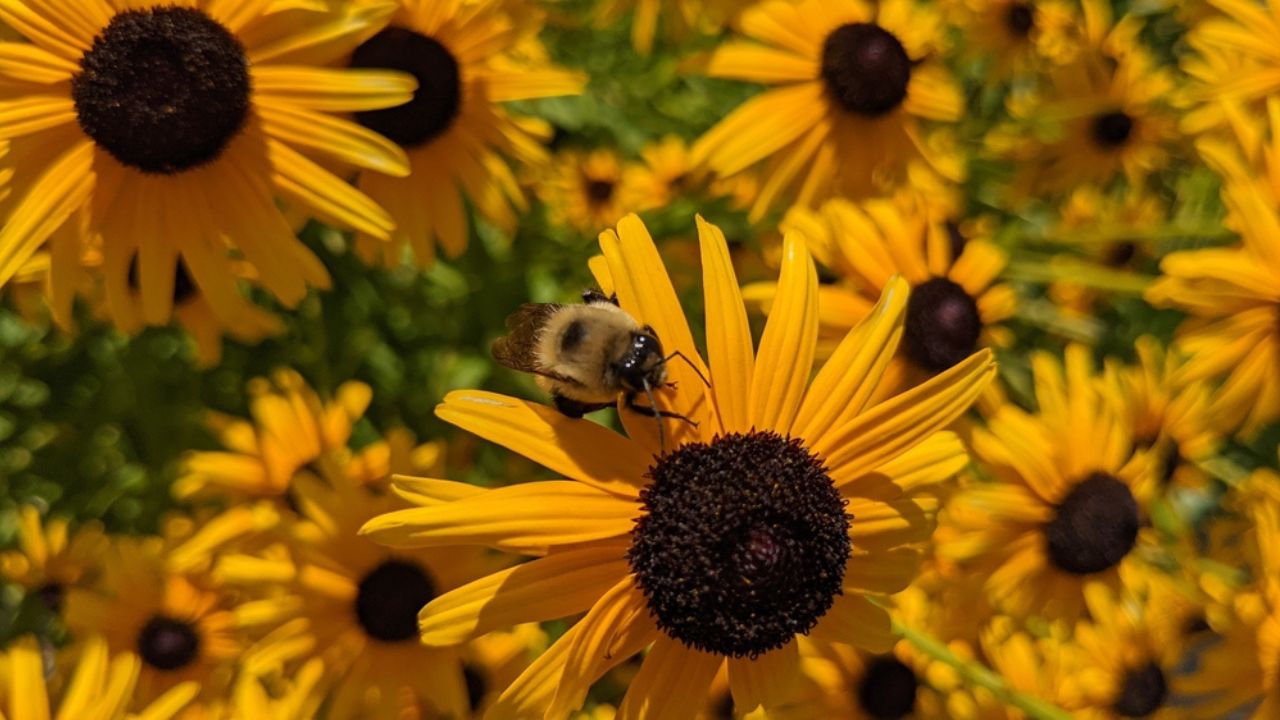
Rudbeckia’s sunny flowers transform into seed clusters highly sought after by native birds like goldfinches, so let them age and stay. Deadheading reduces the bloom period and robs wildlife.
Care & Notes:
- Zone: 3–9
- Size: 24–36″ tall, 18–24″ wide
- Light/Soil: Full sun, average, well-drained
- Extra: Cut back hard in late winter or early spring to encourage lush new growth. Divide every 3–4 years to maintain vigor.
4. Jerusalem Sage (Phlomis fruticosa)
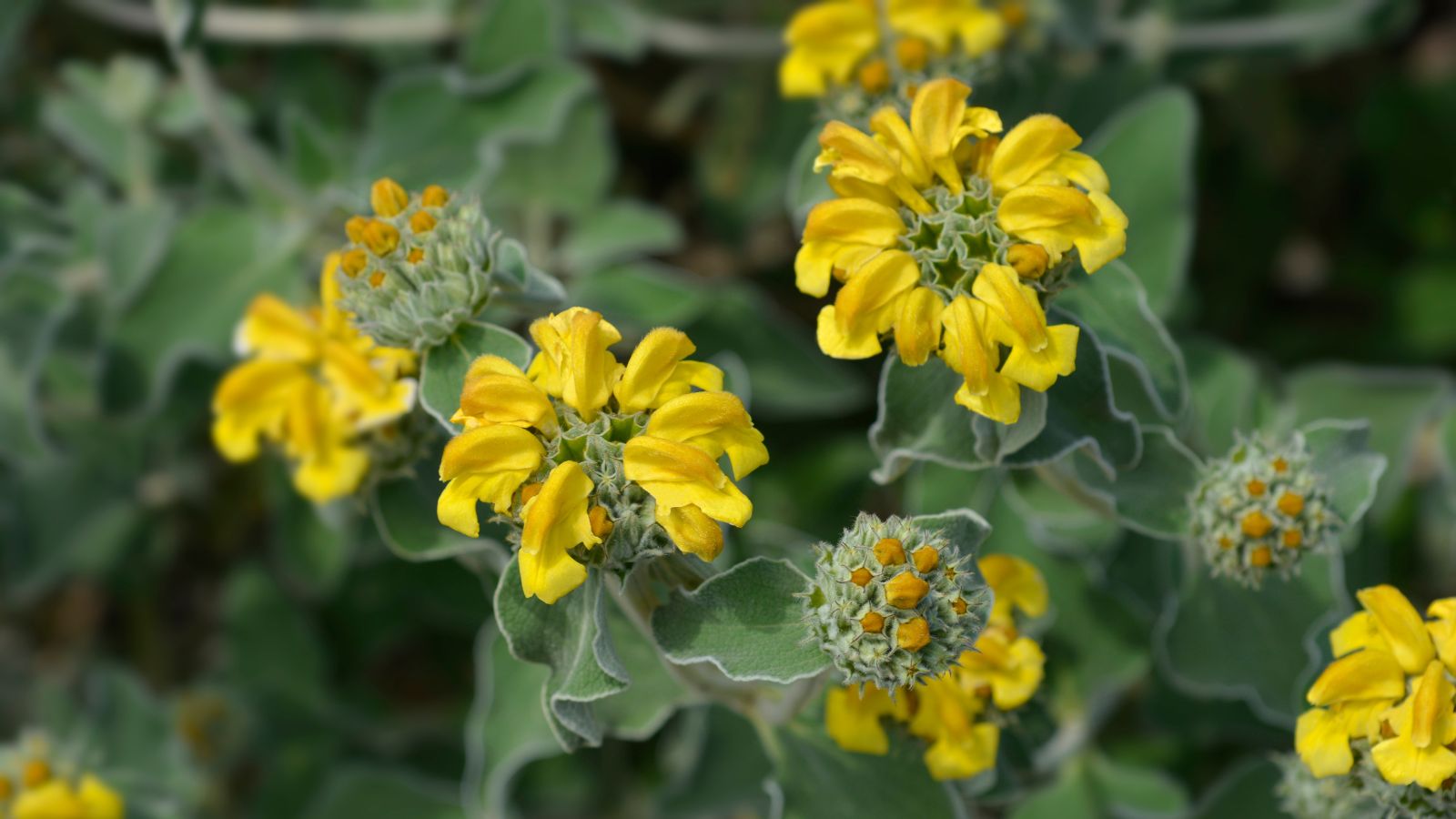
With bold yellow flower clusters, Jerusalem sage continues blooming on its ever-lengthening stems if left intact. Pruning during bloom halts the show.
Care & Notes:
- Zone: 5–10
- Size: 36–48″ tall, 48″ wide
- Light/Soil: Full sun, well-drained
- Extra: Shear lightly after bloom to shape and promote a second flush. Hardy, drought-resistant, and mouse-resistant foliage is a bonus.
5. Trailing Petunia/Supertunia (Calibrachoa & others)
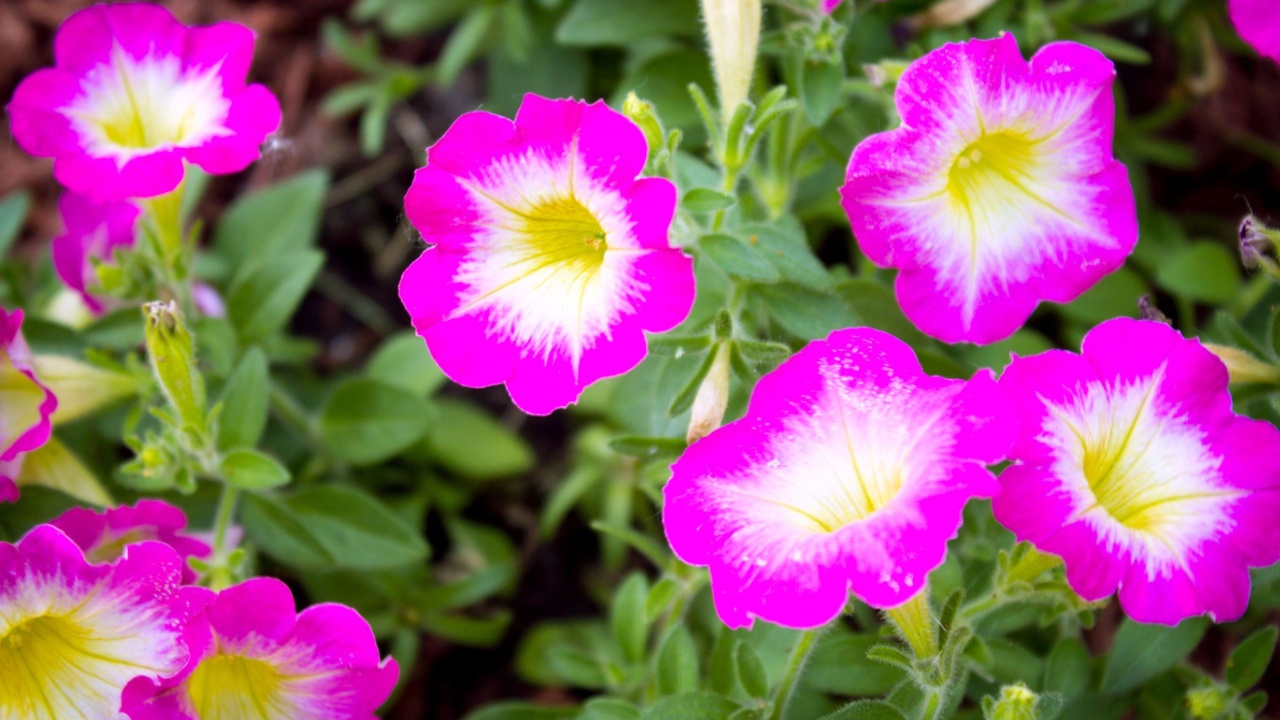
These prolific bloomers are “self-cleaning,” meaning spent flowers drop on their own and don’t need your TLC. Removing them may slow your display.
Care & Notes:
- Zone: 10–11 (annual elsewhere)
- Size: 6–14″ tall, 12–36″ wide
- Light/Soil: Full sun, acidic, well-drained
- Extra: In spring, trim back by one-third and refresh with fertilizer to extend life into the next season (in mild climates).
6. Lion’s Tail (Leonotis leonurus)

This striking plant boasts seasonal tubular blooms for hummingbirds and bees. Don’t deadhead—destroying the spike halts all further flowering.
Care & Notes:
- Zone: 8–11 (annual elsewhere)
- Size: 48–72″ tall, 48–60″ wide
- Light/Soil: Full sun, well-drained
- Extra: Once bloom finishes, cut the entire plant to the ground in late fall. It regrows robustly from the crown.
7. Chia (Salvia columbariae)
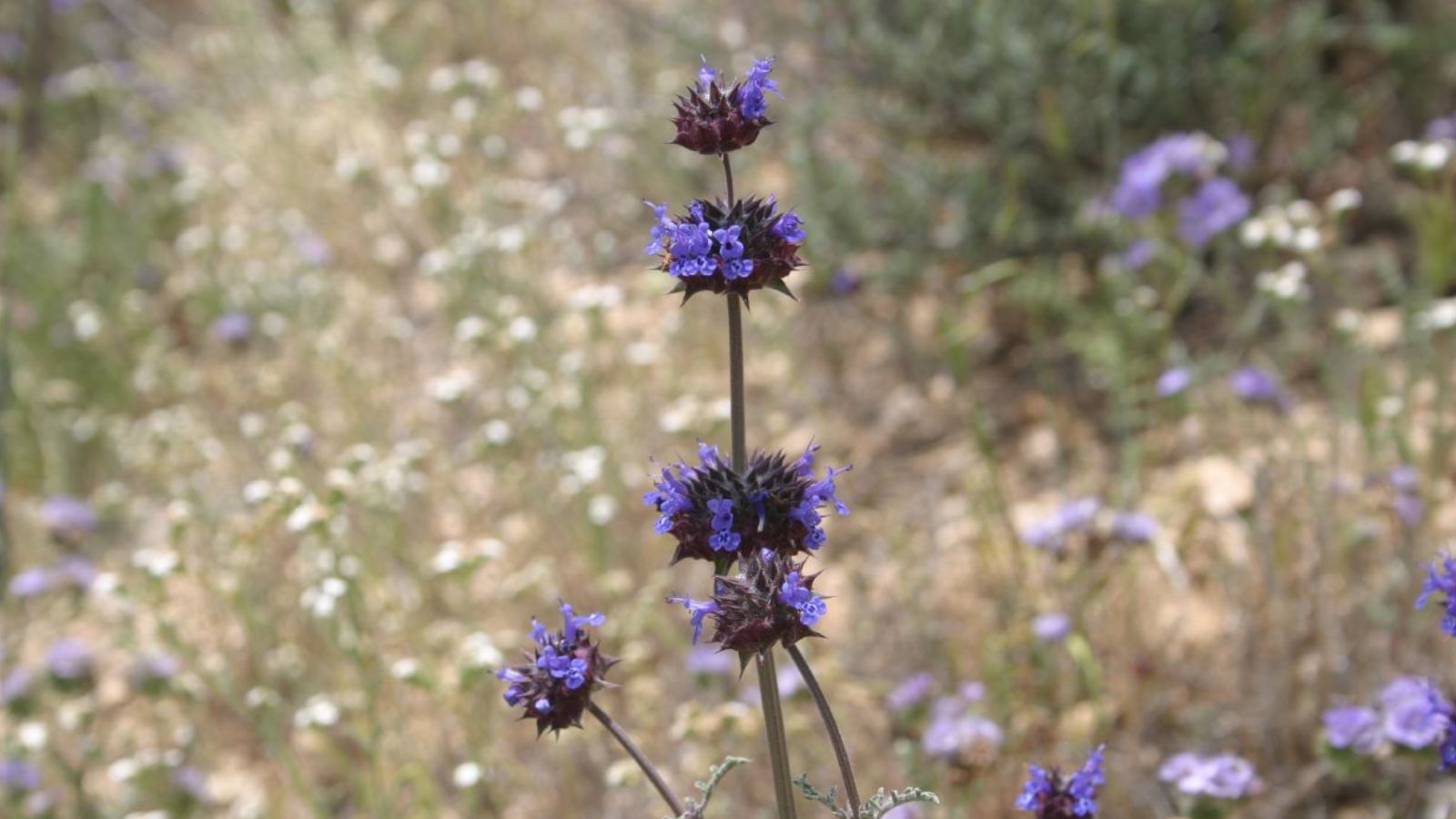
Chia produces continuous small purple blooms along its stems. Removing them prematurely stops the cycle and frustrates both plant and pollinators.
Care & Notes:
- Zone: 7–10 (annual elsewhere)
- Size: 12–18″ tall, 12″ wide
- Light/Soil: Full sun, poor to average well-drained
- Extra: Tolerates dry, gritty soil. Let seeds drop for self-seeding. Cut back after final bloom if you prefer neatness.
8. Columbine (Aquilegia)
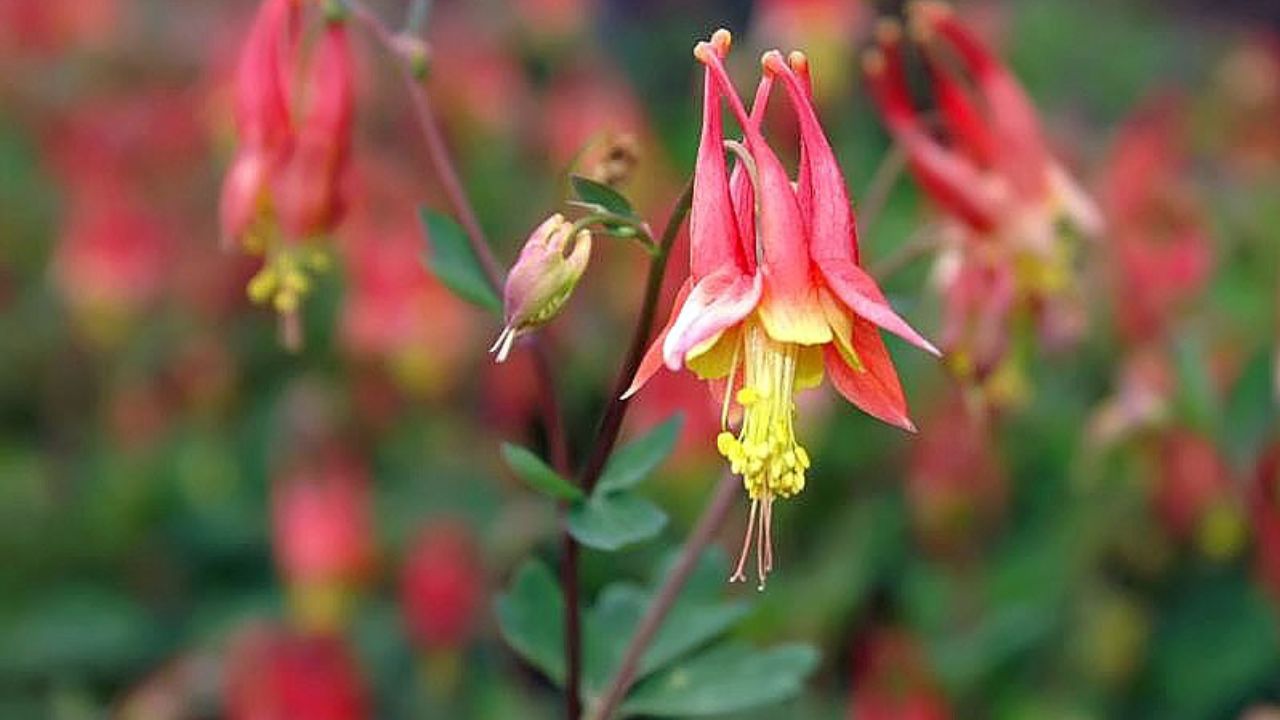
Columbines are natural reseeders—removing a flower means losing the chance at next season’s blooms. Let seedheads form if you want more plants.
Care & Notes:
- Zone: 3–9
- Size: 12–36″ tall, 12–18″ wide
- Light/Soil: Part sun, well-drained, moist
- Extra: Provide shade in hot climates. Once blooms pass, allow seed to ripen for about a month then remove old foliage to maintain fresh appearance.
9. Sedum (Stonecrop)

Sedum’s succulent foliage and flower clusters remain attractive through late frost. Pruning them in summer sacrifices both winter structure and edibility for birds.
Care & Notes:
- Zone: 3–10
- Size: 12–24″ tall, 12–24″ wide (varies widely)
- Light/Soil: Full sun to part shade, well-drained
- Extra: Once winter is done, cut back old flower stalks before new growth begins. Great for cut flower arrangements too.
10. Common Sunflower (Helianthus annuus)

If you’re planting native sunflowers, remember that their seedheads are key bird food. Deadheading them stops seed development and limits feeding opportunities.
Care & Notes:
- Zone: Annual (grown widely)
- Size: 4–10 ft tall, 1–2 ft wide
- Light/Soil: Full sun, fertile well-drained
- Extra: Leave a few heads in place for finches; harvest the rest at peak ripeness for roasting. Rotate planting spot yearly to prevent disease.
11. Bee Balm (Monarda)
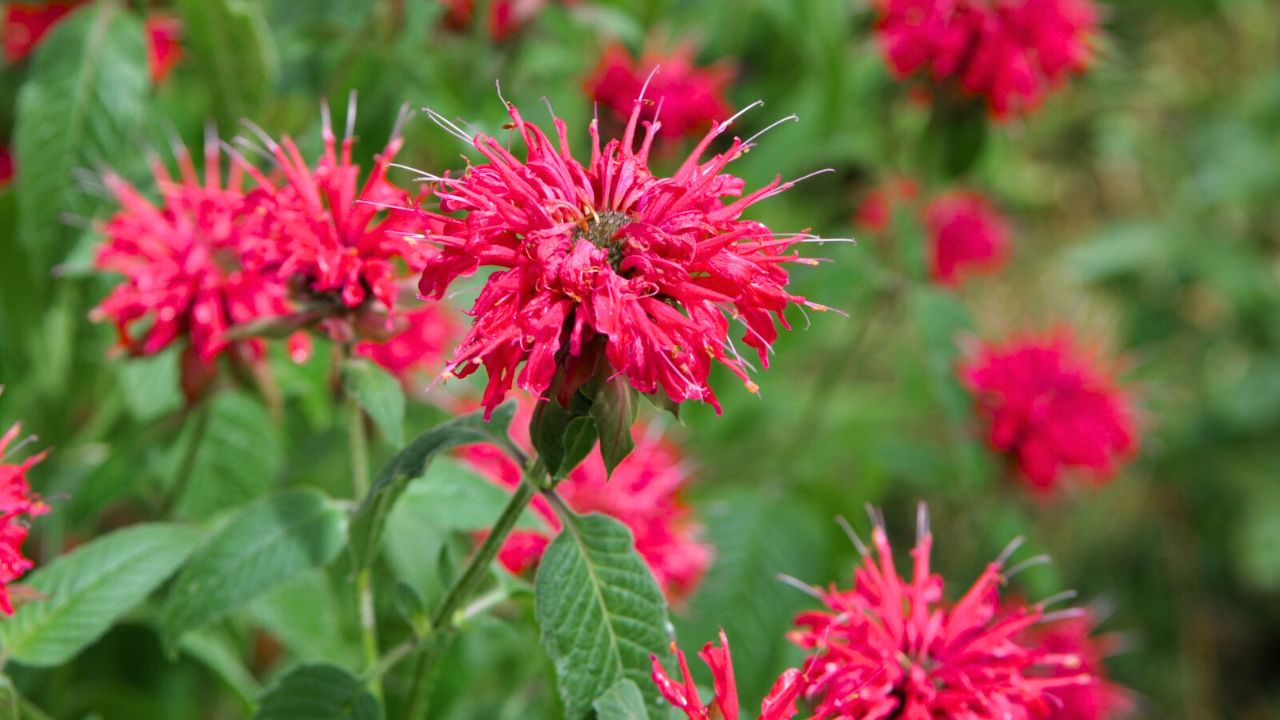
Bee balm blooms profusely and reseeds energetically. Deadheading after partial bloom is okay, but removing all flowerheads may restrict their long season of color.
Care & Notes:
- Zone: 4–9
- Size: 24–36″ tall, 24″ wide
- Light/Soil: Full sun to part shade, moist but well-drained
- Extra: Divide every 2–3 years to avoid powdery mildew. Remove spent clusters after peak bloom to encourage rebloom, but leave some for seed.
12. Asters
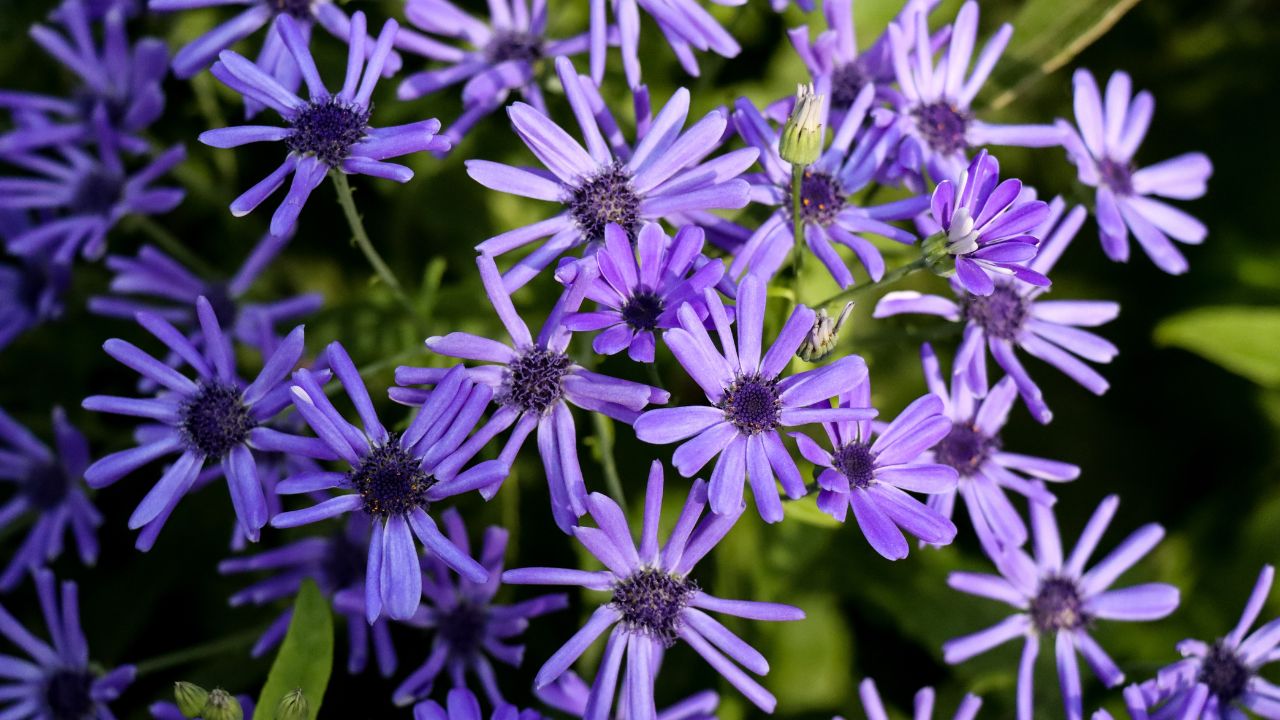
Fall asters create a vital late-season nectar source. Their airy seedheads are also enjoyed by goldfinches—cutting them in June kills both benefits.
Care & Notes:
- Zone: 3–8 (varies)
- Size: 24–48″ tall, 24–36″ wide
- Light/Soil: Full sun, moist, fertile soil
- Extra: Stake tall varieties to prevent flop. Deadhead selectively mid-season, but leave some bloom for birds in autumn.
13. Yarrow (Achillea)
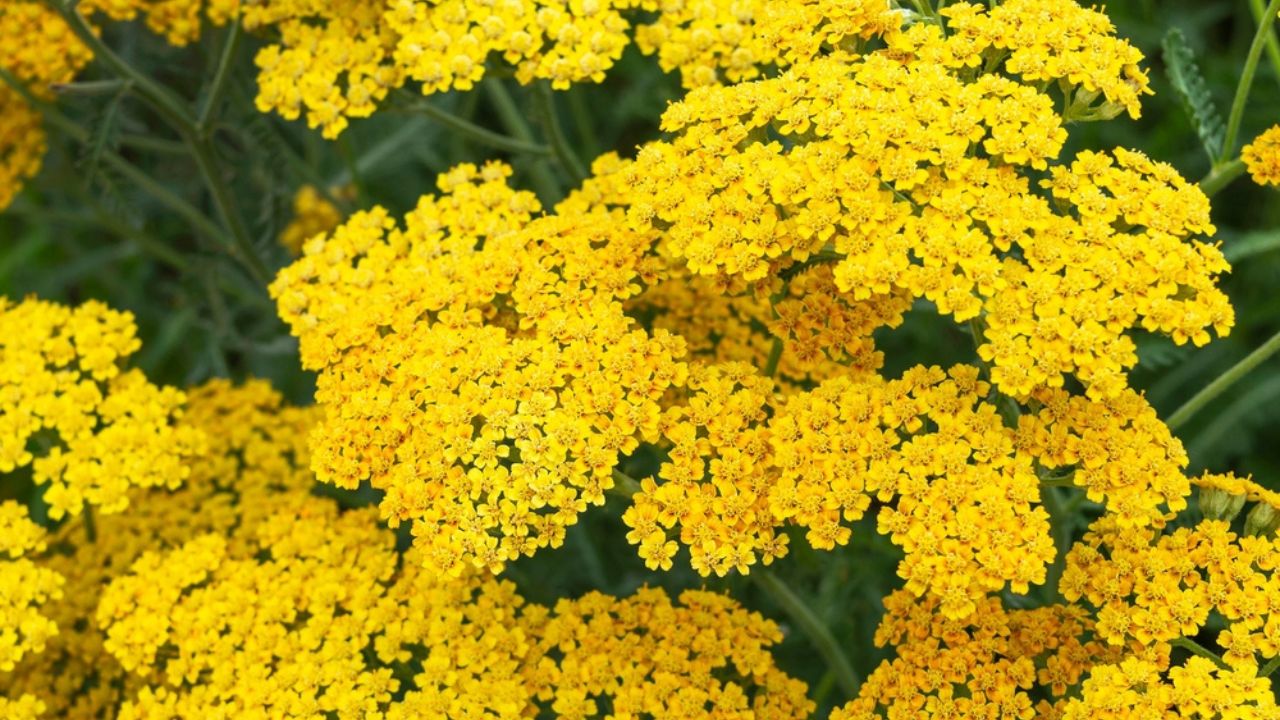
Yarrow’s flat-top blooms last indefinitely and become seed heads that birds enjoy later. Full removal stops seed set and limits wildlife attraction.
Care & Notes:
- Zone: 3–9
- Size: 24–36″ tall, 18–24″ wide
- Light/Soil: Full sun, well-drained
- Extra: After spring bloom, cutting stems by half can produce a shorter second bloom. Divide clumps every 3–4 years to rejuvenate.
14. Goldenrod (Solidago)
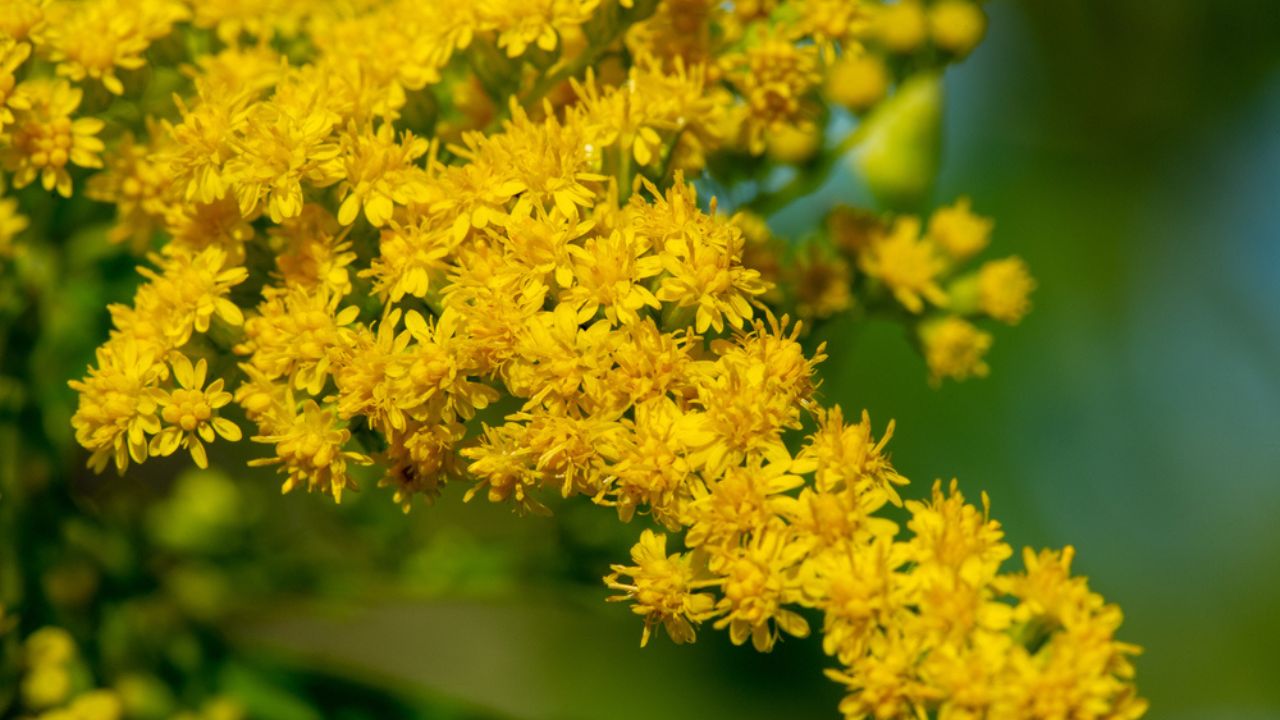
Goldenrod’s tall plumes feed bees in late summer and birds through fall. Deadheading stifles its ecological role and seasonal interest.
Care & Notes:
- Zone: 3–9
- Size: 2–5 ft tall, 1–2 ft wide
- Light/Soil: Full sun, many soil types
- Extra: Plant in clumps to tame spread (it can self-seed). Cut to ground in late winter to prevent overcrowding and open space for spring growth.
15. Lupine (Lupinus)
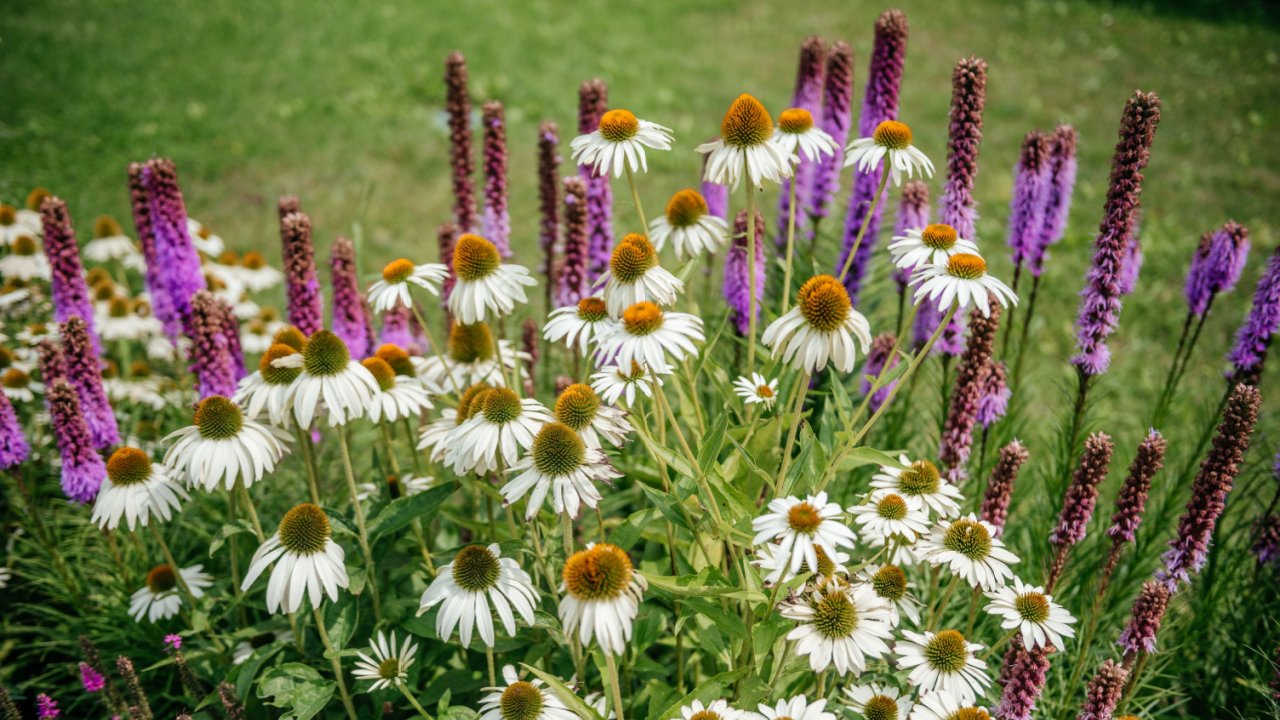
Lupine is beloved by bees and butterflies, particularly when its seedpods form. Cutting blooms early prevents natural reseeding.
Care & Notes:
- Zone: 4–7 (varies)
- Size: 18–36″ tall, 12–18″ wide
- Light/Soil: Full sun, sandy, well-drained
- Extra: After bloom, leave some pods to mature and feed wildlife. Stake taller species in windy locations.
16. Verbena (Perennial)
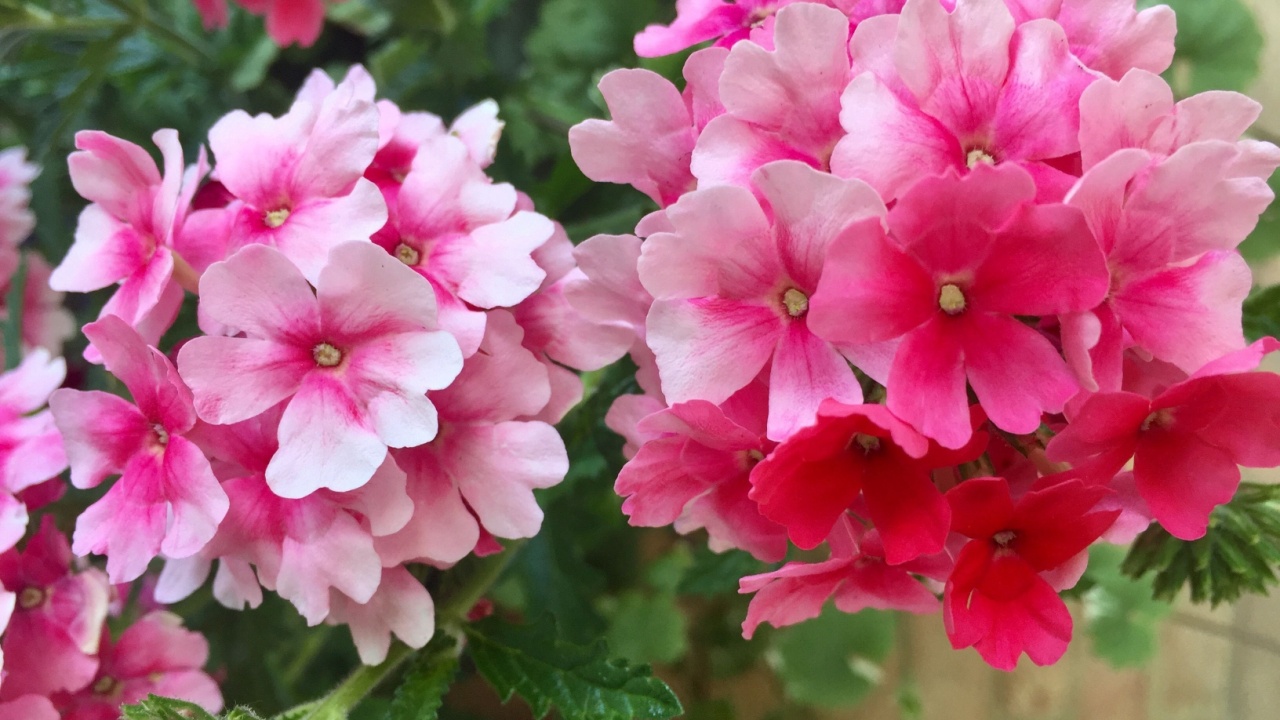
Perennial verbenas (e.g., V. bonariensis) offer airy blooms that butterflies adore. Cutting too early stops new clusters and disrupts pollinator visits.
Care & Notes:
- Zone: 7–10
- Size: 24–48″ tall, 18–36″ wide
- Light/Soil: Full sun, well-drained
- Extra: Trim lightly after peak bloom to stimulate rebloom. Shear hard in late autumn to tidy up.
17. Russian Sage (Perovskia atriplicifolia)
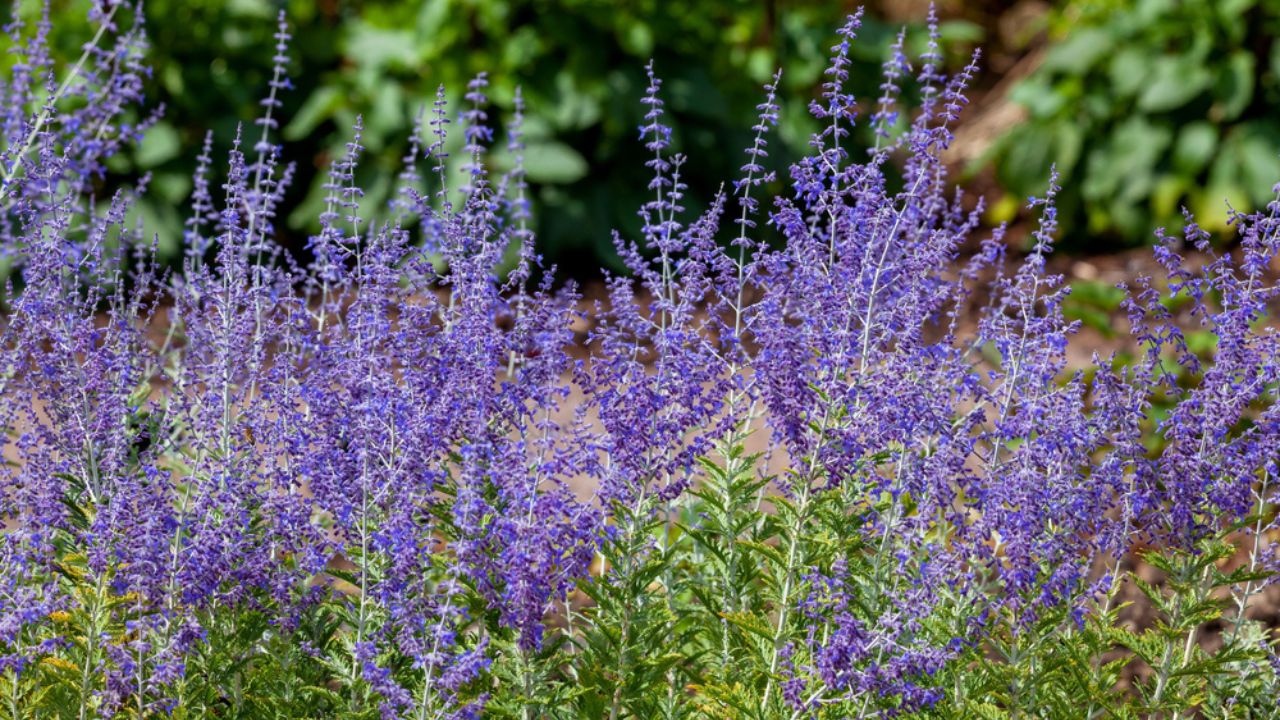
Russian sage’s silvery foliage and lavender-blue flowers persist into fall. Cutting them during bloom robs pollinators and the garden’s soft silhouette.
Care & Notes:
- Zone: 4–9
- Size: 36–48″ tall, 24–36″ wide
- Light/Soil: Full sun, well-drained
- Extra: Shear hard in early spring to promote new growth and maintain shape.
18. Helenium (Sneezeweed)
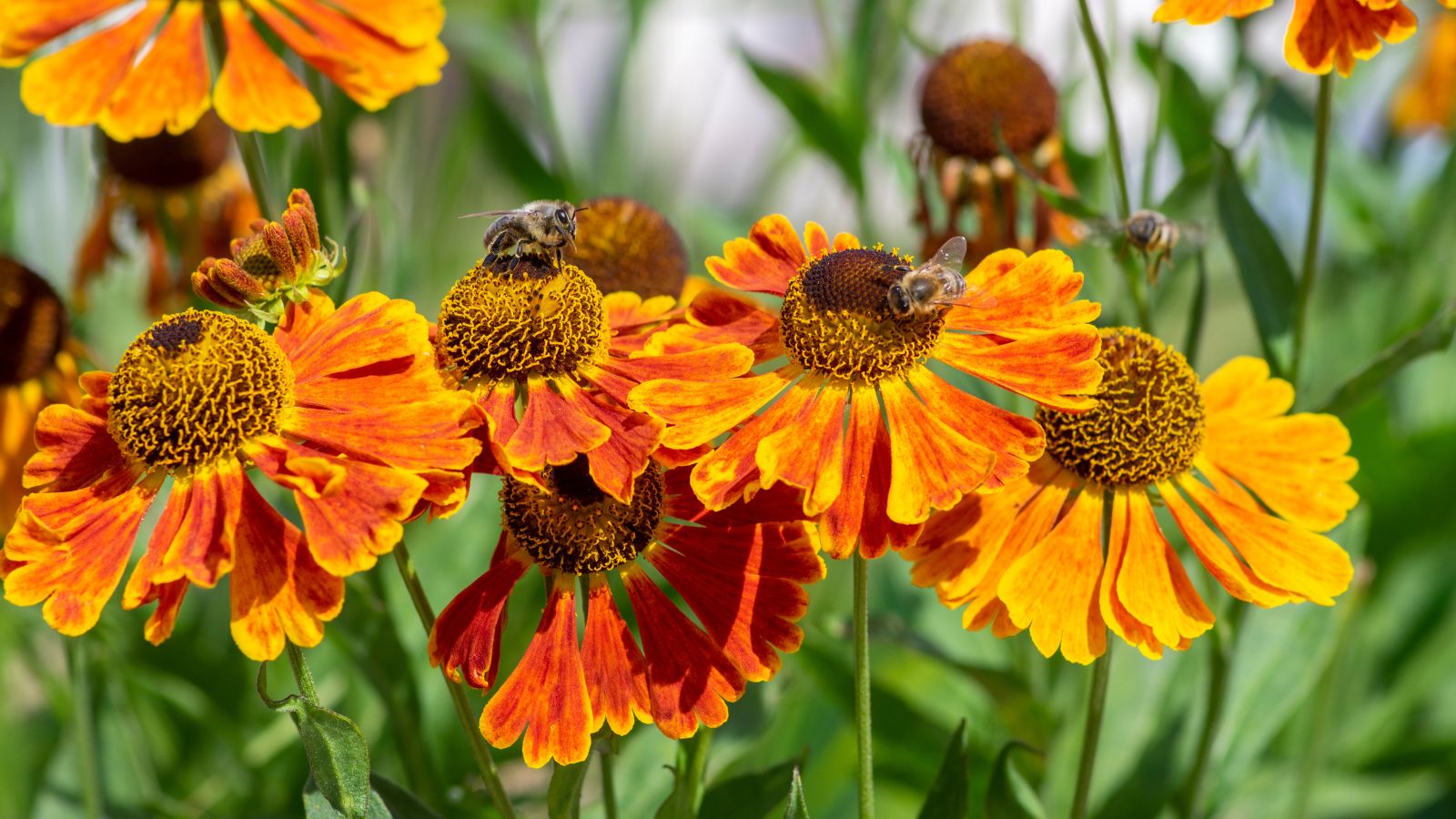
Helenium’s daisy-like blooms bloom mid-to-late summer into fall. Their seedheads feed birds, and their ongoing blooms support pollinators—so don’t remove them too soon.
Care & Notes:
- Zone: 4–9
- Size: 24–36″ tall, 18–24″ wide
- Light/Soil: Full sun, rich, moist, well-drained
- Extra: Deadhead sparingly to freshen appearance, but leave some spent flowers to ripen for wildlife benefits.
Save Yourself Work

Skip deadheading—and you’ll create an ecosystem that supports wildlife, conserves labor, and elevates your garden’s natural rhythm. Selectively trim only when form or safety requires it, and always let nature set the pace.