15 Beautiful Purple Flowers to Bring Color to the Yard
If you’re a fan of purple flowers, you know how much they can elevate a garden with their rich, vibrant hues.
Purple blooms bring a sense of calm and elegance, and they work beautifully whether planted en masse or sprinkled among other colors. The great news? There are plenty of varieties — from hardy perennials to quick-growing annuals — that will thrive in different climates and garden conditions.
Let’s take a stroll through 15 of the best purple flowers you can add to your garden, with tips on their care, ideal growing zones, and how they fit into your outdoor space.
We fact-checked our articles against trusted extension sources, including Penn State and the University of California (just to name a few).
Lavender
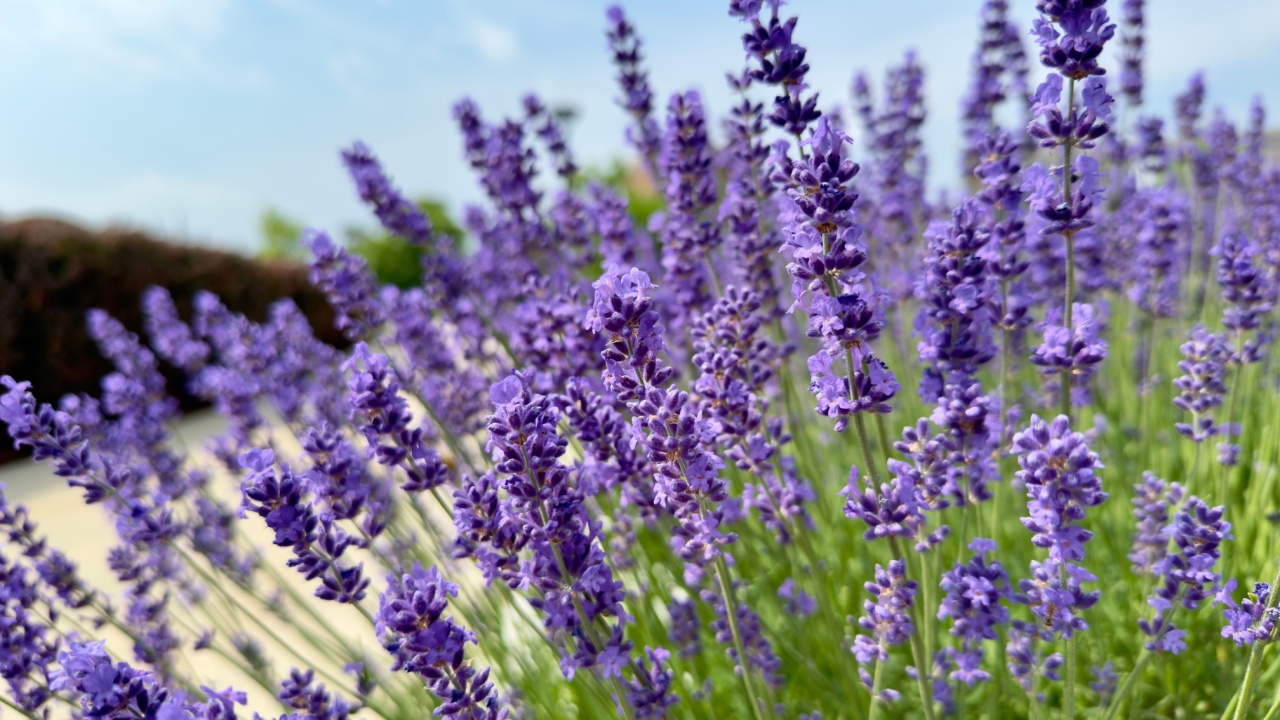
One standout for sunny gardens is Lavender, a fragrant perennial shrub loved by gardeners and pollinators alike. Hardy from zones 5 to 9, lavender thrives in full sun and well-drained, slightly alkaline soil. It’s perfect if you want a plant that offers beauty and a wonderful scent, you can harvest for culinary uses, or sachets.
Quick tip: Don’t forget to prune it back after flowering each year to keep the plant compact and encourage fresh growth.
Allium
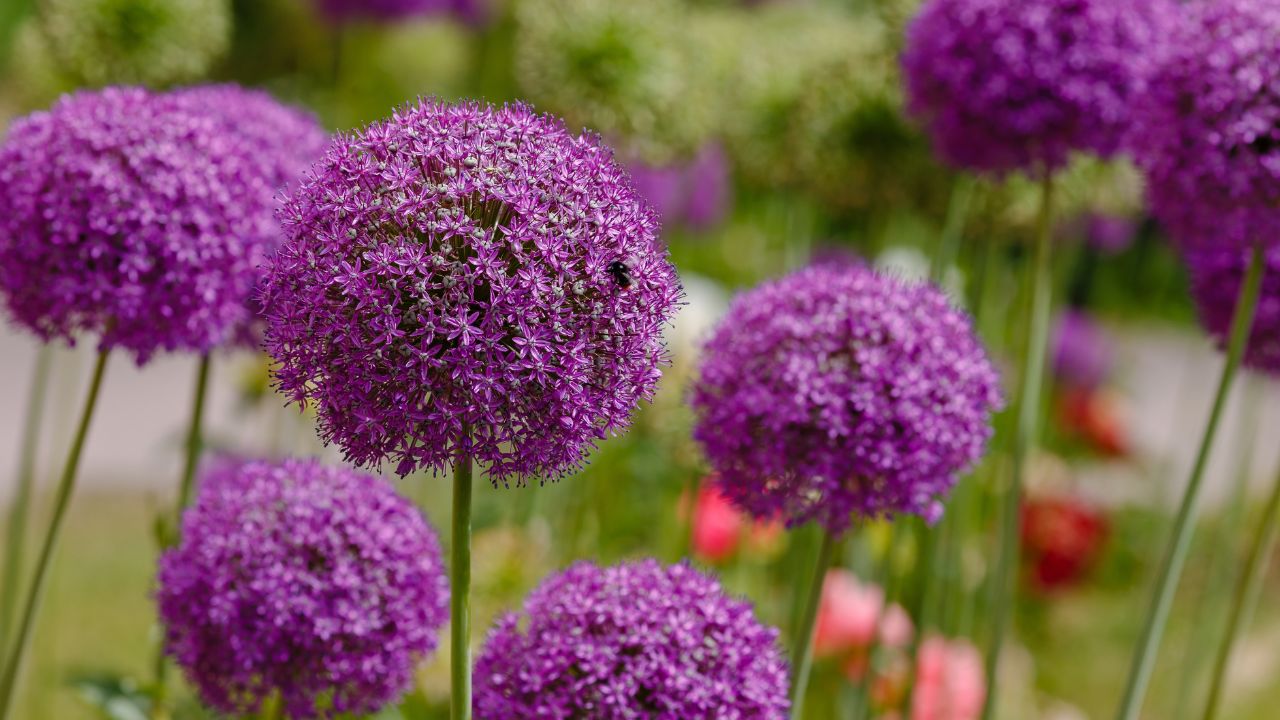
If you want a tall, dramatic display, Allium giganteum is a fantastic choice. These globe-shaped purple flowers atop long stems add architectural interest to any garden. Alliums grow best in zones 4 to 9 with full sun and well-drained soil.
They’re bulbs, so plant them in the fall, and they’ll return year after year, adding late spring color and attracting beneficial bees.
Mini Iris
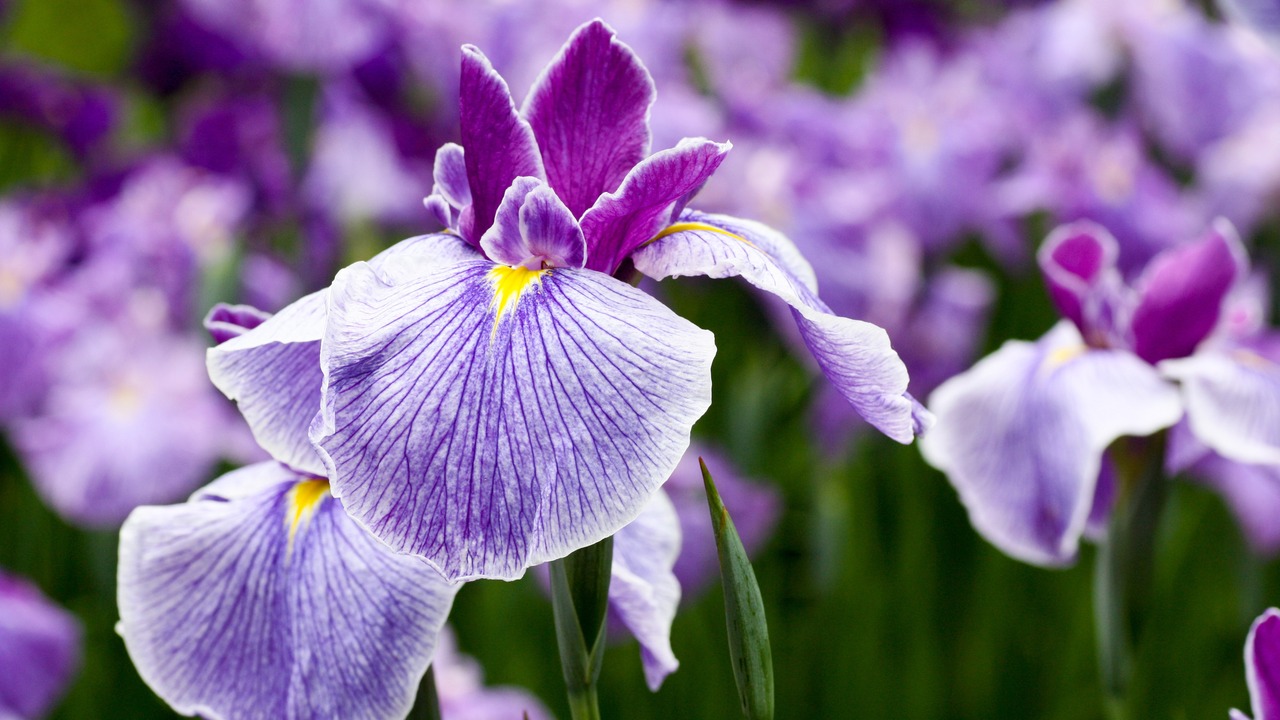
For those with limited space or who prefer early blooms, the petite Mini Iris bursts into view in early spring with rich purple flowers only a few inches tall. Hardy in zones 5 to 9, these bulbs prefer sunny to partly shaded spots with well-drained soil. Plus, their early flowering helps feed hungry pollinators emerging after winter.
Clematis
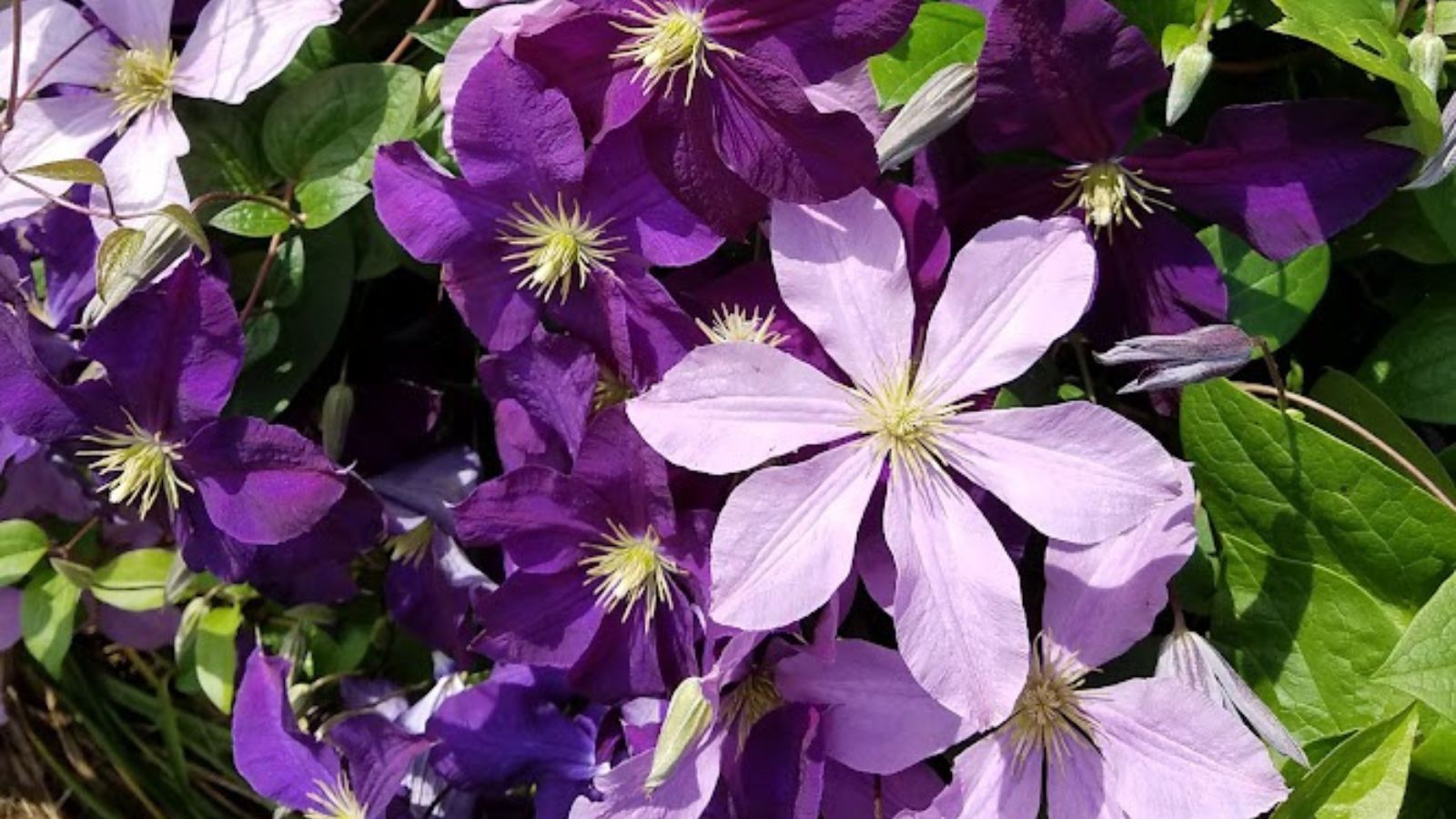
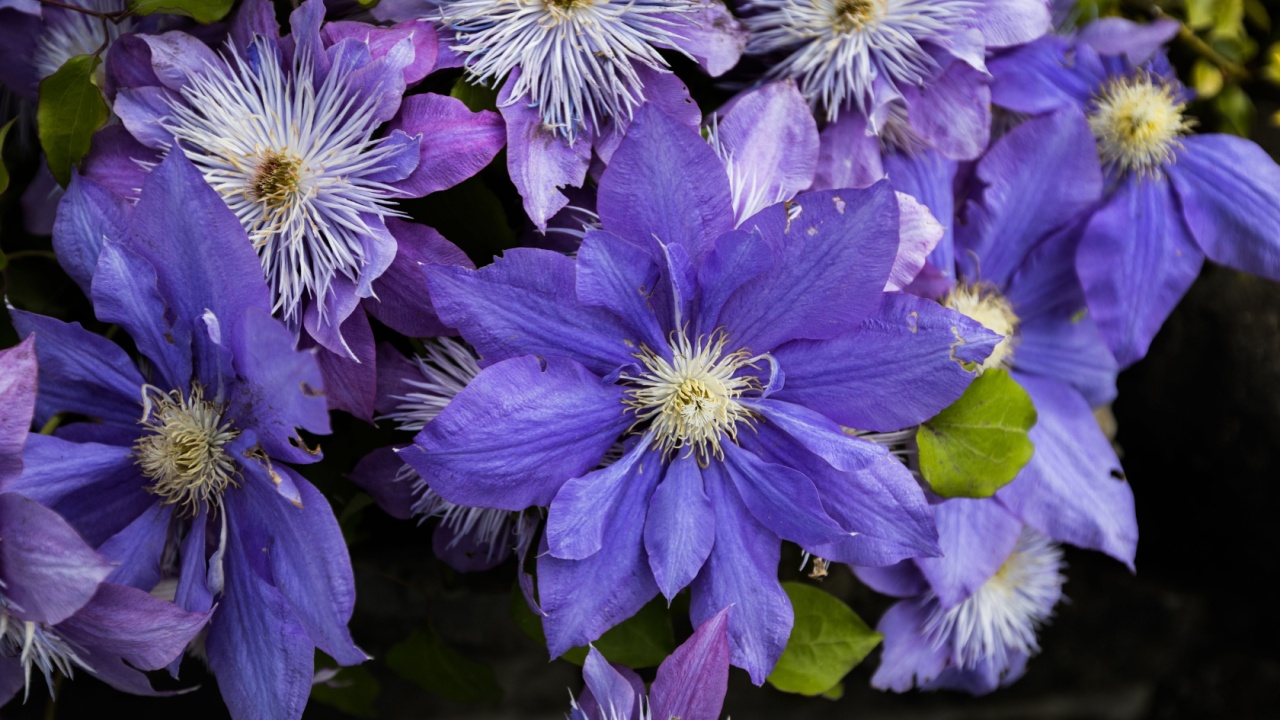
If you’re looking to add vertical interest, the Clematis jackmanii vine is a showstopper with its large, flat, purple flowers. It flourishes in zones 4 to 8, loving sun on its flowering parts but cool, shaded roots — so mulch is your friend here.
Clematis can climb up to 10 feet or more, perfect for trellises or fences. Regular pruning based on variety helps keep blooms abundant.
Wisteria
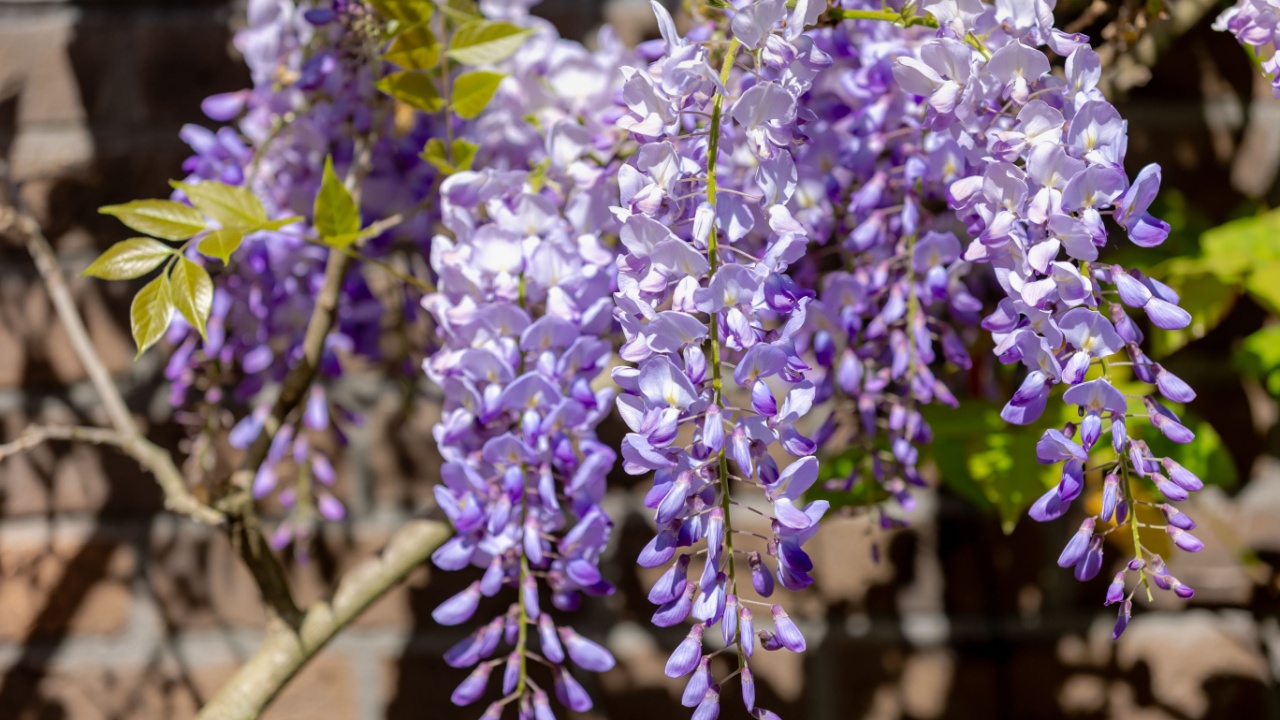
Another vigorous climber to consider is Wisteria, which drapes your garden with cascading purple blossoms in spring. Suitable for zones 5 to 9, it needs full sun and well-drained soil.
Be warned — Wisteria is a powerhouse that requires regular pruning to prevent it from overtaking your space, but the fragrant, beautiful flowers are worth the effort. Also, opt for the less invasive native options, not the Japanese one.
Purple Coneflower
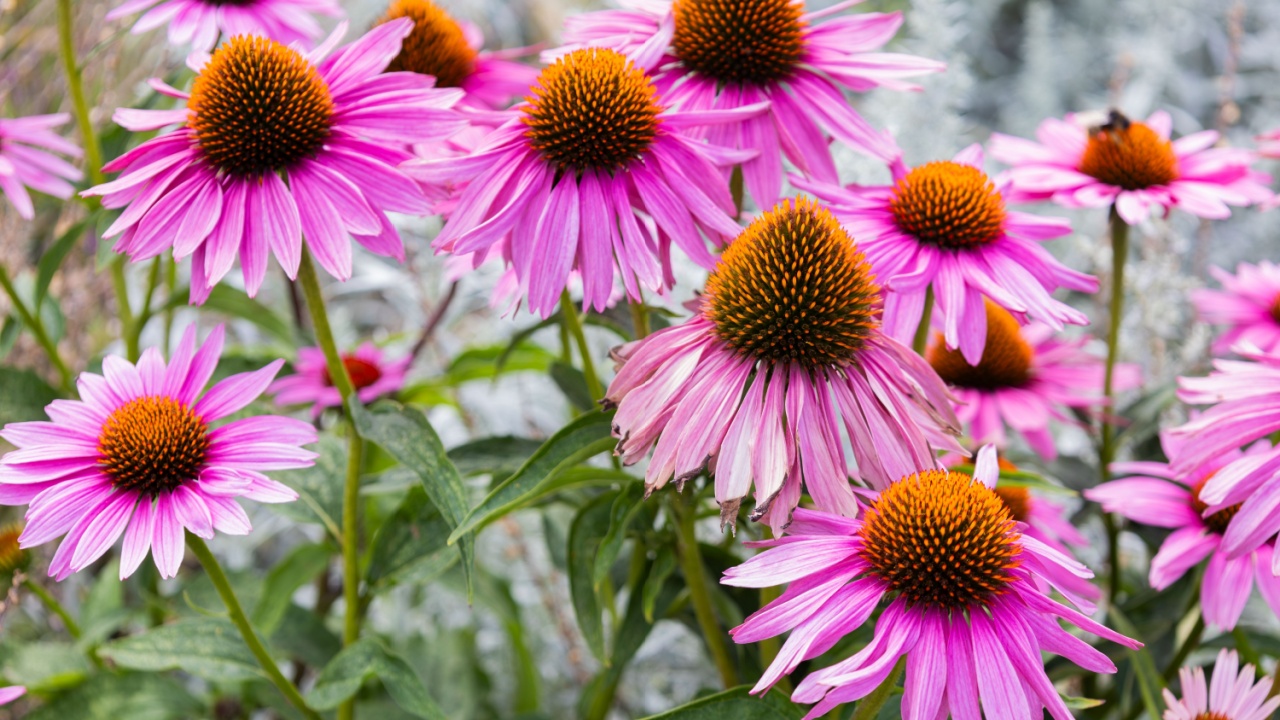
For perennial garden charm, Purple Coneflowers (Echinacea purpurea) are tough, drought-tolerant favorites in zones 3 to 9. These native beauties attract butterflies and songbirds, providing summer-long interest with their daisy-like purple petals and prominent seed cones.
Maintenance Tip: Deadheading keeps the blooms coming, and in fall, birds appreciate the seeds.
Lupine
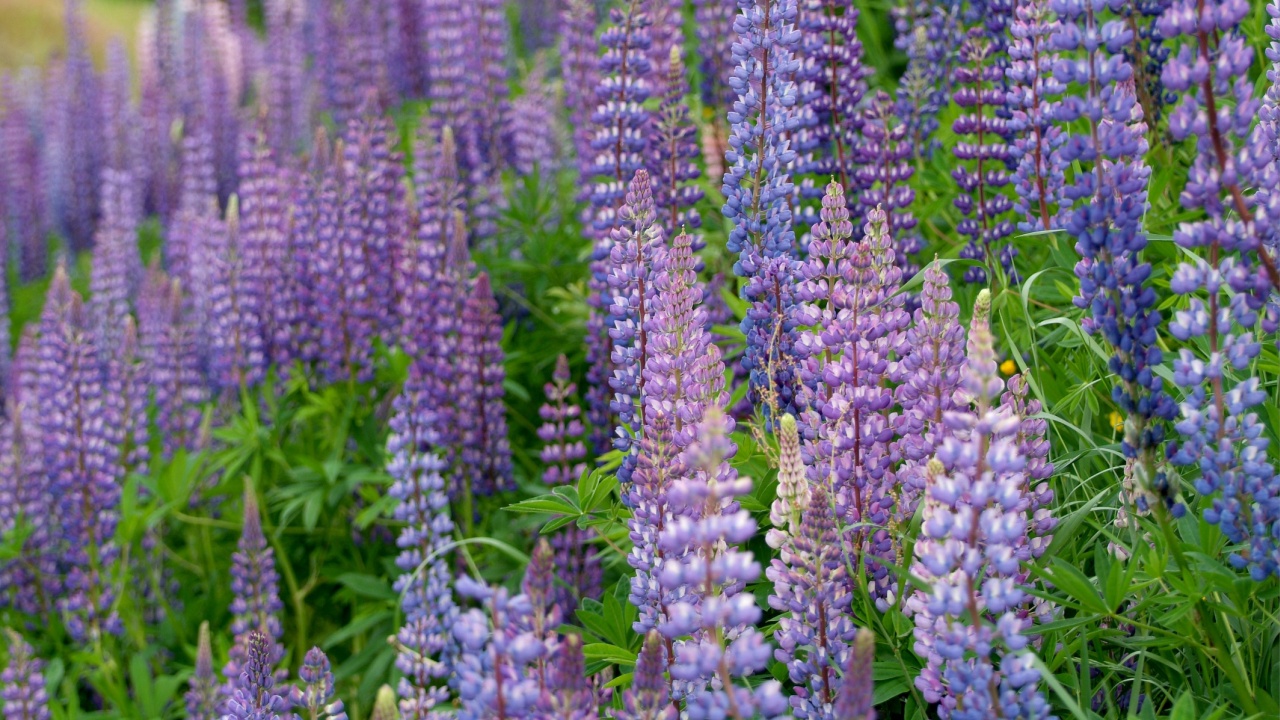
If you like a bit of flair and color diversity, Lupines add stunning spires of purple to the garden. Depending on the species, lupines may behave as annuals or short-lived perennials, thriving in zones 4 to 8. They prefer full sun but tolerate some shade and flourish in slightly acidic, well-drained soils.
Bonus: They fix nitrogen, improving your soil naturally!
Anise Hyssop
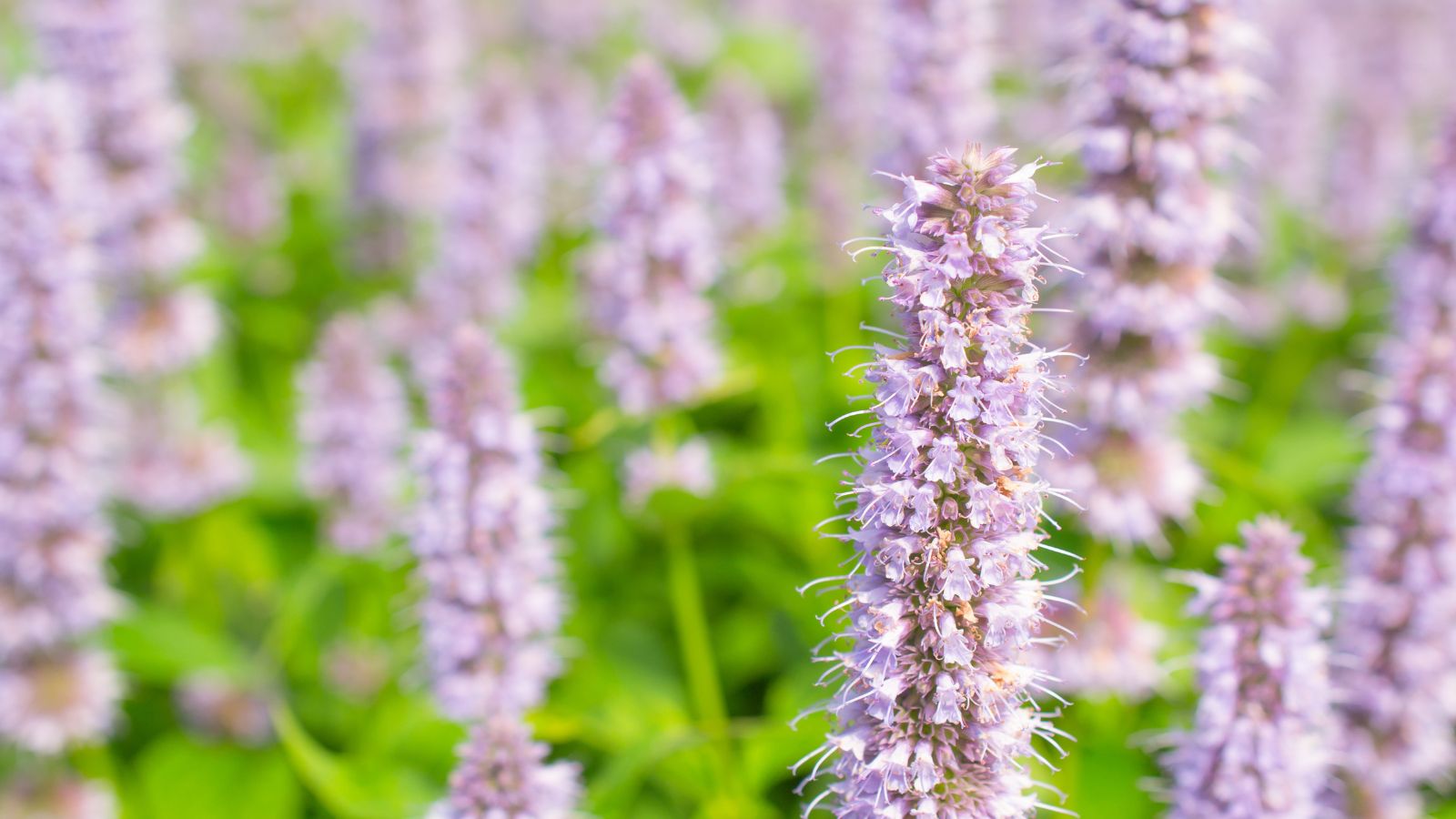
Another pollinator magnet is Anise Hyssop, a fragrant perennial that produces abundant purple flowers and aromatic leaves. Hardy in zones 4 to 9, it prefers full sun and sandy, well-drained soil.
Beyond its beauty: You can harvest the leaves fresh or dried to flavor salads or drinks, making it a multi-purpose plant.
Purple Bee Balm
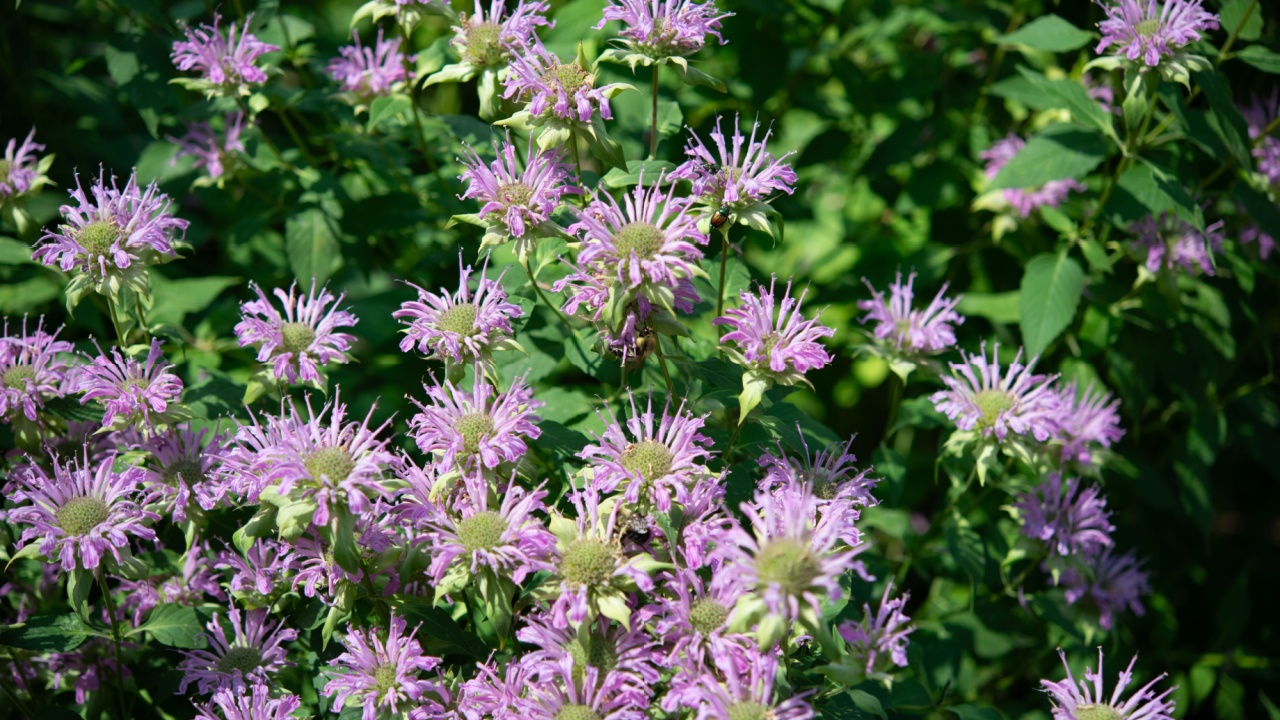
Looking for vibrant midsummer blooms? Purple Bee Balm is a showy perennial that thrives in zones 4 to 9, attracting hummingbirds, bees, and butterflies. It prefers moist, well-drained soils and benefits from division every few years to avoid overcrowding.
Planting tip: Make sure to space plants well for good air circulation to prevent powdery mildew.
Verbena
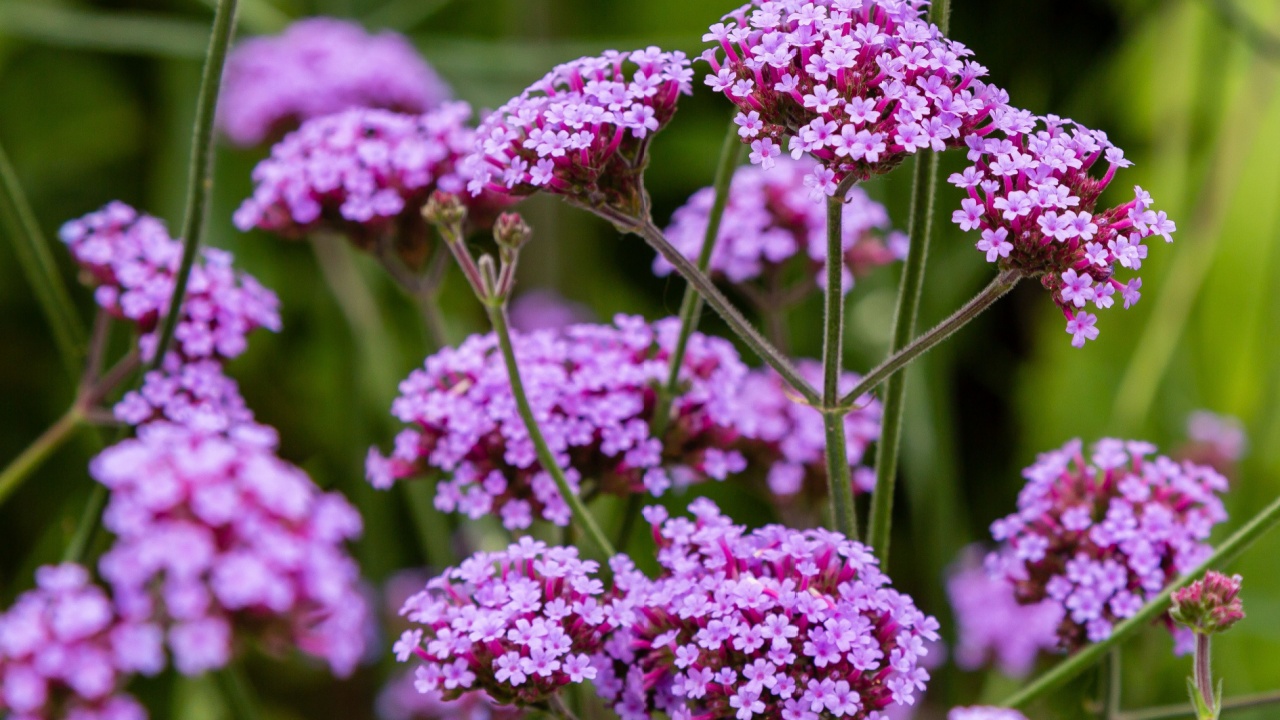
For a long-blooming annual or tender perennial that thrives in heat, Verbena is a top pick. Grown as a perennial in zones 7 to 11, or as an annual elsewhere, verbena produces clusters of purple flowers from late spring to frost.
Growing tips: It loves full sun and average garden soil and responds well to regular deadheading to keep blooms coming.
Gomphrena
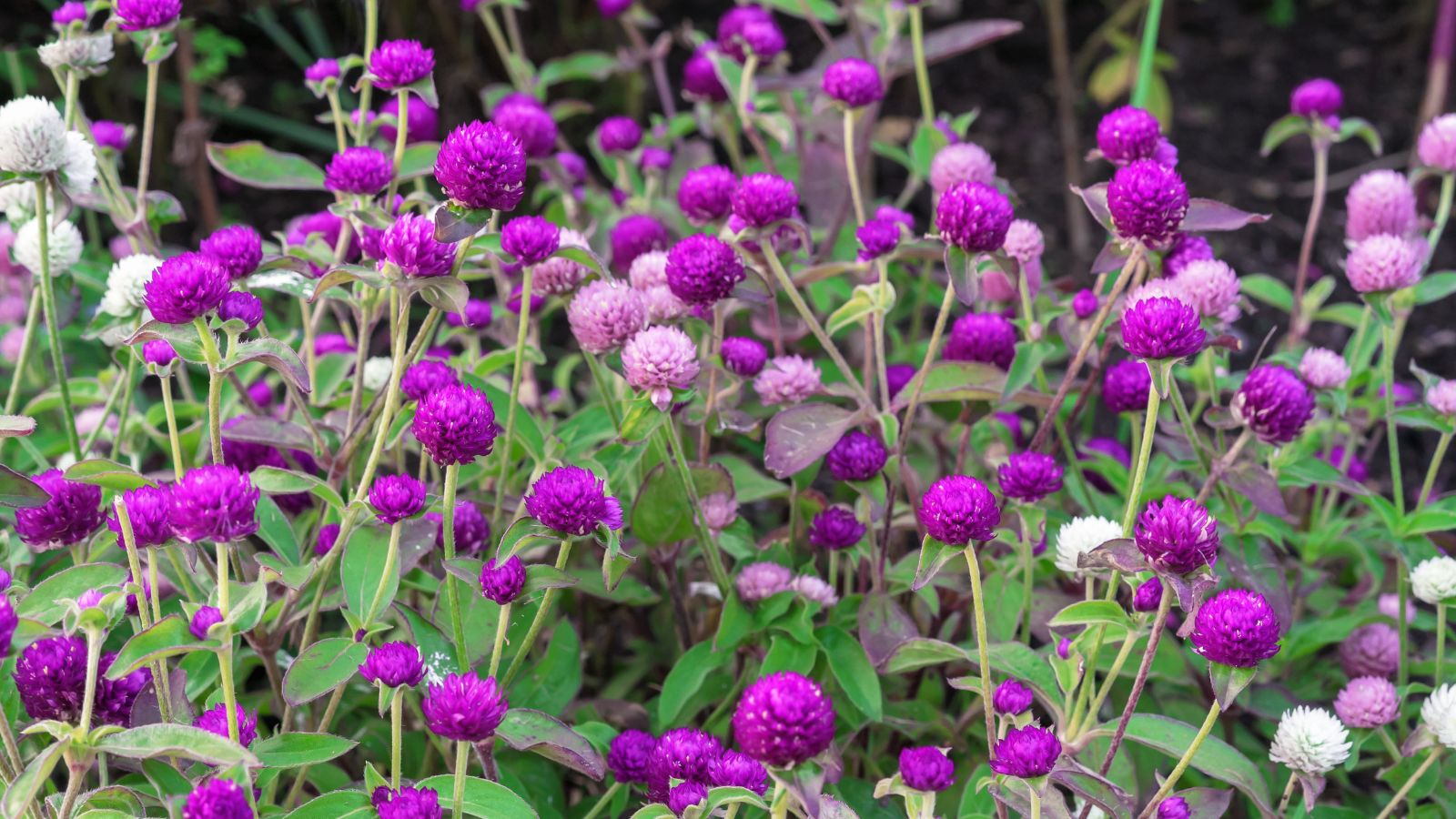
If you want a flower that’s as tough as it is beautiful, try Gomphrena (Globe Amaranth). This annual thrives in hot, sunny conditions, perfect for zones 9 to 11 or grown as an annual in cooler areas. It’s drought-tolerant and produces globe-shaped purple flowers that dry well, making them great for fresh or dried arrangements.
Zinnia ‘Zesty Purple’
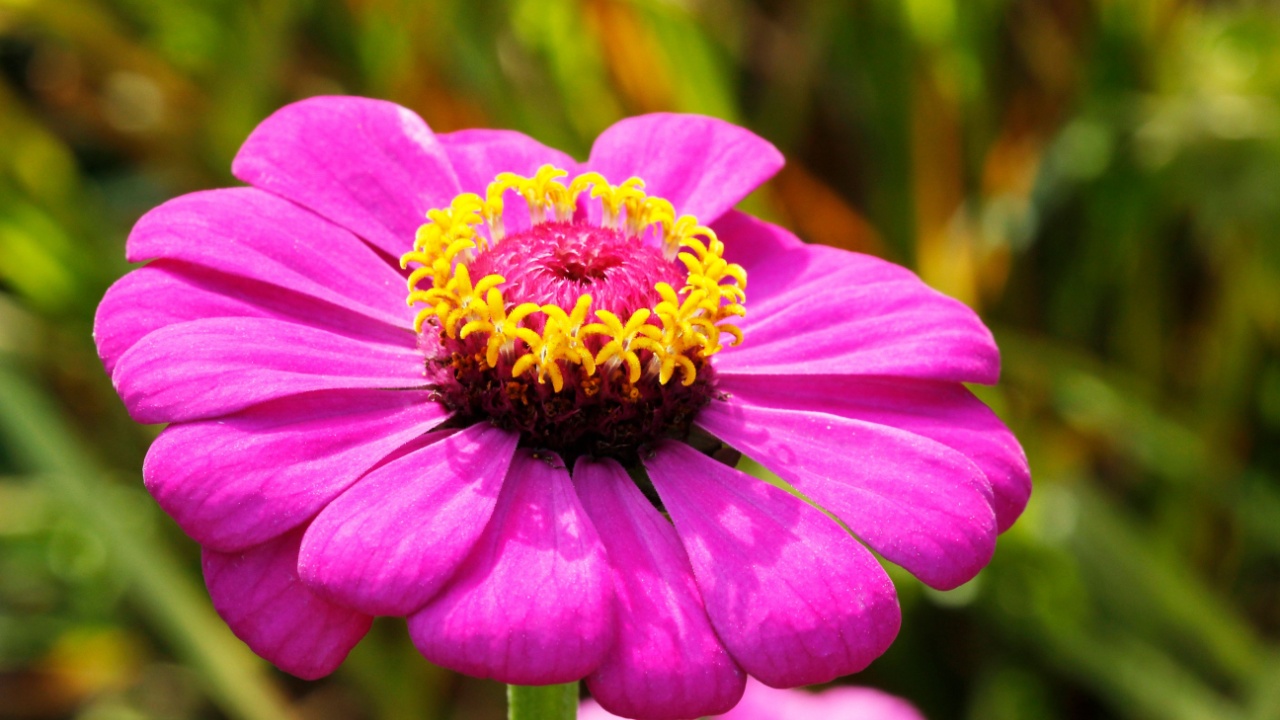
Beginners often love Zinnia ‘Zesty Purple’ for its vibrant color and easy growth. This annual performs well in zones 3 to 10 with full sun and well-drained soil. Zinnias bloom all summer prolifically, especially if you regularly deadhead spent flowers, and they attract butterflies, making your garden lively.
‘May Night’ (Salvia nemorosa)
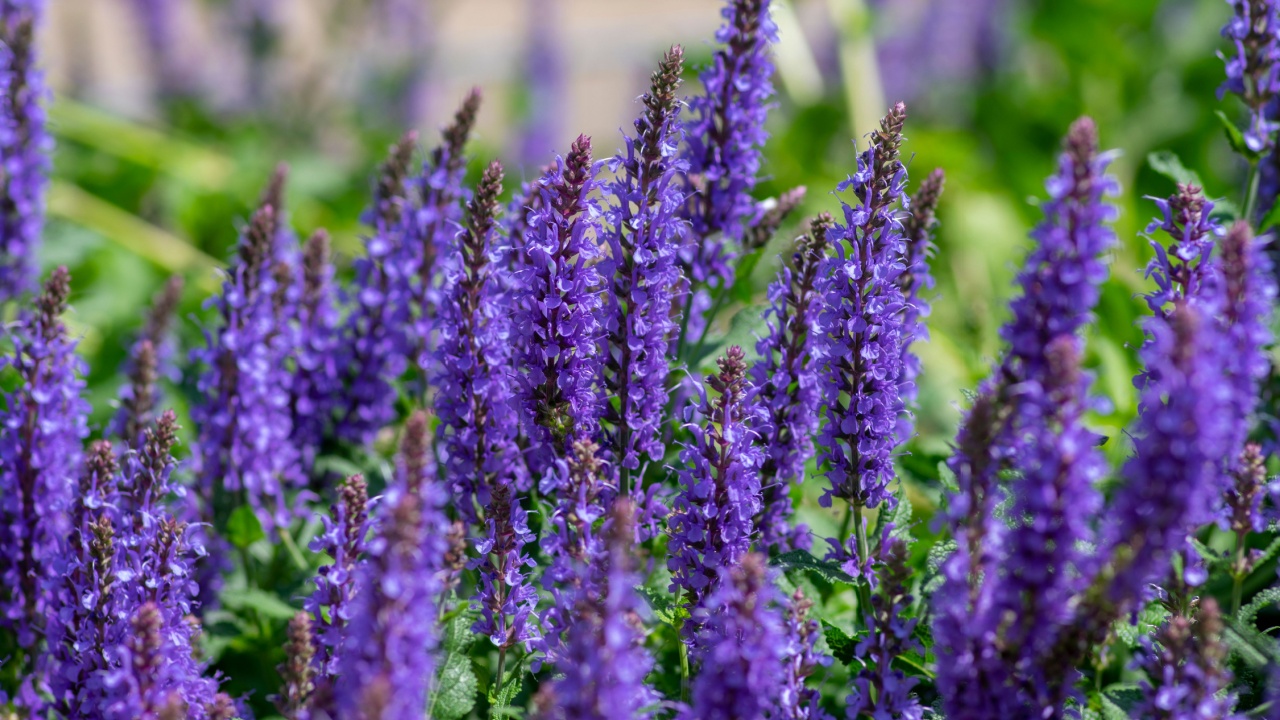
Salvia nemorosa ‘May Night’ is another perennial powerhouse, boasting tall spikes of deep purple flowers. Hardy in zones 4 to 9, Salvia thrives in full sun with well-drained soil and is drought-tolerant once established. Regular deadheading encourages reblooming, and its strong scent helps repel deer.
Jacaranda Tree
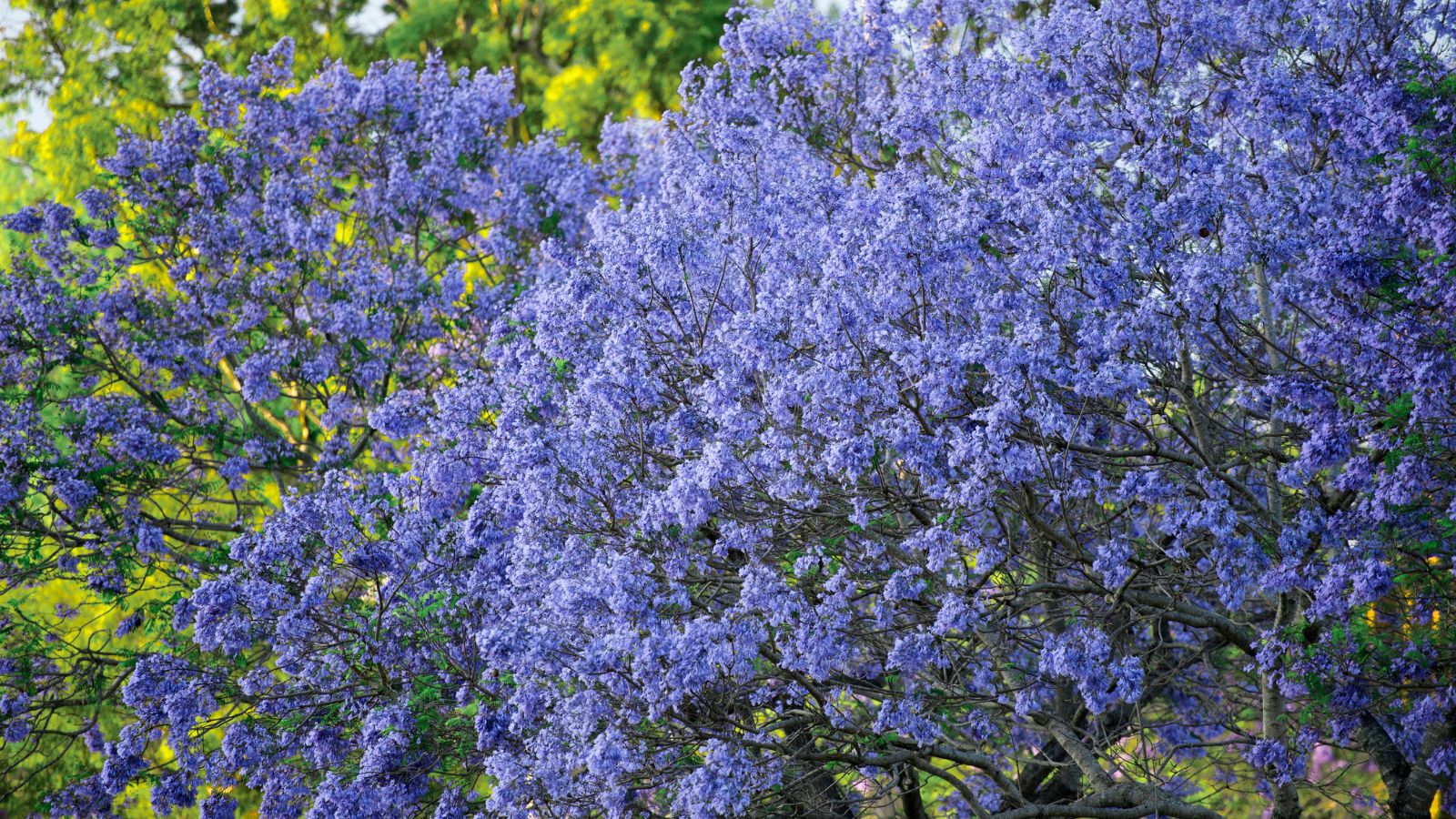
For warmer climates, the Jacaranda tree brings a splash of tropical purple sky-high. This deciduous tree flourishes in zones 9 to 11 with full sun and well-drained soil. Its spectacular trumpet-shaped flowers bloom in spring, turning streets and gardens into purple wonderlands. Prune as needed to maintain shape and remove dead branches.
Campanula (Bellflower)
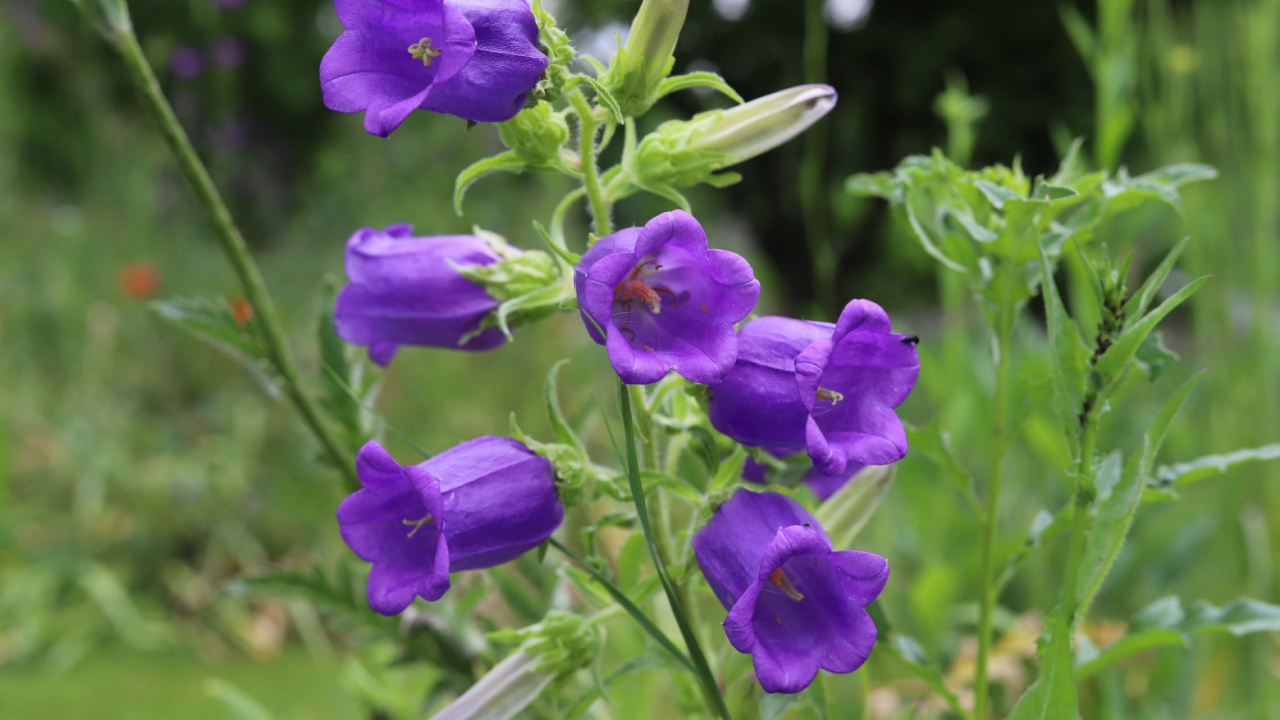
Last but not least, Campanula (Bellflower) offers charming bell-shaped purple flowers throughout early to late summer. This perennial thrives in zones 3 to 8, tolerating sun to part shade. It prefers moist but well-drained soil and appreciates regular watering. Deadheading prolongs its pretty display in borders or rock gardens.
Find Your Favorite
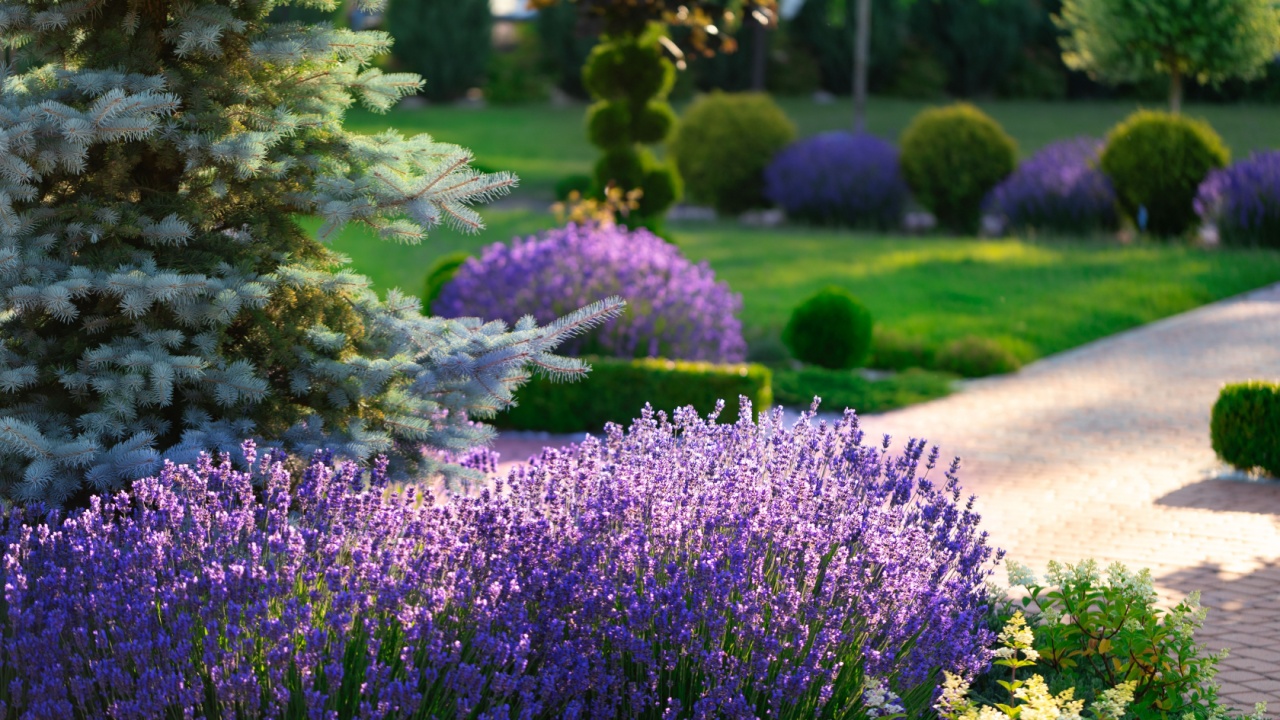
These 15 purple flower stars cover a range of growing conditions and garden styles. From towering vines and trees to compact early bloomers and long-flowering perennials, purple has never been so versatile and accessible.
Whether you want to attract pollinators, add fragrance, or just enjoy stunning color, there’s a purple flower ready to pop in your garden this season.
Read more
10 Purple Shade Perennials to Add to the Garden This Year
Purple Flowers That Hummingbirds Can’t Resist