8 Strategies for Keeping Raccoons Far Away from Your Home and Garden
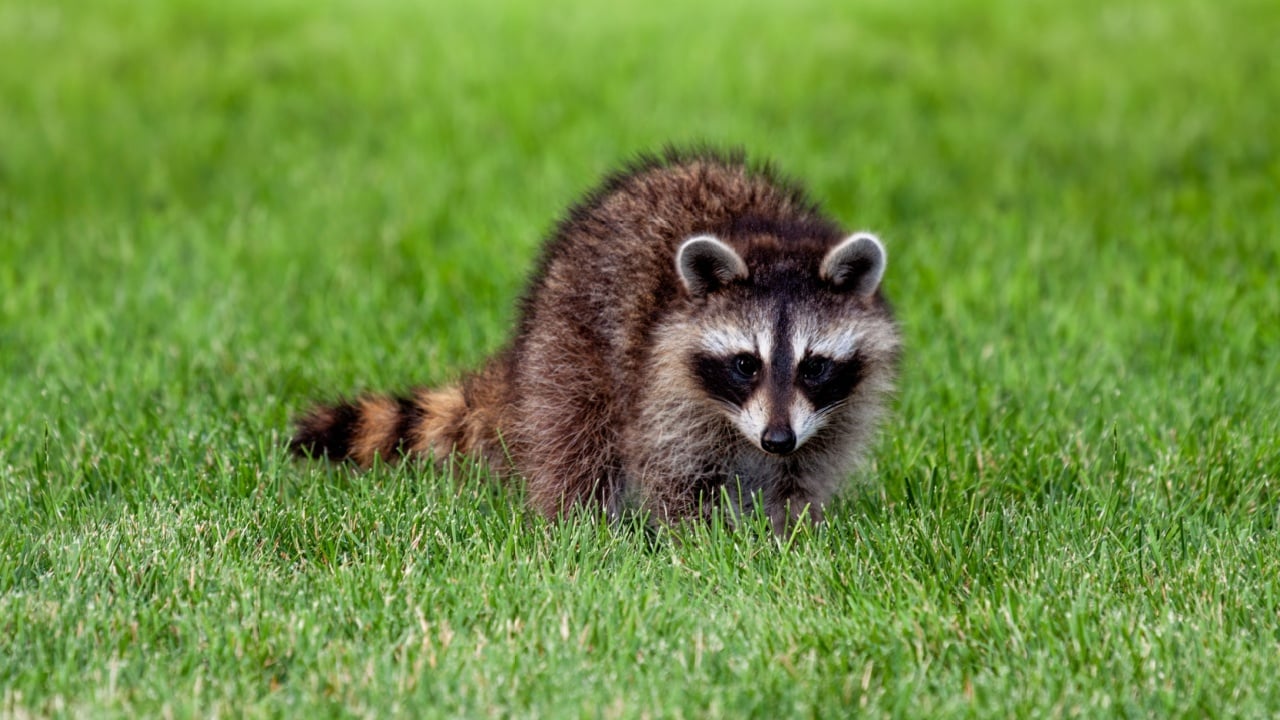
That midnight rustling in the trash… the toppled bins… or the chicken coop mysteriously raided. Raccoons are clever, adaptable, and often unwelcome. These masked bandits may look cute, but they carry health risks, can damage property, and generally make a ruckus.
The good news? With a few targeted steps—rooted in expert advice from university extensions and the Old Farmer’s Almanac—you can reclaim peace of mind and keep your yard safe.
Typical Raccoon Behaviors
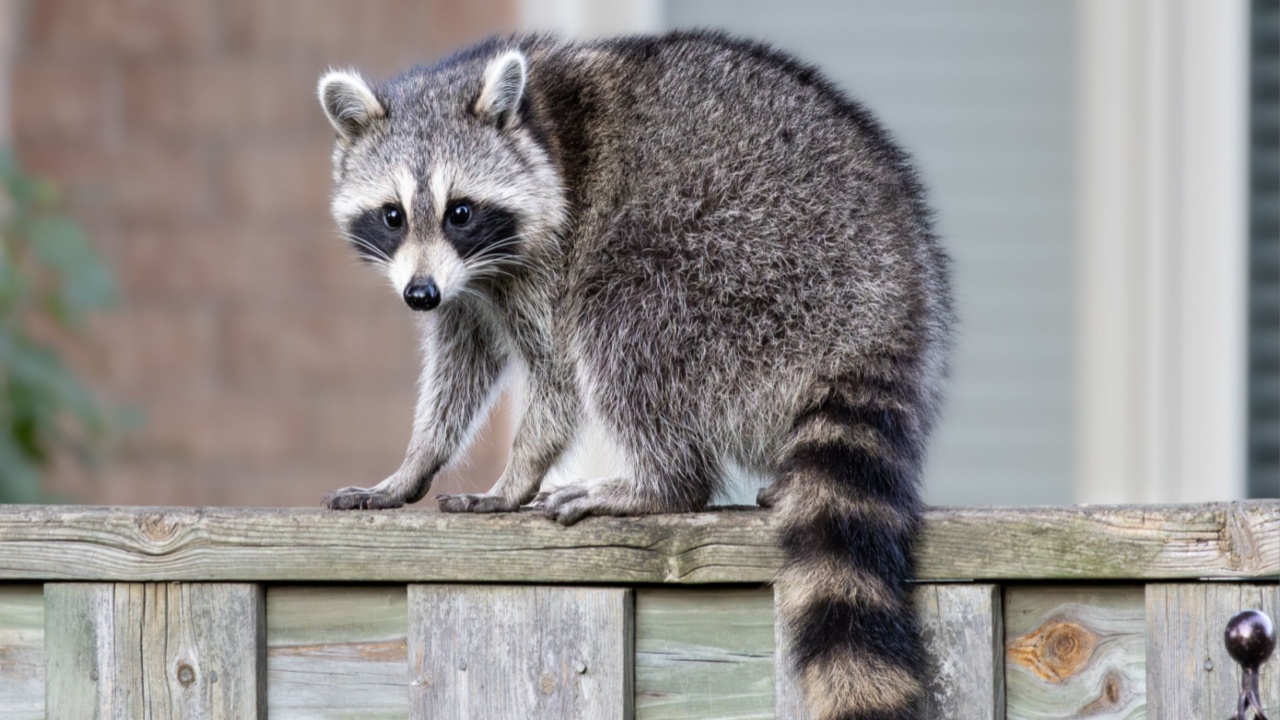
Raccoons are nocturnal scavengers that adapt effortlessly to suburban life. Their dexterous front paws allow them to open lids, pry into crevices, and manipulate objects—even tear off soffit boards to access attics. They’re also excellent climbers and swimmers, often using trees or structures to access elevated points on a property.
Signs of Raccoon Activity
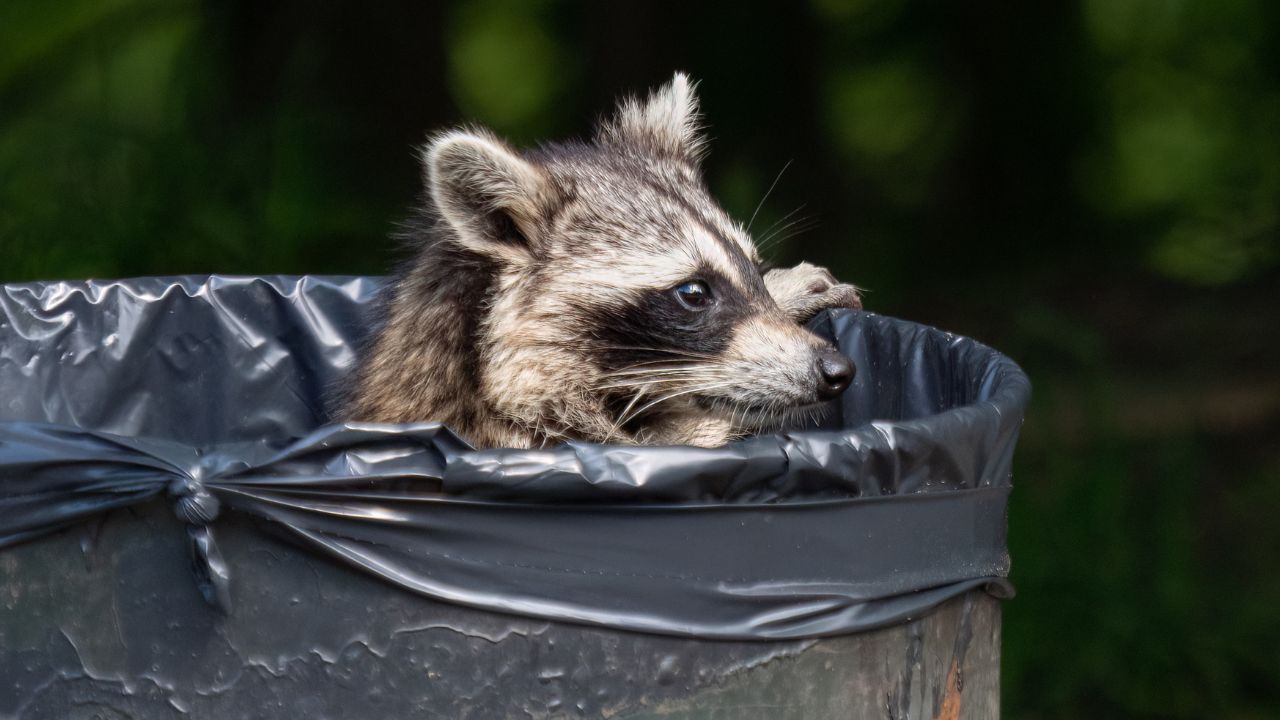
Here are the telltale signs of a raccoon in your neighborhood.
- Rummaged trash bins and food scraps scattered about
- Tracks: five-toed prints resembling small human hands, often visible in mud or snow
- Noises at night: scratching, thumping, or mewing from attics or crawlspaces—especially during breeding season
- Chewed soffits, open vents or chimneys, and loosened shingles signaling attempted entry
Prevention Methods- 1. Seal Entry Points & Dens
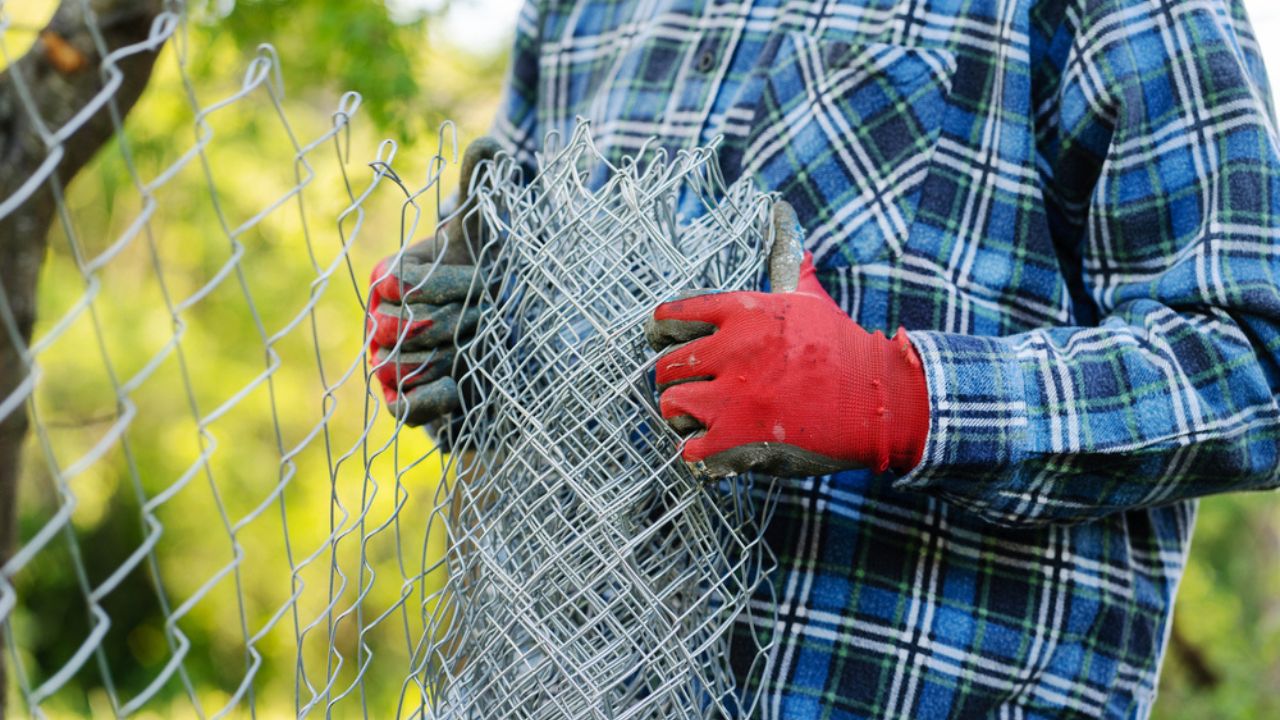
Raccoons seek out warm, dry spots in attics, crawl spaces, and sheds to create dens. Seal openings at least 4 inches wide with sturdy materials like metal flashing, galvanized hardware cloth, or steel mesh. Inspect rooflines, soffits, foundation vents, and any cracks around utility lines.
According to wildlife experts, once a gap is patched, check again from outside during evening activity to ensure they can’t re-enter through a different spot.
2. Trim Overhanging Branches
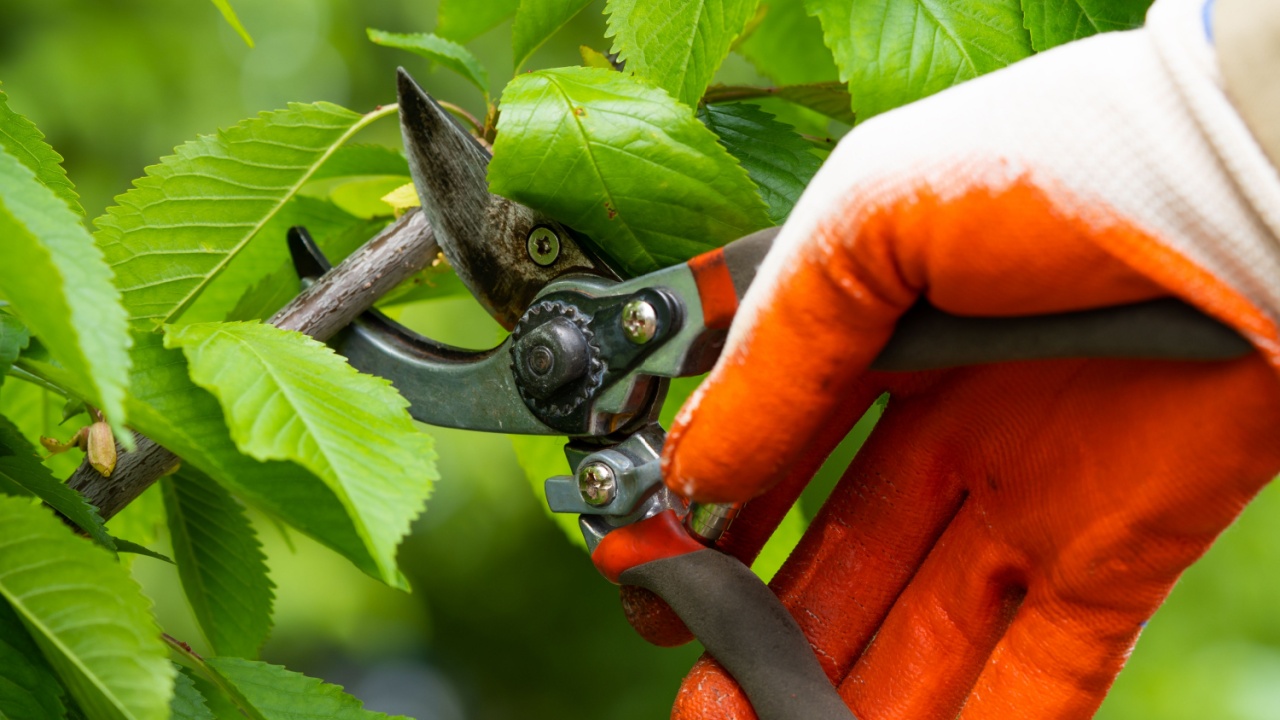
Because raccoons are agile climbers, they often scale trees to reach roofs. Trim tree limbs and vines at least 6 feet away from your home to prevent rooftop access. This reduces the chance of raccoons getting onto structures and finding weak spots or entry points.
3. Install Chimney Caps & Attic Screens
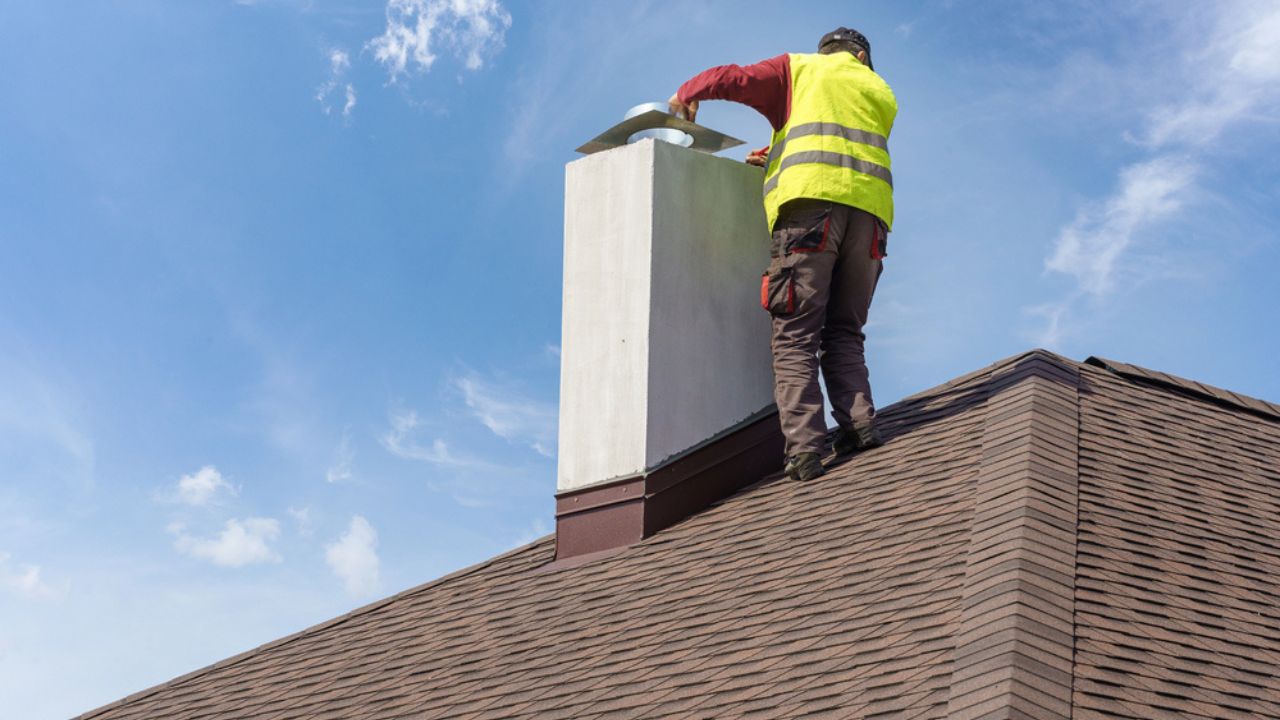
Unprotected chimneys are prime entry zones. Install a sturdy metal chimney cap to block access and keep out animals. Also, screen attic vents with mesh or hardware cloth to seal off potential entry while ensuring proper ventilation.
4. Secure Trash & Compost Bins

Raccoons are food-driven animals. Store refuse in cans with lockable lids or clip-proof bins, and avoid leaving compost or pet waste out overnight.
The Farmer’s Almanac highlights that loose trash is the most common raccoon attraction.
5. Remove Food Attractants
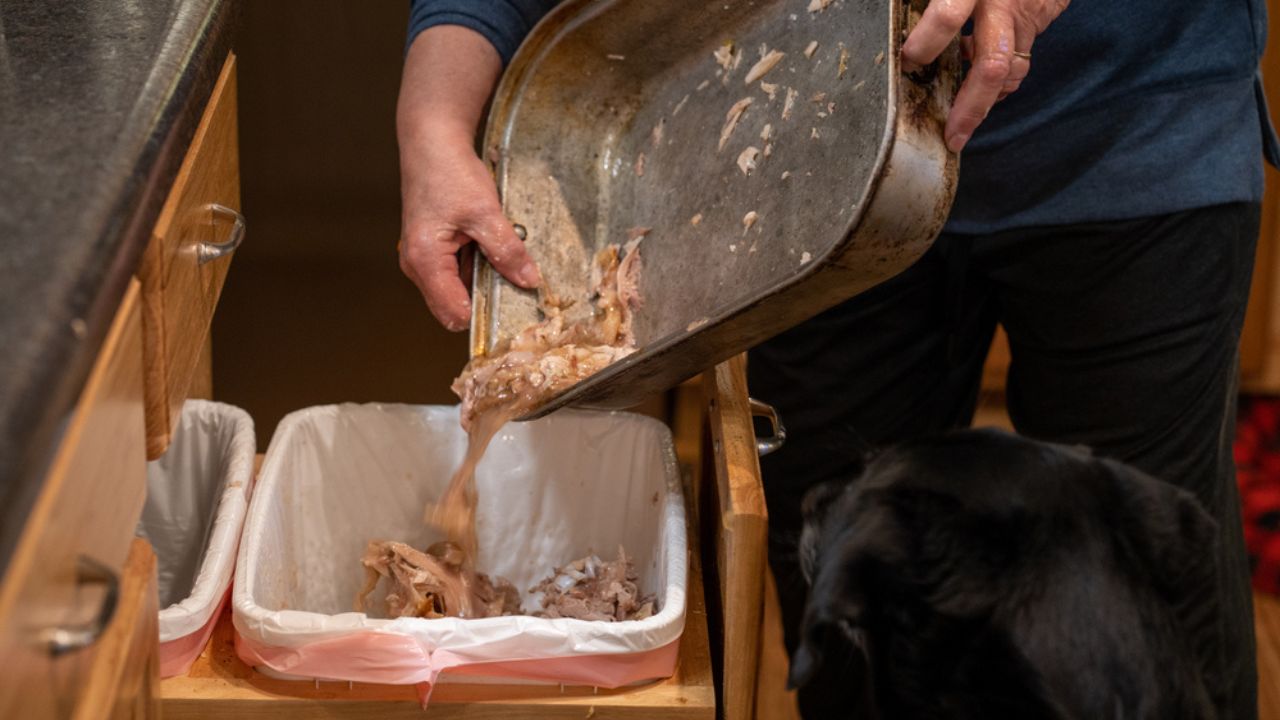
Never leave pet food outdoors unattended. Bring dishes in overnight and store feed in sealed indoor containers. If you keep poultry or ducks, bring them inside or secure their coop after dark—raccoons are strong enough to pull poultry through small gaps.
6. Eliminate Bird Feeder Spills

Bird feeders often leave nutrient-rich seed and husks on the ground—raccoons love this buffet. Suspend feeders high with baffles to deter raccoons, or take them down entirely if the problem persists.
7. Use Motion-Activated Lights & Sprinklers
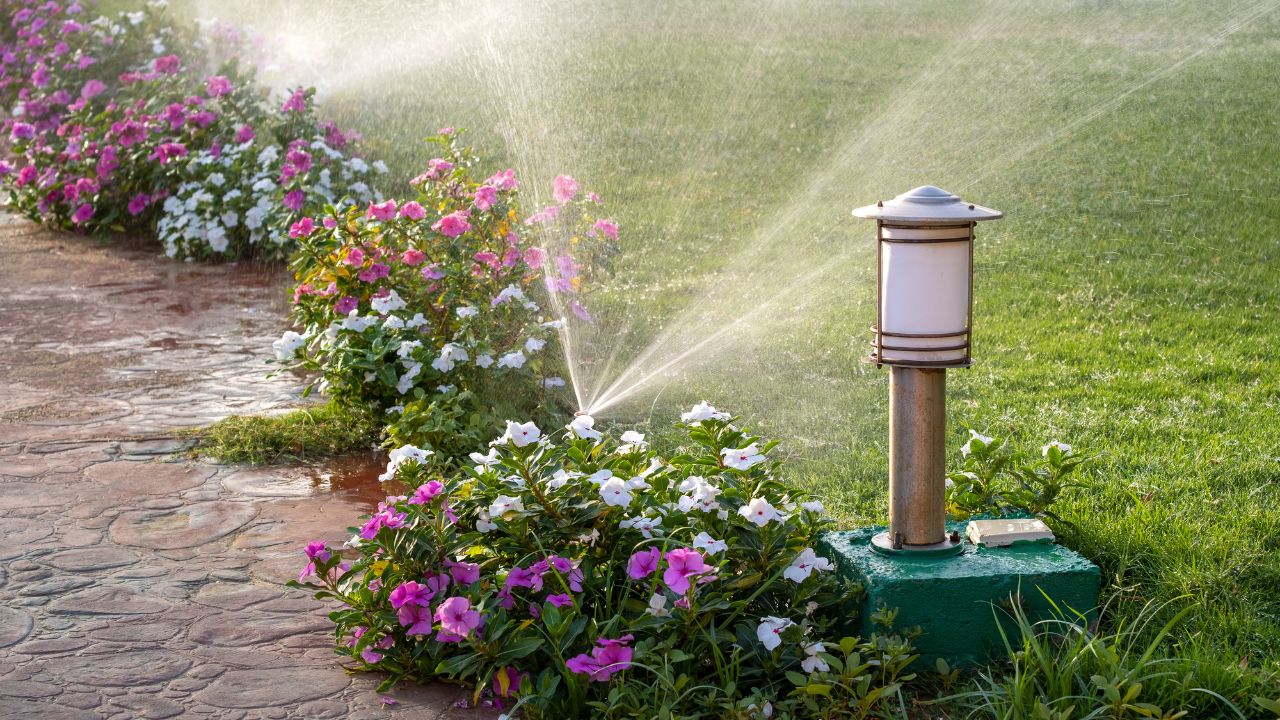
While not foolproof, motion-triggered devices offer effective short-term deterrence. Sudden light or water will surprise raccoons, causing them to retreat temporarily. However, once raccoons realize there’s no real danger, their effect diminishes.
8. Add Natural Vegetation Barriers

Dense, prickly, or thorny plantings like barberry, hawthorn, or holly around vulnerable areas create a natural barrier. These plants help prevent raccoons from reaching spots like garden sheds or patios while offering ornamental value.
Why Repellents Alone Don’t Work

“Once they learn there’s no real threat—and food is still there—raccoons simply ignore these methods,” warns wildlife extension specialist Dr. Owen. Studies across Kansas State and other extensions confirm that light, noise, windmills, or scent repellents only offer short-term effects, as raccoons soon acclimate.
When to Call the Pros
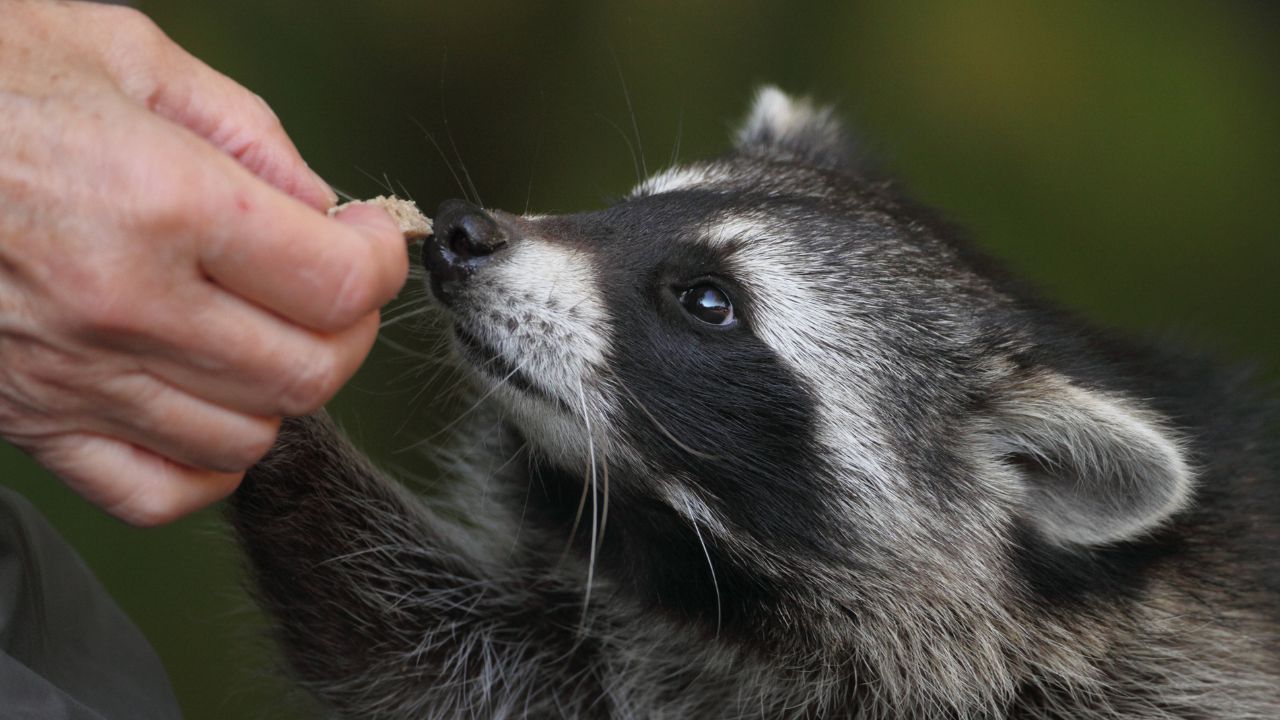
If raccoons have nested inside your attic or chimney, or if you spot baby raccoons, professional wildlife removal is strongly recommended. They can:
- Safely remove adults and young
- Identify and seal all entry points
- Thoroughly sanitize areas contaminated by raccoon droppings (which can carry serious diseases like Baylisascaris roundworm and rabies).
Symptoms like aggression, circling, or stumbling may indicate disease (e.g., rabies); in these cases, never approach, but contact local animal control immediately
Professional vs. DIY: What You Should Know

DIY methods: Good first steps include excluding food sources, securing entry points, and strategic lighting or sprinkling. But they’re often insufficient once raccoons persist or habituate.
Pros:
- Humane, live-trapping, and relocation are done legally
- Proper inspection and exclusion of vulnerable areas
- Safe cleanup protocols for contaminated sites
When to hire: If raccoons repeatedly return, nest indoors, or threaten health and safety, prompt professional action is essential.
Start Simple

The single best defense? Eliminate attractants and block access—combining simple measures like locked bins, sealed entry points, and removal of food sources works far better than gimmicks. Devices like lights or scents may help temporarily, but won’t deter clever raccoons long-term. If they’ve moved in or are nesting, hire a trained wildlife professional to resolve the issue safely and humanely.
Protect your home, your family, and your garden—raccoons belong where they belong: in the wild.