Experts Say These Are The Most Common Mistakes for Growing Tomatoes
Few things beat the flavor of a homegrown tomato—warm from the sun, bursting with sweetness, and completely unlike the grocery store kind. But growing them isn’t always as simple as tossing a seed in the ground and hoping for the best.
Tomatoes are heavy feeders, sun lovers, and a bit dramatic when it comes to moisture and care. Whether you’re a first-time gardener or a seasoned grower, avoiding these common mistakes can mean the difference between a sad harvest and tomato glory.
1. Inconsistent Watering

Tomatoes are especially sensitive to fluctuations in soil moisture. Let them dry out too much, and they’ll show signs of stress like blossom end rot and cracked fruit. Overwater, and you’ll risk root rot or fungal disease.
How to Fix It: Water deeply once or twice a week rather than a little each day. Aim for 1–1.5 inches of water per week, adjusting for heat and rainfall. Mulch heavily to retain moisture, and consider a drip irrigation system or soaker hose with a timer for consistency.
2. Poor Soil Nutrition
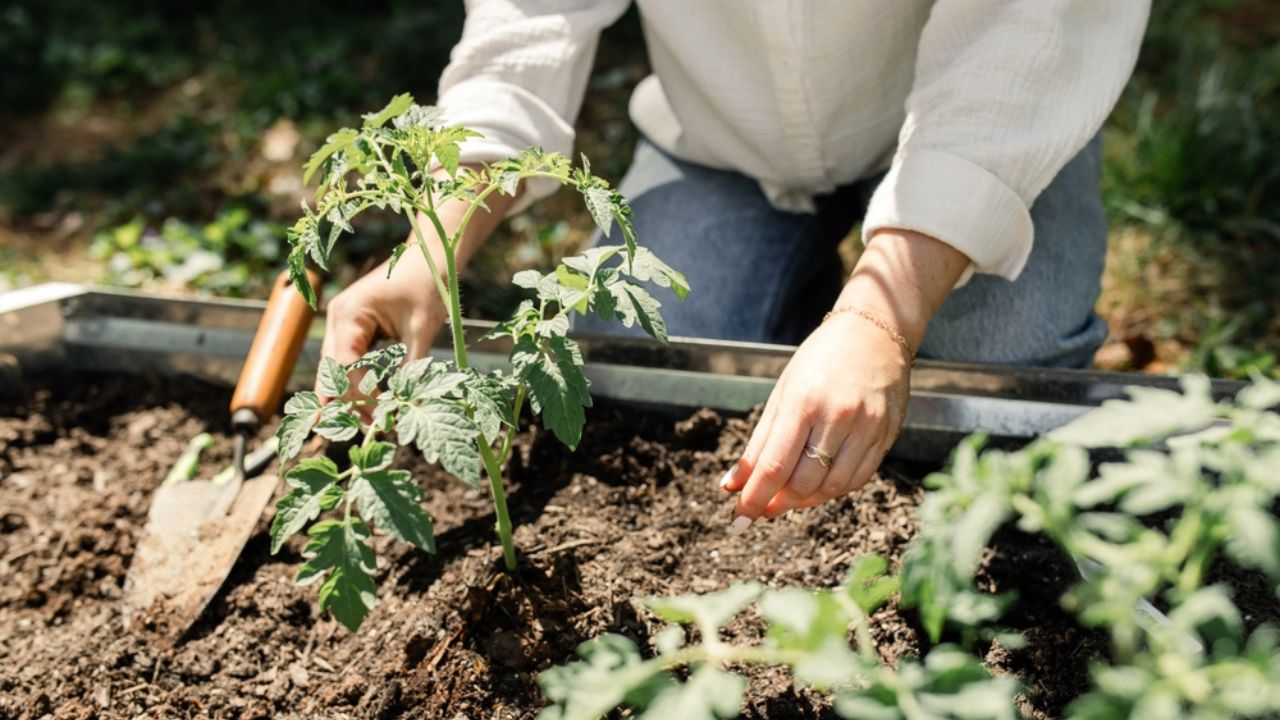
Tomatoes are heavy feeders that need a balance of nutrients throughout the season. A lack of nitrogen early on stunts growth, while insufficient potassium and phosphorus later limit fruiting and flavor.
How to Fix It: Start with compost-rich, well-drained soil. At transplant, add a scoop of balanced organic fertilizer (like 5-5-5) or one tailored for tomatoes. As fruit sets, feed every 3–4 weeks with a fertilizer higher in potassium and phosphorus. Avoid high-nitrogen fertilizers mid-season—they encourage leafy growth at the expense of fruit.
3. Skipping Pruning and Sucker Removal
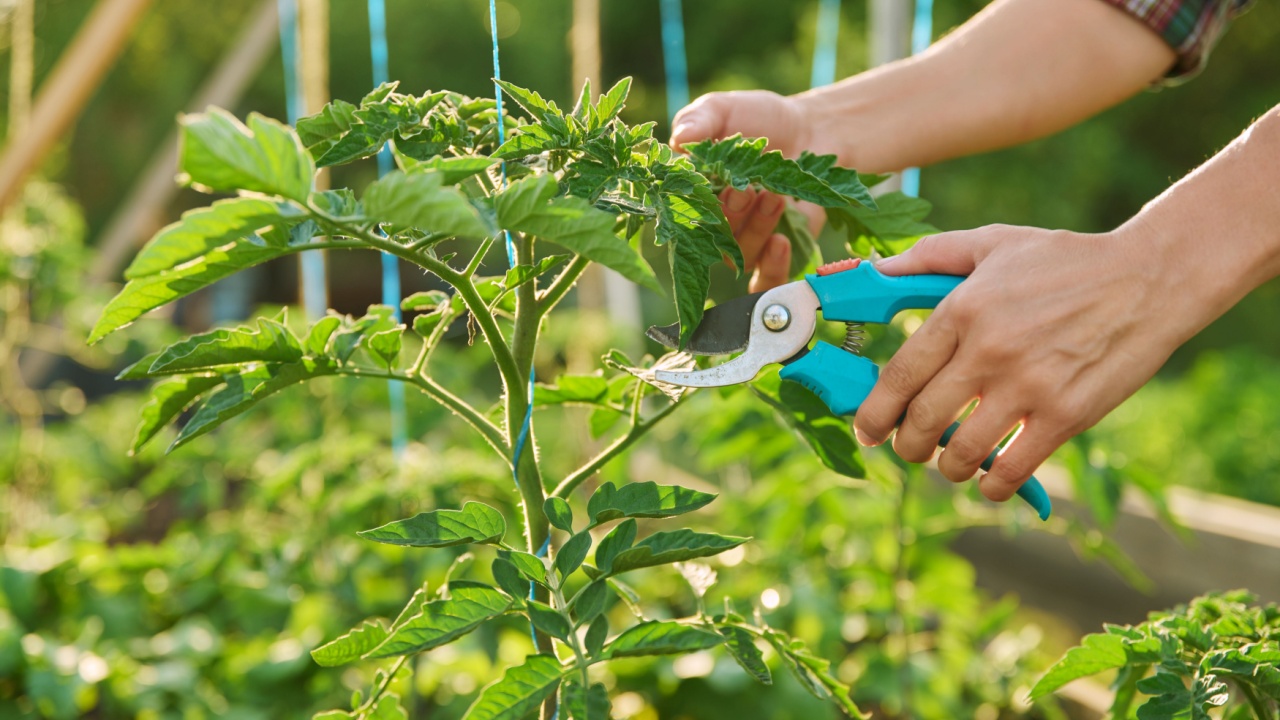
Left unpruned, indeterminate tomato plants become a tangled mess of stems and foliage. Not only does this reduce airflow (increasing disease risk), but energy is spread too thin, resulting in fewer, smaller fruits.
How to Fix It: Remove suckers—the little shoots that emerge between the main stem and side branches. Pinch with your fingers when they’re small. Also, prune any leaves touching the ground, and thin dense areas to allow light and air through. For best results, prune early in the day using clean, sharp tools.
4. Planting Too Close Together
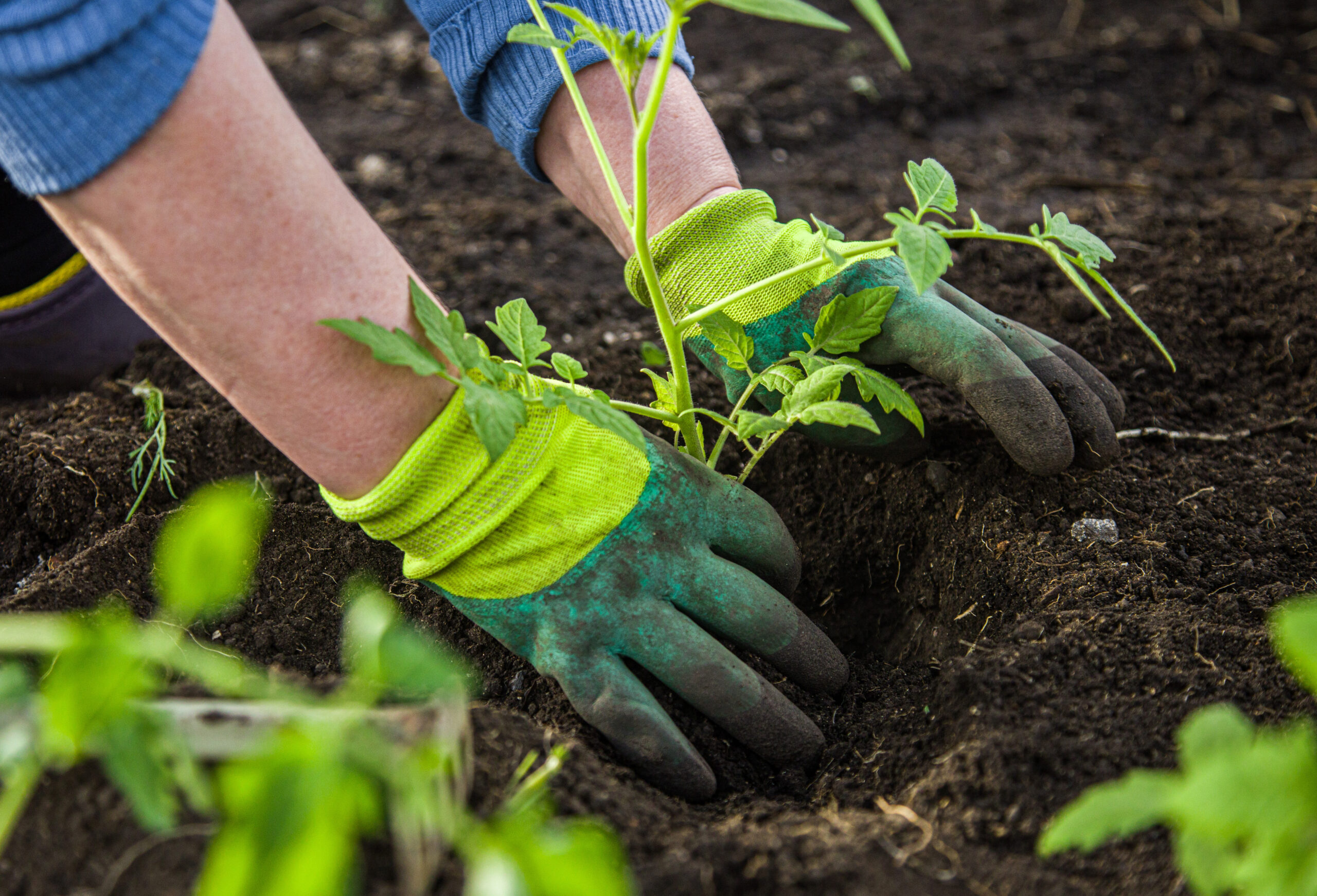
Overcrowded tomatoes don’t just compete for light and nutrients—they also create a humid microclimate perfect for pests and fungal diseases like blight and mildew.
How to Fix It: Space indeterminate varieties 24–36 inches apart and determinates at least 18 inches. Leave 3–4 feet between rows. Provide adequate airflow, especially in humid climates. Use vertical trellising to keep vines off the ground.
5. Neglecting Proper Support

Tomato branches get heavy as fruit develops, and without adequate tomato support, plants droop, snap, or sprawl into the dirt, inviting rot and pests.
How to Fix It: Stake, cage, or trellis all tomato varieties—yes, even bush types. For indeterminates, use tall cages or a vertical trellis system like a string trellis or cattle panel arch. Train vines early and tie them loosely with garden tape or twine.
6. Planting in Cold Soil

Tomatoes are heat lovers. Plant them when nighttime temps are still under 50°F and the soil hasn’t warmed up, and you’ll stunt their growth from the start.
How to Fix It: Wait until soil reaches at least 60°F and nighttime lows consistently stay above 50°F. Use a soil thermometer to check. In cooler climates, warm the soil with black plastic or row covers before planting. For early starts, use cloches or mini greenhouses to protect young seedlings.
7. Using the Wrong Variety for Your Space or Climate
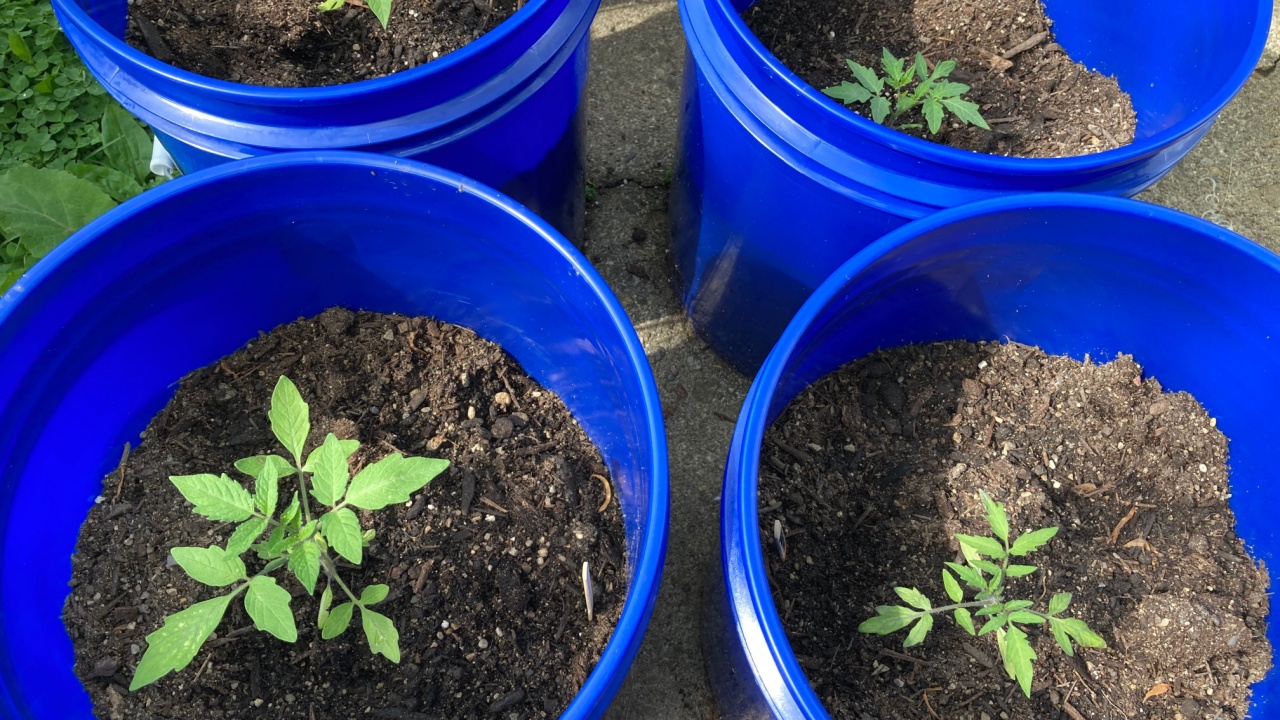
Not all tomatoes are created equal. Indeterminates grow tall and produce fruit all season. Determinants are bushier and more compact, making them better for small spaces or container gardening.
How to Fix It: Choose the right variety for your growing zone and space. For containers, look for patio or dwarf types. In short seasons, opt for early-maturing varieties like ‘Glacier’ or ‘Early Girl’. If you’re in a hot climate, heat-tolerant types like ‘Heatmaster’ or ‘Solar Fire’ will perform better.
Also, make sure to plant them near their favorite companions!
8. Over-Fertilizing with Nitrogen
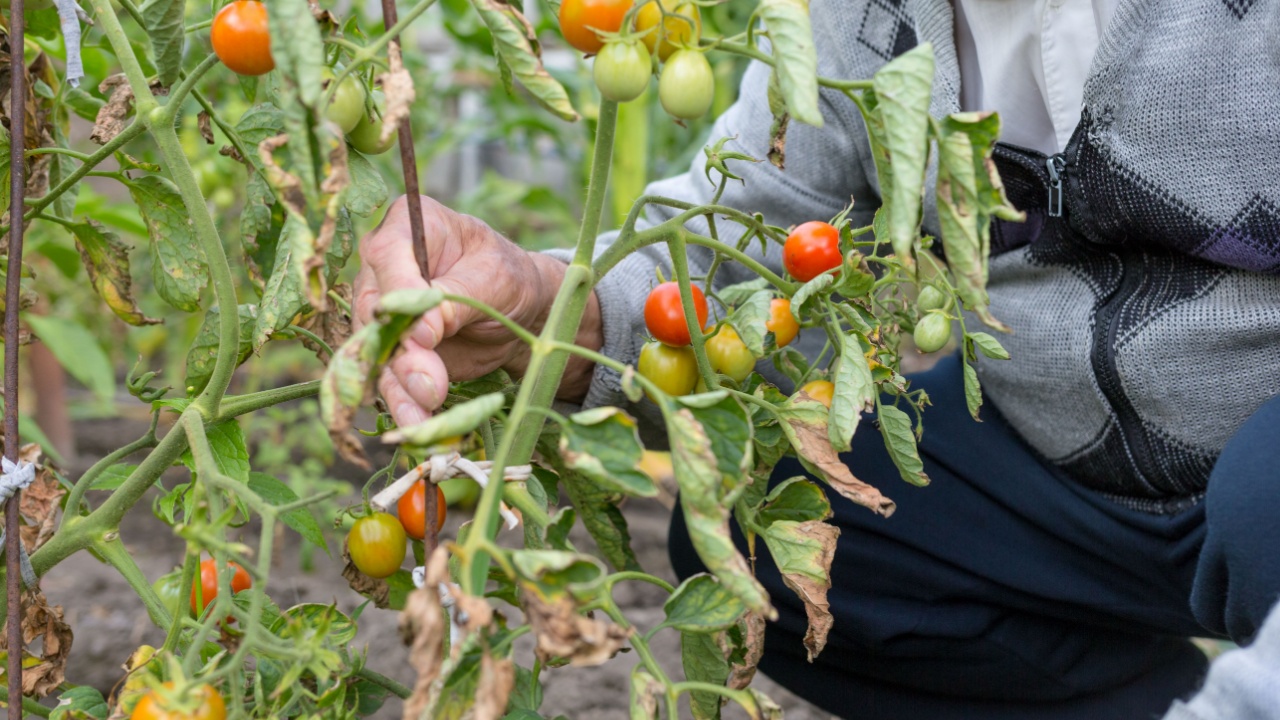
Too much nitrogen makes tomato plants lush and leafy, but with fewer flowers and fruits. University of Missouri Extension notes that excessive nitrogen causes “twisted foliage … delayed flowering and lower yield.”
How to Fix It: Use a balanced or low-nitrogen fertilizer once fruit begins to set (e.g., 5-10-10). Watch your foliage—if it’s overly dark and lush but blooms are sparse, cut back on nitrogen. Consider side-dressing with compost rather than chemical high-nitrogen options.
9. Neglecting Soil pH

Tomatoes need slightly acidic soil to absorb nutrients effectively. If your soil pH is too low or too high, even fertilizing won’t help.
How to Fix It: Get a soil test before planting. Tomatoes prefer a pH between 6.2 and 6.8. Amend alkaline soils with peat moss or sulfur; raise low pH with lime. Adjustments take time, so test early and follow recommendations from your local extension office.
10. Not Harvesting at the Right Time
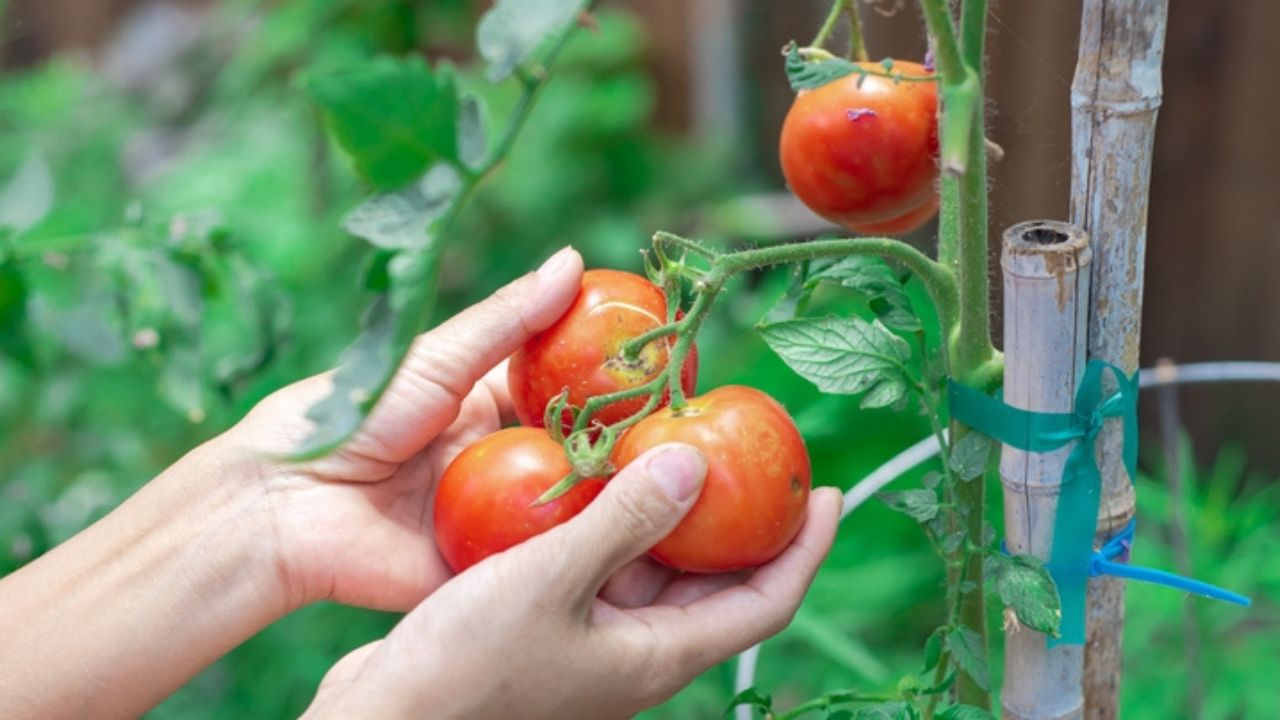
Tomatoes left too long on the vine can crack or attract pests. Harvesting too early, on the other hand, can compromise flavor.
How to Fix It: Pick when tomatoes are fully colored but still firm. If birds or pests are a problem, harvest slightly early and let them ripen indoors on a sunny windowsill. Avoid refrigerating ripe tomatoes unless absolutely necessary—it dulls their flavor and texture.
11. Starting with Weak Seedlings
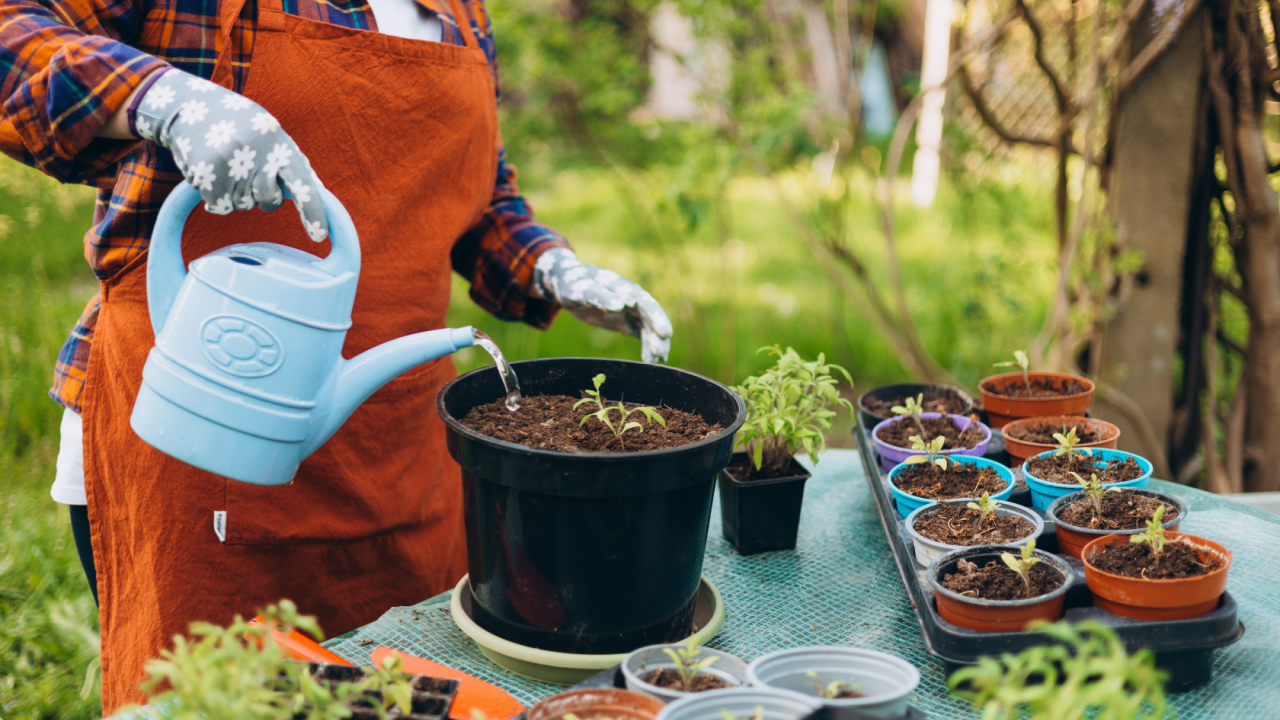
Big box store seedlings often look lush but may be root-bound or have already experienced stress, setting them back weeks.
How to Fix It: Start from seed if possible or buy from a reputable nursery that doesn’t push plants out too early. Look for stocky seedlings 6–10 inches tall with thick stems and no flowers or yellowing leaves. Harden off seedlings before transplanting by gradually exposing them to outdoor conditions over 7–10 days.
Final Thoughts

Tomatoes may be fussy, but the payoff is worth it. With a little preparation and an eye on these common mistakes, you’ll be rewarded with baskets of juicy fruit all season long.
Remember, the most successful gardens are ones where you learn as you grow, so don’t sweat it if you’ve made a few of these mistakes before. Just make the changes now, and your tomatoes will thank you later.