Plants You Shouldn’t Water, Fertilize, or Prune in Summer (Even Though Most Do)
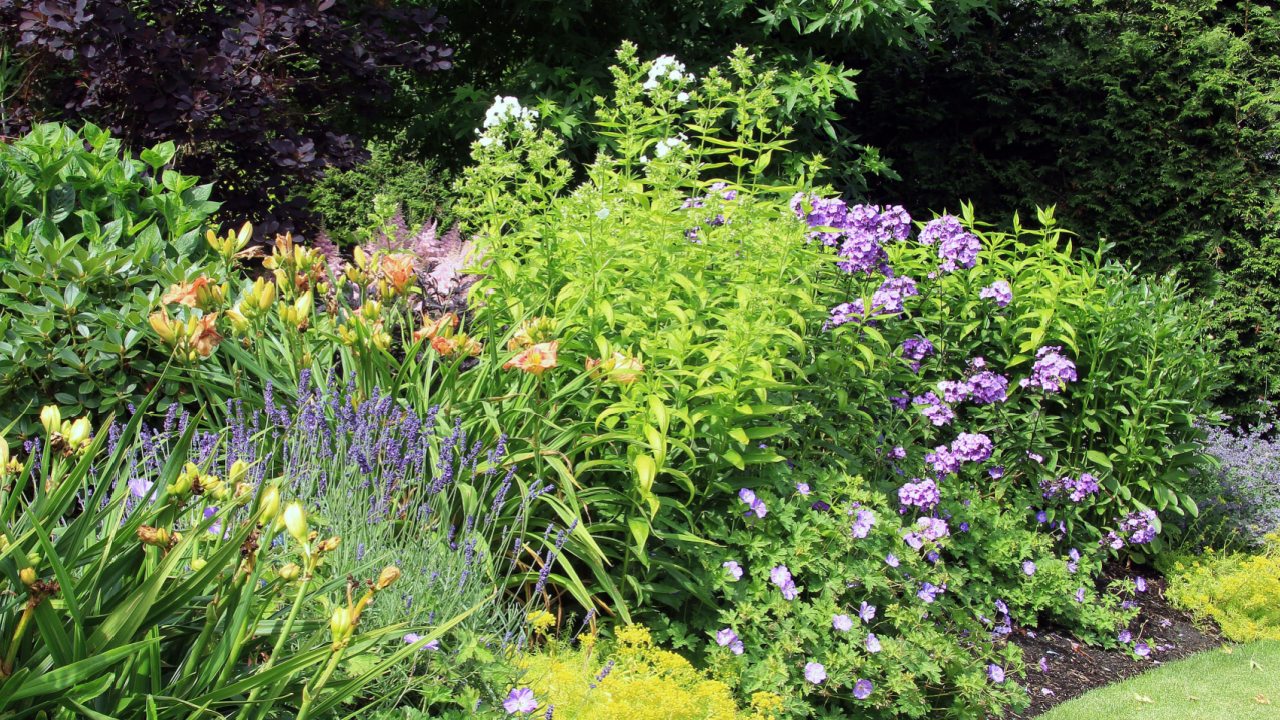
When summer hits, our instinct is often to dote on our gardens—watering, feeding, pruning, and “tidying up.” But for some plants, less really is more. Giving certain perennials and ornamentals too much summer attention can backfire in a big way, leading to poor blooms, root rot, or even plant death.
These popular plants look like they need a helping hand in summer, but they actually thrive when left alone. Here’s what not to do, and why.
1. Rhododendron & Azale
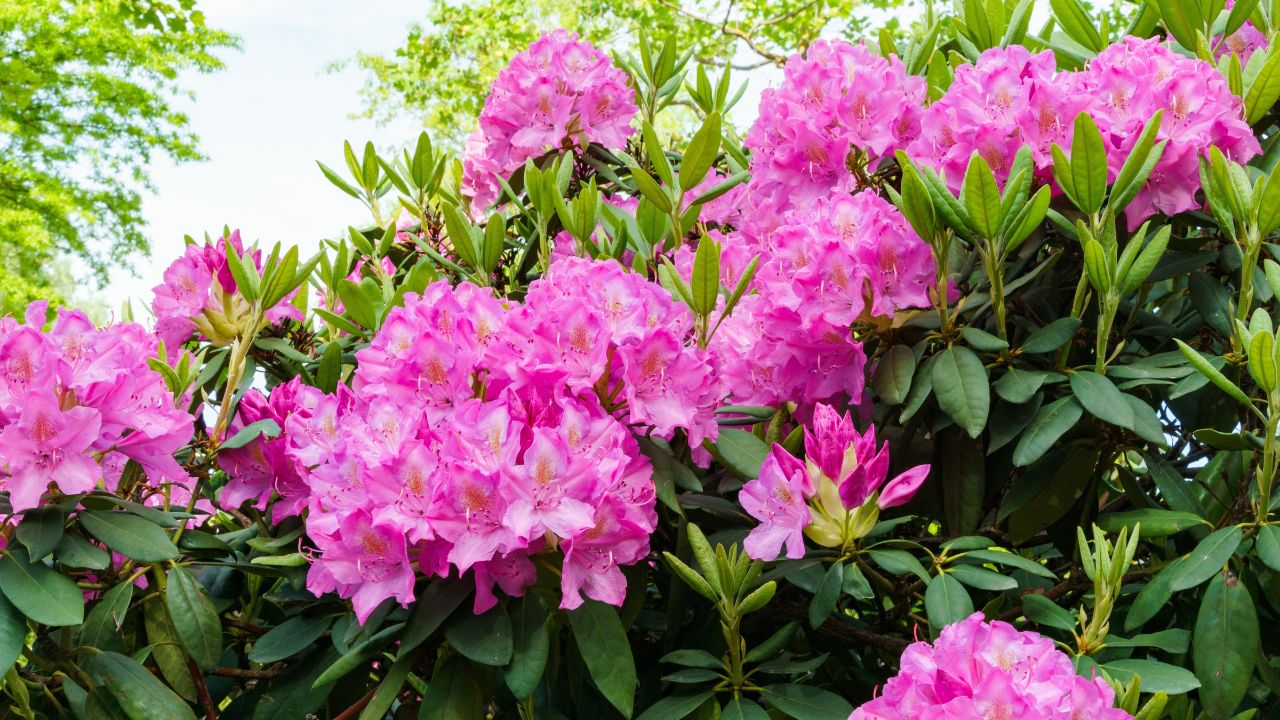
Don’t: Prune, fertilize, or disturb roots in summer.
Why: These acid-loving shrubs set next year’s flower buds in spring. Summer pruning or fertilizing can remove developing buds and trigger new growth that won’t harden before winter, increasing the risk of cold damage and disease. They also have shallow feeder roots that resent disturbance ([turn0search0], [turn0search6]).
Better Timing: Deadhead spent blooms in late spring. Mulch and water sparingly and wait until late winter or early spring to prune or replant.
2. Panicle Hydrangea (Hydrangea paniculata)

Don’t: Prune during summer or immediately after flowering.
Why: Panicle hydrangeas bloom on new wood, so cutting in summer removes flower buds for the following season. Heavy pruning now reduces next year’s bloom potential ([turn0search0]).
Better Timing: Trim lightly just after flowering if needed, but save heavy pruning for late winter or early spring.
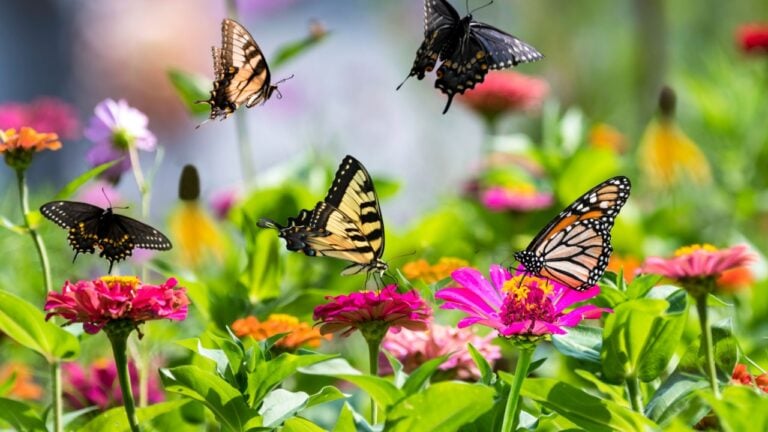
3. Butterfly Bush (Buddleja davidii)
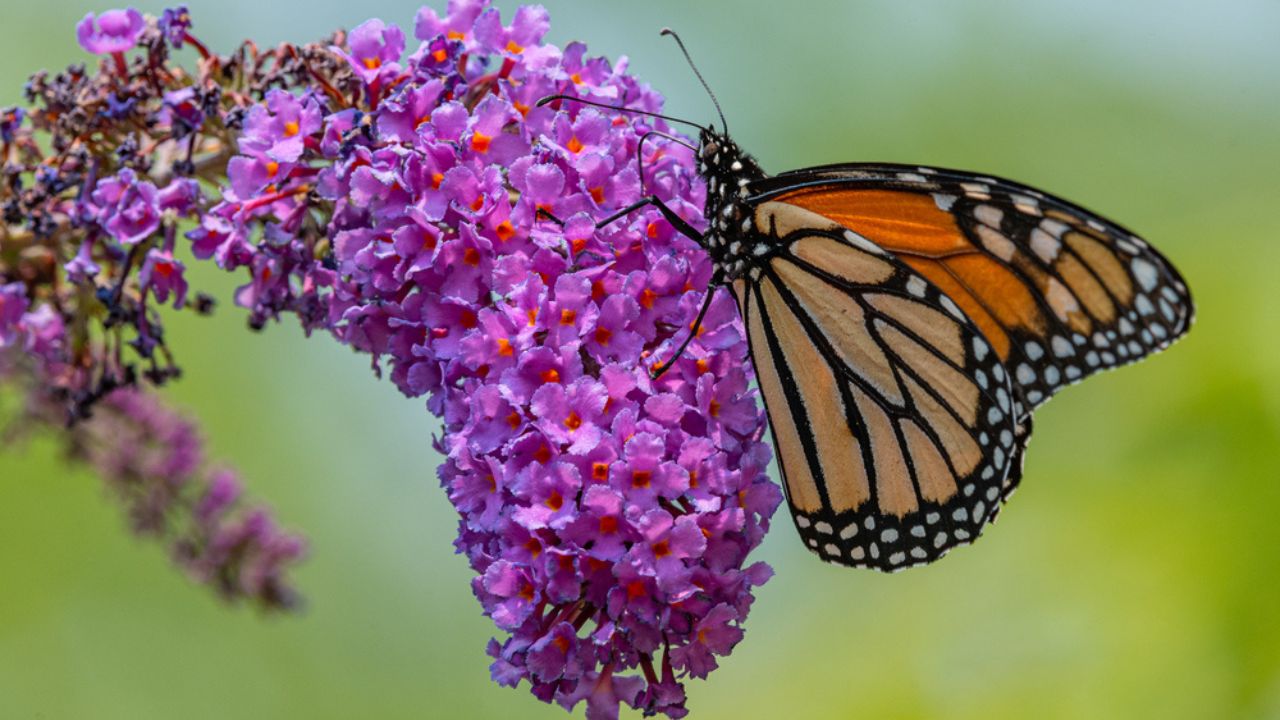
Don’t: Clip back after spring.
Why: Buddleias bloom on new growth but require a full season to flower. Summer pruning interrupts blooming cycles for the season. Also, in colder climates, late pruning may prompt late blooms that won’t survive winter.
Better Timing: Prune hard in early spring to encourage fresh growth and full summer blooms
4. Peonies
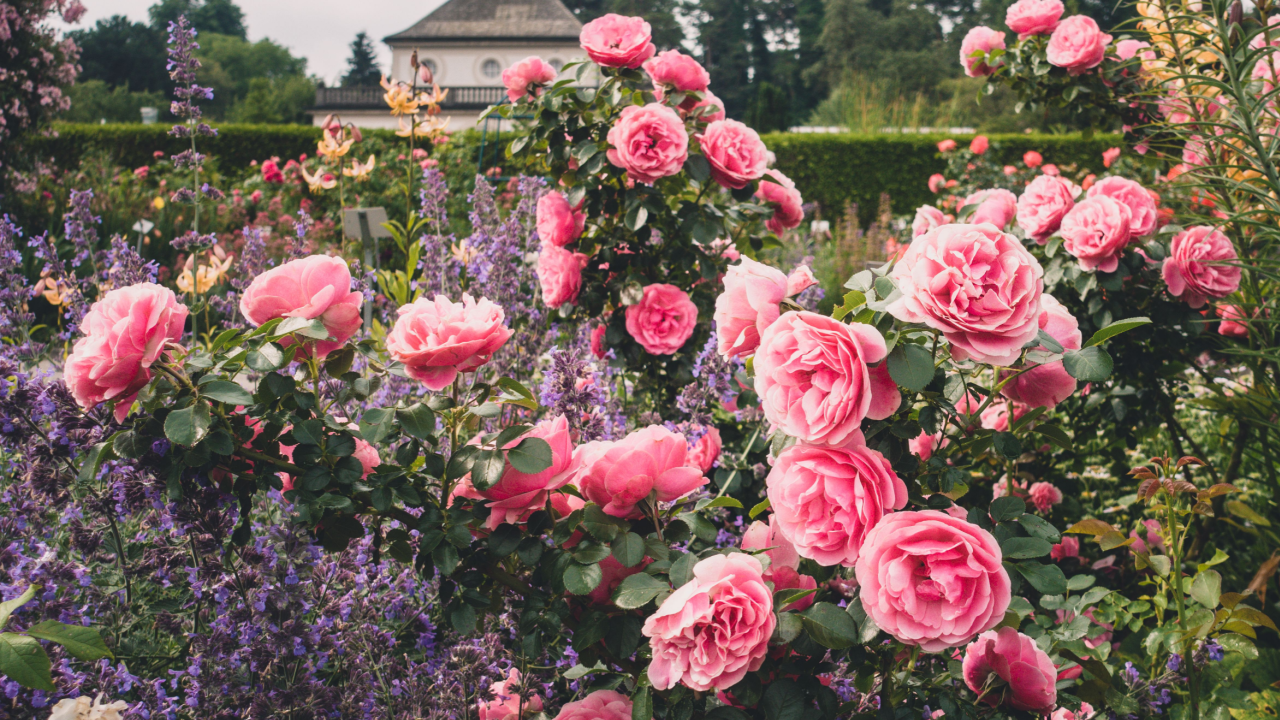
Don’t: Water, fertilize, or prune peonies in summer.
Why: Peonies go dormant shortly after their spring bloom. Their roots prefer dry, restful conditions during this period, and extra attention can lead to root rot or fungal issues.
Better Timing: Wait until fall to cut back or divide. The lush summer foliage is doing vital work storing energy for next year’s flowers.
5. Camellias
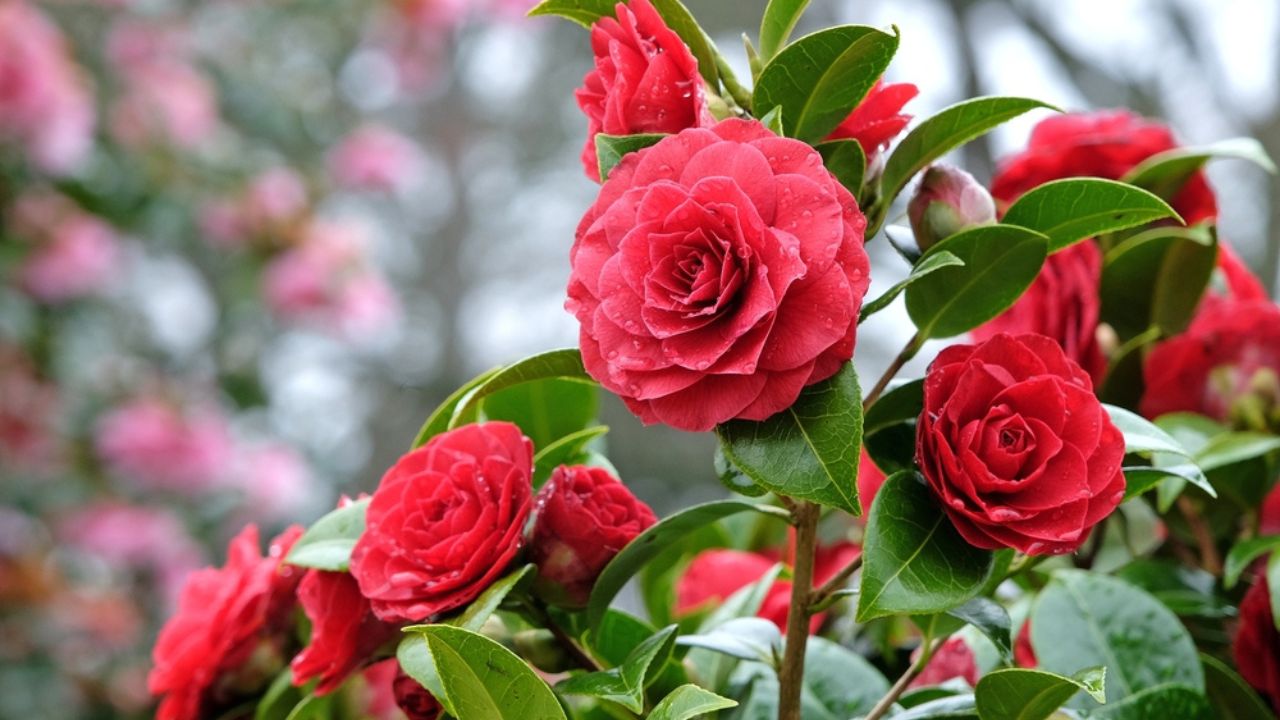
Don’t: Prune, water deeply, or fertilize during summer.
Why: Camellias set their flower buds in late spring. Disturbing them now risks bud drop and reduces next season’s bloom. Excess water or nutrients stress the plant during its energy-conserving phase.
Better Timing: Delay care routines until after next spring’s flowering period.
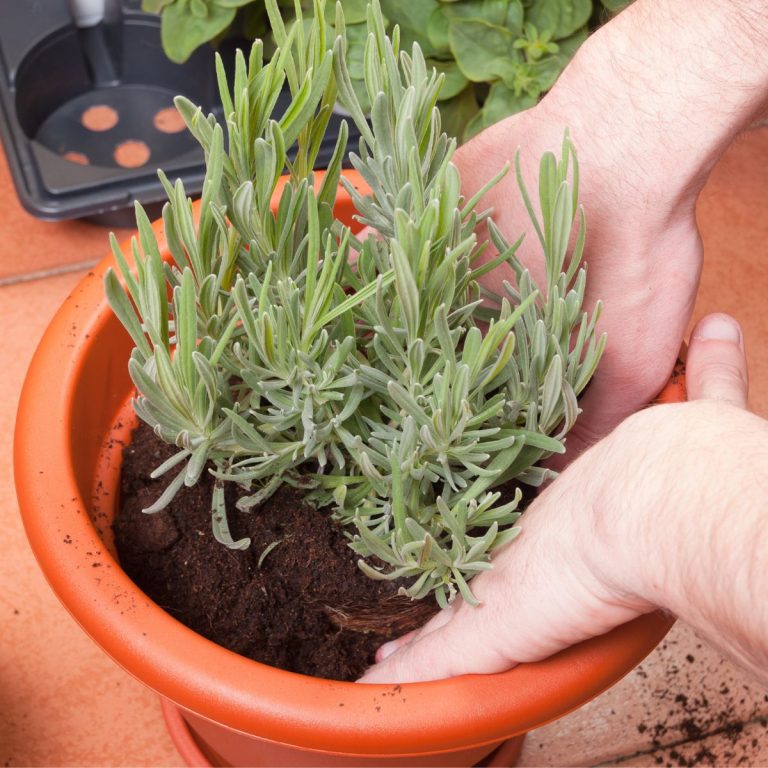
6. Lavender
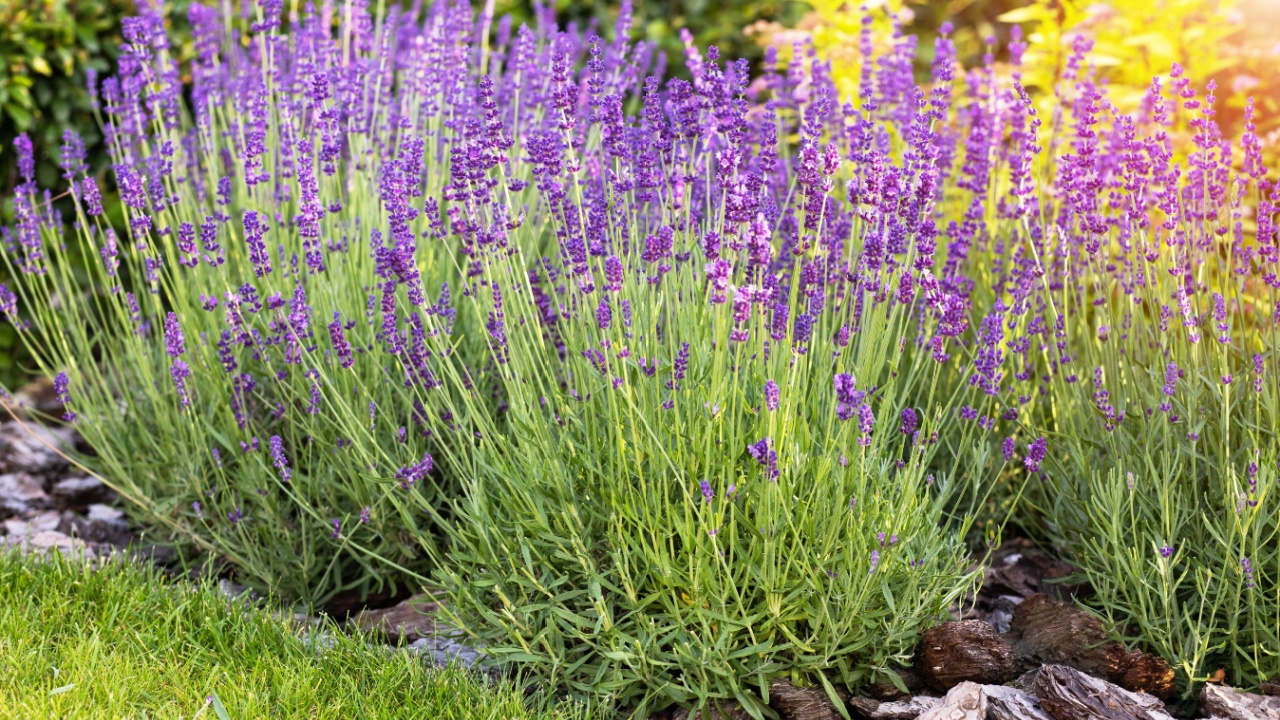
Don’t: Overwater, fertilize, or prune during the peak heat.
Why: Lavender thrives in dry, low-nutrient soils. Overwatering or feeding in summer promotes leggy, weak growth and invites root rot. Pruning during high heat also stresses the plant.
Better Timing: Light pruning is best done after the main bloom, and any shaping or hard cuts should wait until early fall or next spring.
7. Japanese Maple
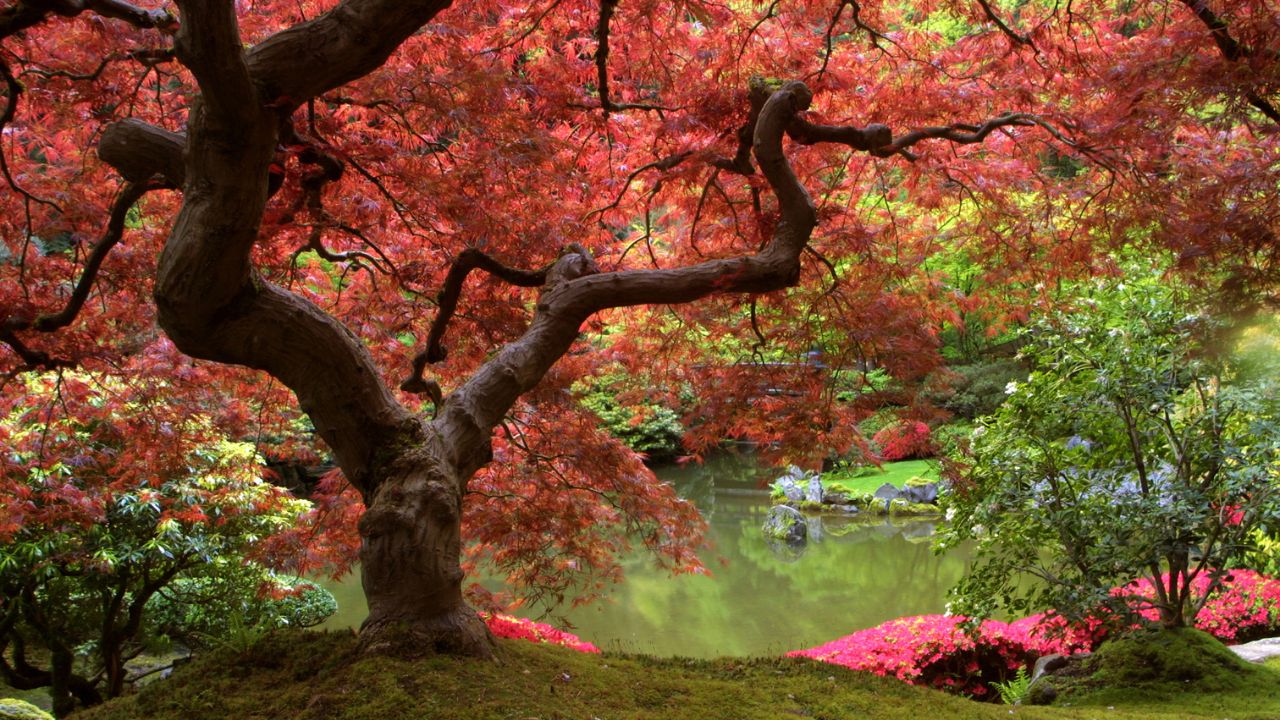
Don’t: Prune or fertilize in mid-to-late summer.
Why: Summer pruning can lead to unsightly leaf scorch and open the tree to pest or disease issues. Fertilizing can push out tender new growth that won’t survive heat or winter.
Better Timing: Do structural pruning in late fall or winter, and only fertilize in early spring if needed.
8. Pine Trees

Don’t: Water, prune, or fertilize during summer dormancy.
Why: Pines slow down during summer, especially in the heat. Extra water can suffocate roots and encourage disease, while pruning or fertilizing disrupts their natural rhythm.
Better Timing: If shaping is needed, do it during the “candling” phase in late spring. Otherwise, leave your pines alone until fall.
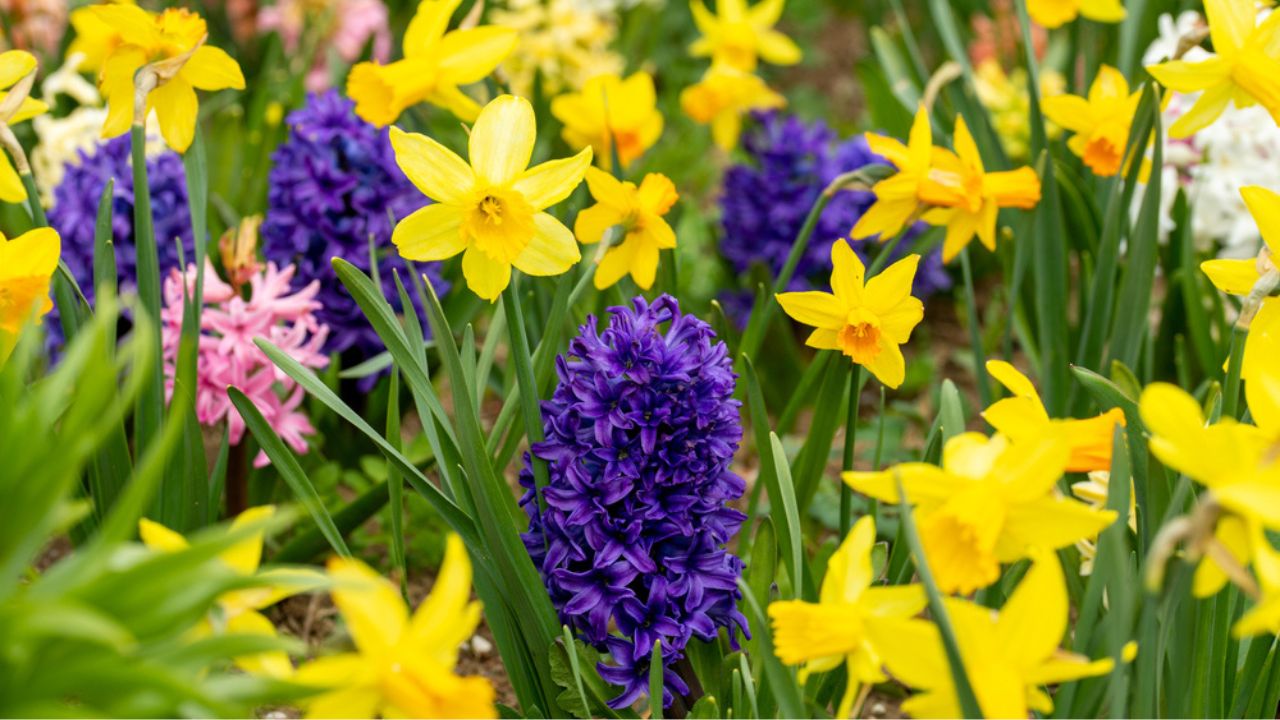
9. Spring-Blooming Bulbs (Tulips, Daffodils, Hyacinths)

Don’t: Prune green leaves or fertilize in summer.
Why: After blooming in spring, these bulbs enter dormancy and begin storing energy for next year’s show. Cutting foliage too soon or watering needlessly disrupts their natural cycle and increases rot risk.
Better Timing: Only remove foliage once it has yellowed and dried naturally, usually by mid to late summer.
10. Bearded Iris

Don’t: Cut back foliage, water heavily, or fertilize in summer.
Why: The green leaves help feed the rhizomes for next year’s blooms. Summer intervention increases the risk of rhizome rot, a common iris killer.
Better Timing: Divide, prune, and replant in early fall when the plant is ready for rejuvenation.
11. Cactus and Succulents

Don’t: Fertilize, prune, or increase watering.
Why: Most cacti and succulents enter a semi-dormant state in peak heat. Extra care tricks their metabolism and can lead to rot or stress. Open wounds from pruning heal slowly in heat and attract pests.
Better Timing: Light shaping or propagation is best done in spring or early fall, and watering should stay minimal in summer.
Sometimes the Best Gardening is Doing Less
It’s easy to assume summer is the time for nonstop garden maintenance. But for certain plants, restraint is the best form of care. By understanding when your garden favorites rest and recharge, you’ll avoid costly mistakes—and set them up for an even better season next year.
So step away from the watering can and pruning shears. Let nature do its thing.