23 of Hilary Farr’s Best Hacks to Modernize a Home to Feel Like You
If your home feels stuck in another decade or you’re simply craving a refresh that makes everyday life smoother (less clutter, more functional, etc.), Hilary Farr has you covered. Best known as the no-nonsense design guru from HGTV’s Love It or List It, Farr has transformed hundreds of tired, awkward spaces into fresh, functional homes that feel current, livable, and full of personality.
Her signature style blends timeless design with modern updates that don’t just look good, they make your space work better. Whether it’s removing outdated features, maximizing natural light, or creating smarter flow between rooms, Hilary’s advice is all about helping you love where you live. Here are 30 of her most practical, stylish, and renovation-worthy tips, straight from her shows, interviews, and personal design philosophy.
1. Remove Non-Structural Ceiling Beams

At one point, faux ceiling beams were a way to add a cottage feel to a room. But in reality, they make a space feel smaller. Removing faux ceiling beams instantly opens up a room.
Farr emphasized this on Love It or List It. If the ceilings are already low, removing the beam is a simple way to free up space.
How can you get started? Verify beams are non-load-bearing, then remove or paint them to visually elevate the ceiling height.
2. Eliminate Split Levels for Better Flow
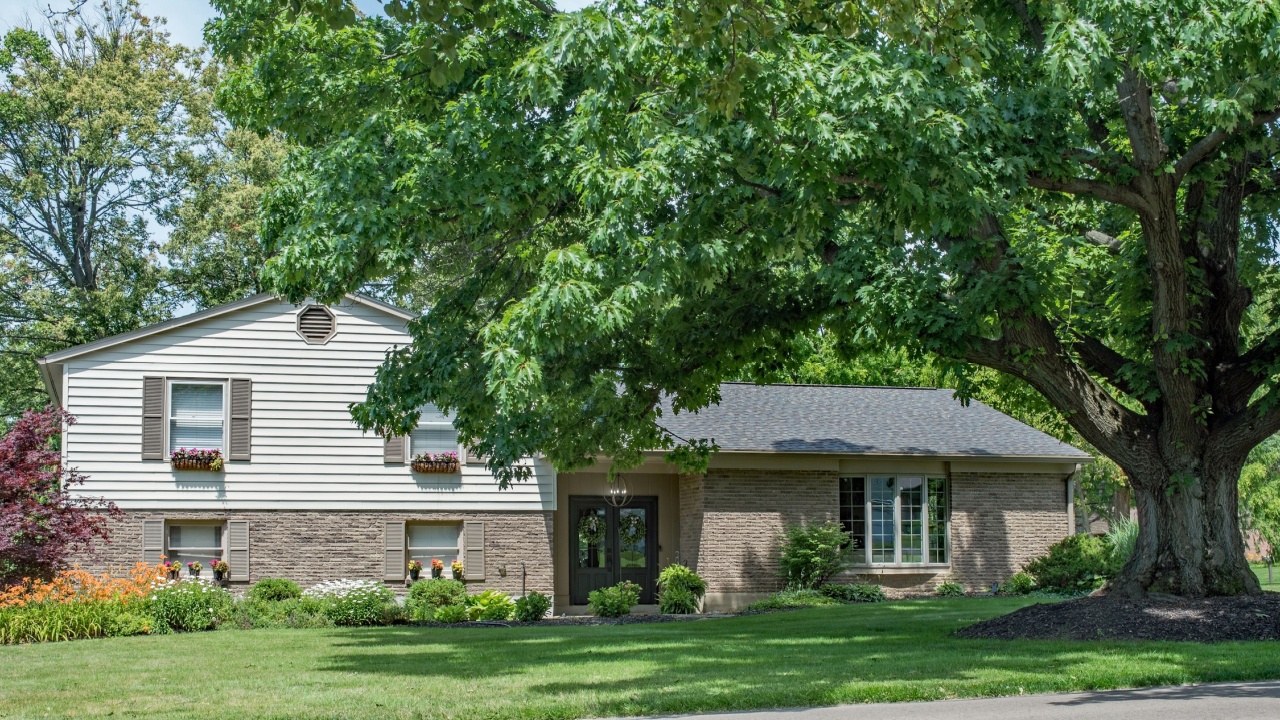
Flattening split-levels creates a cohesive living space (essentially flattening where you can to lessen the split). Farr’s cohost David Visentin quipped:
“I don’t know what happened in the 1960s that everyone thought this was a good idea.”
Consider leveling high-traffic areas like kitchens; consult contractors for plumbing or HVAC adjustments.
3. Steal Closet Space to Expand Bathrooms
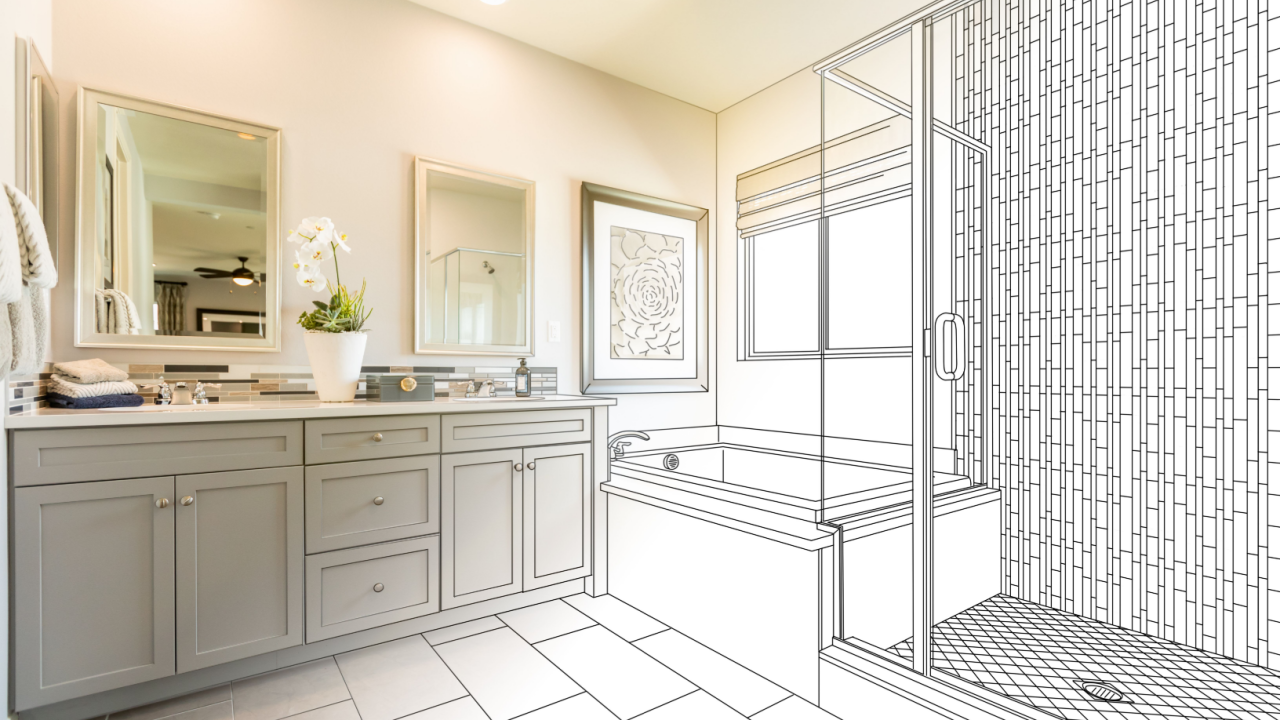
While closets are important, bathrooms are more so if they’re lacking functionality. You can always add dresser or under-bed storage, but there’s no quick fix for a tight shower. Farr suggests using an adjacent closet or hallway to enhance the shower size.
The little bit of extra space can make all the difference in the feel of a bathroom without compromising much on other spaces. Consider repurposing closets for larger bathrooms (even an en suite) and adding built-in bedroom storage to compensate.
4. Build a Mud Room, Or At Least a Drop Zone
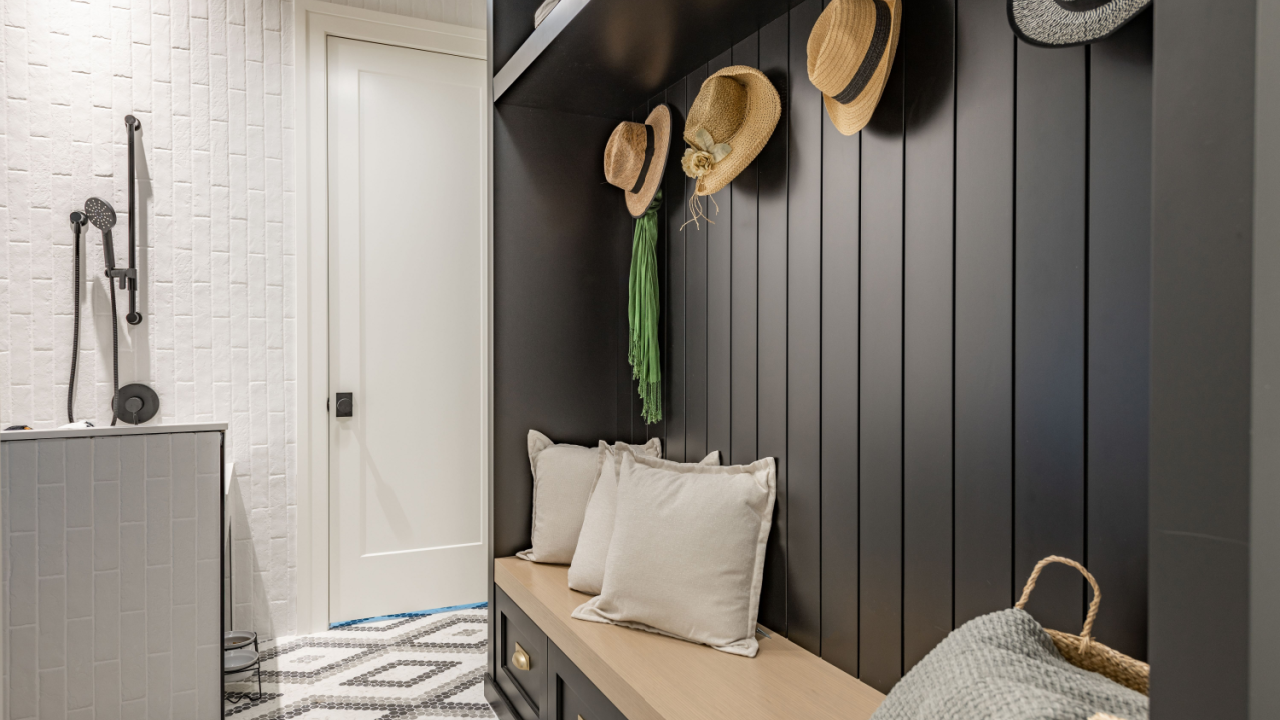
In nearly every renovation show Hilary Farr has tackled, she emphasizes the importance of having a functional entry point—whether it’s a full mudroom or a small but intentional drop zone. These transitional spaces aren’t just for boots and backpacks; they help keep the rest of your home clean, organized, and visually calm.
According to Distractify, Farr recommends incorporating essentials like wall hooks for coats and bags, a sturdy bench for seating, and cubbies or baskets for shoes and miscellaneous items.
If you don’t have room for a dedicated mudroom, carve out a corner near the entryway. Add a bench with storage baskets underneath, wall-mounted hooks, and a shelf or narrow console to corral clutter in style.
5. Choose Timeless Cabinetry

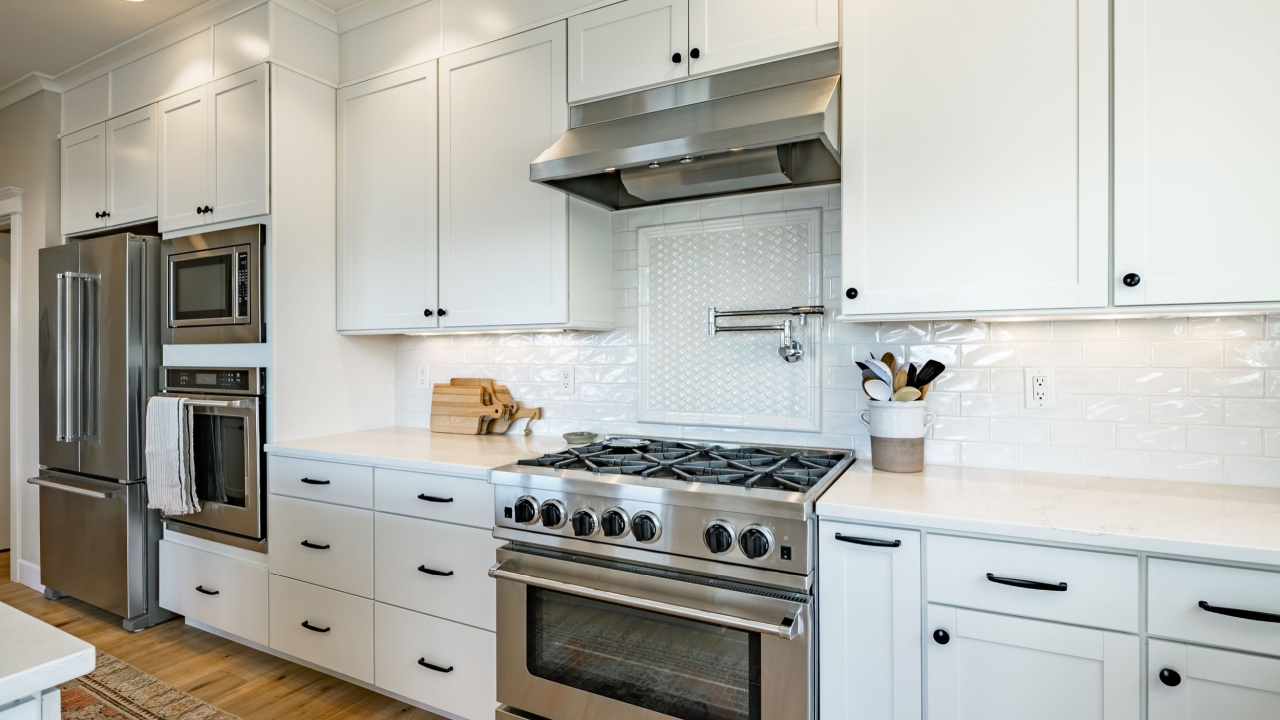
When updating your home, kitchens typically eat up a large portion of the budget to make it feel modern and functional at once. If you are updating cabinets, Farr has a recommendation. “Make sure that the cabinetry is timeless and will do the job of hiding all the clutter.”
Select classic shaker or slab styles; avoid trendy finishes that date quickly.
6. Invest in Quality Appliances

Farr shares, “Kitchens are the perfect example of blending beauty and function. Start with function and choose the highest quality of appliances that you can possibly afford.”
For Hilary Farr, the kitchen is the room where design and practicality must work hand in hand. No matter how stunning your backsplash or custom cabinets are, if your oven won’t hold temperature or your fridge keeps leaking, the entire space becomes frustrating rather than functional. That’s why Farr insists on prioritizing reliable, high-performing appliances before spending money on cosmetic upgrades.
Think of appliances as the foundation of a great kitchen. A quality stove, fridge, or dishwasher doesn’t just make cooking and cleaning easier—it also boosts your home’s resale value and saves money long-term with better energy efficiency and durability.
7. Prioritize Countertop Material

Hilary Farr knows that countertops aren’t just a work surface—they’re a focal point. Whether you’re chopping vegetables, serving guests, or simply admiring your morning coffee, the counter is where beauty and daily function meet. Farr emphasizes that your choice of material can completely shift your kitchen’s tone—from sleek and modern to rustic and timeless—so it’s worth more than just a passing thought.
But appearance isn’t everything. Farr often reminds homeowners to choose what works for their lifestyle. That means considering durability, maintenance, and how you actually use your kitchen. A busy family might regret high-maintenance marble, while a dedicated home chef might need heat resistance and a seamless prep space.
8. Keep Hardware Subtle
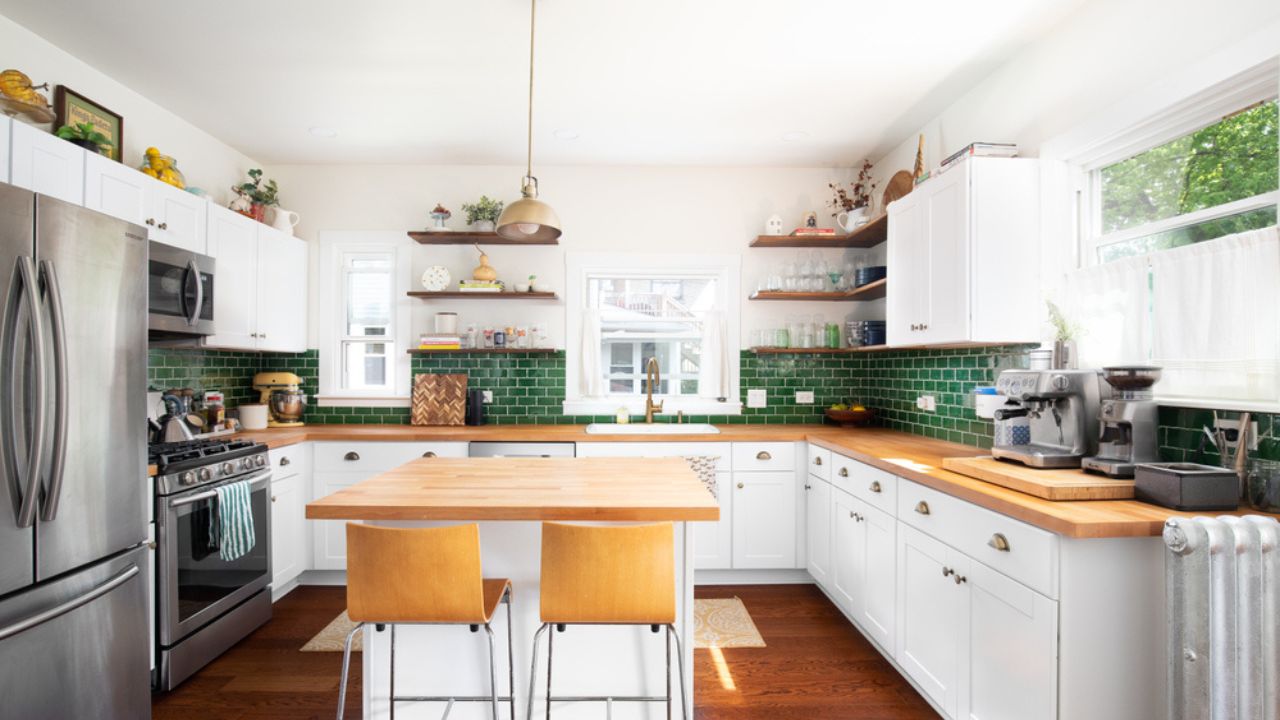
Hilary often emphasizes the importance of seamless design flow—especially in open-plan homes. She believes that bold, ornate handles and knobs can interrupt visual harmony, pulling attention away from more intentional features like countertops, cabinetry lines, or lighting installations. By keeping hardware understated, the kitchen reads as a cohesive space rather than a collection of competing elements.
Especially in an open-concept kitchen, where sightlines stretch through living and dining areas, hardware choices can either enhance or undermine the overall aesthetic. Subtle pulls allow the eye to glide smoothly across surfaces, maintaining the space’s balance and tranquility.
9. Be Generous with Your Kitchen Budget

When homeowners balk at investing in their kitchens, Hilary offers a reality check: this room is where both enjoyment and value merge. “There’s no money that is too much to spend on a kitchen… you’ll get that money back when you sell.”
A well-designed kitchen isn’t just beautiful—it’s the engine of daily life. Investing wisely in key upgrades (cabinets, lighting, appliances) pays dividends not only in day-to-day satisfaction but also in resale value.
Buyers and appraisers alike notice kitchens, especially ones built with quality materials and smart layouts. Skimping here can drag down home value, while investing smartly offers noticeable returns both emotionally and financially.
10. Limit Bold Color Use

“I like bringing color in, but too much… is going to disrupt the design.”
Hilary Farr is known for her tasteful, subtle use of color. She likes visuals to breathe, not compete. A pop of color—say, a green island or a jewel-toned backsplash—can be striking in moderation. But when overused, it can overpower and age a space prematurely.
Color trends change quickly. Overly bold palettes can become outdated faster than neutral foundations. By incorporating color in discrete ways, through splash elements rather than sweeping surfaces, your home looks fresh today and tomorrow.
11. Carefully Evaluate Exterior Door Additions

On the surface, adding a second exterior door seems like a no-brainer—more access, more convenience. But Hilary urges homeowners to dig deeper before committing. She’s seen projects derailed by cost overruns, misaligned plumbing needs, or awkward sightlines simply because no one measured practical implications first.
Every new door affects layout, insulation, window placement, and often necessitates structural or utility modifications. A well-meaning idea can end up disrupting flow, decreasing energy efficiency, or inflating budgets.
12. Mount Full-Length, Ceiling-Fitted Curtains
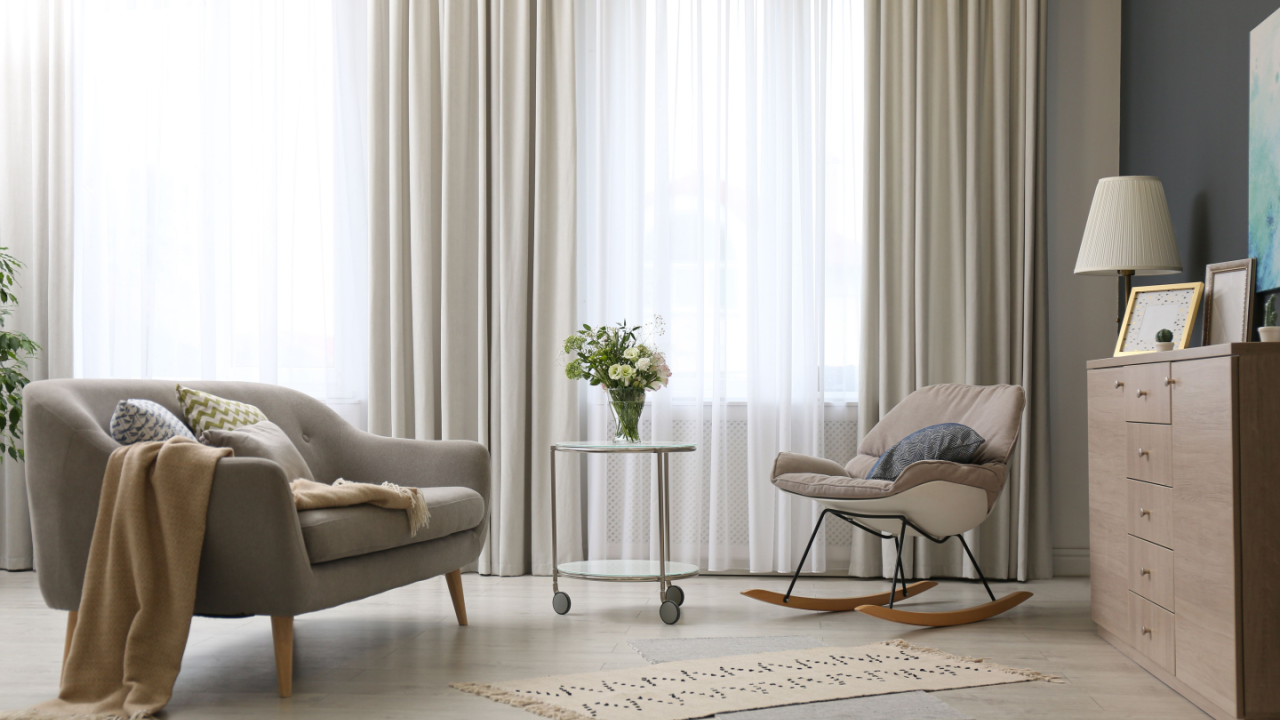
Farr “likes to hang curtains from the ceiling with a pleat located at the top.”
By starting curtains from the ceiling, Hilary creates an illusion of grander height and polished finish. The long vertical lines add a softness that drapes architecture with intention. It’s a detail that feels luxurious—like hotel design—yet easily achievable in your own living room or master bedroom.
Ceiling-mounted drapes lengthen the perceived height of walls and windows, making spaces feel larger and more cohesive. They also block drafts better than window-only mounts, boosting both comfort and thermal efficiency.
13. Replace Windows & Siding for Energy Savings
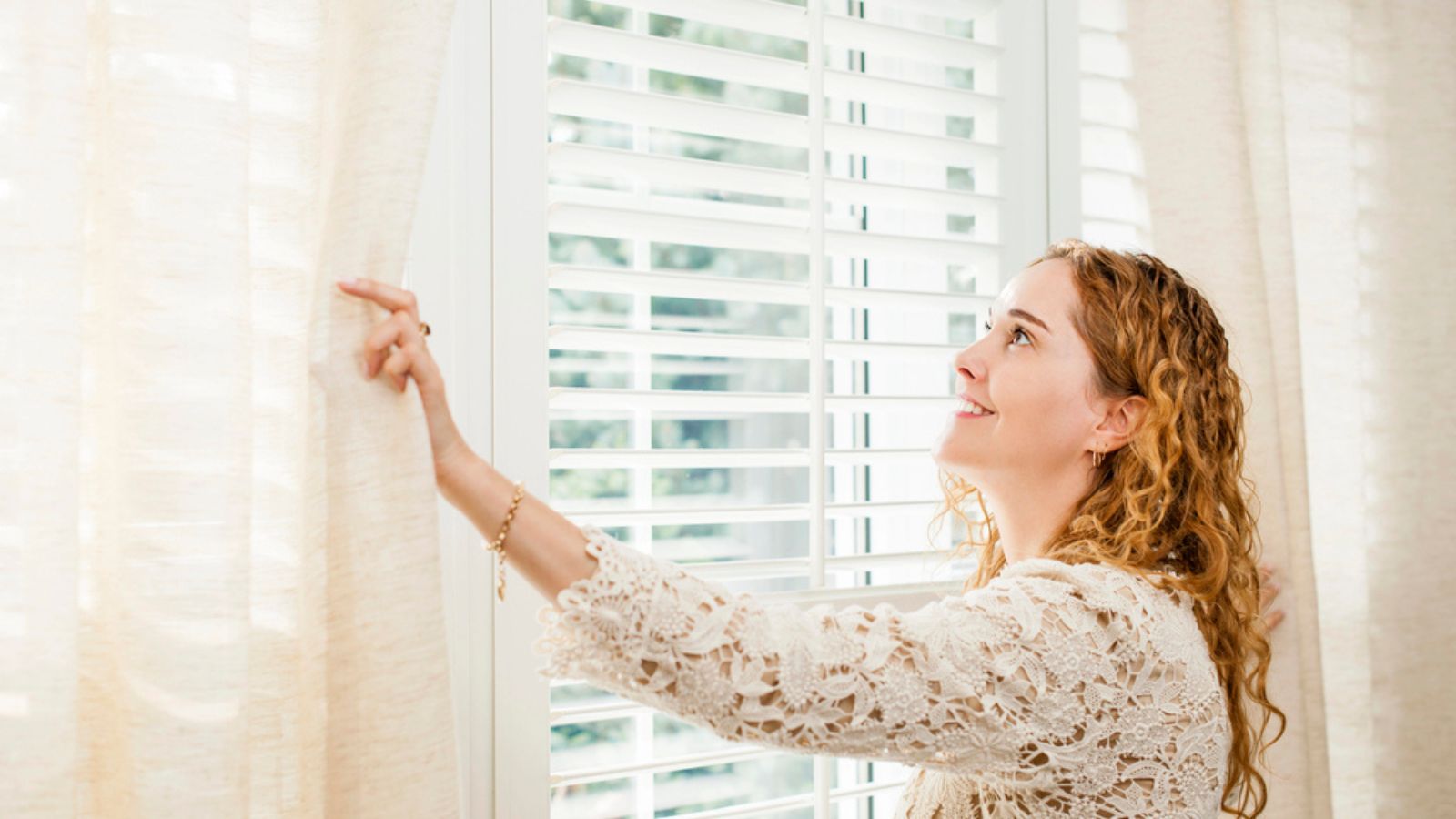
Hilary stresses that modernizing the building envelope is both wise and rewarding. High-performance windows and fresh siding don’t just look crisp—they mean fewer drafts, cleaner lines, and lower energy costs. Over time, those benefits add up, especially in climates with extreme temperatures.
Energy Star-rated windows and durable siding recoup costs quickly, both by reducing utility bills and enhancing resale appeal. Clean exteriors also require less frequent painting or maintenance, lightening your long-term upkeep.
14. Make Lighting a Dramatic Statement

Hilary champions lighting as both a practical tool and a design focal point. A sculptural chandelier or oversized pendant can elevate a space like a piece of art, while thoughtful task lighting ensures functionality where you need it most. The key is to balance drama with warmth—bright enough for cooking or reading, but soft enough to maintain comfort.
By incorporating layers—overhead fixtures, wall sconces, and accent lamps—you create visual depth and flexibility. Dimmers are a must for transitioning from a bright workspace to a cozy evening ambiance, ensuring lighting adapts to your daily needs.
15. Blend Rustic Textures with Modern Surfaces
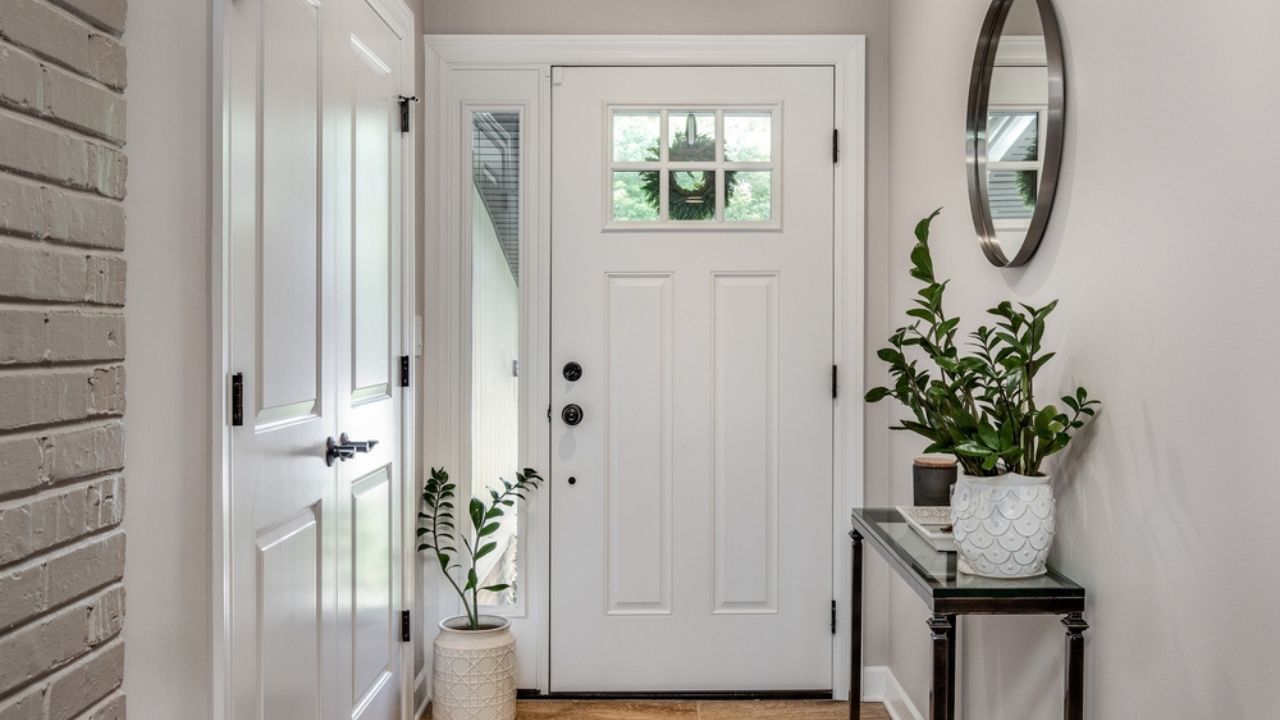
In one of her celebrated kitchen makeovers, Farr mixed tin ceiling tiles with sleek cabinetry to marry old-world charm with contemporary polish. This approach celebrates heritage and texture while keeping the overall aesthetic fresh and intentional.
Rustic elements—wood beam, aged brick, metal accents—anchor a space with history and character. When balanced against minimalist cabinets, clean lines, and glossy surfaces, the result is a rich, lived-in design that feels elevated yet approachable.
16. Start with a Basic Makeover
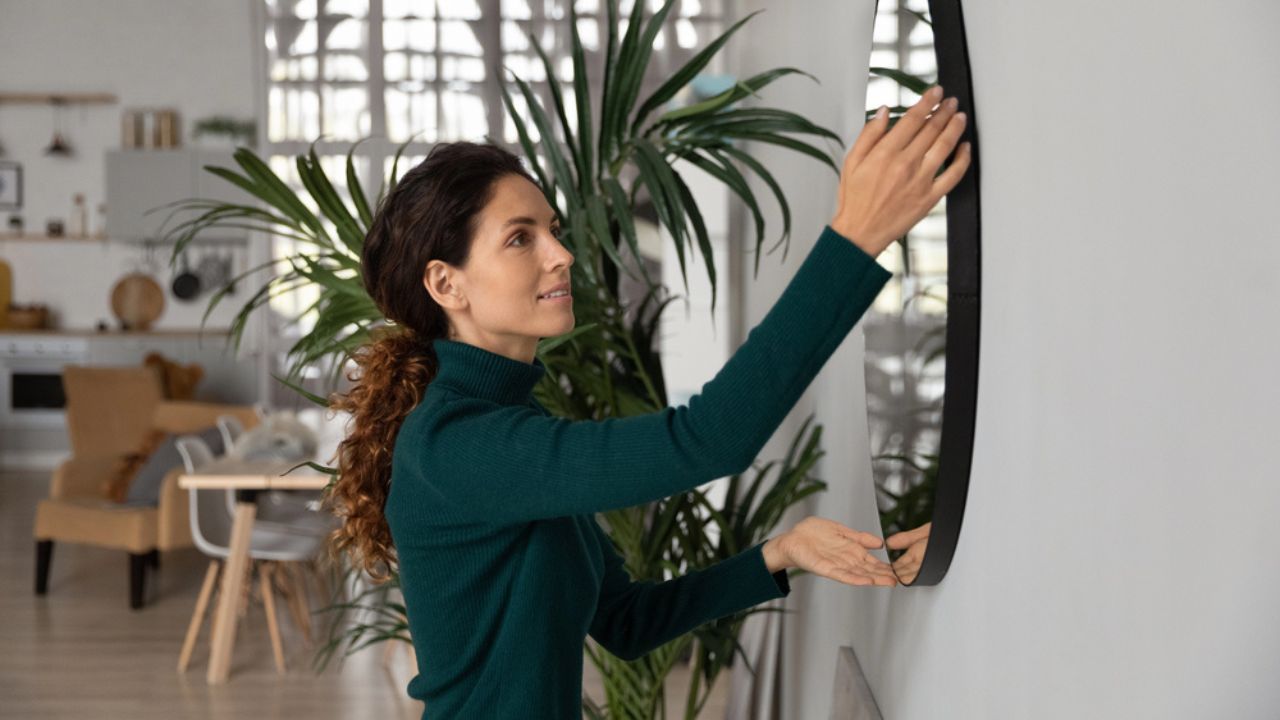
“Don’t assume that you need new furniture… new bedding and decor can do the trick.”
Even small updates—a refreshed backsplash, new duvet, or artpiece—can entirely shift the mood and function of these vital spaces. This is especially true when done in the master bedroom and kitchen.
This targeted approach also keeps budgets and efforts manageable. By avoiding wholesale gut renovations everywhere at once, you can upgrade thoughtfully and reveal tangible improvement more quickly.
17. Extend Living Outdoors with a Well-Designed Deck
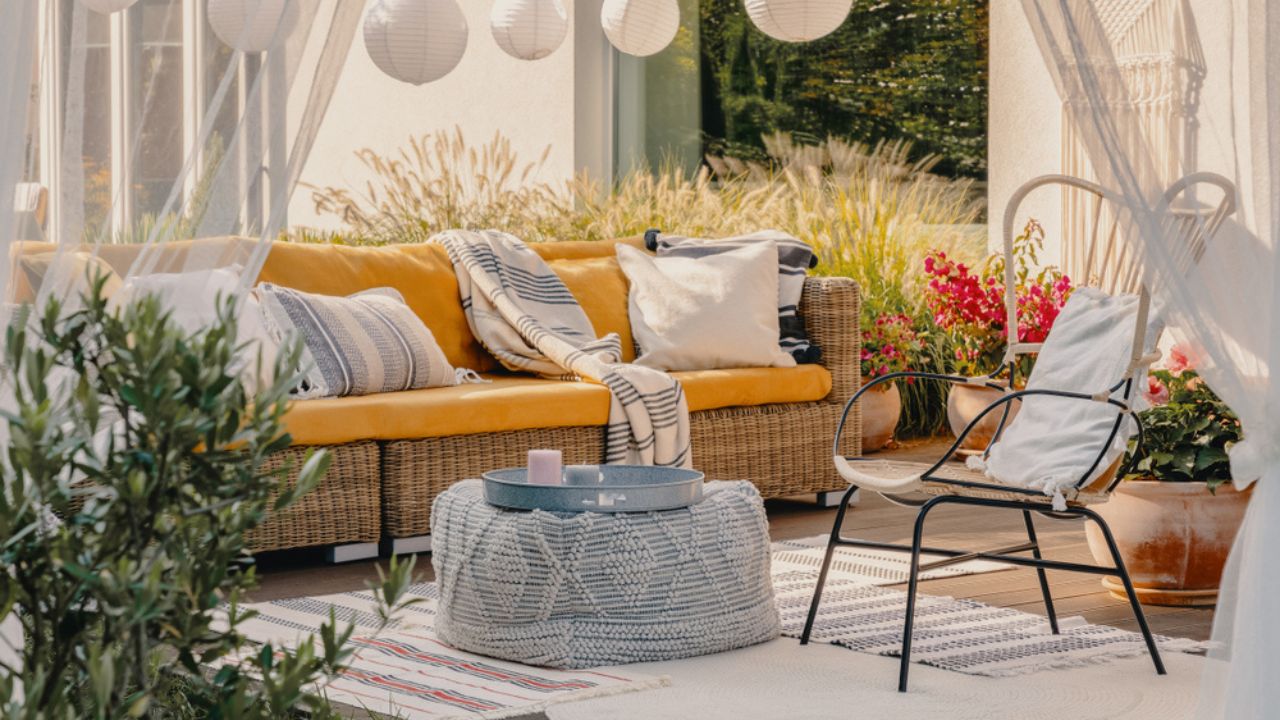
Adding a deck effectively creates “another room” outdoors and is one of Hilary’s favorite budget-friendly expansions. She’s shown firsthand how a beautifully crafted deck adds value and creates space for relaxation and entertainment without the complexity of building an addition.
To fit the home’s style, the deck’s materials, railing, and shape should harmonize with existing architecture. Strategically placed furniture, lighting, and plantings help transform it into a comfortable, inviting outdoor retreat that’s used year-round.
18. Elevate Small Baths and Other Spaces with Wainscoting

Wainscoting isn’t just for grand entry halls or stairways—it’s a simple trick Hillary uses to polish compact bathrooms. The paneling adds texture, breaks up bland walls, and gives a bespoke feel without full-scale renovations.
The visual contrast between lower paneling and smooth upper walls also brightens the sense of space. It’s a smart balance of classic architectural detail with modern simplicity.
19. Convert Little Spaces into Powder Rooms
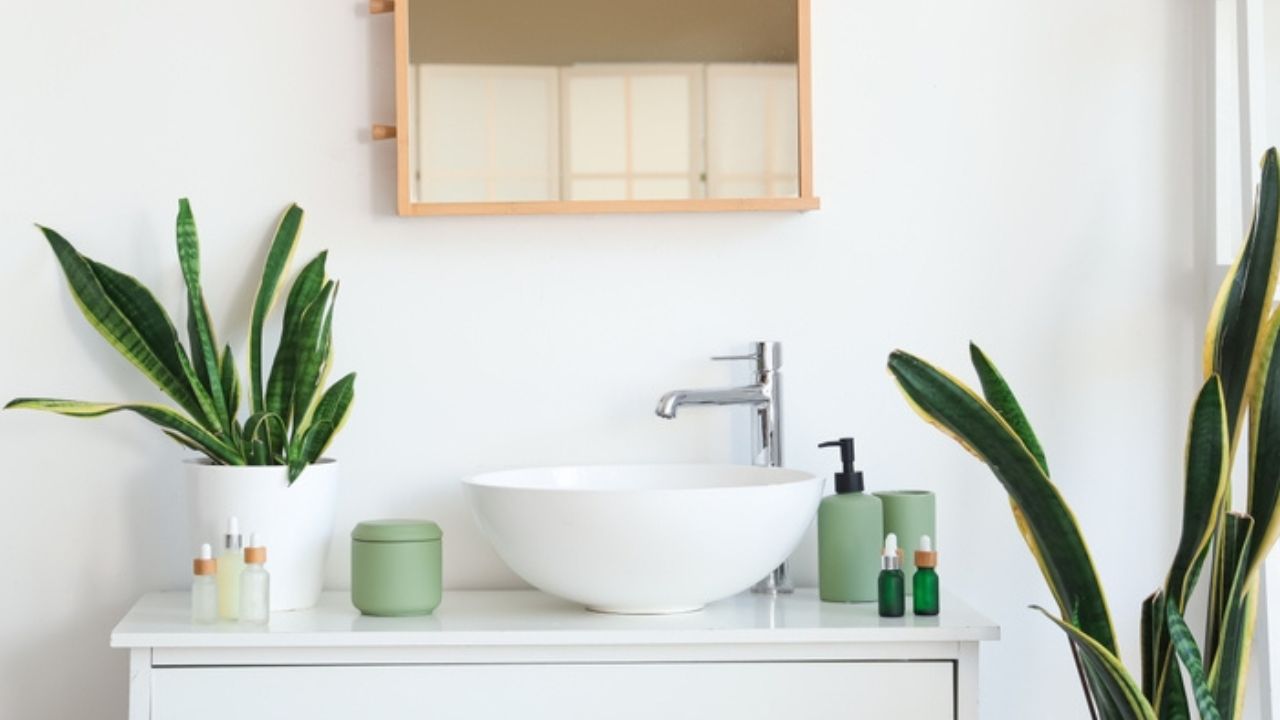
A tucked-away powder room adds practicality and luxury. Farr’s clever conversions transform awkward closets into guest-ready half baths, creating amenities without needing extra square footage or a full addition.
If plumbing is accessible, a vanity, toilet, and pretty tile instantly define the space. Even in small footprints, thoughtful layout and strong design (lighting, hardware, mirror) turn a closet into a functional statement.
20. Create Luxurious Master Baths

Hilary elevates master bathrooms by introducing elements like doorless showers and floating vanities. By removing traditional shower enclosures, space feels open, spa-like, especially when matched with quality finishes and natural light.
Adding dual sinks personalizes the space for couples, while hidden storage keeps clutter out of sight. Luxury materials, large-format tile, and recessed niche details bring daily comfort and long-term elegance.
21. Maximize Natural Light with Oversized Windows

Farr frequently replaces small windows with floor-to-ceiling options or French doors to flood rooms with daylight. The result? Brighter interiors, better flow, and a deeper connection with the outdoors.
Natural light enhances both aesthetics and well-being—it opens up dark rooms, reduces lighting costs, and makes decorating easier. Plus, it creates the sought-after “wow” factor during showings.
22. Celebrate Original Textured Walls

Exposing brick, stone, or wood beams gives a sense of authenticity and warmth that modern finishes sometimes lack. Hilary’s projects often highlight one textured wall and build the space around it, balancing raw detail with contemporary aesthetics.
The result is a layered home full of personality, where modern furniture meets historical character—a blend that feels both fresh and grounded.
23. Choose Flow Over Square Footage
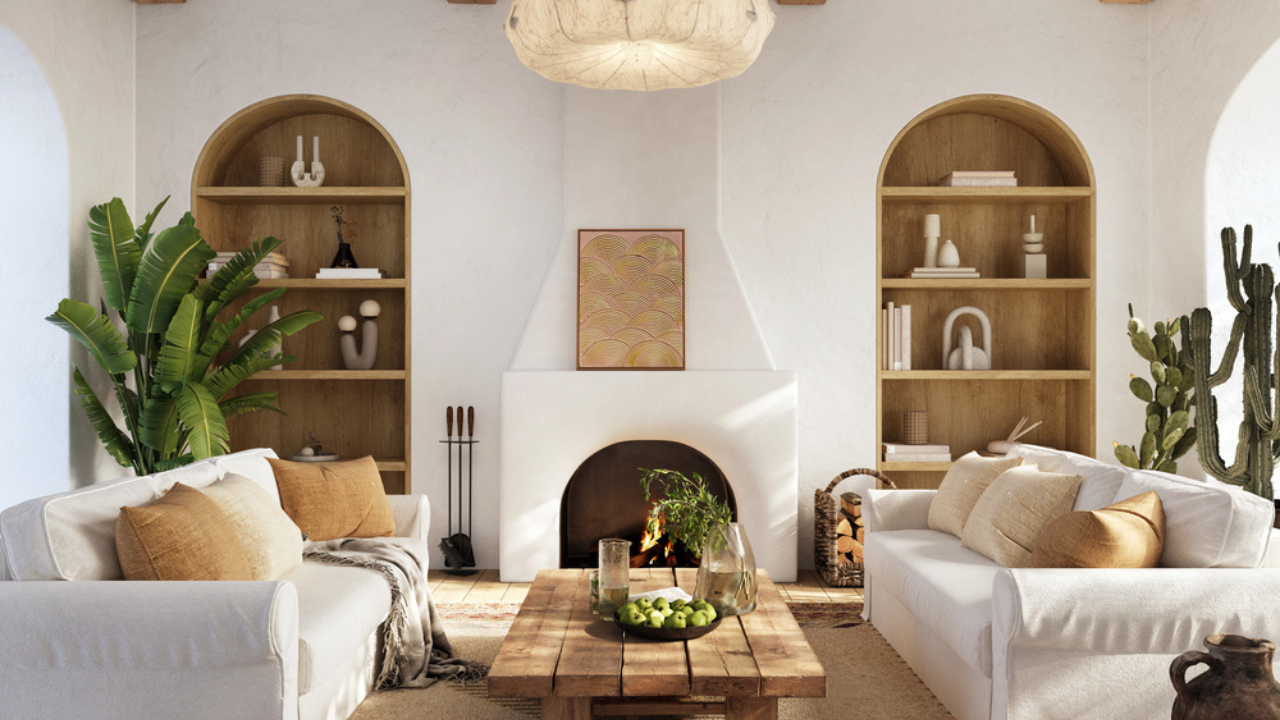
Hilary often reconfigures floor plans, moving a staircase, taking down a wall, to improve flow rather than expanding the footprint. Smart layout alterations often yield more usable space than small additions.
Function usually outweighs form; improving traffic patterns and natural connections between rooms makes homes feel larger and more comfortable, even if size stays the same.
Hire a designer to assess your layout and suggest removing or shifting walls. Focus on creating open lines between the living, dining, and kitchen zones.