11 Ways Manicured American Lawns Are Making Us Sick
Who doesn’t love the look of a lush, perfectly manicured lawn? It’s a hallmark of a well-kept and inviting home. Ironically, the same lawn you pamper with water, fertilizer, and weekend mowing might be putting your health at risk.
As Michael Pollan once said, “A lawn is nature under totalitarian rule,” and it’s that unnatural order that may be silently contributing to health concerns in your backyard. According to the U.S. Fish and Wildlife Service, Americans apply up to 10 times more chemical pesticides per acre on their lawns than farmers use on food crops, and those chemicals don’t stay in the soil; they drift, leach, and linger.
This is the space where your kids play, your pets roll around, and you unwind after a long day. It may look lush and healthy on the surface, but is that perfect patch of green worth the hidden risks? Let’s find out.
1. Chemical Pesticides and Cancer Risk
-

Image Credit: Shutterstock.
Many people use weed killers and insect sprays to keep their lawns looking clean and green, but these chemicals, especially ones like glyphosate and 2,4-D, have been linked to serious health problems.
Being around these pesticides too often can increase the risk of cancer, such as non-Hodgkin lymphoma. Even if you are not spraying them yourself, walking or playing on a treated lawn can still expose you to the harmful stuff left behind.
2. Birth Defects & Reproductive Harm
-

Image Credit: Shutterstock.
Again, some popular lawn care chemicals, like dicamba and MCPP, have been linked to birth defects and problems with fertility. Frequent exposure to these chemicals may increase the risk of miscarriage, low birth weight, or developmental issues in unborn babies.
Even small exposures during pregnancy can be harmful, especially for young children and pregnant women on chemically treated lawns.
3. Fungicides May Mess with the Brain
-

Image Credit: Shutterstock.
Fungicides are used to stop mold or fungal growth on lawns, but some of them contain chemicals that can quietly affect how your brain and nervous system work. A typical example is maneb, which belongs to a group of fungicides called EBDCs. These chemicals have been found in studies to affect the nervous system when people are exposed to them regularly over time.
Some research even links them to conditions like Parkinson’s disease and learning or behavior problems in children. Children are especially at risk because their brains are still developing, and they’re more likely to play on the grass, touch their faces, or put their hands in their mouths.
4. Respiratory Irritation & Lung Problems
-
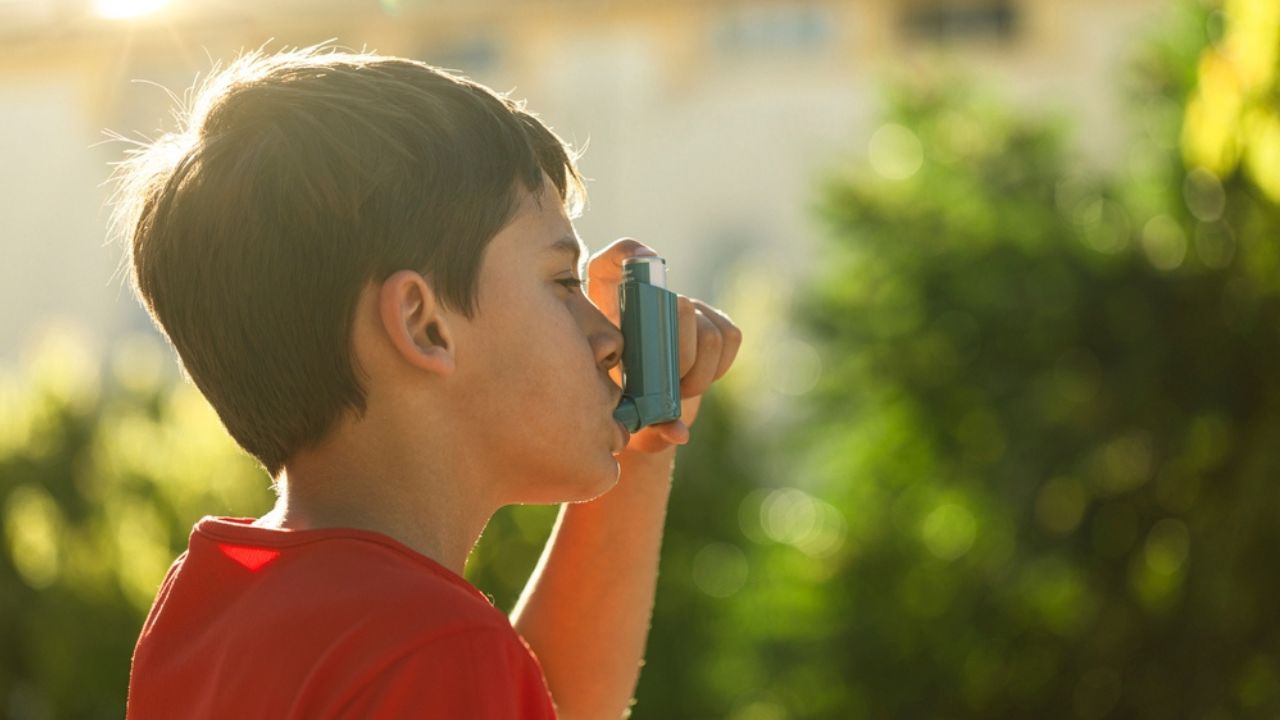
Image Credit: Shutterstock.
Breathing in lawn chemicals can lead to respiratory issues like coughing, wheezing, asthma attacks, and chest tightness. These symptoms are more common in people who already have asthma or allergies, but even healthy individuals can react after being exposed.
Chemicals like glyphosate, 2,4-D, and certain inert ingredients in lawn products can irritate the lungs, particularly after spraying or when children and pets play on recently treated grass.
5. Endocrine Disruption
-

Image Credit: Shutterstock.
Some lawn chemicals also mess with the human hormone system. These are called endocrine disruptors, and they can affect how your body regulates processes such as growth, metabolism, fertility, and mood.
According to Beyond Pesticides, some common herbicides and pesticides have been linked to early puberty, thyroid problems, lower sperm counts, and even some hormone-related cancers.
6. Your Fertilizer Might Be Contaminating Water
-
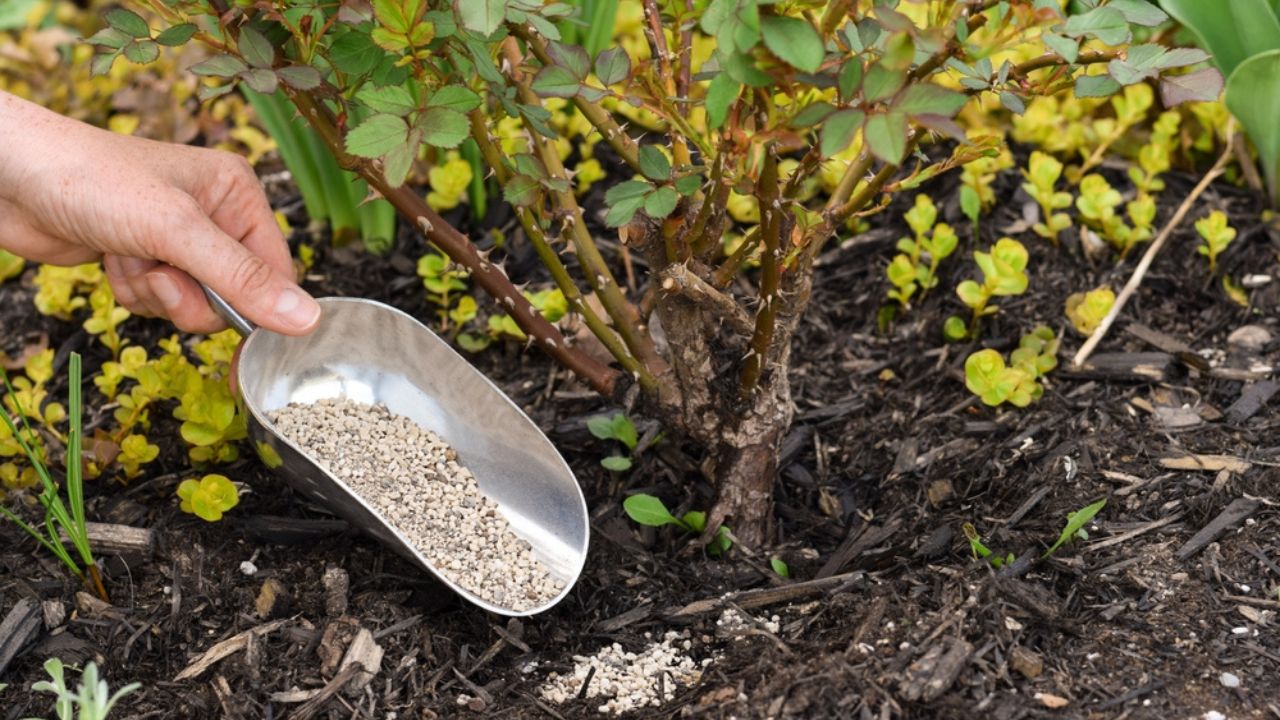
Image Credit: Shutterstock.
When it rains or lawns are overwatered, pesticides and fertilizers can run off into nearby storm drains, rivers, lakes, and groundwater. This polluted runoff can carry harmful chemicals like nitrates, phosphorus, glyphosate, and 2,4-D.
Water contaminated with chemicals can lead to unusual algae growth, dead fish, and unsafe tap water. People using private wells near treated lawns may end up with tap water containing unwanted chemicals for an extended period.
7. Long-Term Residue Persistence
-
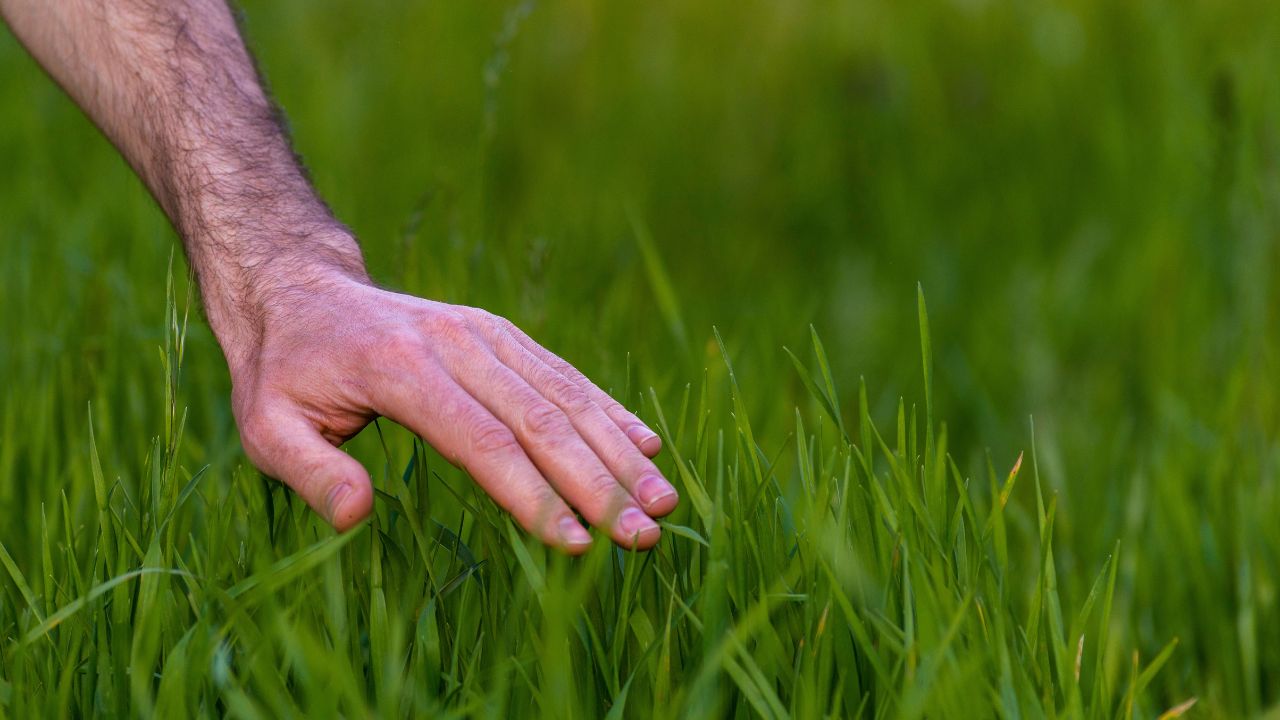
Image Credit: Shutterstock.
Many lawn chemicals don’t break down quickly — they can stick around in soil, air, and surfaces for weeks or even months after being used. Some, like 2,4-D and glyphosate, leave behind residues that somehow linger on the grass, patios, or end up inside the house.
After the lawn appears dry and all is fine, those leftover chemicals linger, still exposing people, pets, and wild animals. The Environmental Working Group says, “Some products emit VOCs for days, weeks or even months.”
8. Lawn Mowers Are Dirty Polluters
-
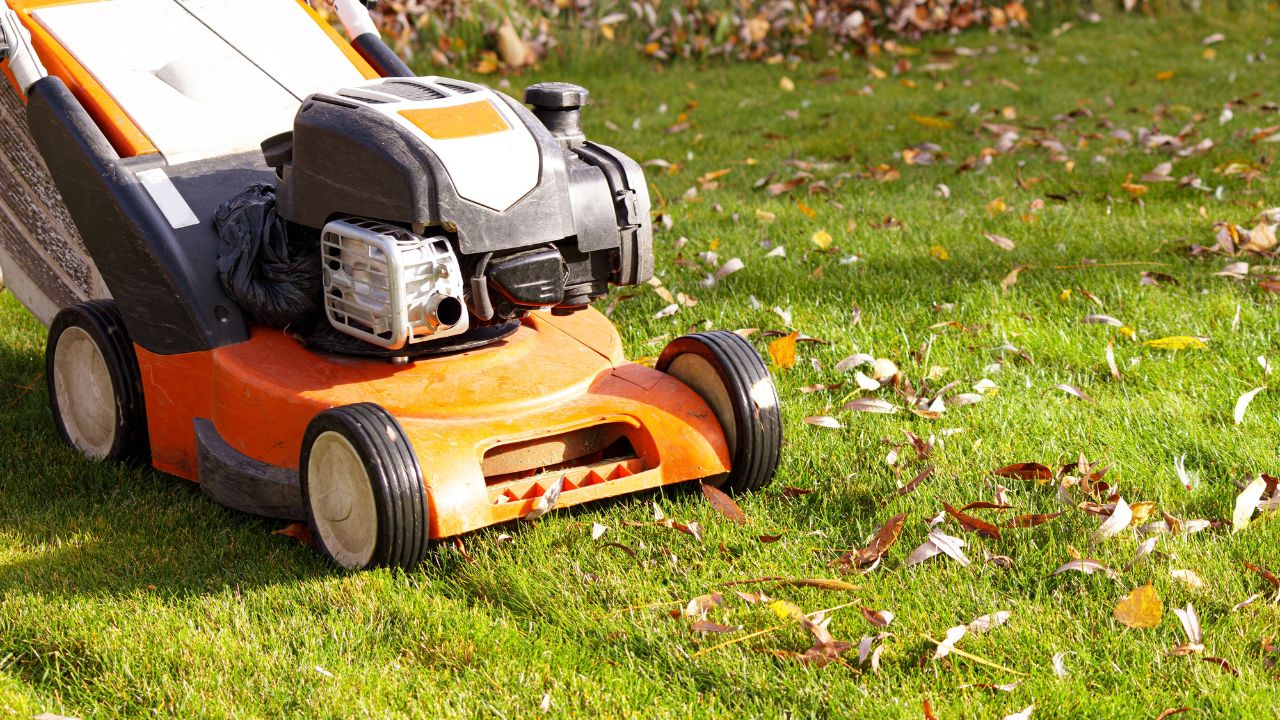
Image Credit: Shutterstock.
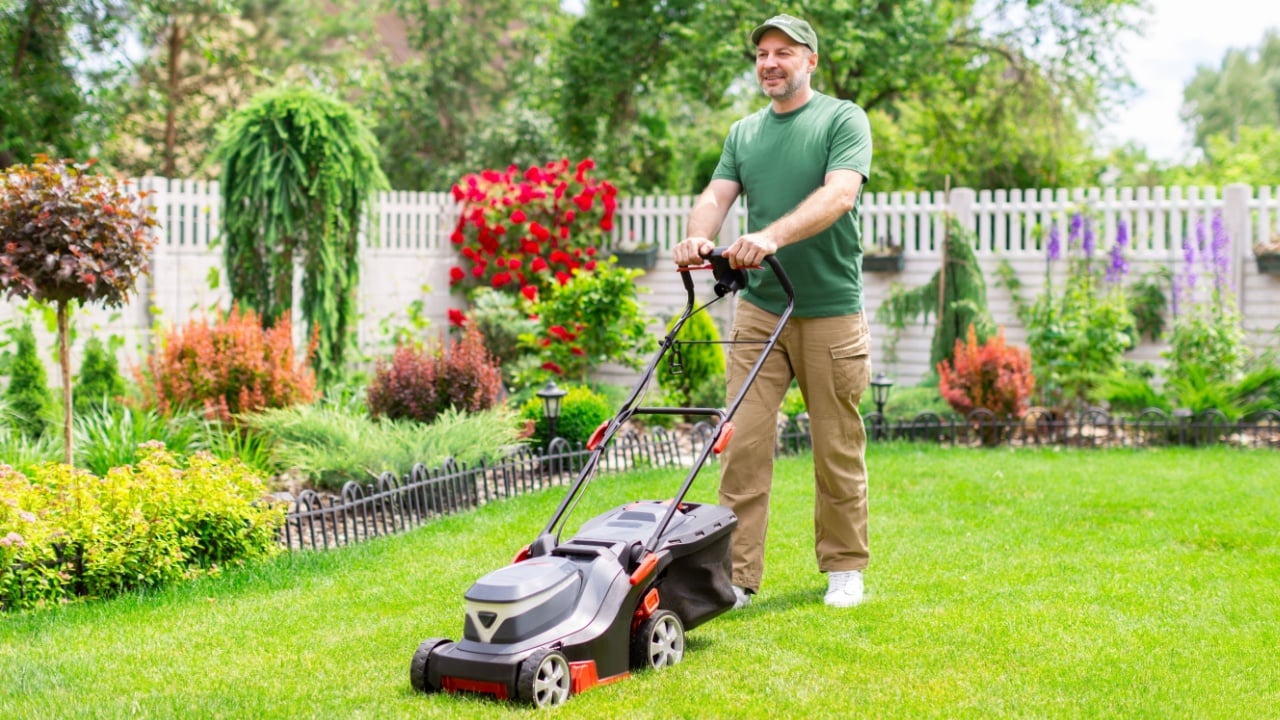
Gas-powered lawn mowers emit a shocking amount of air pollution, sometimes even more than cars. When you’re mowing, the engine releases dirty air, including harmful gases like carbon monoxide and tiny particles that can get into your lungs.
If you can smell the exhaust while mowing, you’re breathing in those fumes. This kind of air pollution can make it harder to breathe, trigger asthma, and affect your heart. It’s particularly precarious for children, older adults, and individuals with breathing difficulties.
9. Noise Pollution is Stressful
-
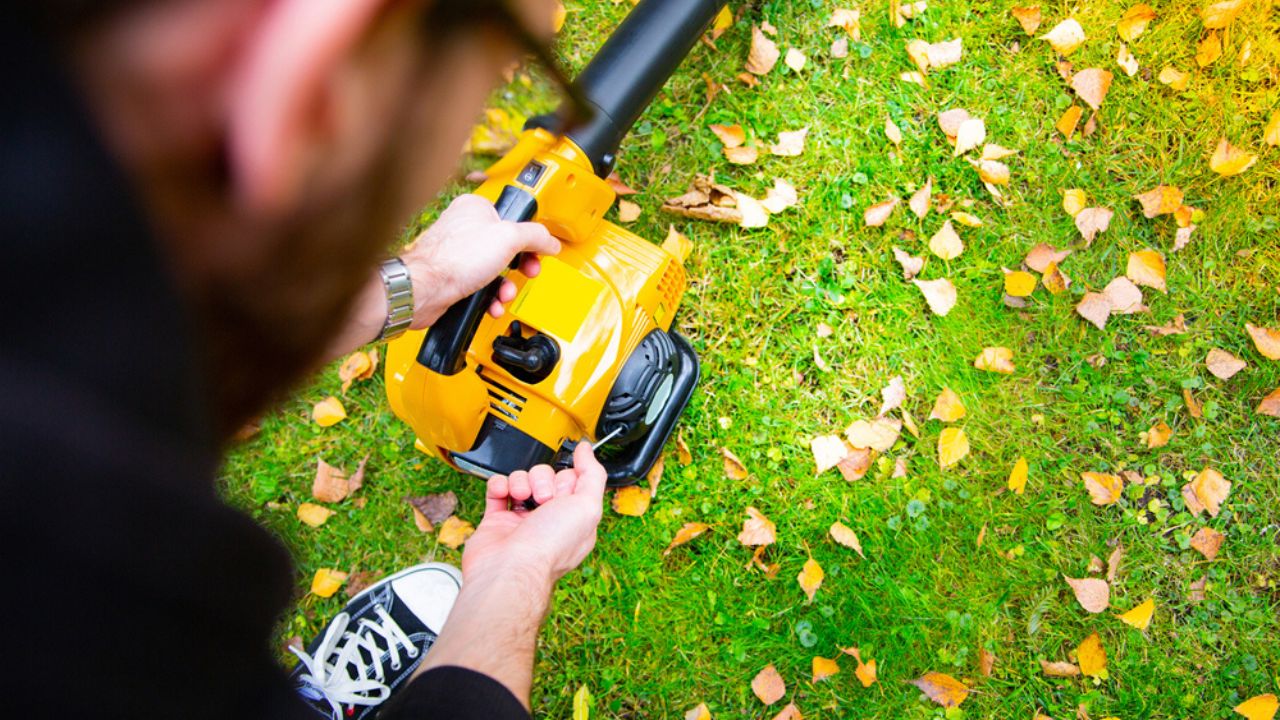
Image Credit: Shutterstock.
Between mowers, trimmers, and blowers, the typical suburban weekend sounds like a construction site. This constant noise can cause stress in your body without you realizing it.
Loud sounds trigger your brain to go on “high alert,” which raises your heart rate, increases blood pressure, and makes it harder to relax. Even if you become accustomed to the noise, your body still responds to it, and not in a good way.
10. Grass Pollen Can Cause Allergies
-
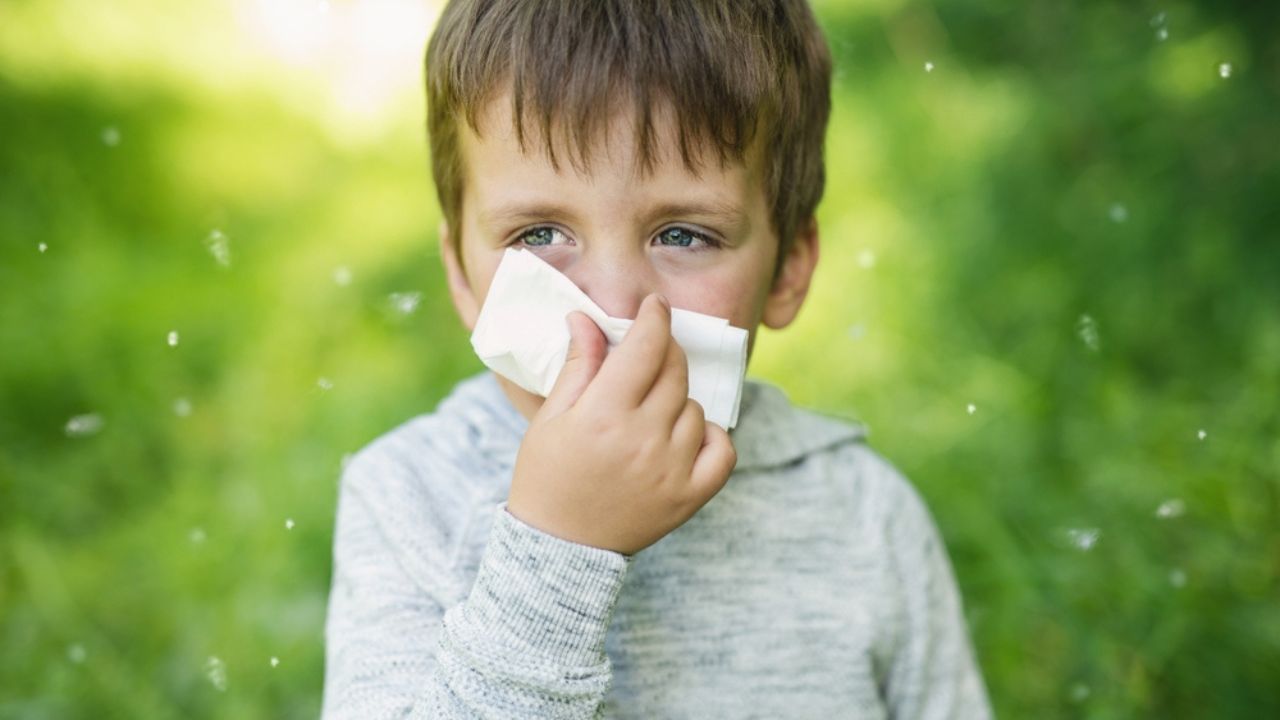
Image Credit: Shutterstock.
Some types of grass used in lawns release a significant amount of pollen, particularly in the summer. This pollen can float in the air and cause you to sneeze, have itchy eyes, or experience a stuffy nose.
This isn’t a huge concern, since there’s plenty of pollen in the air in the spring and summer anyway. However, if you or your kids have allergies, your lawn might be the reason you don’t feel well during certain times of the year.
11. It’s “Green” But Not Natural
-

Image Credit: Shutterstock.
A perfect lawn might look nice, but it’s not natural; it’s a monoculture with very little biodiversity. So, there aren’t many bugs, plants, or beneficial bacteria living in it. That’s the benefit of having a native garden that supports the local ecosystem.
These good bacteria help your body stay strong and are particularly important for children. Playing in more natural, messy yards with different plants and soil is better for the immune system than playing on a plain, clean lawn.
Lawns Aren’t as Perfect as They Look
-

Image Credit: Shutterstock.
Green lawns might look perfect on the outside, but the truth hiding underneath is hard to ignore. The chemicals you use to keep them neat and clean can slowly harm your health, your family, your pets, and even the planet.
A greener lawn shouldn’t come at the cost of a healthier life. It’s time to rethink what ‘green’ really means in your backyards and potentially ditch the lawn. But these problems aren’t permanent; with the right choices and a little effort, we can turn things around.