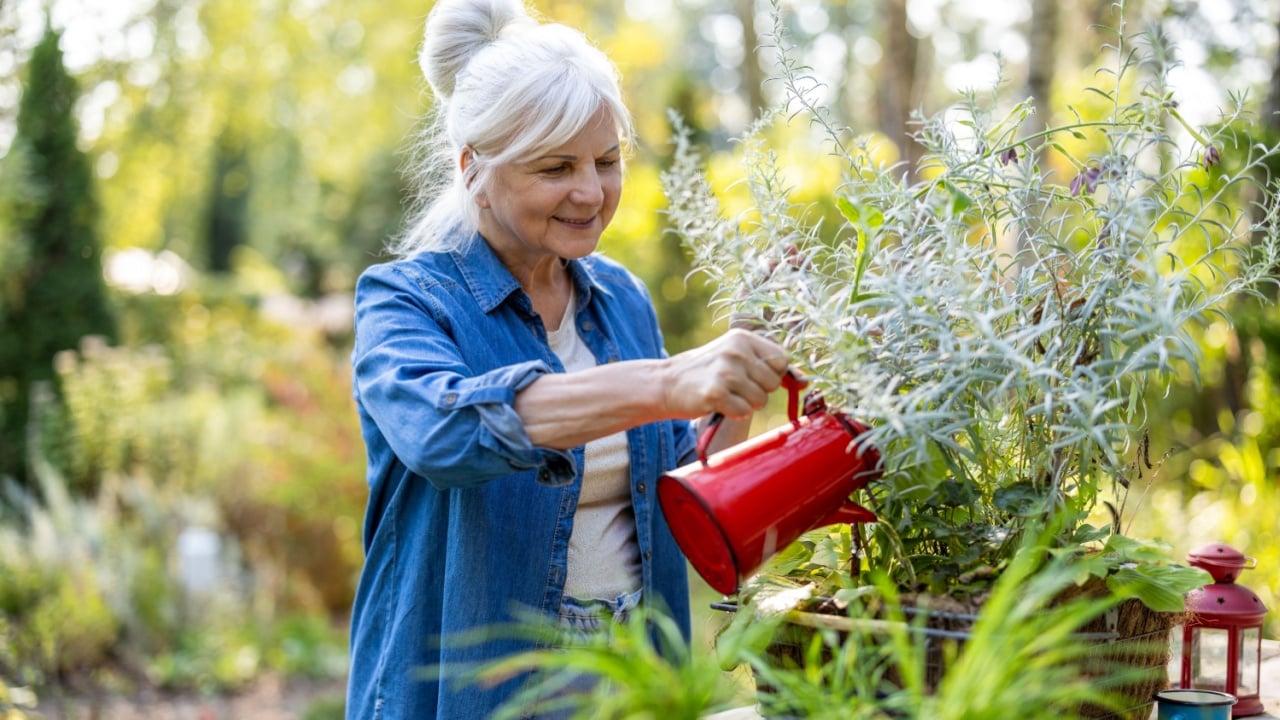
12 Old School Gardening Habits That Still Work Great
Do you ever wonder what backyard gardening in the 1960s looked like? Gardening in the 60s probably looked nothing like today’s scroll-perfect yard setups. It was gritty, hands-on, and full of habits that made sense long before someone needed to explain them on video.
People gardened because they had to. They knew their soil. They reused what they had. They paid attention. Most of it wasn’t written down; it was learned by doing, watching, and listening to someone who knew their way around a trowel. Somewhere along the way, a lot of that got buried under synthetic fertilizer bags and packaged convenience.
Those old habits are worth digging up.
1. Swapping Seeds and Cuttings with Neighbors
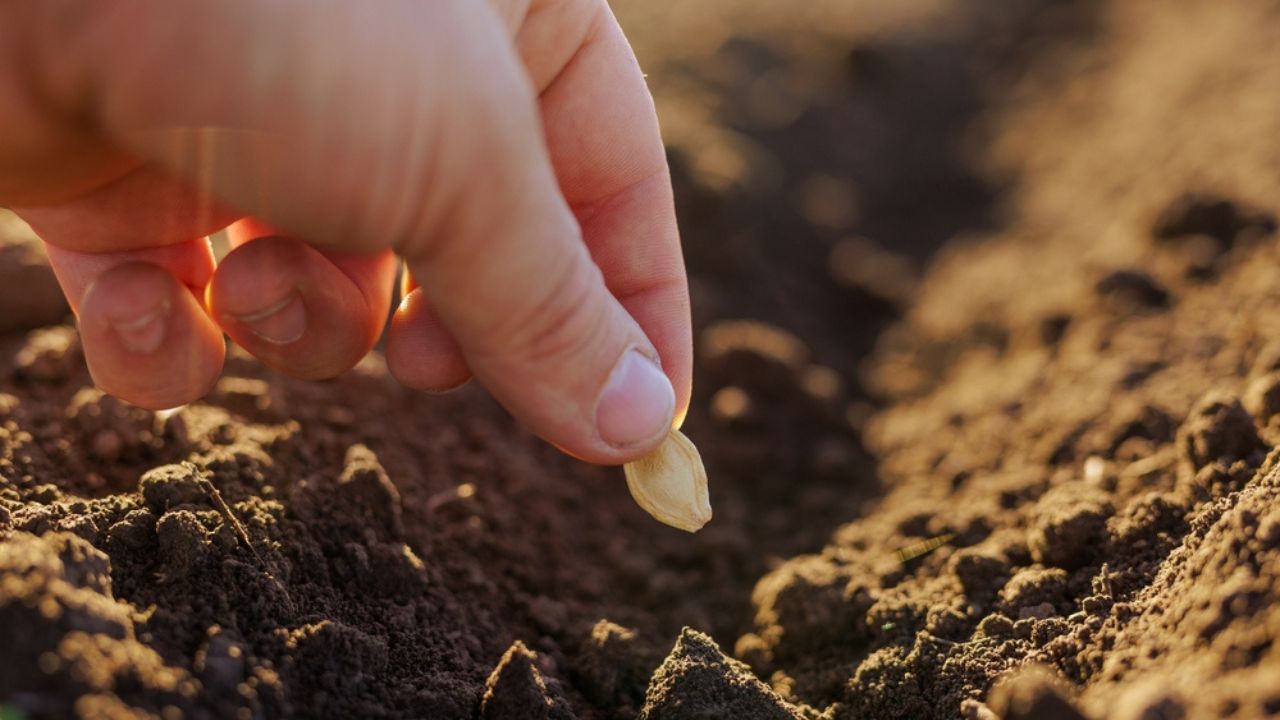
Gardeners in the 60s traded seeds, cuttings, and stories over fences and across driveways. These swaps kept plant diversity strong and helped neighborhoods grow reliable, adapted plants. If your neighbor’s tomatoes did well, you asked for a few seeds and trusted they’d do well in your garden too.
These exchanges built community and knowledge. Today, we rely on big-box store labels and forget that some of the best gardening advice comes from people who’ve grown in the same soil. Although buying your own seed is not illegal, sharing plants should be a normal part of life. It made olden gardens stronger.
2. Saving Seeds to Build Stronger Plants

Back then, gardening wasn’t seasonal shopping; it was a cycle. Gardeners saved seeds from the healthiest tomatoes, peppers, and marigolds, year after year. Open‑pollinated seeds produced offspring adapted to local conditions, meaning better survival in your soil and climate.
Gardeners learned which plants bred true to form, how to dry and store seeds, and how to avoid diseases. Using healthy local seed helped reduce plant illnesses, and the effort paid off when gardens thrived under local conditions.
3. Sprinkling Wood Ash

Ash from stoves or burn barrels was used in gardens. Given wood stoves were heating homes (although slowly transitioning to gas in this decade), there was plenty of it to repurpose. Gardeners sprinkled it on beds to add potassium, calcium, and raise acidity levels lightly.
It worked especially well for root veggies and acid-loving plants. Slugs avoided ash dust, making it an accidental pest barrier.
4. Deep Watering over Frequent Sprinkling
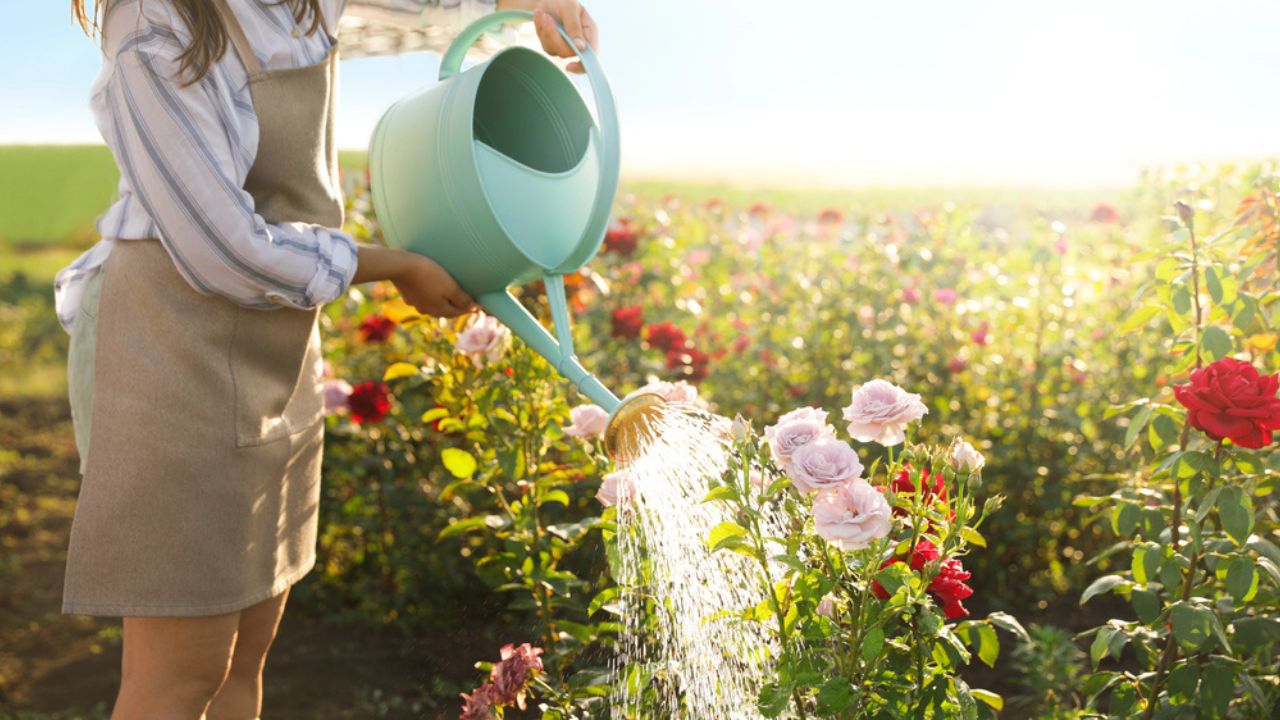
Instead of watering every morning with a hose or spray nozzle, gardeners in the 60s watered less often but more thoroughly. They soaked the soil deeply so water reached the root zone, then left the plants alone. This forced the roots to grow deeper and made them less dependent on surface moisture. Shallow watering was considered lazy. Deep watering built stronger plants.
They judged when to water by checking the soil a few inches down, not by sticking to a schedule. That meant plants were better prepared for dry spells. It saved water, reduced disease, and taught gardeners to pay attention to their soil instead of their clocks.
5. Building DIY Cold Frames
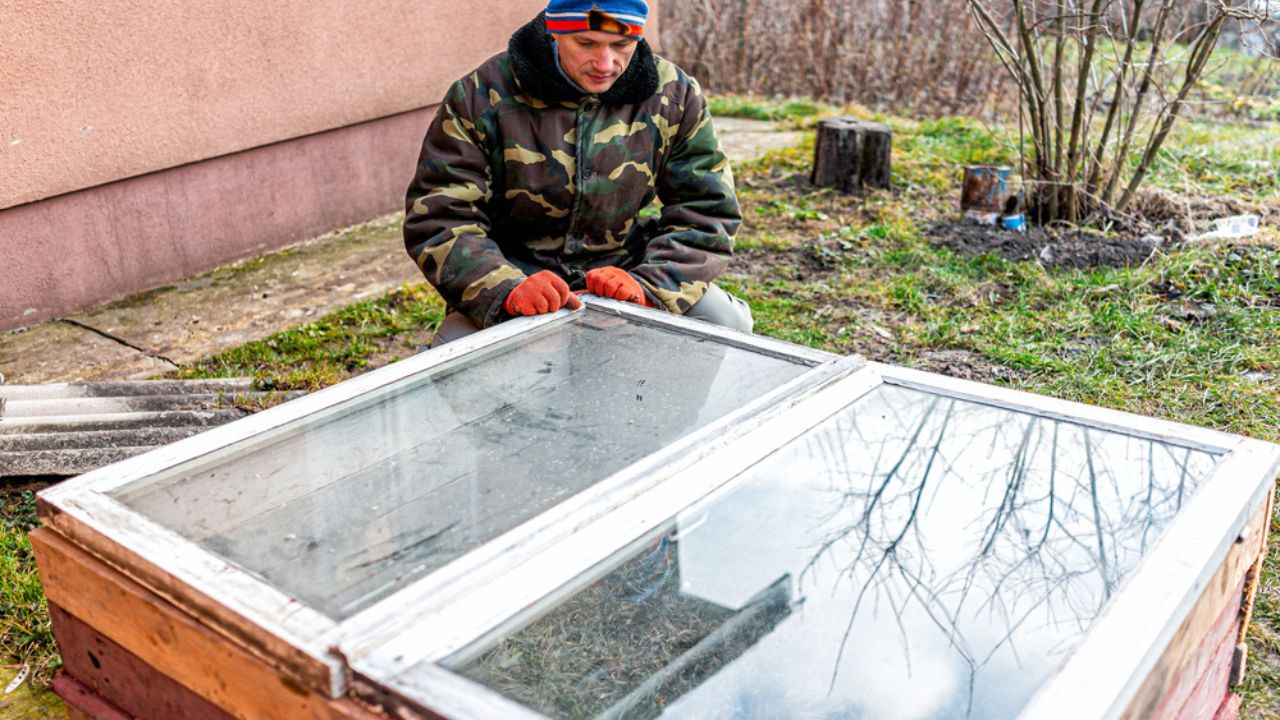
Old windows didn’t get tossed. Boards and glass were turned into cold frames for seed protection and hardening off transplants. These simple structures extended growing seasons by weeks without power or fancy gear.
Gardeners used them to start greens early and stretch production into fall. Best of all, they cost next to nothing, free materials turned into functional, reusable plant shelters.
6. Companion Plant with Observation

Companion planting wasn’t pseudoscience. Gardeners noted that corn grew taller with beans, basil deterred tomato pests, and marigolds confused aphids. These combinations were passed down by trial, not instruction manuals.
Daily garden walks revealed which crops worked well together and which didn’t. These habits reduced pests, boosted yields, and encouraged biodiversity—all without chemicals.
7. They Used Beer to Trap Bugs
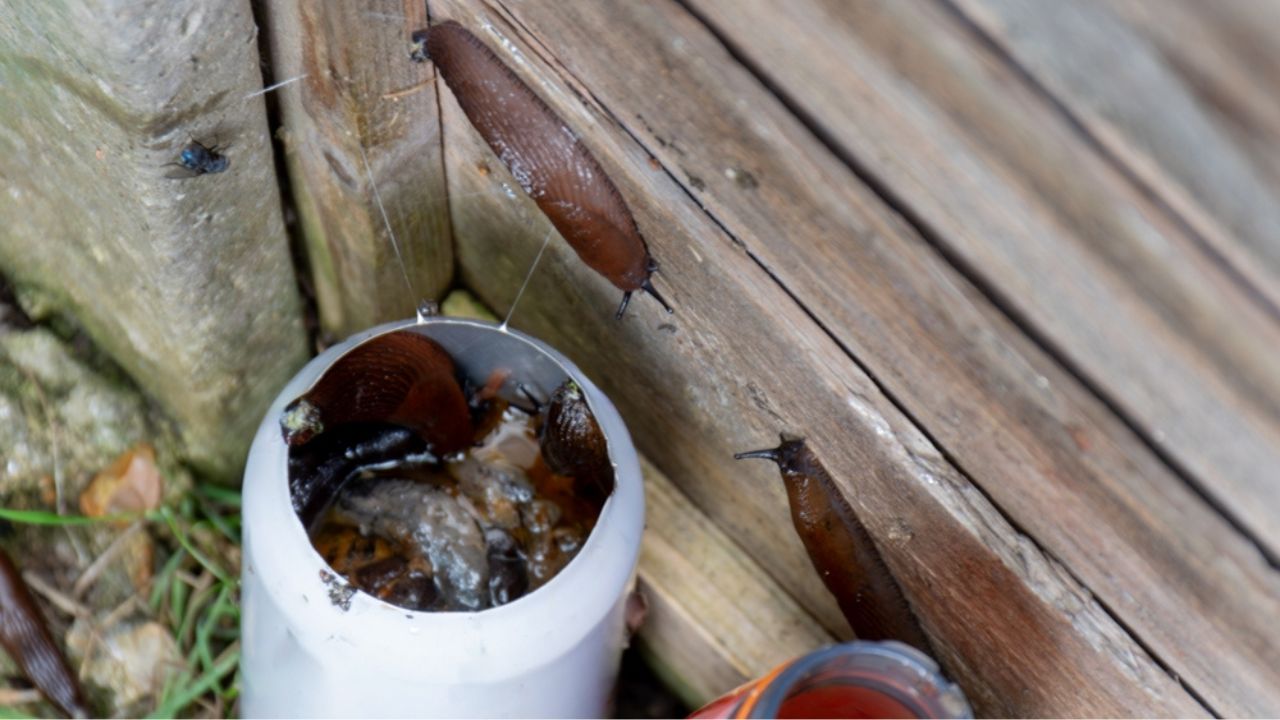
In the 1960s (and still today), gardeners often sunk shallow dishes of beer into the soil to trap slugs and snails. The yeast and fermentation scent attracted these pests, which then drowned in the liquid. It sounds strange, but it’s one of the oldest organic slug-control methods still recommended today by experts.
Gardeners placed these traps near the edges of beds or between rows of leafy greens. Some covered them with boards or pots to reduce rain dilution. The method didn’t wipe out slug populations entirely, but it reduced nighttime damage without harming birds or pets.
8. Crush Eggshells to Add Calcium to Soil
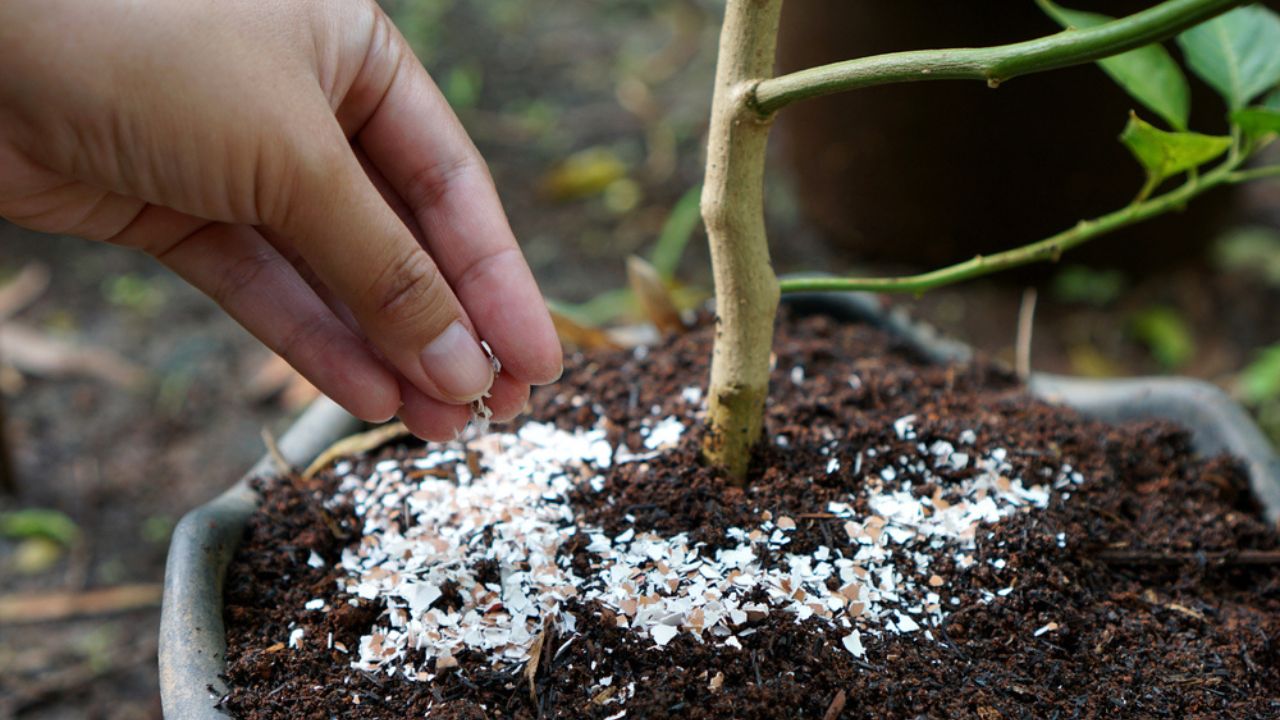
Eggshells were never wasted. Gardeners dried them, crushed them finely, and added them to the soil around crops like tomatoes, peppers, and squash. The goal was to provide a slow-release source of calcium, an essential nutrient that helps prevent issues like blossom-end rot.
It wasn’t instant fertilizer, but it was free, abundant, and long-lasting. Some even dried them in the oven first to speed up decomposition. While it takes a while for the calcium to become available to plants, gardeners knew that adding eggshells regularly improved soil quality over time and helped balance pH in overly acidic beds.
9. Bury Used Tea Bags to Enrich the Soil
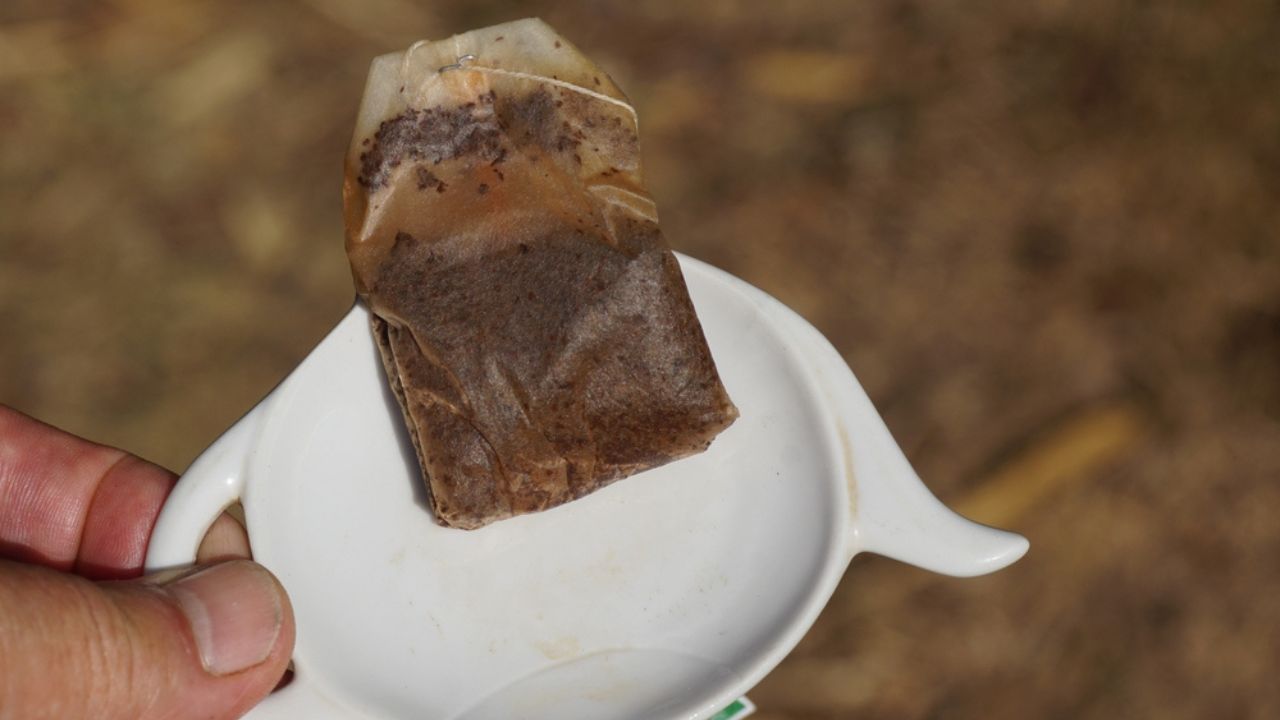
Used tea bags were often buried directly in garden beds or compost piles. These weren’t fancy herbal sachets; they were standard black tea bags, made of natural fiber and filled with spent tea leaves rich in tannins, nitrogen, and trace minerals.
Gardeners believed they improved soil texture, encouraged worm activity, and slowly released nutrients. And while not every modern tea bag breaks down safely (some contain plastic), older varieties were mostly biodegradable and broke down naturally.
10. Sprinkle Pepper to Keep Pests Off Plants
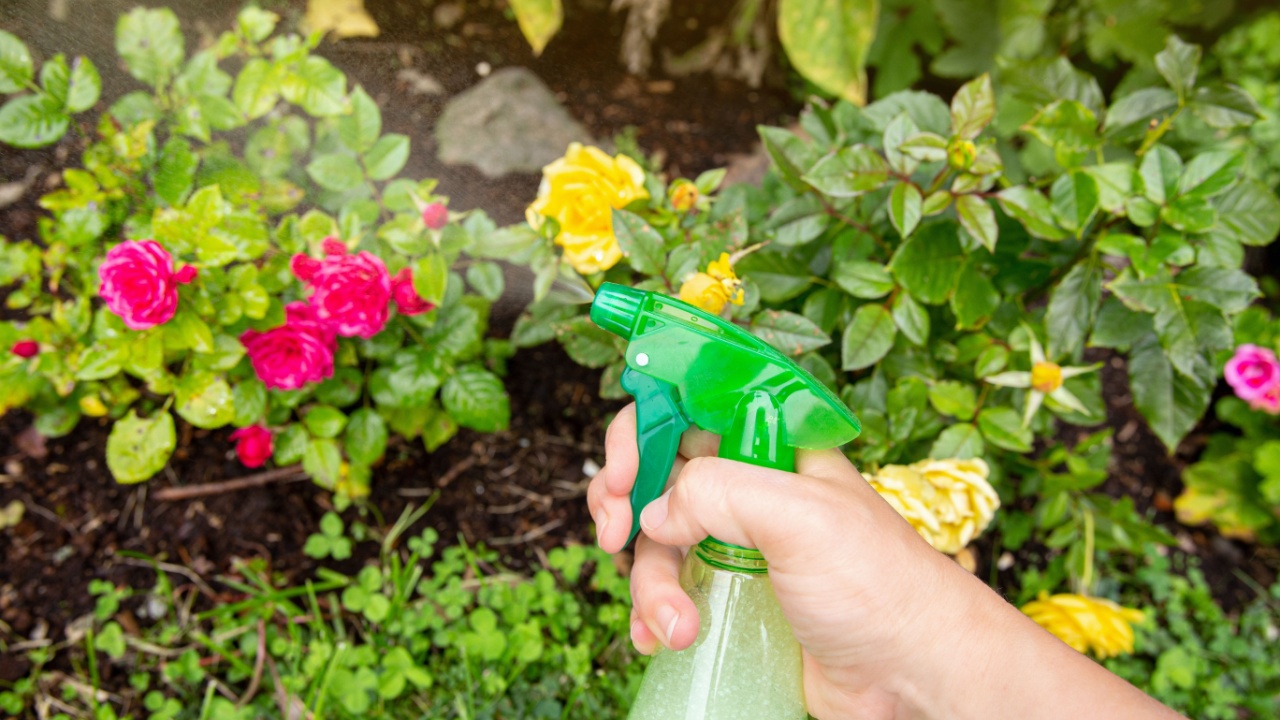
Gardeners in the 1960s often reached for black pepper or cayenne to protect crops from ants, aphids, squirrels, and even cats. A light dusting of ground pepper around the base of plants or across leaves irritated soft-bodied insects and discouraged small animals from sniffing around.
The pepper worked best when reapplied after rain or heavy watering, making it part of a regular garden routine.
11. Pour Boiling Water to Kill Weeds on Contact
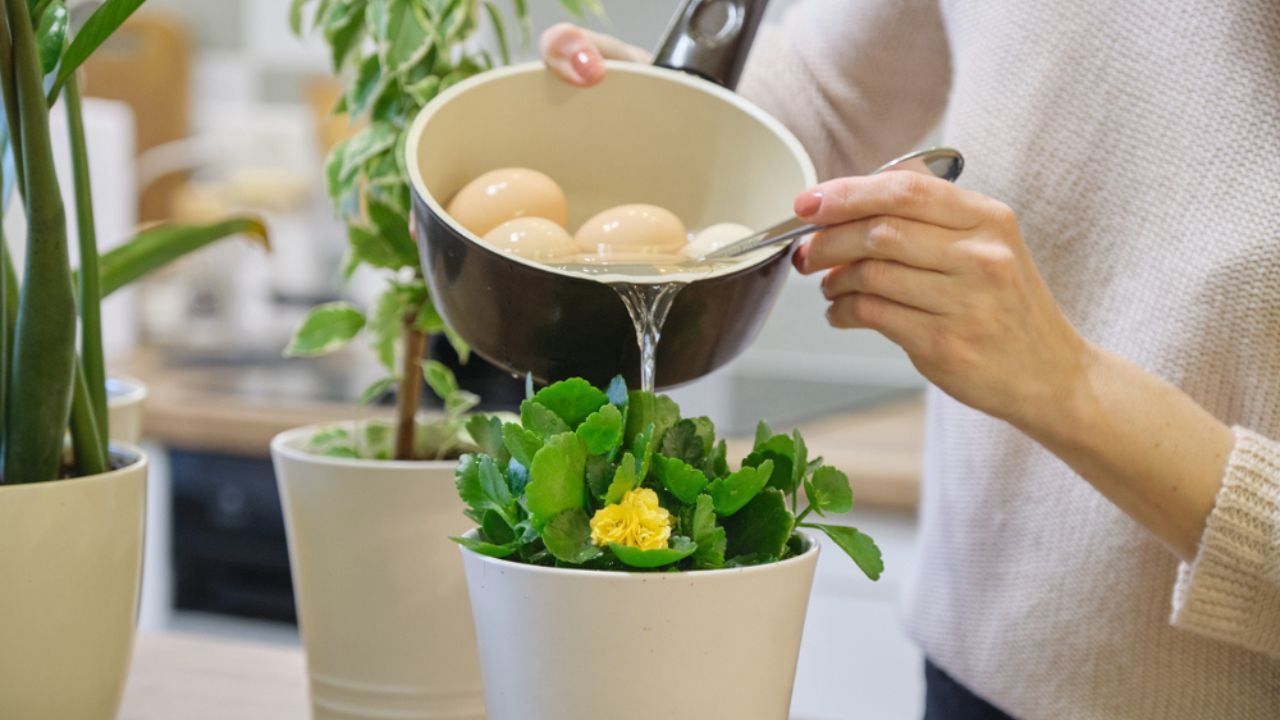
Before herbicide sprays became common in home gardens, many gardeners reached for a kettle instead. Boiling water was poured directly onto unwanted weeds, especially in cracks, driveways, or between rows in compacted soil.
The heat ruptured cell walls, cooking the plant instantly and damaging the roots beneath. It worked fast, required no chemicals, and cost nothing beyond leftover kettle water. This method is still widely recommended by horticultural experts today for spot-treating weeds in hardscaped areas or tight garden rows.
12. Repurpose Pantyhose as Gentle Plant Ties
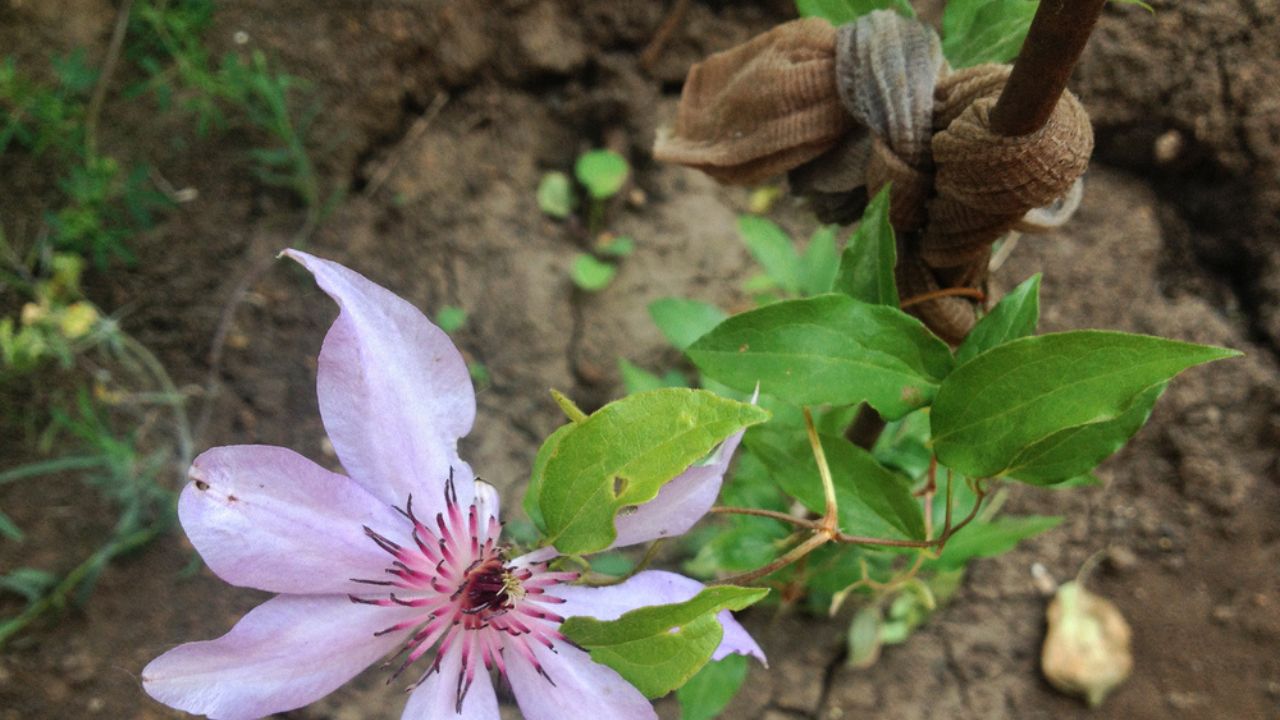
Old pantyhose were a go-to plant tie in 1960s gardens. The soft, stretchy nylon was ideal for tying tomato vines, beans, and even young fruit trees to stakes or trellises. It held plants firmly in place without cutting into stems or bruising them, which was a risk with wire or string.
Gardeners would cut strips from laddered or worn pairs and loop them loosely around plant stems, allowing for growth while still offering support. The material’s elasticity meant it moved with the plant, not against it, a detail modern gardeners often overlook.
An Era of Resourcefulness
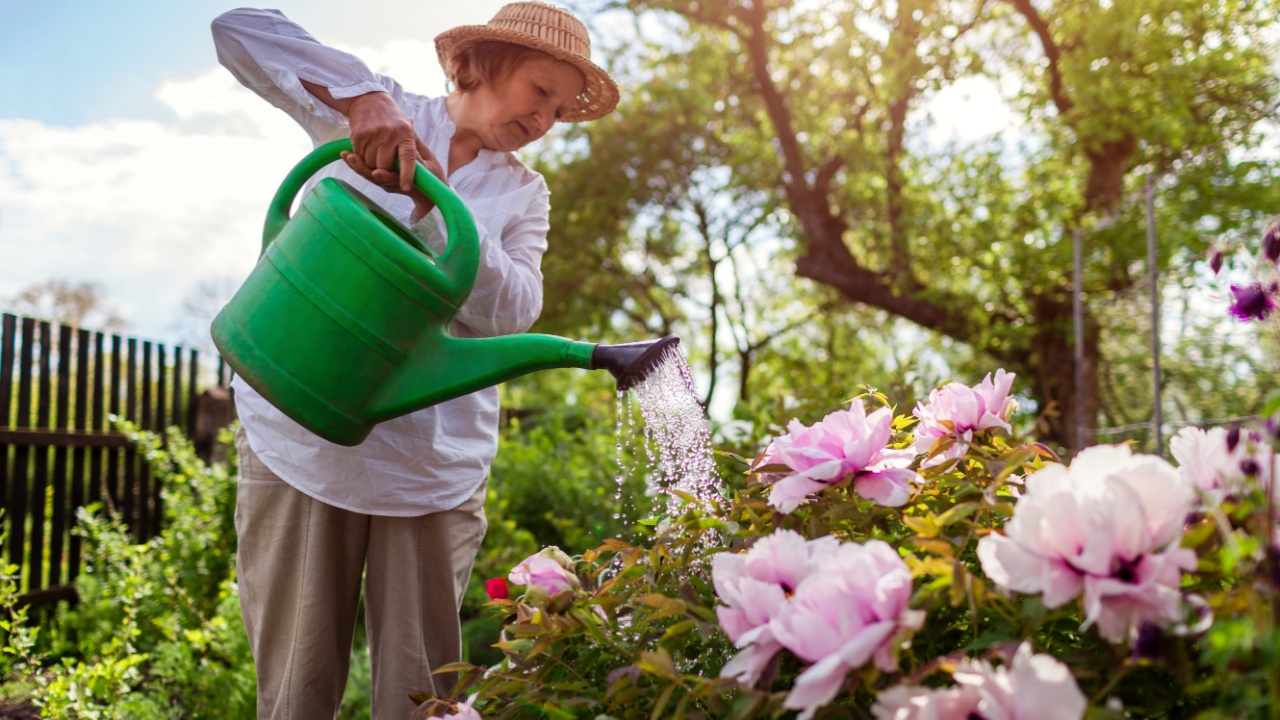
These habits offered hands‑on learning, resource reuse, and garden resilience long before gardening was curated for photos. They were built to work, and they did. With climate swings, rising costs, and growing distance from where food is grown, these habits still matter.
Save seeds from your healthiest plants to shape your own supply. Monitor compost by smell and texture, not timers. Use wood ash or crushed eggshells based on what your soil needs. Grow with attention and purpose.