Functional Yet Fabulous Garden Bed Ideas from the Experts
Gardening offers a ton of benefits—from melting away stress to having fresh, healthy food right at your fingertips. But if your backyard feels like a lost cause due to poor soil conditions or minimal space, don’t give up hope just yet. Your dream garden might be closer (and easier) than you think.
The solution? Raised garden beds. Think of them as a blank canvas as you build your own piece of paradise on the patio, terrace, or small corner of the yard. The beauty is that you can make it just the way you want. To get your creative juices flowing, let’s look at the best ideas that our expert panel has to offer.
Who Are the Experts?

To come up with this list, I’ve drawn on my own experience creating structures in my yards over the years as a hobby gardener. Additionally, I’m consulting the pros who are more than happy to dig into the subject matter and provide you a mix of practical and fun options for garden beds.
These experts in the field, include:
- Tammy Sons, plant expert and CEO of TN Nursery
- Ryan Farley, CEO of LawnStarter
What Are the Benefits of Raised Garden Beds?

I’ve found that raised garden beds have many perks. For one, I can better control the soil quality without having to till or do soil testing. I also control the growing space, which is extremely beneficial when it comes to more invasive plants, like mint, which just wants to take over the world—and would if you let it.
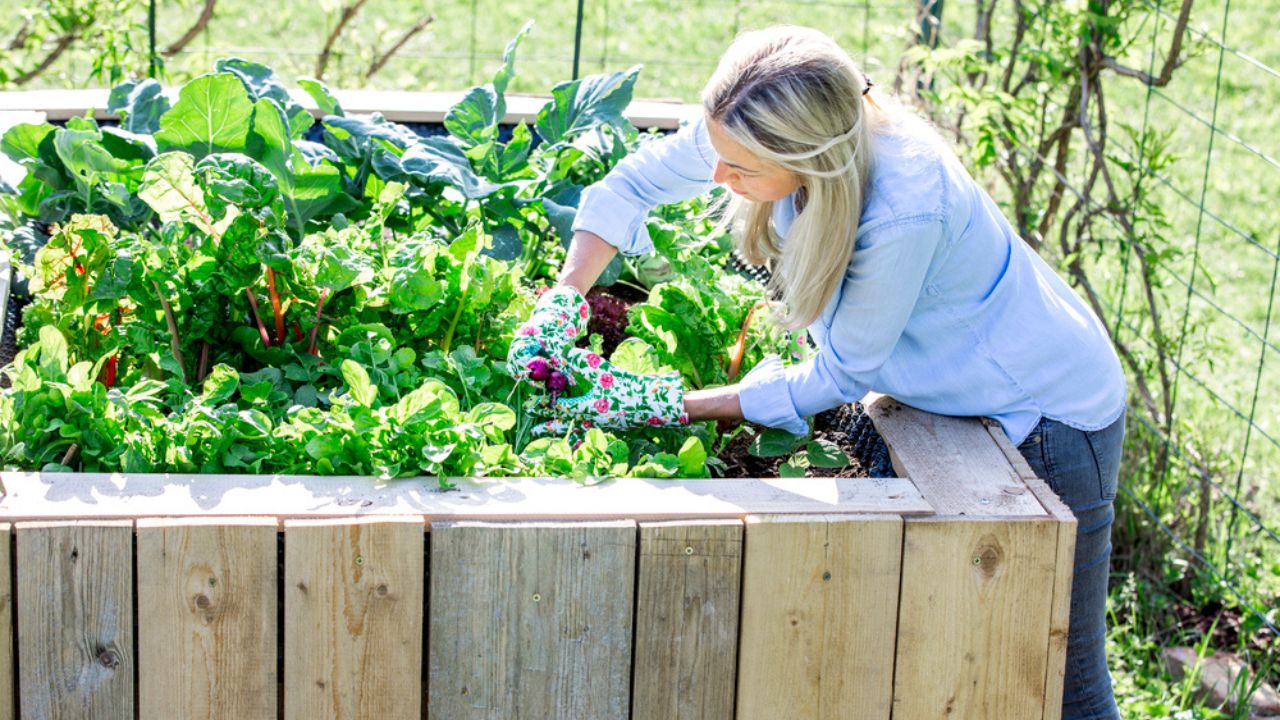
Did I mention there is less stress on your back, too? Because that’s a biggie. Bending over while working in the garden for hours can wreak havoc on the joints and muscles, especially the knees and back, at any age (ask me how I know). Thus, any elevation is a good thing. Plus, raised garden beds let you take advantage of vertical space in smaller backyards, so you don’t have to give up gardening entirely.
With these benefits in mind, it’s time to put together an actionable plan. This means parsing out materials, design, placement, and what to plant.
Material Option 1: Repurposed Wood
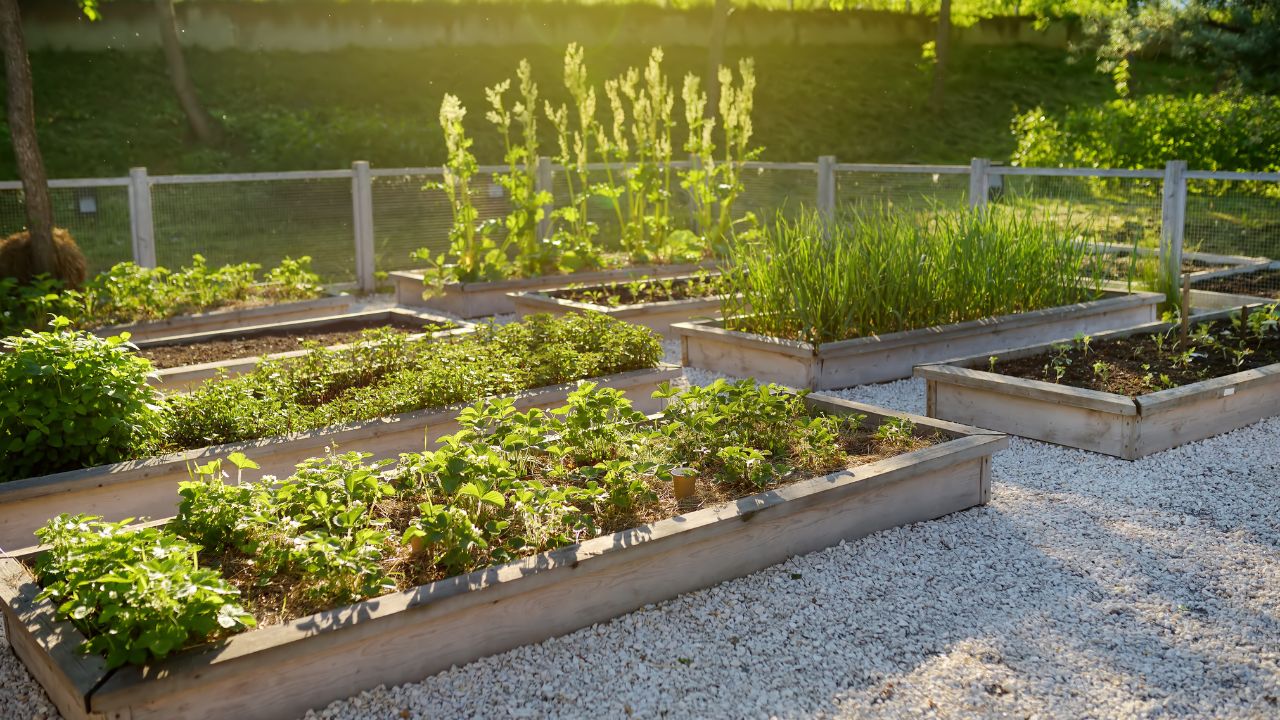
Using old wood to build raised garden beds is a budget-friendly and eco-conscious way to start or expand your garden. Plus, it gives your yard a nice rustic look. Look for untreated lumber, like old fence panels, heat-treated pallets (labeled “HT“), or reclaimed barn wood, to avoid chemicals that could leach into the soil.
You can make wooden garden boxes as simple or complicated as you’d like. Simply screw the boards together in a rectangle at your desired length and width, keeping in mind that you want to be able to reach the middle easily.
Want to go next level? Tammy Sons, CEO of TN Nursery, who has years of expertise in the gardening field recommends using repurposed wood to create a tiered garden bed. She says they “captivate [her] because they maximize small areas and enable vertical growth” for a variety of plants.
Material Option 2: Animal Troughs

Sure, you often see them on farms and ranches filled with food and water, but these versatile containers can be used for so much more, including as a base for a raised garden bed. Sons says they “provide a rustic elevated appearance” and also aid in mitigating weed growth.
You can find troughs of all sizes at your local home improvement or farm stores. If you really want to add dimension, buy a few different sizes and layer them around the yard. Galvanized steel ones are best as they are more resistant to rust due to their zinc coating, per Industrial Metal Supply Co.
Material Option 3: Durability with Blocks and Stone

The use of cinder blocks, bricks, or stone are all viable options for building a retaining wall. Once in place, they’re low maintenance and offer a classic look. While cinder blocks will offer a more industrial feel and built-in pockets for herbs and flowers, bricks and stones are available in a variety of colors to help bring your garden to life. You might be able to source local stone to support your community’s economy too.
Just lay them out in a rectangle or square on level ground, stacking them to your desired height. For added stability, consider using mortar between the layers. Alternatively, you use brick or stone to create raised gardens along a fence or the front of your home to give it a clear border.
Material Option 4: Recycled Items for Raised Garden Beds
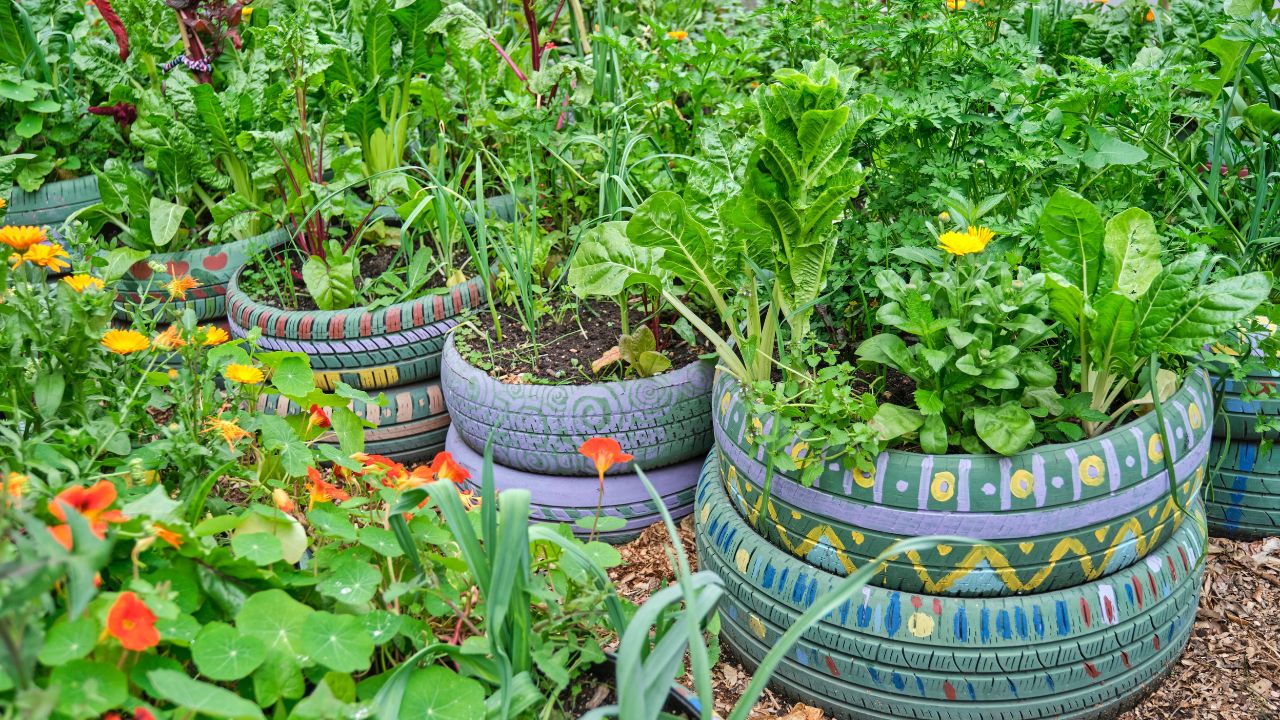
Repurposing old items around your home is a great way to keep items out of landfills and give them a second life supporting plant life. Plus, what a fun way to add character to your yard. Recycled items make fantastic raised beds. For example, David Normal of Plantisima talks about the fun of using old tires: “Paint them in lively colors and stack them to create eye-catching vertical gardens.”
Think old wine crates, wheelbarrows, dresser drawers, bathtubs, laundry baskets, or even tires (lined if needed) that can be filled with soil and transformed into creative planters. Just be sure the material is safe, offers proper drainage, and isn’t treated with harmful chemicals. With a little imagination, your trash becomes a quirky and sustainable garden treasure.
Material Option 5: Fabric Grow Bags

Fabric grow bags are perfect for flexible “raised bed” gardening. They’re breathable, lightweight, and come in all sizes, making them perfect for renters, small spaces, or gardeners on the go.
These bags prevent overwatering with natural drainage, and the aeration encourages healthy root growth. Place them on patios, porches, or balconies, and move them around as needed for sunlight. They’re especially great for root vegetables like potatoes or carrots.
Other Creative Raised Bed Options
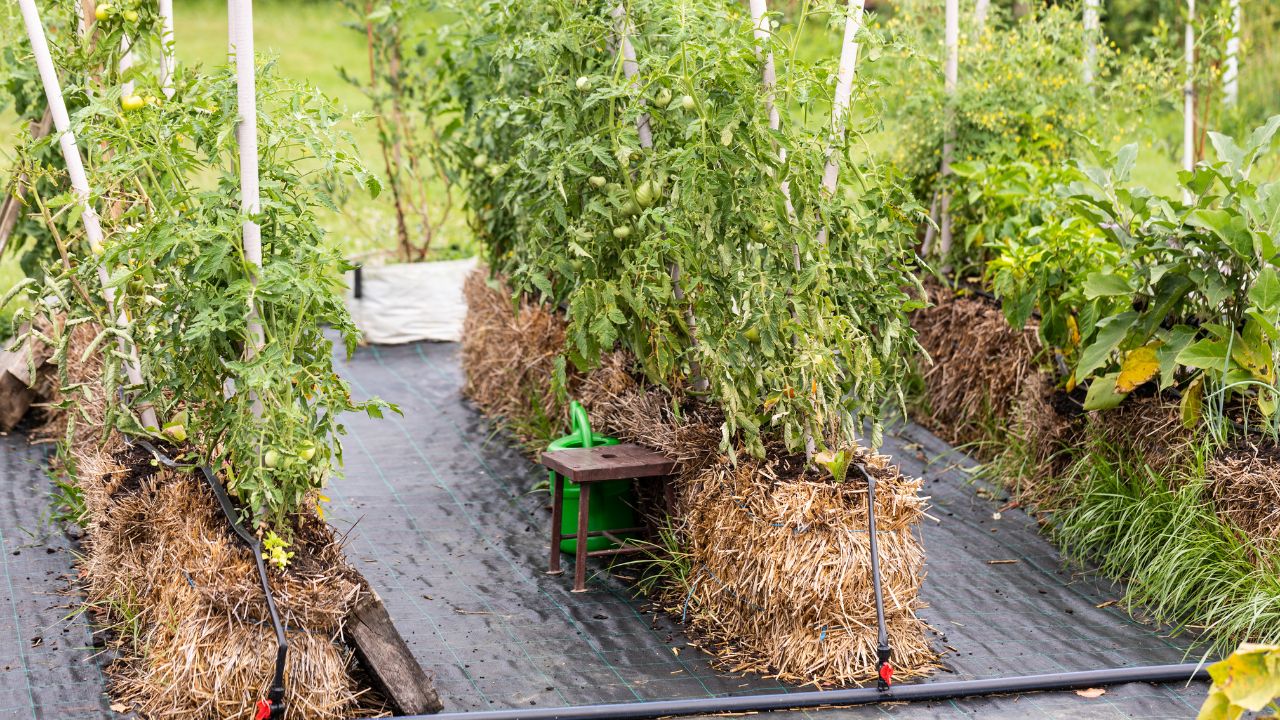
In reality, when it comes to creating your dream garden, you are only limited by your imagination. Other than some of the more obvious choices we reviewed above, there are other materials to explore if they catch your interest too.
-
Metal sheets
-
Logs or branches
-
Plastic storage bins (or any plastic container)
-
Straw bales
Additionally, if you aren’t up for the DIY route and have the budget, it’s perfectly acceptable to choose some raised garden beds from your favorite gardening supply catalog or store. Ultimately, there’s no right or wrong material. Once you’ve chosen the material you want to work with, coming up with a design that best fits your yard and plants is up next.
Choosing a Design

I’ve mentioned a few of the options for garden box design above. Once again, you can make it simple or complicated depending on your goals.
You can always go for classic rectangular beds for a clean, organized look, or try L-shaped or U-shaped designs for easy access and visual interest. If space is tight, consider tiered or vertical beds to maximize planting area while adding height and dimension, which we’ll cover in more depth below.
Try Ladder-Style Planters for Vertical Growth
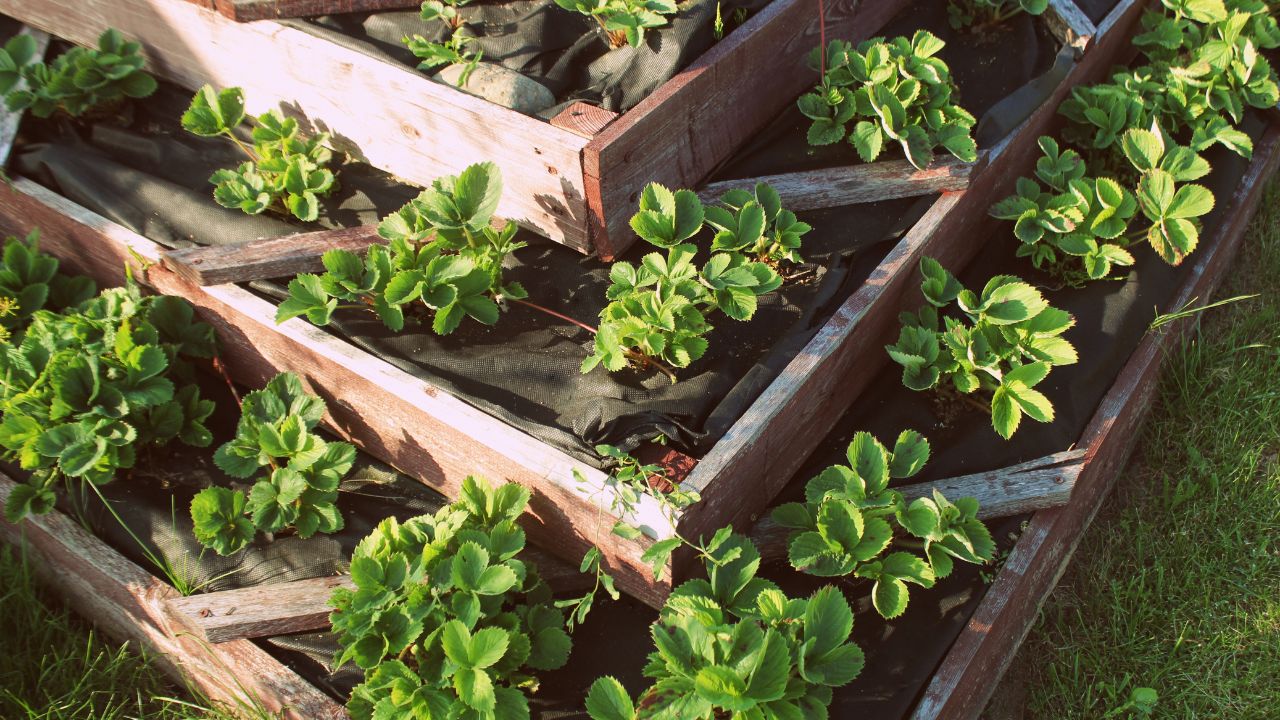
If you’re really limited on space in your yard or a balcony, you should consider tiered or ladder-style beds. Sons notes that they “enable vertical growth rather than horizontal expansions.”
Don’t feel limited to smaller spaces, though. They work just as well in a larger yard too as an accent piece, especially if you add roses or vines to them.
Consider Wall-Mounted Planters to Save Space
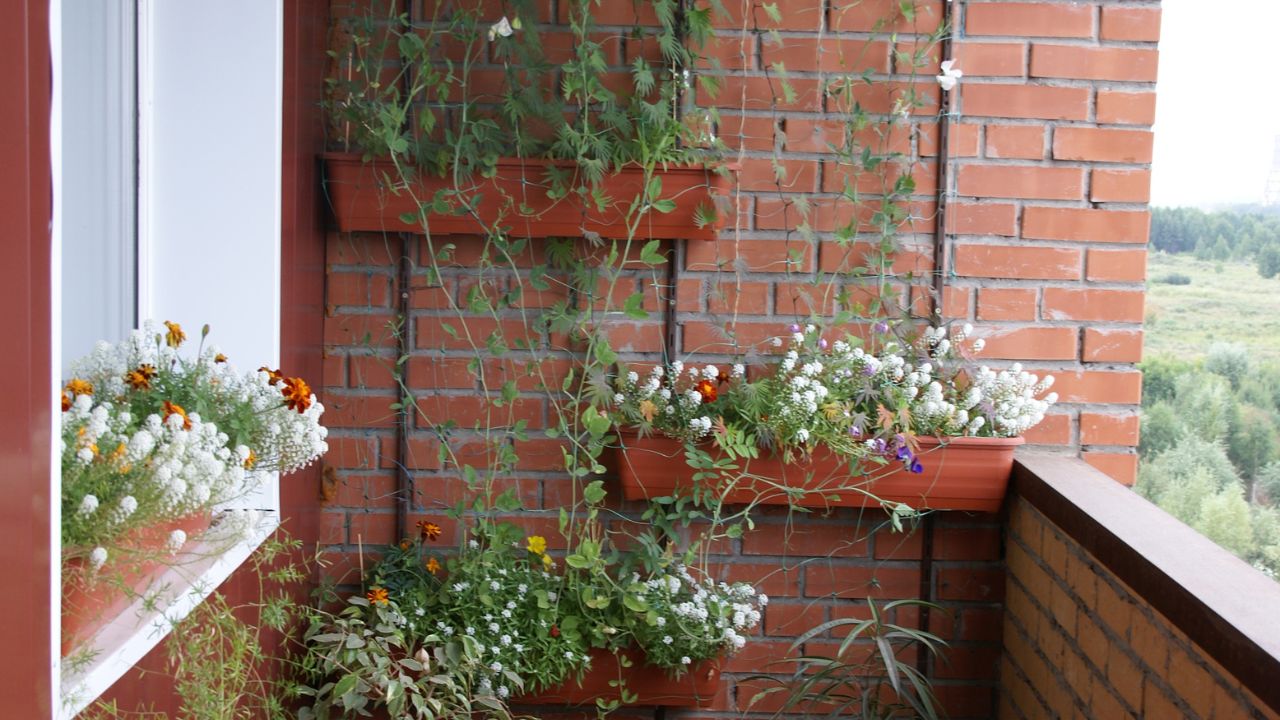
If you have confined areas, Sons has a solution for that, too. She suggests mounting planters on the wall, taking advantage of empty vertical space.
But, be mindful of what you plant in these containers and ensure they are securely fastened. It’s best to stick with lighter plants, such as flowers or herbs, to avoid them becoming too heavy and falling off, creating a spectacular mess to clean up.
Attach Trellises for Additional Plants
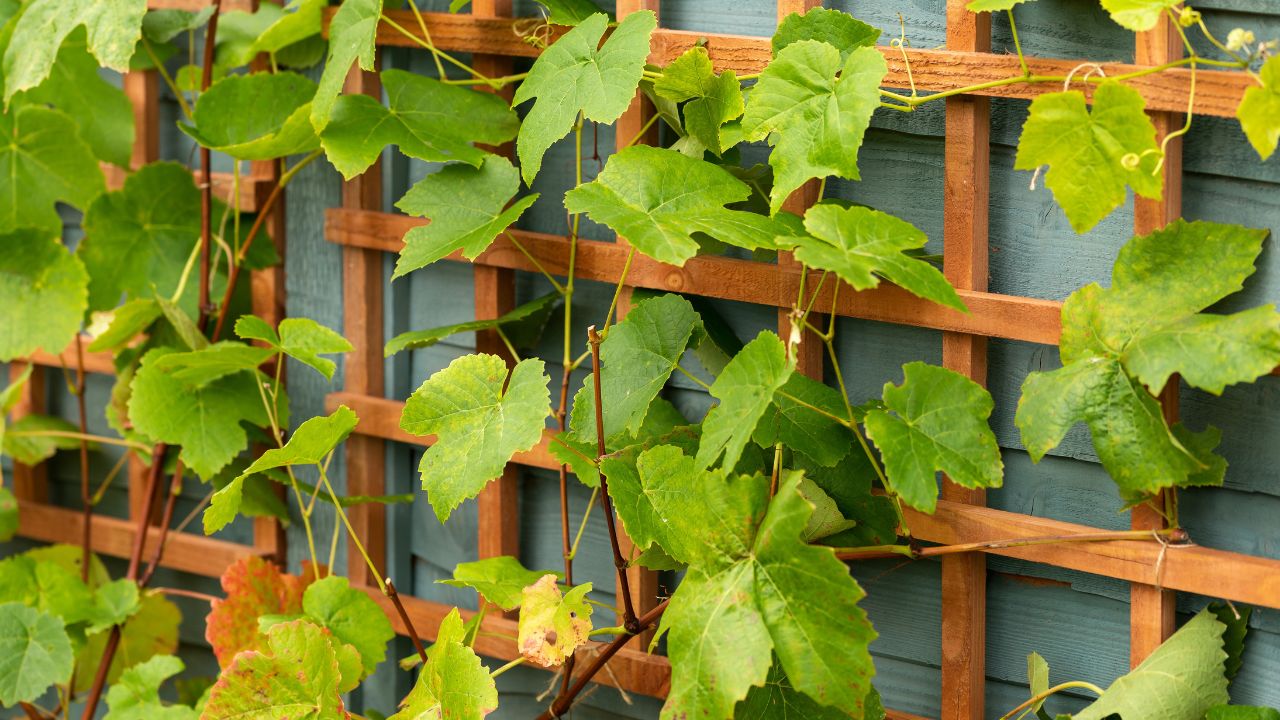
If you aren’t DIY’d out yet, it’s time to add the next element of design genius to your garden box. Ryan Farley, CEO of LawnStarter, a lawn service company suggests taking advantage of trellises. In particular, he recommends attaching them to the back of an existing raised garden bed “to train vines up the trellises, or to hang additional plants there.”
There’s another bonus, though, too. He says adding plants to a trellis “mean[s] your plants get a bit more sun throughout the day” because they’re not “being shaded by a fence or other plants.” You can either make one or buy a pre-fabricated one if you’re not handy.
The Final Step: Deciding to What to Plant

It’s finally time for the most fun step of all, planting! Just like an in-ground garden, you can plant nearly anything in raised garden beds, you just have to be strategic about it. Farmer’s Almanac author Andy Wilcox writes, “Pretty much the only limiting factor is space, i.e., for large, sprawling plants.”
For example, create a bed with companion plants—those that thrive off each other—like tomato, asparagus, and basil, or lettuce, broccoli, and beets. Don’t limit yourself, though. You can use raised garden beds to plant a variety of fruits and vegetables, as well as flowers and herbs.
Let Your Creativity Fly
These are just some ideas to get you started, but there are endless possibilities. Chances are you have plenty of materials around your home that would work. If not, shopping for supplies shouldn’t break the bank.
The most important part is to have fun bringing your design to life, watch your plants thrive, and enjoy your harvest all season long.