Spring Into Gardening: What to Plant Right Now
Punxsutawney Phil might have seen his shadow and predicted another six weeks of winter, but now is the time to get your gardening started. Depending on where you live in the US, you can start planting several fruits and vegetables, even if there’s a threat of an unexpected frost.
Some plants do extremely well in the cooler temperatures and some even need a short burst of cold weather or a frost to really thrive. That’s why planting in February or early March can help with the size and quality of the harvest.
If you’re looking to put your green thumb to work, here are some varieties you can plant now.
Radishes

Radishes are a fun and easy vegetable to grow. I like to add them to salads and stir fry dishes for an extra pop of color and taste. The good thing is you won’t be waiting long for these beauties to grow.
Radishes of all varieties tend to mature in a month’s time and they don’t take up much room in the garden, either, unless you plant a ton of them.
Peas

Peas are such a sweet, simple pleasure, whether you add them to dishes or snack on them solo. It’s best to plant them in cooler weather temps, even if it’s still snowing in your area.
Some pea varieties tend to grow tall, so make sure you have a trellis ready to go if needed. You can expect your harvest to be ready in about three months from the time you plant.
Lettuce
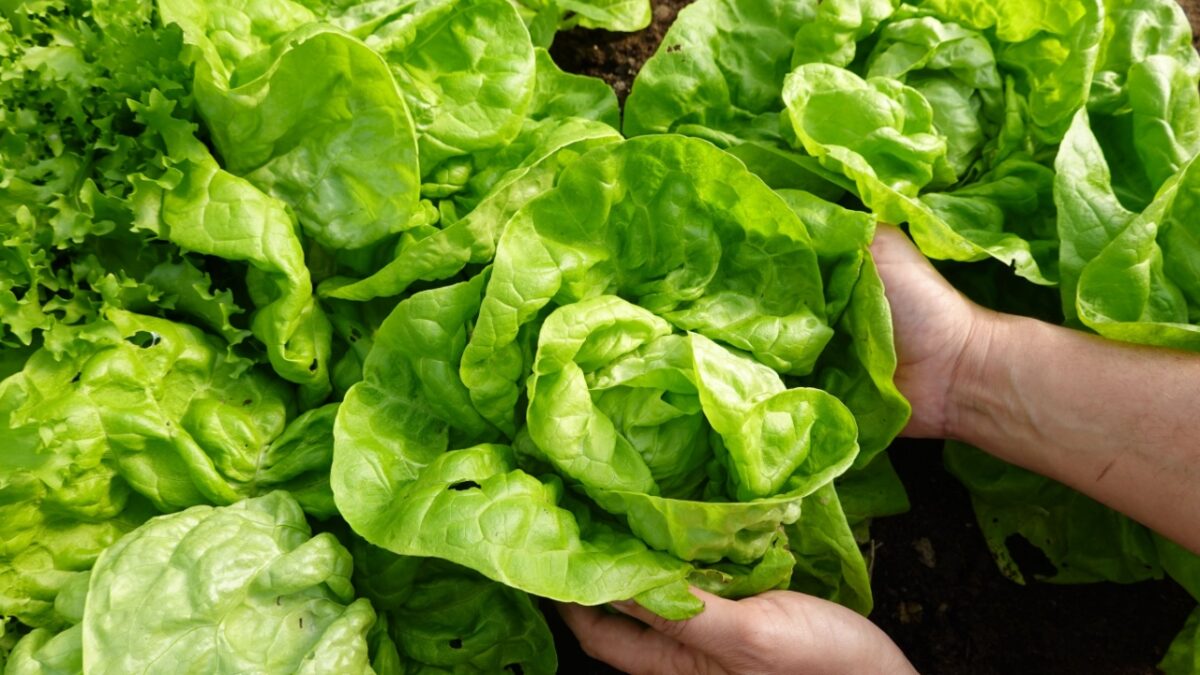
If you enjoy eating salads and lettuce is a staple in your household, you can easily grow your own starting in early spring. It takes 60 to 70 days to mature, and you can keep the heads growing by removing the outer leaves and leaving the inner ones.
Planting now means you’ll have your lettuce ready by April or May at the latest. You’ll need to plant them in well-draining soil in full sunlight.
Cabbage
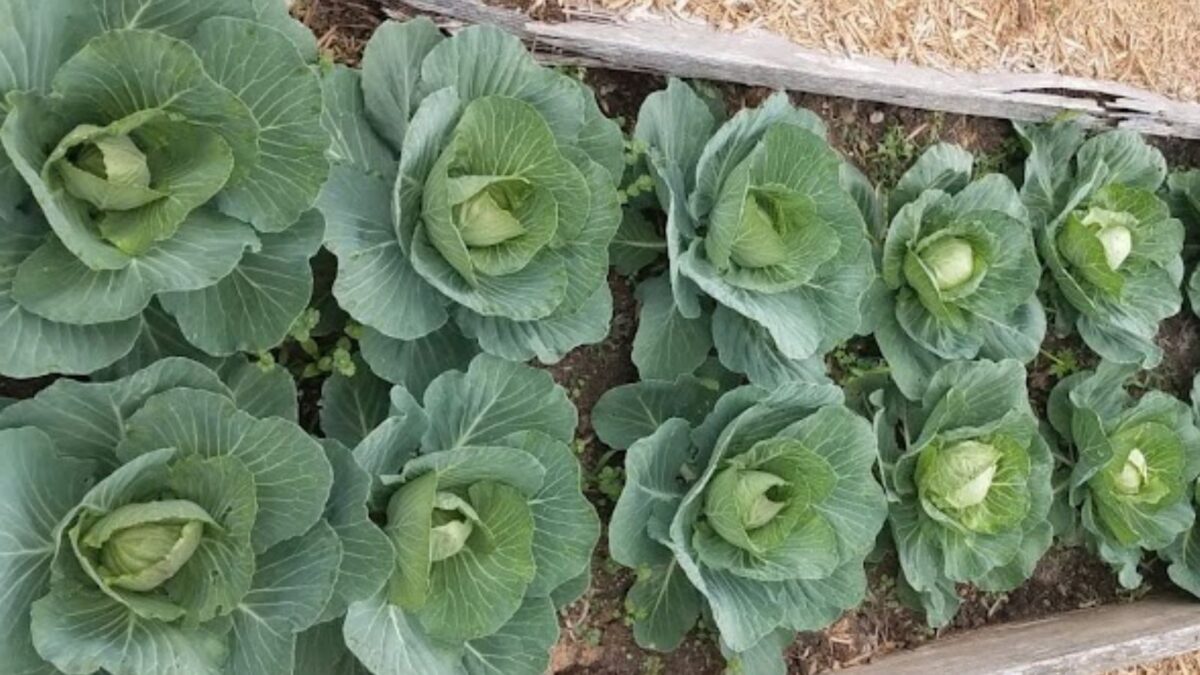
Cabbage is one of those versatile vegetables that can tolerate a bit of cool weather and even an intermittent frost. It takes a little longer than lettuce, between two to four months, to mature, but it’s best to plan it out so it doesn’t mature during the summer months.
Summer heat can cause cabbage to bolt (grow a flower stalk) and taste bitter. Like lettuce, well-draining soil and full sun are key to good harvests.
Carrots
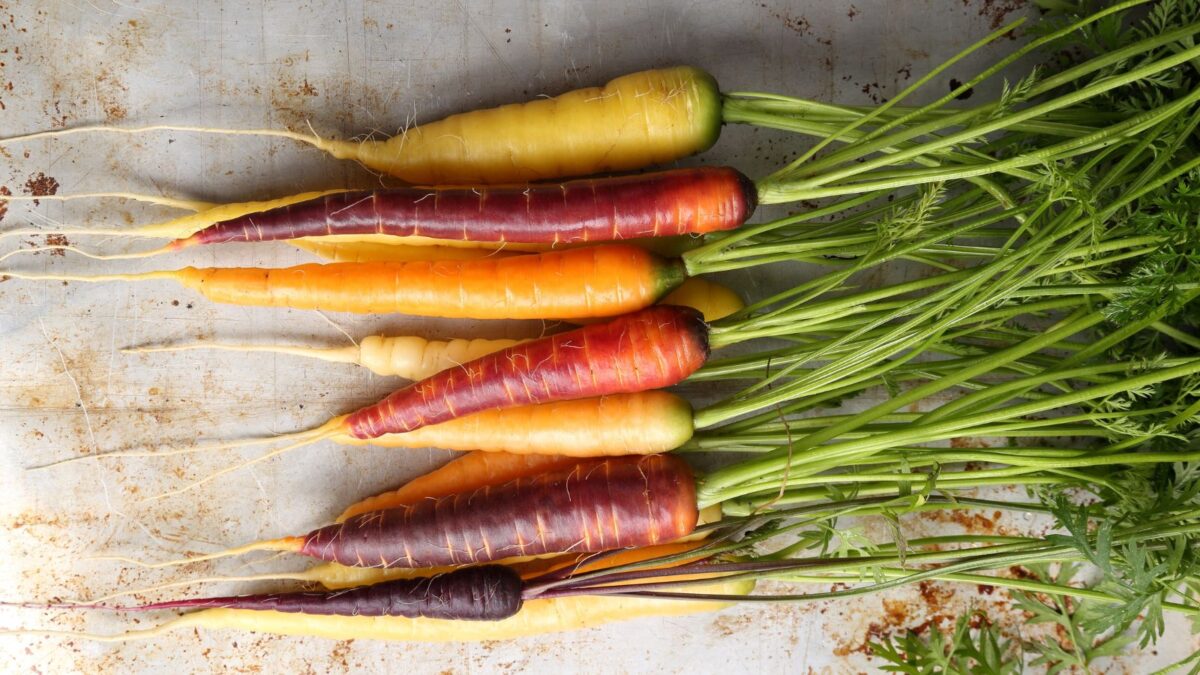
If you’ve ever noticed a difference in the way your carrots taste, it’s likely the timeframe you planted them to blame. Carrots taste better—more on the sweet side—when they grow during the cooler months of the year. Summer heat tends to make them a bit more bitter.
Full sunlight and well-draining soil are the keys to carrots growing big and tasty, and they will be ready anywhere from two to three months after you plant. Just allot space between the seeds so they have room to grow.
Kale
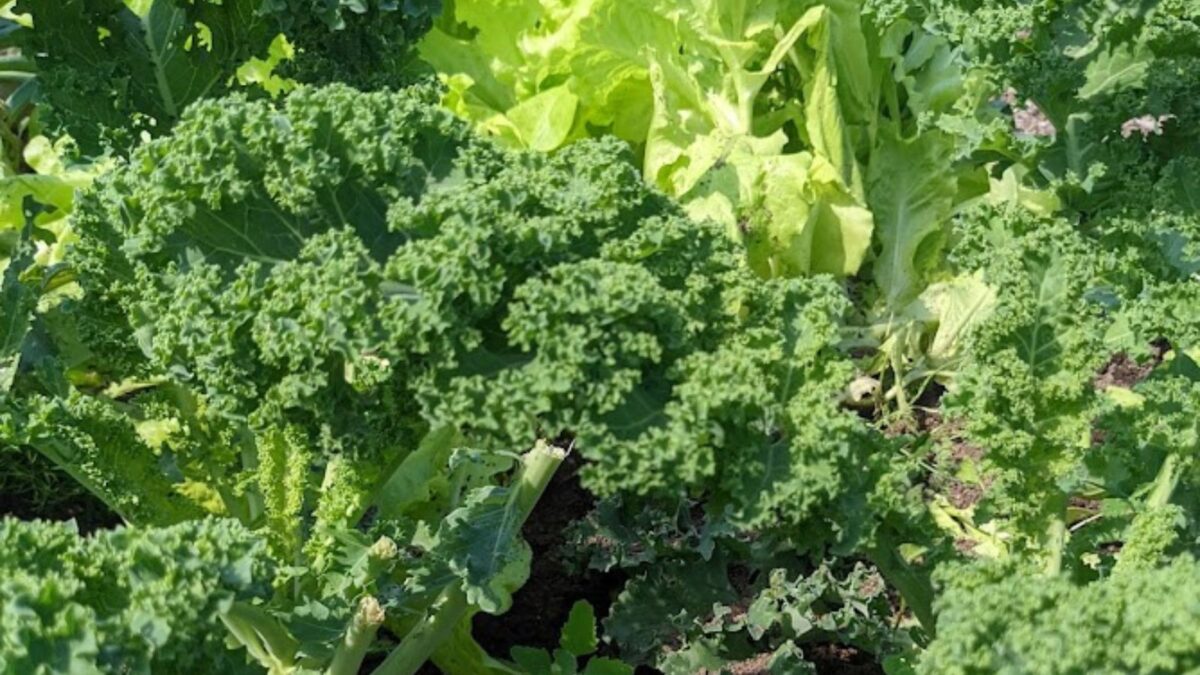
Love it or hate it, kale is extremely healthy for you and such a versatile vegetable to have in the kitchen. You can put it in soups or salads or even bake it and make kale chips. Like the other leafy greens on this list, it’s best to plant in the early spring weather, and it will mature within two months of planting.
There are different varieties, including red and green, the latter of which are sweeter.
Potatoes

Potatoes are another versatile vegetable to have around, and you can plant them as soon as the ground softens enough. They will sprout stems, which must then be covered to prevent the harvest from tasting bitter.
Potatoes take a little longer to mature, approximately four months, and can take up a good amount of space, up to two feet, when fully mature.
Onions
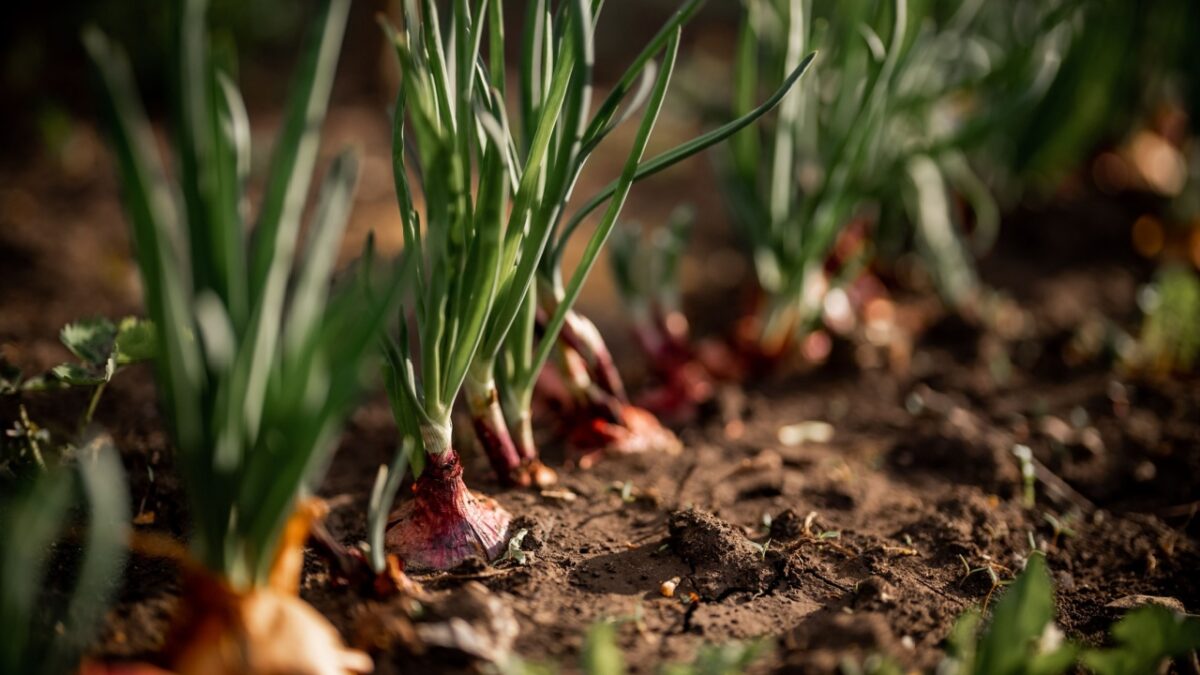
Onions are another root vegetable that I like to plant simply because of the sheer number I go through each year. I opt to grow them in clusters for a more bountiful harvest, but you can plant them individually, too.
You can plant them as seeds or use sets of immature bulbs that continue to grow after being planted. For successful and robust harvests, make sure you plant the correct variety for your zone. Those living in zones 3 to 6 should opt for short-day varieties, while those in 7 to 10 should plant long-day onions.
Broccoli
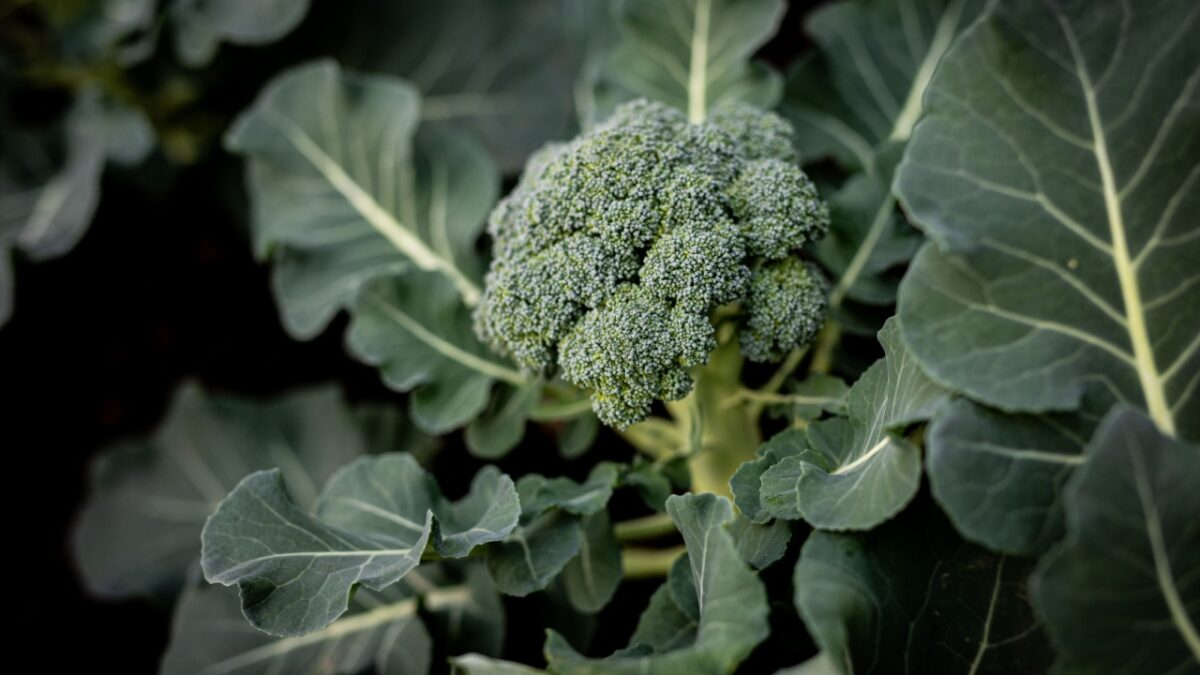
Broccoli is another vegetable best grown in the early to mid-spring months. In the summer, it’ll bolt and grow bitter, making it less edible. It should also go through at least one frost, according to experts.
Broccoli does tend to grow tall, approximately one to three feet tall and wide, and matures in three to four months. Full sun and well-draining soil are key.
Garlic

Garlic is one of those vegetables you should really plant in the autumn, where it will lay dormant until spring, but you’re not too late! You can still plant it in the early spring months or just before the season begins. It needs that cold weather.
Loose, fertile soil is best as is full, direct sunlight.