Our Favorite House Plants for Beginners That Survive Neglect
Keeping plants alive can be hard. Maybe you forgot to water that shriveled-up thing in the pot, or maybe you gave it too much water. Maybe, despite your best efforts, it just failed to thrive.
While some plants require careful, attentive care and droop at the slightest offense, others can handle our negligence or inexperience with grace and grit. The best house plants for beginners need minimal care — the only thing easier is plastic!
1. String of Hearts (Ceropegia woodii)
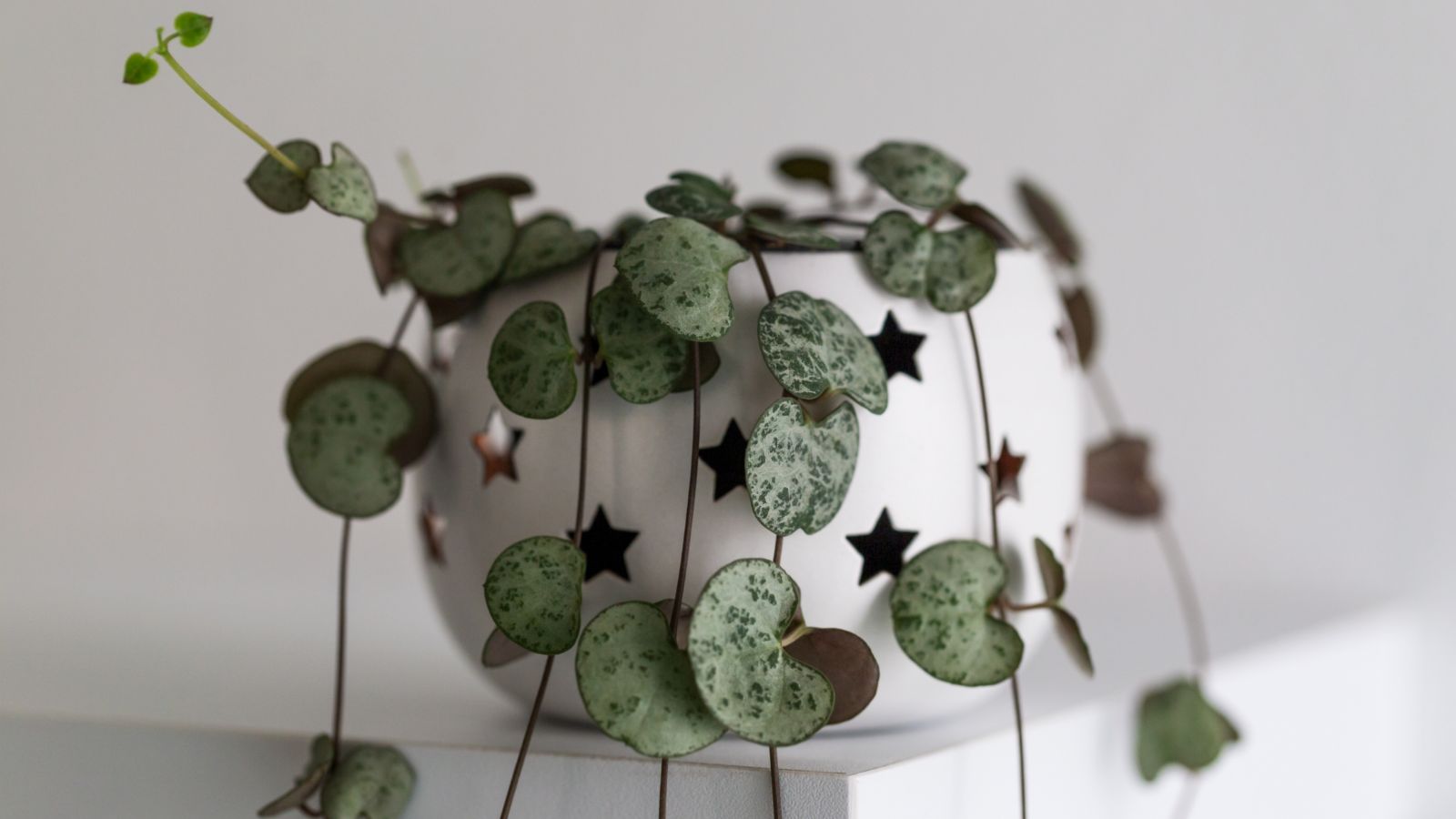
A succulent trailing vine, string of hearts, looks stunning cascading over the sides of a hanging planter or tall shelf. The thick, heart-shaped leaves come in a lovely pinkish variegated version as well as the standard mottled green, though the latter is less fussy — and still quite attractive.
String of hearts grows best in bright, indirect sunlight. Being a succulent, it needs the soil to dry out between waterings.
2. Golden Pothos (Epipremnum aureum)
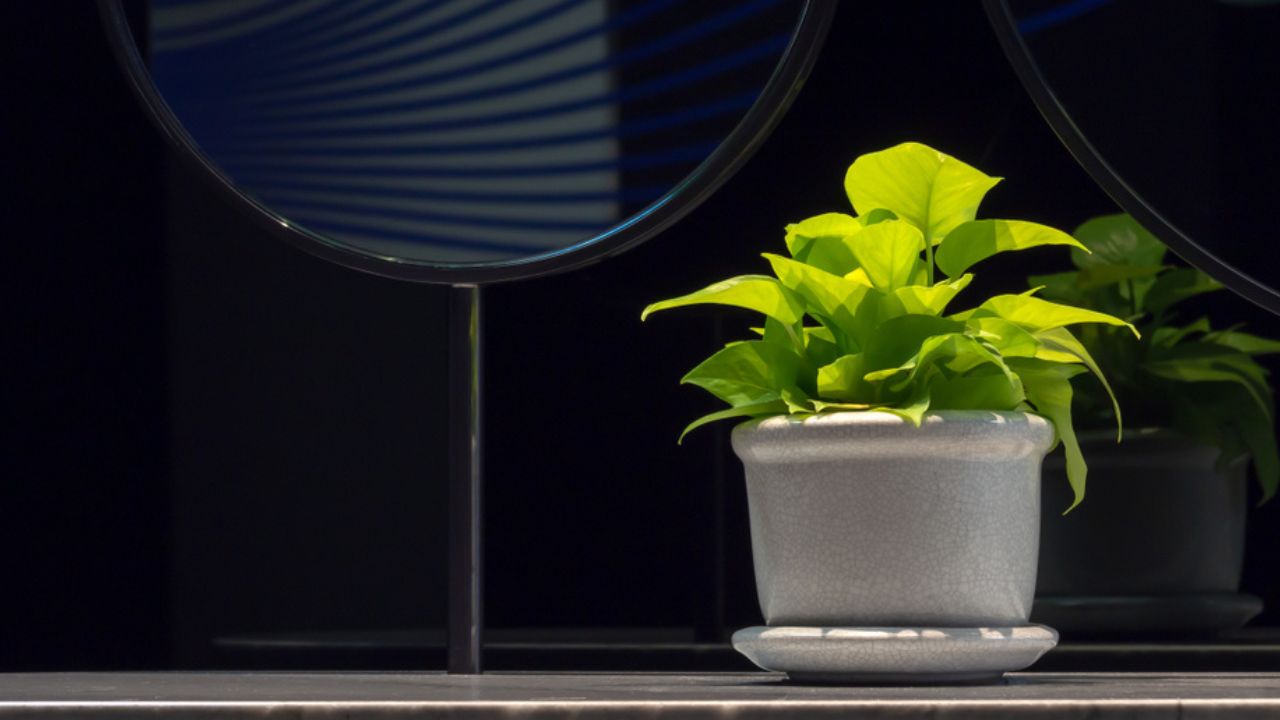
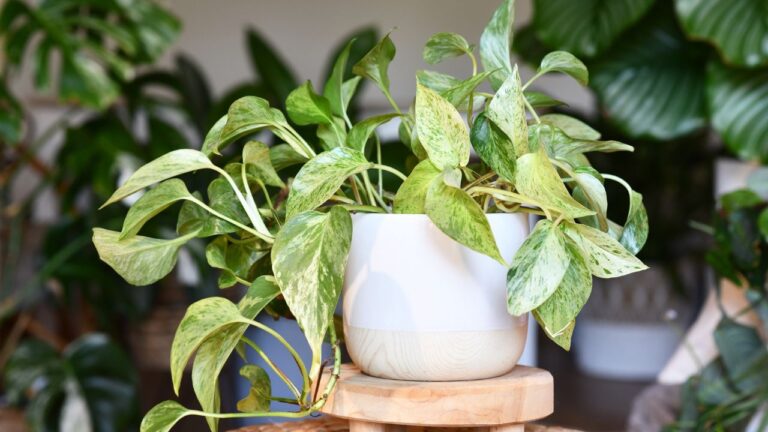
Golden pothos is definitely one of the most popular and easiest to care for house plants available. Its vines can be left to trail or trained to climb, and its shiny green leaves have varying levels of golden variegation depending on the amount of light they receive.
This easygoing plant tolerates low light conditions, though more light will bring out more of that lovely golden color. If you struggle with overwatering, wait until the leaves start to droop before giving your golden pothos a drink.
3. Haworthia (Haworthia spp.)
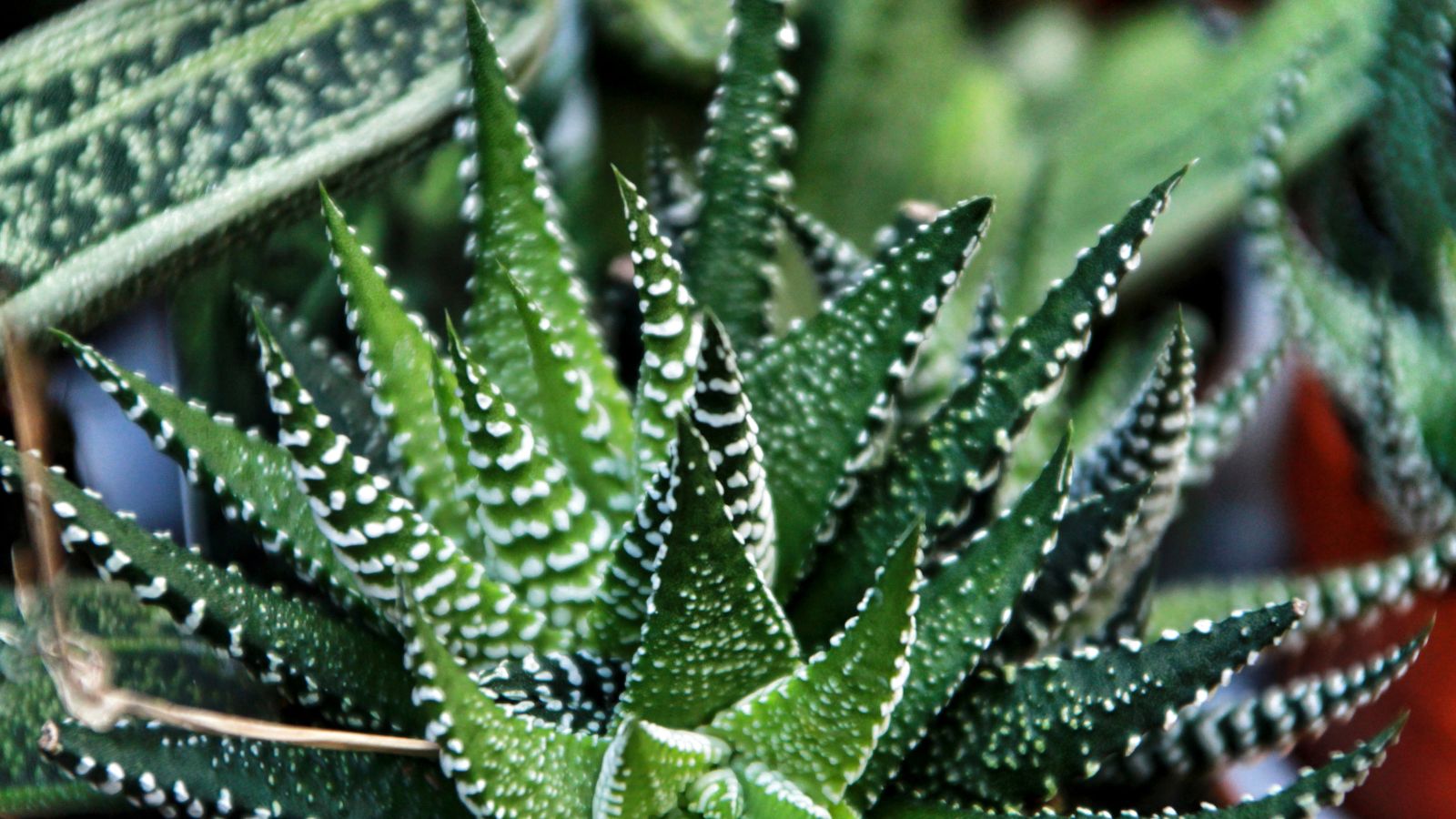
Though the genus Haworthia encompasses more than 80 species with a range of forms, all are remarkably forgiving plants. These tiny succulents seldom grow more than a couple of inches tall and may resemble aloes, echeverias, or sedums. Plant several together in a wide, shallow dish for an attractive display.
Provide haworthias with bright, indirect sunlight and minimal water. Let the soil dry out before moistening, but not drenching it.
4. Chinese Evergreen (Aglaonema spp.)

A slow grower with a compact habit, Chinese evergreen is perfect for small spaces with low light conditions. The numerous cultivars include a variety of leaf patterns with colors ranging from dark green to pink, though the pink varieties tend to be a bit fussier than their more traditional, easygoing green counterparts.
Chinese evergreens tolerate low light and do remarkably well in offices with fluorescent lighting. A weekly watering typically keeps them happy, but poke your finger in the pot to make sure the top inch of soil has dried out first.
5. Snake Plant (Dracaena trifasciata)
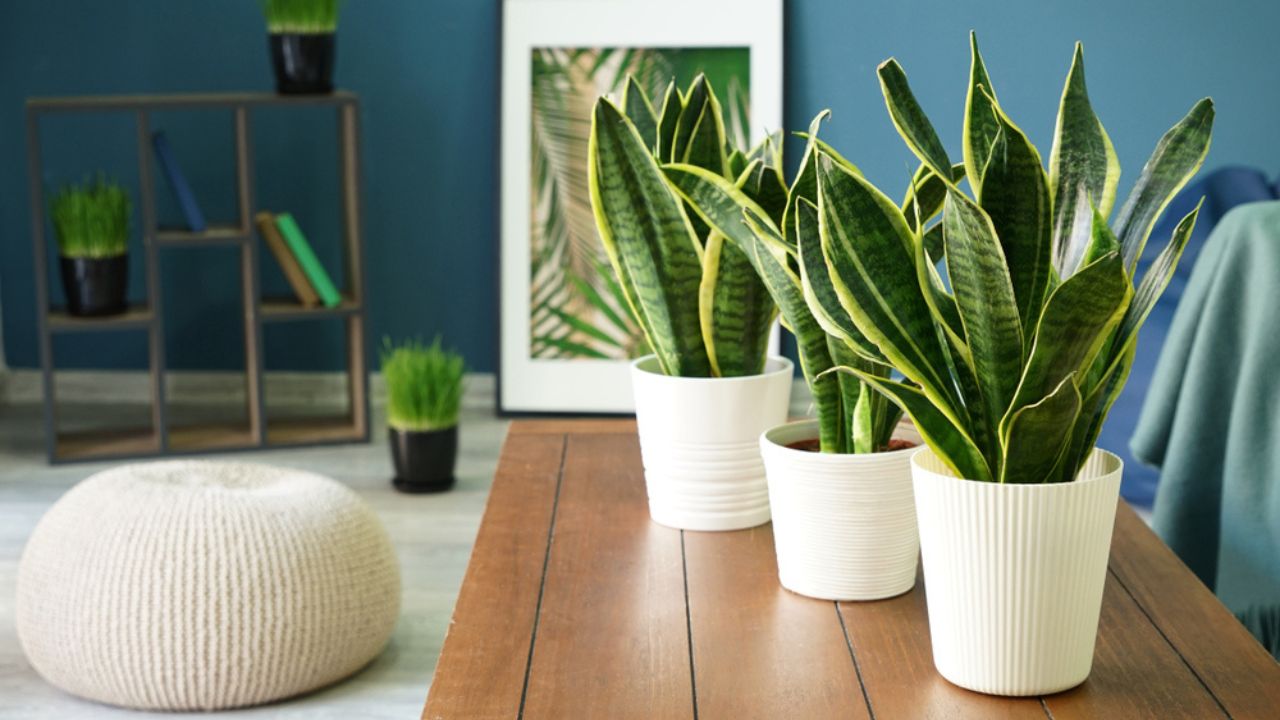
Sometimes humorously called mother-in-law’s tongue, the snake plant has rigid, upright leaves growing from a basal rosette. While smaller cultivars work well on tables and shelves, taller varieties can sit on the floor, bringing life to an unused corner. Some types have a pretty gold edging around the dark green leaves.
These slow-growing plants can go several weeks without water and survive on minimal sunlight. But if your snake plant starts to look a little spindly, try moving it to a slightly brighter location.
6. ZZ Plant (Zamioculcas zamiifolia)

Named for its alliterative scientific name, the ZZ plant has glossy, bright to dark green leaves and a growth habit that resembles a miniature palm or fern. It also has a bulbous, rhizomatic root system that makes it one of the most resilient plants on this list. If you travel frequently or often forget to water, this is the plant for you.
ZZ plants tolerate low light and require watering only every two to four weeks — even less in the winter months!
7. Aloe Vera (Aloe barbadensis)
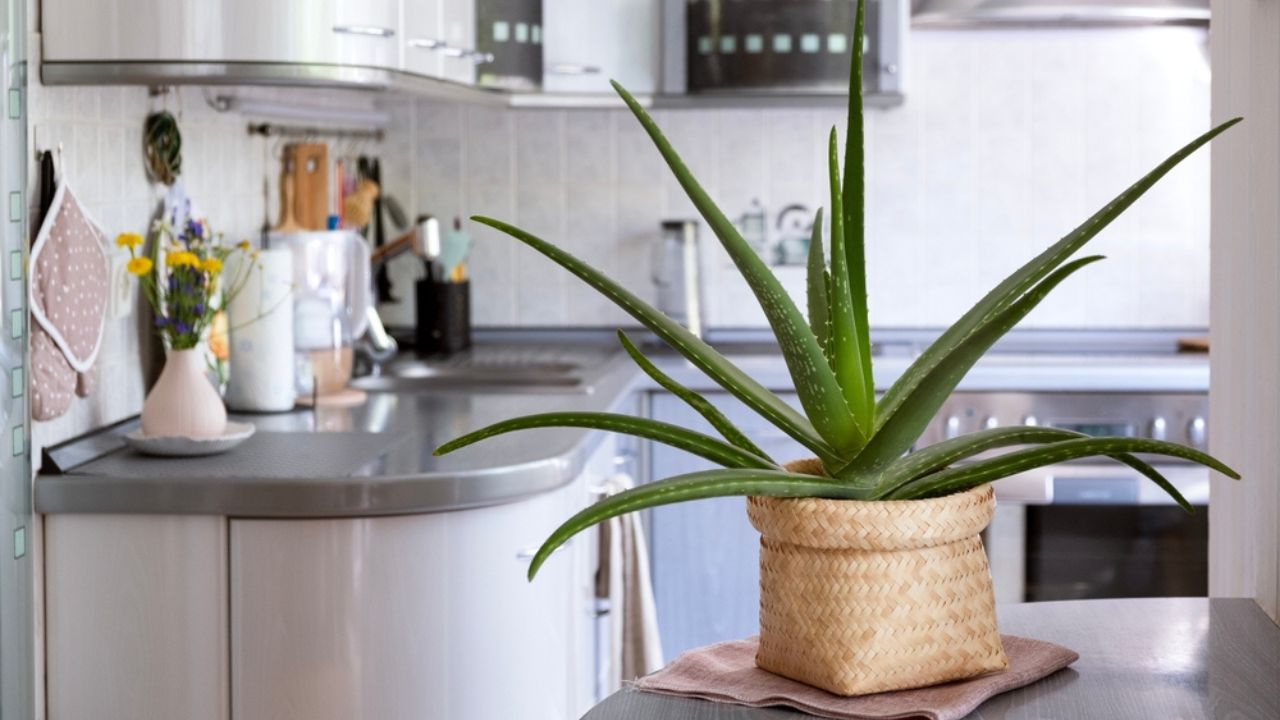
Many people like to keep an aloe vera plant in their kitchen for the soothing quality of the gel inside the succulent’s leaves. But this plant also has an attractive shape, with thick, pointed leaves, often with spines on the edges. A happy aloe may produce “pups,” which can easily be divided from the mother plant and planted in their own pots.
Aloe vera likes bright, indirect light, but direct sunlight can burn the leaves. Let the soil dry out completely between waterings, then give the plant a good soak.
8. Heartleaf Philodendron (Philodendron cordatum)

Though not quite as hands-off as golden pothos, heartleaf philodendron is another beautiful trailing house plant suitable for beginners. It has glossy, heart-shaped leaves, most commonly found in a solid dark green but occasionally in variegated forms.
Heartleaf philodendron likes bright, indirect sunlight but will tolerate lower light. It should be watered when the soil dries out, and it appreciates a somewhat humid environment, like a bathroom.
9. Ponytail Palm (Beaucarnea recurvata)
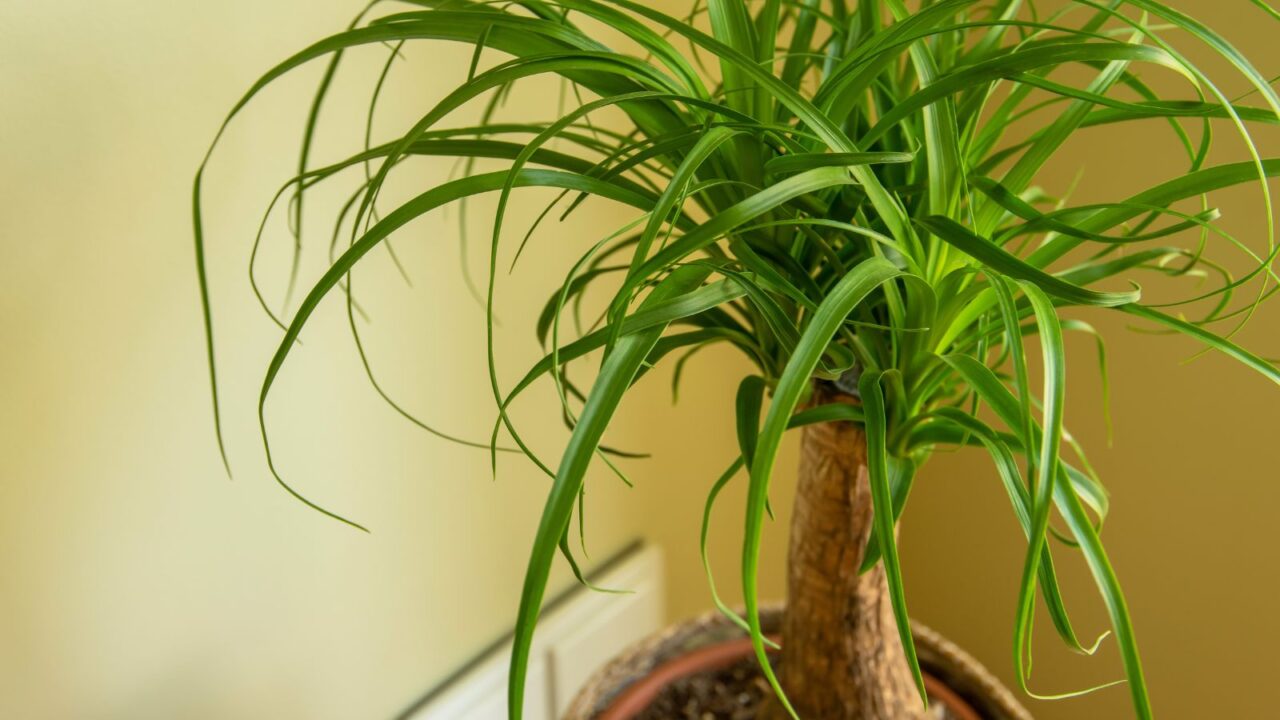
The strappy, ribbon-like leaves of the ponytail palm form a wild, cheerful fountain of greenery. It can live for decades, and as it matures, it forms a woody trunk with a unique, bulbous base. While older plants are often pricey, it can be fun to watch the slow progression of a younger specimen from a tabletop house plant to an indoor tree.
Ponytail palms thrive on regular but infrequent watering. Always let the soil dry out completely, then give it a good drink. They also need bright, indirect light.
10. Cast Iron Plant (Aspidistra elatior)
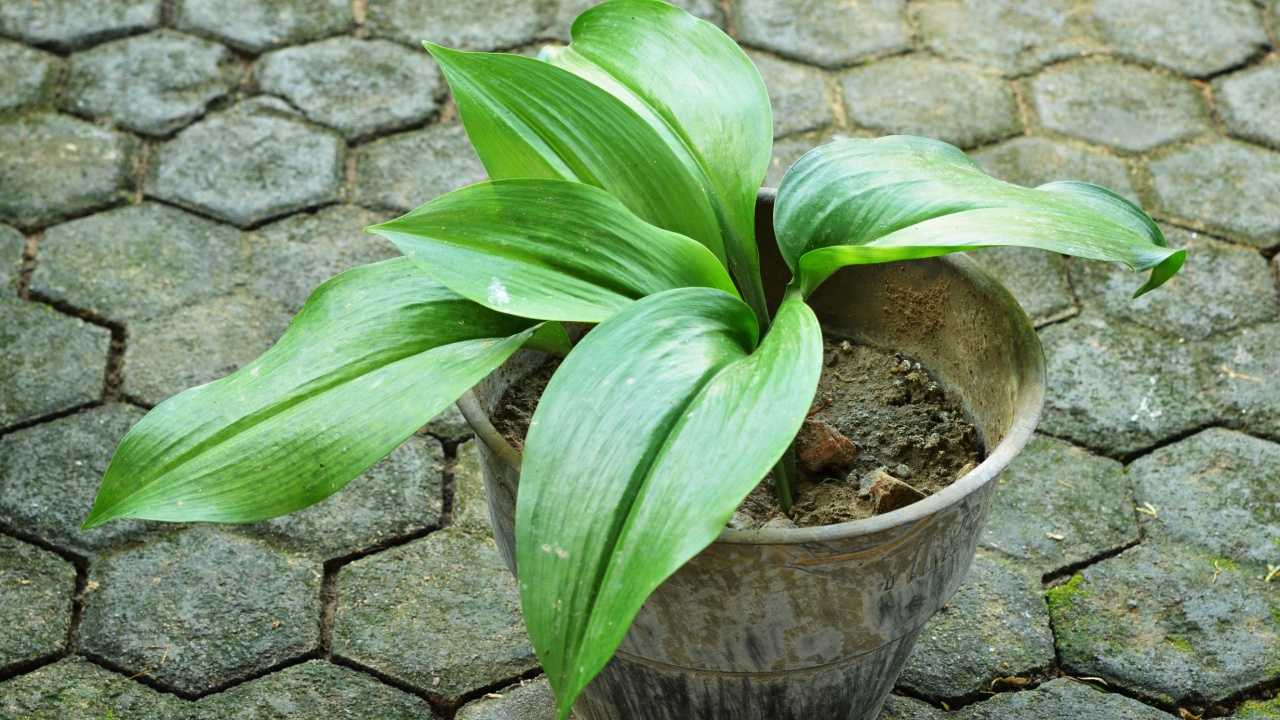
The cast iron plant is so named for its extremely hardy nature. It tolerates low light, poor air quality, and neglect, not to mention its resistance to many pests and diseases. This incredible plant has long, broad, dark green leaves that tend to flop or bend like rabbit ears.
Cast iron plants need very little light and like things on the drier side, so let the soil dry out between waterings.
11. Prickly Pear (Opuntia spp.)

If you’d like to try your hand at growing cacti, start with the easy-to-please prickly pear. This cheerful succulent has flat, oval pads dotted with short but sharp, hair-like spines. In ideal conditions, it will produce bright, showy, yellow or pink flowers.
Prickly pears need bright sunlight and minimal watering. When the soil dries out completely, moisten, but do not drench it. A good cactus soil mix will help ensure the roots do not become waterlogged.