10 Annual Flowers to Plan This Year for All Season Blooms
Many flowers are pretty but effervescent, delighting us with their beauty for only a few short weeks each year. While these plants certainly have a place in the garden, sometimes we just want a flower that blooms for a longer period of time.
The following long-lasting annual flowers will ensure you have blooms in the garden all season long. That way we can enjoy them all summer long as we sit on the back porch and appreciate a few slower days (hopefully).
1. Floss flower (Ageratum houstonianum)
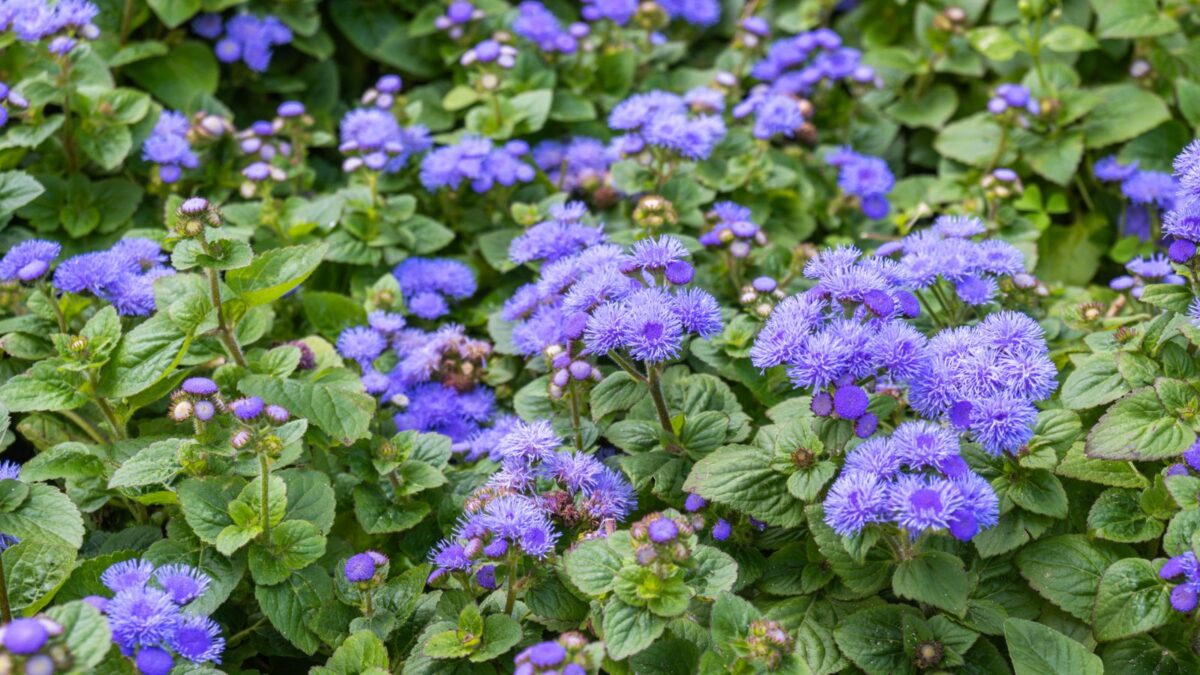
The fluffy, aster-like blooms of floss flower persist from mid-spring until frost, gracing the garden with shades of white, pink, or blue. It forms clumping mounds six inches to a foot tall and grows equally well in containers and beds.
Though moderately drought-tolerant, floss flower appreciates moist, well-drained soil in full sun.
2. Sweet Alyssum (Lobularia maritima)
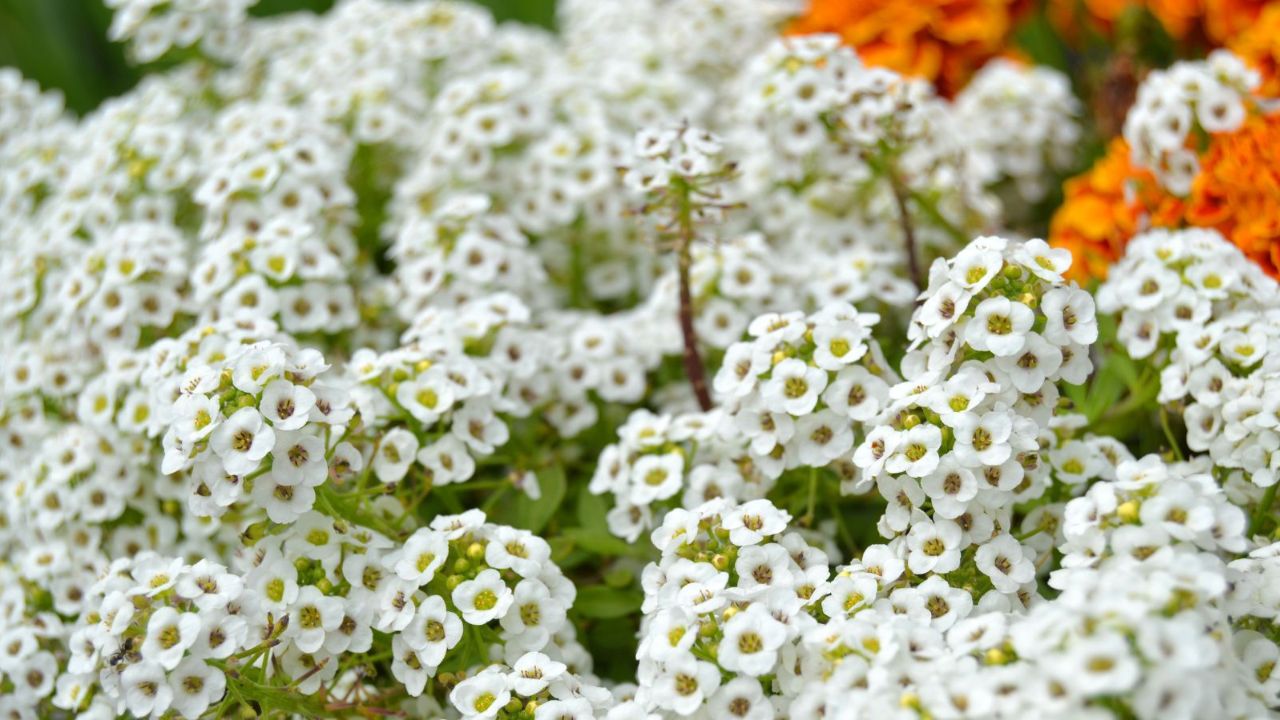
Sweet alyssum produces masses of tiny, white to lavender flowers in spring and fall, though it may slow down in the heat of summer. This low-growing self-sower is excellent for edging, filling in between taller plants, or growing between stepping stones.
Good drainage is essential, in either full sun or part shade. Cutting the plant back in summer will encourage reblooming.
3. Zinnia (Zinnia spp.)
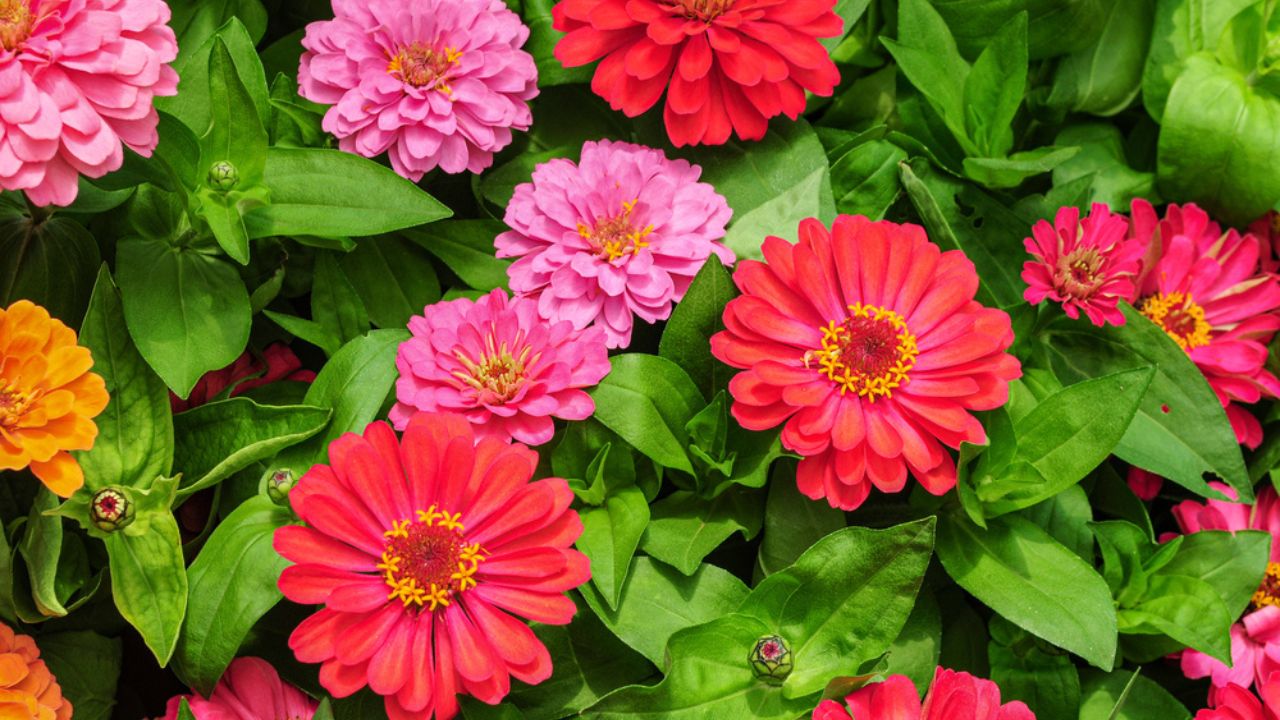
With their long stems and vivid colors, zinnias make excellent cut flowers in addition to being striking bedding plants. The many species and cultivars available provide a range of sizes, from eight inches to four feet tall, as well as variations in flower appearance.
Zinnias require full sun for the best blooms, and they appreciate well-drained soil and good air circulation. Learn more about growing zinnias.
4. Angelonia (Angelonia angustifolia)

An upright, somewhat bushy, sprawling tropical plant, angelonia needs neither staking nor deadheading. This low-maintenance, long-lasting flower brings cheer with spikes of small, snapdragon-like blooms in shades of white, pink, and blue.
Angelonia has good tolerance to drought, heat, and humidity. For best results, plant it in full sun in moist, well-drained, fertile soil. It may overwinter in USDA zones 9-11.
5. Globe Amaranth (Gomphrena globosa)
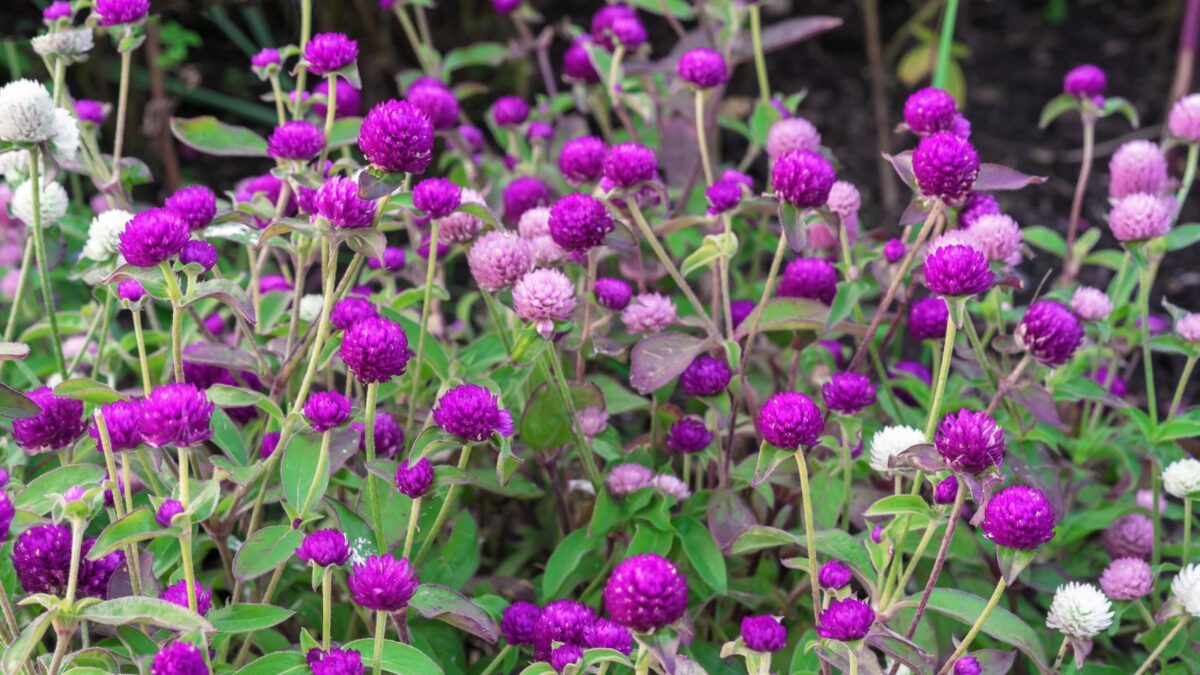
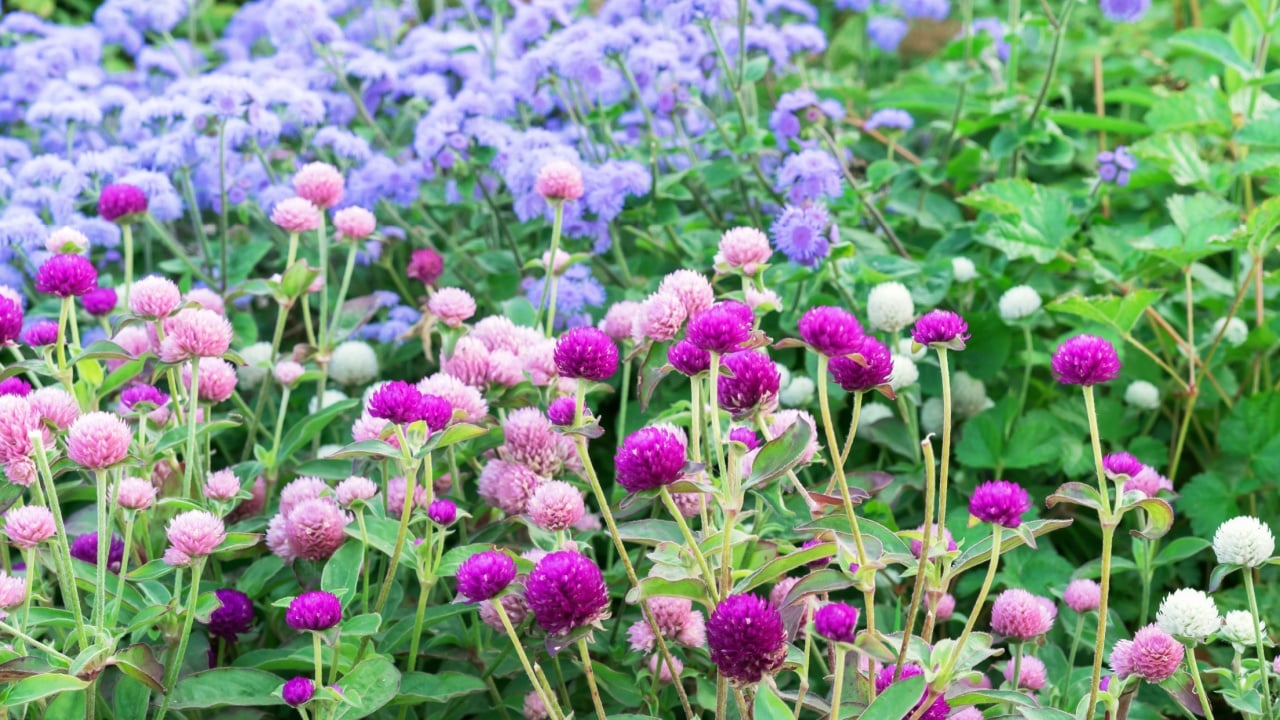
The spherical, clover-like flower heads of globe amaranth bloom from spring into fall and retain their color when dried, so you can continue to enjoy them long after the first frost. Different varieties offer shades of pink, purple, or white and grow from one to two feet tall.
This easygoing plant thrives in well-drained soil in full sun, though it will tolerate partial shade and drought.
6. Spider Flower (Cleome houtteana)
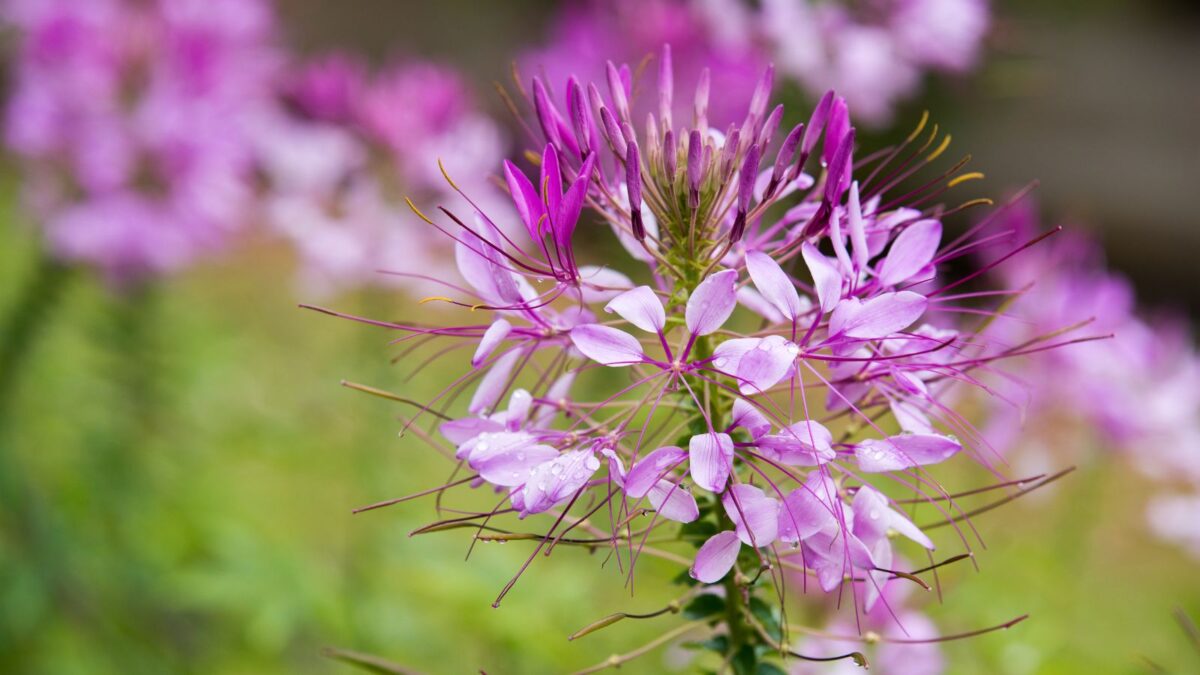
Spider flower is named for the long anthers spreading out from its clusters of white to pink flowers, giving it a unique wispy look. At three to six feet tall, it makes a great back border plant with lower-growing plants in front to provide some extra support and hide any bare lower stems.
Spider flower prefers moist, well-drained soil and full sun but will tolerate part shade.
7. Annual Phlox (Phlox drummondii)

Though just six to 12 inches tall, annual phlox produces showy clusters of white to red flowers with contrasting eyes. It blooms from spring to early summer and again in the fall. In ideal conditions, it will reseed itself for blooms that return year after year.
This Texas native tolerates drought and thrives in full to part sun and well-drained, preferably sandy, soil.
8. False Heather (Cuphea hyssopifolia)
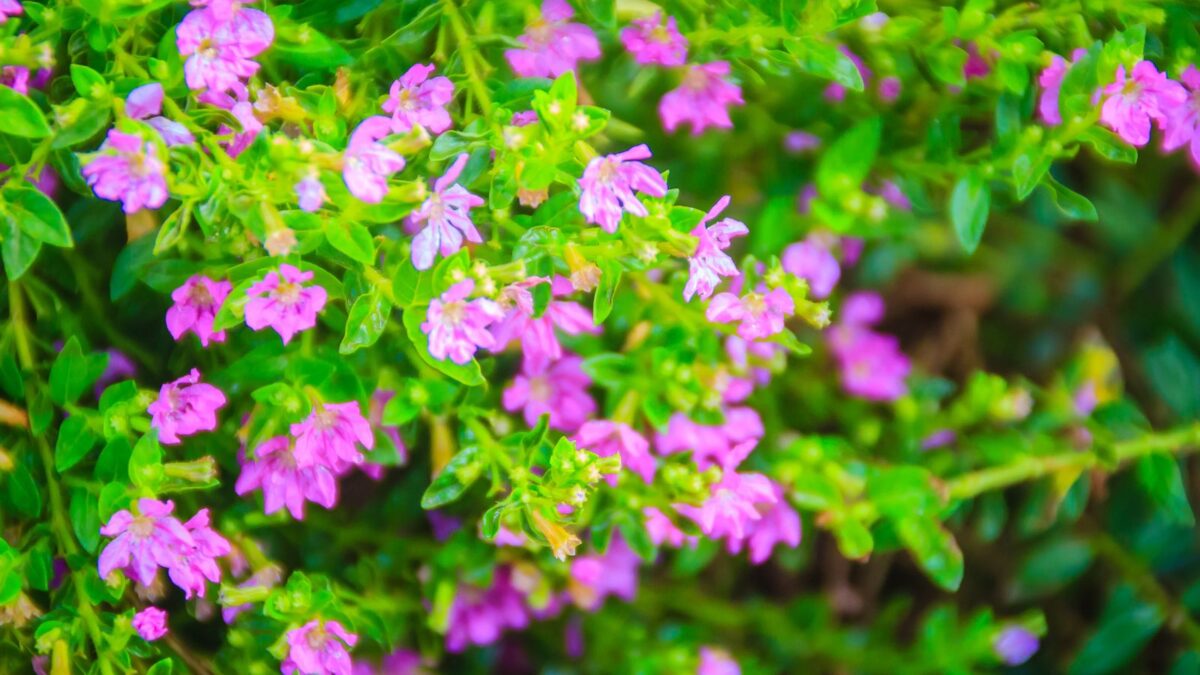
The tiny, lavender-pink flowers of false heather bloom profusely throughout the summer and until frost. This small, rounded evergreen shrub grows two feet tall and wide and is commonly grown as an annual in zones 9 and colder.
False heather thrives in full sun and moist, well-drained soil, though it tolerates drought, salt, and many soil types.
9. Creeping Zinnia (Sanvitalia procumbens)
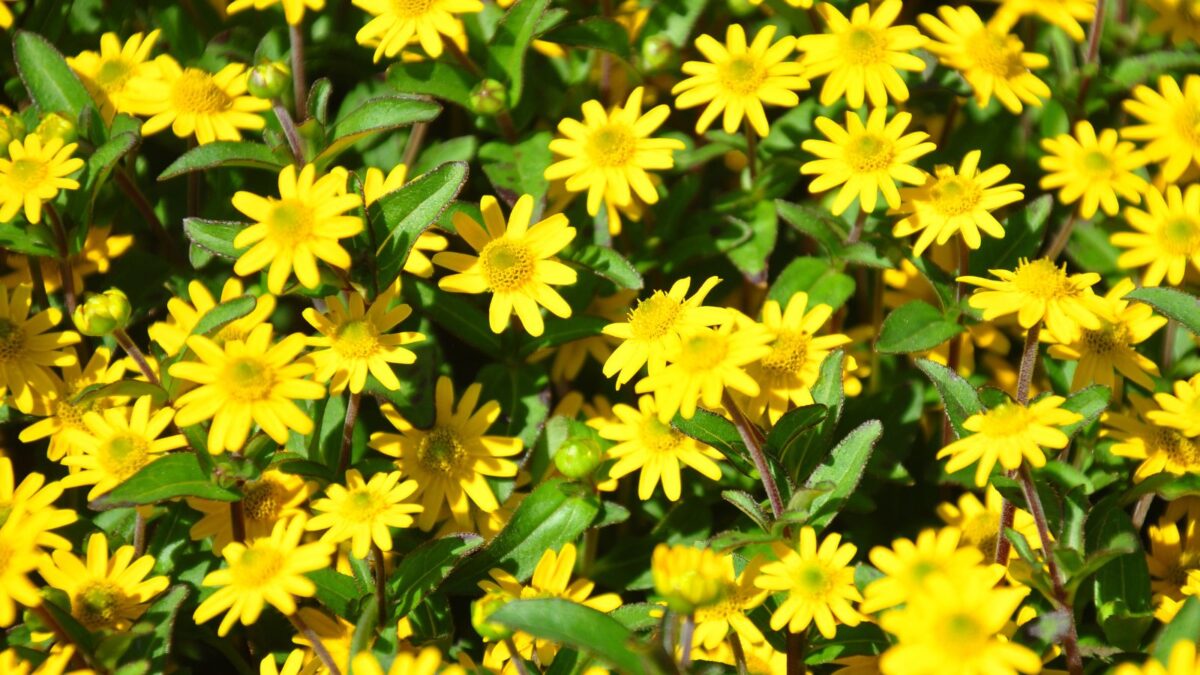
Also called dwarf sunflower, creeping zinnia has leaves resembling those of a zinnia and cheery yellow blossoms that resemble miniature sunflowers. This mat-forming annual grows to just six inches tall but spreads up to 18 inches wide.
Native to dry, rocky hills of Mexico and Guatemala, creeping zinnia tolerates drought and dry soils. It prefers well-draining soil with plenty of organic matter and full sun.
10. Garden Coreopsis (Coreopsis tinctoria)

The unique, fiery flowers of garden coreopsis have golden petals that bleed into a reddish base and a reddish-purple center. This North American wildflower does well in mass plantings and as cut flowers, and it will happily reseed.
Garden coreopsis prefers light, sandy, well-drained soil and full sun. It tolerates heat, drought, and poor soil, and it actually performs best when crowded.
Other Annuals That Deserve a Spot in Your Garden for the Summer
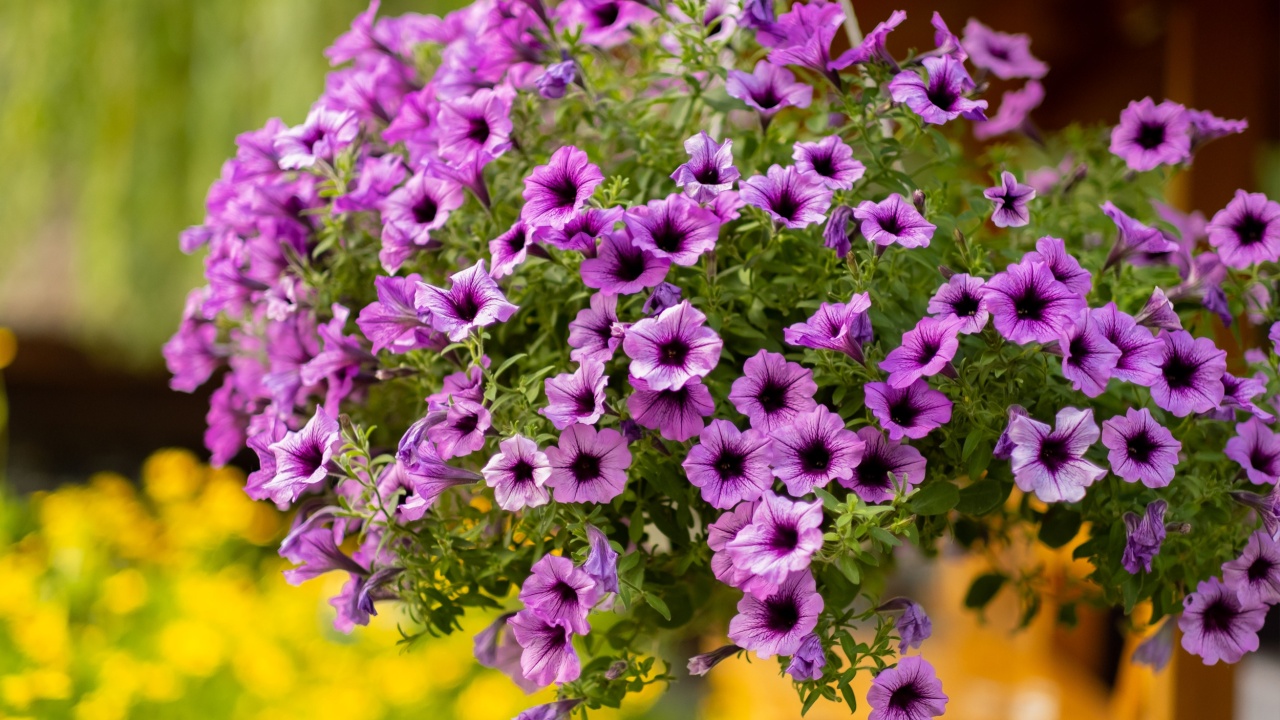
Annuals might need to be replanted every year, but they tend to grow fast and offer diverse colors in the garden. Long-lasting blooms are a great start. Adding other pops of color, like purple and red, can help you achieve the color blend that makes your yard feel like you. Don’t be afraid to experiment and mix!
Read more
11 Annual Flowers that Attract Bees
These Annual Flowers Will Fill Your Garden With Sweet Scents