
Magic erasers look harmless, like little foam marshmallows, but they’re secretly micro-abrasive cleaning tools made of melamine foam. Melamine foam’s structure creates friction levels strong enough to wear down coatings, paints, and glossy finishes even with light pressure.
That’s great for lifting permanent markers off a wall, but not so great when it starts dulling appliances, stripping sealants, or scratching screens.
Before adding it to every cleaning routine, it’s worth knowing where this little cleaning hero turns into a troublemaker. Especially if you are trying to maintain a tidy home or protect surfaces in a garden shed or outdoor area.
1. Finished Wood Surfaces (Furniture, Floors, Doors)

Image Credit: Shutterstock.
Using a Magic Eraser on varnished or painted wood is risky business. The melamine foam is abrasive enough to strip away varnish, stain, or paint layers, leaving the wood dull, rough, or discolored over time.
What to do instead:
- Use cleaners made specifically for wood, like mild wood detergents, soft cloths, or wood-safe cleaning sprays.
- For scuff marks on floors, sometimes a soft, damp cloth, gentle buffing, or mild soap and water does the trick.
- Avoid soaking wood; after cleaning, dry it immediately to prevent warping or moisture damage.
2. Natural Stone Countertops

Image Credit: Shutterstock.
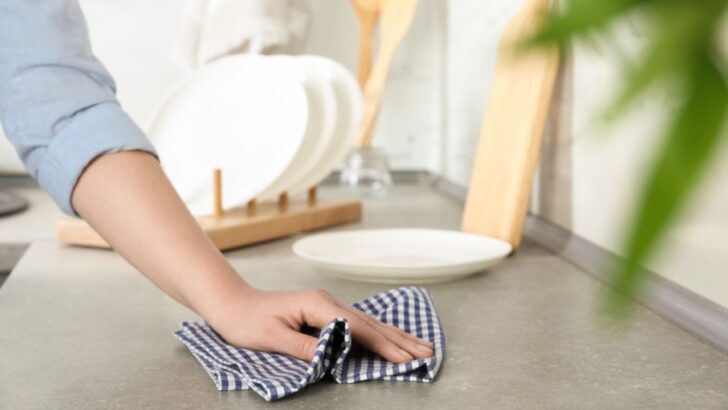
Natural stone surfaces aren’t just stone; they often carry sealants or protective coatings meant to preserve the stone’s integrity and appearance. The Magic Eraser can dull that protective layer and, in some cases, even scratch the stone itself. This can lead to stains, moisture penetration, or permanent dull spots over time.
What to do instead:
- Use stone-safe cleaners specifically formulated for marble or granite.
- For stubborn stains, consider gentle soap solutions or cleaners that say “safe for natural stone.”
- Always use soft cloths, avoid acidic or abrasive cleaners, and periodically reseal the stone if recommended by the manufacturer.
3. Non-Stick Cookware
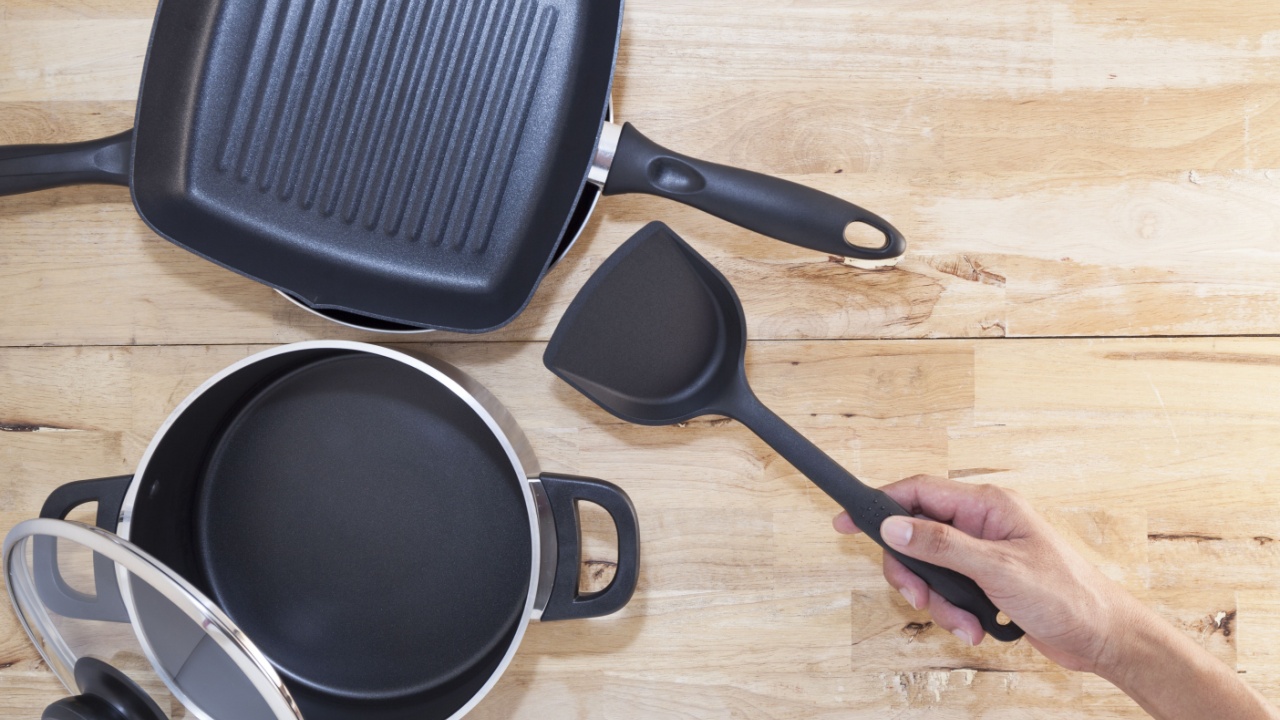
Image Credit: Shutterstock.
The Magic Eraser will surely remove burnt food stuck to your non-stick pan, but sadly, that’s where the trouble begins. The abrasive sponge can scratch or remove the non-stick coating, making the pan less effective or even unsafe for cooking.
What to do instead:
- Soak the pan in warm soapy water for a few hours to loosen food residue, then use a soft sponge or cloth to gently clean.
- For stubborn spots, a bit of baking soda paste can work.
- After you finish cleaning, rinse, dry, and apply a thin coating of cooking oil to the pan to re-season it.
4. Stainless Steel Surfaces and Appliances
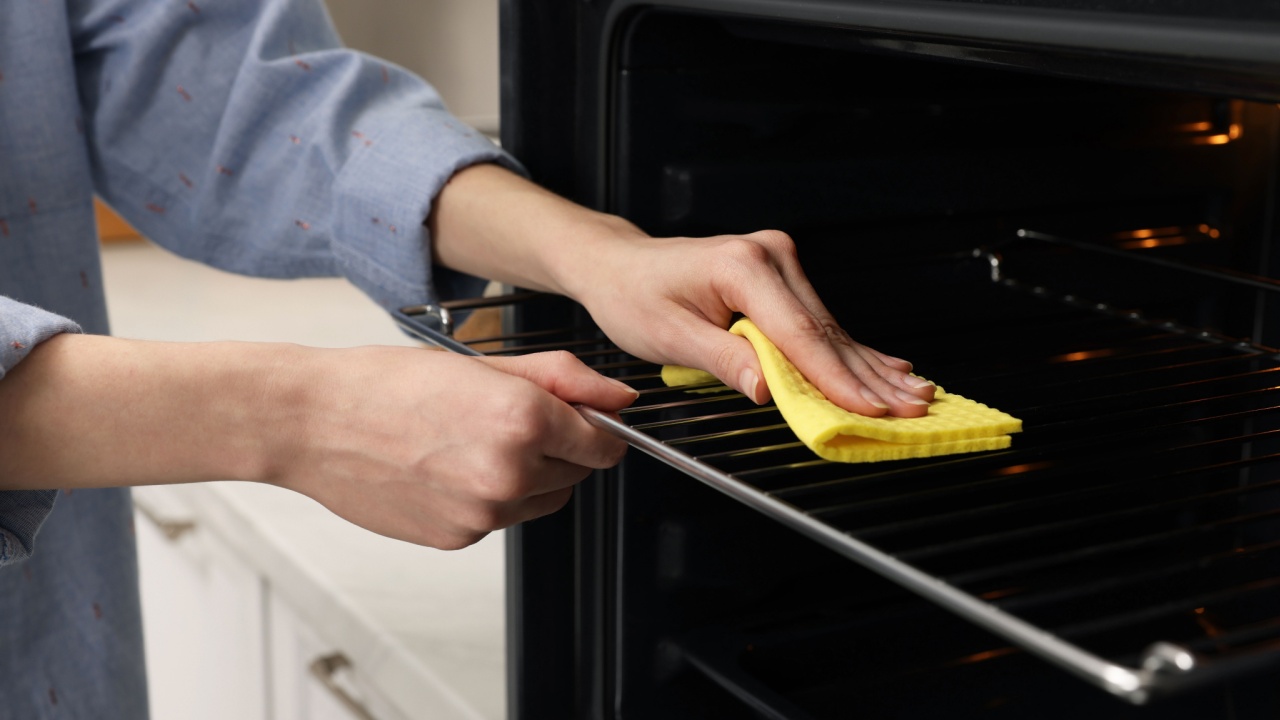
Image Credit: Shutterstock.
Magic Erasers can take the shine away from your refrigerators, sinks, or other stainless steel appliances and often leave fine scratches or dull spots. Even if the surface seems to withstand the first few uses, each pass slowly eats away at the protective finish, and before you know it, the surface will have lost its lustre.
What to do instead:
- Use soft microfiber cloths and a stainless-steel–specific cleaner (or mild soap + water) applied gently.
- Always wipe in the direction of the steel grain, and dry with a soft cloth to prevent water marks or dullness.
- For tough stains, wet a thick towel with boiled distilled vinegar.
5. Glass, Mirrors, Glass Tabletops, and Smooth Glossy Surfaces
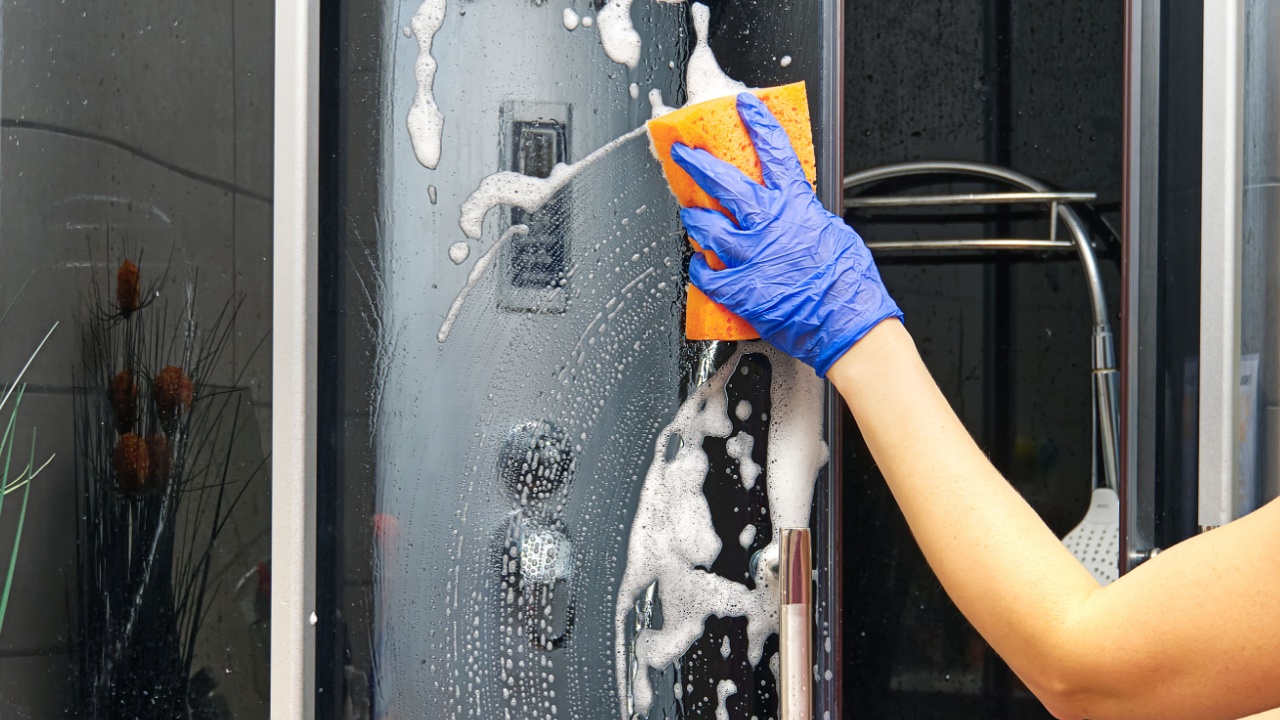
Image Credit: Shutterstock.
Glass and glossy surfaces (e.g., mirrors, glass tables, glazed oven doors) are vulnerable to the micro-abrasive action of a Magic Eraser. It will leave tiny scratches, hazy or frosted spots, and a less-clear finish.
What to do instead:
- Use a proper glass cleaner and a clean microfiber cloth or paper towel.
- For stuck grime or smudges, spray on cleaner, wait a moment, then gently wipe.
- Rubbing alcohol can also be used to create a window cleaner.
6. Electronic Screens & Delicate Coated Plastics / Plastics With Special Finishes

Image Credit: Shutterstock.
Screens on phones, tablets, TVs, or laptops are often coated with anti-glare, anti-smudge, or protective coatings, and Magic Erasers can scrape off or damage those coatings or even scratch the glass/plastic beneath.
What to do instead:
- Use microfiber cloths or cleaning solutions made for electronics.
- A dry soft cloth, such as a microfiber or lint-free cloth, is often sufficient for removing dust and light smudges.
- For tougher stains, lightly dampen the cloth with distilled water. Never apply water directly to the screen.
7. Leather

Image Credit: Shutterstock.
Sponges that look harmless can be very unkind to materials like leather, suede, or delicate upholstery. The abrasive foam can leave permanent marks or discoloration. Even if there’s a small stain or mark, you risk doing more harm than good. Leather, especially, can lose its softness, become rough, fade, or develop a permanently “scratched” look.
What to do instead:
- For leather, using a gentle leather cleaner or conditioner is best.
- For fabric upholstery, use a soft cloth, mild detergent (if appropriate), or spot cleaners meant for that material. Always test on an inconspicuous area first.
- Wipe away the moisture using a clean, dry towel.
Smarter Cleaning Starts With Knowing When to Stop Scrubbing

Image Credit: Shutterstock.
Magic Erasers can be extremely useful, but only when you use them on surfaces that can handle abrasion (like painted walls, ceramic tile, grout, etc.). For everything else, they’re a risk: dull finishes, scratched metal, ruined stone countertops, damaged cookware, or ruined wood.
Keep a stash of soft cloths, microfiber towels, mild cleaners, and material-appropriate products for wood, metal, stone, upholstery, plastic, and glass.