7 Plants Never Worth Having in the Garden
It’s easy to fall in love with a fast-growing vine or a shrub that promises effortless beauty: a lush green wall by midsummer or a cascade of flowers with barely any effort. Nurseries stock them, neighbors recommend them, and social media makes them look like the answer to every bare fence and empty border. But some of the most popular ornamentals come with a hidden cost, one that doesn’t show up on the plant tag or in the glowing five-star reviews.
The wrong plant can send runners under your walkways, crack foundations, choke out the native species your pollinators depend on, and turn a weekend weeding session into a years-long battle you’re unlikely to win. What starts as a single pot from the garden center can quietly overtake your beds, smother neighboring plants, damage structures, and disrupt the balanced ecosystem you’ve worked so hard to cultivate. Some of these plants are so aggressive that entire states have added them to invasive-species watchlists, yet they’re still sold without so much as a warning label.
Before you plant, it’s worth knowing which species to keep out of your garden and, just as importantly, why experts urge such strong caution against them. Below are seven widely available plants that horticulturists, extension agents, and seasoned gardeners consistently warn against, along with what makes each one so problematic and what to grow instead.
What Makes a Plant One to Never Have in Your Garden?

Not every fast grower is invasive, but plants that spread through underground rhizomes, bird-dispersed seeds, or aggressive self-seeding can quickly overwhelm a space.
“So if you have an invasive species that outcompetes or grows over the top of the handful of species those specialist pollinators need, then they’re basically done for,” says Professor Bethany Bradley of the University of Massachusetts-Amherst.
Plant behavior also varies by region. A plant that struggles in one climate may thrive uncontrollably in another. That’s why checking with your local Extension office is an essential step before planting. Here are 7 plants to think twice about before adding them to your garden.
1. Bamboo
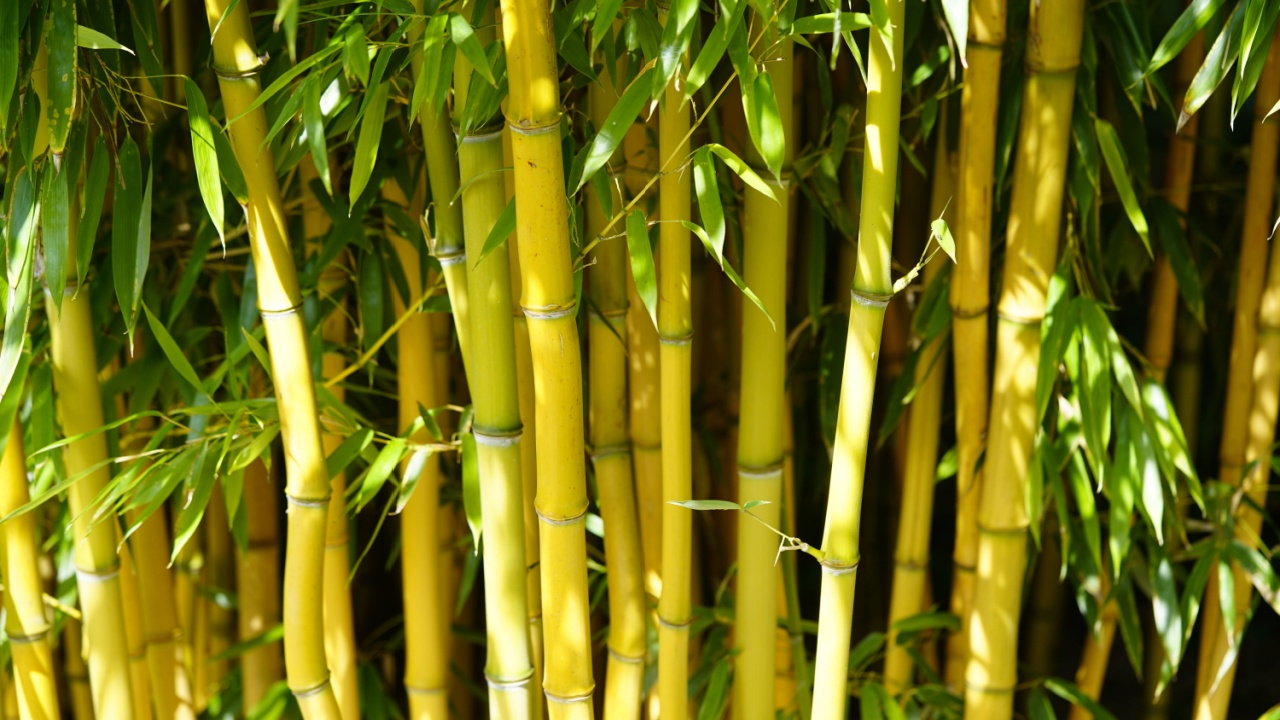
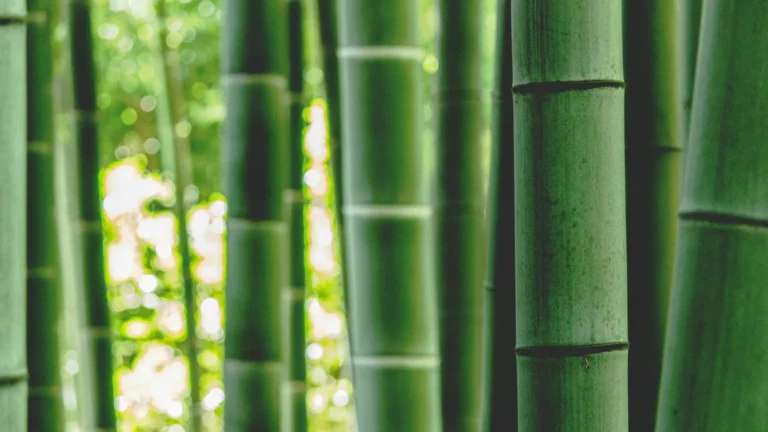
Bamboo may look serene, but running varieties spread rapidly through underground rhizomes. “The bamboos also are just really fast-growing and really good at sending out runners and getting into your neighbor’s yard,” Bradley says. Once established, removal can require heavy labor and excavation.
Even small root fragments left behind in the soil can resprout, making complete eradication a long-term project rather than a one-weekend fix. In some neighborhoods, unmanaged bamboo has led to property disputes, damaged fences and foundations, and costly professional removal. Unless you’re willing to install deep root barriers and monitor it regularly, it’s a plant that can quickly outgrow its peaceful reputation.
2. English Ivy
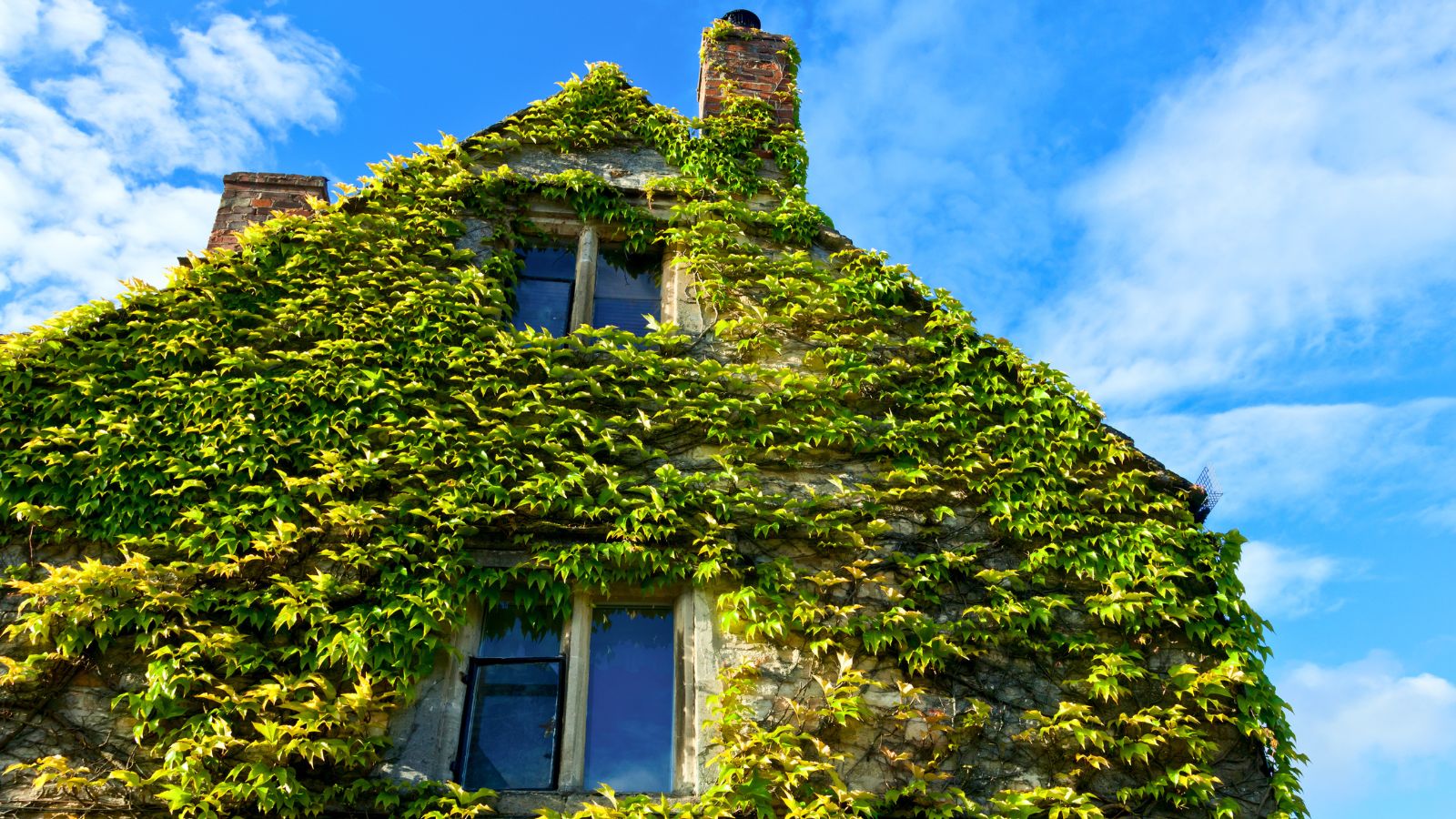
This classic climber can damage mortar, invade gutters, and strangle trees. It also forms dense ground cover that suppresses native plants. Though it appears charming, it often becomes destructive over time.
As English Ivy climbs, it adds weight and traps moisture against walls and trunks, which can accelerate rot and structural deterioration. On the ground, its thick mats block sunlight and crowd out spring ephemerals and other low-growing natives that wildlife depend on. Once established, English ivy can be surprisingly difficult to remove, as any remaining roots or stem fragments may quickly take hold again.
3. Butterfly Bush

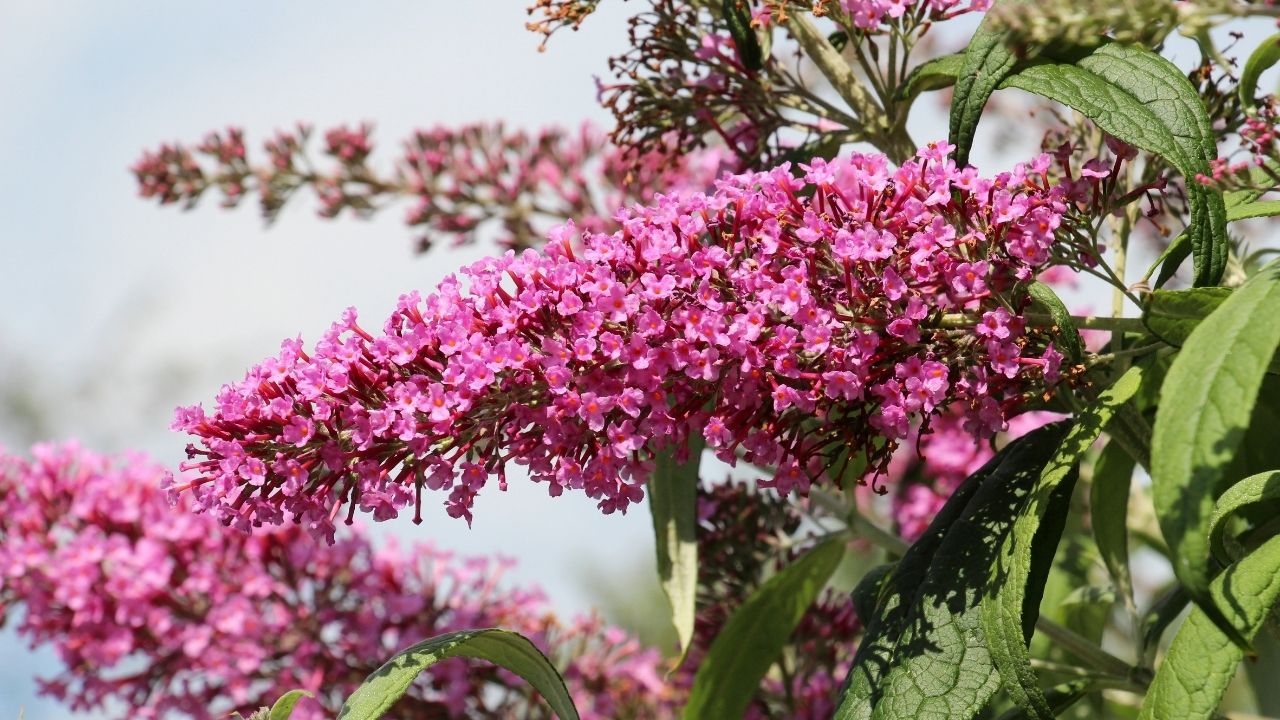
Despite its name, the butterfly bush does little to support caterpillars. It self-seeds aggressively and can outcompete native pollinator plants unless sterile varieties are used.
While adult butterflies may visit the blooms for nectar, the plant does not serve as a host for their larvae, meaning it doesn’t help complete the butterfly life cycle. In warmer climates, it can spread quickly beyond garden borders, popping up in wild areas and disturbed soils. Over time, this reduces space for native shrubs and perennials that provide far greater ecological value.
4. Burning Bush

Beloved for its fiery fall color, burning bush spreads through bird-dispersed seeds and forms dense thickets in woodlands. Once it escapes cultivation, it can be difficult to eradicate.
Birds feast on the bright red berries and unknowingly carry the seeds into forests and meadows, where seedlings quickly take root. Over time, these shrubs crowd out native understory plants, reducing biodiversity and altering natural habitats. Because it tolerates shade and poor soil, it often thrives where more delicate native species struggle, giving it a competitive edge that’s hard to reverse.
5. Pampas Grass
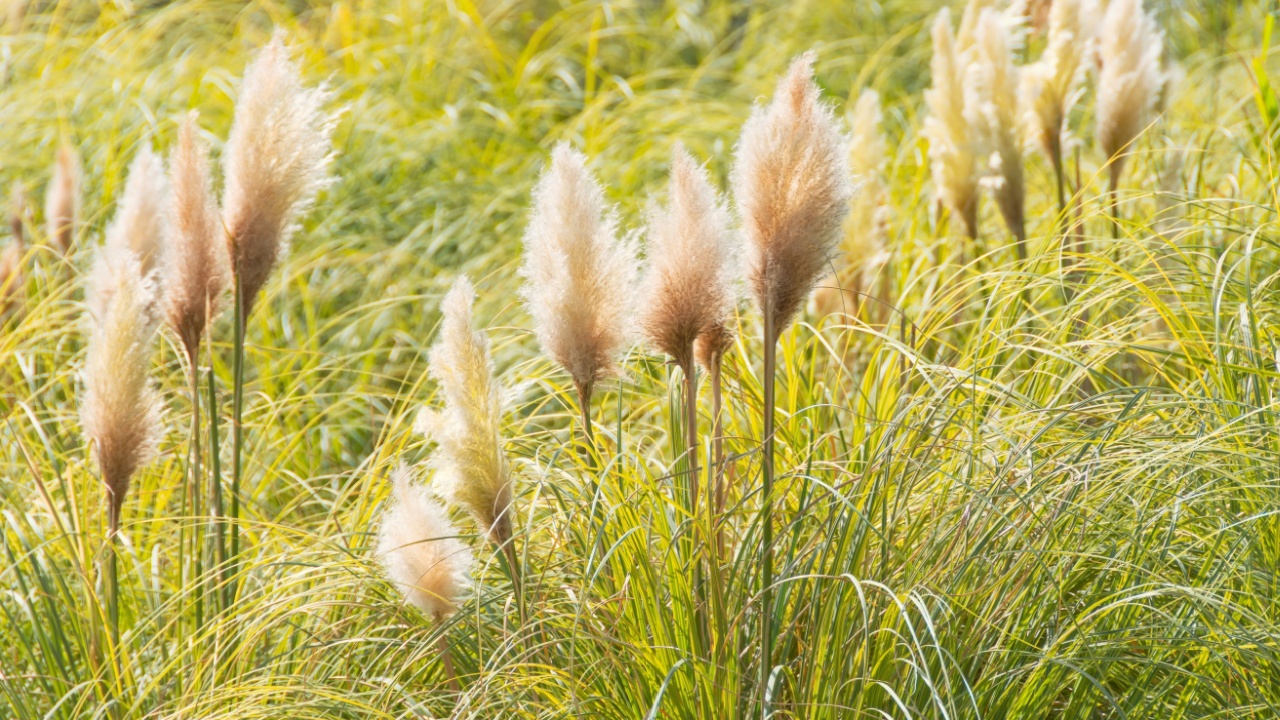
This dramatic ornamental produces up to 100,000 wind-blown seeds per plume. In dry climates, it also increases wildfire risk due to its flammable foliage. Those feathery plumes may look soft and elegant, but they dry out quickly and can act like kindling in hot, windy conditions. The plant’s dense base also traps dead leaves and debris, creating additional fuel near the ground.
Once established, pampas grass forms massive clumps that are difficult and sometimes dangerous to remove because of their sharp, saw-like leaf edges.
6. Periwinkle (Vinca)
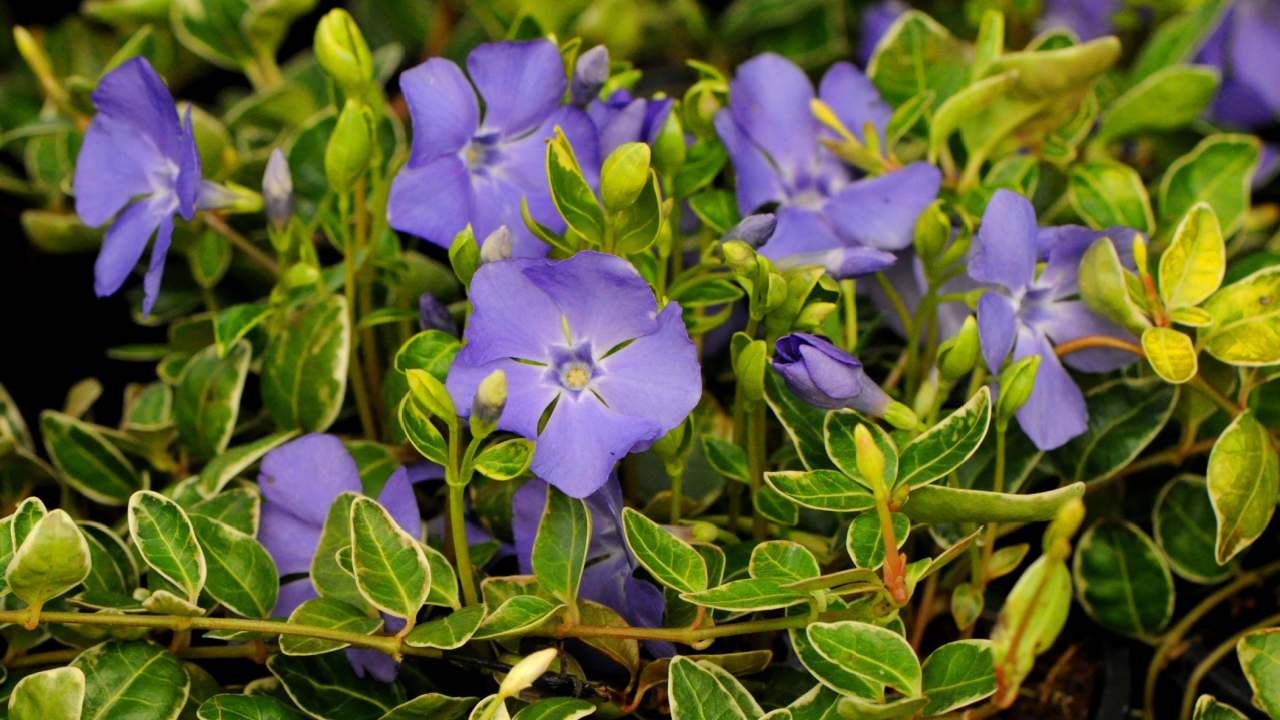
Often sold as a low-maintenance groundcover, periwinkle forms dense mats that suppress everything beneath it. Its creeping stems root easily, allowing it to spread far beyond its intended space.
Over time, Periwinkle can blanket woodland floors and garden beds alike, blocking sunlight from reaching native seedlings. Once established, pulling it up becomes a painstaking task, as small fragments left behind can quickly re-root and start the cycle again.
7. Tree of Heaven
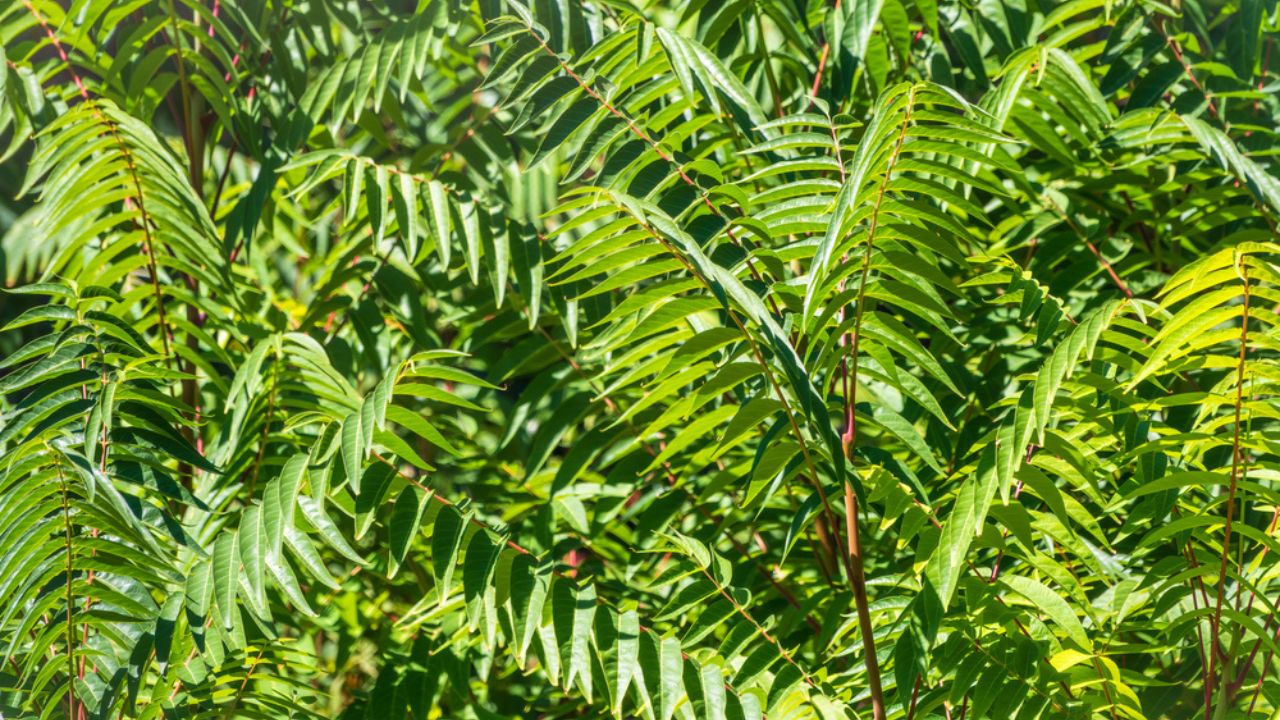
Tree of Heaven spreads through both seeds and aggressive root suckers. It also releases chemicals into the soil that suppress nearby plant growth.
Once established, it’s notoriously difficult to remove completely. Cutting it down often triggers even more vigorous suckering from the roots, leading to dense clusters of new shoots. Because it grows quickly and tolerates poor soil, pollution, and drought, Tree of Heaven can take hold in everything from garden beds to cracks in pavement, making long-term control a serious challenge.
What to Plant Instead

If you love the look of one of these plants, seek native or non-invasive alternatives recommended for your region. Local cooperative extension offices and native plant databases provide updated lists tailored to your area.
For aggressive favorites like mint, consider container planting, but place pots on hard surfaces to prevent roots from escaping into the soil.
Gardens are built slowly, layer by thoughtful layer. Choosing plants wisely protects not just your own landscape, but the broader ecosystem around you.
The most beautiful garden isn’t the one that grows the fastest. It’s the one that grows in harmony with its surroundings and stays manageable season after season.
Read More
Washing Your Lettuce Won’t Remove Cyclosporiasis, But Growing Your Own Will
Your Grandmother Stored These 8 Foods All Winter Without Canning a Single Jar