
7 Household Items People Tend to Waste Money On
Most homes hold a few purchases that quietly drained more cash than they should have. The price felt fair at the moment, the packaging looked nice, and the marketing did its job; then the item sat in a drawer or got used once a year.
Spending more does not always mean better quality. In many product categories, the gap between a premium label and a budget option comes down to branding, not quality. The materials, performance, and lifespan can be nearly identical.
Smart shoppers notice patterns once they study where their money actually goes. Certain household categories carry markups so large that paying full price starts to look like a habit worth breaking.
Here are seven common household items that drain budgets faster than they should.
1. Designer Furniture and Decor

Designer furniture often costs three to five times as much as nearly identical pieces from mid-range makers. Buyers pay for a logo, a showroom, and a reputation rather than stronger wood or better joints.
A sofa with a famous name can share the same frame, foam, and fabric supplier as a much cheaper model. The shopper rarely sees that overlap because the brand controls the story.
Solid alternatives exist at every price point, from secondhand stores to direct-to-consumer brands that skip the middleman. Estate sales and refurbished pieces often deliver real hardwood and craftsmanship that new budget lines cannot match.
A quick search for the supplier behind a designer item sometimes reveals the same product sold under a plain label. Patience and comparison shopping usually beat the rush to buy on sight.
2. Rarely Used Kitchen Gadgets
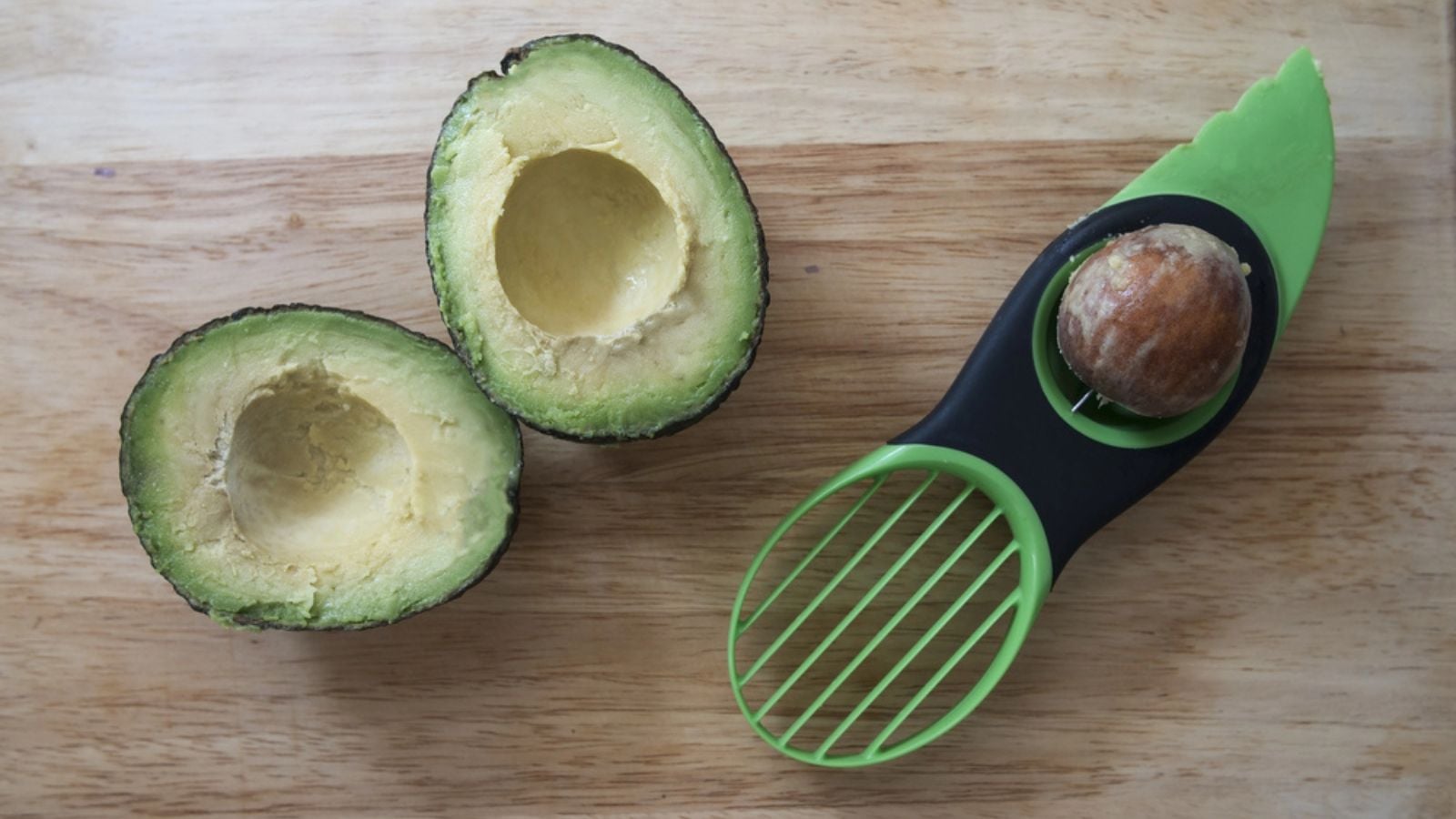
Single-task kitchen tools pile up, and most of them duplicate work a basic knife already handles. Avocado slicers, garlic peelers, egg separators, and banana cutters each promise to save seconds while costing real money.
They rarely earn their price and often break before they prove useful. The novelty fades long before the clutter does.
A small set of quality multipurpose tools handles nearly every job a crowded gadget drawer attempts. A sharp chef’s knife, a sturdy cutting board, and a good peeler cover the vast majority of prep work.
Before buying any specialty tool, a cook can ask how many times per month it would truly come out. If the honest answer is once or twice, the gadget belongs on the skip list.
3. Scents and Fragrances

Candles, room sprays, diffusers, and scented oils carry steep prices for what amounts to fragrance and wax. A premium candle can cost twenty dollars or more, yet the materials inside often run a few dollars at most. Some scents and fragrances impact your home’s air quality.
Brands lean on attractive jars, seasonal labels, and mood-driven marketing to justify the markup. The scent fades, the jar gets tossed, and the cycle repeats.
Clean air and a tidy home do more for a space than any pricey fragrance product. Simmering citrus peels, herbs, or spices on the stove fills rooms with a natural scent for pennies.
Baking soda absorbs odors in fridges and carpets at a fraction of the cost of sprays. For people who love candles, buying unscented bulk wax and adding essential oils cuts the price dramatically.
4. Trendy Household Items

Viral decor and gadgets thrive on impulse, fueled by short videos and limited-time hype. A product trends, sells out, and lands in carts before buyers consider how long the appeal will last.
These items often use cheap materials built for a photo rather than for daily use. Once the trend cools, the object usually ends up forgotten or discarded.
A short waiting period turns many impulse buys into easy passes. Saving trendy items to a wishlist for a week reveals how often the urge fades on its own. Reading reviews that mention durability, not just looks, separates lasting products from disposable hype. Timeless, well-made basics hold their value far longer than anything chasing a moment.
5. Name-Brand Cleaning Supplies

Name-brand cleaning products often cost double their generic counterparts while delivering the same results. Dish soap, glass cleaner, bleach, and laundry detergent are governed by similar active ingredients across brands.
The pricey version mostly buys recognizable packaging and decades of advertising. Independent tests routinely show store brands clean just as well.
Reading the active ingredient list reveals how little separates premium products from budget ones. Store-brand bleach contains the same sodium hypochlorite, and generic detergents use comparable enzymes and surfactants.
Buying concentrated formulas and diluting them at home stretches each bottle even further. The savings add up quietly across every shopping trip of the year.
6. Bottled Water

Bottled water ranks among the most marked-up household purchases by volume. A case can cost hundreds of times more per gallon than tap water, and much of it comes from municipal sources anyway.
Convenience and clever branding drive the spending, not superior quality. The plastic waste only adds to the long-term cost.
A simple pitcher filter or faucet attachment delivers clean, great-tasting water for a tiny fraction of the price. A reusable bottle paired with filtered tap water pays for itself within weeks.
For homes worried about quality, a basic water test clears up any doubt for a one-time fee. The choice saves money and cuts down on plastic at the same time.
7. Specialty Cleaning Products

Specialty cleaners target one surface or one stain, and they charge a premium for that narrow focus. A separate product for granite, stainless steel, glass, wood, and grout means five bottles where one or two would do.
Each promises a unique formula, yet many share the same core ingredients in different dilutions. The cabinet fills with half-used bottles that rarely get finished.
A good multipurpose cleaner handles most household surfaces without the inflated price. White vinegar, baking soda, and dish soap tackle a surprising range of jobs at almost no cost.
A vinegar and water mix cleans glass and counters, while baking soda scrubs sinks and tubs. Keeping cleaning simple frees up cabinet space and trims the grocery bill.
Where the Real Savings Hide

The pattern across all seven items comes down to a single habit, the pause before purchase. Markups thrive on speed, emotion, and trust in a familiar label, so slowing down breaks their power.
A few seconds spent checking ingredients, comparing suppliers, or questioning real-world use change the math on nearly every buy.
Building a personal rule helps lock in the savings for good. Some shoppers set a price ceiling for any non-essential household item, while others keep a running list and buy in monthly batches.
Read More:
15 Items to Never Buy New, Unless You Like Wasting Money
Stop Wasting Money on Store-Bought Herbs and Grow Them for Pennies