
Modern parents often find themselves in a silent battle against glowing rectangles. While technology offers incredible educational tools, there is a tangible value in the analog activities of the past. You don’t even need toys to get started, just a bit of stuff from around the house.
In the 1960s, boredom was not a problem to be solved with a device; it was a blank canvas for creativity. Children engaged with their physical environment, learned resourcefulness, and developed fine motor skills through simple, homemade fun. The following activities provide cost-effective, screen-free entertainment that encourages imagination and practical skills.
1. Create a Miniature Saucer Garden
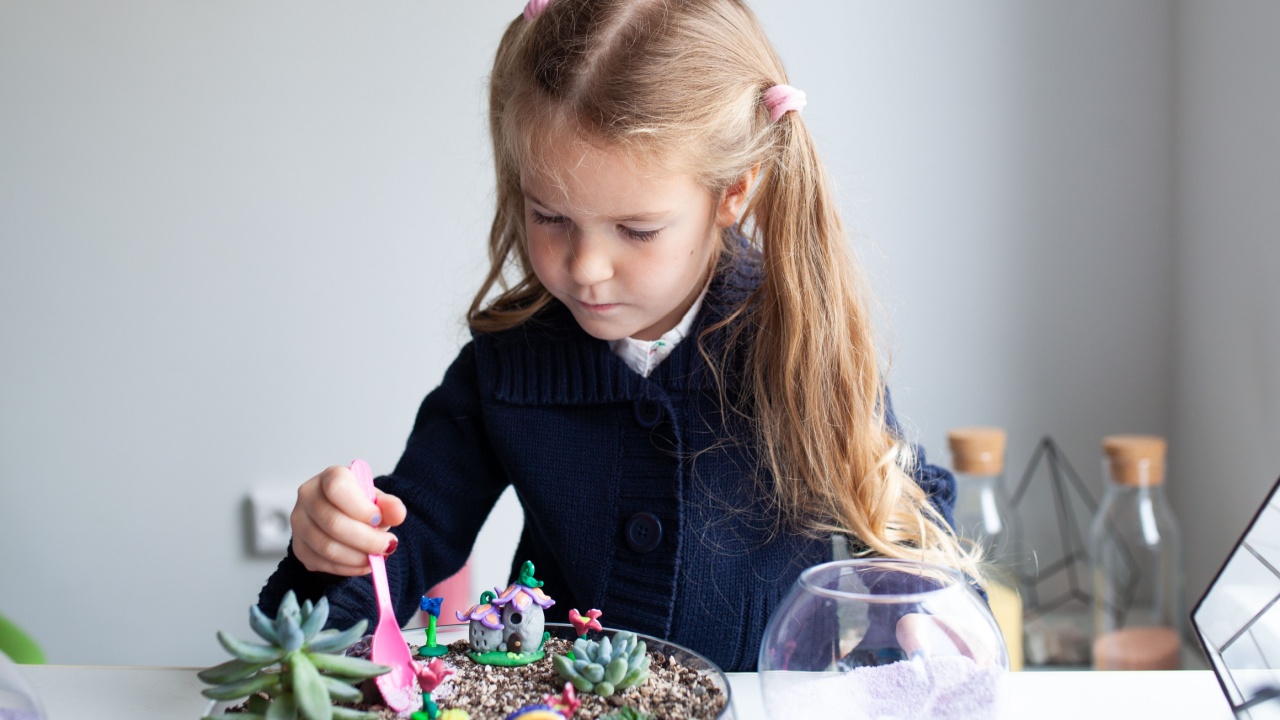
Image Credit: Shutterstock.
Long before terrariums were a home decor trend, mid-century kids made entire landscapes in teacup saucers or pie tins. This hobby is a great way to introduce children to gardening. Children collect pebbles, moss, and tiny seedlings and design a living ecosystem on a small scale. It teaches the basics of landscape design and plant care without needing a full-sized garden.
This project lets a child be a giant in charge of a tiny world. It encourages them to look closely at their surroundings as they search for “trees” (twigs) or “boulders” (pebbles). Playing with small, loose parts also helps develop problem-solving skills and spatial awareness.
2. Wastepaper Basketball Championships
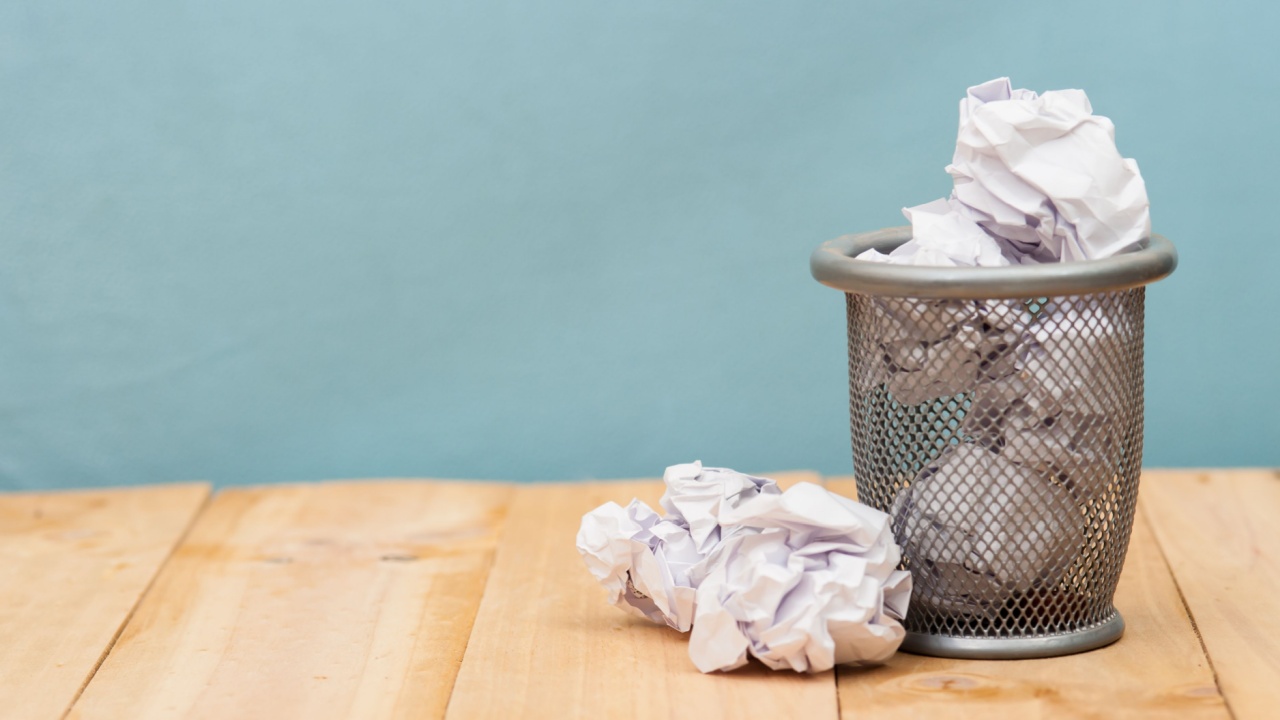
Image Credit: Shutterstock.
Bored kids have been turning trash into treasure with crumpled paper and a wastebasket long before arcade hoops existed. This simple game transforms a mundane object into a competitive arena where kids can move around and refine their hand-eye coordination.
The beauty of this game is its zero cost and immediate setup. It can turn a chore (like cleaning up paper scraps) or a boring afternoon into a physical challenge. Missing a shot means you have to retrieve the “ball” and try again.
To make it more interesting, you can create penalty systems for missed shots, use masking tape for 1, 2, and 3-point lines, and even experiment with different types of paper to see how the weight affects the shot.
3. Soap Carving Sculptures
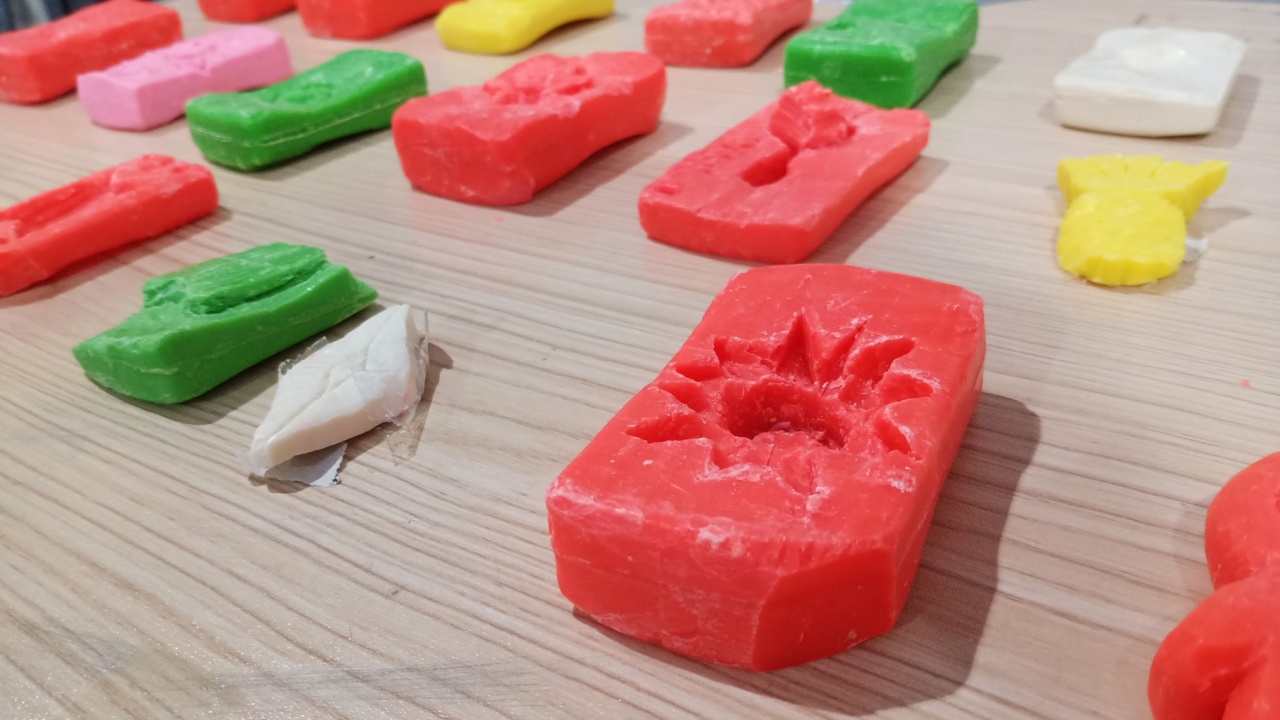
Image Credit: Shutterstock.
Wood carving can be tricky, but soap carving is a safer, softer alternative for aspiring sculptors. With just a bar of soap and simple tools like a plastic knife or spoon, kids can carve away layers to reveal a shape. This activity teaches planning and 3D visualization, as the artist must imagine the final product before starting.
It’s a satisfying tactile experience, and the soft material makes it easy for small hands to get quick results. For the best experience, use a fresh bar of Ivory soap. You can even collect the shavings, mix them with a little water, and mold them into new shapes or use them for handwashing.
4. Hand Shadow Theater
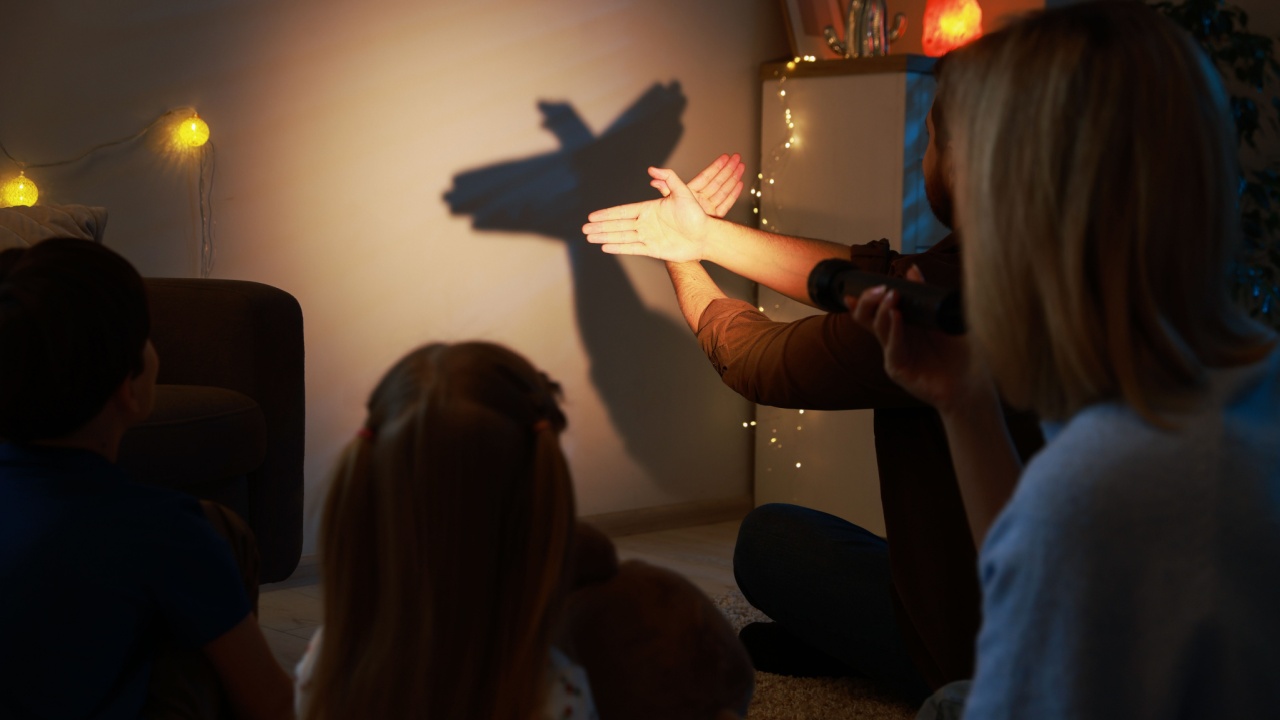
Image Credit: Shutterstock.
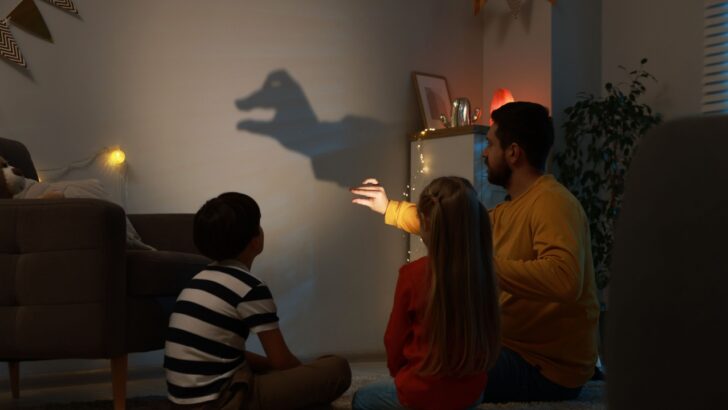
In a world of high-tech entertainment, shadow puppetry keeps its magical charm. All you need is a light source (a flashlight or desk lamp) and your hands to create animal shapes or characters on a wall.
It’s a fun way to tell stories while building creativity and coordination. Move your hand closer to the light for bigger, softer shadows, or closer to the wall for smaller, sharper ones. Add paper props or cardboard scenery for extra fun, and let kids put on a show for the family!
5. The Sheet Parachute Drop
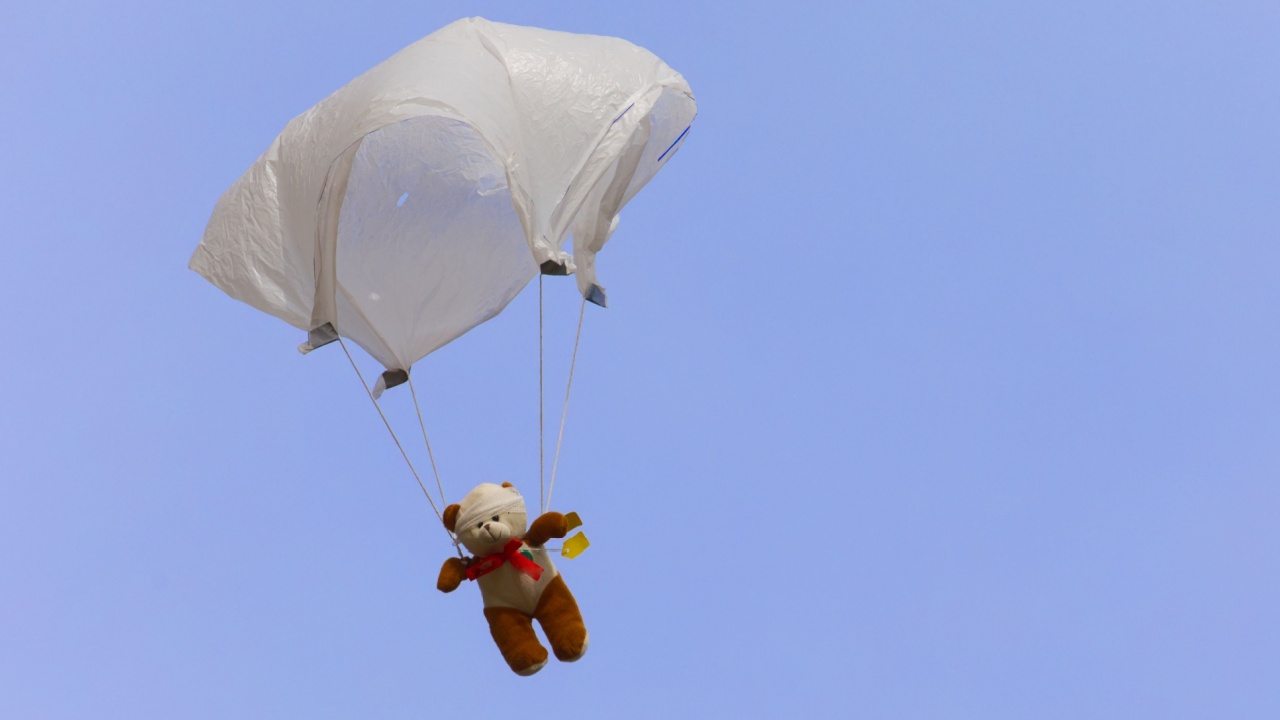
Image Credit: Shutterstock.
Learn about physics by building a tiny parachute. Tie a string to each corner of a handkerchief or small piece of fabric. Then, tie a small weight, like a toy, a washer, or a pebble, to the other end of the strings. Throw it in the air or drop it from a safe height, and watch it float down!
This is a great way to see cause and effect in action. If the weight is too heavy, the parachute will fall quickly. If the strings are tangled, it won’t open. Kids can experiment to see how different sizes of parachutes or weights change the flight time. For extra fun, try decorating the parachute or creating a target on the ground to aim for.
6. Botanical Flower Pressing
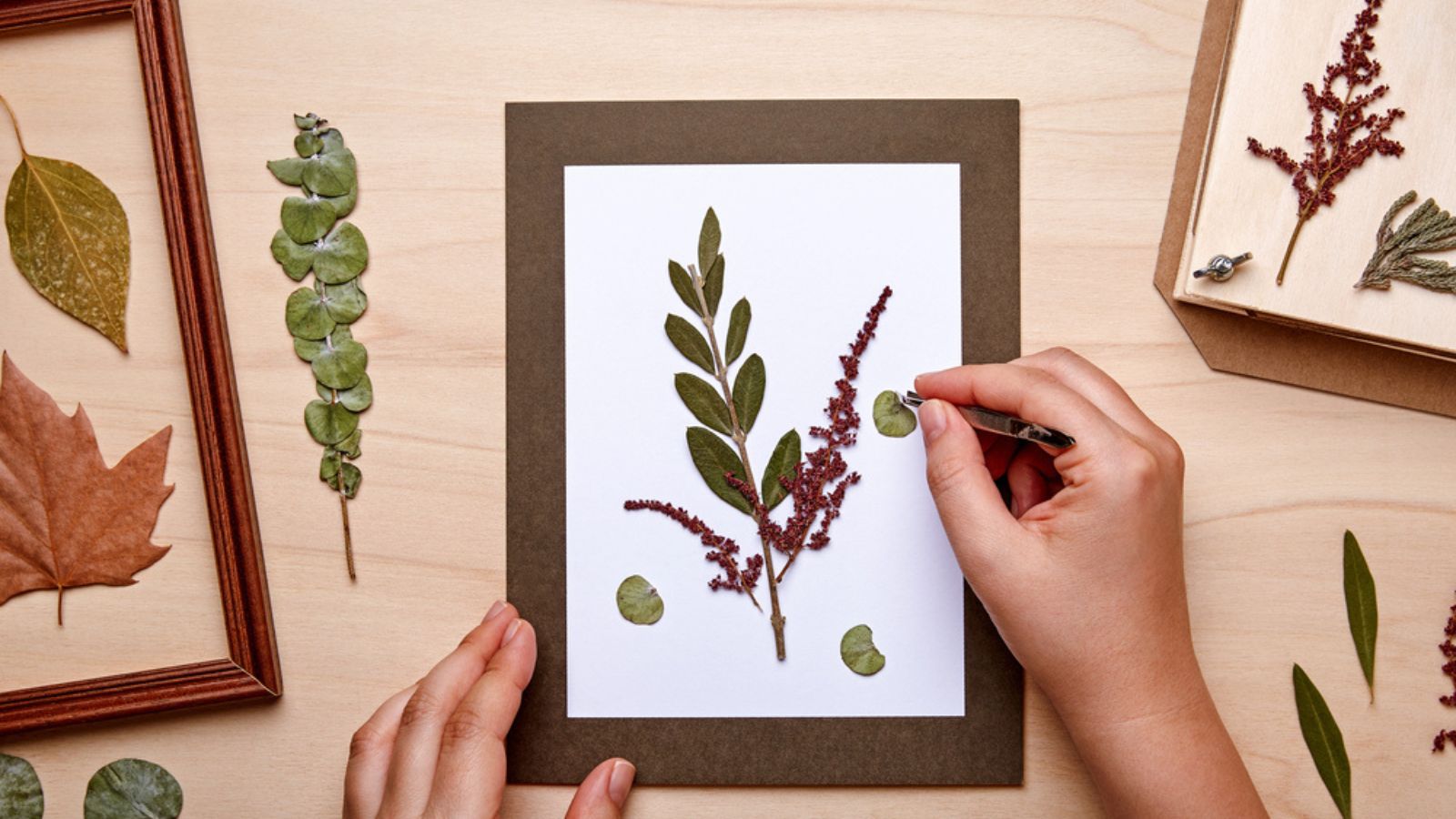
Image Credit: Deposit Photos.
Victorian and mid-century children kept nature journals with pressed flowers and leaves. This hobby combines exploring outside with preserving nature. Children find a flower or leaf, press it between parchment paper in a heavy book, and wait for it to dry flat. It helps them notice seasonal changes and small details in nature.
To try it, choose flat flowers like pansies or daisies. Use parchment paper or newspaper to protect the book from moisture. Leave the book closed for at least two weeks to let the plant dry completely. The pressed flowers can be used for crafts like cards or bookmarks.
7. The Art of Snail Mail
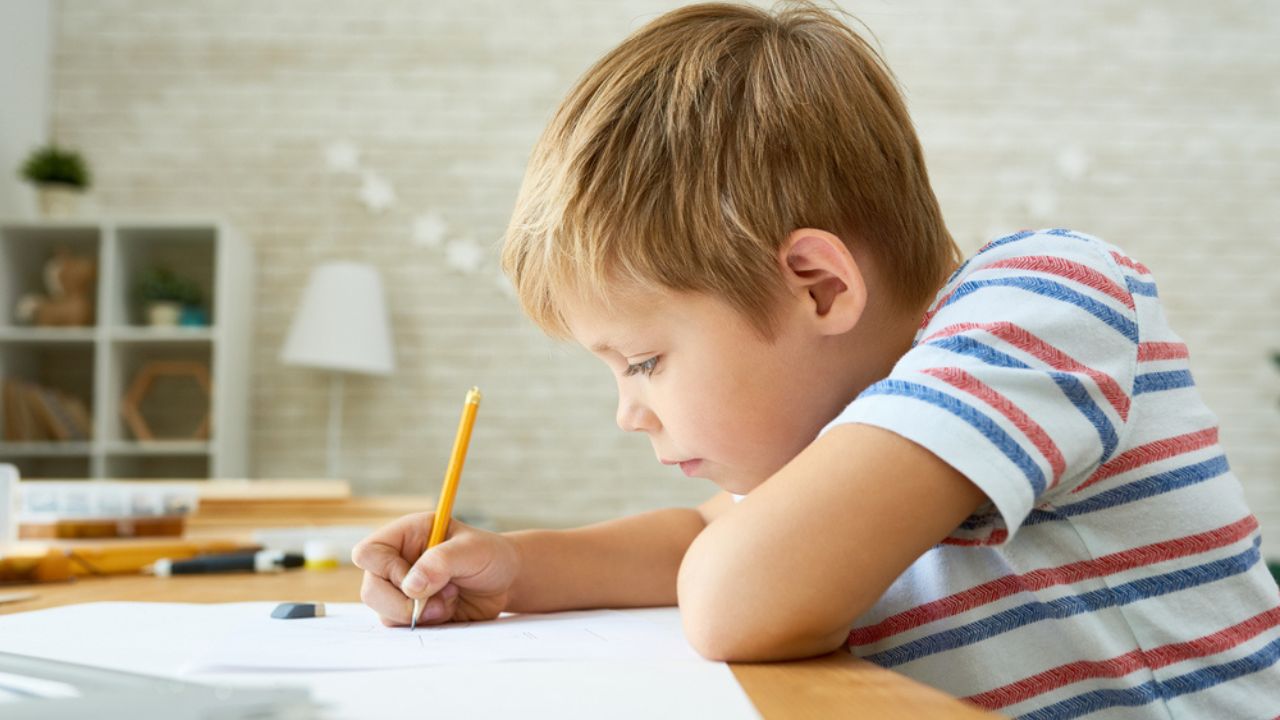
Image Credit: Shutterstock.
Letter writing is a wonderful way for kids to express themselves and connect with others. It helps improve literacy, handwriting, and creativity while fostering empathy.
Encourage them to decorate their stationery, include small items like drawings, and enjoy the excitement of sending and receiving mail. A cozy letter-writing space with fun supplies can make the experience even more special.
Bringing the Past to the Present
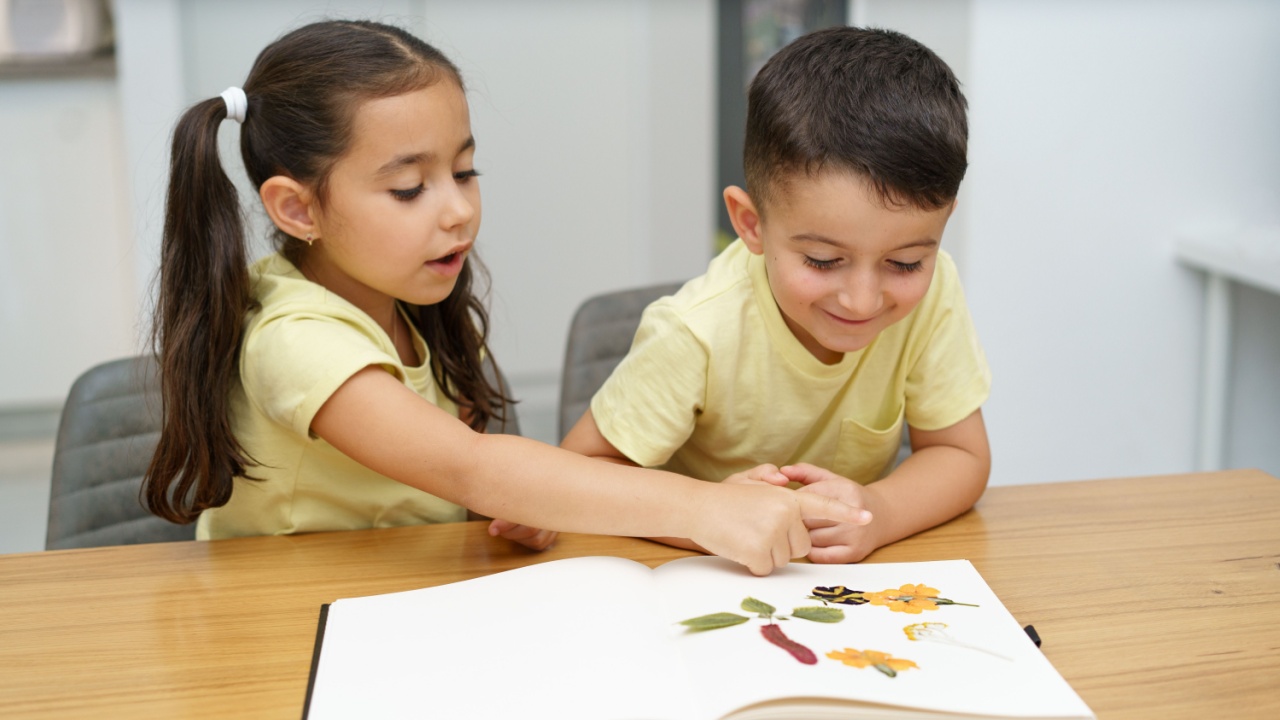
Image Credit: Shutterstock.
Revitalizing these old-fashioned hobbies equips children with timeless skills like resourcefulness, patience, and creative thinking. These activities prove that fun does not require batteries or subscriptions.
Gather the simple materials required, clear a space at the kitchen table or in the backyard, and watch as a simple bar of soap or a saucer of dirt transforms into an hour of focused, imaginative play.