
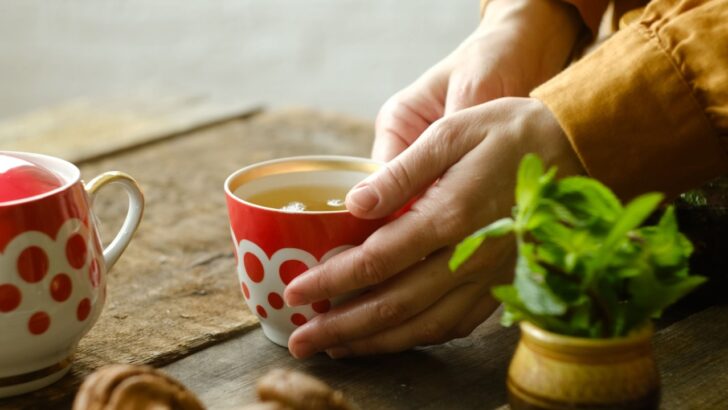
There’s a special kind of satisfaction that comes from sipping a hot cup of tea made from leaves you grew, harvested, and steeped yourself. It’s a little rebellion against the box-store tea bags gathering dust in the pantry, a way to reclaim a moment of calm in a busy day. Plus, growing an indoor tea garden is surprisingly accessible, even if your “backyard” is currently a fire escape or a sunny windowsill.
You don’t need acres of land or a degree in botany to get started. In fact, many of the best herbal tea plants thrive indoors, protected from the harsh elements (and the neighborhood squirrels). Here is how to cultivate your very own tea sanctuary, right inside your home.
1. Choose Your Tea Team Wisely
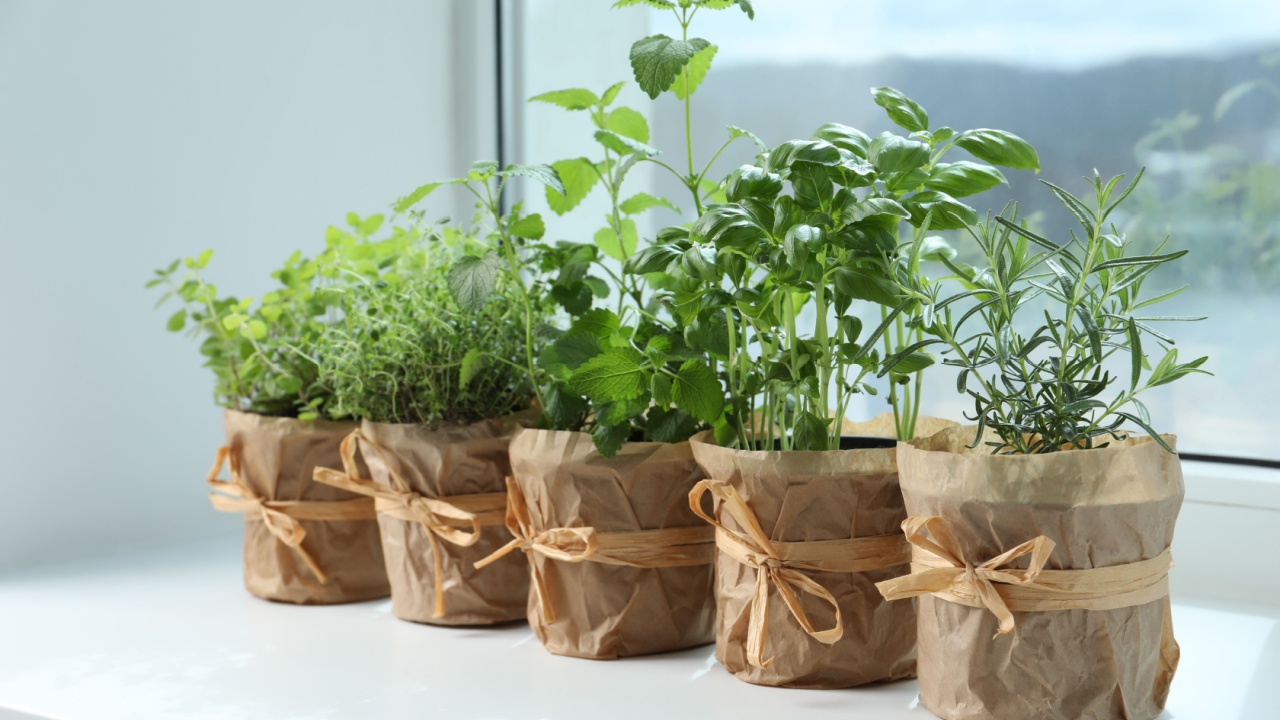
Image Credit: Shutterstock.
Not all herbs are created equal when it comes to indoor life. While it’s tempting to grab every seed packet you see, you want to start with plants that are known to behave well in containers.
- Mint: The undisputed champion of herbal tea. It’s prolific, hardy, and comes in varieties like chocolate, pineapple, and spearmint. Warning: Mint is a bit of a bully in the garden bed, taking over everything, which actually makes it perfect for a contained pot where it can’t spread.
- Lemon Balm: A member of the mint family, this herb offers a gentle, citrusy flavor that is incredible for relieving stress. It thrives in pots and gives off a lovely scent when you brush past it.
- Chamomile: The German variety is often easier for containers. Its small, daisy-like flowers are the part you brew. It adds a cheerful, wildflower vibe to your indoor setup and is the gold standard for relaxation.
- Ginger: Believe it or not, you can grow ginger from a root you buy at the grocery store. It takes a bit longer, but harvesting your own spicy, fresh ginger root for tea is a top-tier gardening achievement.
- Lavender: While it thrives in the Mediterranean sun, certain varieties, such as English Lavender, can also do well indoors if you have a bright enough spot. It adds a floral, calming note to tea blends.
- Jasmine: If you have a bit more space and a trellis, indoor Jasmine (specifically Jasminum sambac) produces incredibly fragrant flowers used to scent green teas.
2. Scout the Perfect Location
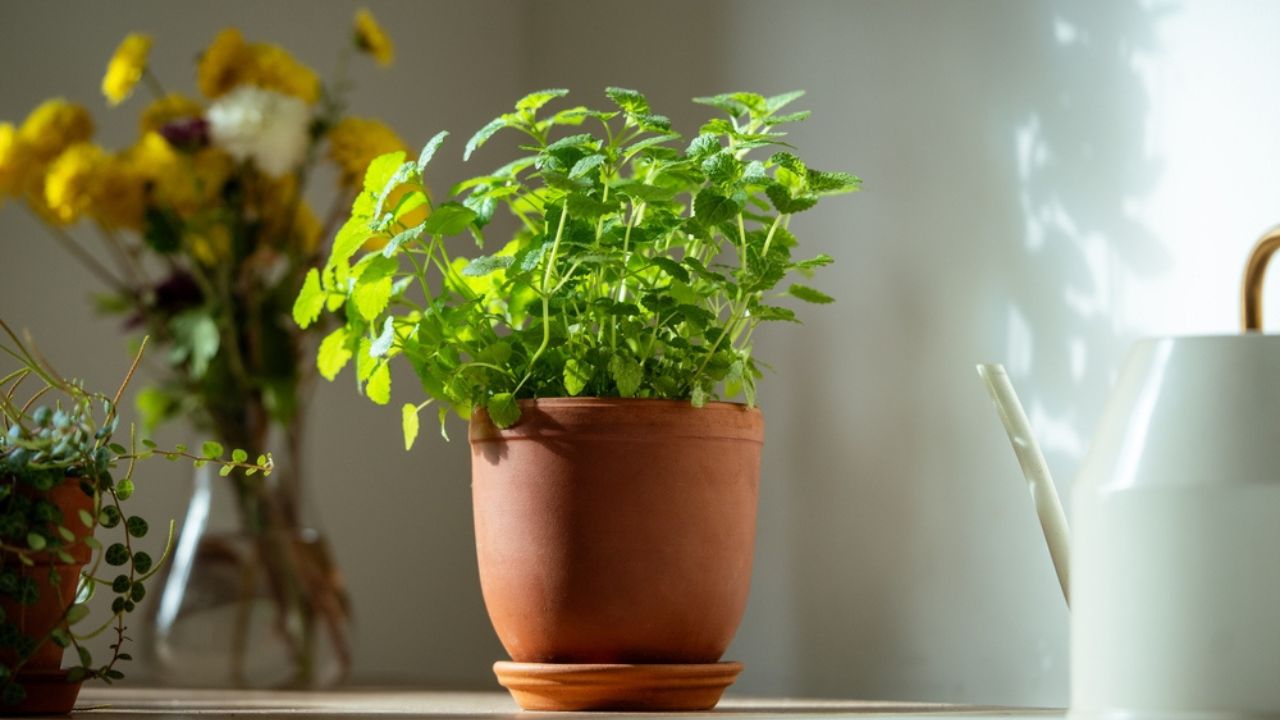
Image Credit: Shutterstock.
Your plants are essentially solar-powered, so light is non-negotiable. Most tea herbs need about 8 to 12 hours of sunlight a day. A south-facing window is usually the prime real estate in the Northern Hemisphere.
If your home feels more like a cave than a greenhouse, don’t panic. You aren’t disqualified from the tea garden club. You might just need a little help from technology. A simple full-spectrum LED grow light can be a total savior for indoor herbs, keeping them leggy-free and lush even in the depths of winter.
3. Master the Mix (Soil, That Is)
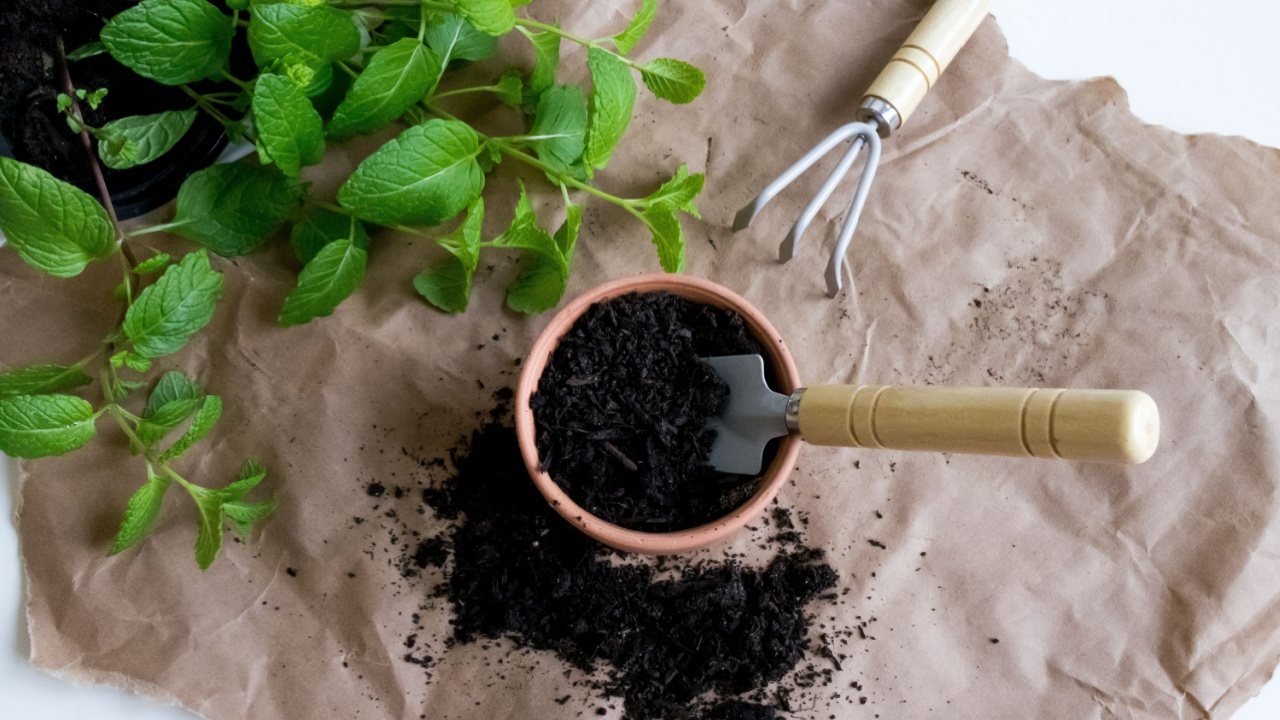
Image Credit: Shutterstock.
Do not go outside and dig up dirt from the ground. Outdoor soil is often too heavy for containers and can bring in unwanted guests (bugs and bacteria).
Instead, opt for a high-quality organic potting mix. You want something that drains well because soggy roots are the enemy of healthy herbs. To really give your plants a spa treatment, mix in a little perlite or vermiculite to keep the soil fluffy and aerated. This ensures water flows through the pot rather than sitting at the bottom and causing root rot.
4. The Water Balancing Act
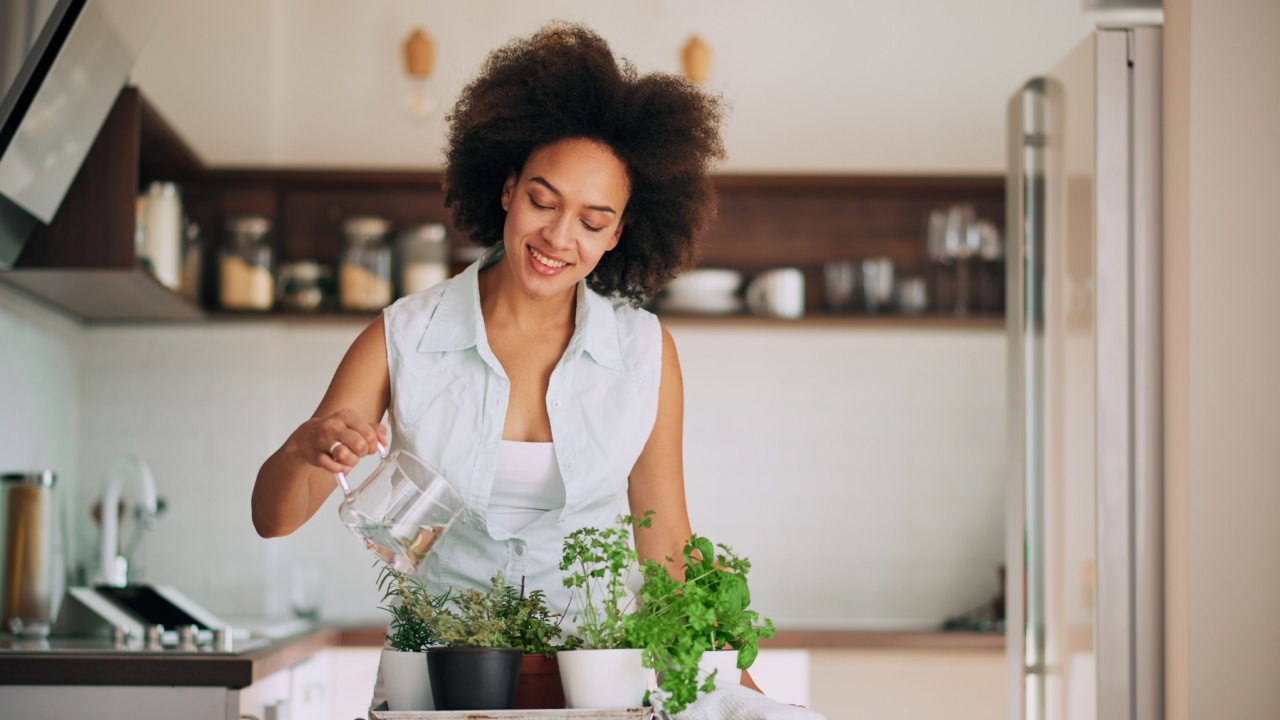
Image Credit: Shutterstock.
Watering is where most indoor gardens meet their demise. We tend to love our plants to death by overwatering them.
The trick is the “finger test.” Poke your finger about an inch into the soil. If it feels dry, it’s time to water. If it’s still damp, walk away. Herbs like lavender and thyme prefer to dry out a bit between waterings, while mint and lemon balm like to stay consistently moist (but not swimming).
Also, ensure your pots have drainage holes. If you fell in love with a decorative pot that doesn’t have a hole, just use it as a “cachepot”—plant your herb in a plastic nursery pot with holes, and set that inside the pretty one.
5. Pruning is Harvesting (and Vice Versa)
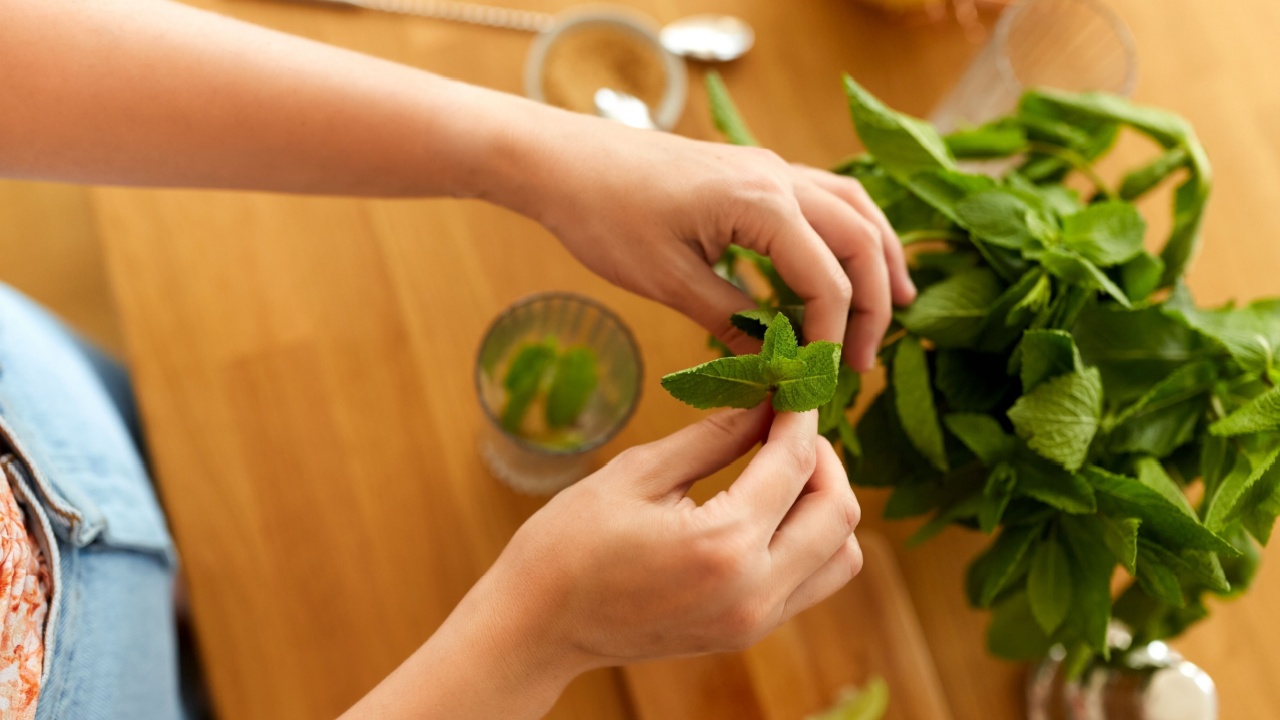
Image Credit: Shutterstock.
Here is the best part: the more you use your tea garden, the better it grows. Pinching off leaves for your morning brew actually encourages the plant to become bushier and produce more foliage.
Always snip from the top growth, just above a set of leaves. This stops the plant from getting tall and spindly. For flowering herbs like chamomile, you’ll want to harvest the flower heads when they are fully open. Regular harvesting prevents the plant from bolting (going to seed) too early, extending your harvest season.
6. Drying and Storing Your Bounty
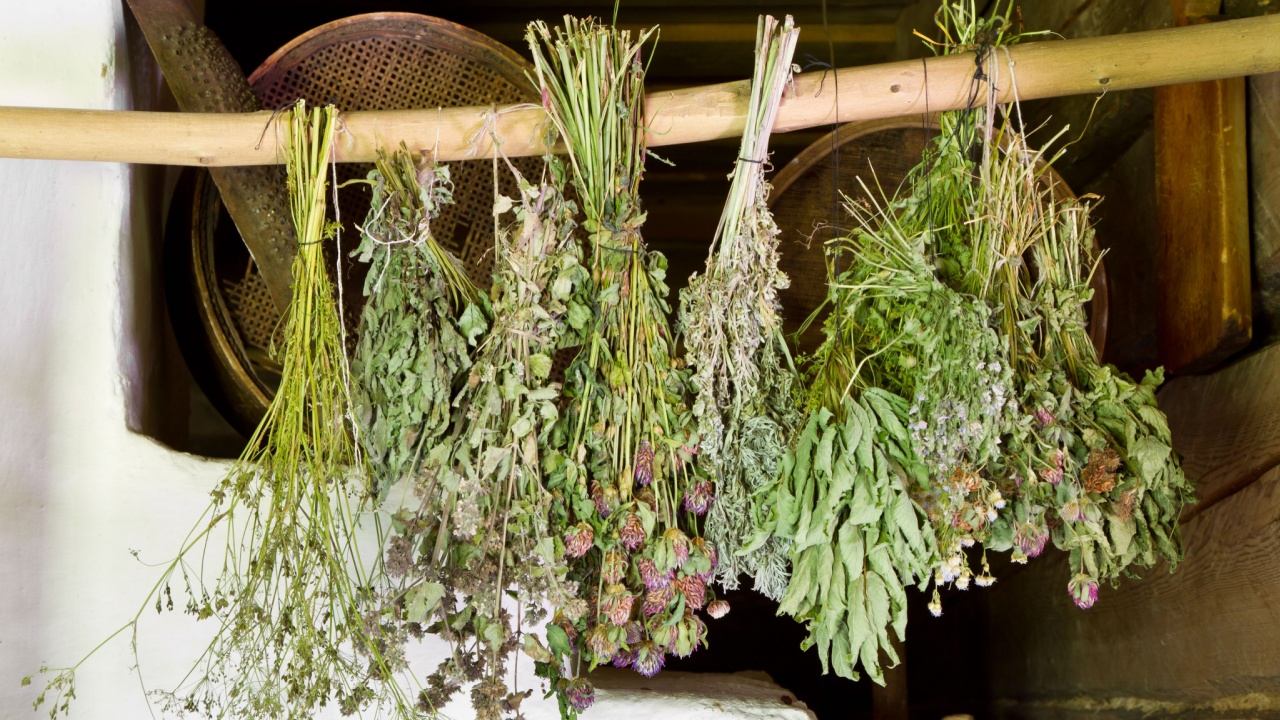
Image Credit: Shutterstock.
While fresh herbal tea is delicious, sometimes you have a bumper crop you can’t use all at once. Drying your herbs concentrates the flavor and lets you keep summer vibes alive in January.
- Air Drying: Bundle stems together with twine and hang them upside down in a warm, dry, airy spot out of direct sunlight.
- Oven Drying: Place leaves on a baking sheet and set your oven to its lowest possible setting. Leave the door cracked open slightly and check them often until they are crisp.
Once they are bone-dry, crumble the leaves and store them in airtight glass jars away from light. Label them, because dried mint and dried lemon balm look suspiciously similar three months later.
Time to Brew

Image Credit: Shutterstock.
Now that you know, all that’s left is to get your hands a little dirty. Start small, maybe just a pot of mint and a pot of chamomile on the windowsill. As you get comfortable, you can expand your collection and start creating your own custom blends.