

The hobby room is the mythical space where half-finished paintings, guitars gathering dust, and piles of yarn go to live their best lives. It’s often treated as the junk drawer of the house, a place where good intentions meet their cluttered end. A creative space can be a functional, inspiring sanctuary instead of a chaotic corner of shame.
Creating a room that fuels your passion comes down to smart, intentional design instead of a massive budget. It’s a space built just for you, designed to support your creative flow and make it easier to do what you love. Here are six foundational ideas to transform any spare room, neglected nook, or forgotten basement into a true haven for your hobby.
1. Start with Purpose
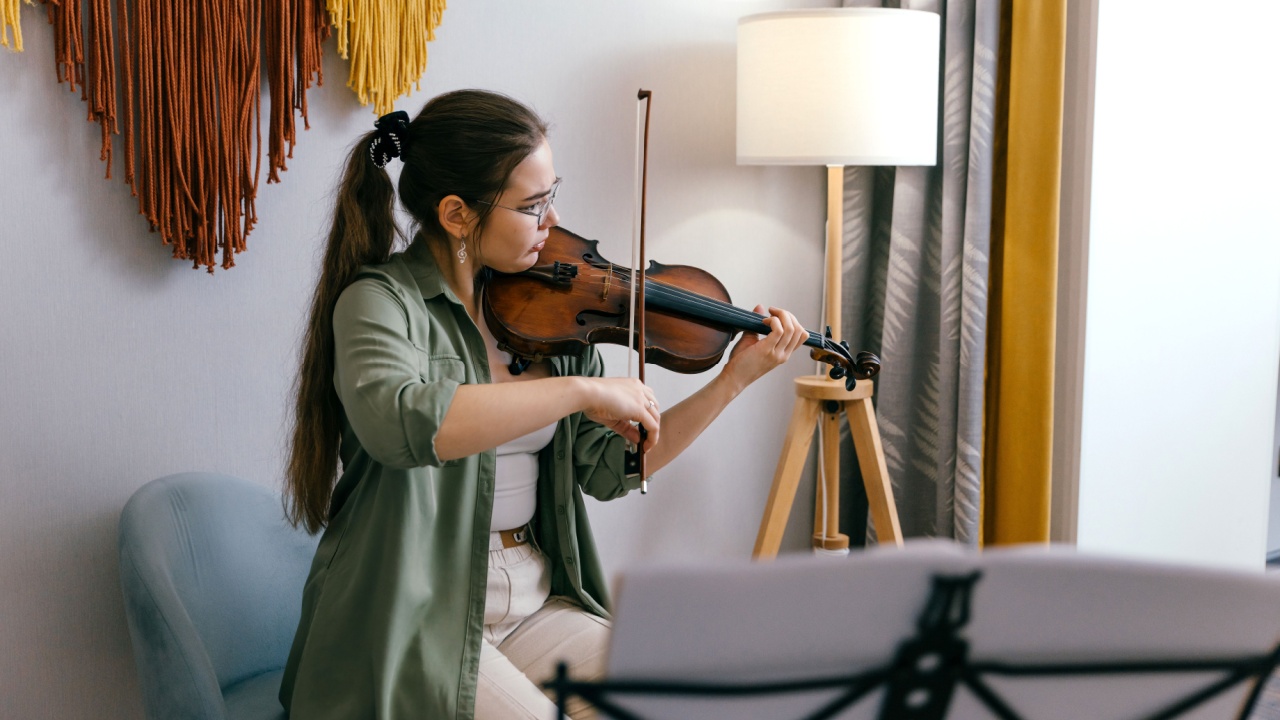
Image Credit: Shutterstock.
Before you buy a single paint can or piece of furniture, pause to define what this room is truly for. Is it a serene yoga studio, a bustling craft station for your side hustle, or a quiet library for getting lost in stories? Without a clear goal, your hobby room can quickly become a multi-purpose mess where nothing gets done. You can’t paint a masterpiece while also trying to assemble a miniature ship in the same three square feet.
Defining your purpose sets the stage for every other decision. It determines the layout, the type of storage needed, and the overall atmosphere. Musicians may focus on soundproofing and instrument stands, while writers prioritize a comfortable chair and an uncluttered desk. Being honest with yourself about how the space will be used stops you from creating a room that looks nice for social media but doesn’t work for your needs.
2. Create Zones That Support Flow
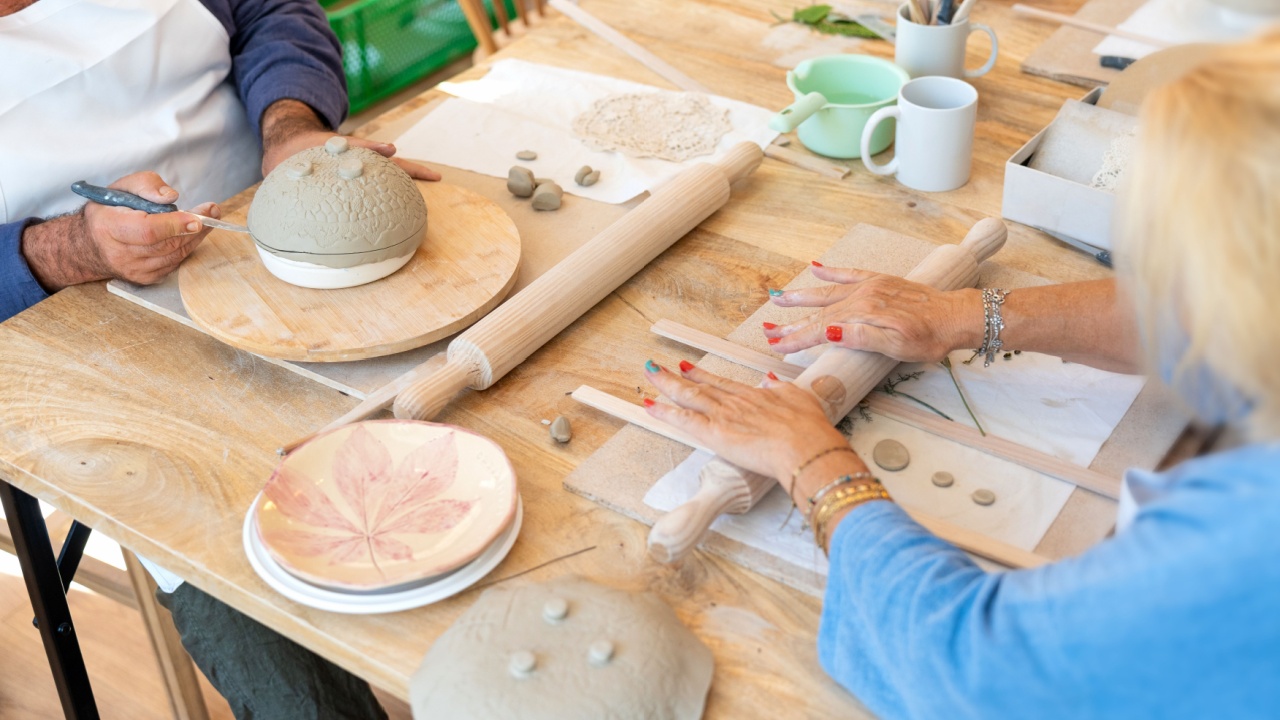
Image Credit: Shutterstock.
Once you know your room’s mission, step into the role of traffic controller. Creating distinct zones for different activities is a simple way to bring order to creative chaos. Even in a small space, specific areas can be set aside for certain tasks. This mental and physical separation helps your brain switch gears and keeps your focus where it belongs.
Set up your room based on workflow. A useful arrangement includes three main zones: a primary work area, a supply storage area, and a spot for relaxation or inspiration. Your work area acts as the command center where everything gets done. Supplies should be close to your work area to avoid unwanted interruptions. Add a small relaxation spot, maybe a comfortable armchair or a spot by a window, for taking breaks or brainstorming without leaving your creative bubble.
3. Use Storage That Doubles as Decor
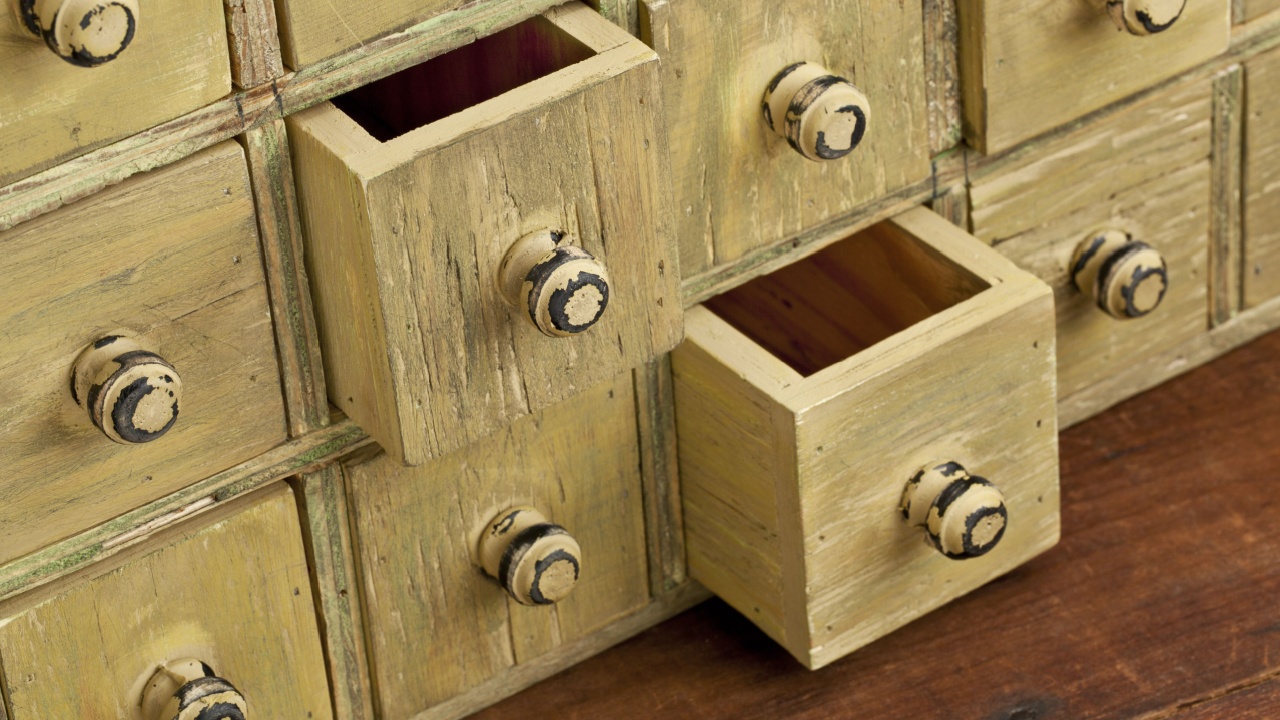
Image Credit: Shutterstock.
Storage is often seen as just a functional problem to solve, but it’s also a huge design opportunity. Skip plastic bins and clunky metal cabinets. Choose storage solutions that deliver on practicality and style. When storage fits into the decor, the room feels cohesive and thoughtfully designed, not like you’re hiding things out of sight.
Open shelving is perfect for displaying colorful yarn, beautiful books, or neatly arranged paint tubes. Wicker baskets can add texture while hiding less attractive supplies. A vintage apothecary cabinet could hold tiny beads and findings, while a pegboard can be a versatile and modern way to hang tools.
4. Light for Both Energy and Calm
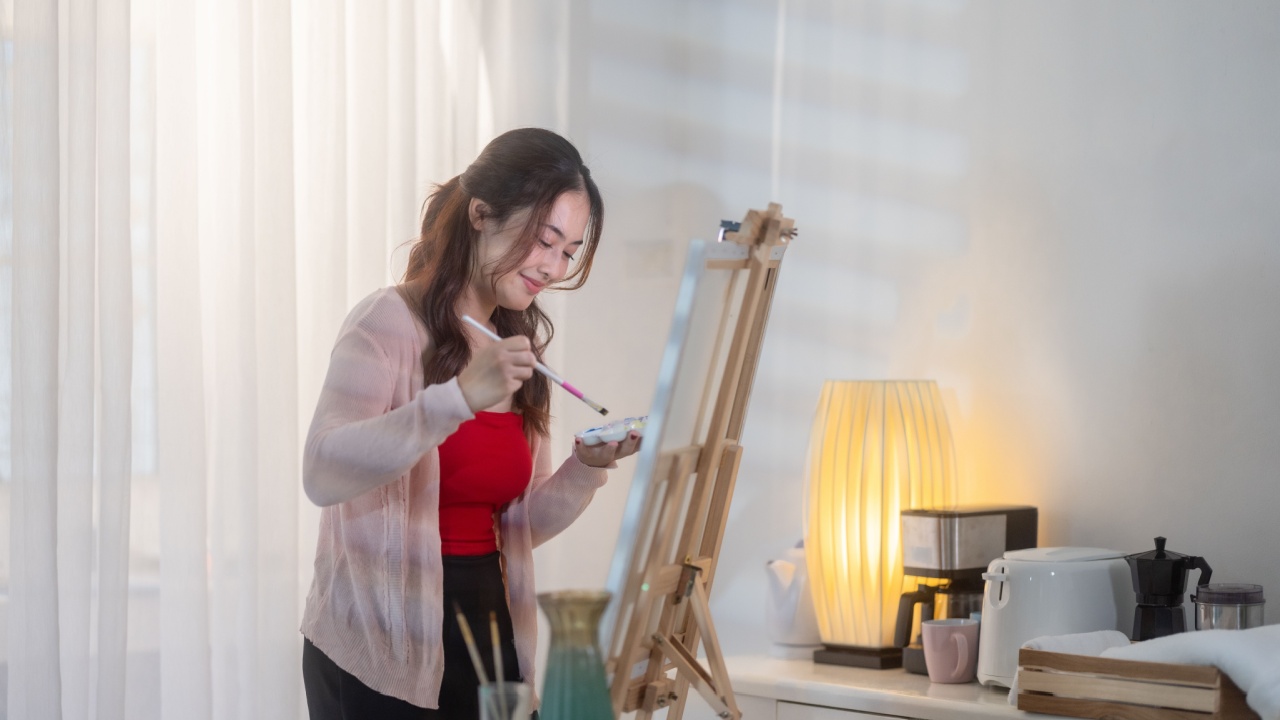
Image Credit: Shutterstock.
Lighting can completely change the feel of a room, influencing your mood and energy levels. A poorly lit space can feel draining and uninspiring, which is the last thing wanted in a hobby room. The aim is to create a layered lighting plan that is both functional and atmospheric. Combining different light sources gives you the flexibility to set the environment for any task or mood.
Make use of natural light. If you have a window, avoid blocking it with heavy furniture or dark curtains. Natural light can lift your mood and boost energy. Next, add task lighting. This is bright, focused light aimed directly at your workspace, like a desk lamp or an overhead track light. It helps reduce eye strain and makes detailed work easier. Finally, introduce ambient lighting, such as a floor lamp or string lights, to create a soft, relaxing glow for brainstorming or winding down.
5. Colors That Reflect Your Mood Goals

Image Credit: Shutterstock.
Color has a real influence on the mood of a space. The colors in your hobby room should support the feeling you want to create. Want calm and focus or a burst of creative energy? It’s all personal; pick shades that help you enjoy your time, no matter your passion. If your hobby needs deep concentration, like writing or meditation, try calm, neutral tones. Soft blues, gentle greens, and warm grays help create a serene, focused environment.
These colors tend to recede, letting your mind tune out distractions. If your hobby is active and energetic, such as painting or brainstorming a new project, consider more stimulating colors. Splashes of yellow, orange, or turquoise bring energy and encourage bold thinking. You can use an accent wall or vibrant accessories for a creative boost without making the space overwhelming.
6. Keep Tech in Balance

Image Credit: Deposit Photos.
With constant connectivity, technology can be a helpful creative tool and a constant distraction. To build a productive hobby room, manage tech with intention. Rather than letting devices take control, use a setup that lets tech support creativity without dragging you into endless notifications or sidetracked scrolling.
Designate a specific spot for devices. This could be a charging station on a side table or a dedicated shelf. When a tablet isn’t being used for a tutorial or a laptop for editing, put it away. This small action sets a mental boundary. If a computer is necessary for your hobby, integrate it into the workspace with tidy cables out of sight. Make technology a deliberate part of your process, never the default focus of the room.
From Blank Room to Personal Playground
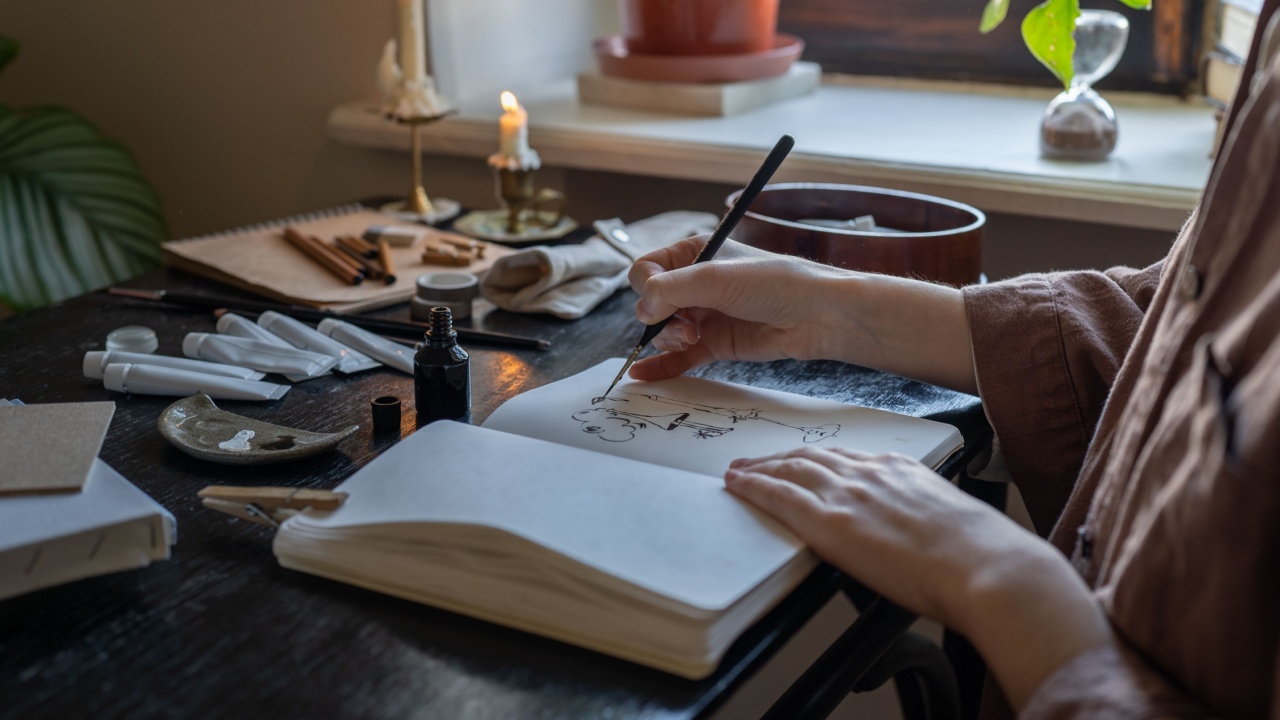
Image Credit: Shutterstock.
Your hobby room doesn’t need a grand reveal or a ribbon-cutting ceremony. Snap up a forgotten corner, clear off a desk that’s been holding last year’s mail, and dedicate it to what actually excites you. Watch how purpose creeps in when supplies have a home and lighting doesn’t hint at a bat cave. Each tweak you make delivers a space that quietly backs you up, laughs with you when the glue gun misfires, and leaves plenty of room for your next wild idea.