

Did you know a handful of smart details can change how a kitchen feels without touching the layout? Color reshapes a room quietly. A small shift in tone can lift the mood, sharpen focus, and make daily kitchen tasks feel lighter.
Current kitchen design leans toward color that moves easily. Instead of paint or permanent changes, designers rely on objects that earn their place and add personality at the same time. These pieces can be swapped, stored, or refreshed with the season, keeping the space lively without locking it into one look. The result is a kitchen that stays practical, modern, and easy to live with while still showing some character.
This post contains affiliate links. As an Amazon Associate, I earn from qualifying purchases. This means I may earn a small commission if you purchase through my links at no extra cost to you.
1. Display Colorful Cookware & Small Appliances
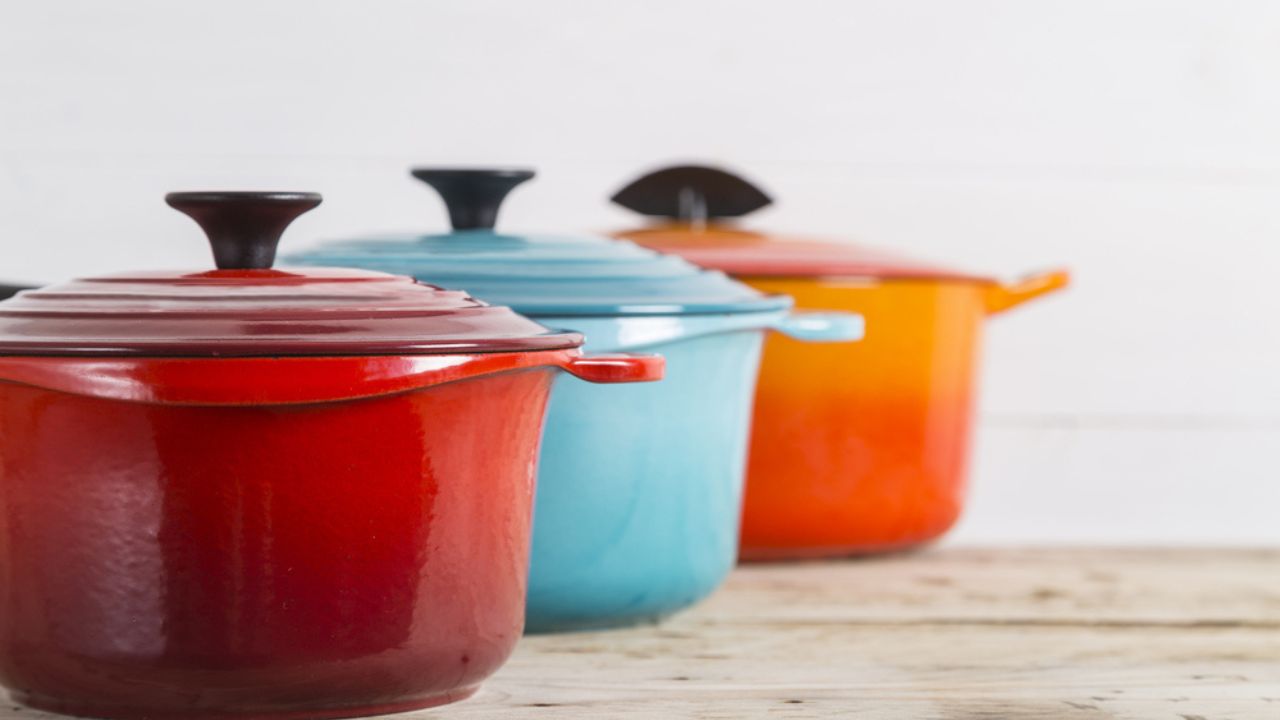
Image Credit: Shutterstock.
Small appliances have stepped beyond pure function and into the design spotlight. Stand mixers, kettles, coffee makers, and toasters now come in bold shades like teal, yellow, red, and soft pastels. Because these items sit on countertops, they naturally draw attention and add instant personality.
Unlike wall décor, they are used daily, reinforcing the sense that the kitchen is lively and intentional. Design experts note that using functional objects as décor helps a space feel less staged and more lived-in.
2. Peel-and-Stick Backsplashes
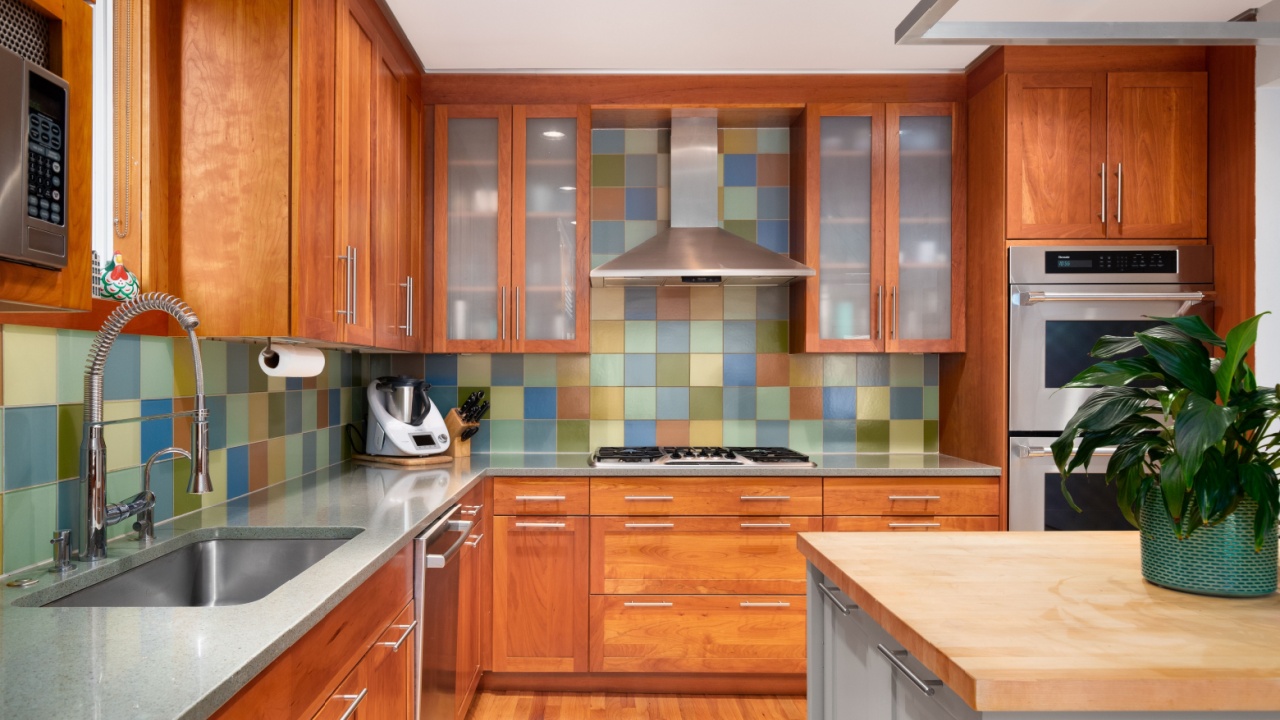
Image Credit: Joseph Hendrickson / Shutterstock.
A backsplash naturally becomes a focal point, making it a perfect place for color. Peel-and-stick tiles offer bold patterns and hues without the commitment of traditional tile or paint. They are especially useful for renters or anyone wanting a reversible upgrade.
Patterned surfaces add visual depth and help define zones within open spaces. A colorful backsplash can visually anchor the kitchen while keeping the rest of the space calm.
3. Open Shelving Styled With Colorful Dishware
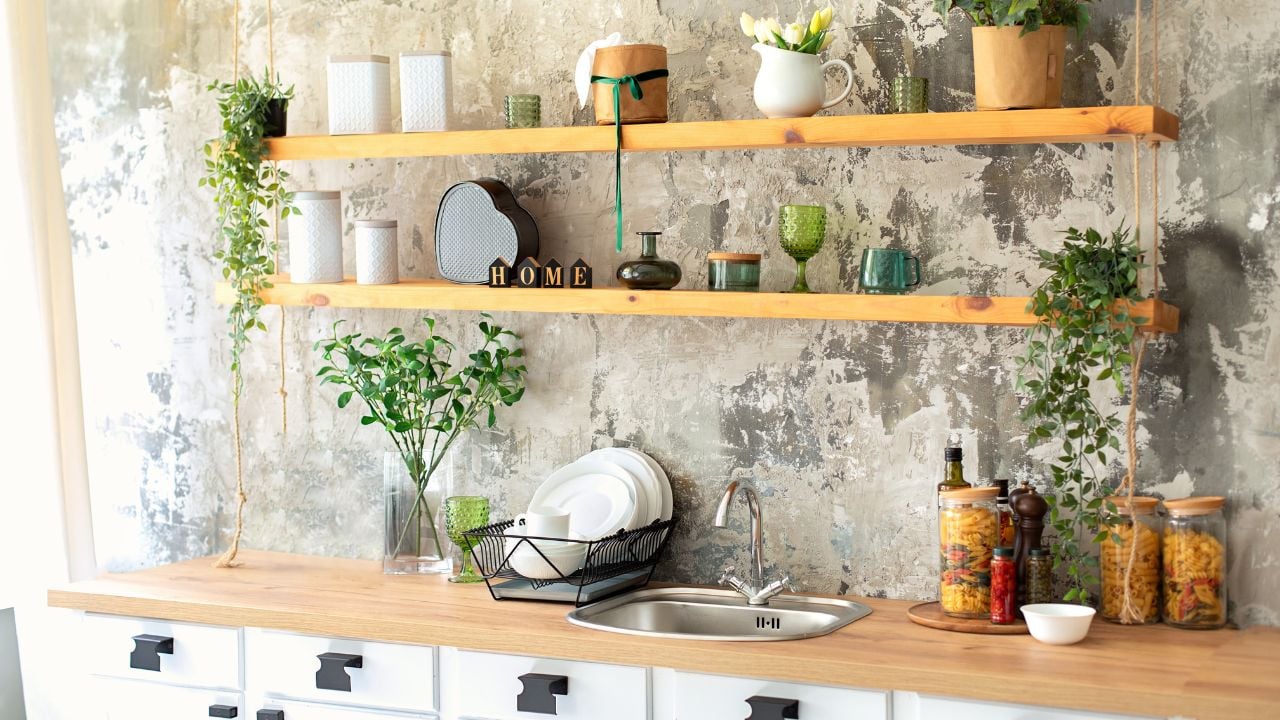
Image Credit: Shutterstock.
Open shelves turn everyday items into décor. Colorful plates, bowls, mugs, cookbooks, and vases can be arranged to add warmth and personality without changing the structure of the kitchen.
This option works because color becomes flexible. Items can be swapped seasonally or rearranged easily, allowing the kitchen to evolve in design.
4. Statement Rugs and Kitchen Runners
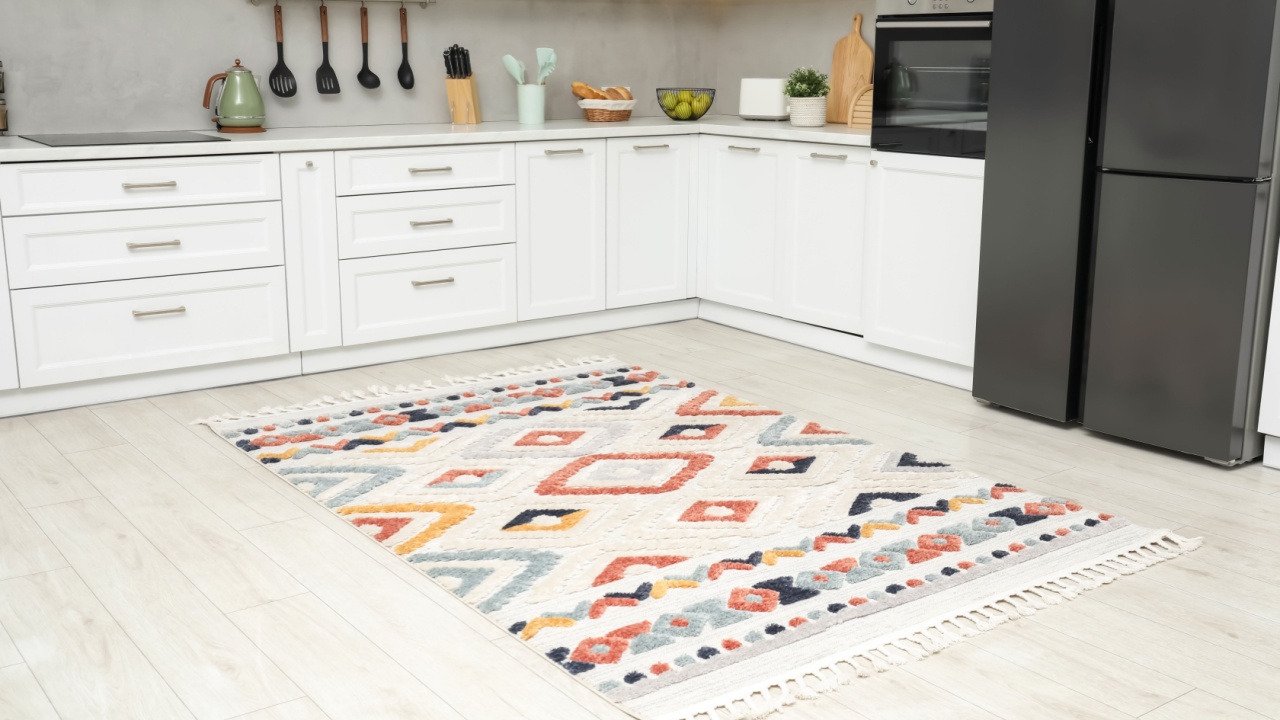
Image Credit: Shutterstock.
Floors are often overlooked when adding color, yet a patterned rug or runner can completely change a kitchen’s look. Rugs add warmth, comfort, and texture while introducing bold colors in a controlled way.
Soft surfaces in workspaces reduce fatigue and improve overall satisfaction. In kitchens, this means both visual appeal and physical comfort during long cooking sessions.
5. Colorful Lighting Fixtures and Hardware
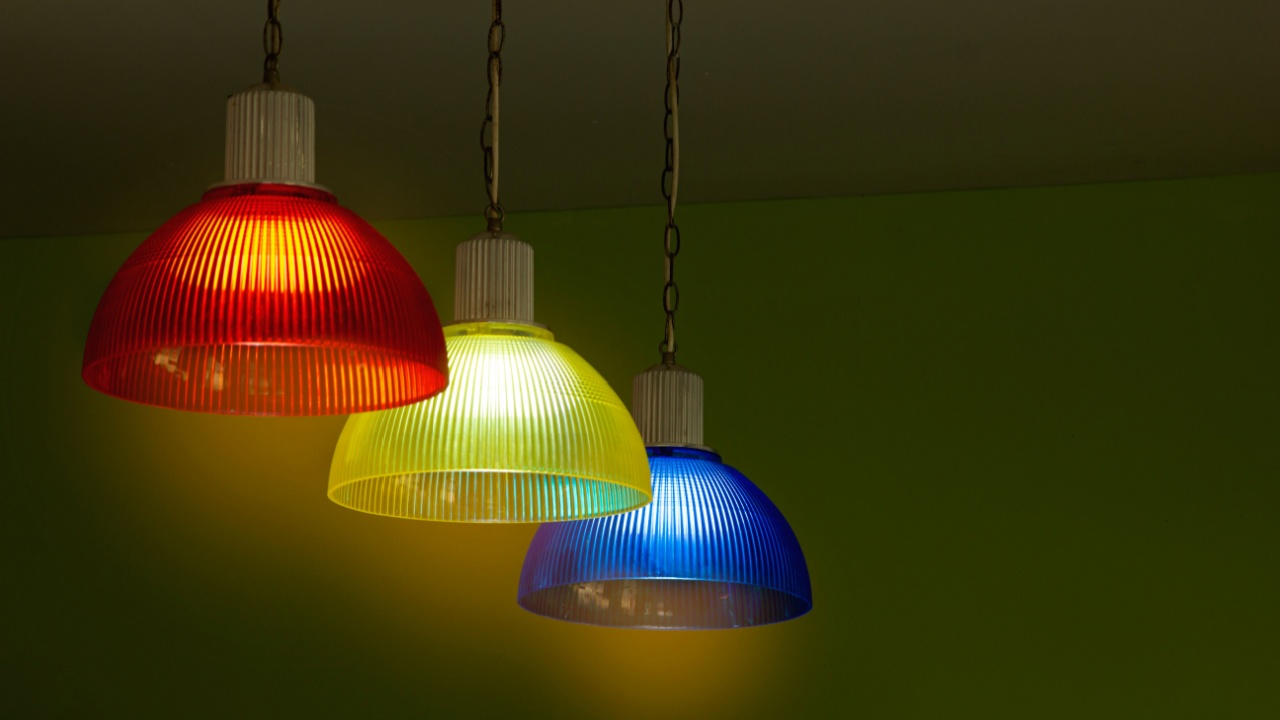
Image Credit: Shutterstock.
Lighting does more than just brighten a room, as it shapes how colors are perceived. Pendant lights, lamps, or even colorful cabinet hardware can introduce subtle or bold pops of color while elevating the overall design.
Well-placed fixtures enhance spatial perception and make rooms feel more intentional. A colorful light fixture also draws the eye upward, balancing other color elements in the kitchen.
6. Plants and Herb Gardens for Natural Color
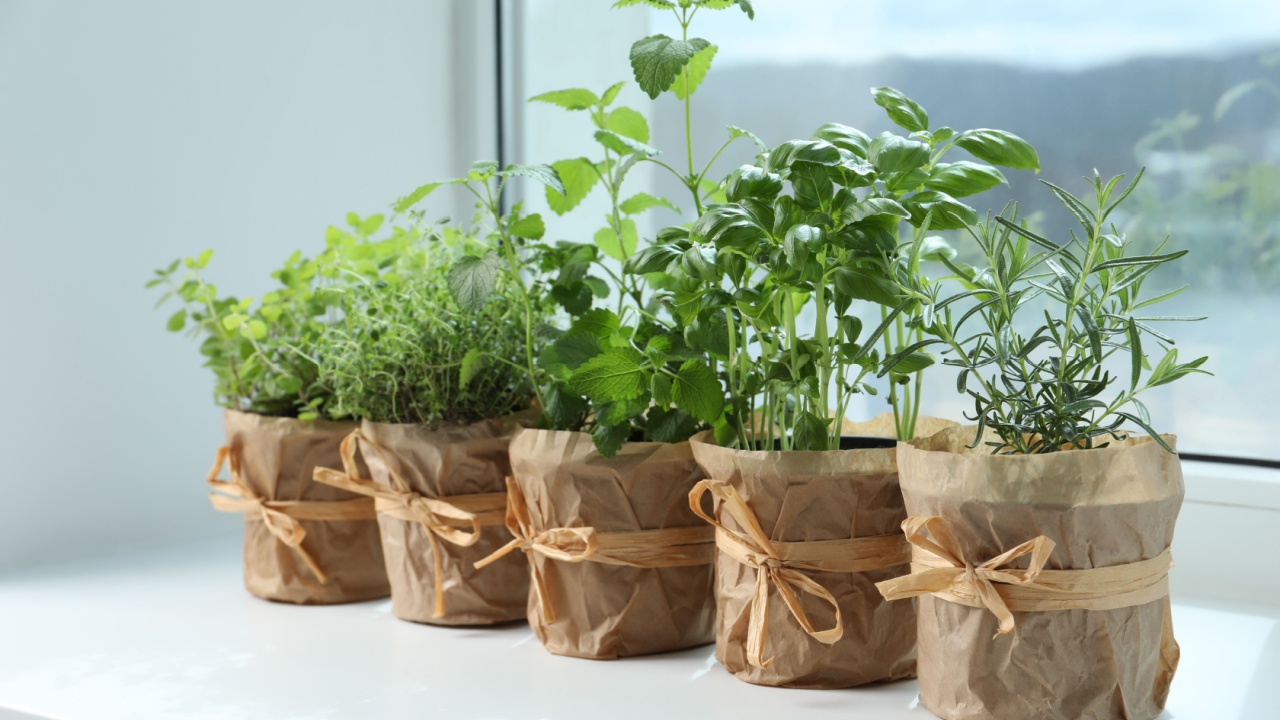
Image Credit: Shutterstock.
Greenery adds living color that paint cannot replicate. Herbs, potted plants, or even high-quality faux plants bring freshness and softness to kitchens filled with hard surfaces like metal and stone.
Indoor plants can reduce stress and improve perceived air quality. In kitchens, herbs also add function, blending décor with everyday cooking needs.
Where Color Goes Next
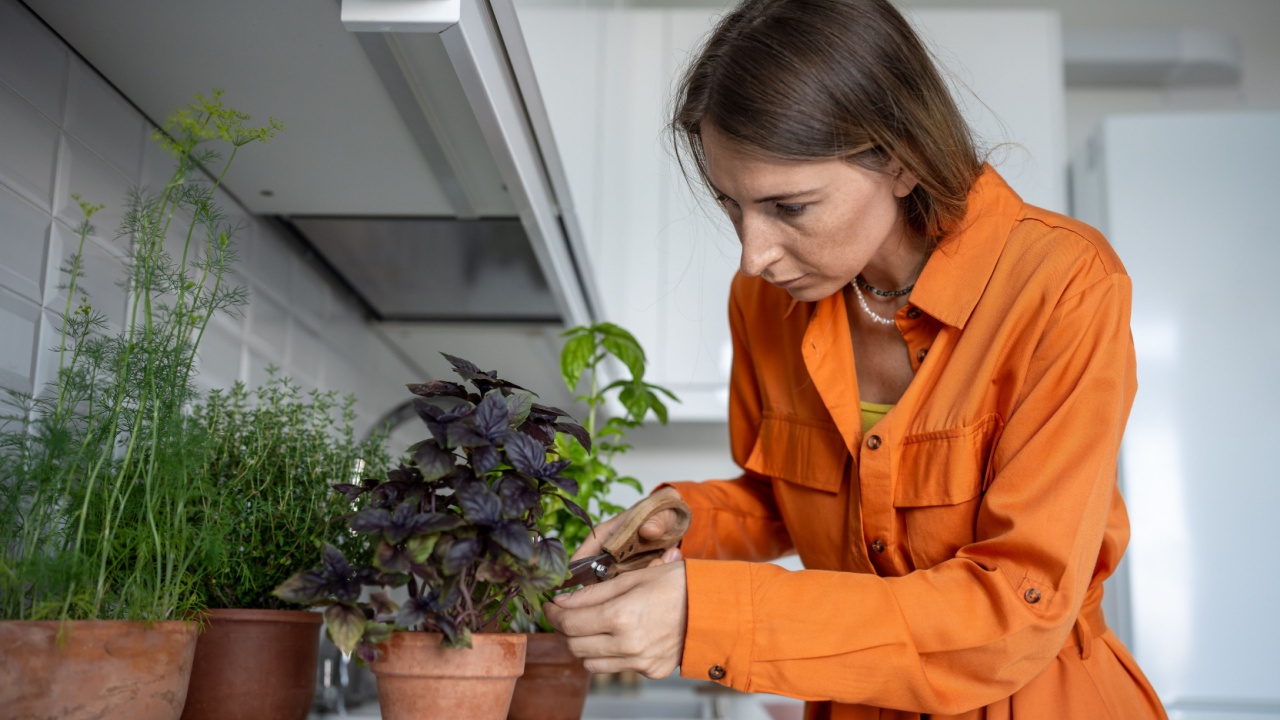
Image Credit: Shutterstock.
Adding color to a kitchen does not require paint, power tools, or a full renovation. The most effective approach is to start with one category, like appliances, textiles, or greenery, and build outward with intention. Keeping a limited color palette helps the space feel cohesive rather than cluttered.
For anyone focused on home and garden living, these upgrades work beautifully with seasonal changes: lighter colors in spring and summer, deeper tones in fall and winter. Over time, small updates create a kitchen that feels energetic, welcoming, and truly lived-in — all without opening a paint can.