6 “Safer” Poinsettia Alternatives That Are Actually More Dangerous to Your Pets
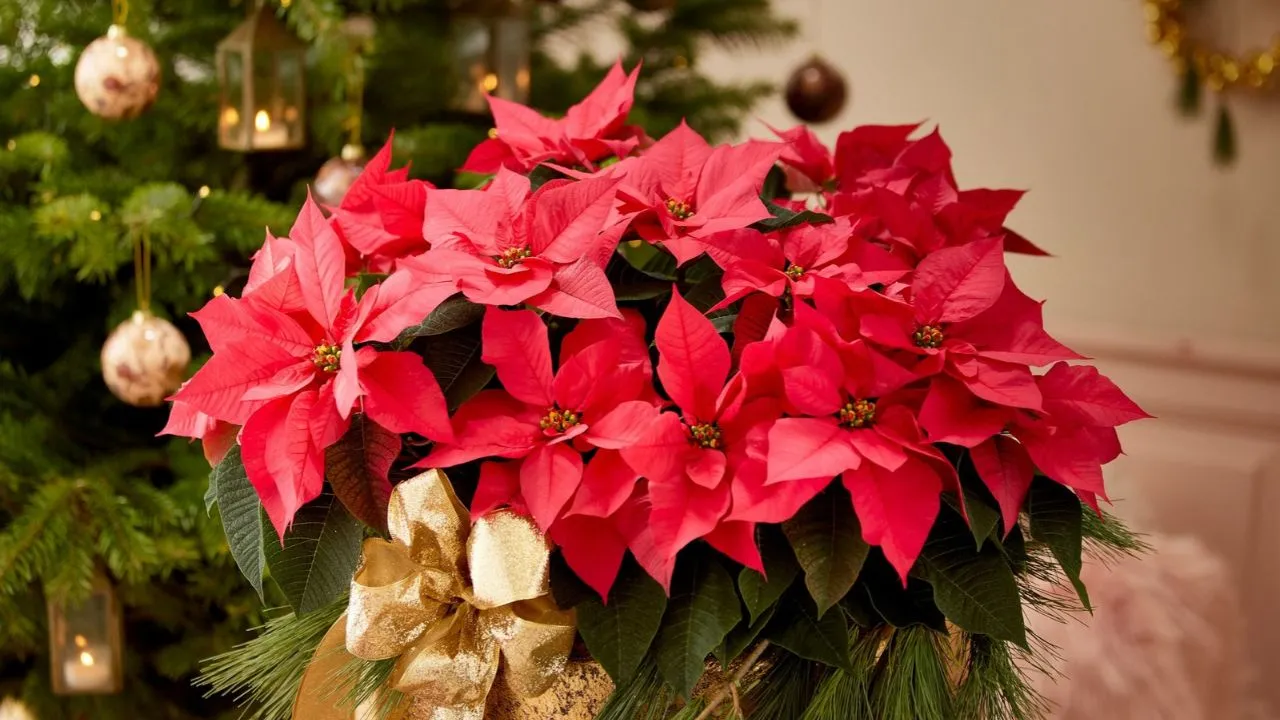
Every year, a fresh wave of advice tells pet owners to skip the poinsettia and decorate with amaryllis, hellebores, cyclamen, kalanchoe, mistletoe, or ivy instead. When, actually, the poinsettia is one of the least dangerous plants you can bring home this holiday season. Several of the trendy “better” plants replacing it are not.
The industry is leaning in, too; Greenhouse Management reports that cyclamen and orchids have become common trade-outs for growers chasing slumping poinsettia sales. The trouble is that several of those swaps for the traditional poinsettia carry heart-affecting compounds the poinsettia never had.
The stakes are bigger than one windowsill. Potted poinsettias brought in $157 million at wholesale in 2020, according to USDA figures summarized by the Agricultural Marketing Resource Center, which is a lot of holiday shopping steered by a reputation the plant does not deserve. Gardeners in their 50s and 60s grew up hearing the poinsettia warning long before anyone fact-checked it. Getting this right in November, before the plants come home, costs nothing.
So before you fill the cart, take a hard look at six popular poinsettia alternatives that deserve far more caution than the plant they replace, plus the old-fashioned favorite your grandmother kept for decades that beats them all.
Why the Poinsettia Was Never the Real Threat

Researchers at Ohio State University settled this in 1971, feeding rats extraordinarily high doses of poinsettia with no deaths, no symptoms of toxicity, and no change in appetite. To match those doses, a 50-pound child would have to eat more than 500 leaves. Robert McMahon, who coordinates the greenhouse program at Ohio State’s Agricultural Technical Institute, adds the detail every pet owner will appreciate: “Poinsettia vegetation tastes lousy!”
The scare traces to an unconfirmed account of a toddler’s death in a 1920 academic article on Hawaii’s poisonous plants, later repeated in a 1944 textbook, according to University of Missouri Extension. Writing in Today’s Veterinary Practice, Charlotte Means, director of toxicology at the ASPCA Animal Poison Control Center, calls the story a probable urban legend; in pets, the milky sap typically causes drooling and vomiting that is mild and clears up on its own.
Here are 6 poinsettia alternatives you should avoid buying this holiday season, and maybe consider going back to the beloved holiday poinsettia after all.
1. Amaryllis: Stop Leaving the Bulb Within Reach
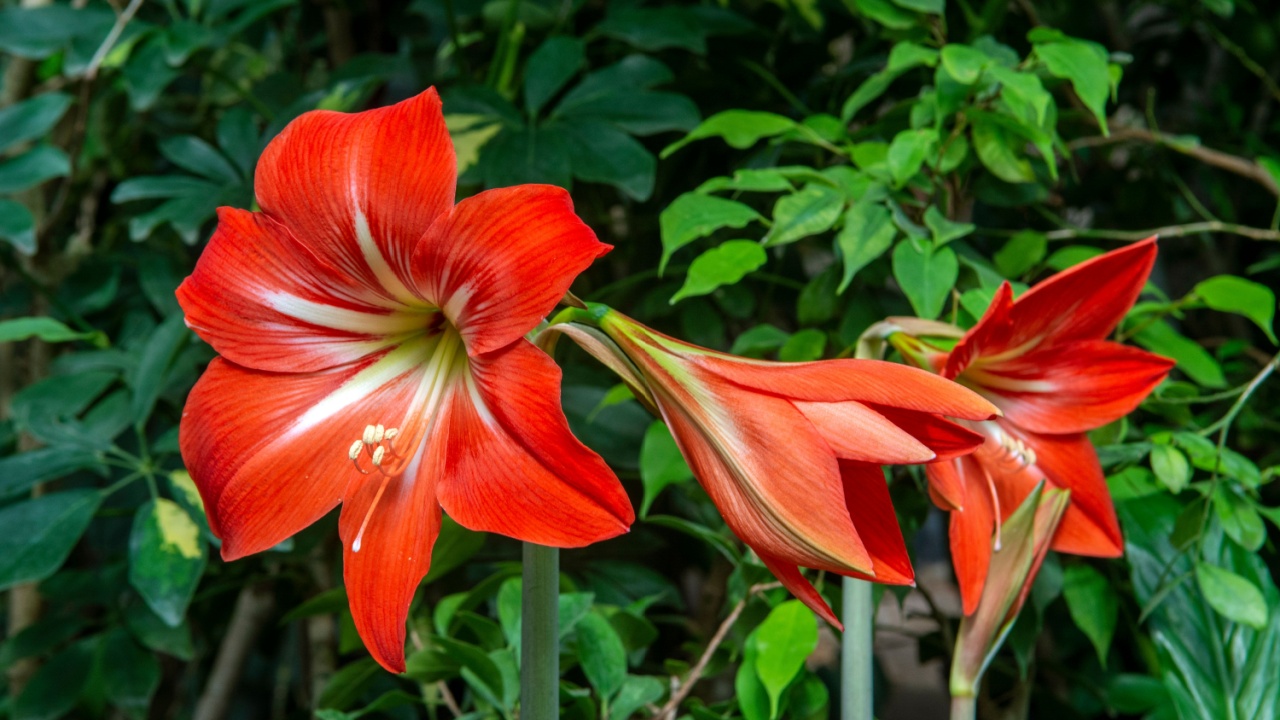
Boxed amaryllis kits are everywhere this November, and Penn State Extension states plainly that the plant is “poisonous to cats and dogs.” Its alkaloids concentrate in the bulb. Means notes that leaf nibbling usually means a bout of vomiting, while eating part of a bulb can bring tremors, and large bulb ingestions can cause low blood pressure and seizures. Dogs are the bigger worry, since she observes that cats tend to nibble while dogs are more likely to eat the whole plant, soil, roots, bulb and all. Keep pots high and never store loose bulbs in a bin a dog can reach.
2. Hellebore: The Prettiest Plant With the Scariest Chemistry
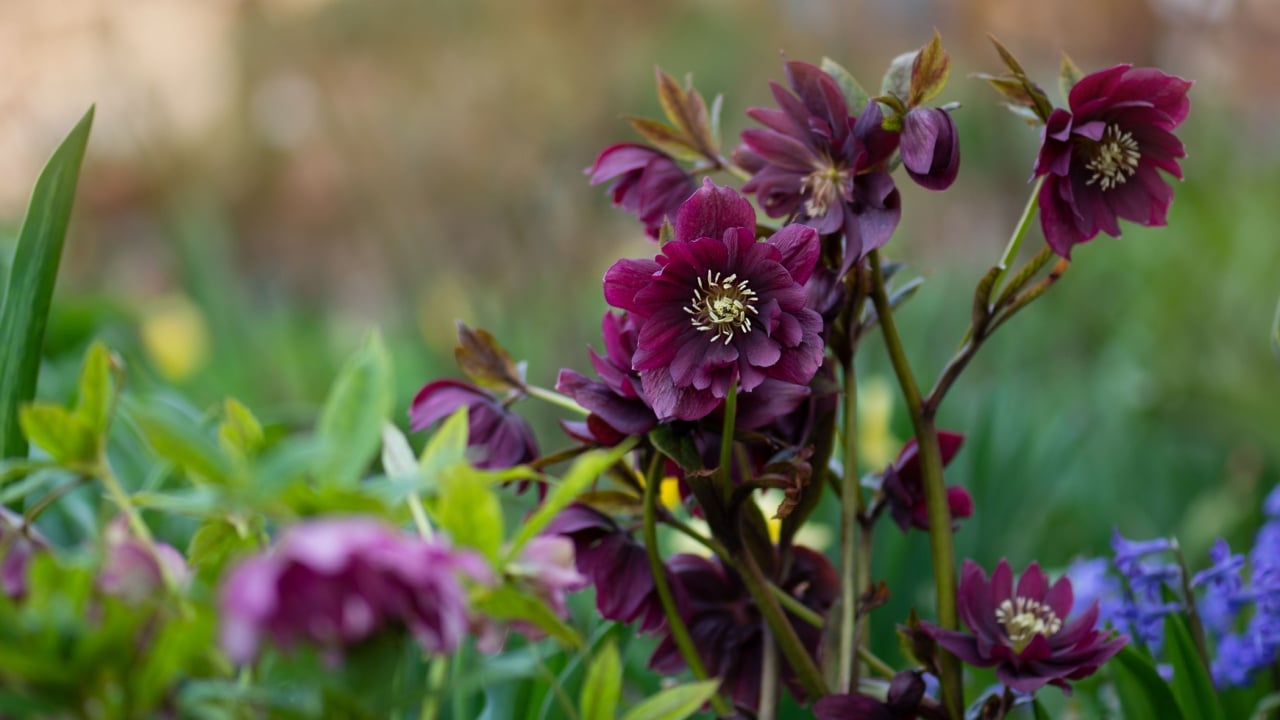
Hellebores are beloved for blooming through snow, which is exactly why they show up on so many holiday lists. But Pet Poison Helpline warns that the Christmas rose (Helleborus niger) can cause drooling, persistent vomiting, and bloody diarrhea, and it contains cardiac glycosides that can change heart rate and rhythm. “The effects of cardiac glycosides can be fatal,” the helpline cautions. This one belongs in a garden bed, not on a low coffee table.
3. Cyclamen: Avoid It if Your Dog Digs

Those heart-shaped, silver-marbled leaves hide a tuber packed with saponins. The ASPCA lists salivation, vomiting, and diarrhea as typical signs, and after large ingestions of the tuber, “heart rhythm abnormalities, seizures, death.” That is the detail most shoppers miss: the leaves are the mild part, the buried tuber is the dangerous part, and diggers find it.
4. Kalanchoe: The Cheerful Gift Plant That Can Affect the Heart
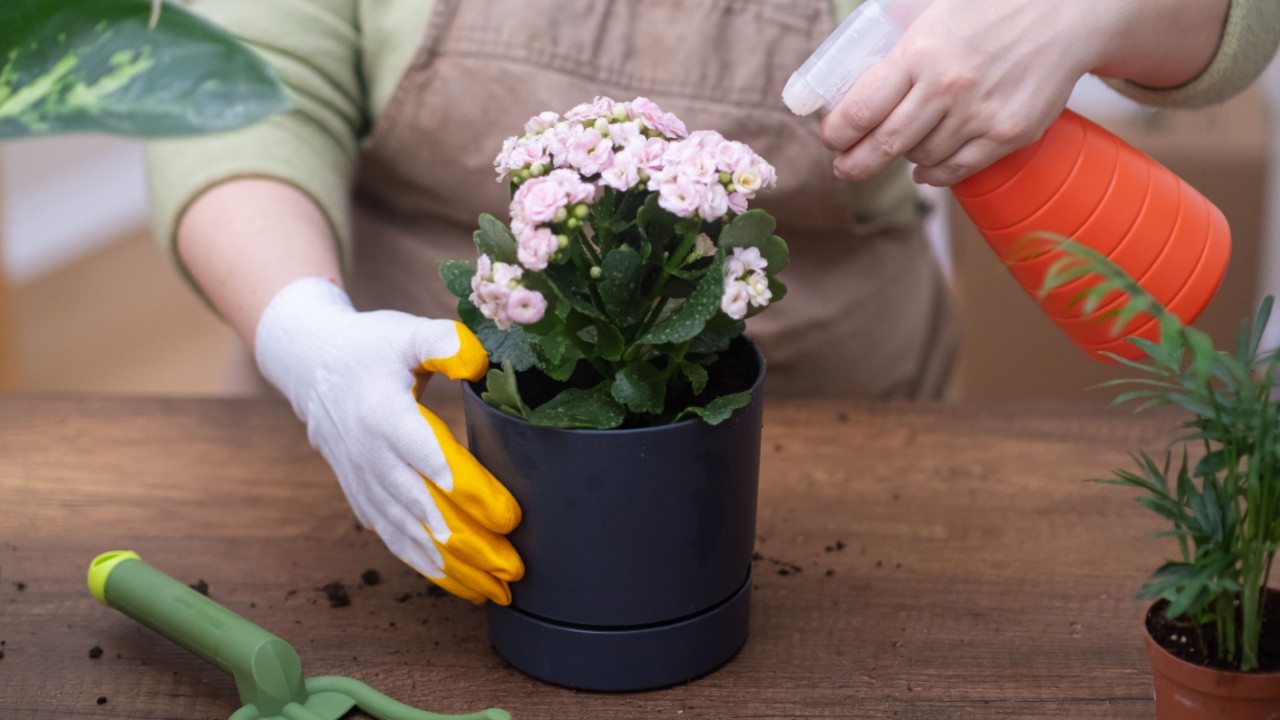
Veterinary toxicologists know something most gift shoppers do not: this cheerful, easy succulent is cardiotoxic. A 2006 review of cases reported to the ASPCA Animal Poison Control Center, published in the Journal of Veterinary Emergency and Critical Care, placed kalanchoe on its short list of plants “known to cause life-threatening systemic effects or death” in dogs and cats. In fairness, Means notes most potted dwarf varieties cause only stomach upset, but dogs are especially sensitive to the plant’s heart effects, and signs can take up to 12 hours to appear, so any pet that eats one should be checked by a vet.
5. Mistletoe: Never Hang Real Berries Where Pets Roam

The UC Master Gardeners of Fresno County suggest choosing artificial mistletoe, noting that English mistletoe in particular is “known to be extremely toxic.” American mistletoe is not harmless either; Pet Poison Helpline says large ingestions can affect blood pressure and heart rate. Here is the twist almost nobody considers: many store bundles swap real berries for plastic ones, and the helpline warns that swallowing enough of those can cause an intestinal blockage.
6. English Ivy: The Holiday Garland That Is Illegal to Sell in Two States

Ivy topiaries feel timeless, but most homeowners do not realize that some states have outlawed the plant outright. According to Oregon State University, Oregon’s 2010 noxious weed quarantine prohibits the propagation, transport, purchase, or sale of English ivy “regardless of the variety or cultivar.” Washington followed in 2025, becoming the second state to ban its sale, OPB reports. The reason is what ivy does once it escapes; a state weed official told KUOW that ivy removed from a single tree in Olympic National Park weighed more than 2,100 pounds. Ivy does not respect fence lines, which is how a festive pot by the back door becomes your neighbor’s problem. Homes & Gardens adds that the leaves can irritate sensitive pets’ skin and the berries can upset their stomachs.
The Poinsettia Alternatives Worth Buying Instead

Your grandmother had the answer on her windowsill. The Farmers’ Almanac confirms that Christmas, Thanksgiving, and Easter cacti are not toxic to pets; at worst, Pet Poison Helpline says a nibble may cause a brief stomach upset. It also outlives everything on this list. Apartment Therapy profiled a Christmas cactus in Fort Wayne, Indiana, that is at least 115 years old and has passed through four generations of one family. Compare that with the poinsettia, which Texas A&M AgriLife Extension has called the most difficult flowering potted plant to rebloom indoors, as the Dallas County Master Gardeners note.
Better yet, a Christmas cactus multiplies for free. “Christmas cacti are easy to propagate,” says Iowa State University Extension, which recommends rooting sections of two to five stem segments. Ask a friend for a cutting, and you have a gift that can outlast you. For more variety, the ASPCA lists moth orchids as nontoxic to dogs, cats, and horses, and Means notes that rosemary, often trimmed into a tiny tabletop tree, typically causes only mild stomach upset if a pet chews the plant.
Your Holiday Season Plan

Pet owners who ditched the poinsettia did it out of love, and an outdated warning steered that love in the wrong direction. The poinsettia was never the villain; it was the alibi that let riskier plants stroll right through the front door.
Keep the poinsettia if you love it; choose a Christmas cactus if you want something that lasts a lifetime; and put a high shelf or an outdoor spot away from your pets for amaryllis, Christmas rose, cyclamen, and kalanchoe. Means offers some reassurance for nervous owners: “Most cases can be managed at home.” Still, do not guess. If your pet eats something on this list, call your veterinarian, ASPCA Animal Poison Control at (888) 426-4435, or Pet Poison Helpline at (855) 764-7661; a consultation fee may apply.
Read More
Stop Making These 8 Watering Mistakes Before Your First Hard Frost
How to Transition Plants Indoors for Winter: 9 Mistakes to Stop Making This Fall