
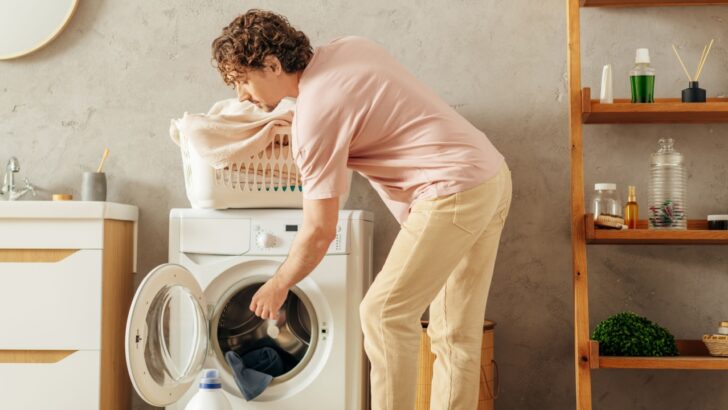
Laundry routines often feel like family heirlooms passed down through generations, heirlooms that we’d like not to inherit. You likely learned how to separate whites from darks or measure detergent by watching a parent or grandparent. While those lessons came from a place of love and necessity, washing machine technology and fabric compositions have evolved significantly in the last few decades.
Sticking to the way things have always been done might actually cause more harm than good to modern wardrobes. Clothes today contain different synthetic blends, and high-efficiency machines operate differently from the sturdy agitators of the past. Clinging to outdated methods can lead to faded colors, strange odors, and fabrics that wear out far too quickly. It is time to look at the process with fresh eyes and adjust a few standard practices.
Here are six laundry habits you need to ditch as soon as yesterday to save your clothes.
1. Using Hot Water for Every Load
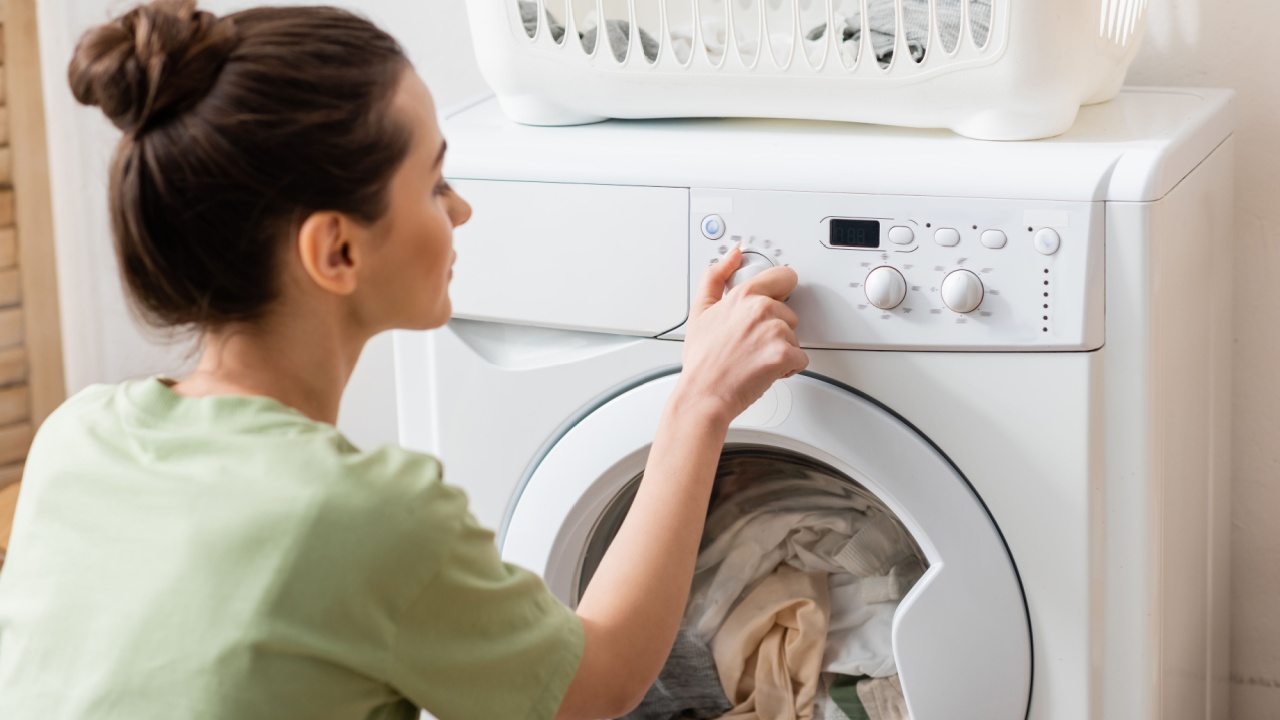
Image Credit: Shutterstock.
Decades ago, detergents relied on heat to activate their cleaning enzymes. Washing in cold water often meant pulling out clothes that were still dingy. This cemented the idea that hot water equals clean clothes. While high temperatures can sanitize heavy-duty linens or cloth diapers, hot water acts as an aggressor toward most everyday fabrics.
Heat breaks down the fibers in elastic, causing underwear and athletic gear to lose their stretch. It also accelerates fading in dark colors and can set protein-based stains like blood or sweat permanently into the fabric. Most modern detergents are formulated specifically to work effectively in cold water. They can lift dirt and grime without the damaging effects of high heat. Switching to cold water preserves the integrity of the fabric, prevents shrinkage, and slashes your electricity bill while at it.
2. Overusing Laundry Detergent
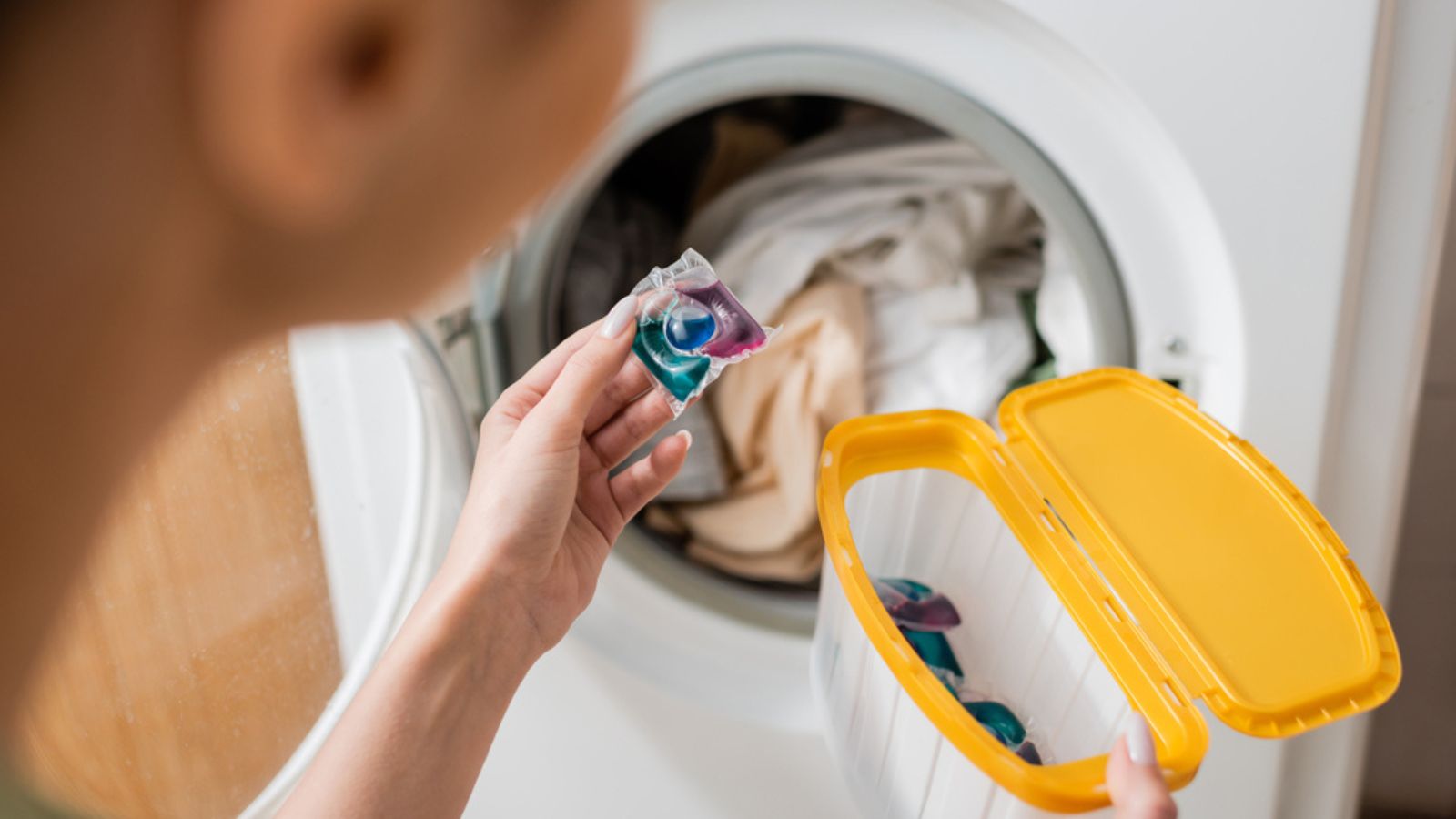
Image Credit: Deposit Photos.
A common misconception suggests that more soap results in cleaner clothes. It seems logical. If a little soap cleans a little dirt, a lot of soap must banish all the dirt. In reality, modern high-efficiency washing machines use much less water than older models. When too much detergent enters the drum, the machine cannot rinse it all away.
Excess suds create a cushion between the clothes, preventing them from rubbing against each other, which is necessary for agitation and cleaning. The leftover soap residue gets trapped in the fabric fibers. This attracts more dirt and bacteria, leading to odors and skin irritation. Towels become stiff and scratchy rather than fluffy. Using the correct amount prevents this buildup and keeps fabrics soft.
3. Relying on Strong Fragrances for Freshness
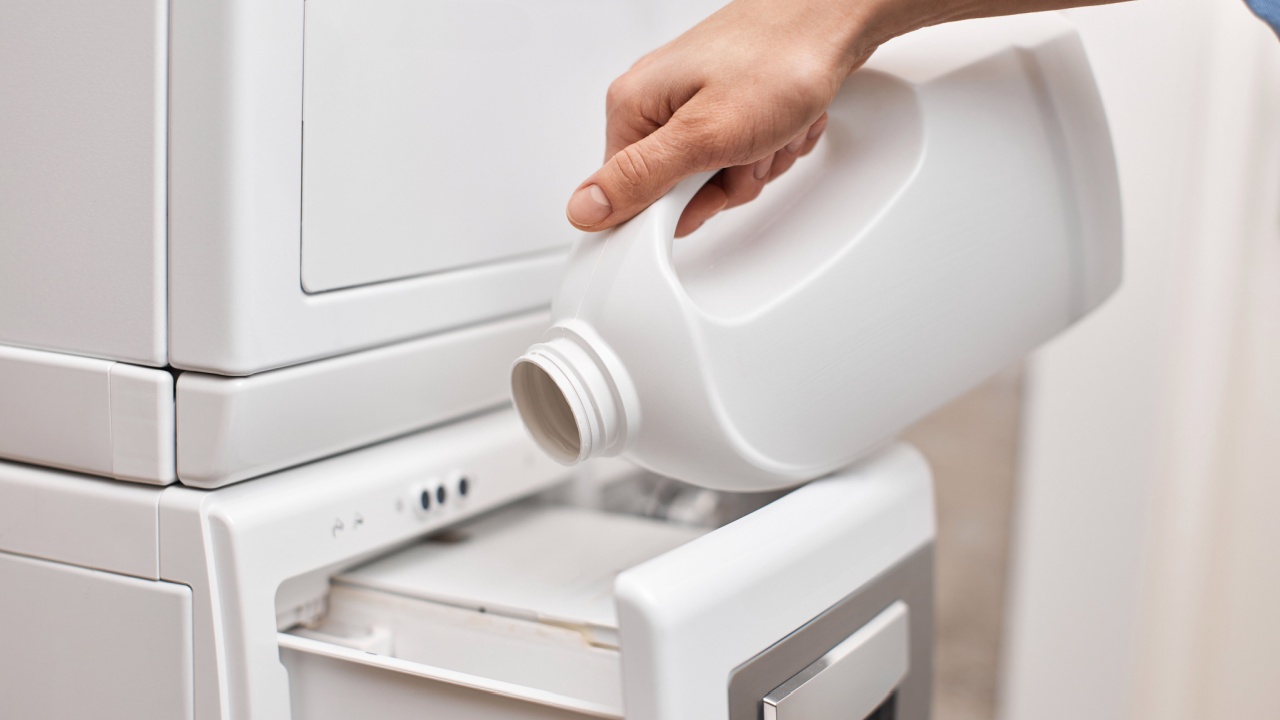
Image Credit: Shutterstock.
Marketing campaigns have successfully convinced many people that clean laundry should smell like a field of lavender or a tropical breeze. Consequently, people pile on scent boosters, dryer sheets, and heavily perfumed detergents. However, “clean” actually has no smell at all. A strong fragrance often serves to mask odors that were not removed during the wash.
These fragrances come from chemical additives that coat the surface of the fabric. This coating reduces the absorbency of towels and the moisture-wicking properties of activewear. For people with sensitive skin, these additives are a primary source of irritation. Use simple ingredients like baking soda and essential oils if you need fresh, heavenly-smelling laundry.
4. Trusting the Preset Cycles Blindly

Image Credit: Shutterstock.
Washing machines come with a variety of dials and digital settings for a reason. Yet, it is easy to fall into the habit of throwing everything in on “Normal” or “Regular” and walking away. The “Normal” cycle typically uses high spin speeds and aggressive agitation designed for sturdy cottons and linens.
Subjecting delicate knits, stretchy gym clothes, or structured items to this rough treatment breaks down fibers and distorts shapes. A high spin speed extracts water efficiently but creates deep wrinkles that are hard to iron out and stresses the seams of garments. Customizing the cycle based on the load type extends the lifespan of the wardrobe significantly.
5. Ignoring Fabric Care Labels
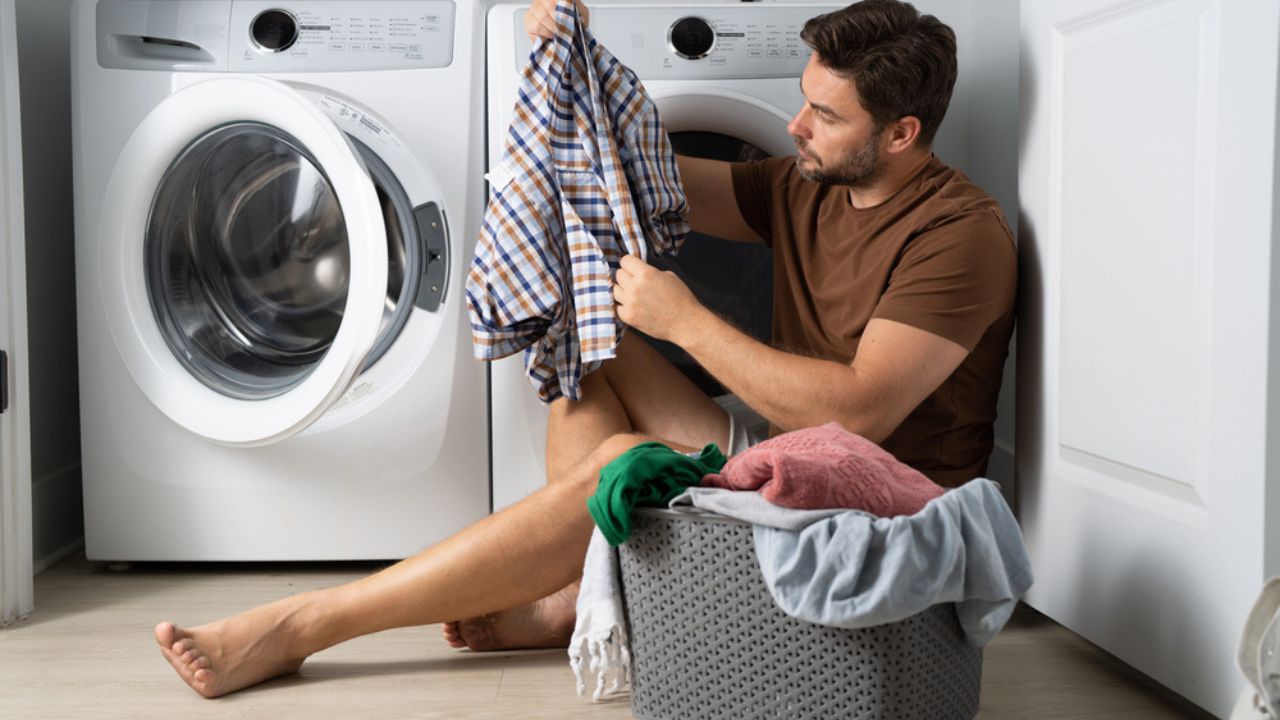
Image Credit: Deposit Photos.
Those itchy little tags on the inside seam of a shirt often get ignored or cut off immediately. However, manufacturers include them to provide the specific blueprint for maintaining that garment. Ignoring these instructions is a fast track to shrinking a sweater to doll size or melting a synthetic blouse.
Fabric technology has advanced, meaning many items have specific needs regarding water temperature, bleaching, and drying. An item labeled “Dry Clean Only” might degrade instantly in water. A symbol with a circle inside a square with an X through it means “Do Not Tumble Dry,” warning that heat will destroy the item. Taking three seconds to check the tag prevents costly mistakes.
6. Skipping Machine Maintenance
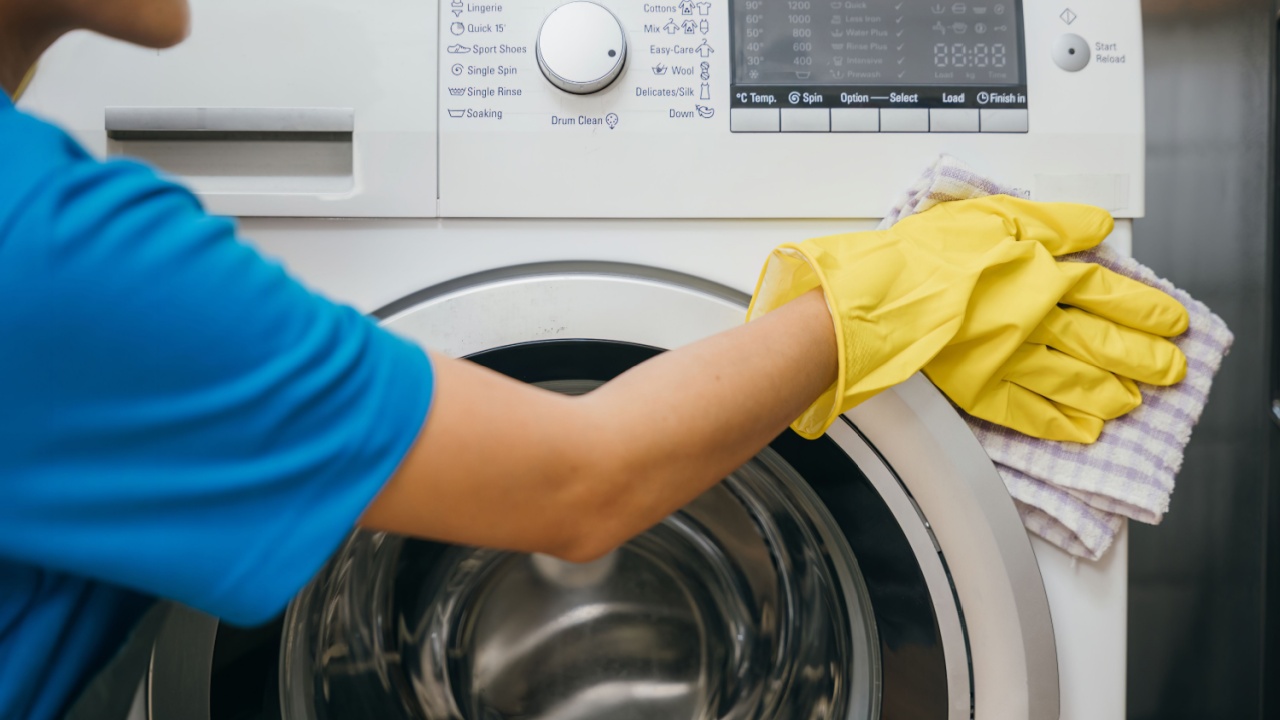
Image Credit: Shutterstock.
It is easy to assume that a machine constantly swirling with soap and water stays clean automatically. Unfortunately, the dirt, grease, and detergent residue from laundry loads build up in the nooks and crannies of the washer. This creates a breeding ground for mold and mildew, particularly in the rubber door gaskets of front-loading machines.
When the machine itself is dirty, it redeposits that grime onto the clothes during the wash. This is often the culprit behind mysterious dark streaks on light clothing or a persistent musty smell that won’t go away. A clean machine functions more efficiently and guarantees that dirty water drains away completely.
A Wardrobe Preservation Mindset
Image Credit: Shutterstock.
Shifting away from these old-school habits requires a slight change in perspective. Instead of viewing laundry merely as a chore to scrub dirt away, view it as a process of wardrobe preservation. The goal is to return garments to a wearable state with the least amount of stress on the fibers. Minor adjustments in the laundry room yield noticeable results in how clothes look and feel.
Your favorite shirts will maintain their color longer, towels will stay absorbent, and the washing machine will run efficiently for years. Caring for clothes correctly saves money on replacements and keeps textiles out of landfills.