

Thrift store shopping can be an unpredictable adventure. You sift through racks of questionable fashion choices and shelves of forgotten knick-knacks, searching for that underpriced gem. The kitchen section, with its collection of vintage gadgets and charming dishware, is especially tempting. Decorating your kitchen on a budget is appealing. But some of those secondhand treasures can come with hidden surprises.
Pause before scooping up those tempting pans and gadgets. Some previously owned kitchen goods can carry certain risks, like hidden chemicals or hygiene concerns. Some things are not worth taking home.
Here are six kitchen items that are better purchased new.
1. Nonstick Cookware
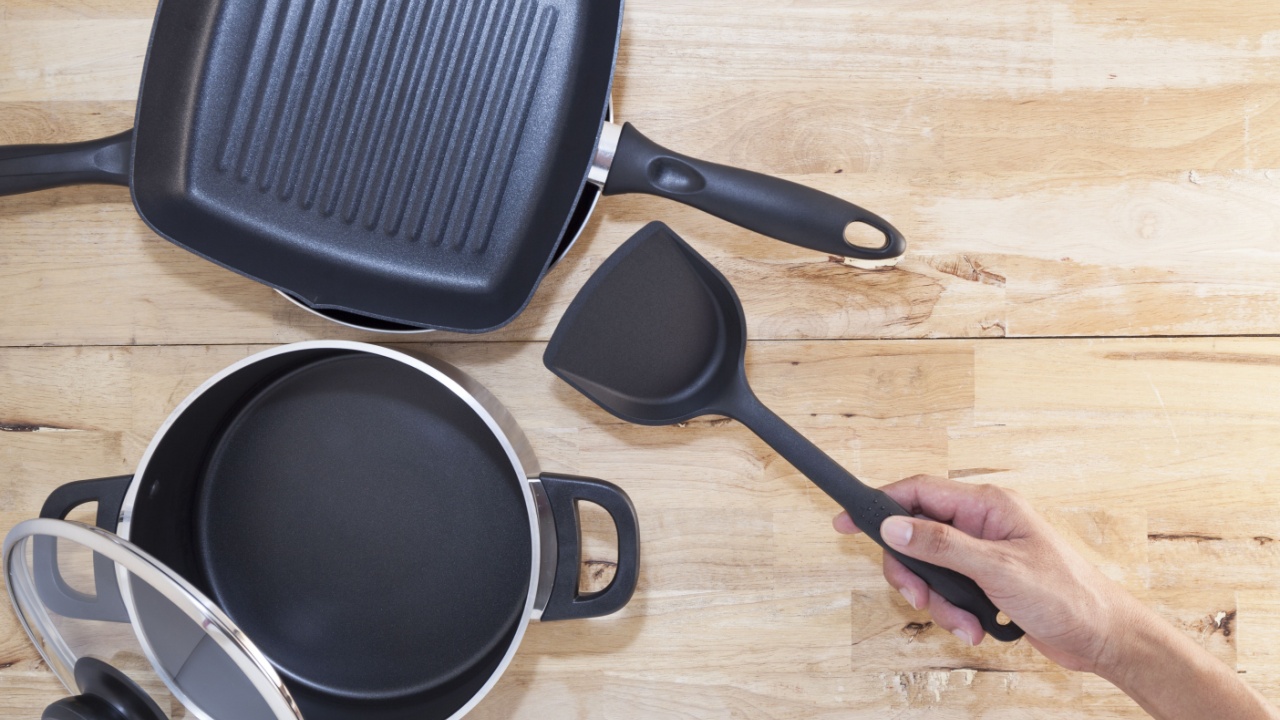
Image Credit: Shutterstock.
Scoring a used nonstick skillet for a few dollars can be tempting. The pan might seem to be in decent shape, and dreams of perfect omelets might come to mind. Older nonstick pans, or those that weren’t cared for properly, can have scratches, peeling, or areas where the nonstick surface is degraded.
These imperfections go beyond appearances. A damaged nonstick surface can let unwanted chemicals leach into your food, especially with higher heat. While modern coatings have gotten better, many older pans were made with compounds that raise safety questions. Choose a new pan from a reputable brand that offers confidence that the coating is sound and meets up-to-date safety guidelines. Better still, use cast-iron pans; non-stick pans may actually be adding microplastics to your meals.
2. Vintage Wood Cutting Boards
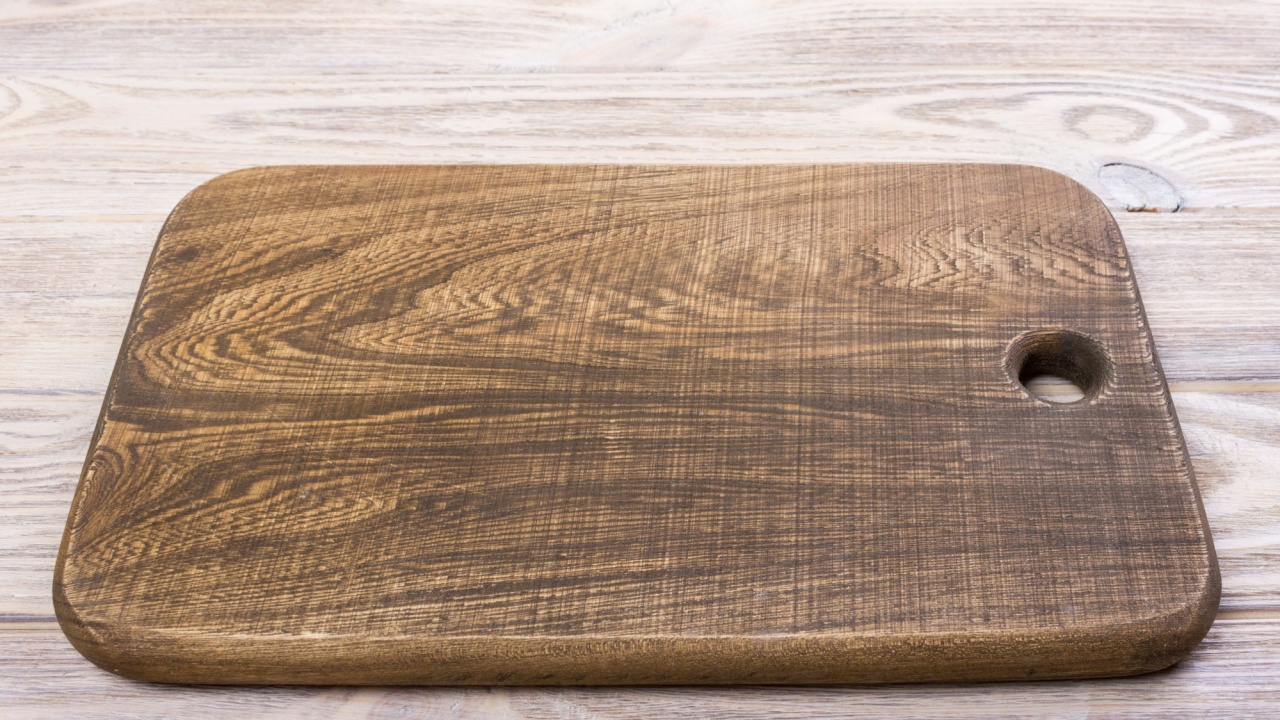
Image Credit: Shutterstock.
A rustic, well-worn wooden cutting board adds a certain charm to any kitchen, hinting at decades of homemade meals. Unfortunately, it also hides more than stories; bacteria can settle deep into its grooves over the years. Since wood is porous, repeated cuts and scratches from knives create perfect spaces for germs like Salmonella and E. coli to hang out and multiply.
While a wooden board can be cleaned, bacteria in deep knife grooves are nearly impossible to remove completely. It’s unclear what was chopped on it before or if it was ever truly sanitized. Getting a new board means you control its maintenance and can keep your food prep as safe as possible.
3. Leaded-Crystal Decanters and Glassware
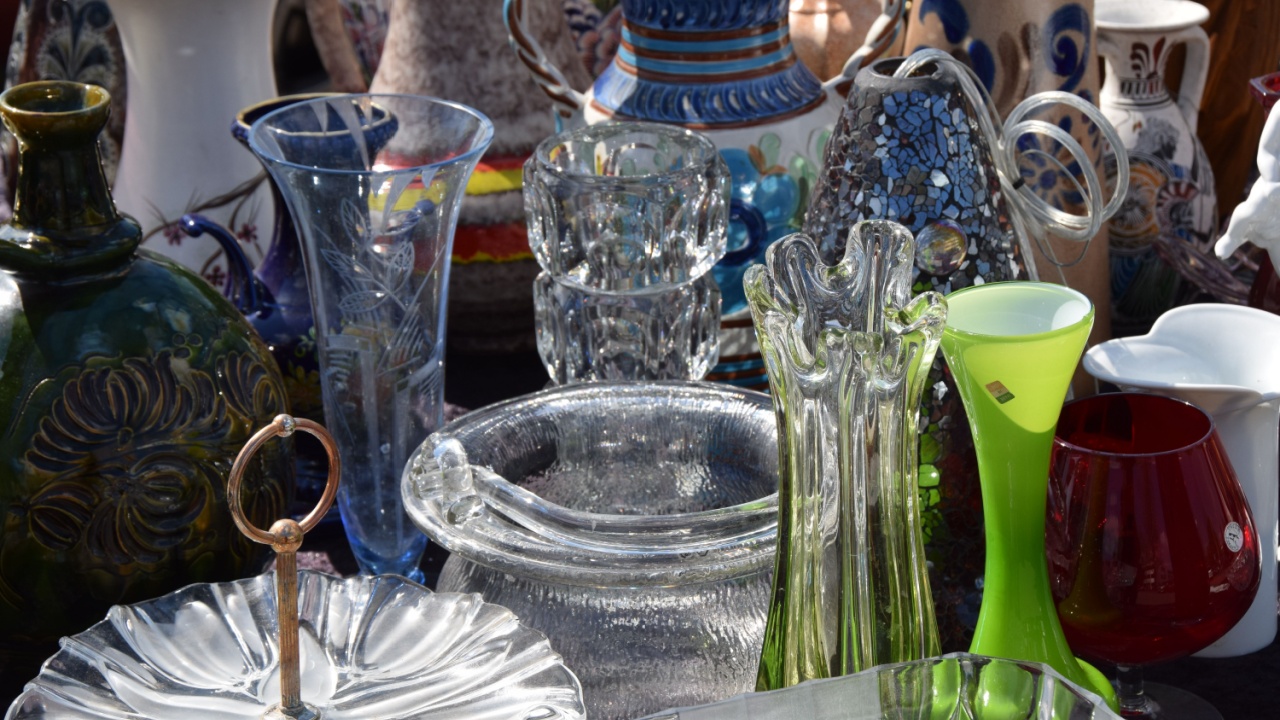
Image Credit: Shutterstock.
Vintage crystal decanters and glassware deliver a dazzling touch and turn any drink into an experience. Many older pieces, though, are made with lead, which provides that unmistakable weight and sparkle. When liquids are stored in leaded crystal, especially acidic drinks or spirits, lead can seep from the glass into your beverage.
Lead can build up in liquids stored in these containers, especially if left for extended periods. Taking a quick sip from a vintage leaded-crystal glass poses less of an issue, but storing drinks in a decanter like this for longer periods is unsafe. For safety, keep older crystal pieces for display or use modern, lead-free options for serving instead.
4. Vintage Ceramics and Pottery

Image Credit: Shutterstock.
A hand-painted ceramic bowl from the 1960s can seem ideal for serving garden salsa. Like vintage crystal, older pottery sometimes contains lead. Before the updated guidelines, lead was widely used in ceramic glazes to create a shiny surface. This is particularly common with pieces in bold colors, such as bright reds, yellows, and oranges.
If the glaze on this old pottery is chipped or cracked, lead can leach into food even more easily. Foods such as tomatoes or citrus can speed up this process. There is no simple way to find out if a vintage piece has lead in the glaze unless you test it. To avoid any issues, keep older ceramics for display purposes only. Enjoy their beauty on a shelf without including them in your food routine.
5. Small Appliances
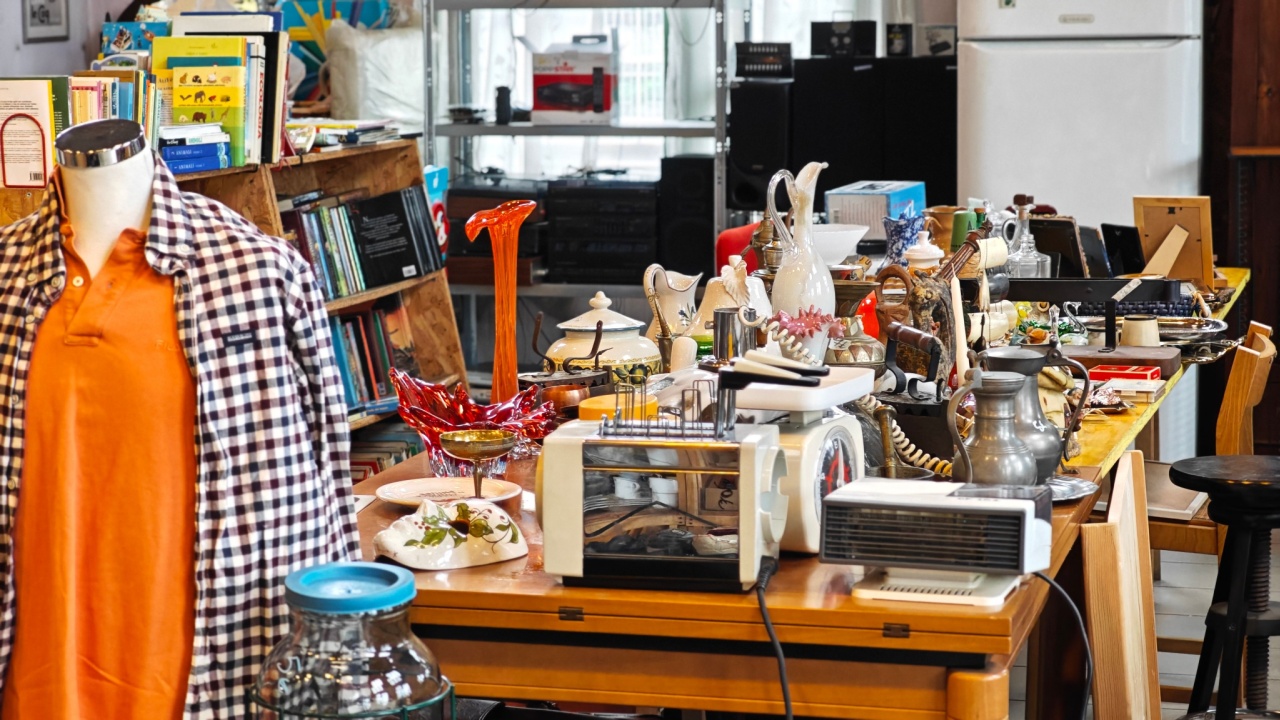
Image Credit: Turelvi / Shutterstock.
A two-dollar toaster or a five-dollar coffee maker can be tough to ignore. These small appliances might look like a harmless deal. The main worry with pre-owned electronics is what you cannot immediately spot: worn cords, bad wiring, or failing inner parts. These problems can increase the risk of electrical hazards or cause the appliance to stop working soon after getting it home.
Inside appliances like coffee makers and blenders, the hard-to-reach spots can hold onto old buildup or leftover food. Even if the price tag makes it look like a win, it’s easy to take home hidden cleaning challenges and the chance of a much shorter lifespan. A new small appliance generally includes a warranty and has gone through safety testing to help avoid these problems.
6. Copper Pots for Cooking
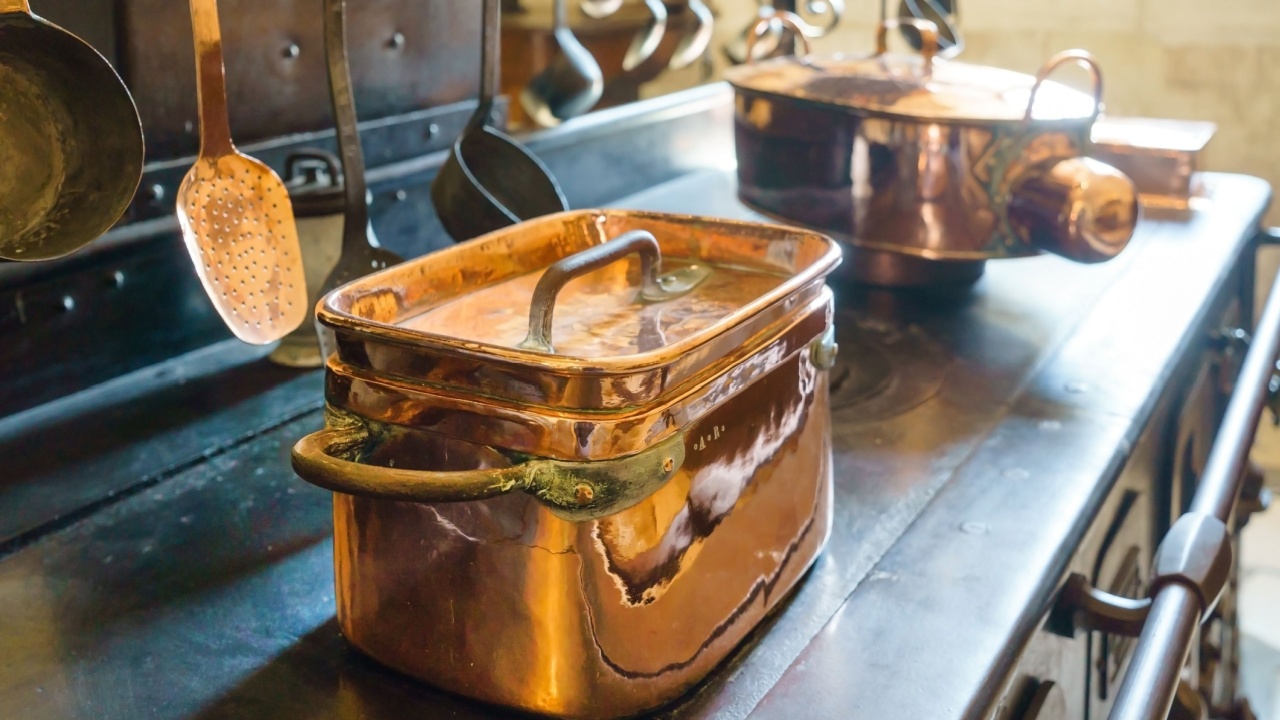
Image Credit: Shutterstock.
Shiny copper pots bring instant style to a kitchen and are top-notch for heat conduction. Spotting one in a thrift store seems like an unbeatable find. Before deciding how to use it, check the lining closely. Because copper reacts with acidic ingredients, these pots need a solid, non-reactive lining, usually tin or stainless steel.
If the lining has even minor scratches or wear, the copper below can touch your food. High levels of copper in your diet are unhealthy. Getting a copper pot relined is a specialized and pricey effort that can cost more than buying new. Before purchasing, give the interior a thorough inspection. If the lining has any damage, it’s better used as a decorative item and kept away from meal prep.
Smart Thrifting for a Safer Kitchen

Image Credit: Deposit Photos.
There are a lot of valuable things found at thrift stores. However, watching out for these items makes thrifting safer and smarter. There’s still plenty to enjoy in the kitchen section. Stainless steel mixing bowls, glass baking dishes such as Pyrex or CorningWare, cast iron skillets that show no cracks or major rust, and simple utensils are typically reliable choices.
A well-chosen kitchen can strike the balance between style and everyday practicality, all while keeping surprises to a minimum. Savvy thrifting means looking out for solid, non-porous materials and giving everything a close once-over for chips or cracks before making a purchase.