
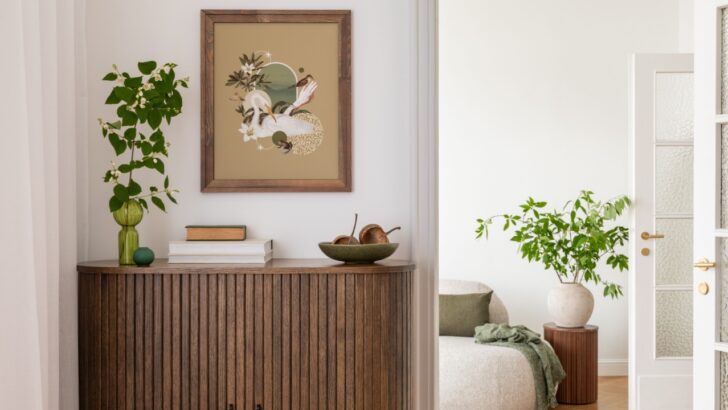
Sometimes a home can feel less like a sanctuary and more like a weighted blanket you did not ask for. You walk in, and a certain heaviness seems to settle in the air, impacting your mood and energy. This feeling is not just in your head; specific elements in our living spaces can create a sense of emotional weight. By identifying these items, you can begin to lighten the atmosphere and make your home a place of genuine comfort and rest.
Here are six items that may be making your home feel emotionally heavy.
1. Heavy, Dark Wood Furniture
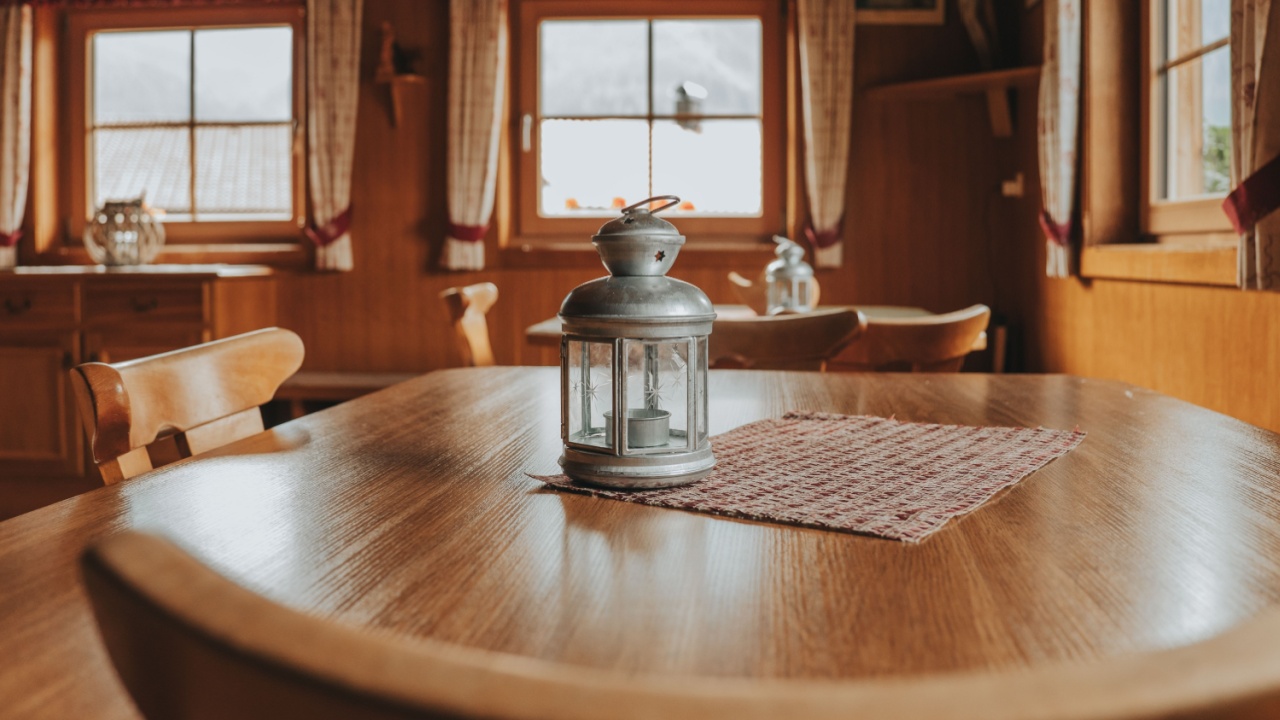
Image Credit: Shutterstock.
That gigantic mahogany armoire you inherited might have looked stately in a sprawling ancestral home, but in a modern living room, it can feel like an unwelcome giant. Large, dark wood furniture absorbs natural light, visually dominates the space, and can make a room feel smaller and more imposing than it is. Their sheer mass can create a sense of being crowded or overwhelmed, making the space feel more formal and less relaxed.
Your grandmother’s taste was OK, but furniture designed for a different era and architectural scale might not serve your current space well. To make a room feel lighter, break up matching sets. Consider painting a piece a lighter color. If you are ready to part with it, sell or donate it to make room for furniture that fits the scale of your space.
2. Unfinished Rooms and Projects

Image Credit: Deposit Photos.
That half-painted wall, the stack of boxes that never got unpacked from the last move, or the light fixture still in its box are more than just items on a to-do list. They act as a visual cue for incomplete tasks, creating mental clutter and a sense of perpetual obligation. Psychologically, these unfinished projects represent a cognitive load.
Every time you see them, your brain registers an incomplete loop, which can contribute to low-grade, persistent stress and a feeling of being stuck. Your home should be a place of rest, not a monument to your procrastination. To reclaim your positivity, break down the project into tiny, manageable steps. Schedule just 15 minutes a day to work on one thing.
3. Poor Lighting
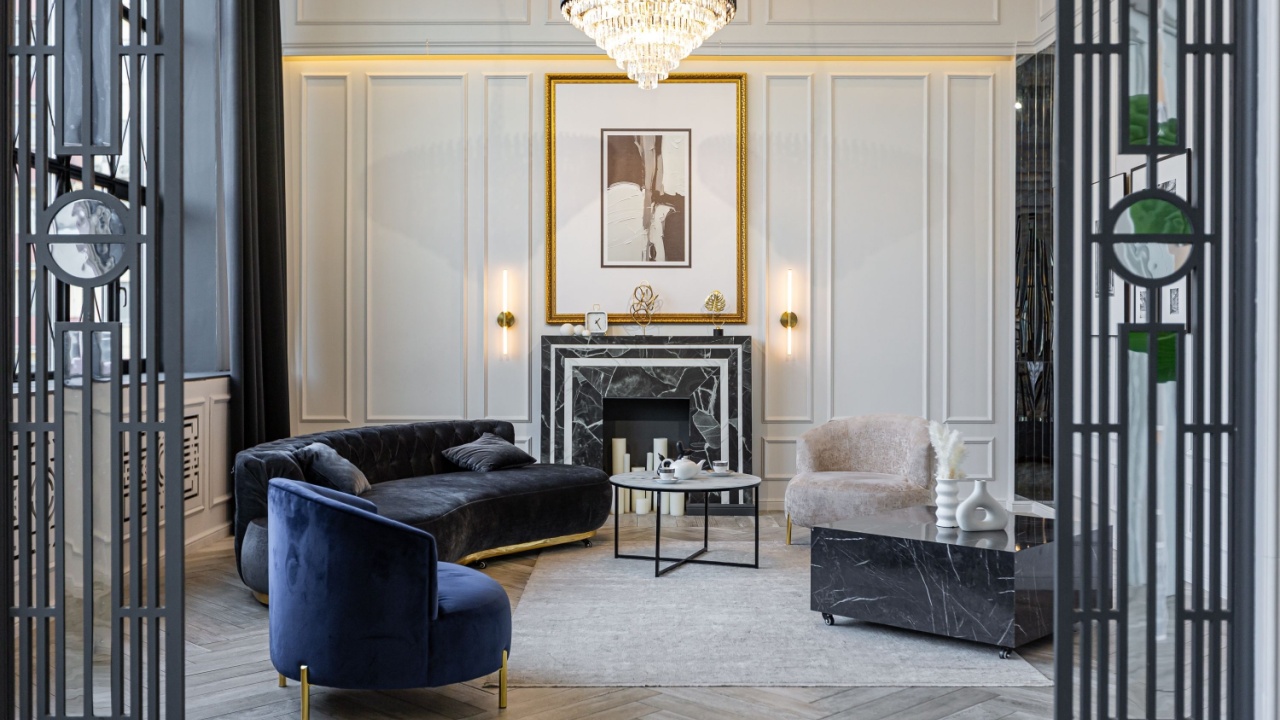
Image Credit: Shutterstock.
A poorly lit room is a recipe for a gloomy mood. Insufficient or harsh lighting can strain your eyes, contribute to headaches, and even affect your circadian rhythm. Spaces that lack adequate natural light or rely on a single, glaring overhead fixture often feel drab and unwelcoming.
Light has a profound impact on our psychological state; A bright, well-lit environment can boost energy and create a sense of openness, while a dark one can feel depressing and stagnant. What you need to do is layer your lighting. Use a combination of overhead fixtures, floor lamps, and table lamps to create balanced illumination. Use mirrors to bounce light around the room and opt for sheer curtains to maximize daylight.
4. Stagnant Air
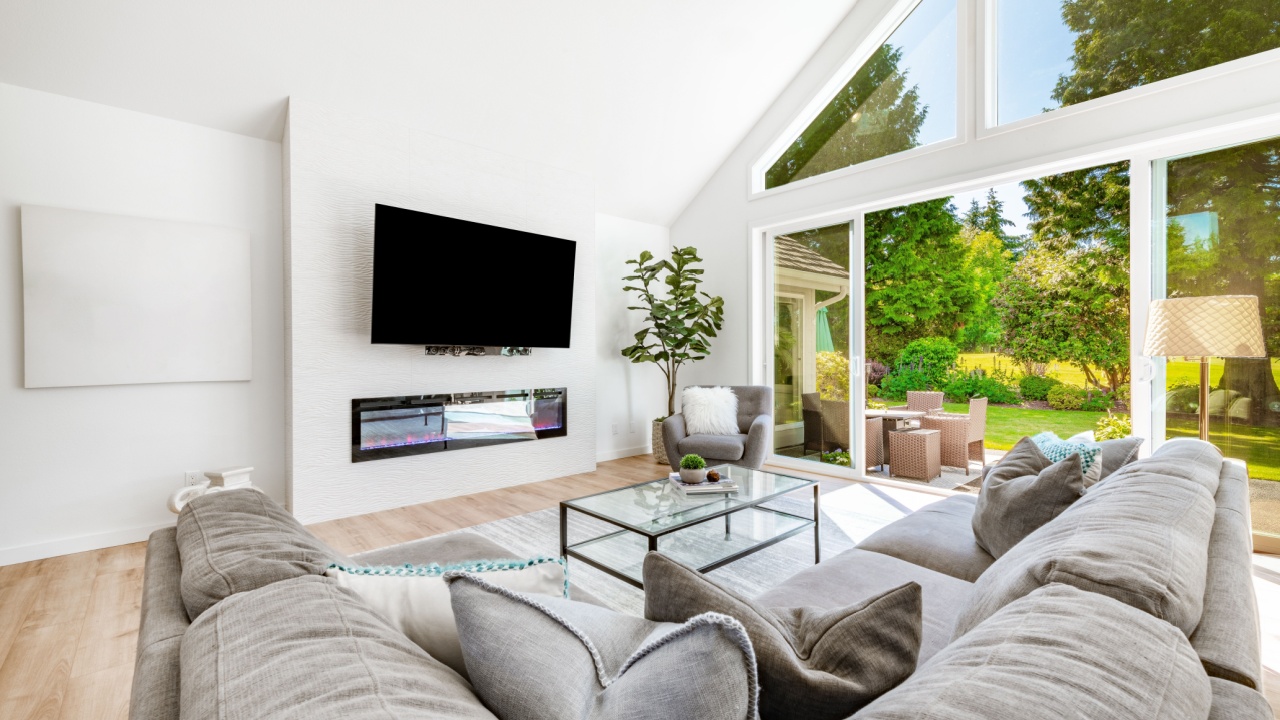
Image Credit: Shutterstock.
If the air in your home feels thick, stale, or stuffy, it can create a sense of confinement and lethargy. Poor ventilation traps dust, allergens, and odors, contributing to an environment that feels physically and emotionally unclean. Fresh air is vital for clearing out pollutants and revitalizing a space.
A room without good airflow can feel oppressive, as if the energy within it has become static and heavy. Open your windows for at least 10-15 minutes each day, even in cooler weather. Use fans to circulate air. Consider adding mood-boosting houseplants, which are natural air purifiers.
5. Cluttered or Poorly Organized Layouts
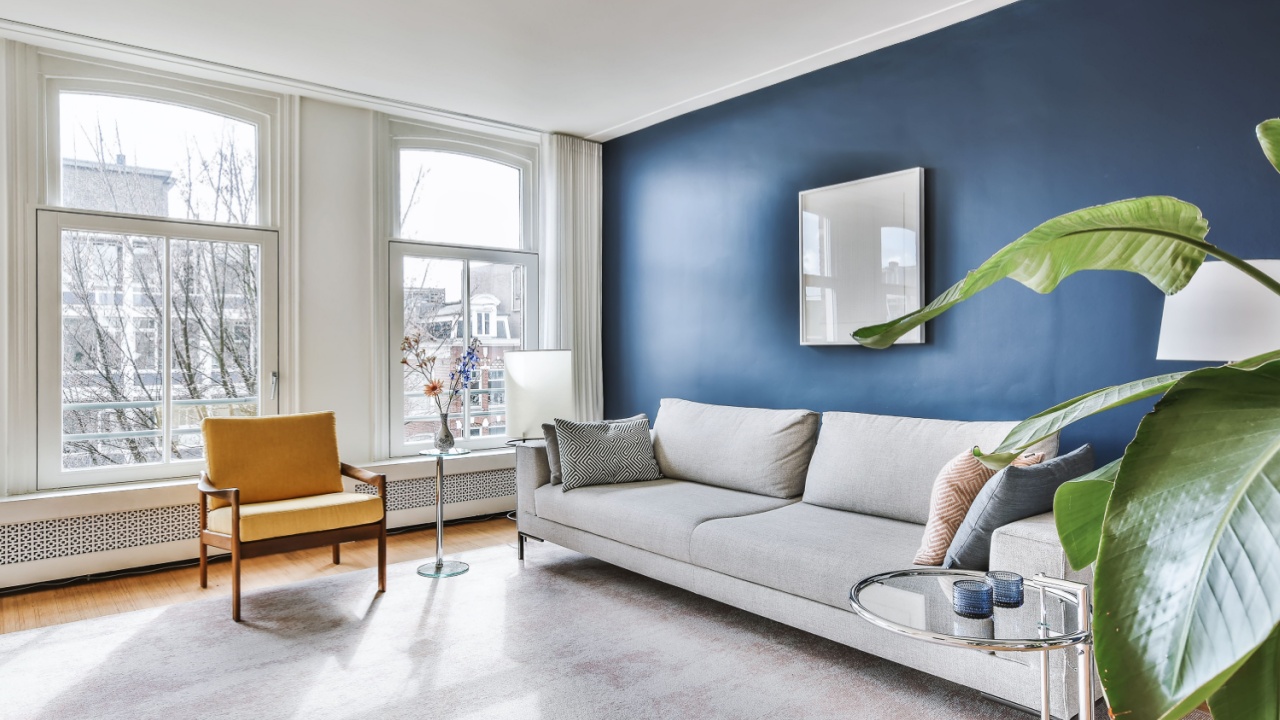
Image Credit: Shutterstock.
When you have to navigate an obstacle course of furniture to get from the sofa to the kitchen, the layout is working against you. Clutter is not just about having too much stuff; it’s also about a disorganized arrangement. A room with no clear pathways, where furniture blocks movement or piles of objects obstruct surfaces, creates a chaotic environment.
This physical chaos translates into mental noise, making it difficult to relax and focus. Your brain has to process all that visual information, which is draining. Change this by establishing clear walkways. Group furniture to create functional zones. Use storage solutions to get items off the floor and clear off surfaces. Remove any furniture that is too large for the room or serves no purpose.
6. Overpowering Decor

Image Credit: Shutterstock.
Decor is personal, but when it becomes too much, it can weigh down a room. This can manifest as walls covered in an overwhelming number of photos, surfaces crowded with knick-knacks, or a collection of bold, competing patterns. While each piece might be loved individually, together they create a sensory overload.
Your eyes have no place to rest, making the space feel busy and loud, even in complete silence. The home stops being a calming backdrop and starts becoming the center of attention for all the wrong reasons. Try a “less is more” approach. Curate your favorite pieces and store the rest. Create negative space on walls and surfaces to give your decor room to breathe. Rotate items seasonally to keep things fresh without adding more clutter.
A Lighter Path Forward
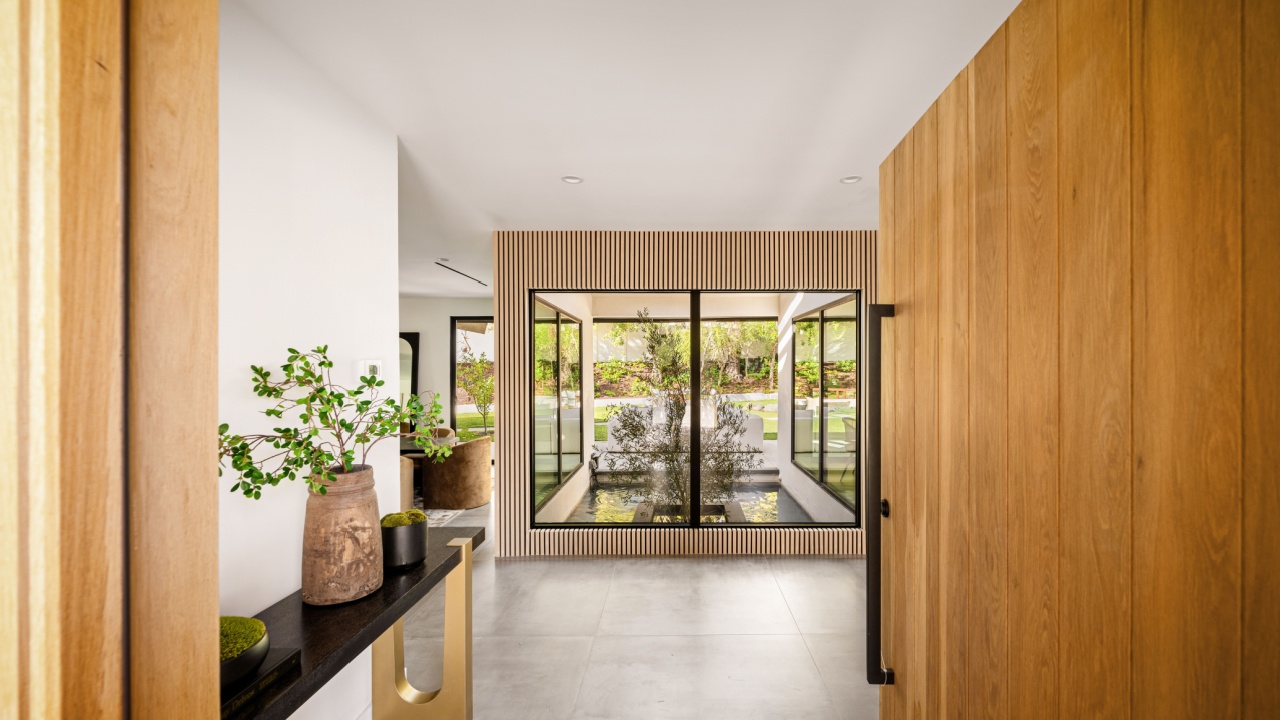
Image Credit: Shutterstock.
Lightening the emotional load in your home often starts with small, intentional shifts. Focus on a neglected corner or a cluttered countertop and give it some attention. Move a lamp, clear a pile, open a window. Small changes like these can bring relief, making transformation feel less like a chore and more like a welcome surprise. Each tweak gradually lifts heaviness, helping the home feel refreshing again.