
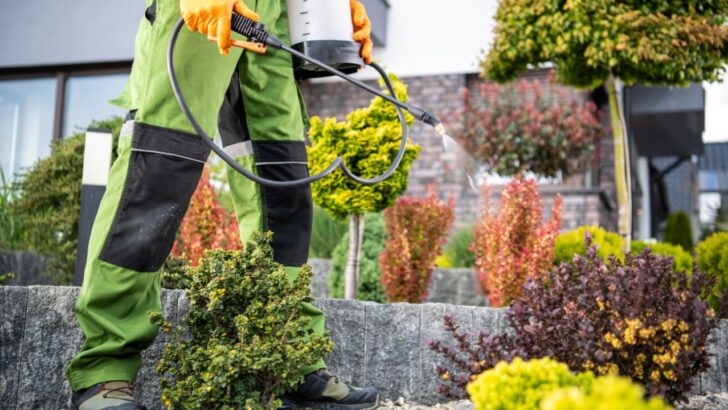
Gardening tools once reflected how people worked the land decades ago. Heavy labor, larger plots, and fewer material choices shaped what filled garden sheds.
Today’s gardens are smaller, more intentional, and often supported by better-designed tools that do the same jobs with less effort. These are six garden tools that are less practical for most modern gardens.
1. Manual Lawn Edgers with Half-Moon Blades
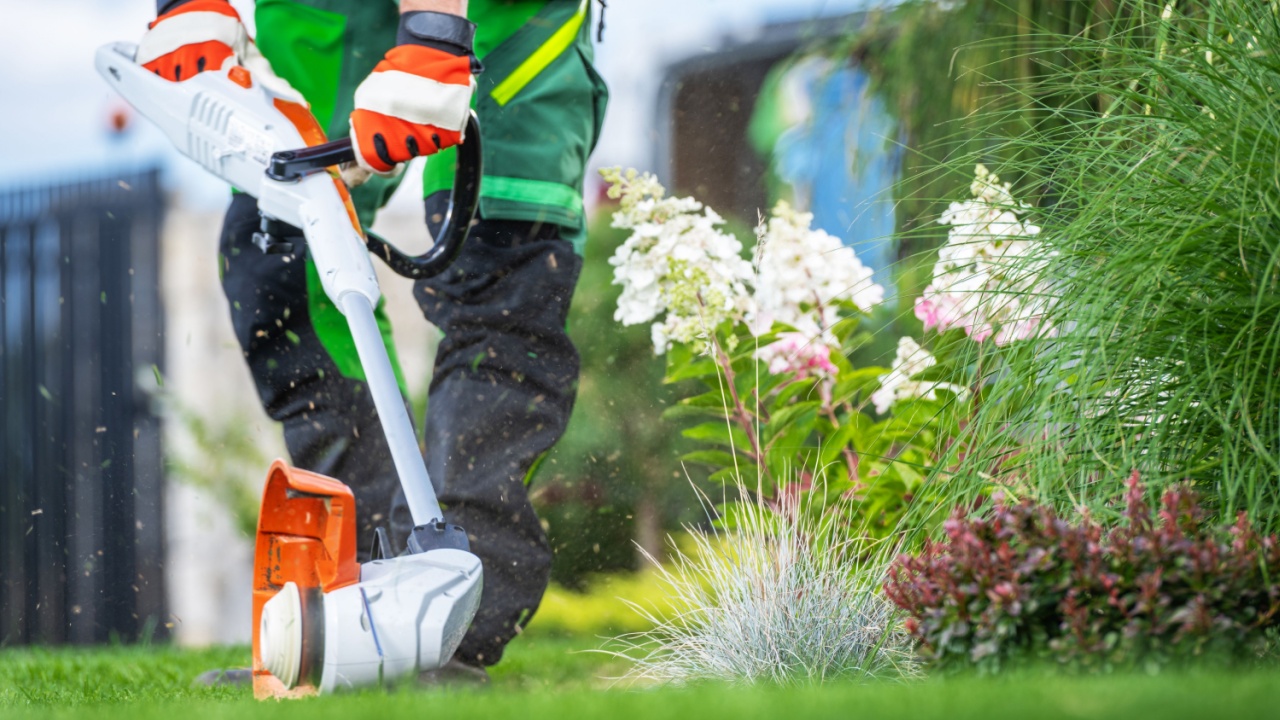
Image Credit: Shutterstock.
The old half-moon lawn edger was designed for perfectly straight borders along long stretches of turf. In modern gardens, lawns are often smaller or replaced entirely with beds, gravel, or ground cover. Maintaining crisp edges is now easier with lightweight electric edgers or string trimmers that require less strength and deliver faster results.
For most home gardeners, the manual version ends up leaning against a shed wall after one tiring afternoon. If a manual edge is preferred, use a sharp spade instead. It handles multiple tasks and takes up less storage space.
2. Push Reel Lawn Mowers
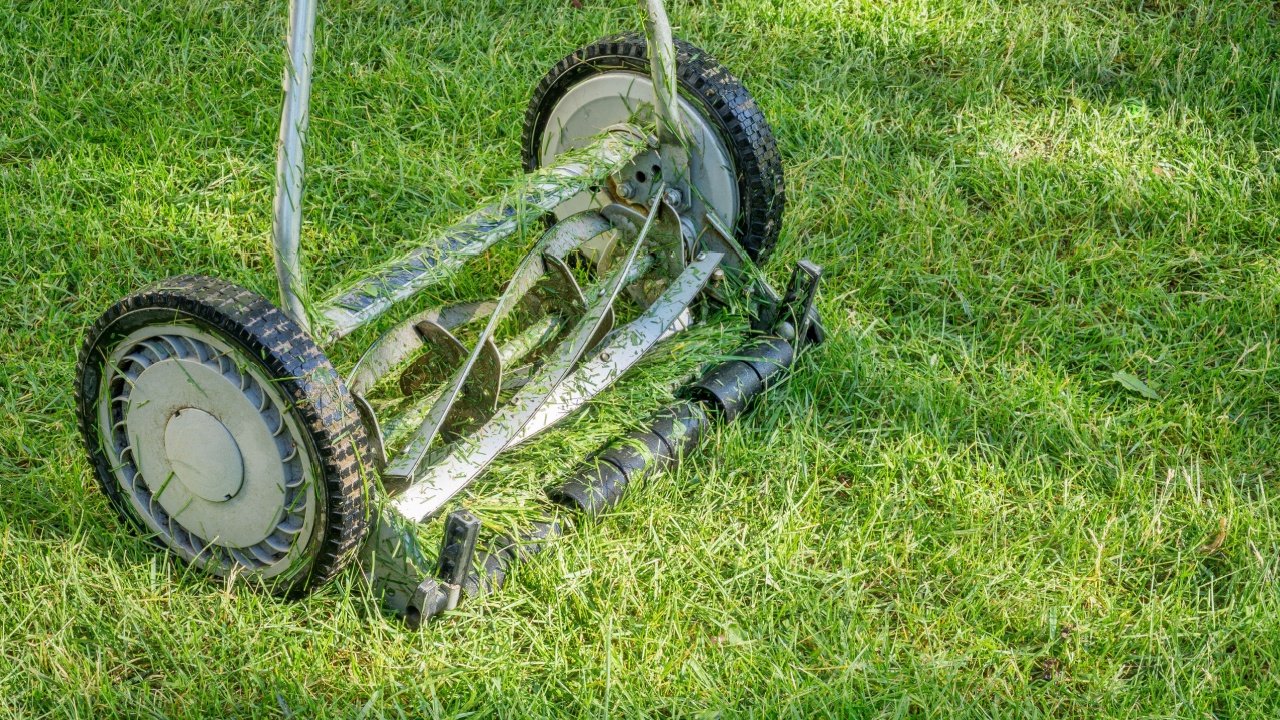
Image Credit: Shutterstock.
Reel mowers once made sense when lawns were modest, and grass varieties grew evenly. Today, mixed turf, uneven ground, and thicker grasses make these mowers frustrating to use. They struggle with anything taller than a few inches and require frequent sharpening to work properly.
Battery-powered mowers now offer quiet operation with far less physical strain. If reducing noise is the priority, consider modern cordless mowers designed for small yards.
3. Hand-Crank Seed Spreaders
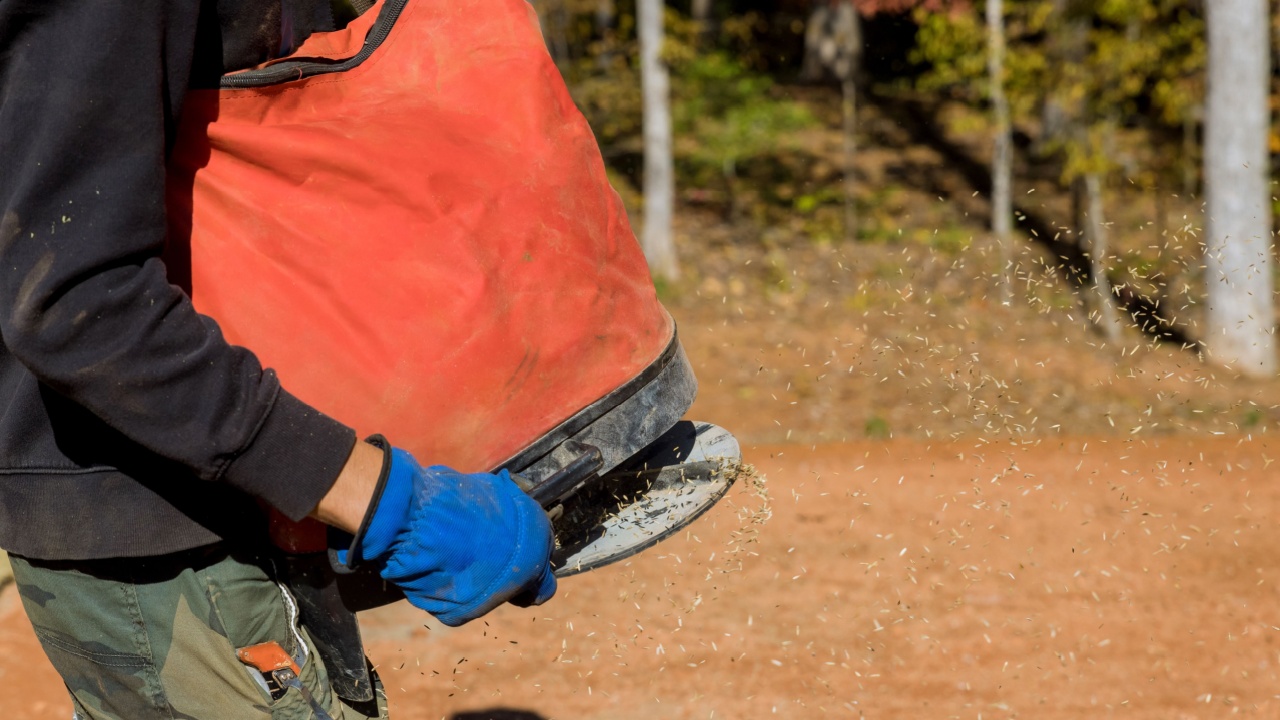
Image Credit: Shutterstock.
Hand-crank seed spreaders were useful when seeds were sold in bulk and lawns were expansive. Modern seed blends and granular products are often pre-measured or designed for direct application by hand or scoop.
These spreaders often deliver uneven coverage and require cleanup after each use. Use pre-measured seed packets or shaker-style containers designed for even release.
4. Garden Dibbers for Planting Rows
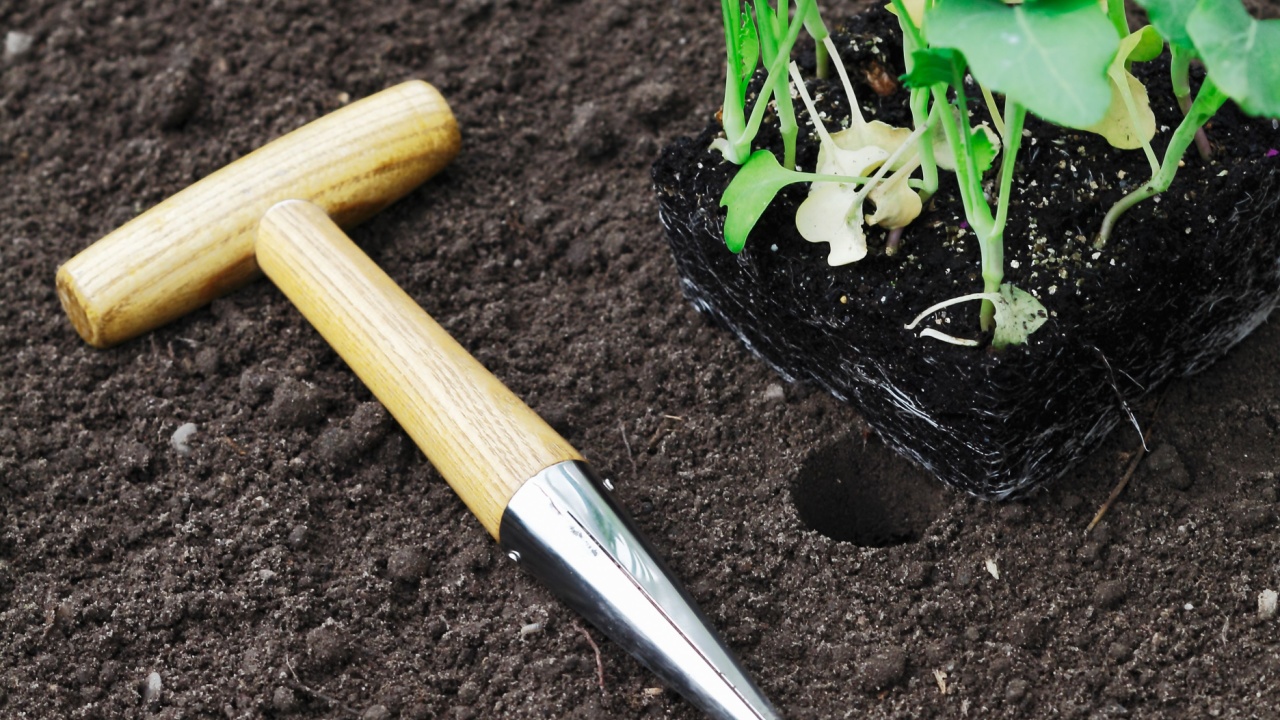
Image Credit: Shutterstock.
Dibbers were once common for planting neat rows of seeds in large vegetable plots. In today’s gardens, raised beds and looser planting styles make this tool largely unnecessary. A finger, trowel tip, or soil knife does the same job with more control.
Many dibbers also compact soil more than needed, which can hinder seed germination. Use a hand trowel or soil knife that can dig, mark, and loosen soil in one motion.
5. Heavy Manual Cultivators with Fixed Tines
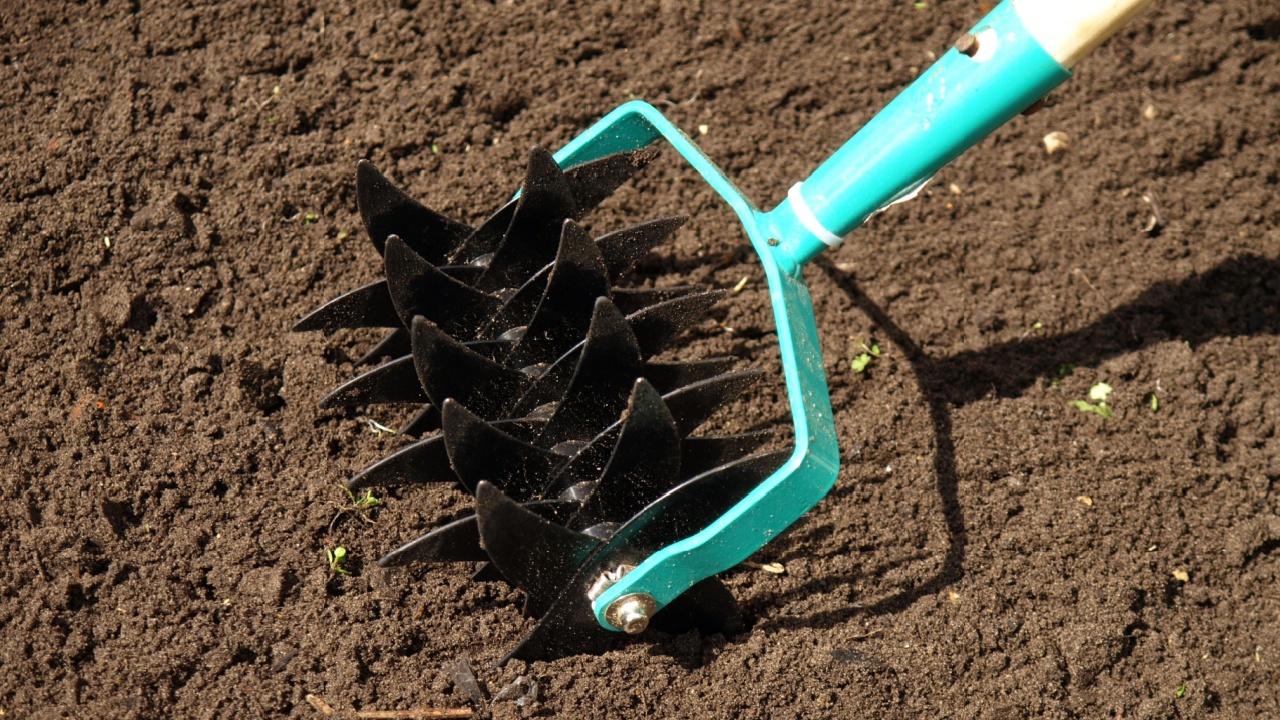
Image Credit: Shutterstock.
Large manual cultivators were meant for breaking up wide areas of compacted soil. Modern gardeners often rely on no-dig methods, mulch layers, and soil amendments instead of aggressive cultivation.
These tools can disturb soil structure and beneficial organisms when overused. Switch to a hand fork for gentle loosening or rely on compost and mulch to improve soil naturally.
6. Old-Style Hose-End Chemical Sprayers
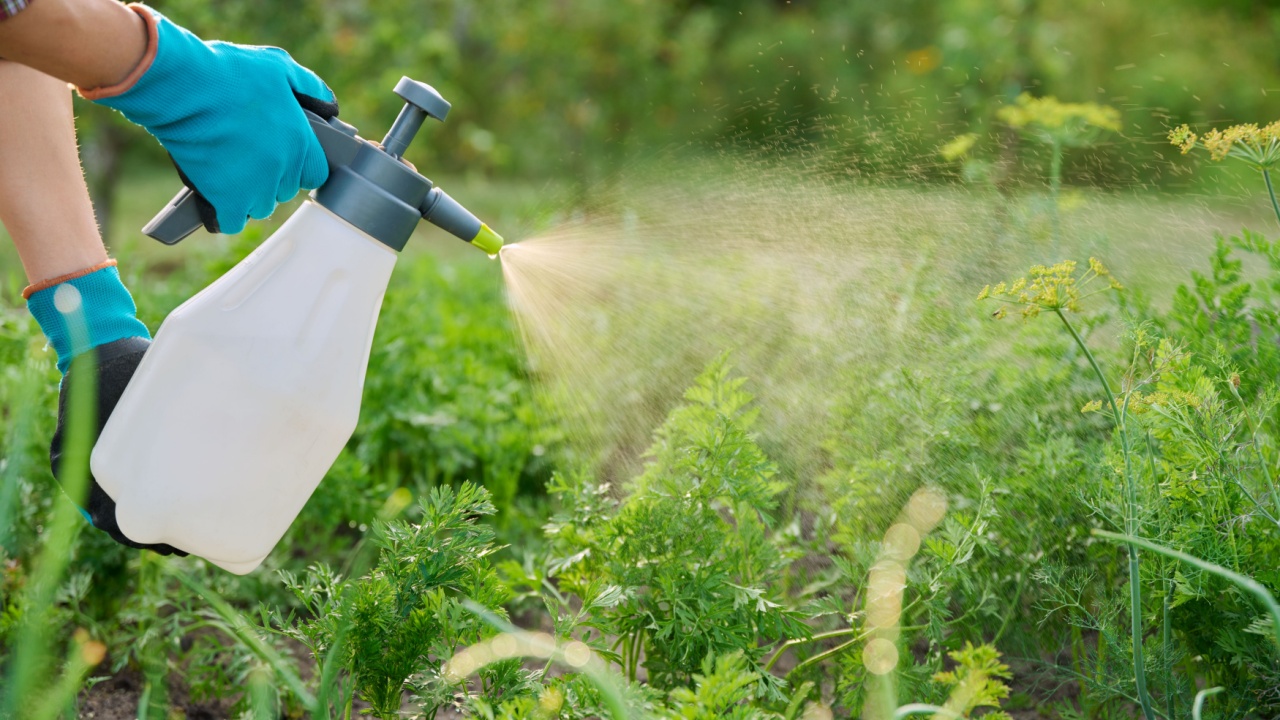
Image Credit: Shutterstock.
Metal hose-end sprayers designed for mixing chemical treatments have largely fallen out of favor. Many gardeners now avoid broad chemical applications and prefer targeted sprays or organic methods.
Modern sprayers are lighter, easier to control, and designed for safer application. If treatments are needed, choose a modern adjustable sprayer or ready-to-use bottle for better control.
Clearing Space for Tools That Actually Work
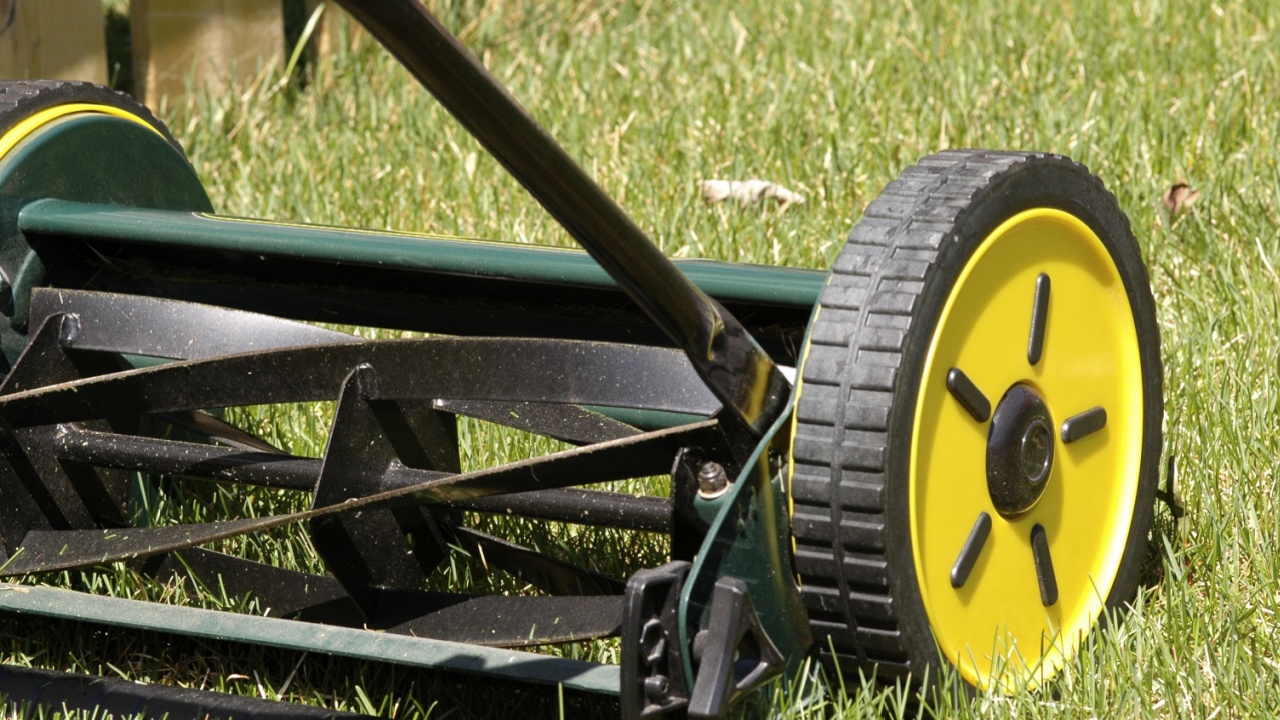
Image Credit: Shutterstock.
Garden sheds fill up quickly when tools linger long after their usefulness has passed. Removing outdated tools creates room for equipment that supports how gardens are cared for today. Before replacing anything, take stock of what gets used each season and what stays untouched.