
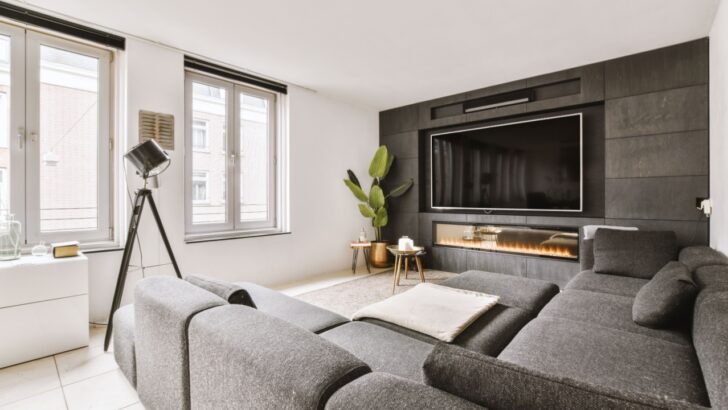
You spend hours curating the perfect gallery wall. You hunt down vintage rugs and select paint colors with the precision of a surgeon. Then, you mount a massive, black, reflective rectangle right in the center of the wall. It ruins the aesthetic instantly. While streaming endless episodes of a favorite show is a beloved pastime, the dormant television remains a visual black hole in an otherwise beautiful room.
You do not have to choose between entertainment and style. There are clever ways to make that technology disappear when it is not in use. Here are six distinct ways to reclaim your wall space from the tyranny of the screen.
1. Design a Custom TV Cabinet
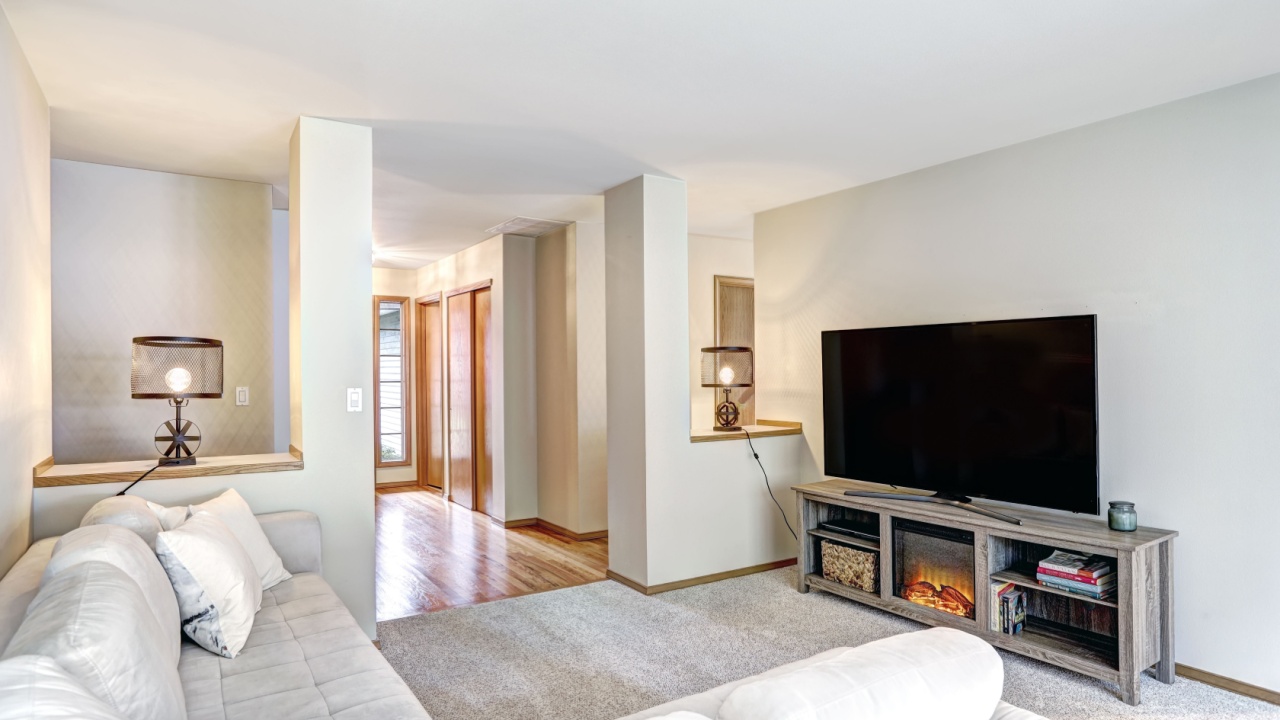
Image Credit: Shutterstock.
Standard media centers often leave the screen exposed, sitting there like an uninvited guest. A custom cabinet takes the concept of furniture and integrates it directly into the architecture of the room. This approach involves building a unit that surrounds the television completely, offering doors that close it off from view.
When designing this, consider bi-fold doors that fold back flush against the cabinet sides. This prevents the doors from swinging out into the room and blocking sightlines during movie night. Homeowners often worry about ventilation for enclosed electronics since heat buildup can shorten their lifespan. To prevent this, add wire mesh or decorative grating to the lower cabinet doors housing devices like cable boxes or consoles.
2. Cover the TV with a Custom Panel Screen

Image Credit: Shutterstock.
If a full cabinet feels too heavy for your space, a custom panel screen offers a lighter, more architectural solution. This involves mounting a sliding mechanism on the wall above and below the television. You then attach panels, made of wood, lattice, or even painted canvas, that slide back and forth.
Horizontal wood slats can create a modern, Japandi-style look, while antique shutters might suit a farmhouse aesthetic. The benefit here lies in the low profile. Unlike a cabinet, which might protrude 20 inches into the room, sliding panels only need to be deep enough to clear the television mount. You need enough wall space on either the left or right (or split between both) for the panels to rest when the TV is in use.
3. Hang a Quilt Over the Television

Image Credit: Shutterstock.
Fabric adds instant warmth to a room, counteracting the cold, plastic feel of modern technology. Hanging a quilt or a heavy tapestry over the television is an unexpected and soft approach to camouflage. This works particularly well in bedrooms or casual living spaces where a relaxed atmosphere is desired.
The implementation requires a simple mounting rod installed just above the top of the TV. You can sew a pocket onto the back of a vintage quilt or a piece of beautiful textile art and slide it onto the rod. When you want to watch something, you simply flip the fabric up or slide it to the side, depending on your hardware choice. This method also improves acoustics.
4. Conceal Your TV Using Curtains
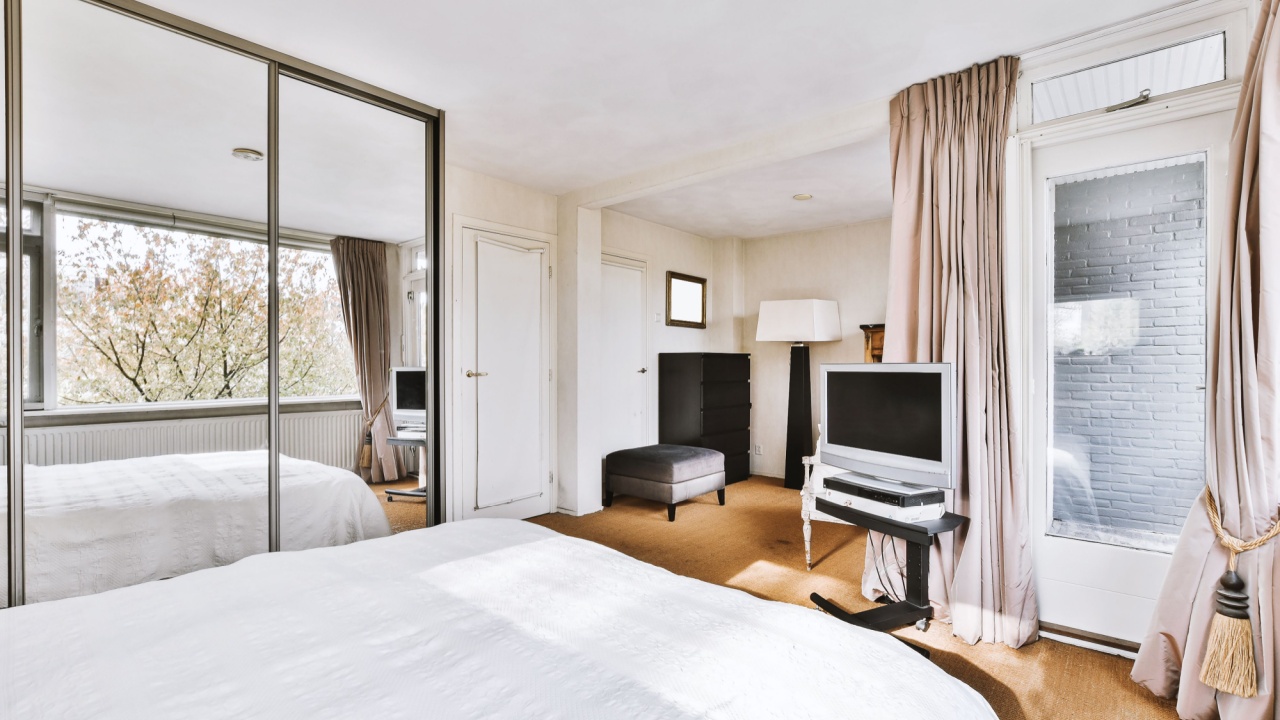
Image Credit: Shutterstock.
Curtains are strictly for windows in most homes, but they can function as theatrical dividers for your electronics. By installing a ceiling-mounted track or a rod that spans a recessed niche, you can hide the television behind a wall of velvet or linen. This creates a sense of height in a room.
Floor-to-ceiling drapery draws the eye upward, making ceilings appear higher and the room grander. It feels less like hiding a TV and more like adding a sophisticated design element. It brings a touch of old-school cinema glamour to a standard living room. Consider carrying the curtains across a larger portion of the wall, perhaps flanking shelves on either side of the TV, so the fabric wall feels like a cohesive backdrop rather than a patch.
5. Choose a TV That Looks Like Framed Artwork
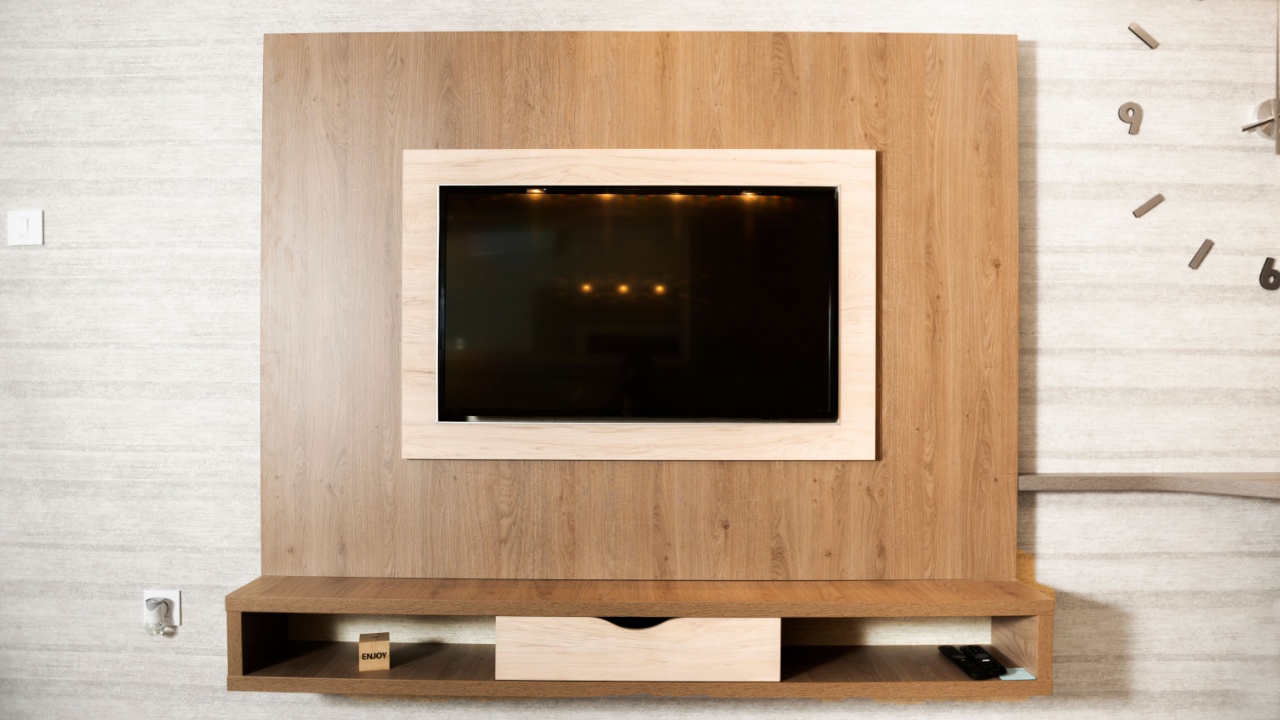
Image Credit: Shutterstock.
Sometimes the best way to hide something is to change its nature entirely. Several manufacturers now produce televisions designed specifically to mimic matte canvases. When these screens are turned off, they do not go black. Instead, they display high-resolution art, photographs, or paintings.
This option is perfect for the minimalist who hates clutter. One thing to note is that a monthly subscription is often required to access the full library of art from the manufacturer. However, most models allow you to upload your own images for free.
6. DIY Your Own Framed Cover

Image Credit: Shutterstock.
If buying a new art-style TV is not in the budget, you can build a mechanism that physically places art over your existing screen. This DIY project involves constructing a shallow box frame around your wall-mounted TV and attaching a piece of framed art to the front using heavy-duty hinges or drawer slides.
This allows for total customization. You pick the exact frame style and the specific artwork that matches your decor. You are not limited by digital libraries or screen resolution. It effectively turns your TV into a hidden wall safe, but for entertainment. Use lightweight materials where possible, such as a canvas print rather than glass-covered art, or install gas struts (like those on a car trunk) to help lift the artwork if you choose a top-hinge design.
Enjoy a Distraction-Free Room

Image Credit: Shutterstock.
A television doesn’t have to be the centerpiece in your home. With a dose of ingenuity, that big screen fades quietly into the background, leaving your style in full view. When technology steps aside, the character of your space comes forward, giving those favorite finds and personal treasures room to shine. Here’s to rooms that feel inviting during a movie marathon or while sipping cocoa at sunrise.