
You probably have a brown bottle of hydrogen peroxide sitting in your medicine cabinet right now. It’s a staple for disinfecting cuts and scrapes, and in recent years, it’s gained a reputation as a powerhouse cleaner for everything from whitening grout to sanitizing sponges. But before you go spraying it on every surface in your house, you need to know that this bubbling liquid isn’t a one-size-fits-all solution.
Hydrogen peroxide is chemically similar to water but with an extra oxygen molecule, which gives it strong oxidizing properties. While that’s great for killing bacteria, it can be disastrous for certain materials. This oxidation process can bleach colors, strip finishes, and corrode metals if you aren’t careful.
To help you avoid a cleaning catastrophe, we’ve rounded up five things you should keep far away from that brown bottle.
1. Natural Stone Countertops

Image Credit: Shutterstock.
It’s tempting to use a strong disinfectant on kitchen counters where you prep food, but if you have natural stone like granite, marble, or travertine, hydrogen peroxide is a major no-no.
Natural stone countertops are porous and protected by a sealant. Hydrogen peroxide’s acidity can break down this sealant, exposing the stone to permanent chemical damage known as “etching.”
Use a pH-neutral cleaner made for natural stone or a simple mix of warm water and mild dish soap.
2. Metals (Especially Copper and Brass)
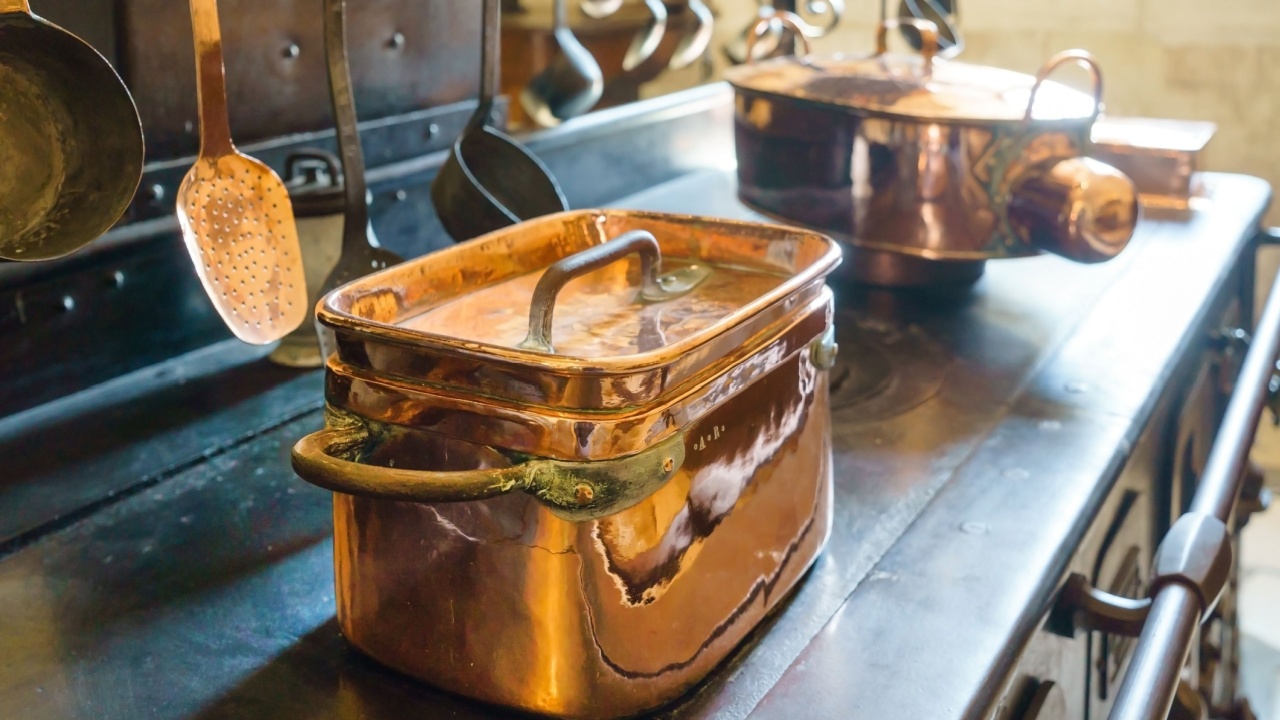
Image Credit: Shutterstock.
While hydrogen peroxide is often touted as a rust remover, leaving it on certain metals too long or using it on the wrong types can actually accelerate corrosion.
This is especially true for copper, brass, and some stainless steel finishes. The peroxide can react with these metals, leading to pitting, discoloration, or stripping of the protective coat. You might permanently dull your vintage copper pots or stainless steel fridge.
For stainless steel, use a microfiber cloth with vinegar and olive oil. For copper and brass, use specialized metal polishes or a paste of lemon juice and salt.
3. Wood Furniture and Floors
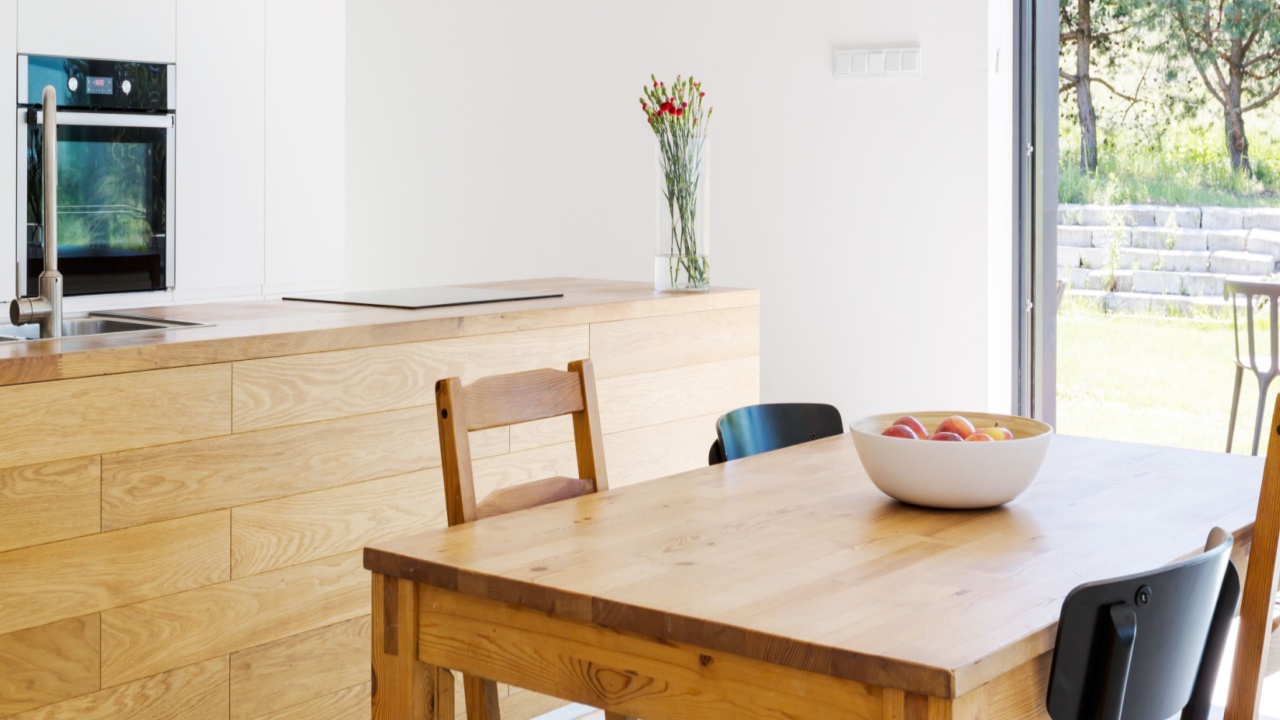
Image Credit: Shutterstock.
Hydrogen peroxide can strip and ruin wood finishes. When applied to wood, it can bleach the color, leaving light spots. It also breaks down the protective finish, leaving the wood dry, brittle, and susceptible to damage.
Instead, use a product designed for wood or a mix of water and a small amount of white vinegar. Wipe with the grain and dry immediately.
4. Colored Fabrics and Upholstery

Image Credit: Shutterstock.
Hydrogen peroxide is often used as a bleach for its whitening properties. While it’s great for removing blood stains from white fabrics, it can be risky for colored ones. Using it on dark or colorful fabrics, carpets, or upholstery can strip the dye, leaving a permanent discolored spot.
For colored fabrics, use an enzyme-based cleaner to break down stains without affecting the dye. Always spot-test a new cleaner on a hidden area first.
5. Electronics and Screens
Image Credit: Shutterstock.
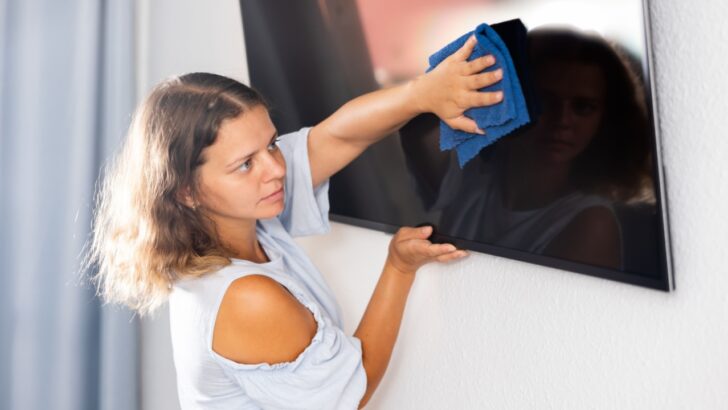
Most screens have an oil-repellent coating to resist smudges. Hydrogen peroxide can strip this coating, leaving your screen streaky and cloudy. If it seeps into your device, its corrosive properties can also damage internal components.
Use a dry microfiber cloth for dust and smudges. For disinfecting, use a 70% isopropyl alcohol wipe or an electronic-specific cleaner. Always spray the cloth, not the screen directly.
Protect Your Home

Image Credit: Shutterstock.
Cleaning shouldn’t involve crossing your fingers and hoping for the best. By knowing which materials react poorly to hydrogen peroxide, you can keep your home sanitized without accidentally destroying your favorite possessions.
Now that you know what not to clean, you might be looking for safer alternatives. Take a quick inventory of your cleaning cabinet. If you have natural stone, wood, or delicate metals, ensure you have dedicated cleaners for those surfaces so you aren’t tempted to reach for peroxide in a pinch.