
Modern self-care can feel like a full-time job that requires a subscription, a crystal collection, and a deep understanding of adaptogens and parabens. Before the wellness industry became an actual industry, taking care of oneself was a bit more straightforward. The women of the 1950s found ways to recharge that did not involve a smartphone.
These practices were woven into the fabric of daily life, offering simple resets that feel surprisingly refreshing today. Here are a few ideas from the past that are worth another look.
1. Get Your Hair Done
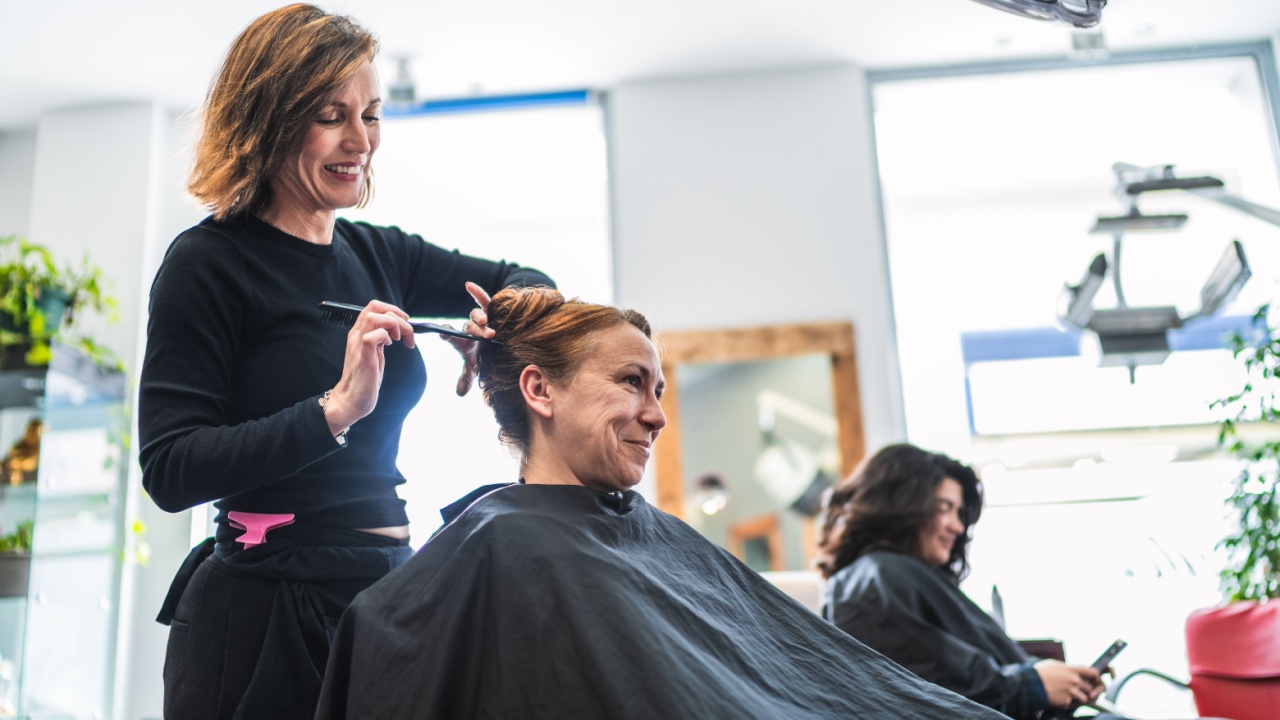
Image Credit: Shutterstock.
A weekly visit to the beauty salon was a fixture for many women in the 1950s. This was more than just a trim and a touch-up; it was a scheduled appointment with relaxation. Sitting under a hooded dryer with a stack of magazines was a designated time to unwind, away from household duties.
The salon was a social hub, a place to catch up on community news and enjoy light conversation. This routine offered a predictable, structured break that provided both a confidence boost from a fresh hairstyle and a mental reprieve from daily responsibilities. Getting your hair done is self-care. Schedule regular hair appointments, even if it is just for a wash and blowout.
2. Develop a Skin Care Routine

Image Credit: Shutterstock.
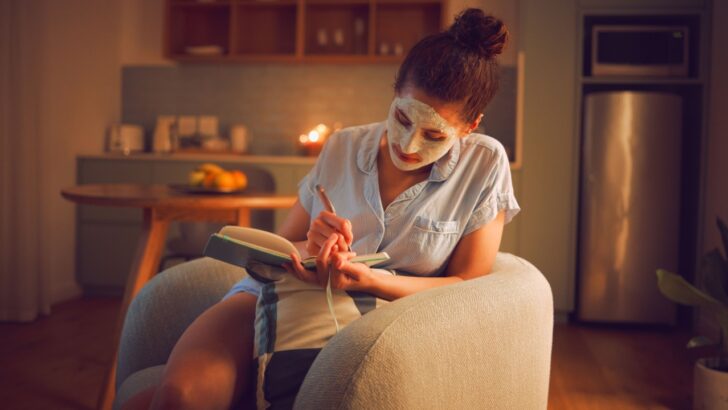
Skincare in the 1950s was less about a 12-step process and more about ritual. Brands like Pond’s and Noxzema were staples on the vanity table. The act of applying cold cream, letting it sit, and then carefully wiping it away was a deliberate, mindful process.
It was a quiet moment at the beginning or end of the day dedicated entirely to oneself. This routine was not about chasing trends but about consistently caring for one’s skin with a few trusted products. It turned a daily chore into a soothing practice. Bring skincare back by choosing a few quality products instead of a cabinet full of them. A dedicated, calming moment of personal care that promotes consistency and skin health.
3. Take a Sunday Drive

Image Credit: Deposit Photos.
Before air travel became common, the Sunday drive was a popular form of leisure. Families would pile into the car with no specific destination in mind, simply to enjoy the scenery and the act of being together. It was a low-pressure way to escape the confines of the home and see something new.
These drives provided a mental reset, shifting focus from household chores to the passing landscape. It was a simple, accessible way to practice mindfulness and appreciate the local surroundings.
4. Find a Creative Hobby
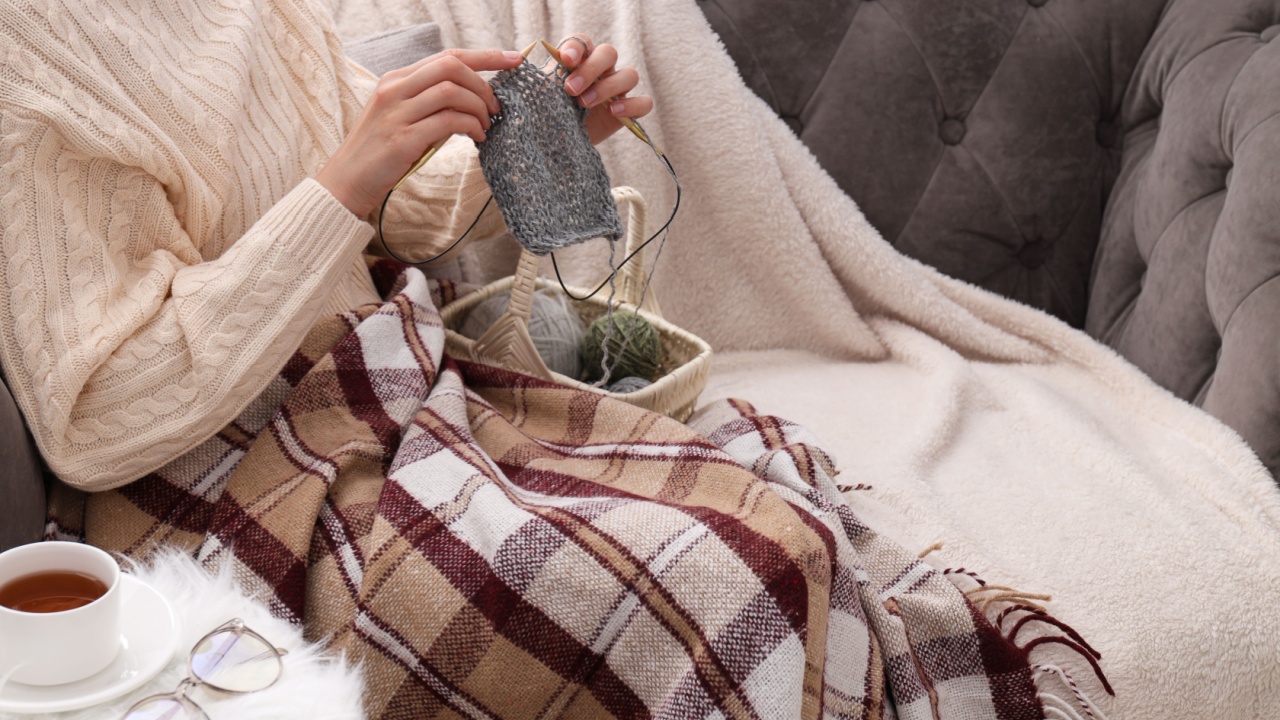
Image Credit: Shutterstock.
Hobbies like knitting, crocheting, sewing, and painting were common pastimes for 1950s women. These activities offered a creative outlet and a tangible sense of accomplishment. The repetitive motions of knitting or stitching can be meditative, helping to quiet a busy mind.
Working on a project provided a productive way to fill quiet moments. It was a way to create something useful or beautiful, which offered a different kind of satisfaction than maintaining a home. Try a modern craft kit for things like embroidery, pottery, or candle making.
5. Have a Friend Over

Image Credit: Shutterstock.
Socializing in the 1950s often happened in the home. Inviting a friend over for coffee, tea, or a simple meal was a regular way to connect. These gatherings were informal and centered on conversation. It was a chance to share experiences, offer support, and simply enjoy another person’s company without the distractions of a public place.
This kind of direct social connection was a fundamental form of emotional self-care, reinforcing friendships and community bonds. Schedule a regular, low-key get-together with a friend at your home. Meaningful social connections strengthen relationships and provide emotional support.
Old-School Self-Care Still Delivers

Image Credit: Shutterstock.
These mid-century practices highlight a different approach to self-care, one rooted in simplicity, routine, and real-world connection. Incorporating them does not require a complete lifestyle change. Instead, it involves recognizing the value in slowing down, engaging in simple pleasures, and making intentional time for oneself.
A good starting point is to choose one activity that resonates and schedule it into your week, treating it with the same importance as any other appointment. It is about finding small pockets of peace in a busy world.