
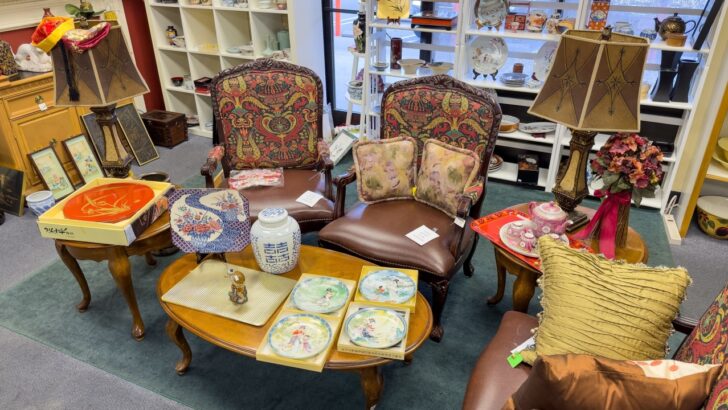
When you walk into a thrift store or browse an estate sale, you never know what hides behind a stack of old magazines or under a pile of polyester table linens. While trends cycle faster than a washing machine on spin, certain design elements manage to survive every decade with their dignity intact. These are the items that bring weight, history, and genuine character to a room without demanding a full renovation budget.
Here are five categories of secondhand finds that maintain their appeal regardless of the current year.
1. Solid Brass Decor

Image Credit: Shutterstock.
Brass had a massive moment in the 80s, disappeared for a while, and returned with a vengeance. Unlike plated metals that flake or peel to reveal cheap grey zinc underneath, solid brass endures. It develops a rich patina that darkens naturally, giving items a sense of established permanence.
You can often identify solid brass by its weight. It feels substantial and heavy in the hand. A magnet serves as a perfect testing tool. If a magnet sticks, the item is merely brass-plated steel. If it slides right off, you likely have solid brass or copper. Look for candlesticks, animal figurines, bookends, or heavy bowls. These small touches add warmth to cool-toned rooms and shine beautifully against dark wood.
2. Blue and White Ceramics
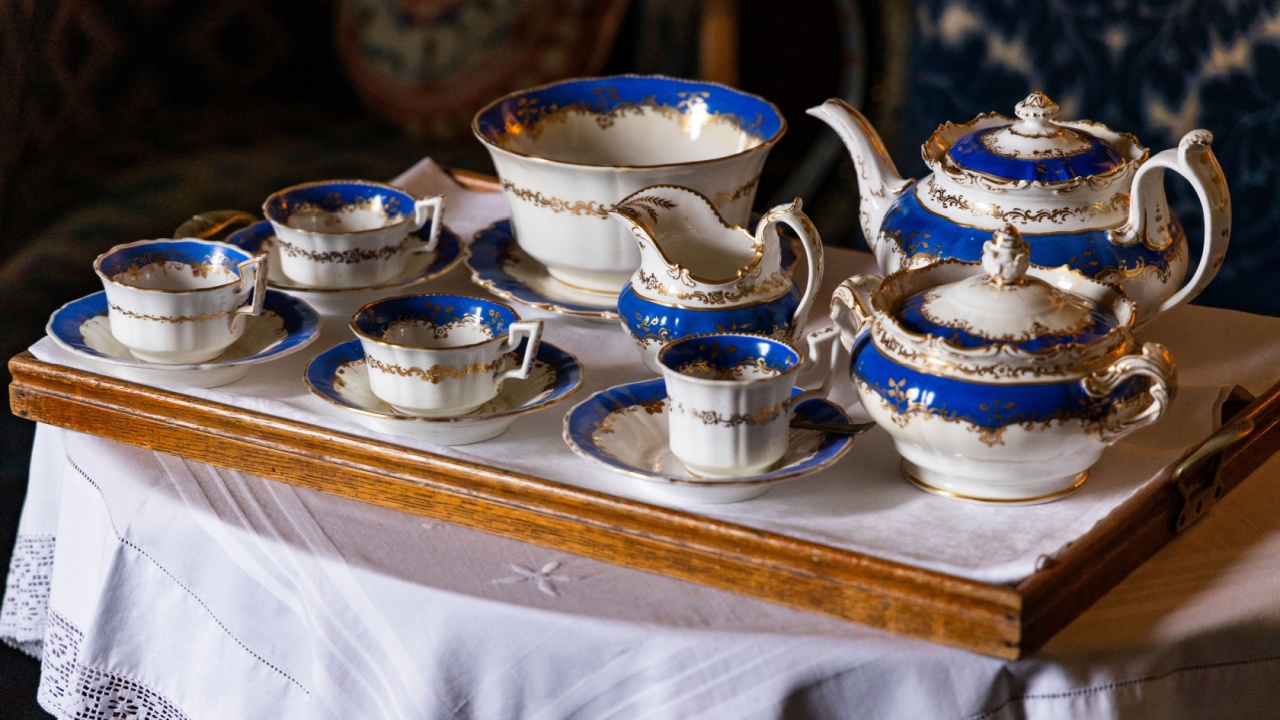
Image Credit: Shutterstock.
Design historians and grandmothers agree on this point. Blue and white pottery withstands every shift in taste. From Chinese porcelain to Dutch Delftware and English transferware, this color combination spans centuries and continents. It works because it functions almost like a neutral. The crisp contrast between the deep indigo and the clean white fits into farmhouse kitchens, modern lofts, and traditional living rooms with equal ease.
When scanning shelves, keep an eye out for Ginger jars, plates, bowls, and vases. You do not need a matching set. In fact, a collection looks stronger when you mix different patterns and eras. A flow blue plate from the 1800s sits happily next to a geometric vase from the 1970s. The color unifies them.
3. Gilded Gold Frames
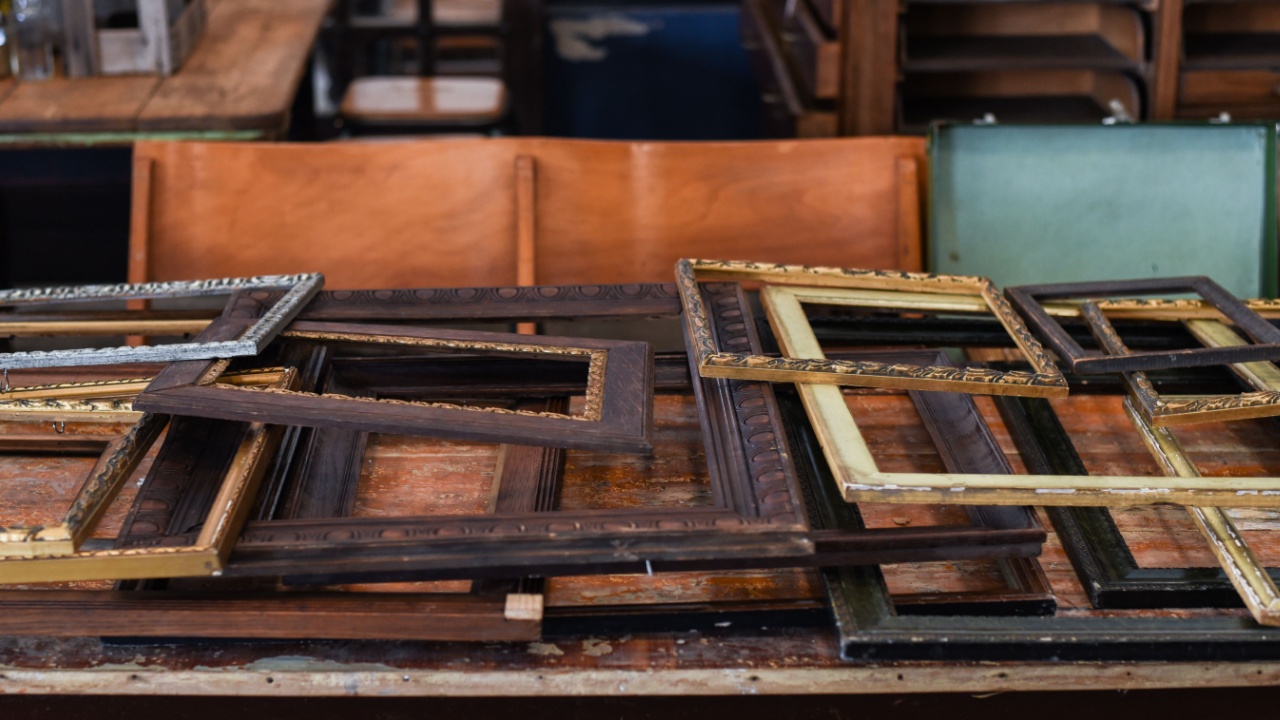
Image Credit: Shutterstock.
Modern framing is shockingly expensive. Custom framing a simple poster can cost more than the art itself. This reality makes vintage frames one of the smartest purchases in the secondhand market. Older frames often feature intricate detailing, plaster relief work, and gold leaf finishes that would cost a fortune to replicate today.
Even if the artwork inside depicts a gloomy landscape or a scary clown, the frame itself holds value. Do not let a strange painting deter you. You can easily remove the existing art and glass to swap in a mirror, a family photo, or a modern print. The contrast between a contemporary piece of art and an ornate, antique gold frame creates dynamic tension in a room. It stops the space from feeling too sterile or new.
4. Vintage Wool Rugs
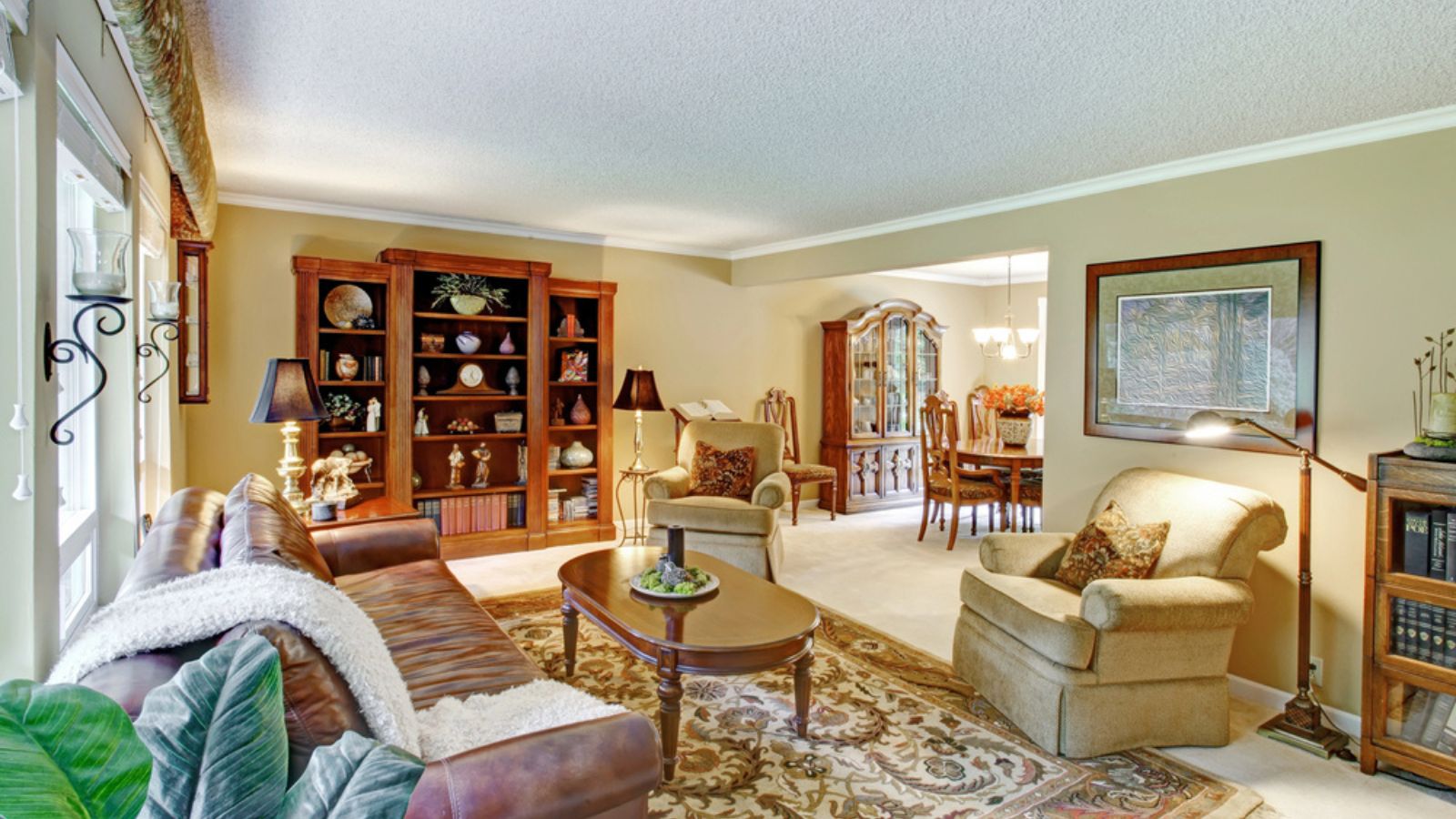
Image Credit: Deposit Photos.
Synthetic rugs have flooded the market because they are cheap to produce. However, they tend to flatten, pill, and hold onto odors. Wool acts differently. It is a natural fiber that repels stains due to the lanolin content and springs back after being walked on.
A quality wool rug can survive for fifty to a hundred years if treated well. When you find a Persian, Turkish, or Chinese wool rug secondhand, you are acquiring a piece of textile art. They are some of the things you should not pass up at the thrift store. Colors in vintage wool rugs tend to be softer and more harmonious than modern synthetic dyes. Even if the rug shows signs of wear, commonly called “threadbare” areas, this often increases its desirability.
5. Heavy Glassware and Decanters
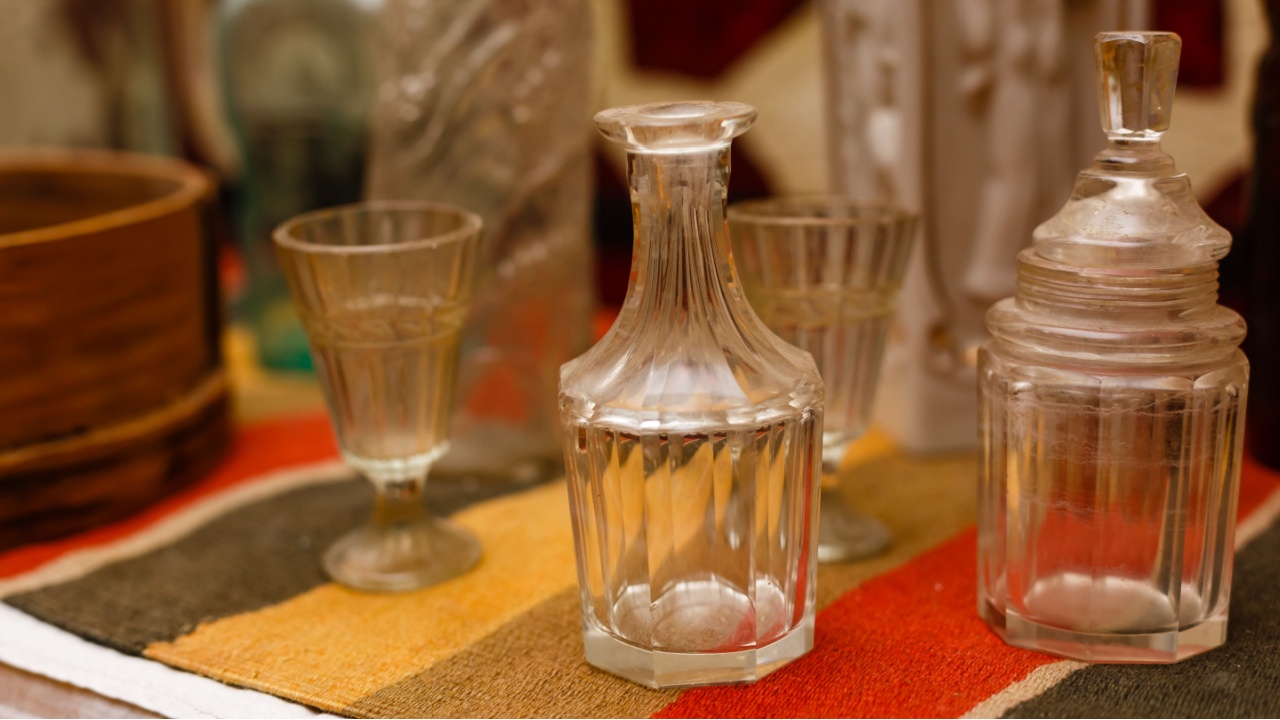
Image Credit: Shutterstock.
Drinking water out of a flimsy plastic cup gets the job done. Drinking water out of a heavy, cut-glass goblet turns hydration into an event. Vintage glassware, particularly crystal and pressed glass, offers a tactile experience that modern manufacturing rarely matches. The glass was often made thicker and with more intricate patterns in the past.
Look for decanters, stemware, and heavy tumblers. You might find lead crystal, which sparkles brilliantly in the light. While you should research safety regarding lead crystal for long-term storage of liquids, using them for a dinner party is generally considered safe. These pieces sparkle on a bar cart or open shelving. Glassware does not need to match. An eclectic table setting with mixed goblets looks intentional and charming.
Advice for the Hunt
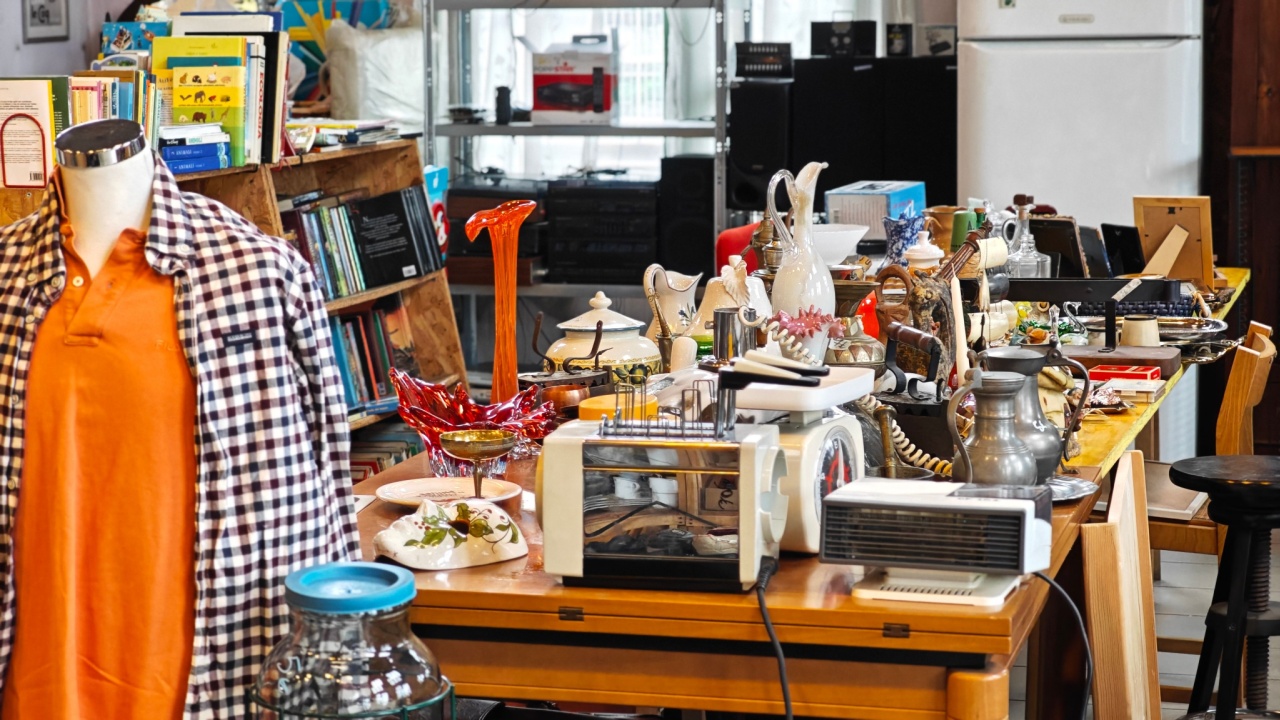
Image Credit: Turelvi / Shutterstock.
Bringing these items into your home requires a discerning eye and a bit of patience. You do not need to fill a cart on your first trip. Shopping secondhand works best as a slow accumulation process.
Before purchasing, engage your senses. Smell everything. Textiles and rugs can harbor odors that are nearly impossible to remove. Musty smells in wood or books might indicate mold. Focus on materials first. Wood, glass, metal, wool, and stone will always outlast plastic and particleboard.