
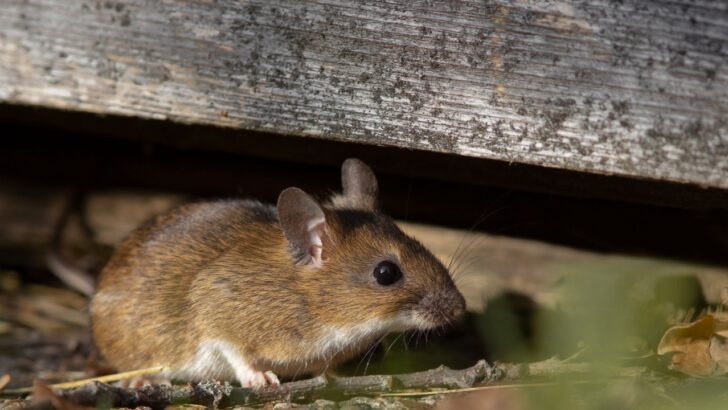
Finding tiny, unwanted guests in your home or garden can be a real downer. Before you start rearranging the furniture to block every conceivable entry point, consider a simpler, more aromatic approach. Certain smells that are pleasant to us are absolutely repulsive to mice. Their powerful sense of smell, which guides them to food, can also be used to send them running in the opposite direction.
Using specific scents is a way to make your space less inviting without resorting to harsher methods. Here are five scents that mice don’t like.
1. Peppermint Oil

Image Credit: Shutterstock.
Peppermint is a powerhouse in the scent world. The strong, minty aroma comes from its high concentration of menthol. For humans, this scent is refreshing and often associated with cleanliness and holiday cheer. For a mouse, it’s an assault on the senses. The intense menthol overwhelms their delicate nasal passages, making it difficult for them to smell food sources or detect predators. This sensory overload is irritating and disorienting, causing them to steer clear of areas saturated with the scent.
To use peppermint oil, place a few drops on cotton balls and tuck them into areas where you have seen mice or suspect they are entering. Good spots include cabinet corners, behind appliances, along baseboards, and near any cracks or holes in walls. Refresh the cotton balls every few days, as the oil’s potency will fade over time. You can also mix peppermint oil with water in a spray bottle to treat larger areas.
2. Spearmint Oil

Image Credit: Shutterstock.
Spearmint is peppermint’s slightly sweeter cousin, but don’t let its pleasantness fool you. It contains a compound called carvone, which gives it its characteristic minty scent. Like menthol, carvone is too potent for a mouse’s sensitive nose. While not as sharp as peppermint, the persistent aroma of spearmint creates a similarly unpleasant environment for rodents. They find the strong smell disruptive to their ability to navigate and communicate.
Cotton balls soaked in the oil are effective for small, targeted locations. You can also plant spearmint around the perimeter of your garden or home as a living deterrent. Be mindful that mint plants spread aggressively, so planting them in pots is a good way to keep them contained while still getting the pest-repelling benefits.
3. Citronella Oil

Image Credit: Shutterstock.
Most of us associate citronella with keeping mosquitoes away during summer barbecues, but its usefulness extends to deterring small mammals. Derived from lemongrass, citronella has a distinct lemony, grassy fragrance that mice find offensive. The strong, citrus-based smell masks other odors in the environment, which confuses mice and makes it harder for them to find food. This frustration and sensory disruption encourage them to look for a less challenging place to forage.
Citronella candles can be effective in outdoor spaces like patios or near garden sheds. For indoor use, citronella oil on cotton balls or in a diffuser works well. Place them near doorways, windowsills, and in basements or attics. Since citronella is a very strong scent, a little goes a long way. Start with a small amount to see how it works in your space.
4. Eucalyptus Oil

Image Credit: Shutterstock.
The fresh, medicinal scent of eucalyptus comes from a compound called eucalyptol. This powerful aroma is known for clearing human sinuses, and it has an even more dramatic effect on mice. The potent scent is overpowering and acts as a respiratory irritant to them. The intensity is so strong that mice will actively avoid any area where the fragrance is present. They perceive it as a threat, triggering their instinct to flee.
Eucalyptus oil is quite strong, so use it sparingly. Apply a few drops to cotton balls and place them in pantries, closets, and under sinks. You can also create a spray by diluting it with water to cover larger surface areas along entry points. Another option is to hang dried eucalyptus branches in areas like garages or sheds for a longer-lasting, low-maintenance deterrent.
5. Clove Oil

Image Credit: Shutterstock.
The warm, spicy scent of cloves comes from a compound called eugenol. This potent, pungent aroma is something mice simply cannot stand. The smell is so sharp and overwhelming to their olfactory system that it effectively acts as a barrier. For them, it is not a pleasant holiday scent but an intense irritant that signals an area is unsafe or at least deeply unpleasant to inhabit.
Clove oil can be applied to cotton balls and placed in strategic locations, just like the other oils. For a double-pronged approach, you can press whole cloves into an orange, creating a pomander. This not only releases the clove scent but also adds a citrus smell that mice also dislike. Hang these in closets or place them in drawers. Remember to replace them as the scent diminishes.
Putting Scents to Work

Image Credit: Deposit Photos.
Now that you know which scents to keep pests at bay, success lies in the application. Consistency is your best tool. These natural repellents need to be refreshed regularly, typically every few days, as the essential oils evaporate and lose their potency. For a proactive strategy, identify and seal potential entry points.
Mice can squeeze through incredibly small openings. Walk around your home’s foundation, checking for cracks, and inspect areas where utility lines enter the house. Use steel wool and caulk to fill these gaps, as mice cannot chew through steel wool. Finally, maintain a clean environment. Store food, including pet food, in airtight containers. Clean up crumbs and spills promptly.