
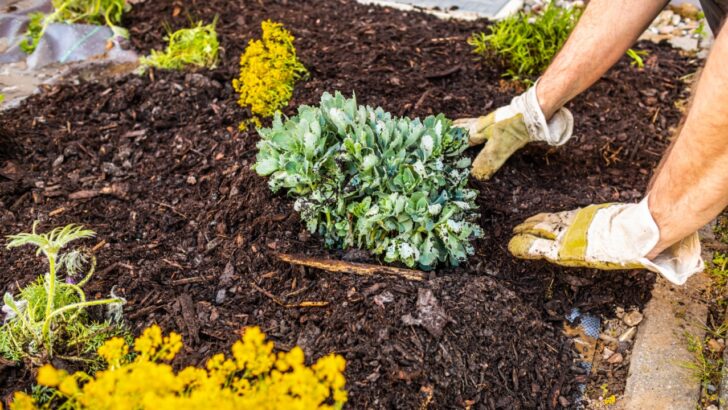
Gardening in December usually sounds like a prank. The mower is hibernating in the shed, the hoses are drained, and the only thing growing is the pile of holiday catalogs on the counter. Venturing out into the cold to spread mulch might seem like the definition of unnecessary suffering. Most reasonable people stay inside where the heating vents live.
However, neglecting the garden right now is a missed opportunity. While everything looks dormant above ground, there is plenty of activity happening below the surface. Soil biology does not sleep, and weather patterns are constantly messing with your meticulously planted beds.
There are many reasons to mulch in December; here are five of them.
1. Stop the Frost Heave Shuffle
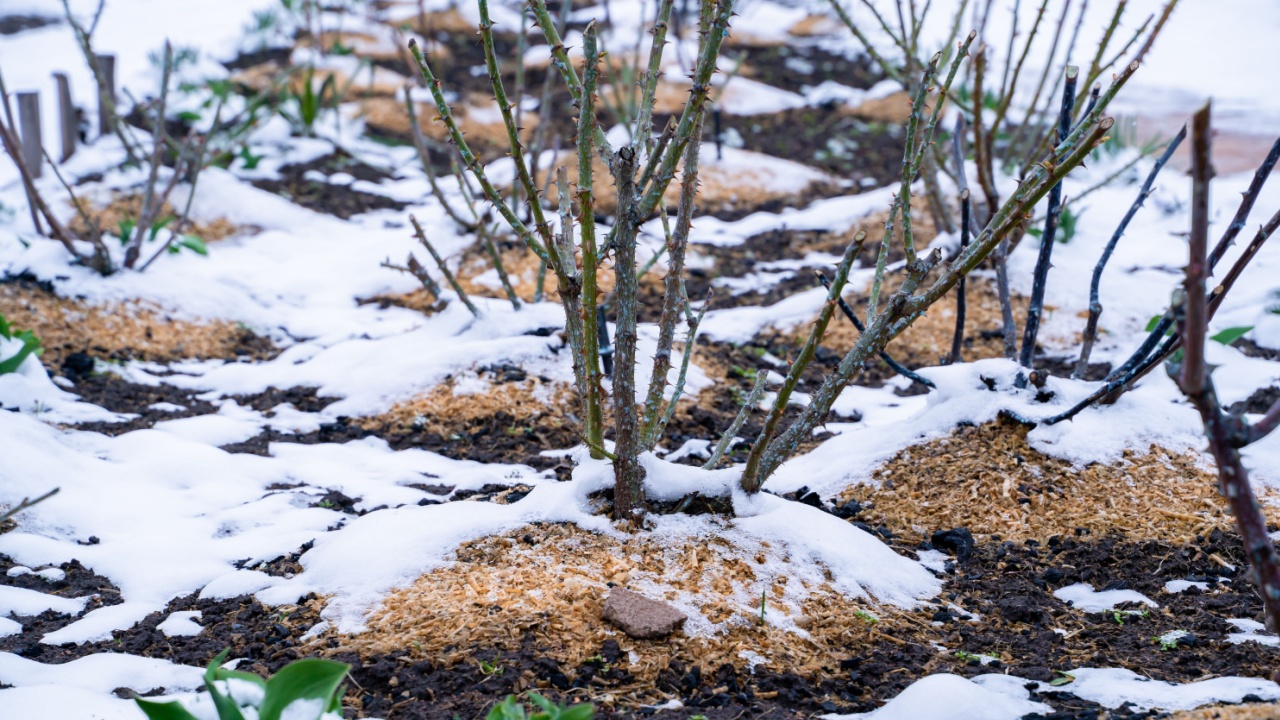
Image Credit: Shutterstock.
When temperatures fluctuate, the ground freezes and expands, then thaws and contracts. This cycle acts like a slow-motion elevator for your plants. It pushes perennials and shallow-rooted bulbs right out of the ground. Once those tender roots get exposed to freezing air, the plant dries out and dies. It is a rude way to go for a prized hosta or a newly planted garlic clove.
Mulching in December helps regulate soil temperature. The objective is not to keep the soil warm. You actually want the ground to freeze and stay frozen. A thick layer of pine needles, shredded leaves, or bark chips insulates the earth from the sun’s rays on unseasonably warm days. This prevents the rapid thawing that causes the heaving motion.
2. Suffocate Winter Weeds Before They Sprout
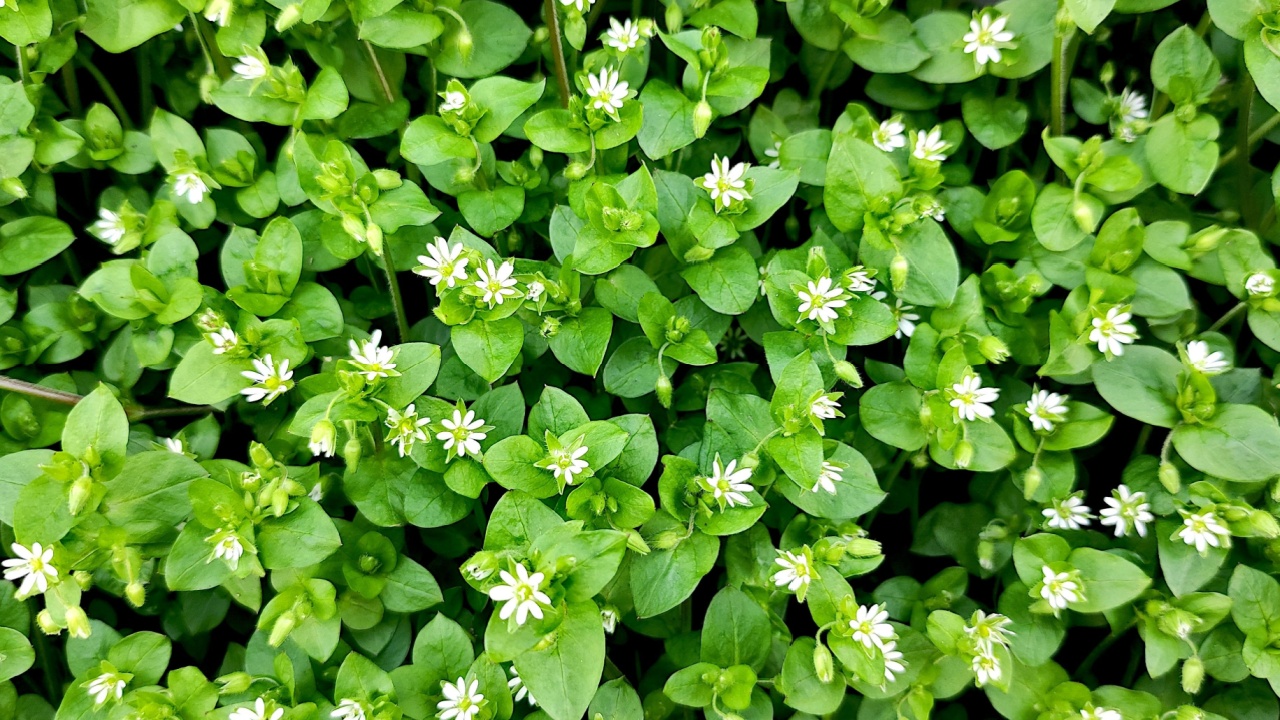
Image Credit: Shutterstock.
Many gardeners assume weed seeds are polite enough to wait for spring. Unfortunately, winter annuals like henbit, chickweed, and purple deadnettle are plotting their takeover right now. These opportunistic invaders germinate in late autumn or during mild winter spells. They establish root systems while you are busy wrapping presents, then explode into growth the moment the sun stays out a little longer in February.
Applying mulch now deprives these seeds of the light they require to germinate. It creates a physical barrier that most seedlings cannot push through. If they cannot reach the sun, they wither and die before becoming a problem. Dealing with tiny, non-existent weeds under a layer of straw is infinitely easier than pulling established, rooted invaders out of cold, wet mud in March.
3. Prevent Soil Erosion and Compaction
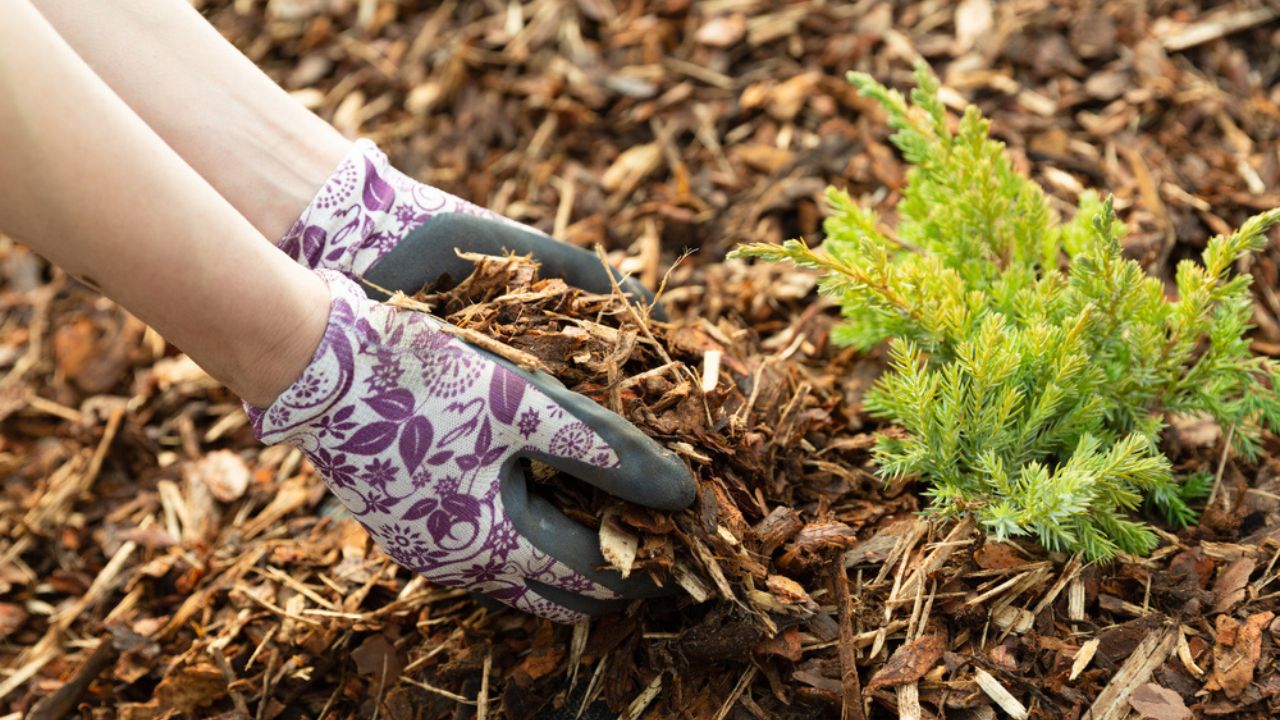
Image Credit: Shutterstock.
Winter weather is surprisingly violent toward bare soil. Heavy rains, sleet, and the weight of snow can wreak havoc on garden beds. Without a protective covering, water droplets hit the dirt like miniature bombs. This impact blasts soil particles apart and washes away the nutrient-rich top layer. You end up losing the best part of your garden to runoff.
Compaction is another enemy. The weight of heavy snow, or even foot traffic on wet ground, squashes soil particles together. This removes the air pockets that roots need to breathe. Dense, compacted clay is miserable to work with and hostile to plant growth. A layer of mulch absorbs the impact of precipitation and disperses the weight of snow.
4. Lock in Essential Moisture
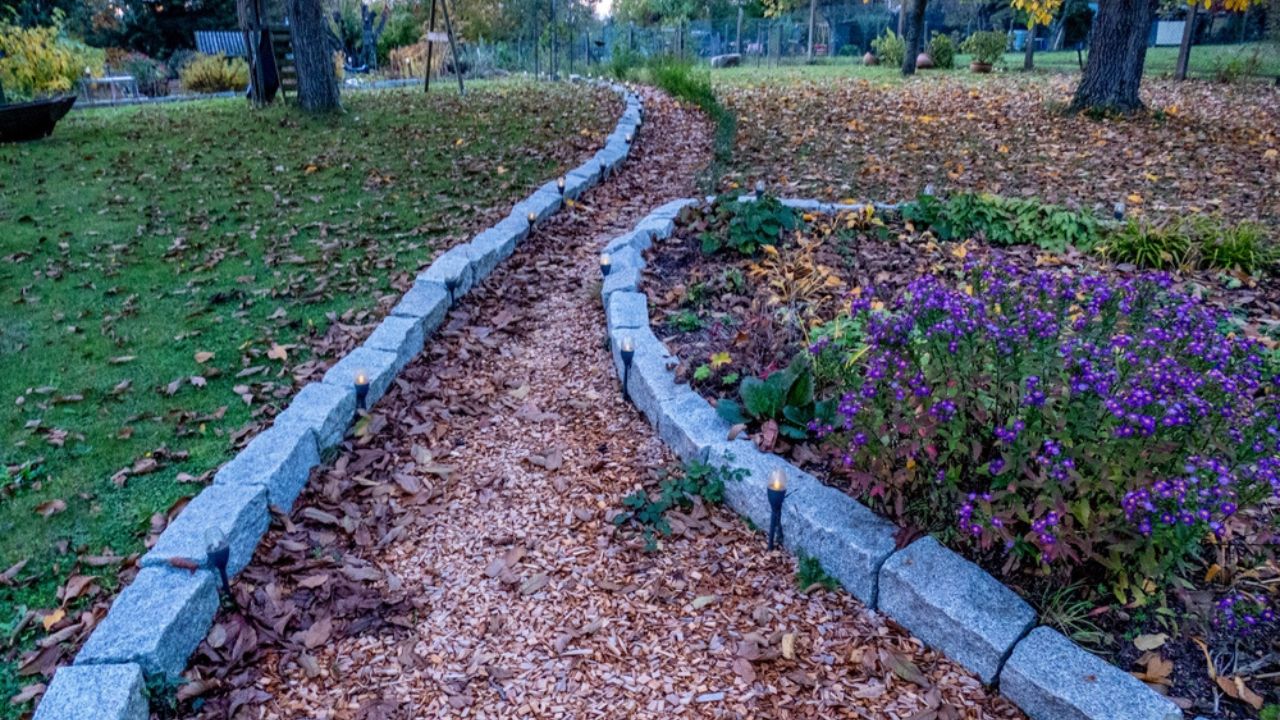
Image Credit: Shutterstock.
It is easy to forget about water when the ground is frozen or covered in snow. However, winter is often a time of drought for plants. Cold winds act like a blow dryer, stripping moisture from evergreen foliage and branches. If the ground is frozen solid, roots cannot pull up water to replace what is lost. This leads to winter burn, where plants turn brown and crispy, not from cold, but from thirst.
December mulch creates a seal over the soil surface. It drastically reduces evaporation, keeping whatever moisture is in the ground available for plant roots. During temporary thaws, the mulch allows water to seep down slowly rather than running off the surface. Keeping the soil consistently moist (but not waterlogged) ensures plants remain hydrated and healthy. Hydrated roots are far more resilient against cold damage than dry, stressed roots.
5. Buy Yourself a Sanity Break for Spring

Image Credit: Deposit Photos.
Spring is practically a competitive sport for gardeners. The to-do list in April is terrifying. There is pruning, planting, fertilizing, edging, and mowing. Trying to fit mulching into that frantic schedule often leads to burnout or back pain. By shifting this task to December, you remove a massive chunk of labor from the spring agenda.
A garden that is already mulched looks tidy and intentional all winter long. Instead of staring at bare, muddy patches for months, you get to look at a uniform, clean landscape. When spring arrives, the beds are already prepped.
Getting It Done
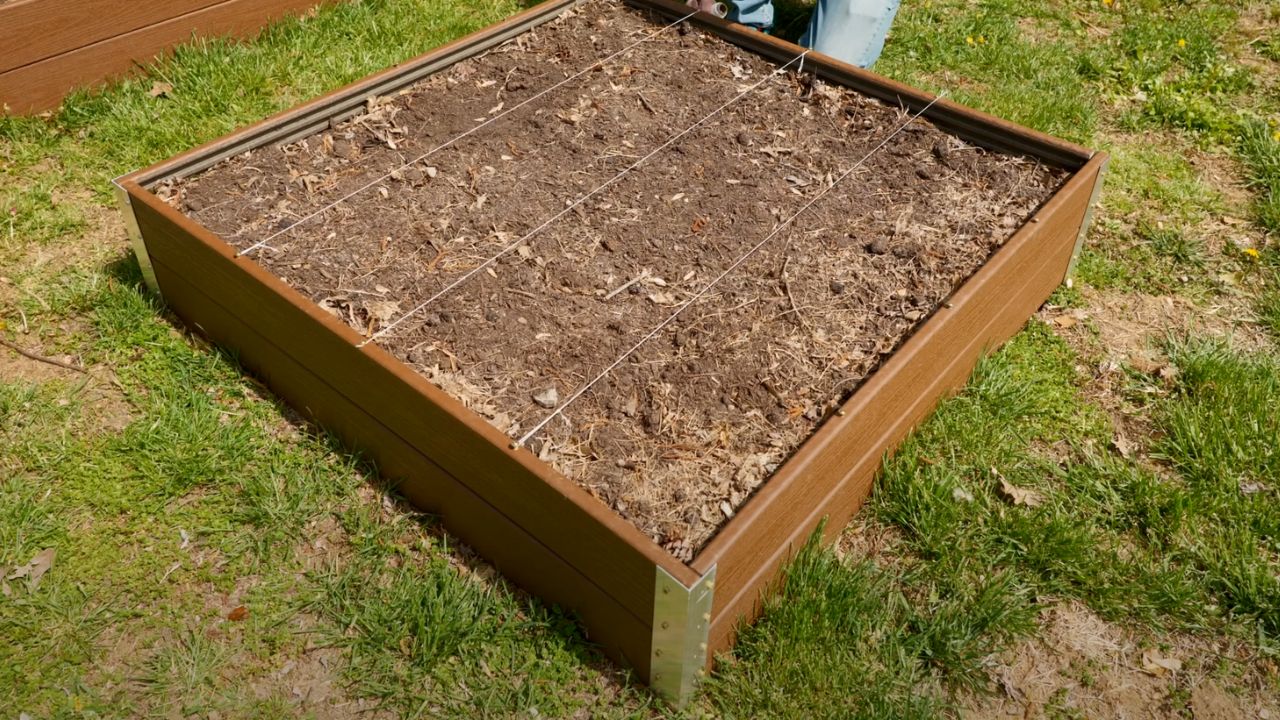
Image Credit: I Like To Make Stuff/Wiki Commons.
To make it easy, do not overcomplicate the materials. Straw, shredded leaves, pine needles, or hardwood chips all work perfectly fine. The goal is simply coverage. Wait until the ground has frozen hard, or at least until you have had several hard frosts. This signals to mice and voles that they should find winter quarters elsewhere, rather than nesting in your nice warm mulch piles. Apply a layer roughly two to three inches thick. Avoid piling it directly against tree trunks or shrub bases, as this encourages rot. Leave a little breathing room around the stems.