

Open floor plans had a decades-long reign. We spent years knocking down drywall with sledgehammers, convinced that seeing the dirty dishes from the sofa was the pinnacle of modern living. But the desire for walls, separation, and specialized zones has returned. Homeowners now value privacy and sound control over expansive sightlines.
The kitchen is shifting from a public stage back to a functional workspace. People want rooms that work for cooking, working, and relaxing without those activities bleeding into one another.
These five layouts prioritize function and sanity over vast, undefined spaces.
1. Closed Kitchens

Image Credit: Deposit Photos.
The pendulum has swung back to the traditional enclosed room. A closed kitchen is exactly what it sounds like: a room dedicated solely to cooking, separated from the dining and living areas by four walls and a door. This layout treats the kitchen as a workspace rather than a social hub.
This resurgence stems from a desire to contain the chaos of meal preparation. When you fry fish or burn toast in an open plan, the smell travels to the upholstery in the living room. In a closed layout, smells and sounds stay confined. You can run the dishwasher or bang pots and pans without disrupting someone watching a movie in the next room. It also removes the pressure to keep the counters spotless at all times. You can leave the mess behind a closed door and enjoy your meal in a pristine dining room.
2. Hidden Kitchens
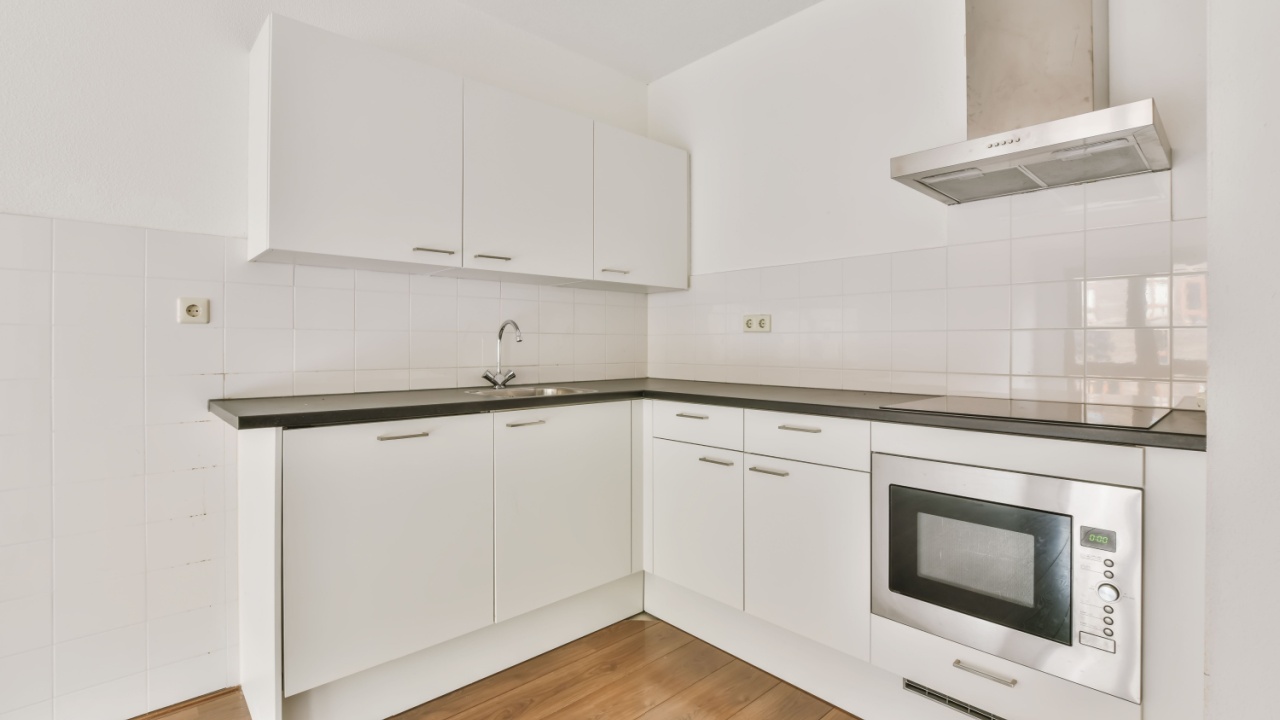
Image Credit: Shutterstock.
Minimalism has evolved into something even more streamlined. The hidden kitchen takes the concept of “less is more” and applies it to the entire room. In this layout, appliances, workspaces, and even sinks disappear behind pocket doors, sliding panels, or folding screens when not in use.
This layout is perfect for smaller apartments or open-concept homes, letting the kitchen vanish from view. When closed, it looks like a sleek wall of cabinetry or wood paneling, effortlessly transforming the space from a workspace to an elegant entertaining area. Hidden kitchens use integrated appliances, with fridges and dishwashers covered in custom panels to match the cabinetry. Push-to-open mechanisms replace hardware for clean, seamless lines.
3. Broken-Plan Kitchens
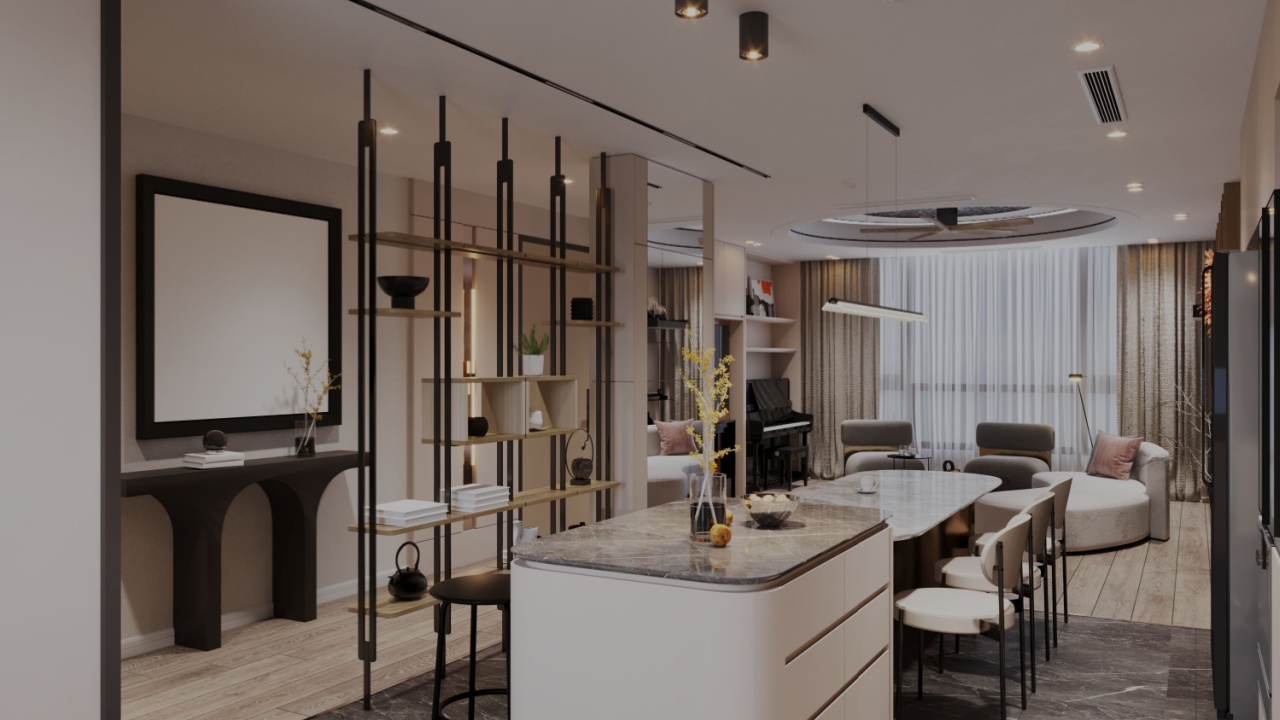
Image Credit: Shutterstock.
For those not ready to fully commit to walls but tired of the barn-like feel of open concepts, broken-plan living offers the solution. This layout retains a sense of openness while using physical elements to create distinct zones. It uses partial walls, open shelving, internal windows, or changes in floor level to imply separation without completely blocking sightlines.
Broken-plan designs solve the issue of the “great room” feeling too large or undefined. By using a double-sided fireplace or a large bookshelf as a divider, you keep the flow of light and conversation but gain a sense of enclosure. It creates specific areas for specific tasks. A reading nook feels separate from the prep station, even if they share the same air.
4. Hybrid Kitchens
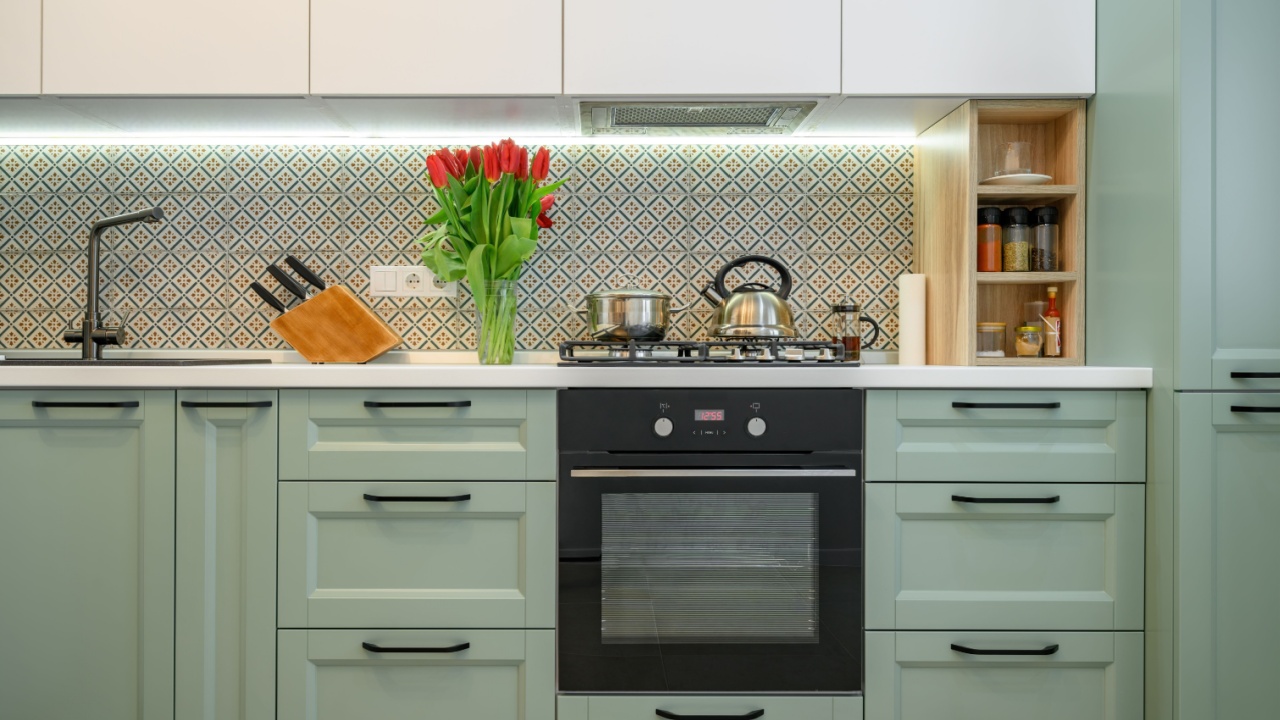
Image Credit: Shutterstock.
The modern home demands spaces that multitask. The hybrid kitchen acknowledges that cooking is rarely the only thing happening in the room. This layout integrates non-kitchen functions directly into the design. We see islands extending into dining tables, built-in desk nooks for remote work, or comfortable banquettes for lounging.
This shift recognizes the reality of daily life. Homework happens while dinner simmers. Laptops open alongside cutting boards. A hybrid layout accommodates these activities with intentional design choices rather than temporary fixes. You might see an island with two distinct heights: standing height for prep work and sitting height for a laptop station.
5. Galley Kitchens
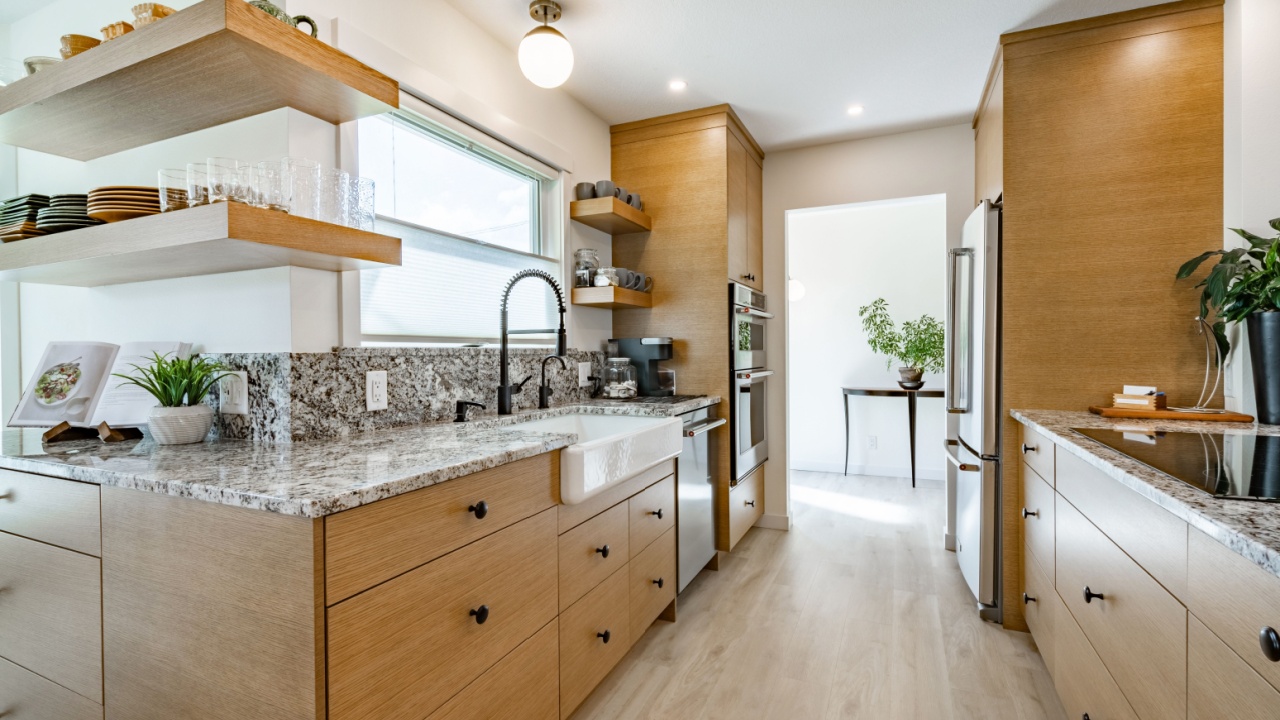
Image Credit: Shutterstock.
The corridor layout has returned with a vengeance. Once considered a hallmark of cramped apartments, the galley kitchen is now recognized as the most efficient design for serious cooks. It consists of two parallel runs of cabinetry with a walkway in between. Professional kitchens almost always utilize a galley layout because it maximizes efficiency.
Modern galley kitchens often open up one end to the outdoors or a dining area to avoid feeling like a tunnel. Designers use lighter colors and reflective surfaces to widen the perception of the space. Removing upper cabinets on one side in favor of open shelving also helps the room feel less enclosed. It puts high functionality into a compact footprint, leaving more square footage for living areas elsewhere in the house.
Choosing Your Layout
Image Credit: Deposit Photos.
Selecting a kitchen layout requires looking at how you live, not just what looks good in a magazine. If you despise the sound of the blender interrupting your podcast, the closed kitchen offers the sanctuary you need. If your square footage is tight and you need a room that does triple duty, the hybrid or hidden options might solve your spatial puzzles. If you plan on selling anytime soon, consider what future buyers might not want.
Ignore the pressure to knock down every wall. Sometimes, walls are there for a reason. Evaluate your tolerance for mess, your need for quiet, and how much you actually cook versus how much you entertain. Your home should serve your habits. Pick the layout that makes your Tuesday night pasta routine easier, rather than one designed solely for a holiday party you host once a year.