

Drawers are the Bermuda Triangles of home organization. They start with good intentions, a neat little space for this or that. Before you know it, they become a jumbled abyss where batteries go to weep, takeout menus from 2017 live on, and single socks await partners that will never return. While they are great for many things, some items just don’t belong in the dark, chaotic confines of a drawer.
Moving them out can protect your belongings, streamline your day, and maybe even prevent a small household disaster. Here are five items that need relocation from the drawer.
1. Batteries and Loose Light Bulbs
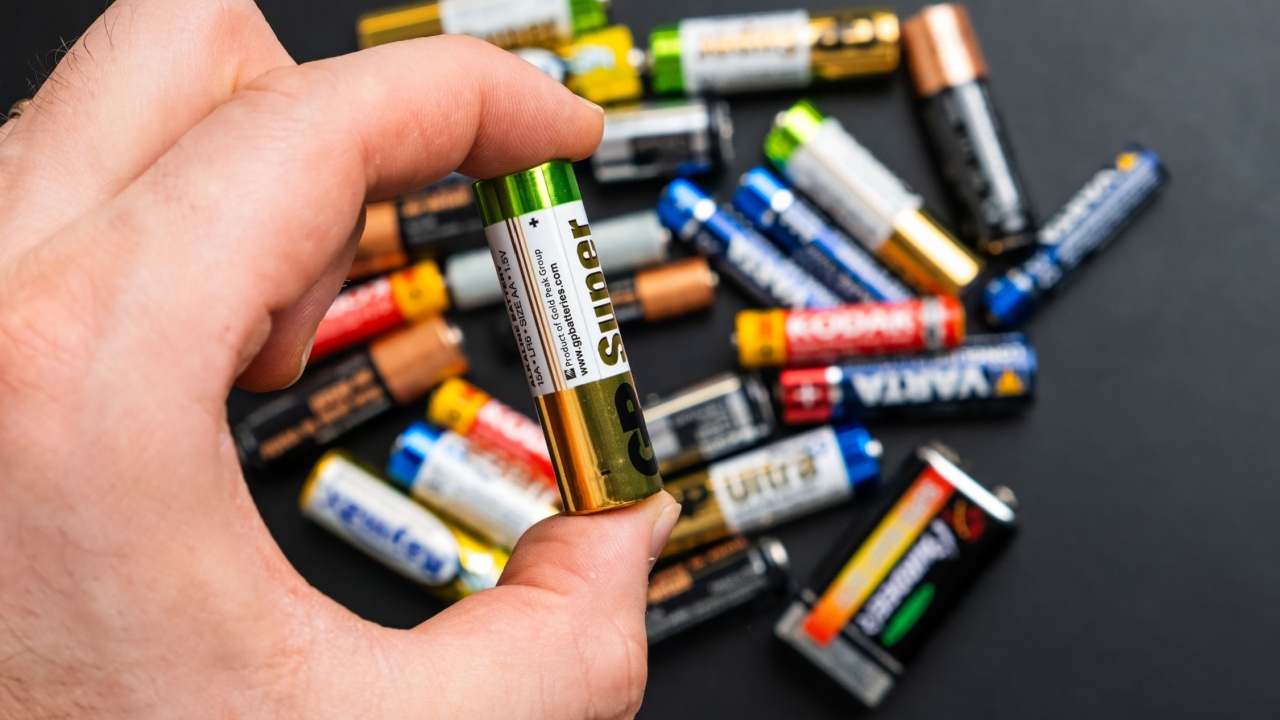
Image Credit: Vladimka production / Shutterstock.
Tossing batteries into a junk drawer is a common habit, but it’s a recipe for disappointment. When loose batteries roll around, their metal ends can touch, creating a circuit that slowly drains their power. The next time you need AAs for the remote, you’ll find them completely dead. Worse, old or damaged batteries can leak corrosive acid, staining the drawer and ruining anything nearby.
Loose light bulbs face a similar fate. That thin glass is no match for a drawer slamming shut or a heavy object shifting around. Reaching into a drawer and finding sharp, broken glass is a nasty surprise nobody wants. A better way is to keep batteries in their original packaging or in a dedicated battery organizer that separates them by size. For light bulbs, store them in their boxes on a closet shelf. This keeps them safe from impact and makes it simple to find the right type when you need it.
2. Important Legal Documents
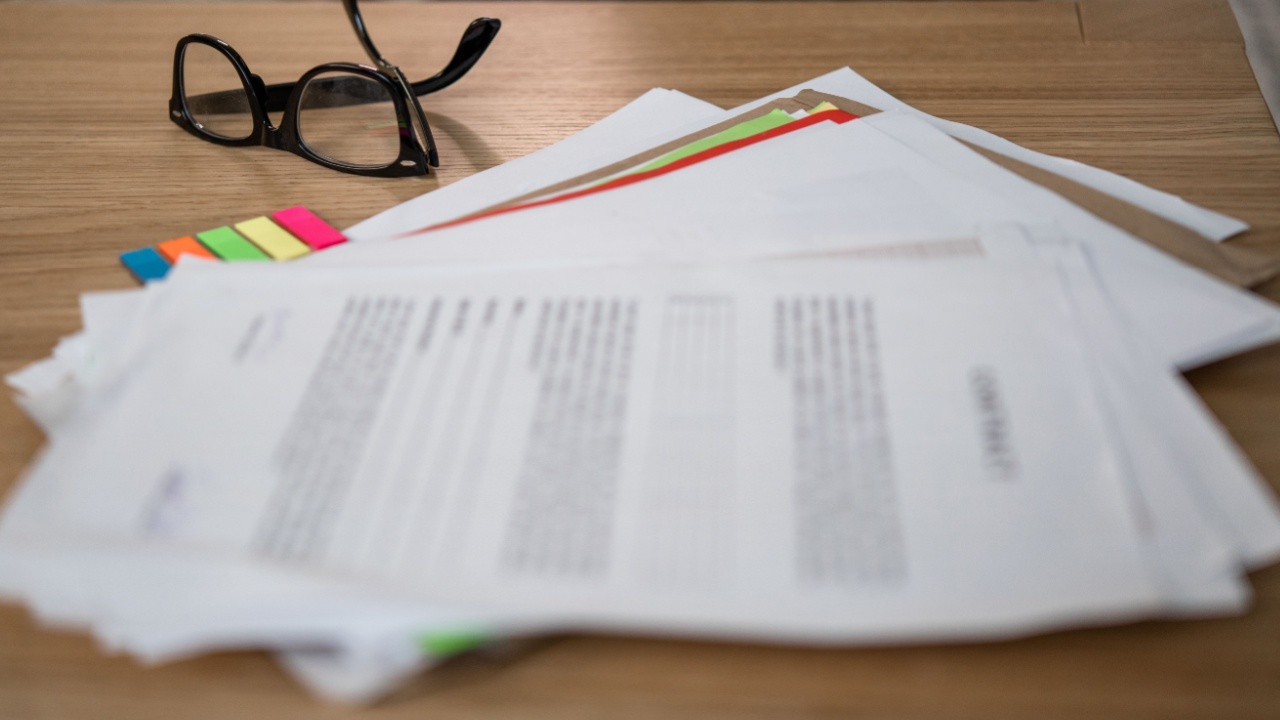
Image Credit: Shutterstock.
Your birth certificate, passport, and Social Security card are not casual papers. Stashing them in a kitchen or desk drawer puts them at risk from spills, pests, or even accidental disposal during a cleaning frenzy. It also turns a simple task like renewing a driver’s license into a frantic search mission under piles of old mail and rubber bands.
Instead, these documents deserve a secure home. A fire-resistant lockbox or a clearly labeled section in a filing cabinet protects them from household mishaps and keeps sensitive information private. Store them in a low-humidity area to prevent damage. This small organizational step means you can quickly access what you need during stressful moments without tearing your house apart.
3. Flammable Items Near Heat Sources
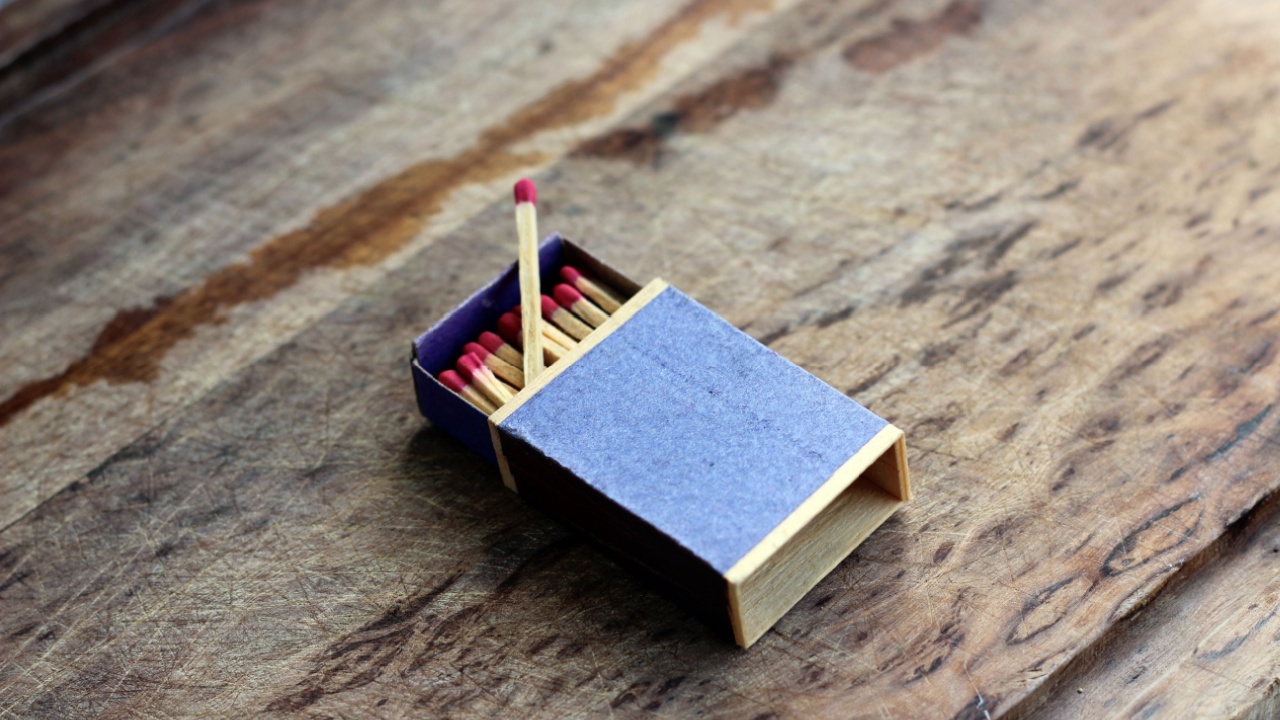
Image Credit: Shutterstock.
It might seem handy to keep lighters, matches, or grill starters in the drawer right next to the stove, but this is a significant safety hazard. The heat from an oven or toaster can build up in the surrounding cabinetry, potentially making flammable items more volatile. A drawer that sticks could even create a spark from friction when pulled hard, which is a bad combination with combustible materials.
Keep all ignition sources in a cool, dry cabinet away from any heat-producing appliances and out of children’s reach. Grouping them in a labeled container also helps you keep track of what you have. Use the drawers near your oven for safe items like pot holders, trivets, or measuring spoons. This simple relocation minimizes fire risk and keeps your kitchen safer for everyone.
4. Perishable Snacks and Open Food

Image Credit: Shutterstock.
That half-eaten bag of chips or box of crackers seems harmless enough, but a drawer is the worst place for it. Crumbs and food residue are an open invitation for ants, roaches, and other pests. Without airflow, food goes stale faster and can develop strange odors that are hard to pinpoint. Reaching for a spatula and getting a sticky residue on your hand is also an unpleasant experience.
Open snacks belong in airtight containers in your pantry or on a counter. This keeps them fresh, protects them from pests, and lets you see what you have at a glance, which helps reduce food waste. If you need quick grab-and-go options, a designated basket on a shelf works much better than a dark, messy drawer. Let your drawers hold tools and linens, not a buffet for bugs.
5. Electronics and Charging Cords

Image Credit: Shutterstock.
Drawers and electronics are not a good mix. Charging a phone or power bank inside a closed, crowded drawer can trap heat, which is bad for battery life and can even create a fire risk. Cords get tangled, bent, and frayed from the repeated opening and closing of the drawer, leading to damage that can cause shorts or sparks. Every time you slam a drawer, you risk pinching a cable or damaging a delicate charging port.
Create a dedicated charging station on a desk, counter, or nightstand. This allows for proper ventilation and keeps your devices visible while they power up. Using cable organizers or a simple partitioned tray can prevent the tangled mess that drawers seem to encourage. By giving your electronics a proper home, you extend their lifespan and reduce potential hazards.
Rethinking Where Stuff Lives
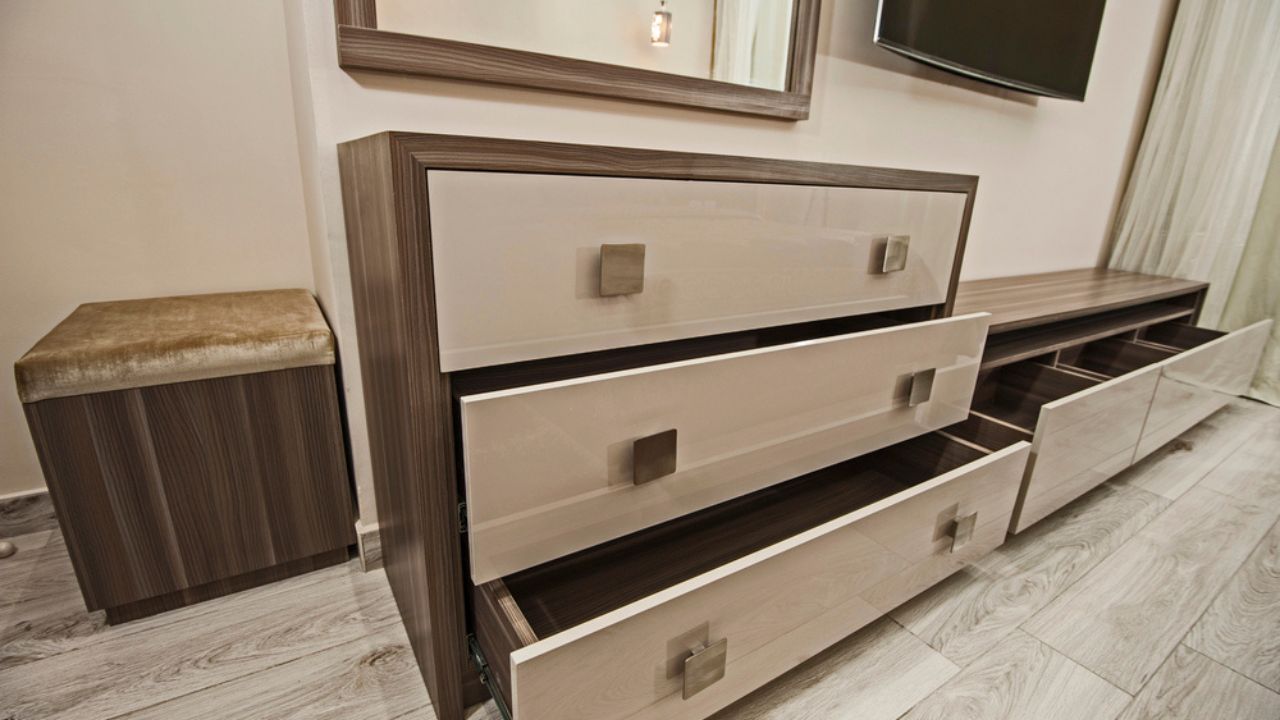
Image Credit: Shutterstock.
Most drawers were never meant to be bottomless pits of mystery. If digging for a working pen feels like a safari, a quick switch-up could save your nerves. Pick a single drawer (preferably not the notorious junk one), and test what happens when those risky items go elsewhere. Your kitchen, garage, or entryway might begin to feel strangely livable. Give it a shot, and soon your drawers might actually hold what you set out to find in the first place.