

That winter jacket hanging by the door is a silent guardian against the cold. It bravely faces wind, rain, and the occasional spilled coffee. But after a season of dedicated service, it can look a little worse for wear. Before shoving it into the back of a closet when temperatures rise, giving it some attention will keep it ready for action for years to come.
A little care extends its life, saving you from having to buy a new one every autumn. Here is how to care for your winter jackets:
1. Check the Care Label
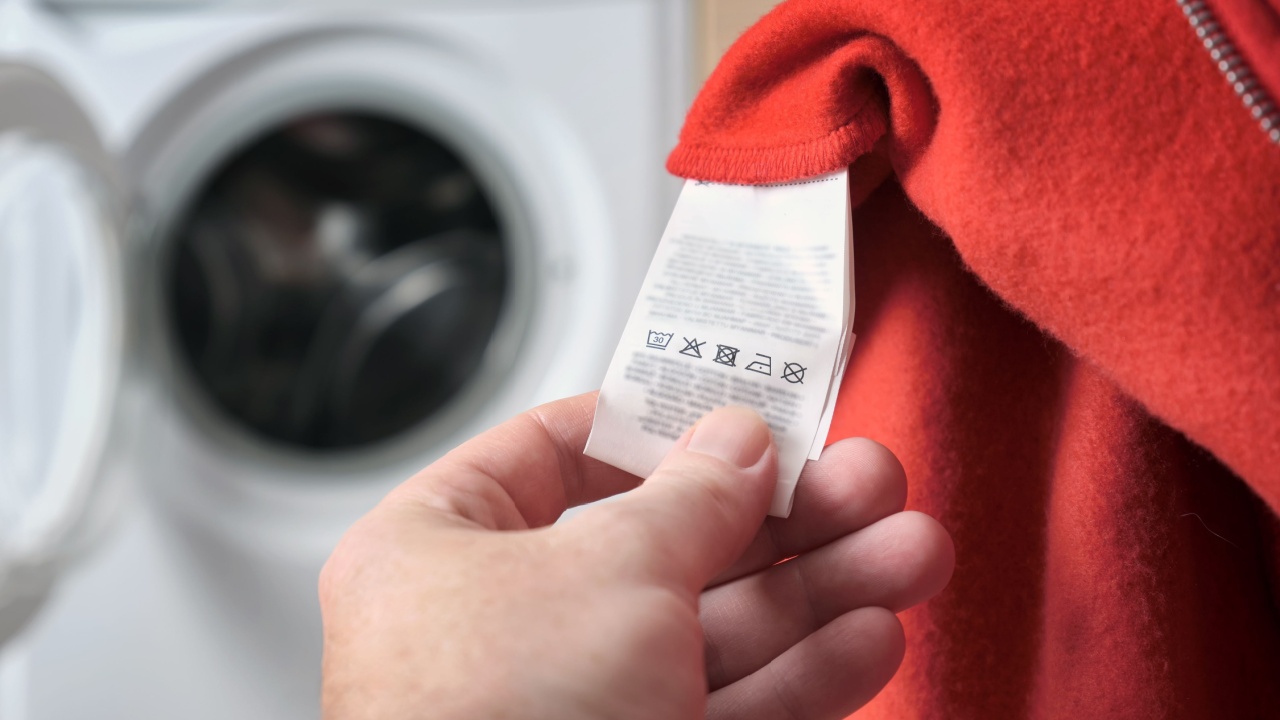
Image Credit: Shutterstock.
Before doing anything, locate the jacket’s care tag. This tiny piece of fabric is the manufacturer’s instruction manual. It holds all the secrets to your jacket’s specific needs, from water temperature to drying methods. The label will tell you what the jacket is made of (down, wool, synthetic) and how to clean it without causing damage.
Quick Guide:
- Locate the Tag: Usually found along a side seam or inside a pocket.
- Decode Symbols: Look for icons indicating washing machine settings, water temperature, bleach use, and drying recommendations.
- Identify Material: Note if it’s down, wool, fleece, or a waterproof synthetic. This dictates the entire cleaning process.
2. Spot Clean Stains
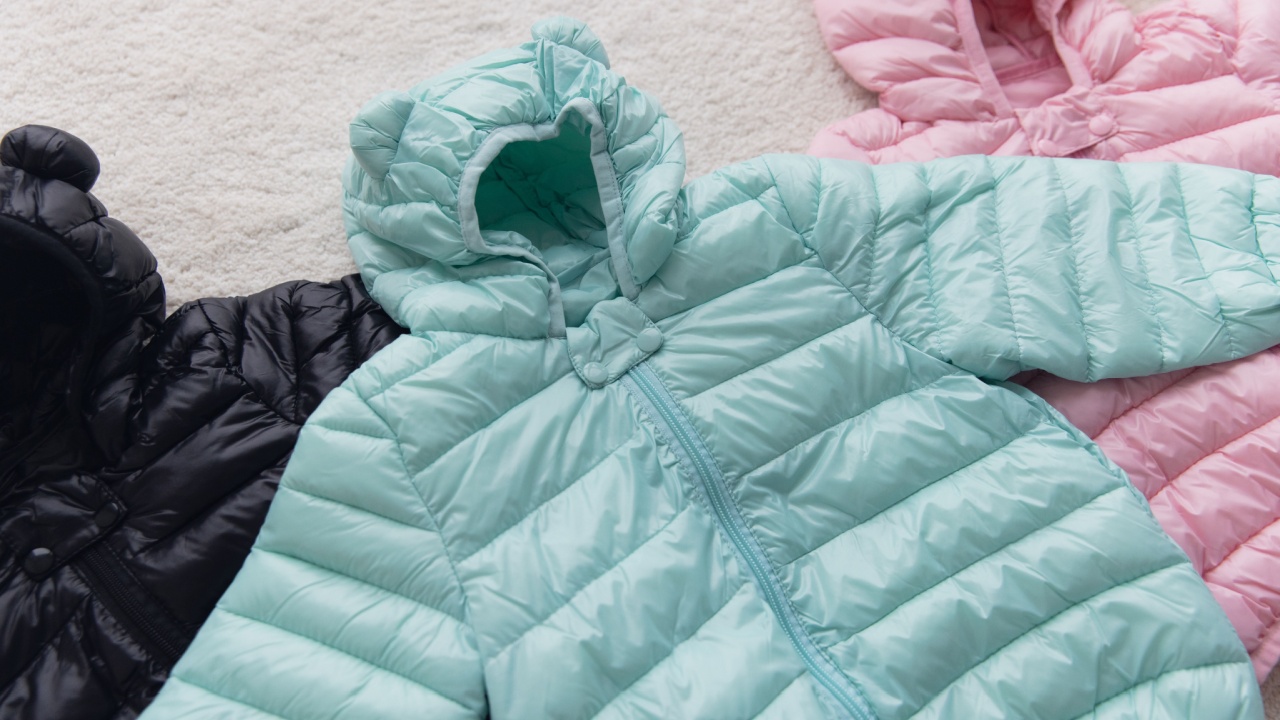
Image Credit: Shutterstock.
Most of the time, your jacket doesn’t need a full-on bath. Small spills and smudges from daily use can be handled individually. Spot cleaning is less harsh on the fabric, insulation, and any water-resistant coatings. It’s a quick fix that tackles the immediate problem without subjecting the whole garment to a washing machine cycle. This preserves the jacket’s structure and performance.
Quick Guide:
- Act Fast: Address fresh stains before they set.
- Use Mild Detergent: Mix a small amount of gentle soap with cool water.
- Blot, Don’t Rub: Use a clean cloth to gently dab the stain. Rubbing can push the stain deeper into the fibers.
- Rinse Lightly: Use another damp cloth with plain water to remove the soap residue.
3. Wash the Right Way

Image Credit: Shutterstock.
When spot cleaning isn’t enough, it’s time for a proper wash. How you do this depends entirely on the fabric. A delicate down jacket has very different needs than a sturdy wool pea coat. Using the correct method prevents shrinking, matting of insulation, and damage to waterproof membranes.
Quick Guide:
- Down Jackets: Use a front-loading washer on a gentle cycle with cold water. Use a detergent made specifically for down.
- Wool Coats: Many wool coats are dry-clean only. If the tag permits hand washing, use cool water and a wool-specific soap. Gently squeeze out water; never wring the fabric.
- Synthetic Jackets (Fleece, Polyester): These are generally machine-washable. Turn them inside out, use cold water on a gentle cycle, and opt for a mild detergent.
4. Dry Carefully

Image Credit: Shutterstock.
The drying process is just as important as the washing one. Improper drying can ruin a jacket’s insulation, leaving it lumpy, ineffective, and misshapen. High heat is the enemy of most winter coats, as it can melt synthetic fibers and damage waterproof coatings. Patience here is your greatest tool.
Quick Guide:
- Down Jackets: Tumble dry on the lowest heat setting. Add a few clean tennis balls or wool dryer balls to the dryer. These will bounce around, breaking up clumps of wet down and restoring its loft.
- Wool Coats: Lay the coat flat on a towel away from direct sunlight or heat. Flip it periodically to help it dry evenly. Never hang a wet wool coat, as the weight can stretch it out of shape.
- Synthetic Jackets: Tumble dry on low heat or hang them to air dry. They typically dry faster than down or wool.
5. Store for the Off-Season
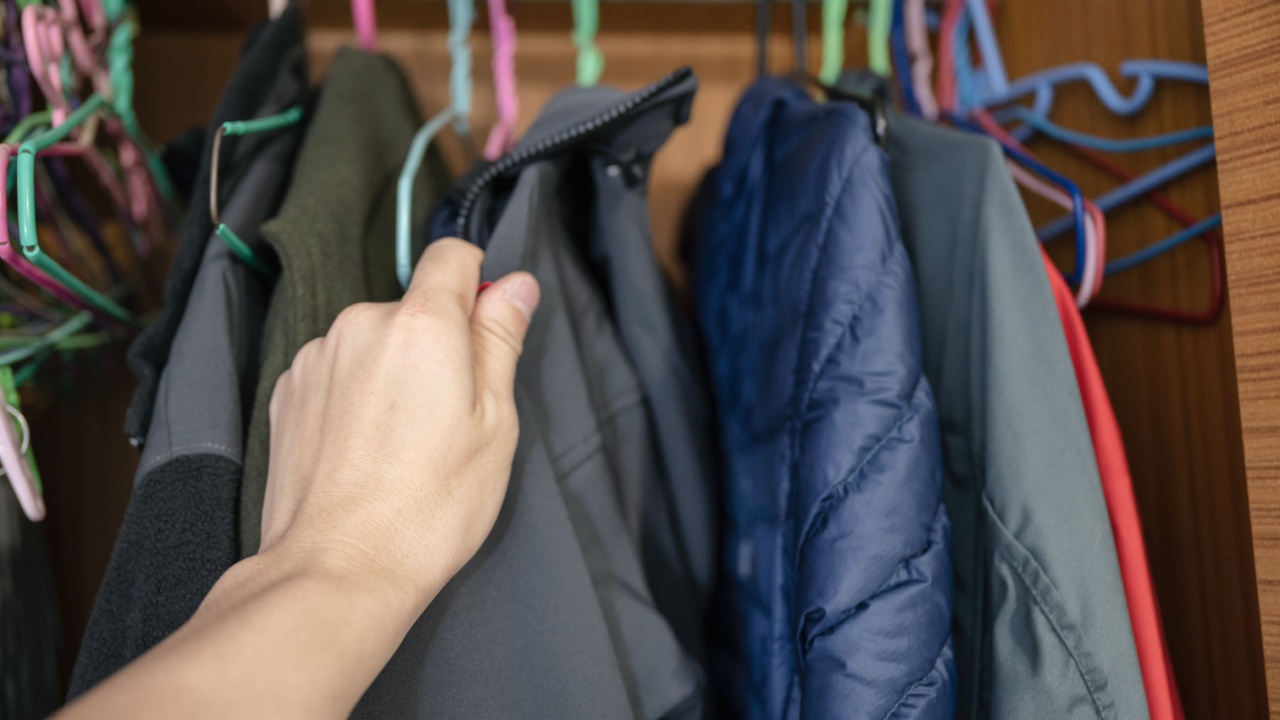
Image Credit: Shutterstock.
Once your jacket is clean and completely dry, storing it correctly will keep it in prime condition until the next cold snap. Stuffing it into a cramped space can compress insulation and create deep wrinkles that are hard to remove. Proper storage protects it from pests, dust, and damage.
Quick Guide:
- Give It Space: Hang your jacket on a sturdy wooden or padded hanger in a closet with good air circulation. Avoid thin wire hangers that can distort the shoulder shape.
- Keep It Dry: Store it in a cool, dry place. Damp basements or attics can lead to mildew.
- Don’t Compress: Avoid storing jackets in vacuum-sealed bags for long periods. This can permanently flatten down and synthetic insulation, reducing its ability to keep you warm.
Stay Winter-Ready

Image Credit: Shutterstock.
With your jacket now clean and properly stored, it will be ready for duty the moment you need it again. Get your mittens and hats ready for winter, too. When you pull it out next season, give it a good shake to fluff up the insulation. You might also consider reapplying a waterproofing spray to refresh its ability to repel rain and snow. A little maintenance goes a long way in making sure your favorite winter armor lasts for many seasons.