
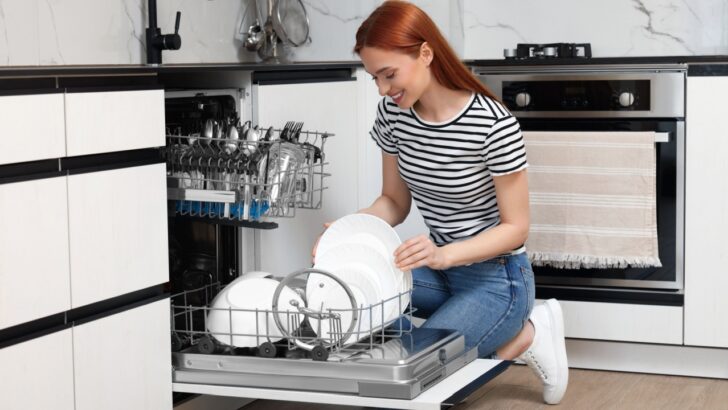
Standing in front of an open dishwasher feels like staring into the abyss of domestic responsibility. It seems simple enough: dirty things go in, clean things come out. Yet, somehow, half the time plates emerge with stubborn bits of last night’s lasagna clinging to them like a bad memory. It turns out that the appliance isn’t broken, and the detergent isn’t expired.
The problem is usually the operator. Loading this miracle machine requires a bit more strategy than simply shoving everything inside and hoping for the best. Here is how most people sabotage their own cleaning cycles.
1. Overcrowding the Dishwasher
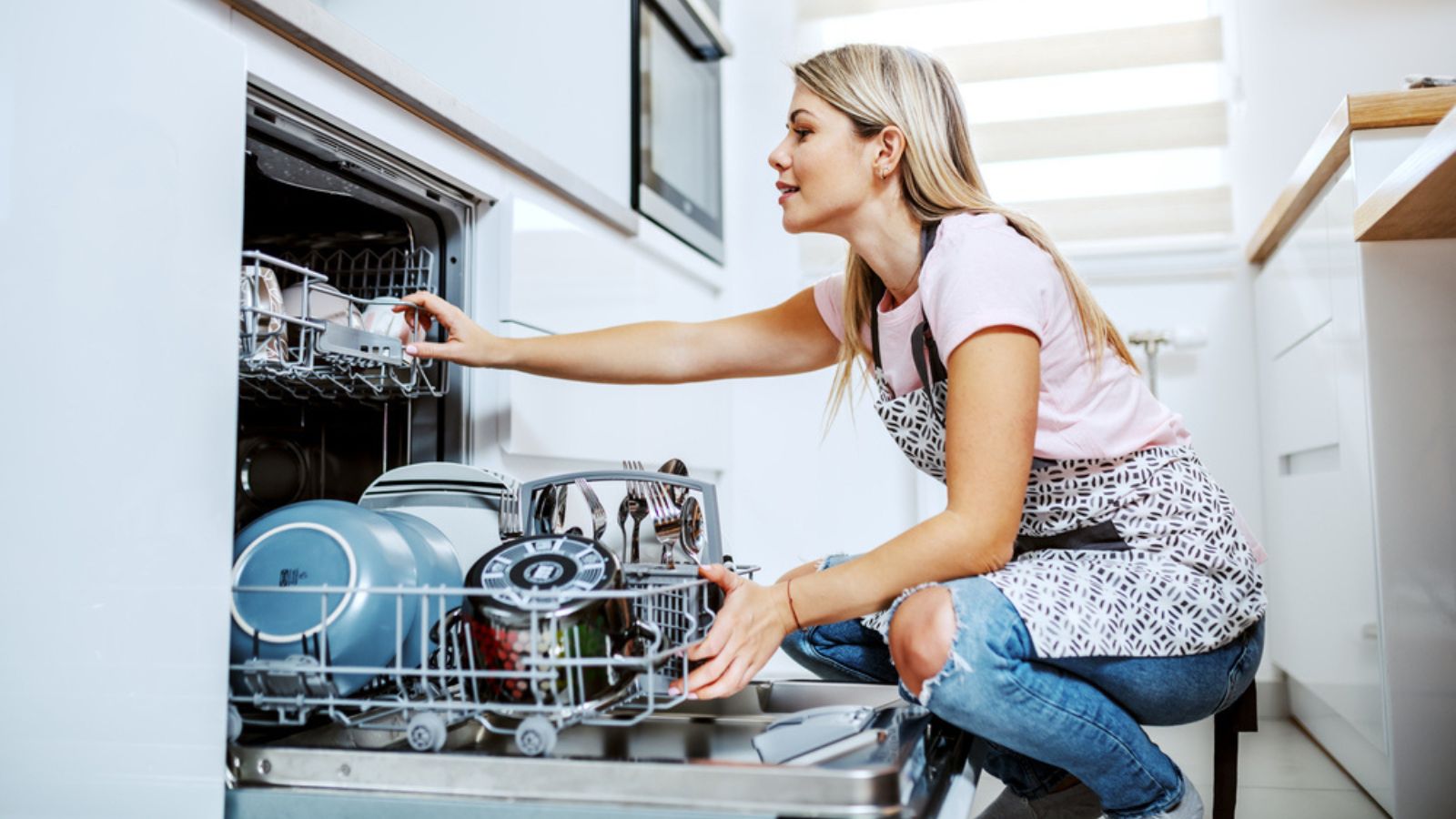
Image Credit: Deposit Photos.
Packing the dishwasher to 110% capacity feels like a victory against hand-washing. Why run two loads when you can defy physics and cram every single fork, bowl, and pot lid into one? Because water needs space to move. The spray arms inside the machine work by shooting jets of hot, soapy water upwards and outwards. When dishes sit shoulder-to-shoulder, they create barriers.
A large cutting board is placed directly in front of the detergent dispenser, or bowls nested so tightly they look like Russian dolls, blocking that crucial water flow. Instead of cleaning, the machine just sprays the outermost layer of grime while the dishes in the center stay dirty. Give everything a little breathing room. Plates should face inward and downward, but they shouldn’t touch.
2. Ignoring Gravity and Geometry
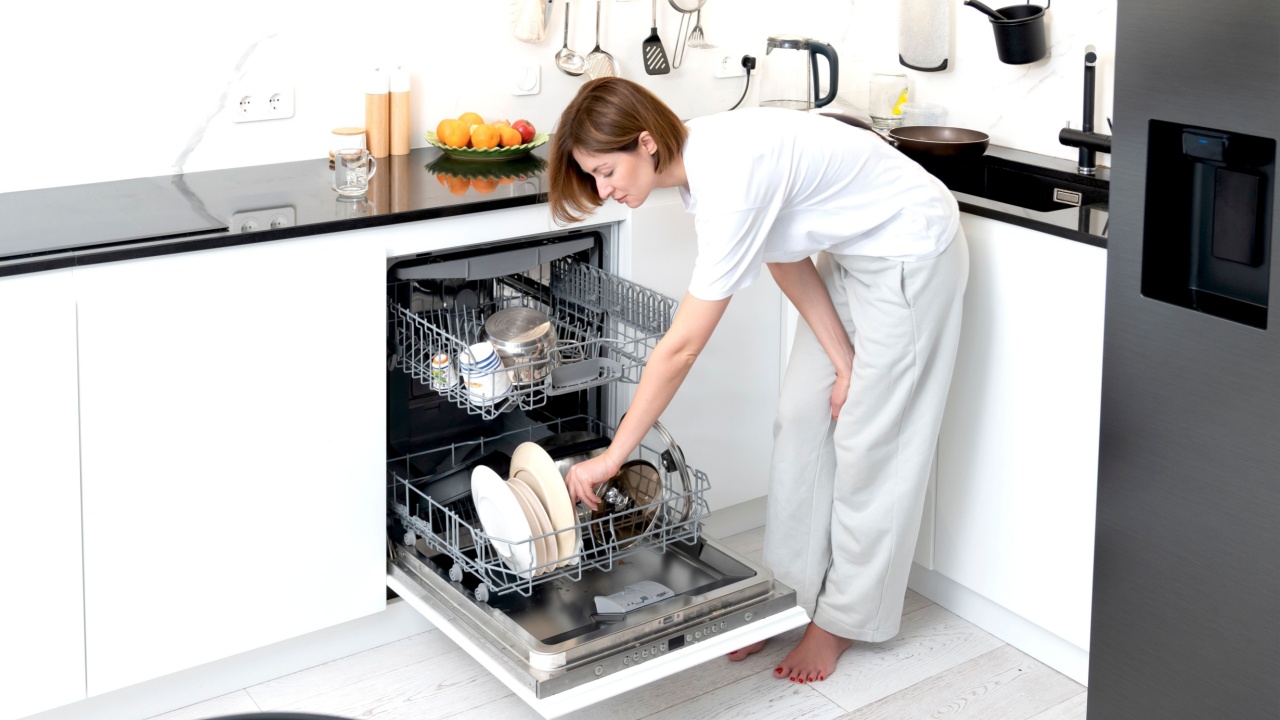
Image Credit: Shutterstock.
Most people treat the dishwasher racks like a flat parking lot, but angles matter. Placing a cup or a small bowl right-side up, or even perfectly flat upside down, creates a pool of dirty water. When the cycle ends, that concave bottom on your favorite mug holds a lukewarm puddle of dishwater that splashes everywhere when you unload. Even worse is sliding plates in haphazardly so they face the wall of the machine instead of the center.
The spray arms spin from the middle. If the dirty side of a plate faces the door, the water hits the clean back of the plate while the sauce on the front hardens. Always angle cups and bowls on the top rack so water runs off them, rather than pooling. Tilt them slightly. For the bottom rack, face all plates and platters toward the center spray arm. Think of it like a stadium: everyone wants to look at the main event in the middle.
3. The Utensil Basket Free-For-All
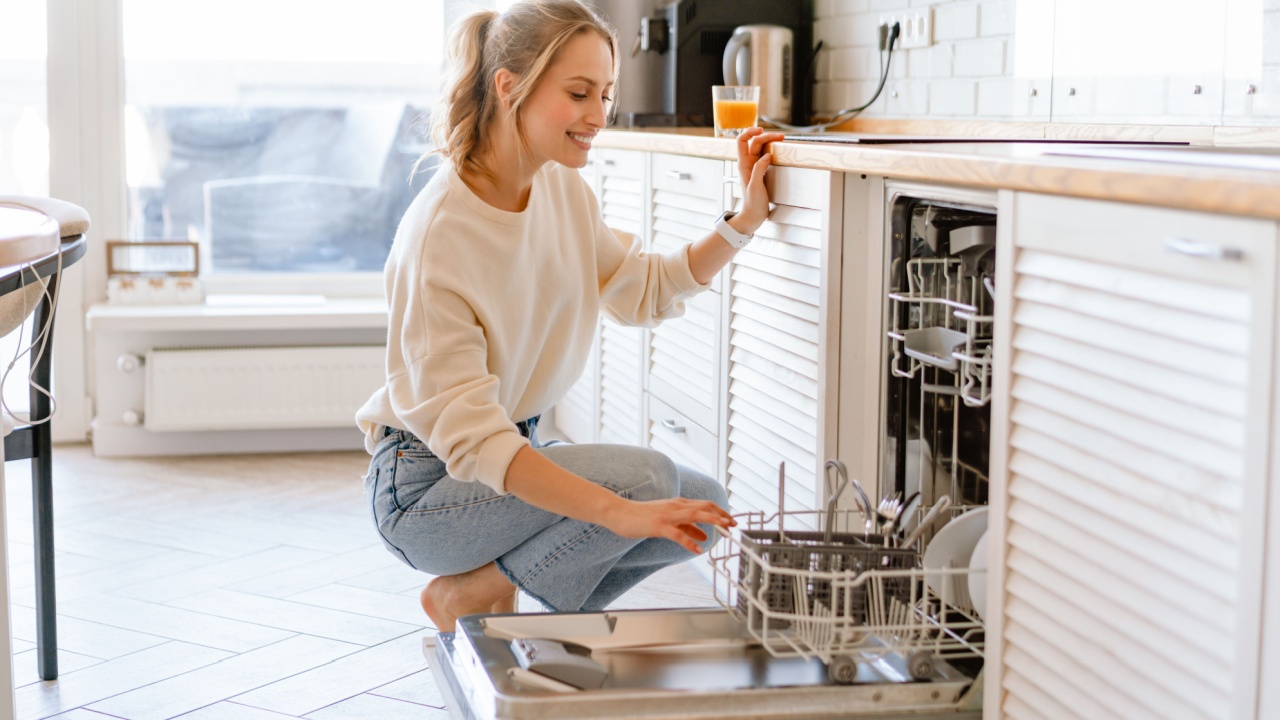
Image Credit: Shutterstock.
The silverware basket is often treated as a dumping ground. Forks spooning other forks, spoons nesting perfectly inside one another, and knives pointing dangerously upward. When spoons nest, the water cannot get between them to clean off the peanut butter. When forks bunch up, the tines trap food. And putting sharp knives blade-up is just asking for an accidental injury during unloading.
Mix it up. Alternate spoons and forks so they can’t nest. Place some handles up and some handles down to maximize exposure to the water jets, except for knives. Always place sharp knives blade-down for safety, or better yet, wash high-quality chef knives by hand to preserve their edge. If your basket has those little grid lids, use them. They force you to separate each piece of silverware, guaranteeing water hits every surface.
4. Top Rack vs. Bottom Rack Confusion

Image Credit: Shutterstock.
Heat rises, but the heating element in most dishwashers lives at the very bottom. This makes the bottom rack the danger zone for delicate items. Plastic containers, soft spatulas, and delicate glassware placed on the bottom rack often warp, melt, or crack under the intense heat radiating from below. Conversely, putting heavy, heavily soiled pots and pans on the top rack often results in disappointment because the water pressure is typically stronger at the bottom.
The bottom rack belongs to the heavyweights: dinner plates, stainless steel pots, and glass baking dishes. These items can handle the heat and need the stronger water pressure to blast away stuck-on food. The top rack is the sanctuary for plastics, glasses, mugs, and long utensils like ladles. By segregating items based on their heat tolerance and soil level, you protect your kitchenware and get a better clean.
Making the Machine Work for You
Image Credit: Deposit Photos.
Stop fighting the appliance. It wants to help, but it needs cooperation. Take a few extra seconds to scrape off big chunks of food (no need to pre-rinse perfectly) and place items deliberately rather than forcefully. Check the spinning arms before hitting start, give them a manual spin to make sure no stray ladle handle blocks their path.
If you notice a specific dish always comes out dirty, try moving it to a different spot next time. Not everything belongs in the dishwasher; small adjustments usually solve the biggest headaches.