
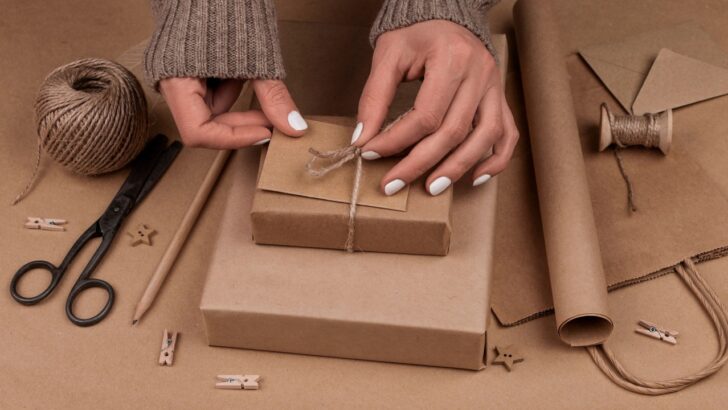
The holiday season often arrives with a flurry of excitement, cookies, and, unfortunately, a mountain of trash. Between the shimmer of tinsel and the frantic ripping of wrapping paper, household waste skyrockets during December. It turns out that festive cheer leaves behind a rather large environmental footprint. While nobody wants to act like a Scrooge, it pays to look at how decorations impact the planet.
Small changes in how you deck the halls can make a significant difference for ecosystems far and wide. Plastic pollution does not take a holiday break. Items like balloons, shiny confetti, and synthetic banners might look festive for a few days, but they stick around in landfills for centuries. You can keep the festive spirit alive while protecting wildlife habitats from unnecessary waste.
Here is how to navigate the season with sustainability in mind.
1. Ditch the Microplastic Confetti and Fake Snow
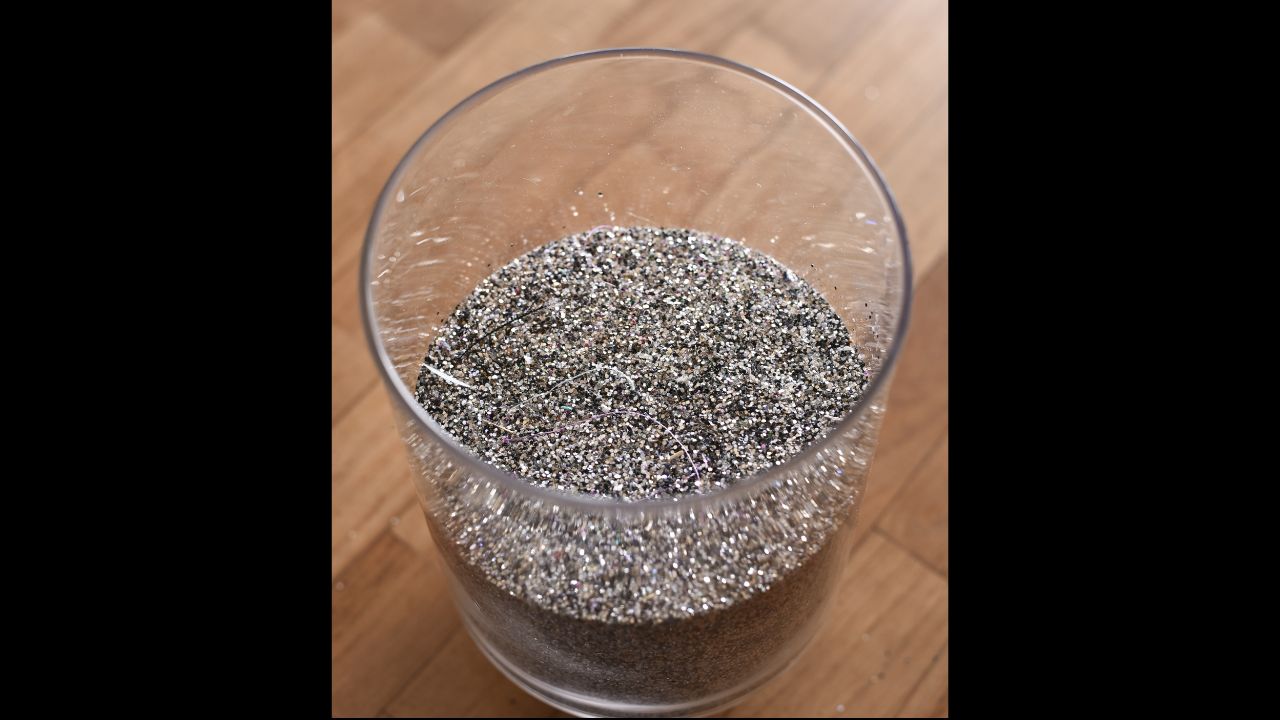
Image Credit: Shutterstock.
Those sparkly bits of confetti and cans of spray-on snow bring a wintery look to a living room, but they come with a hidden cost. Most glitter and artificial snow products consist of microplastics or synthetic polymers. When you wash off the fake snow or sweep up the glitter, those tiny particles enter waterways. Fish and other marine life often mistake these specks for food. This introduces plastic into the food chain and harms aquatic ecosystems.
Even products labeled as “biodegradable” warrant a closer look. Some bioplastics require specific industrial composting conditions to break down, meaning they will not decompose in a standard garden compost bin or the ocean. Nature provides plenty of wintery textures without the synthetic aftertaste. Using natural foliage or salt dough ornaments creates that festive atmosphere without shedding harmful particles into the environment.
2. Choose Decorations for the Long Haul

Image Credit: Shutterstock.
The temptation to buy cheap, trendy plastic baubles every year is strong. Stores fill aisles with inexpensive ornaments that often break or lose their appeal by January. This cycle of buying and discarding single-use or low-quality items drives up demand for plastic production. A more sustainable approach involves viewing decorations as investments rather than disposable accessories.
Look for items made from glass, wood, metal, or fabric. These materials tend to age better and can withstand years of packing and unpacking. If you do buy plastic, opt for second-hand pieces to extend their life instead of purchasing new ones. Curating a collection of meaningful, durable decorations reduces the need for constant consumption. It also builds a sense of tradition, as you pull out the same beloved items year after year.
3. Get Crafty with Natural Materials

Image Credit: Shutterstock.
You do not need a factory to produce beautiful holiday decor. Some of the most charming decorations come from simple, raw materials found in nature or your recycling bin. Making your own garlands from popcorn, cranberries, or dried orange slices adds a rustic, authentic touch to a tree. Paper chains made from old books or newspapers offer a vintage aesthetic that plastic streamers cannot replicate.
When purchasing craft supplies, always check the ingredients. Many commercial crafting kits include hidden plastics or non-recyclable elements. Stick to natural twines like jute or cotton instead of synthetic ribbons. If you decide to buy pre-made natural decorations, verify that they do not contain hidden wire or plastic glues that might complicate composting later.
4. Wrap It Up Without the Foil and Glitter
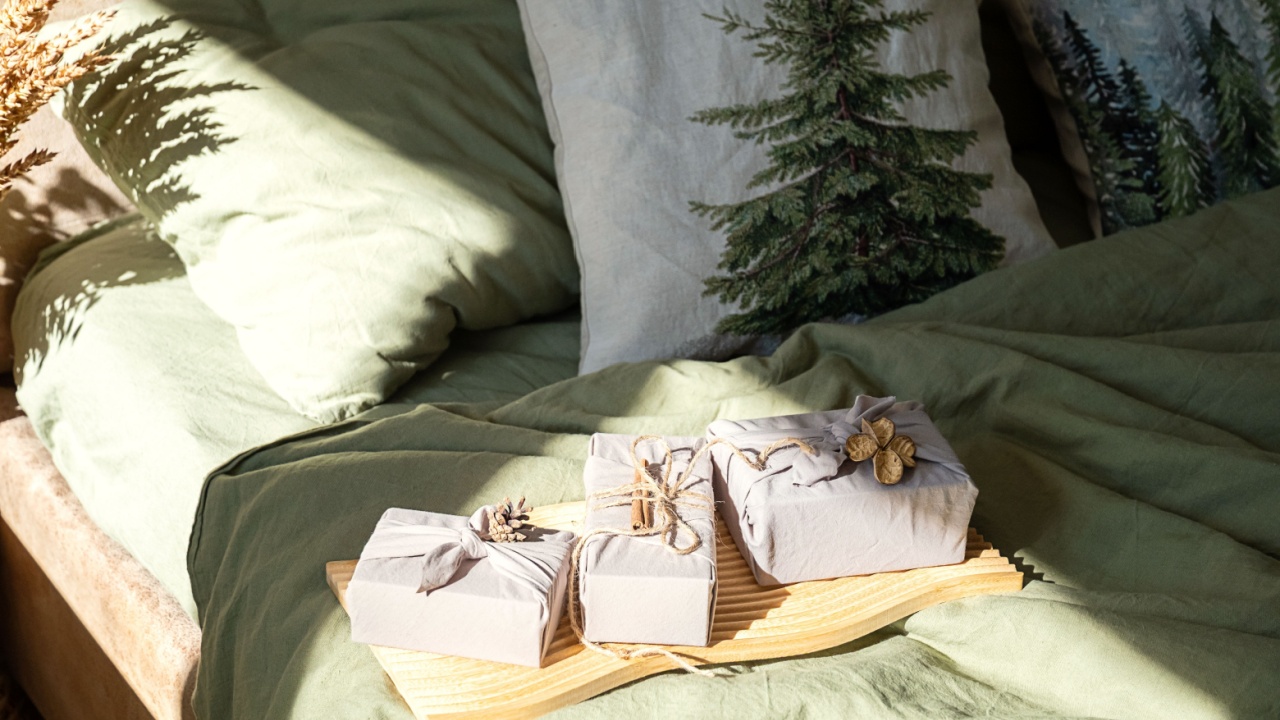
Image Credit: Shutterstock.
Gift wrapping creates a massive amount of waste every year. The shiny, metallic, or glitter-encrusted paper that looks so impressive under the tree is a recycling nightmare. Most recycling facilities cannot process paper coated in foil or plastic. It ends up in the general trash, adding tons of waste to landfills. Even a simple paper can be problematic if it is too thin or saturated with ink.
Alternatives exist that look just as good and cause far less harm. Brown kraft paper serves as a blank canvas for creativity. You can stamp it, draw on it, or tie it with a sprig of rosemary for a festive look. Fabric wrapping, inspired by the Japanese art of Furoshiki, uses scarves or cloth scraps to bundle gifts. This method essentially gives two gifts in one, as the recipient can reuse the fabric. Old maps, newspapers, or even children’s artwork also make for unique, recyclable wrapping solutions.
Keeping the Momentum Going

Image Credit: Deposit Photos.
Adopting these changes involves making conscious choices to reduce reliance on plastic and disposable items. As you pack away decorations this year, take inventory of what you have. Repair broken items instead of tossing them. Organize everything neatly to prevent damage, so you do not feel the need to buy replacements next December.
Consider checking local recycling guidelines before throwing anything away. Rules vary by location, and knowing what your local facility accepts prevents contamination of recycling batches. If you have plastic decorations you no longer want, try donating them to a local charity shop or community center rather than throwing them in the bin. Extending the life of these items keeps them out of the ground. Every piece of plastic avoided is a win for the polar bears.