
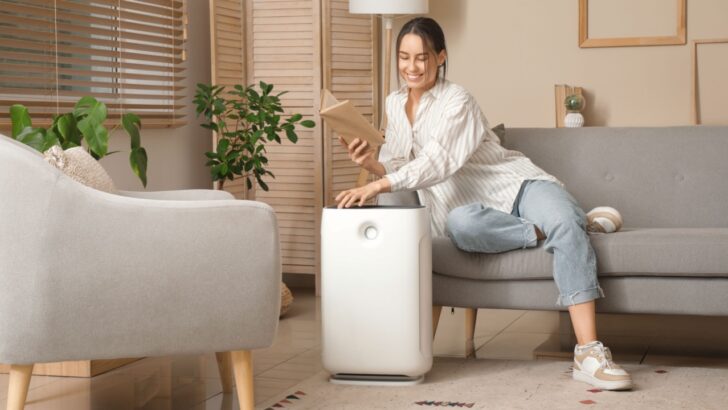
Winter brings a familiar battle against dry air, static electricity, and parched skin. Adding a humidifier to the mix seems like the logical solution to improve indoor comfort and health.
However, while increasing moisture levels helps you breathe easier, it frequently has the opposite effect on your home interior. Without careful monitoring, that soothing mist can quietly destroy prized antiques, modern fixtures, and structural elements.
Recognizing the early warning signs of moisture damage can prevent a seasonal comfort aid from becoming a renovation nightmare.
1. Wooden Surfaces Develop a White Haze or Begin to warp
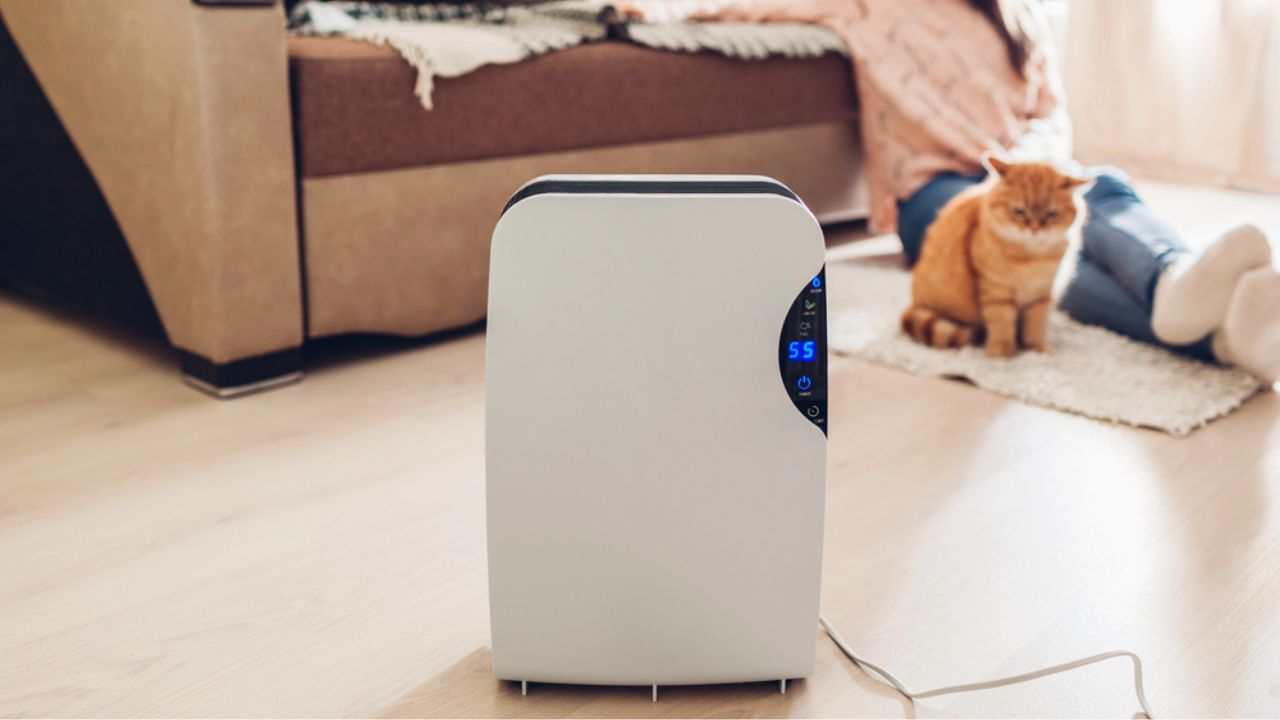
Image Credit: Deposit Photos.
Wood absorbs and releases moisture, but too much humidifier mist can cause damage. Signs include a cloudy white haze, swelling, sticking drawers, warped tabletops, and peeling finishes. Veneers are especially vulnerable as the glue may loosen, causing bubbling.
Prevention Tips:
- Keep the humidifier at least 3 feet from wood.
- Use a waterproof mat under the device.
- Monitor humidity with a hygrometer; turn off if levels exceed 60%.
2. Upholstery Feels Clammy or Smells Musty

Image Credit: Shutterstock.
Fabric absorbs humidity quickly, and if your upholstery feels damp, cool, or tacky, the room is too humid. This excess moisture can lead to dust mites and mildew, especially in delicate fabrics like silk. A musty smell is the first sign of mold growing inside the furniture.
Fabric Care Tips:
- Touch Test: Regularly feel the upholstery for dampness and ventilate if needed.
- Air Circulation: Use a fan to prevent humid air from settling around furniture.
- Direct Mist Control: Aim the humidifier’s nozzle away from seating areas.
3. MDF and Particle Board Joints Are Swelling

Image Credit: Shutterstock.
Unlike solid wood, modern furniture made from MDF or particle board acts like a sponge, absorbing moisture and swelling irreversibly. This “mushrooming” effect, often seen at seams and edges, can cause the material to crumble and compromise the furniture’s structure, frequently requiring replacement.
Material Watch:
- Inspect: Regularly check furniture near the humidifier for swelling or laminate peeling.
- Seal: Apply a sealant to exposed MDF or particle board edges for extra protection.
- Elevate: Keep furniture off the floor, as humid air is denser and settles lower.
4. Paint Blisters or Wallpaper Peels at the Seams
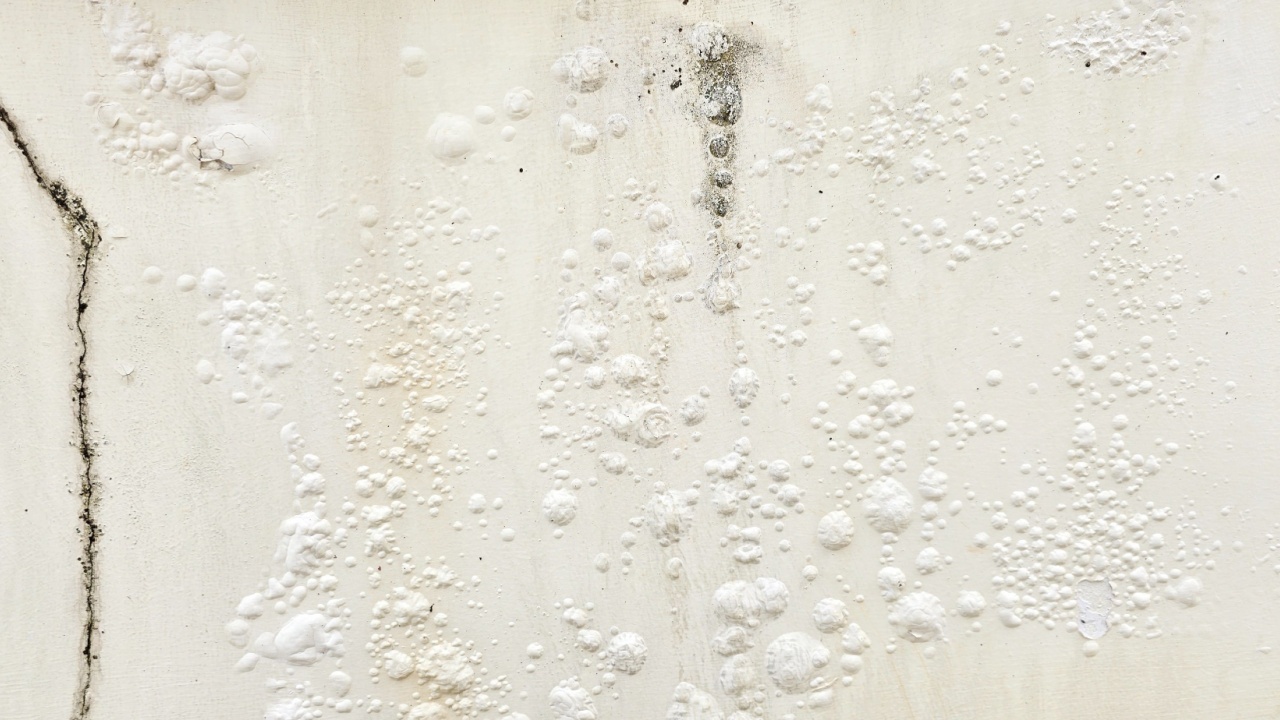
Image Credit: Shutterstock.
High humidity can silently damage your walls. Moisture attacks wallpaper adhesive, causing it to peel, and can get trapped behind paint, leading to bubbles and blisters. This dampness can also encourage mold growth.
What to do:
- Check: Look for discoloration or soft spots on walls near the humidifier.
- Ventilate: Open a door or window briefly each day to release excess moisture.
- Act Fast: If you see peeling or bubbling, stop using the humidifier and dry the area thoroughly before making repairs.
Keeping Your Home Safe and Comfortable
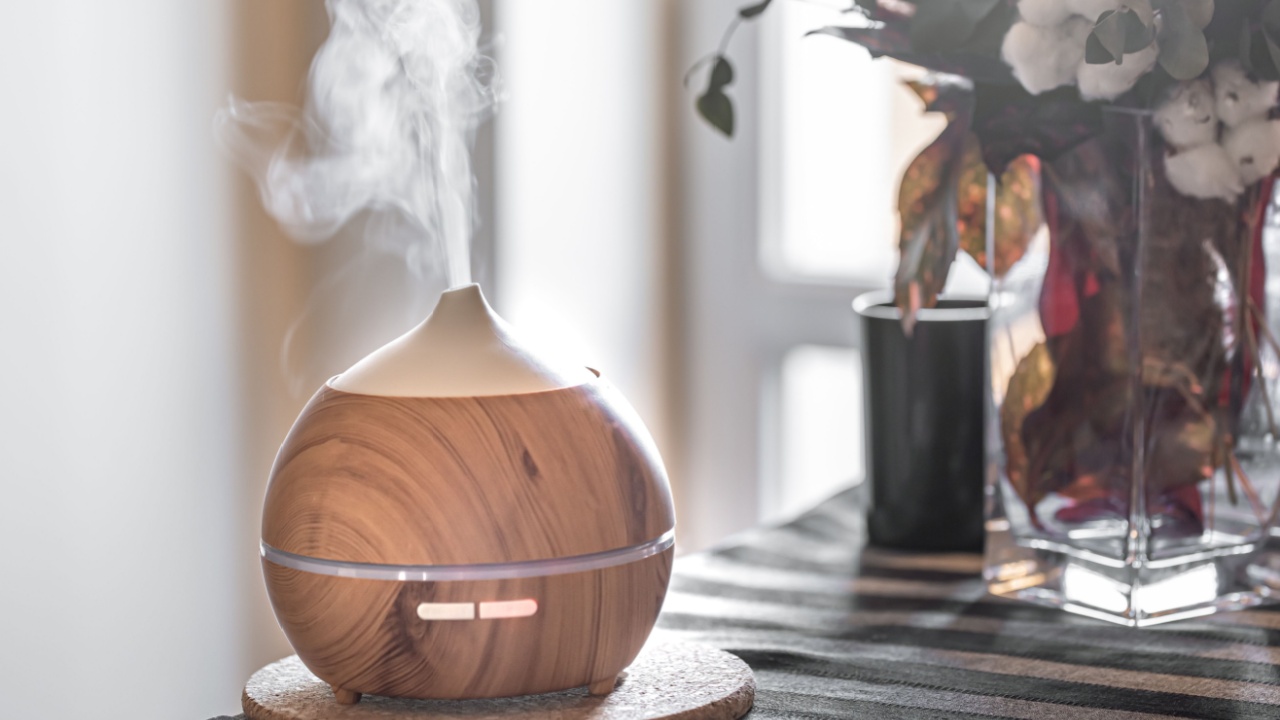
Image Credit: Shutterstock.
Balancing winter dryness with home protection requires vigilance. You can enjoy the health benefits of added moisture without sacrificing your decor by maintaining a strict distance between the appliance and your belongings and monitoring humidity levels.
If you are struggling to find the right balance or have noticed signs of moisture damage, it might be time to look at alternative solutions. Consider incorporating more houseplants that naturally transpire moisture or consulting with a home interior specialist to optimize your layout for better airflow.